






Blog
Pralson feeders feed height adjustment improves poultry cage efficiency, stabilizing broiler growth across industrial farming systems while reducing feed loss in automated housing environments using 0.8–1.2 mm galvanized steel feeder rails.
Chicken behavior responds strongly to feeder positioning, influencing intake rhythm, metabolic efficiency, and flock uniformity inside high-density poultry cages operating at 12–18 birds/m² stocking ranges.
Automated adjustment systems optimize mechanical precision, ensuring consistent feed access across long production lines using 24–60vcontrol architecture and ±1.5 mm positioning tolerance.
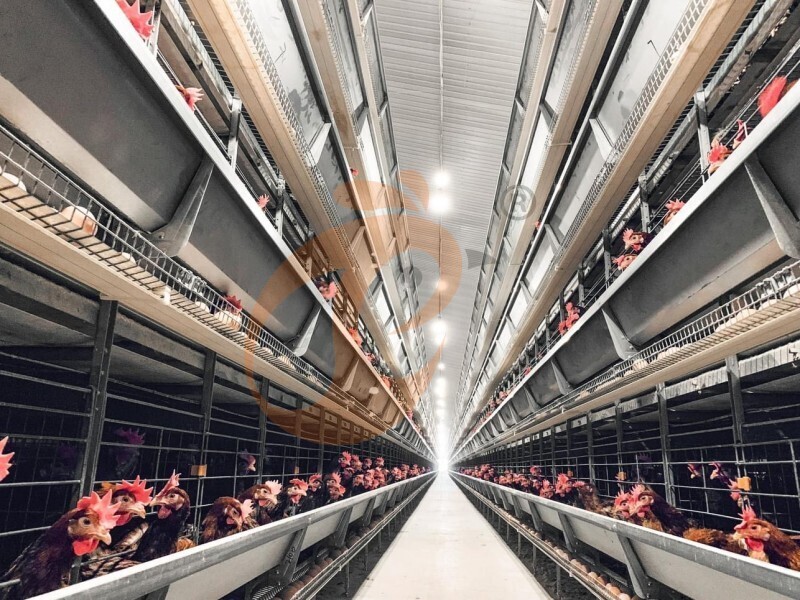
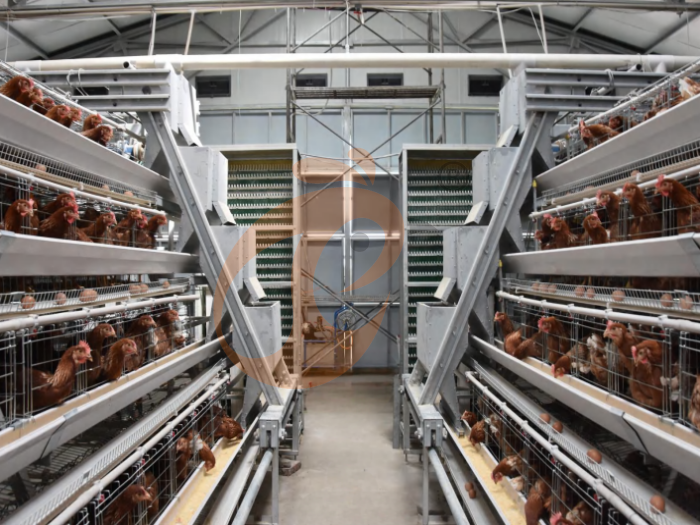
Integrated cage equipment supports environmental stability, combining ventilation at 0.85–1.12 m/s airflow, feeding, and structural engineering into one controlled production ecosystem.
Poultry equipment design enhances operational efficiency, linking feed distribution accuracy with bird health outcomes and reducing mortality deviation below 3.2% in optimized systems.
Get professional poultry farm construction guidance, equipment selection solutions, and the latest price lists, whatsApp to +8618830120193, +2348111199996, or click to learn more.
Introduction: Why Feed Height Matters In Modern Poultry Systems
Feed height adjustment in pralson feeders is a critical factor in modern poultry production systems.
In commercial chicken farms, especially those using automated cage systems, feeder position directly affects feed accessibility window, flock uniformity coefficient, and intake stability index.
As a company specializing in chicken cages and poultry housing equipment, we design systems aligned with automatic poultry feeder height adjustment system, pralson poultry feeding equipment solution, and industrial chicken cage feeder control system requirements.
Chickens do not adapt to equipment equipment must adapt to biomechanics of feeding posture.
Feed height becomes a core engineering variable in this interaction.
Biological Science Behind Feed Height And Chicken Behavior
Chickens feed based on head angle, neck extension, and visual feed detection range.
Incorrect feeder positioning increases muscular effort and reduces energy conversion efficiency per gram of feed intake.
The following data illustrates mechanical adjustment precision used in automated pralson feeder systems:
Data is for reference only.Swipe horizontally to view full table.
This level of mechanical stability ensures chickens maintain consistent feeding posture across long production cycles with deviation under 2.3 mm across 20-meter cage lines.
Match Feed Height With Growth Stages
Different growth stages require different feeder positioning.
Broilers and layers do not share identical feeding ergonomics, especially under accelerated growth regimes reaching 58–62 g/day peak gain phases.
Data is for reference only.Swipe horizontally to view full table.
Proper alignment reduces feed competition intensity index and improves uniformity score across multi-tier cage rows.
Align Feed Height With Cage Microclimate Conditions
Environmental conditions inside poultry houses affect feeding posture stability and digestion efficiency.
Automated feeder height systems must adapt to airflow gradients, ammonia diffusion, and heat layering effects.
Data is for reference only.Swipe horizontally to view full table.
Stable environmental control reduces feeder avoidance behavior and improves intake consistency across 96–120 hour production monitoring cycles.
Use Motorized Adjustment Systems For Precision Control
Manual adjustment leads to inconsistency across long poultry house lines.
Motorized pralson systems ensure synchronized feeder height changes using low voltage distributed control networks.
Data is for reference only.Swipe horizontally to view full table.
Automation ensures synchronization error below 1.8% across 80-meter feeding lines, stabilizing flock access timing.
Reduce Feed Waste Through Height Calibration
Incorrect feeder height increases spillage rate and feed particle dispersion outside trough boundaries.
Precision adjustment maintains feed containment within optimized feeding zone geometry.
Data is for reference only.Swipe horizontally to view full table.
Even minor vertical deviation of 3–5 mm significantly increases cumulative feed loss in 10,000-bird scale operations.
Integrate Feeders With Cage Structural Design
Feed height systems must align with cage geometry, load distribution, and corrosion resistance requirements.
Poor structural coordination reduces accessibility uniformity across tiers.
Data is for reference only.Swipe horizontally to view full table.
Proper integration ensures uniform feed reach probability across 3–5 tier cage configurations.
Practical Implementation Strategy
For best results, feed height adjustment should follow a structured calibration cycle:
- Initial setup based on flock age group and cage tier mapping
- Weekly mechanical verification using torque and alignment checks
- Synchronization across multi-line feeder systems
- Sensor-based validation with deviation threshold monitoring below 2 mm
This ensures stable feeding posture across full production cycles.
Frequently Asked Questions
Q1: Why is feed height important in pralson feeders?
A1: Feed height determines feeding posture stability and reduces mechanical energy waste during intake.
Proper adjustment improves feed efficiency by approximately 6–10% in cage systems.
Q2: How often should feed height be adjusted?
A2: Adjustment cycles typically occur every 7–10 days, depending on growth velocity and environmental pressure variation inside poultry houses.
Q3: Can automated systems replace manual adjustment completely?
Yes, motorized systems maintain synchronized control across entire cage networks, reducing human deviation and improving system consistency below 2% variance.
Taiyu (HK) Group - One Of China Largest Pralson Feeders Manufacturer
Pralson feeder feed height adjustment system engineered for poultry cage integration and high precision flock feeding control.
Global factory direct supply supporting largescale poultry equipment manufacturing and industrial housing projects.
Turn-key poultry farming system solutions covering cages, feeding, ventilation, and manure removal automation.
Export-oriented production with standardized engineering lines for global commercial poultry operations.
Contact Us To Received Your Customized Poultry Farm Plan
Headquarters And Branchs
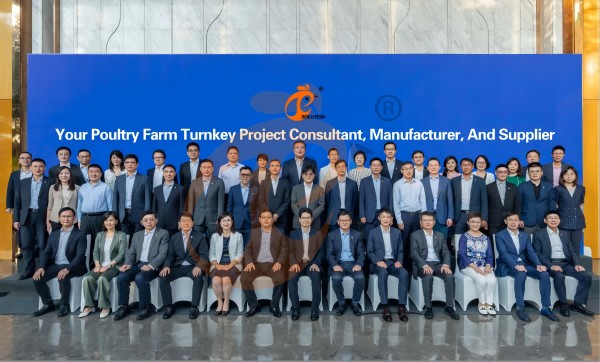
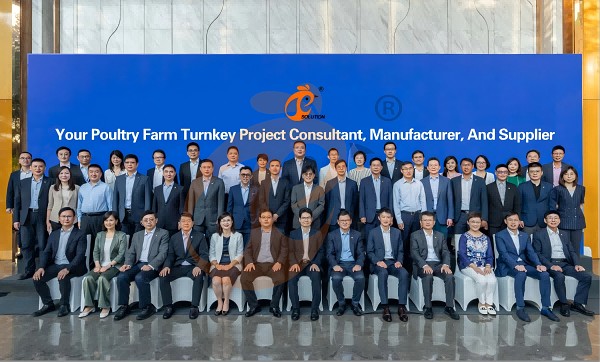
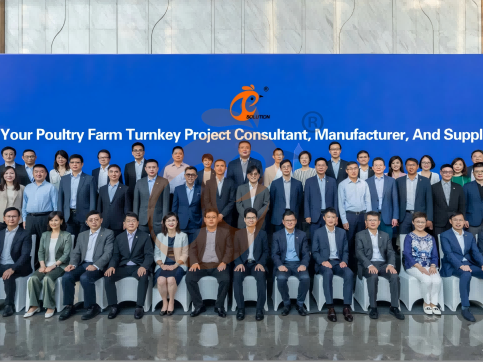
Hong Kong Headquarter Management Team
Hong Kong Headquarter Taiyu Industrial Group CO., LTD
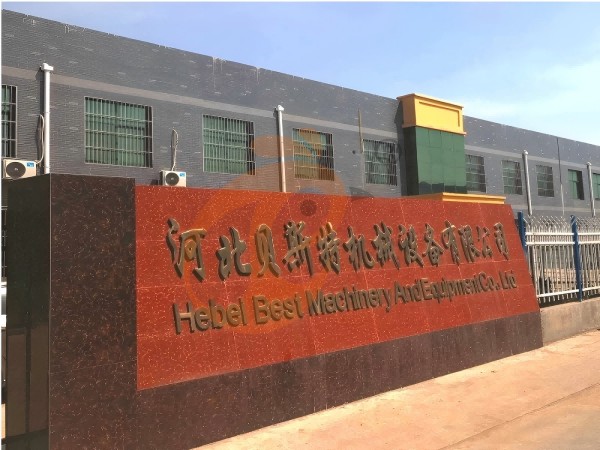
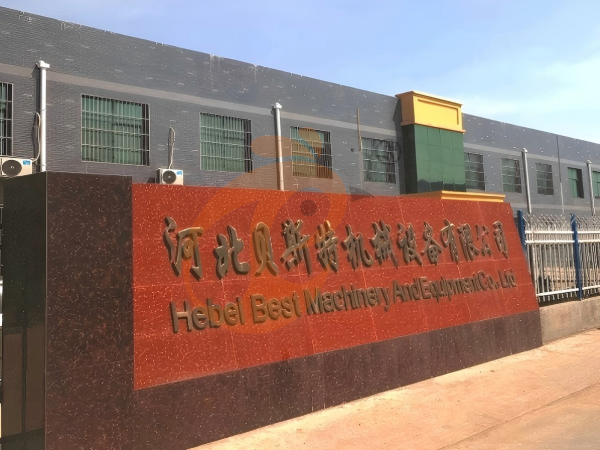
China Hebei Best Machinery And Equipment CO., LTD
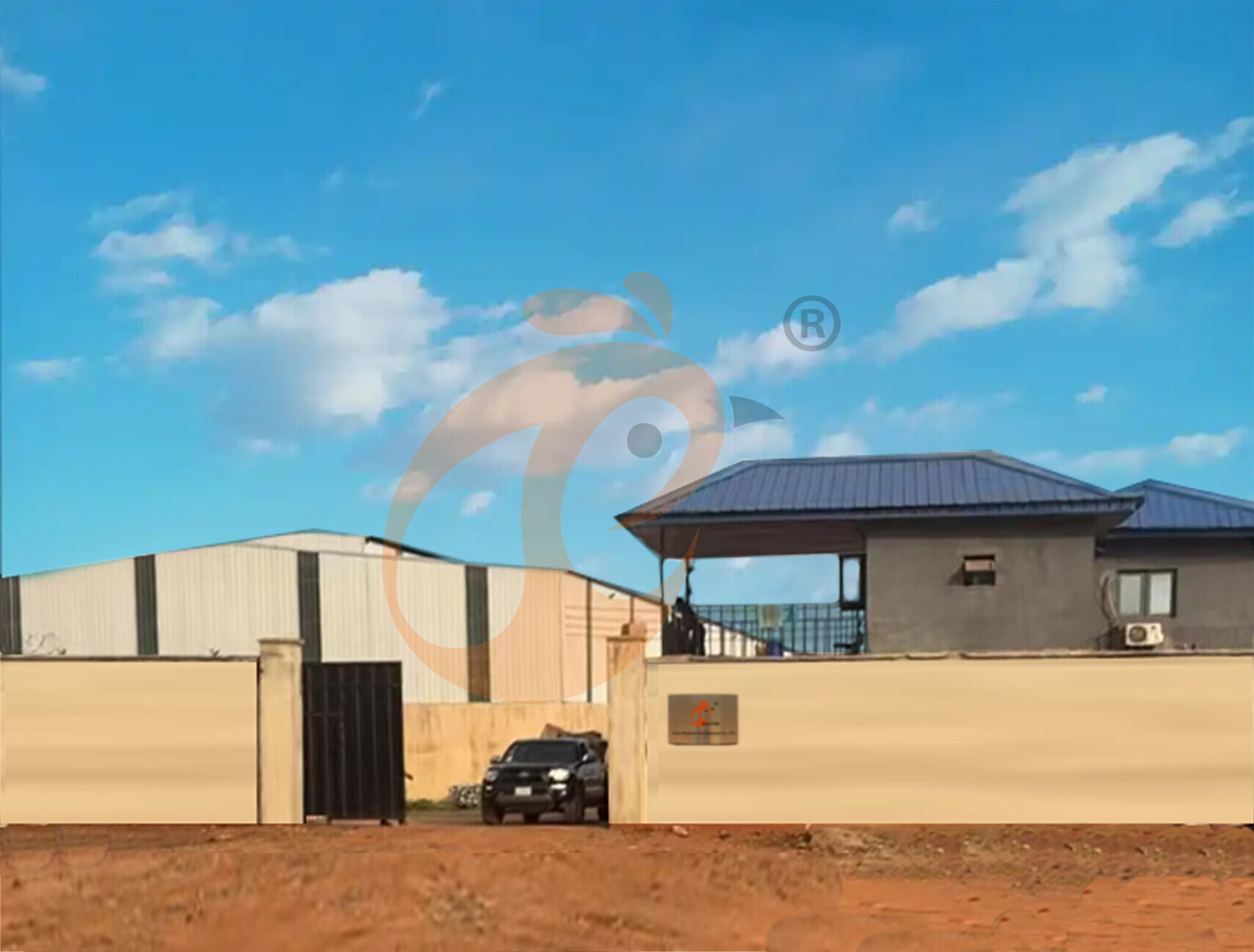
Nigeria Vanke Machinery And Equipment CO., LTD
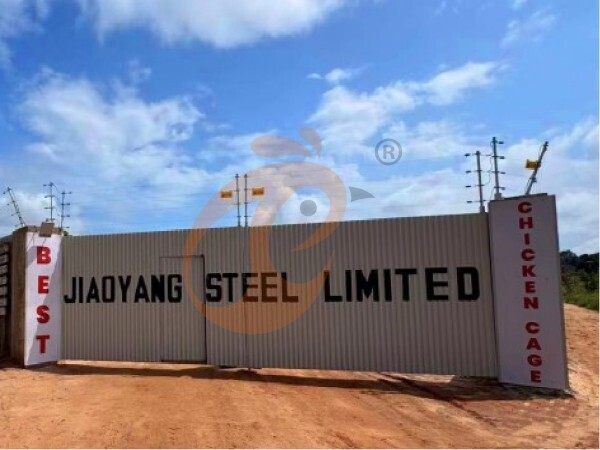
Tanzania Best Machinery And Equipment CO., LTD
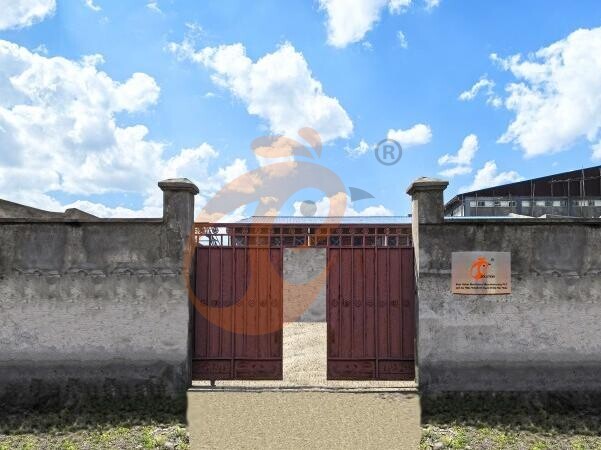
Ethiopia Best Hebei Machinery Manufacturing PLC
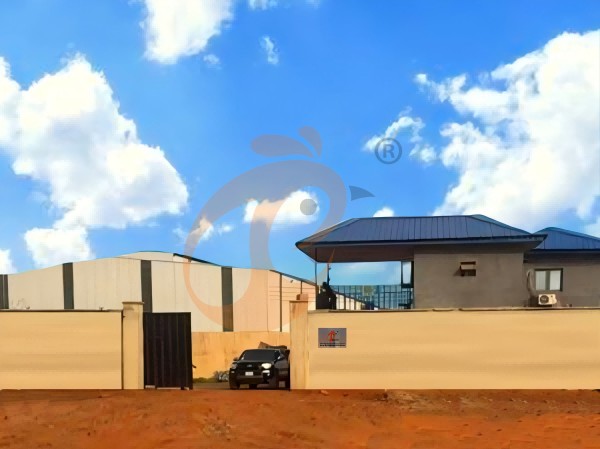
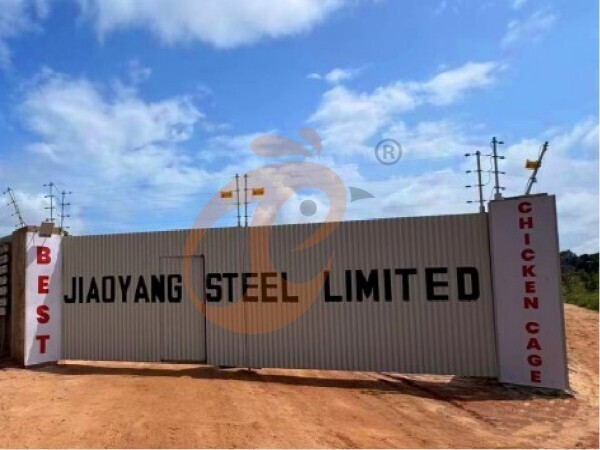
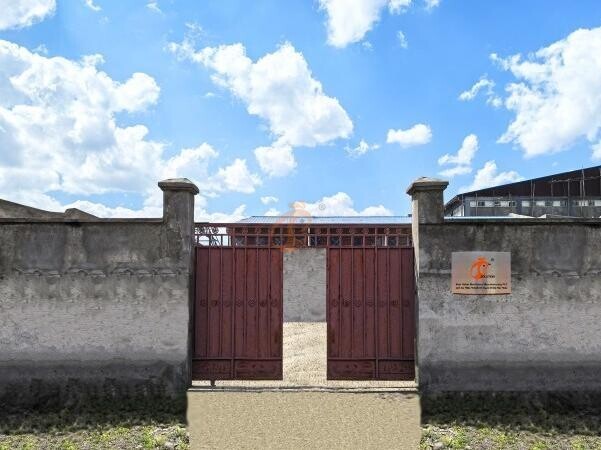
Reception /24 WhatsApp NO. : +8618830120193
FAQ
What Are The Water Filtration Requirements For Plasson Poultry Equipment?
Suspended solid concentration is controlled below 40 mg per liter for system stability.
Backwash flow rate reaches 1.5–2.0 m³ per hour for effective filter regeneration.
What Are The Pipeline Dimension Standards In Plasson Poultry Equipment?
Branch lines operate with 16–20 mm diameter for balanced pressure across drinking points.
Maximum pipeline length per zone reaches 80–120 meters without pressure loss impact.
What Are The Bird Age Adaptation Settings In Plasson Poultry Equipment
Water flow sensitivity is adjusted to 60–100 ml per minute for different age groups.
Bird access spacing is optimized at 8–15 birds per nipple depending on growth phase.
- poultry equipment
- chicken cage
- poultry farm
- feeding equipment
- poultry cage
- poultry farm
- poultry farm construction
- industrial chicken cage
- poultry feeding equipment
- chicken farm
- poultry house
- poultry farming system
- poultry housing equipment
- automated poultry feeding
- automatic poultry feeder
- Ethiopia
- Nigeria
Message
Products recommended
 HK Headquarter Offers EU-standard Poultry Farm Solutions, Manufacture Poultry Farm Equipment1. Continuous communication with the EU and the US
2. China, Nigeria, Ethiopia, Tanzania branch companies and factories
3. The products’ quality is customized for local poultry farms
4. Poultry cage and poultry farm equipment stock for sale
5. 24 online reception Whatsapp NO. : +8618830120193,contact us to get full informationRead More China Branch Offer Poultry Farm Business Plan, Manufacture Poultry Farm Equipment1. Address: Flat/RM 2416, 24/F, Runxing Building, Youyi Nan Street, Shijiazhuang City, Hebei Province, China
2. Poultry cage and poultry farm equipment factory and stock for sale
3. Customized for local poultry farms
4. Quality and design are based on Euro
5. 24 online reception Whatsapp NO. : +8618830120193Read More Nigeria Branch Offer Poultry Farm Business Plan, Manufacture Poultry Farm Equipment1. Address: After Sinoma Office, 200 Meters Near Danco Filling Station, Lagos/Ibadan Expressway, Lagos State, Nigeria
2. Poultry cage and poultry farm equipment factory and stock for sale
3. Customized for Nigerian poultry farms
4. Quality and design are based on Euro
5. 24 online reception Whatsapp NO. : +8618830120193Read More Ethiopia Branch Offer Poultry Farm Business Plan, Manufacture Poultry Farm Equipment1. Address: Gelan Gura, Akaki-kaliti Sub City, Addis Ababa, Ethiopia
2. Poultry cage and poultry farm equipment stock for sale
3. Customized for Ethiopian poultry farms
4. Quality and design are based on Euro
5. 24 online reception Whatsapp NO. : +8618830120193, contact us to get price listRead More Tanzania Branch Offer Poultry Farm Business Plan, Manufacture Poultry Farm Equipment1. Address: No.8, Sova Road, Msufini, Mlandizi, Kibaha, Pwani, Tanzania
2. Poultry cage and poultry farm equipment factory and stock for sale
3. Customized for Tanzanian poultry farms
4. Quality and design are based on Euro
5. 24 online reception Whatsapp NO. : +8618830120193Read More Fully Automatic H Type Layer Chicken Cage1. 30,000-100,000+ layers/house chooses it, Poultry farmers can achieve an egg production rate of 96-98%
2. A significant improvement over the 85-90% typically seen in manual systems
3. A typical poultry farm can expect a 30-40% reduction in labor costs due to the automation
4. Each feeding line efficiently supplies feed to around 100,000 hens per 30 mins
5. Reception /WhatsApp NO. : +8618830120193Read More Fully Automatic A Type Layer Chicken Cage1. 10,000-50,000 layers/house chooses it
2. Cleaner egg collection reduces breakage by 0.5%
3. Improved hygiene helps reduce mortality rate to <3%
4. 1–2 technicians can handle 15,000–30,000 birds
5. Reception /WhatsApp NO. : +8618830120193Read More Semi Automatic H Type Layer Chicken Cage1. 1,00-20,000 layers/house chooses it
2. Nipple drinkers flow 30–60 ML / min
3. Hot-dip galvanized (typical coating ≥ 275 g/m²)
4. Reduce ammonia by ~ 35–40%
5. Reception /WhatsApp NO. : +8618830120193Read More Semi Automatic A Type Layer Chicken Cage1. 1,00-20,000 layers/house chooses it, no rust for 10 years, no deformation for 15 years
2. Chickens live comfortably, you can raise them with peace of mind
3. Save water, save money—efficiency you can measure
4. Improve environment quality, and increase egg production rate
5. Reception /WhatsApp NO. : +8618830120193Read More
By clicking 'Allow All', you agree to the storage of cookies on your device to enhance site navigation, analyze site usage and assist with our marketing efforts.