






Blog
Modern poultry farming requires stable feed processing efficiency and accurate nutrition control.
Pellet machine systems improve feed conversion ratio, reduce raw material waste, and optimize poultry growth performance.
Commercial broiler farms and layer farms increasingly integrate feed pellet mill equipment with automatic feeding systems and poultry cage systems.
Industrial poultry feed production technology supports cleaner poultry houses, lower mortality rates, and higher daily production capacity.
Advanced animal feed pellet machine solutions also improve feed hygiene standards and long-term operational profitability.
Get professional poultry farm construction guidance, equipment selection solutions, and the latest price lists, whatsApp to +8618830120193, +2348111199996, or click to learn more.
Pellet Machines Improve Feed Conversion Performance
Feed cost commonly represents 65%–75% of poultry production expenses on industrial poultry farms.
Poor feed texture and inconsistent feed particle size can reduce digestion efficiency and increase feed waste inside poultry houses.
Pellet machine systems compress feed ingredients into dense uniform particles, allowing birds to consume nutritionally balanced feed without ingredient separation.
Commercial poultry feed pellet mill production also improves starch gelatinization during steam conditioning, increasing nutrient digestibility.
Broiler farms using pellet feed frequently achieve lower FCR values and heavier final market weights.
Data is for reference only.Swipe horizontally to view full table.
Large poultry operations processing 100,000 broilers per cycle can reduce feed consumption by more than 27 metric tons after improving FCR from 1.84 to 1.57.
Feed savings directly improve poultry farm profitability and reduce long-term production pressure caused by rising grain prices.
Feed pellet machine systems therefore remain critical investments for integrated poultry companies.
Pellet Machines Reduce Feed Waste Inside Poultry Houses
Feed waste creates hidden operational losses on many poultry farms.
Powder feed easily scatters outside feeding pans and accumulates near ventilation airflow channels.
Excessive feed accumulation also attracts rodents and insects, increasing contamination risks inside poultry production facilities.
Pellet feed maintains stronger structural stability during transportation, feed storage, and automatic feeding operations.
Commercial poultry farms using animal feed pellet machine technology usually maintain cleaner feeding systems and lower feed dust concentration levels.
Data is for reference only.Swipe horizontally to view full table.
Lower feed dust concentration improves poultry respiratory comfort and reduces ventilation contamination inside closed poultry houses.
Commercial poultry cage systems combined with pellet feed technology usually maintain more stable environmental control performance during summer production seasons.
Pellet Machines Improve Broiler Growth Speed
Modern broiler genetics require balanced nutritional intake throughout the entire growth cycle.
Nutrient inconsistency caused by ingredient separation can slow muscle development and reduce average daily gain.
Pellet feed allows birds to consume concentrated nutrients more rapidly while reducing energy loss during feeding activity.
Steam conditioning during feed pellet mill processing also improves protein availability and starch digestibility.
Commercial poultry farms using pellet feed commonly achieve heavier body weight at both 35 days and 42 days.
Data is for reference only.Swipe horizontally to view full table.
Lower mortality rates combined with higher final body weight increase total meat output capacity per poultry house.
Industrial broiler farms operating six production cycles annually can achieve significantly higher yearly production volume through stable pellet feed systems.
Pellet Machines Improve Feed Hygiene Standards
Feed hygiene directly affects poultry intestinal health and disease resistance.
Raw grain materials and protein ingredients may contain bacterial contamination caused by transportation moisture or improper storage conditions.
Feed pellet machine systems expose feed materials to controlled steam and heat treatment, reducing harmful microbial populations before feed enters poultry houses.
Lower microbial load supports healthier digestive systems and more stable flock performance.
Data is for reference only.Swipe horizontally to view full table.
Commercial layer farms frequently use pellet feed technology to reduce digestive disease outbreaks and improve flock uniformity throughout long laying periods.
Improved feed sanitation also supports stronger vaccine response efficiency and lower veterinary treatment expenses.
Scientific Explanation Of Pellet Feed Digestion Efficiency
Poultry digestive systems respond differently to pellet feed compared with mash feed.
Steam conditioning modifies feed particle structure and softens starch molecules during pellet production.
Digestive enzymes therefore break down nutrients more efficiently inside the gastrointestinal tract.
Birds consuming pellet feed also spend less physical energy searching for large feed particles, leaving more metabolic energy available for muscle growth and egg production.
Pellet feed additionally prevents selective feeding behavior, ensuring balanced vitamin, mineral, and amino acid intake throughout the flock population.
Data is for reference only.Swipe horizontally to view full table.
Higher nutrient absorption efficiency explains why feed pellet mill systems remain standard equipment on industrial poultry farms across Europe, Asia, South America, and North America.
Pellet Machines Support Automatic Feeding Systems
Large poultry farms increasingly depend on automated feeding technology to reduce labor costs and improve production consistency.
Powder feed frequently causes pipeline blockages and uneven feed distribution inside automatic feeding systems.
Pellet feed flows more smoothly through chain conveyors, auger systems, and automatic feed pans.
Stable feed flow reduces mechanical stress on feeding motors and improves feeding accuracy across long poultry houses.
Data is for reference only.Swipe horizontally to view full table.
More stable feed distribution ensures equal feed access for birds located at different positions inside poultry houses.
Uniform feeding conditions improve flock consistency and reduce body weight variation at market age.
Pellet Machines Improve Layer Egg Production Stability
Commercial egg production requires stable calcium intake and accurate nutritional balance throughout the laying cycle.
Poor feed consistency can reduce eggshell strength and increase broken egg rates during egg collection and transportation.
Pellet feed distributes calcium particles more evenly while preventing nutrient separation inside feeding systems.
Layer hens consuming pellet feed generally maintain stronger eggshell thickness and higher egg production percentages.
Data is for reference only.Swipe horizontally to view full table.
Commercial layer farms exporting table eggs frequently prioritize pellet feed technology to maintain stable eggshell quality during long transportation distances.
Higher eggshell strength also reduces financial loss caused by damaged products during grading operations.
Pellet Machines Improve Feed Storage Stability
Industrial poultry farms commonly store feed materials for several weeks before consumption.
Feed instability during storage can reduce nutritional quality and increase spoilage risk caused by moisture absorption.
Pellet feed contains lower surface exposure area compared with powder feed, reducing environmental moisture penetration during warehouse storage.
Improved feed stability helps maintain consistent nutritional performance throughout long production cycles.
Data is for reference only.Swipe horizontally to view full table.
Reduced storage loss improves inventory management efficiency and lowers feed replacement costs on commercial poultry farms.
Pellet Machines Reduce Poultry House Ammonia Concentration
Ammonia accumulation negatively affects poultry respiratory systems, feed intake performance, and bird comfort.
Excess feed waste mixing with manure significantly increases ammonia generation inside poultry houses.
Pellet feed reduces waste accumulation because birds consume feed more completely and generate fewer residual feed particles.
Cleaner poultry litter conditions improve environmental management and reduce ventilation pressure.
Data is for reference only.Swipe horizontally to view full table.
Lower ventilation runtime also reduces electricity expenses associated with exhaust fan systems.
Industrial poultry companies can therefore improve both environmental performance and operational efficiency simultaneously.
Pellet Machine Capacity Selection For Poultry Farms
Proper pellet machine selection depends on flock size, feed production target, and poultry farm automation level.
Small poultry farms often use compact flat-die pellet machines with lower power consumption and simpler maintenance requirements.
Large integrated poultry companies generally install industrial ring-die feed pellet mill systems capable of continuous high-capacity production.
Production efficiency, spare part durability, and energy consumption should remain important considerations during equipment purchasing decisions.
Data is for reference only.Swipe horizontally to view full table.
Industrial feed pellet mill systems usually provide lower production cost per metric ton because of higher throughput efficiency and lower labor demand.
Pellet Machines Improve Poultry Farm Profitability
Commercial poultry production profitability depends on production efficiency, feed savings, and flock health stability.
Pellet feed systems improve economic performance through lower feed waste, improved FCR, and reduced mortality rates.
Industrial poultry farms commonly recover pellet machine investment costs within several production cycles because of reduced operational losses.
Feed efficiency improvements also reduce pressure caused by fluctuating global grain prices.
Production cost calculations below use dollar values.
European union standard reference only.
Data is for reference only.Swipe horizontally to view full table.
Commercial poultry farms operating continuously throughout the year can achieve substantial long-term economic advantages through pellet feed optimization technology.
Frequently Asked Questions
Q1: What pellet size works best for broiler chickens?
A1: Broiler starter feed commonly uses pellet diameters between 2 mm and 3 mm for improved feed intake efficiency during early growth stages.
Finisher feed generally uses pellet diameters between 3 mm and 4 mm to support rapid body weight gain and stable feed consumption.
Q2: How much feed waste can pellet machines reduce?
A2: Commercial poultry farms commonly reduce feed waste by 60%–75% after replacing powder feed systems with pellet feed systems.
Actual reduction levels depend on feeding equipment design, bird density, and poultry house management conditions.
Q3: Are pellet machines suitable for layer farms?
A3: Layer farms frequently use pellet feed technology because pellet feed improves calcium distribution and eggshell quality consistency.
Commercial layer operations also benefit from lower feed dust concentration and more stable automatic feeding performance.
Taiyu (HK) Group - One Of China Largest Pellet Machines Manufacturer
Industrial feed pellet mill systems designed for commercial poultry farm feed production operations
Global factory direct poultry equipment supply supporting long-term agricultural project development
Advanced poultry cage manufacturing systems improving automated poultry farming management efficiency
Professional turn-key poultry engineering solutions covering installation, training, and technical support
Export-standard animal feed pellet machine production meeting international industrial manufacturing requirements
Contact Us To Received Your Customized Poultry Farm Plan
Headquarters And Branchs

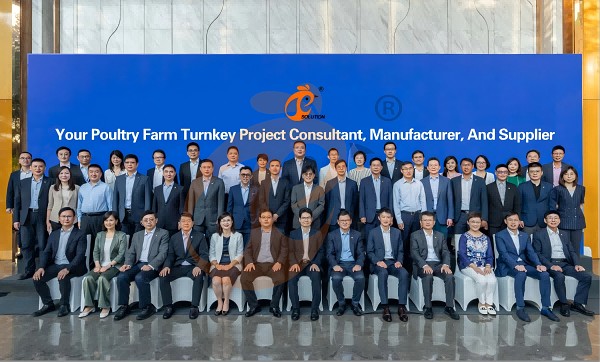
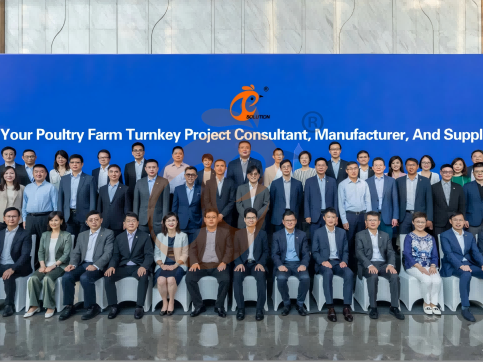
Hong Kong Headquarter Management Team
Hong Kong Headquarter Taiyu Industrial Group CO., LTD
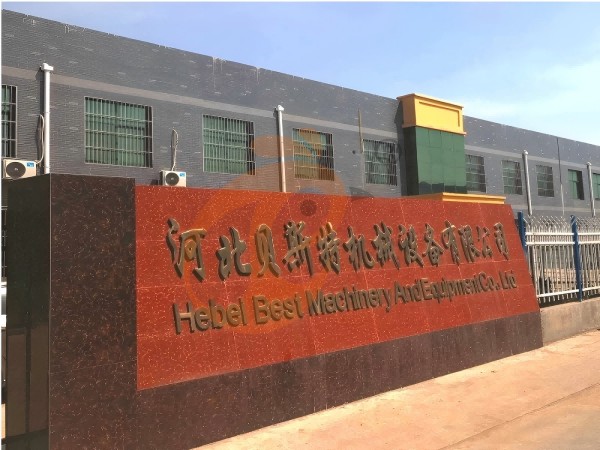
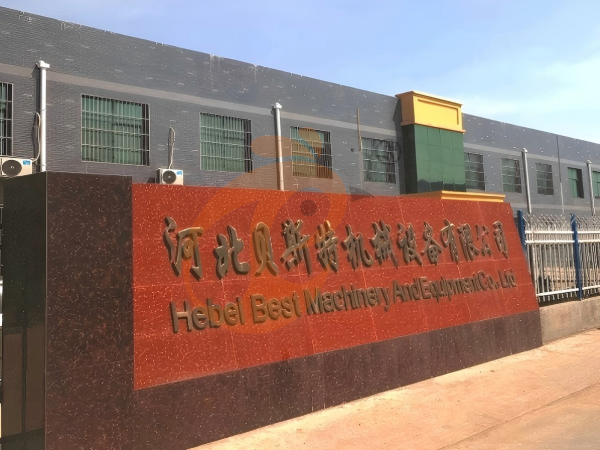
China Hebei Best Machinery And Equipment CO., LTD
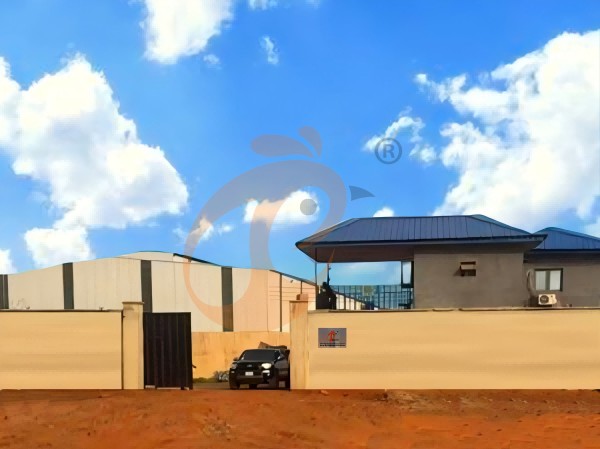
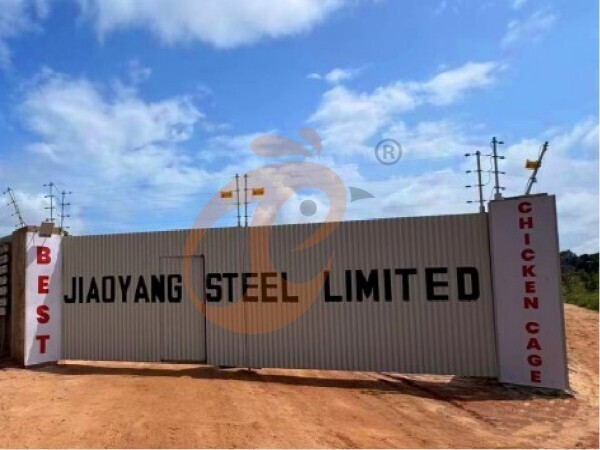
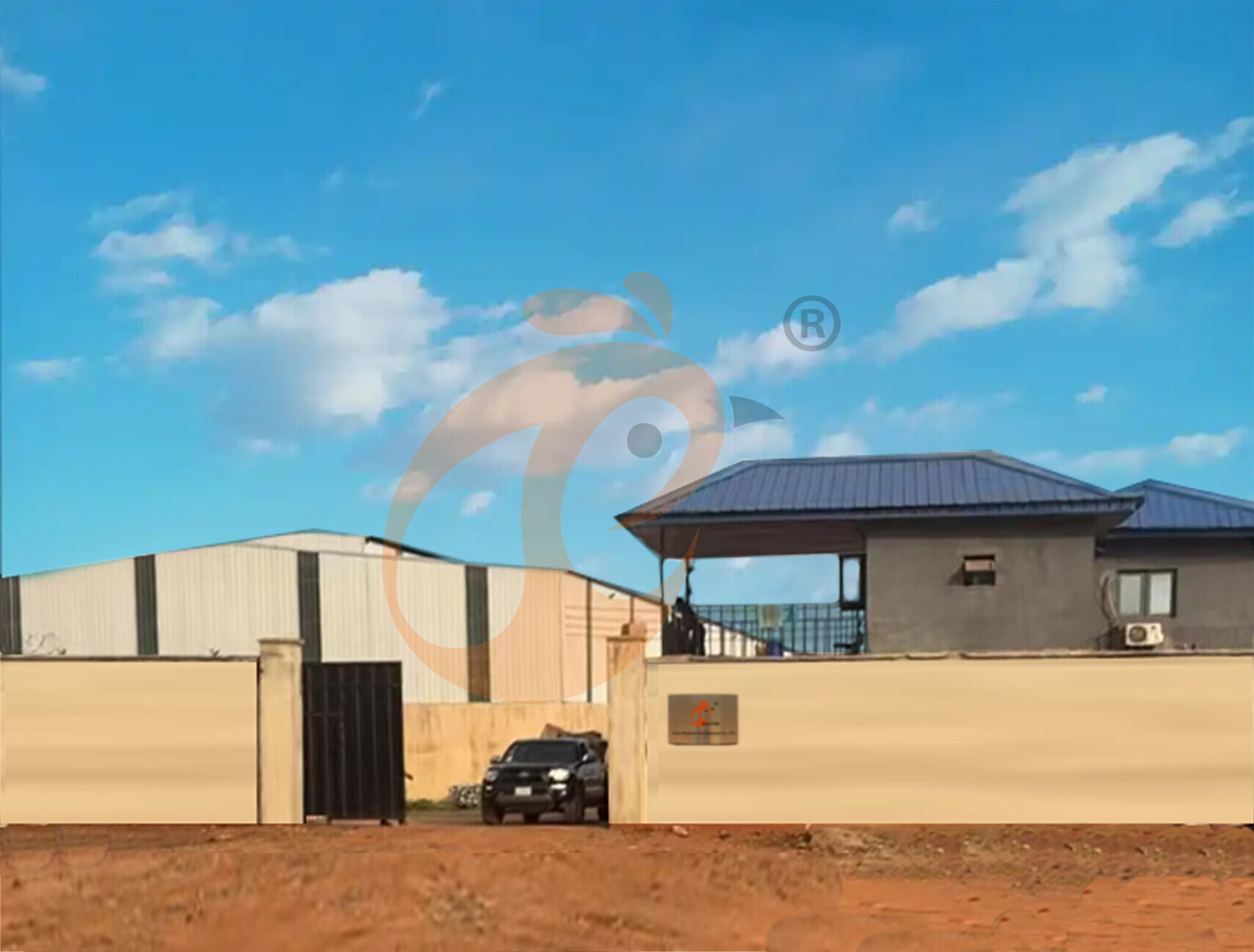
Nigeria Vanke Machinery And Equipment CO., LTD
Tanzania Best Machinery And Equipment CO., LTD
Ethiopia Best Hebei Machinery Manufacturing PLC

Reception /24 WhatsApp NO. : +8618830120193
FAQ
What Pellet Quality Indicators Are Required From Pellet Machine In Poultry Chicken Feed Manufacturing?
Hardness level is controlled at 3–5 kg/cm² for optimal bird consumption efficiency.
Fines content is kept below 8% to ensure uniform feed intake performance.
What Die Specification Standards Are Used In Pellet Machine For Poultry Chicken Feed Production?
Compression ratio ranges from 1:6 to 1:8 to ensure proper pellet density structure.
Die material hardness reaches HRC 50–55 for extended wear resistance under continuous operation.
What Roller System Parameters Are Required In Pellet Machine For Poultry Chicken Feed Processing?
Roller gap is adjusted between 0.1–0.3 mm to control pellet density formation.
Roller lifespan typically reaches 600–900 operating hours under standard feed production conditions.
Message
Products recommended
 HK Headquarter Offers EU-standard Poultry Farm Solutions, Manufacture Poultry Farm Equipment1. Continuous communication with the EU and the US
2. China, Nigeria, Ethiopia, Tanzania branch companies and factories
3. The products’ quality is customized for local poultry farms
4. Poultry cage and poultry farm equipment stock for sale
5. 24 online reception Whatsapp NO. : +8618830120193,contact us to get full informationRead More China Branch Offer Poultry Farm Business Plan, Manufacture Poultry Farm Equipment1. Address: Flat/RM 2416, 24/F, Runxing Building, Youyi Nan Street, Shijiazhuang City, Hebei Province, China
2. Poultry cage and poultry farm equipment factory and stock for sale
3. Customized for local poultry farms
4. Quality and design are based on Euro
5. 24 online reception Whatsapp NO. : +8618830120193Read More Nigeria Branch Offer Poultry Farm Business Plan, Manufacture Poultry Farm Equipment1. Address: After Sinoma Office, 200 Meters Near Danco Filling Station, Lagos/Ibadan Expressway, Lagos State, Nigeria
2. Poultry cage and poultry farm equipment factory and stock for sale
3. Customized for Nigerian poultry farms
4. Quality and design are based on Euro
5. 24 online reception Whatsapp NO. : +8618830120193Read More Ethiopia Branch Offer Poultry Farm Business Plan, Manufacture Poultry Farm Equipment1. Address: Gelan Gura, Akaki-kaliti Sub City, Addis Ababa, Ethiopia
2. Poultry cage and poultry farm equipment stock for sale
3. Customized for Ethiopian poultry farms
4. Quality and design are based on Euro
5. 24 online reception Whatsapp NO. : +8618830120193, contact us to get price listRead More Tanzania Branch Offer Poultry Farm Business Plan, Manufacture Poultry Farm Equipment1. Address: No.8, Sova Road, Msufini, Mlandizi, Kibaha, Pwani, Tanzania
2. Poultry cage and poultry farm equipment factory and stock for sale
3. Customized for Tanzanian poultry farms
4. Quality and design are based on Euro
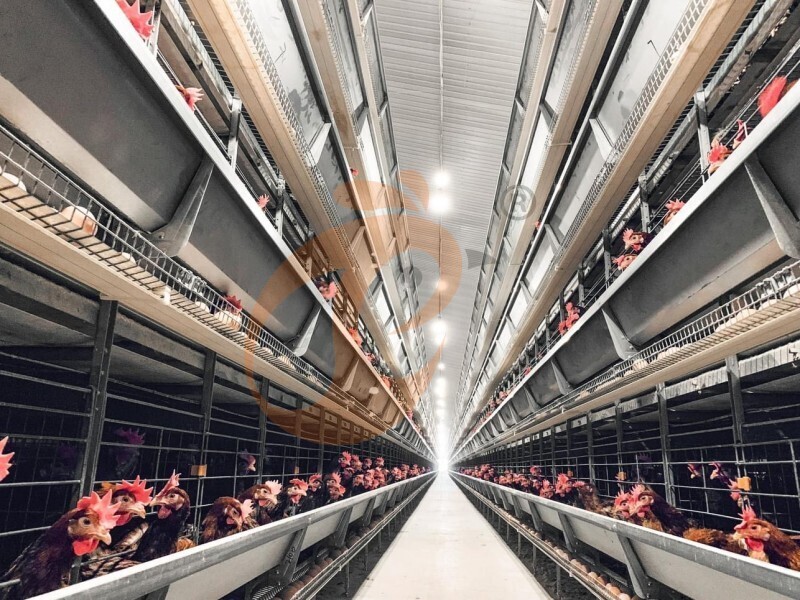
5. 24 online reception Whatsapp NO. : +8618830120193Read More Fully Automatic H Type Layer Chicken Cage1. 30,000-100,000+ layers/house chooses it, Poultry farmers can achieve an egg production rate of 96-98%
2. A significant improvement over the 85-90% typically seen in manual systems
3. A typical poultry farm can expect a 30-40% reduction in labor costs due to the automation
4. Each feeding line efficiently supplies feed to around 100,000 hens per 30 mins
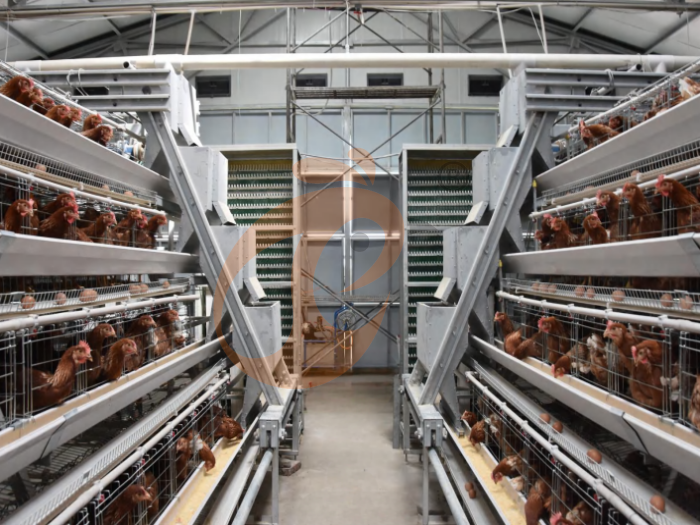
5. Reception /WhatsApp NO. : +8618830120193Read More Fully Automatic A Type Layer Chicken Cage1. 10,000-50,000 layers/house chooses it
2. Cleaner egg collection reduces breakage by 0.5%
3. Improved hygiene helps reduce mortality rate to <3%
4. 1–2 technicians can handle 15,000–30,000 birds
5. Reception /WhatsApp NO. : +8618830120193Read More Semi Automatic H Type Layer Chicken Cage1. 1,00-20,000 layers/house chooses it
2. Nipple drinkers flow 30–60 ML / min
3. Hot-dip galvanized (typical coating ≥ 275 g/m²)
4. Reduce ammonia by ~ 35–40%
5. Reception /WhatsApp NO. : +8618830120193Read More Semi Automatic A Type Layer Chicken Cage1. 1,00-20,000 layers/house chooses it, no rust for 10 years, no deformation for 15 years
2. Chickens live comfortably, you can raise them with peace of mind
3. Save water, save money—efficiency you can measure
4. Improve environment quality, and increase egg production rate
5. Reception /WhatsApp NO. : +8618830120193Read More
By clicking 'Allow All', you agree to the storage of cookies on your device to enhance site navigation, analyze site usage and assist with our marketing efforts.