






Blog
Pralson feeder systems improve feed distribution accuracy inside commercial poultry farming environments.
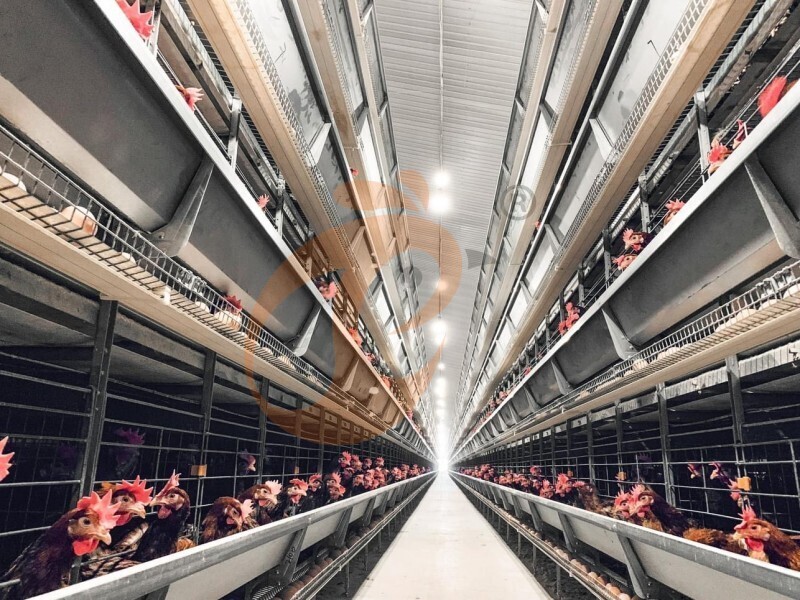
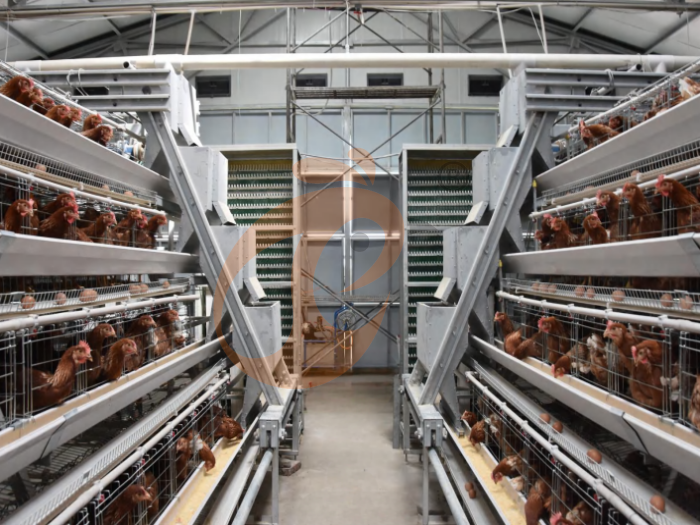
Automatic poultry feeding equipment reduces feed waste and stabilizes flock growth performance across commercial broiler farming and layer farming projects.
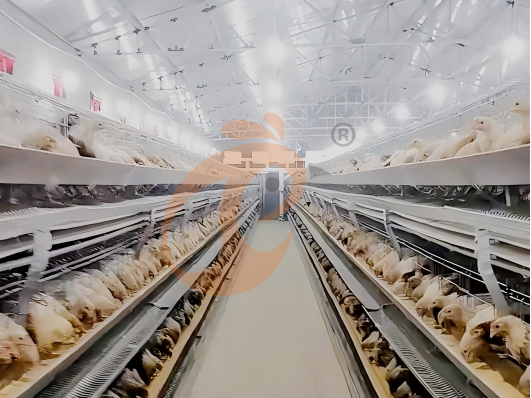
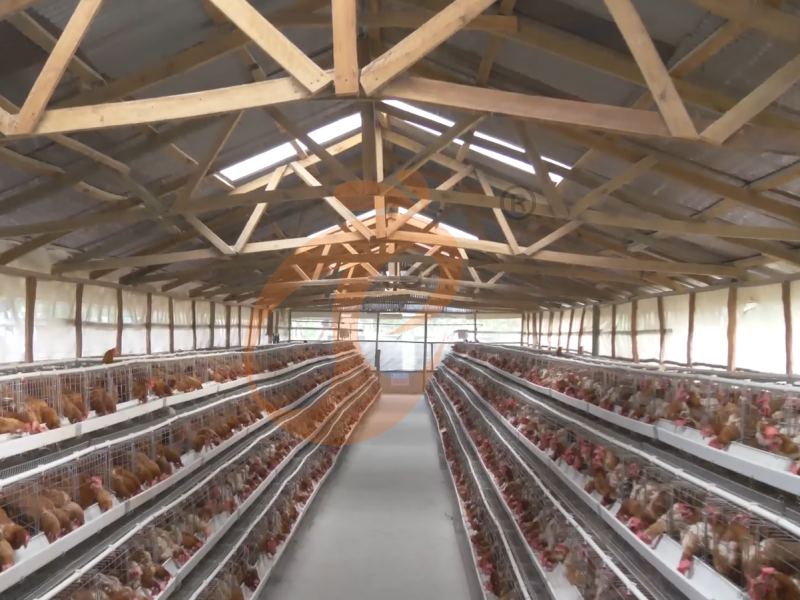
Modern poultry farm engineering standards prioritize feeding efficiency, labor reduction, ventilation coordination, and environmental control systems for large poultry house operations.
Commercial poultry cage projects increasingly integrate automatic feeder technologies with intelligent poultry management systems to improve feeding precision and reduce operational losses.
Continuous feed delivery stability directly influences flock uniformity, feed conversion ratio, bird health condition, and long-term poultry farming profitability under industrial production standards.
Get professional poultry farm construction guidance, equipment selection solutions, and the latest price lists, whatsApp to +8618830120193, +2348111199996, or click to learn more.
Feed Distribution Becomes More Uniform
Uniform feed access remains essential for stable poultry growth performance and balanced body weight development.
Commercial poultry farming operations require feeding systems capable of delivering feed evenly across the entire flock population without excessive accumulation in specific feeding areas.
Pralson feeders distribute feed consistently through automatic poultry feeding lines while reducing feeding competition among birds inside poultry houses.
Stable feed access improves flock consistency, decreases growth variation, and supports more accurate poultry production management.
Data is for reference only.Swipe horizontally to view full table.
Improved feeding uniformity also supports more stable vaccination response and better processing consistency during poultry harvesting operations.
Feed Waste Is Significantly Reduced
Feed expenses account for the largest proportion of poultry production costs in modern commercial farming projects.
Small improvements in feed retention efficiency create measurable economic advantages during large-scale poultry production cycles involving thousands of birds.
Pralson feeders contain anti-spill pan structures and controlled feed flow systems that minimize feed scattering caused by aggressive bird activity.
Reduced feed loss improves feed utilization efficiency and decreases unnecessary organic waste accumulation inside poultry houses.
Data is for reference only.Swipe horizontally to view full table.
European union standard reference only.
Large poultry farming projects benefit from lower feed purchasing pressure and more stable operational budgeting under changing grain market conditions.
Labor Efficiency Improves Poultry Farm Management
Commercial poultry farming operations increasingly depend on labor-saving poultry equipment technologies because large poultry houses require continuous feeding management every day.
Pralson feeders integrate with feed silos, augers, and automatic poultry feeding controllers to reduce manual feed transportation requirements.
Daily labor pressure decreases while poultry house supervision efficiency improves across broiler farming and layer farming operations.
Farm management teams gain additional time for ventilation monitoring, flock health inspections, waterline maintenance, and environmental adjustment procedures.
Data is for reference only.Swipe horizontally to view full table.
European union standard reference only.
Stable automatic feeding schedules also reduce unnecessary bird movement and improve overall poultry house operational consistency.
Bird Growth Performance Becomes More Consistent
Continuous feed availability directly affects feed conversion ratio, nutrient intake stability, and flock body weight consistency during poultry production cycles.
Pralson feeders maintain controlled feed distribution without excessive feed accumulation inside feeding pans, helping birds consume feed more efficiently.
Commercial poultry farming operations benefit from improved broiler growth consistency and more stable layer farming production performance.
Balanced feed intake also supports stronger digestive stability and more predictable production results across commercial poultry projects.
Data is for reference only.Swipe horizontally to view full table.
Lower mortality values and improved FCR performance increase production efficiency and improve poultry farming profitability over multiple production cycles.
Poultry House Hygiene Improves
Feed contamination creates serious disease management challenges inside commercial poultry farming environments because spilled feed rapidly absorbs moisture from poultry litter.
Pralson feeders reduce floor feed accumulation and improve feed retention inside feeding pans, helping poultry houses maintain cleaner operating conditions.
Cleaner feeding environments reduce bacterial exposure and support more stable poultry biosecurity management systems.
Improved hygiene conditions also support better respiratory performance among birds raised inside high-density poultry houses.
Data is for reference only.Swipe horizontally to view full table.
Cleaner poultry house conditions reduce disease transmission pressure and improve long-term poultry production stability.
Scientific Explanation Of Feeding System Design
Poultry birds naturally compete for feeding positions according to flock hierarchy structures established during growth development.
Insufficient feeding space increases bird stress and creates unstable nutrient intake patterns among weaker birds inside poultry houses.
Modern poultry feeding engineering focuses on feeder circumference, feed depth, feeding angle, and feed flow consistency optimization.
Controlled feed distribution improves feeding comfort while reducing feed loss caused by aggressive bird activity around feeding pans.
Engineering studies demonstrate that stable feed availability improves digestive efficiency and supports more balanced poultry growth performance.
Data is for reference only.Swipe horizontally to view full table.
Scientific feeding system design improves poultry production efficiency while supporting more stable flock management conditions.
Installation Standards For Pralson Feeders
Proper installation procedures directly influence feeding accuracy, equipment durability, and long-term poultry farm operational stability.
Incorrect feeder alignment may create uneven feed distribution, excessive mechanical wear, and inconsistent feeding pressure inside poultry houses.
Commercial poultry cage projects generally install automatic feeding systems according to poultry house width, bird density, and ventilation structure layout.
Routine inspections of feed motors, augers, suspension systems, and feeder lines improve long-term poultry equipment reliability and operational consistency.
Data is for reference only.Swipe horizontally to view full table.
Accurate installation standards reduce maintenance frequency and improve feeding system operating lifespan under commercial poultry farming conditions.
Economic Benefits For Poultry Farms
Investment in automatic poultry feeding systems requires professional operational budgeting and long-term poultry production planning.
Reduced feed waste, lower labor requirements, and stronger flock performance generally offset poultry equipment installation expenses during continuous commercial farming operations.
Large poultry farming projects usually recover poultry equipment investment faster because feed savings increase significantly with larger flock populations.
Efficient feeding systems also improve production predictability and support more stable poultry farming cash flow management.
European union standard reference only.
Data is for reference only.Swipe horizontally to view full table.
Commercial poultry farming businesses benefit from stronger production efficiency and more controllable operational expenses after feeding automation upgrades.
Common Problems In Poor Feeding Systems
Outdated poultry feeding systems frequently create hidden operational losses across commercial poultry farming projects because feeding precision becomes difficult to maintain under large flock conditions.
Uneven feed delivery often causes body weight inconsistency, unstable growth performance, and increased feed consumption pressure inside poultry houses.
Mechanical wear problems and poor feeder adjustment standards may interrupt automatic feed transportation during critical production periods.
Excess feed spillage also increases poultry litter moisture and creates more difficult environmental management conditions for poultry farm operators.
Data is for reference only.Swipe horizontally to view full table.
Modern poultry equipment technologies increasingly prioritize feeding precision and operational reliability for commercial poultry farming environments.
Broiler Farms And Layer Farms Require Different Feeding Strategies
Broiler farming projects require rapid body weight growth during relatively short production cycles focused on meat production efficiency.
Layer farming operations require stable nutrient intake and consistent feeding schedules to support long-term egg production quality.
Pralson feeders support adjustable feeding configurations suitable for different poultry farming management requirements and production standards.
Correct feeder adjustment improves feed intake efficiency while reducing feed waste across both broiler farming and layer farming operations.
Data is for reference only.Swipe horizontally to view full table.
Proper feeding management supports better poultry production stability under different commercial farming conditions.
Environmental Impact Of Efficient Feeding
Feed waste directly affects poultry farm environmental management because excess feed decomposition increases ammonia concentration inside poultry houses.
Efficient poultry feeding systems reduce feed contamination and lower poultry litter moisture accumulation during commercial poultry production cycles.
Pralson feeders improve feed retention performance while decreasing unnecessary organic waste generation inside poultry farming environments.
Better environmental management conditions improve poultry worker comfort and support healthier flock respiratory performance.
Data is for reference only.Swipe horizontally to view full table.
Improved environmental conditions also support better poultry house durability and lower ventilation maintenance pressure.
Maintenance Tips For Long-Term Performance
Routine maintenance procedures preserve feeding accuracy and extend poultry equipment operating lifespan during long-term commercial poultry farming operations.
Neglected feeding systems frequently develop feed blockage, motor overheating, auger wear, and feeding interruption problems that affect flock performance.
Daily inspection procedures improve feed transportation consistency while reducing emergency repair risks inside poultry houses.
Motor inspections, feeder pan cleaning, lubrication procedures, and suspension alignment checks remain essential maintenance practices for automatic poultry feeding systems.
Data is for reference only.Swipe horizontally to view full table.
Preventive maintenance management reduces production downtime and supports more stable poultry farming operational efficiency.
Future Trends In Poultry Feeding Technology
Modern poultry equipment manufacturers increasingly integrate intelligent automation systems into commercial poultry feeding technologies.
Digital monitoring systems and remote poultry house management technologies improve feeding precision and strengthen production data analysis capabilities.
Future poultry feeding systems may include sensor-controlled feed delivery, intelligent feed consumption analysis, and automatic feeding adjustment technologies.
Commercial poultry farming operations continue adopting advanced automation technologies to improve flock performance and reduce operational variability.
Data is for reference only.Swipe horizontally to view full table.
Intelligent poultry feeding technologies support more accurate poultry farming management under large-scale commercial production conditions.
Frequently Asked Questions
Q1: What are the main advantages of pralson feeders in poultry farming?
A1: Pralson feeders improve feed distribution consistency, reduce feed waste, decrease labor requirements, and support cleaner poultry house operating conditions during commercial poultry farming production cycles.
Q2: How do pralson feeders reduce feed waste?
A2: Anti-spill feeding pan structures and controlled feed flow systems minimize feed scattering caused by aggressive poultry feeding activity inside commercial poultry houses.
Q3: Are pralson feeders suitable for broiler farms and layer farms?
A3: Adjustable feeding configurations allow pralson feeders to support broiler farming projects and layer farming operations under different poultry production standards.
Taiyu (HK) Group - One Of China Largest Pralson Exporter
Professional pralson systems engineered for automatic poultry feeding and drinking operations worldwide.
Global factory direct poultry equipment supply supporting industrial poultry farming projects.
Advanced poultry cage manufacturing solutions designed for high-capacity poultry production environments.
Turn-key poultry farm engineering services supporting broiler farming and layer farming systems.
Commercial poultry equipment export experience covering Asia, Africa, and Middle East poultry markets.
Contact Us To Received Your Customized Poultry Farm Plan
Headquarters And Branchs
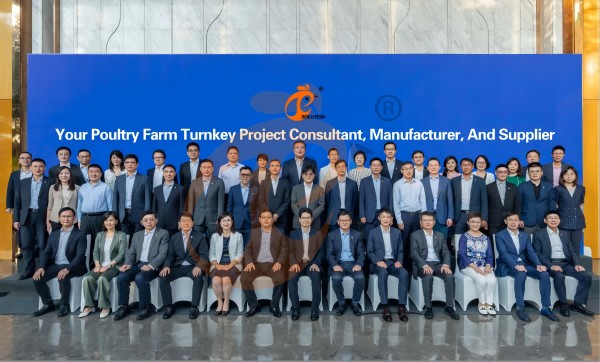
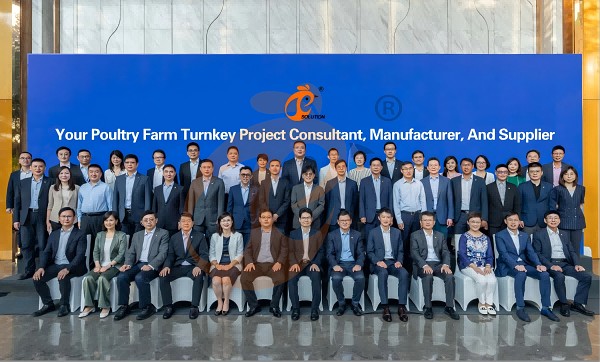
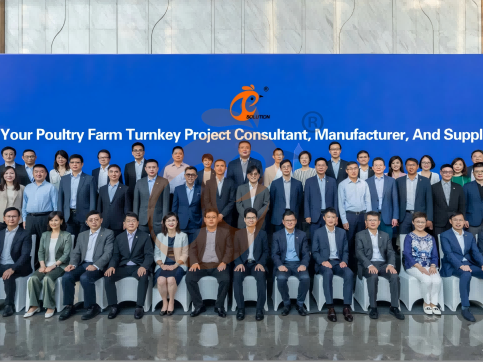
Hong Kong Headquarter Management Team
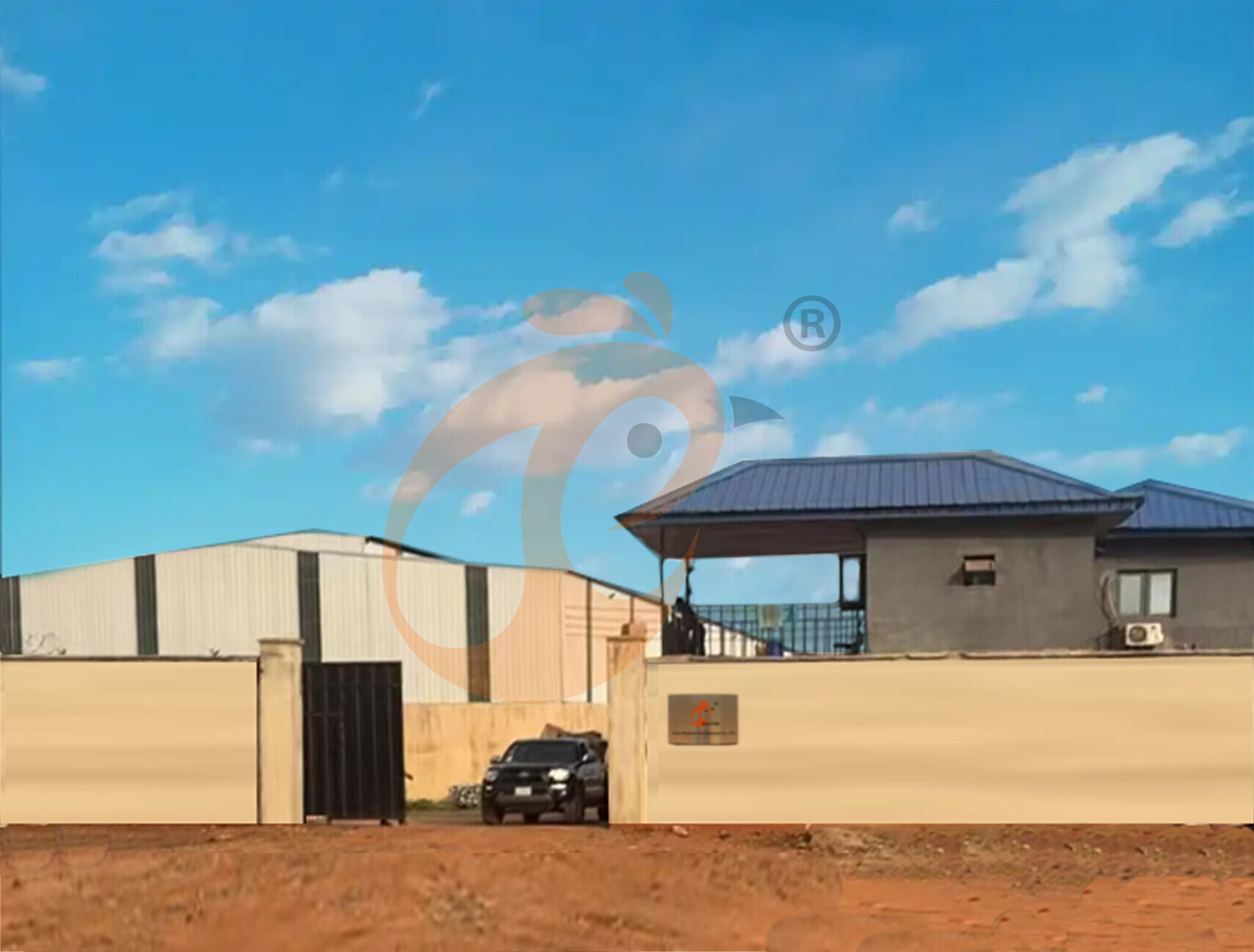
Hong Kong Headquarter Taiyu Industrial Group CO., LTD
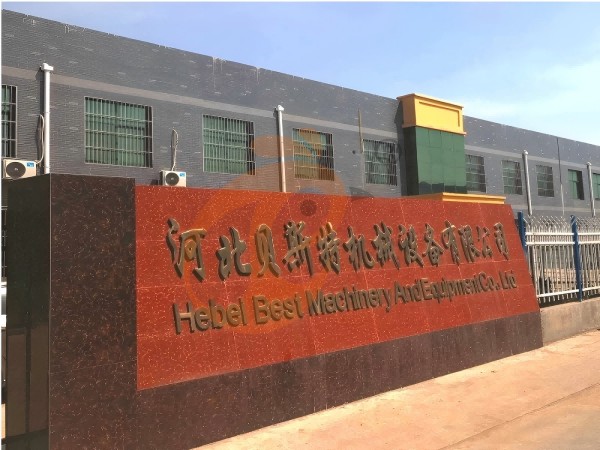
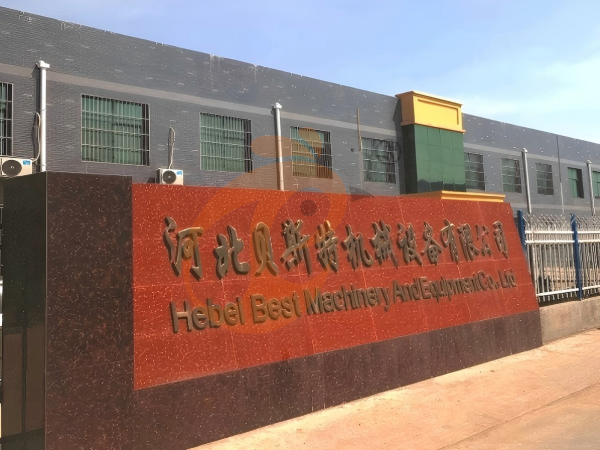
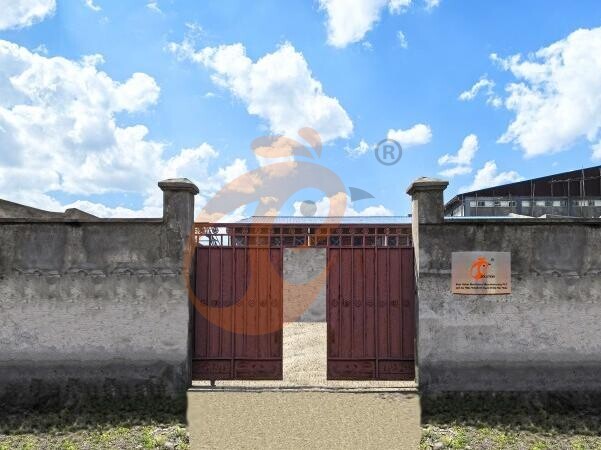
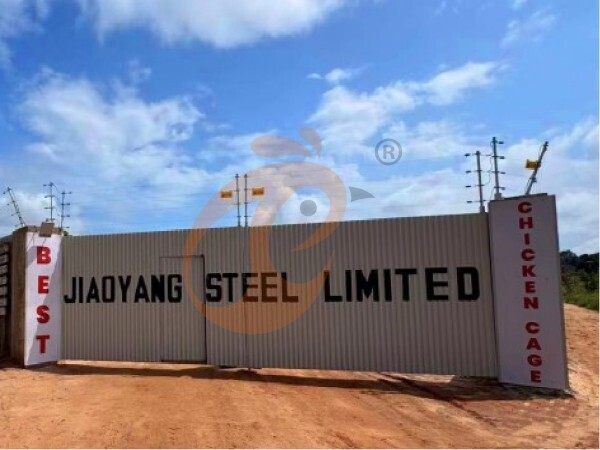
China Hebei Best Machinery And Equipment CO., LTD
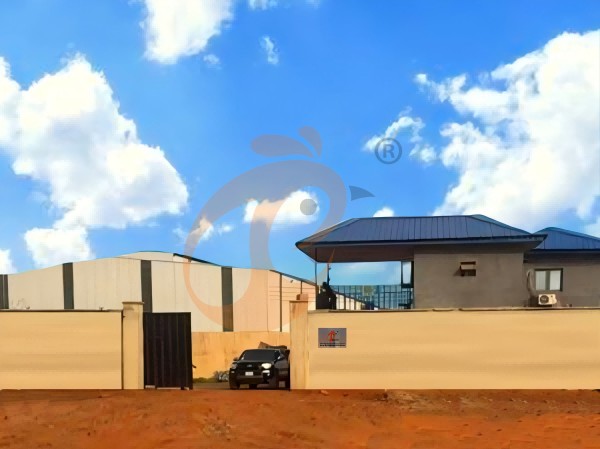
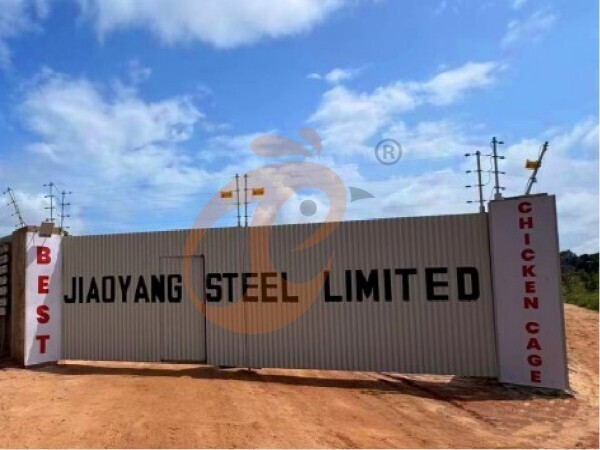
Nigeria Vanke Machinery And Equipment CO., LTD
Tanzania Best Machinery And Equipment CO., LTD
Ethiopia Best Hebei Machinery Manufacturing PLC

Reception /24 WhatsApp NO. : +8618830120193
FAQ
What Is The Application Range Of Plasson Poultry Equipment In Poultry Chicken Farming Systems?
System compatibility covers broiler, layer, and breeder production environments with modular installation design.
Integration supports both manual and fully automated poultry housing layouts for scalable expansion projects.
What Are The Water Flow And Pressure Standards In Plasson Poultry Equipment For Poultry Chicken Drinking Systems?
Flow rate per drinker ranges from 60–110 ml per minute depending on bird age.
System pressure variation tolerance is maintained within ±0.02 MPa across full pipeline length.
What Materials Are Used In Plasson Poultry Equipment For Poultry Chicken Housing Systems?
Internal valve components use stainless steel alloys with hardness levels above HRC 42.
Pipeline connectors are designed with UV-resistant polymer materials to withstand 8–10 years outdoor exposure.
- poultry equipment
- poultry farm
- feeding equipment
- poultry cage
- poultry farm
- poultry farm construction
- poultry farm management
- poultry equipment manufacturer
- poultry feeding equipment
- poultry feeding system
- automatic feeding system
- automatic poultry feeding system
- automatic poultry feeding equipment
- layer farm
- broiler farm
- poultry house
- automatic poultry feeding line
- modern poultry equipment
- poultry equipment manufacturers
- Ethiopia
- Nigeria
Message
Products recommended
 HK Headquarter Offers EU-standard Poultry Farm Solutions, Manufacture Poultry Farm Equipment1. Continuous communication with the EU and the US
2. China, Nigeria, Ethiopia, Tanzania branch companies and factories
3. The products’ quality is customized for local poultry farms
4. Poultry cage and poultry farm equipment stock for sale
5. 24 online reception Whatsapp NO. : +8618830120193,contact us to get full informationRead More China Branch Offer Poultry Farm Business Plan, Manufacture Poultry Farm Equipment1. Address: Flat/RM 2416, 24/F, Runxing Building, Youyi Nan Street, Shijiazhuang City, Hebei Province, China
2. Poultry cage and poultry farm equipment factory and stock for sale
3. Customized for local poultry farms
4. Quality and design are based on Euro
5. 24 online reception Whatsapp NO. : +8618830120193Read More Nigeria Branch Offer Poultry Farm Business Plan, Manufacture Poultry Farm Equipment1. Address: After Sinoma Office, 200 Meters Near Danco Filling Station, Lagos/Ibadan Expressway, Lagos State, Nigeria
2. Poultry cage and poultry farm equipment factory and stock for sale
3. Customized for Nigerian poultry farms
4. Quality and design are based on Euro
5. 24 online reception Whatsapp NO. : +8618830120193Read More Ethiopia Branch Offer Poultry Farm Business Plan, Manufacture Poultry Farm Equipment1. Address: Gelan Gura, Akaki-kaliti Sub City, Addis Ababa, Ethiopia
2. Poultry cage and poultry farm equipment stock for sale
3. Customized for Ethiopian poultry farms
4. Quality and design are based on Euro
5. 24 online reception Whatsapp NO. : +8618830120193, contact us to get price listRead More Tanzania Branch Offer Poultry Farm Business Plan, Manufacture Poultry Farm Equipment1. Address: No.8, Sova Road, Msufini, Mlandizi, Kibaha, Pwani, Tanzania
2. Poultry cage and poultry farm equipment factory and stock for sale
3. Customized for Tanzanian poultry farms
4. Quality and design are based on Euro
5. 24 online reception Whatsapp NO. : +8618830120193Read More Fully Automatic H Type Layer Chicken Cage1. 30,000-100,000+ layers/house chooses it, Poultry farmers can achieve an egg production rate of 96-98%
2. A significant improvement over the 85-90% typically seen in manual systems
3. A typical poultry farm can expect a 30-40% reduction in labor costs due to the automation
4. Each feeding line efficiently supplies feed to around 100,000 hens per 30 mins
5. Reception /WhatsApp NO. : +8618830120193Read More Fully Automatic A Type Layer Chicken Cage1. 10,000-50,000 layers/house chooses it
2. Cleaner egg collection reduces breakage by 0.5%
3. Improved hygiene helps reduce mortality rate to <3%
4. 1–2 technicians can handle 15,000–30,000 birds
5. Reception /WhatsApp NO. : +8618830120193Read More Semi Automatic H Type Layer Chicken Cage1. 1,00-20,000 layers/house chooses it
2. Nipple drinkers flow 30–60 ML / min
3. Hot-dip galvanized (typical coating ≥ 275 g/m²)
4. Reduce ammonia by ~ 35–40%
5. Reception /WhatsApp NO. : +8618830120193Read More Semi Automatic A Type Layer Chicken Cage1. 1,00-20,000 layers/house chooses it, no rust for 10 years, no deformation for 15 years
2. Chickens live comfortably, you can raise them with peace of mind
3. Save water, save money—efficiency you can measure
4. Improve environment quality, and increase egg production rate
5. Reception /WhatsApp NO. : +8618830120193Read More
By clicking 'Allow All', you agree to the storage of cookies on your device to enhance site navigation, analyze site usage and assist with our marketing efforts.