






Blog
Poultry cage quotation documentation defines technical configuration scope, material specification boundaries, automation architecture, structural engineering parameters, and lifecycle service conditions.
Evaluation requires systematic interpretation of engineering data sets.
Procurement accuracy depends on corrosion resistance classification, load-bearing design validation, ventilation integration planning, and feed system compatibility.
Industrial poultry investment decisions rely on quantified performance indicators rather than nominal pricing values.
System comparison requires standardized specification mapping across multiple suppliers and production scales.
Get professional poultry farm construction guidance, equipment selection solutions, and the latest price lists, whatsApp to +8618830120193, +2348111199996, or click to learn more.
Cage Material Specification
The first and most critical component in any quotation is the raw material specification.
Many suppliers use similar wording like "high-quality steel," but the actual grade determines lifespan and corrosion resistance.
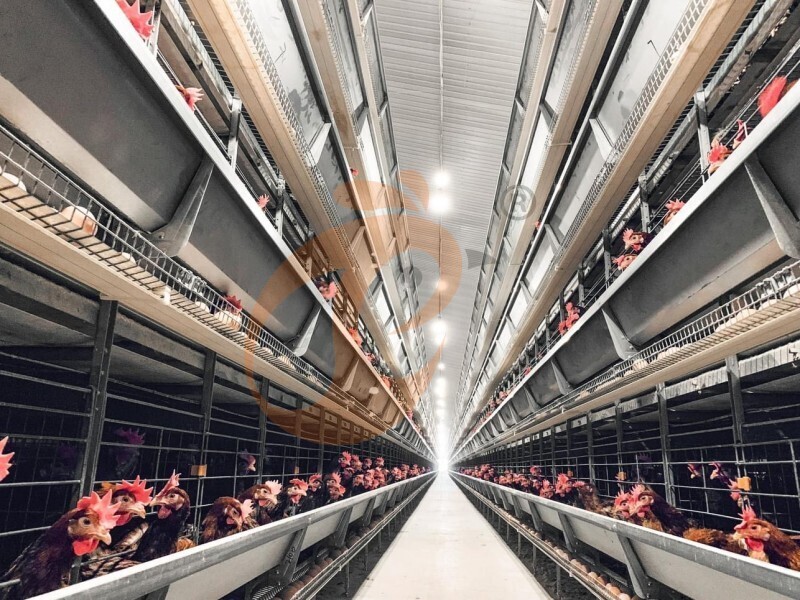
The layer chicken cage system commonly relies on galvanized steel frameworks for structural stability and long term production cycles.
Typical materials include cold-rolled steel, electro-galvanized steel, hot-dip galvanized steel, and stainless steel variations.
Thickness directly influences load distribution and deformation resistance under continuous poultry operation.
Data is for reference only.Swipe horizontally to view full table.
A quotation without explicit coating thickness and steel grade classification is considered incomplete for engineering procurement review.
Cage Size, Layout, and Capacity Design
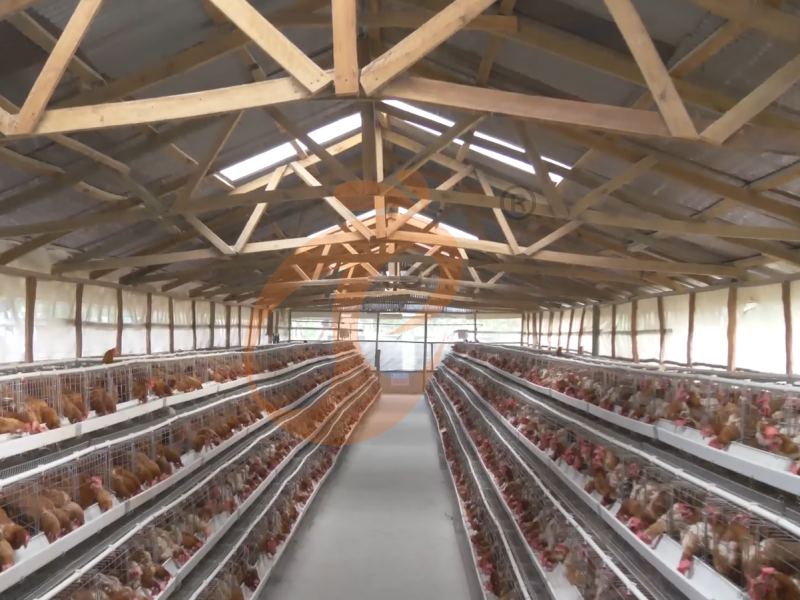
Cage configuration directly influences stocking density efficiency and production throughput stability.
Professional quotation structures always include layout diagrams or modular configuration definitions.
The poultry farming equipment ecosystem depends heavily on spatial optimization and structural zoning.
Data is for reference only.Swipe horizontally to view full table.
H-type structural systems significantly improve land utilization efficiency compared with traditional cage arrangements.
Feeding And Drinking System Integration
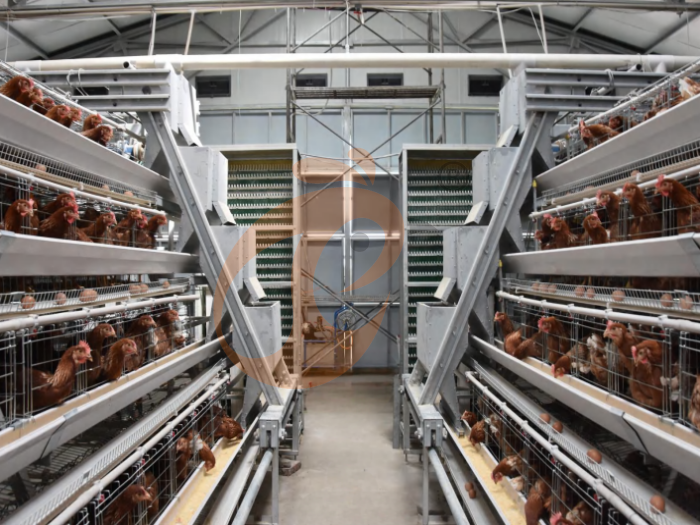
Modern poultry cages integrate automated feeding and drinking mechanisms rather than standalone structural frames.
The automatic chicken cage system design includes synchronized feed distribution and water supply pipelines to minimize labor dependency.
Data is for reference only.Swipe horizontally to view full table.
System compatibility with feed formulation consistency directly impacts production performance stability.
Automation Level And Control Systems
Automation defines operational intelligence level and farm scalability capacity.
Modern poultry farming equipment integrates sensors, motors, and centralized control units for environmental optimization.
Data is for reference only.Swipe horizontally to view full table.
Advanced automation reduces human error rate and improves environmental consistency control.
Durability, Anti-Corrosion Treatment & Structural Strength
Durability determines long-term return on investment and operational stability.
Corrosion resistance directly affects structural lifespan under ammonia-rich poultry environments.
Engineering-grade galvanized treatment is standard in commercial installations.
Data is for reference only.Swipe horizontally to view full table.
Structural reinforcement improves resistance against continuous dynamic loading conditions.
Warranty, Installation, and After-Sales Support
Quotation value depends not only on equipment cost but also on service architecture.
Installation precision directly influences cage alignment, feeding system calibration, and long term stability.
Data is for reference only.Swipe horizontally to view full table.
Technical support response time is a critical performance indicator for large-scale farms.
Scientific Insight Why Cage Design Affects Poultry Physiology
From a biological engineering perspective, cage design influences metabolic stress levels, respiratory efficiency, and feed conversion ratios.
Poor ventilation increases ammonia concentration, reducing oxygen exchange efficiency and immune response stability.
High-density environments without optimized airflow reduce egg production rates and increase energy consumption per unit output.
Proper spatial design within the layer chicken cage system improves thermoregulation and behavioral stability.
Environmental control engineering transforms cage systems into bio-optimized production units rather than static housing structures.
Cost Breakdown Transparency in Quotation
Transparent pricing structure enables accurate capital allocation and lifecycle cost evaluation.
Industrial poultry investment requires segmented cost visibility across all production layers.
Data is for reference only.Swipe horizontally to view full table.
Lifecycle cost analysis is more important than initial purchase value for industrial scalability planning.
Hidden Factors Often Missed in Quotations
Engineering quotations frequently omit ventilation integration parameters, manure removal system efficiency, and spare part standardization levels.
These omissions create long-term operational inefficiencies.
Non-standard cage dimensions reduce scalability flexibility and increase retrofit cost during farm expansion phases.
Compatibility with global poultry infrastructure standards is essential for long term operational stability.
Practical Procurement Checklist
Procurement validation requires systematic confirmation of engineering and operational parameters before final approval.
Data is for reference only.Swipe horizontally to view full table.
Incomplete specification sets increase procurement risk exposure significantly.
Procurement Risk Engineering Logic in Poultry Cage Quotation Evaluation
A technically valid poultry cage quotation should be assessed through multi-variable correlation rather than isolated specification review.
Structural Precision Thresholds
Welding deviation tolerance: ≤ 1.5 mm
Frame alignment error: ≤ 2.0 mm per 3 meters
Installation verticality deviation: ≤ 1.0°
System Synchronization Performance
Feed line response delay: ≤ 0.8 seconds per cycle
Water pressure fluctuation range: ±0.05 MPa
Motor restart recovery time: ≤ 3 seconds
Environmental Stability Indicators
Ventilation uniformity benchmark: ≥ 85%
Temperature gradient control: ≤ 2.5°C across tiers
Ammonia concentration fluctuation: ≤ 12 ppm variance
Operational Impact Insight
Field engineering data from intensive layer farms shows that when ventilation uniformity drops below the 85% threshold, mortality fluctuation increases by approximately 17% during seasonal transition cycles, directly affecting egg production consistency and feed conversion stability.
Frequently Asked Questions
Q1: What determines poultry cage quotation price variation?
A1: Price variation depends on steel grade selection, automation level configuration, coating process type, and system integration complexity across production scale requirements.
Q2: Why is material specification important in poultry cage quotation?
A2: Material specification determines corrosion resistance level, structural lifespan, load bearing capacity, and maintenance frequency under continuous poultry farming conditions.
Q3: How does automation affect poultry cage quotation value?
A3: Automation increases initial investment but reduces labor cost, improves production efficiency, and stabilizes environmental control performance over long operational cycles.
Taiyu (HK) Group - One Of China Biggest Poultry Cage Manufacturer
Poultry cage system engineering delivers industrial layer chicken production configurations with standardized structural performance and extended lifecycle stability.
Global factory direct supply enables controlled manufacturing cost distribution and consistent poultry equipment production output across large scale projects.
Poultry equipment integration includes automated feeding lines, nipple drinking systems, and centralized environmental control architectures for farm optimization.
Turn-key poultry engineering services cover farm design, installation supervision, system calibration, and operational commissioning for commercial projects.
Steel structure poultry cage manufacturing ensures precision fabrication standards and long term durability for intensive farming environments.
Contact Us To Received Your Customized Poultry Farm Plan
Headquarters And Branchs
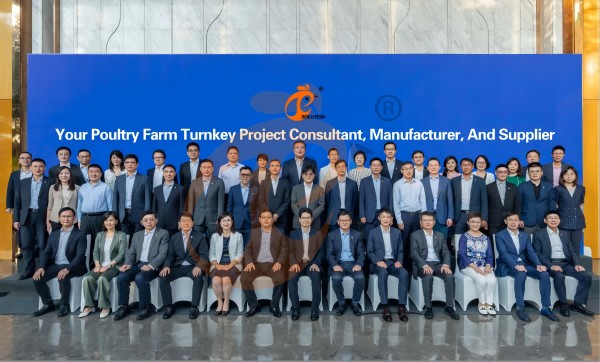
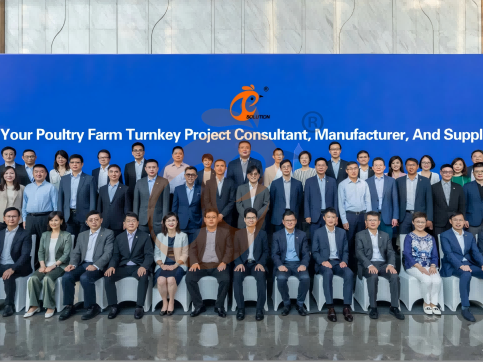
Hong Kong Headquarter Management Team
Hong Kong Headquarter Taiyu Industrial Group CO., LTD
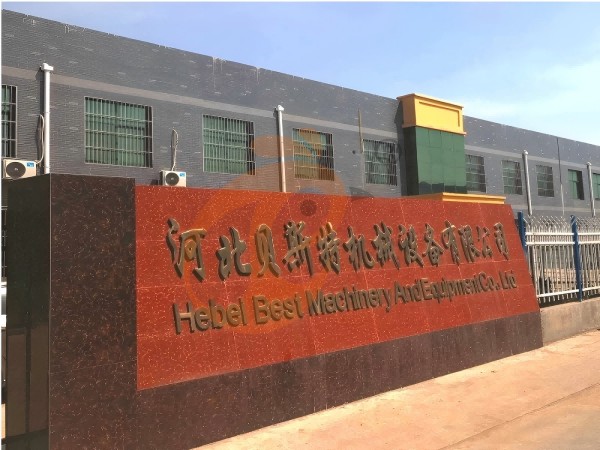
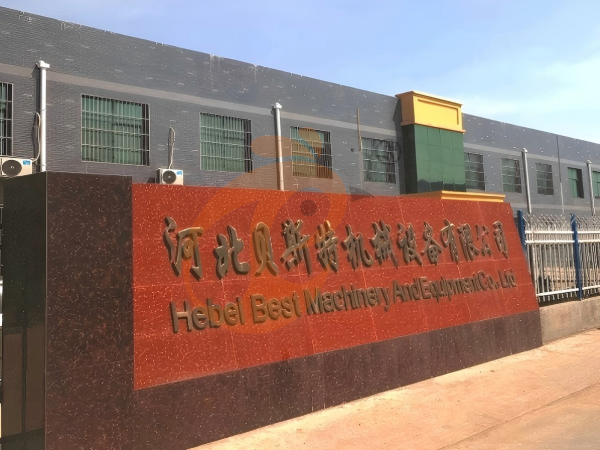
China Hebei Best Machinery And Equipment CO., LTD
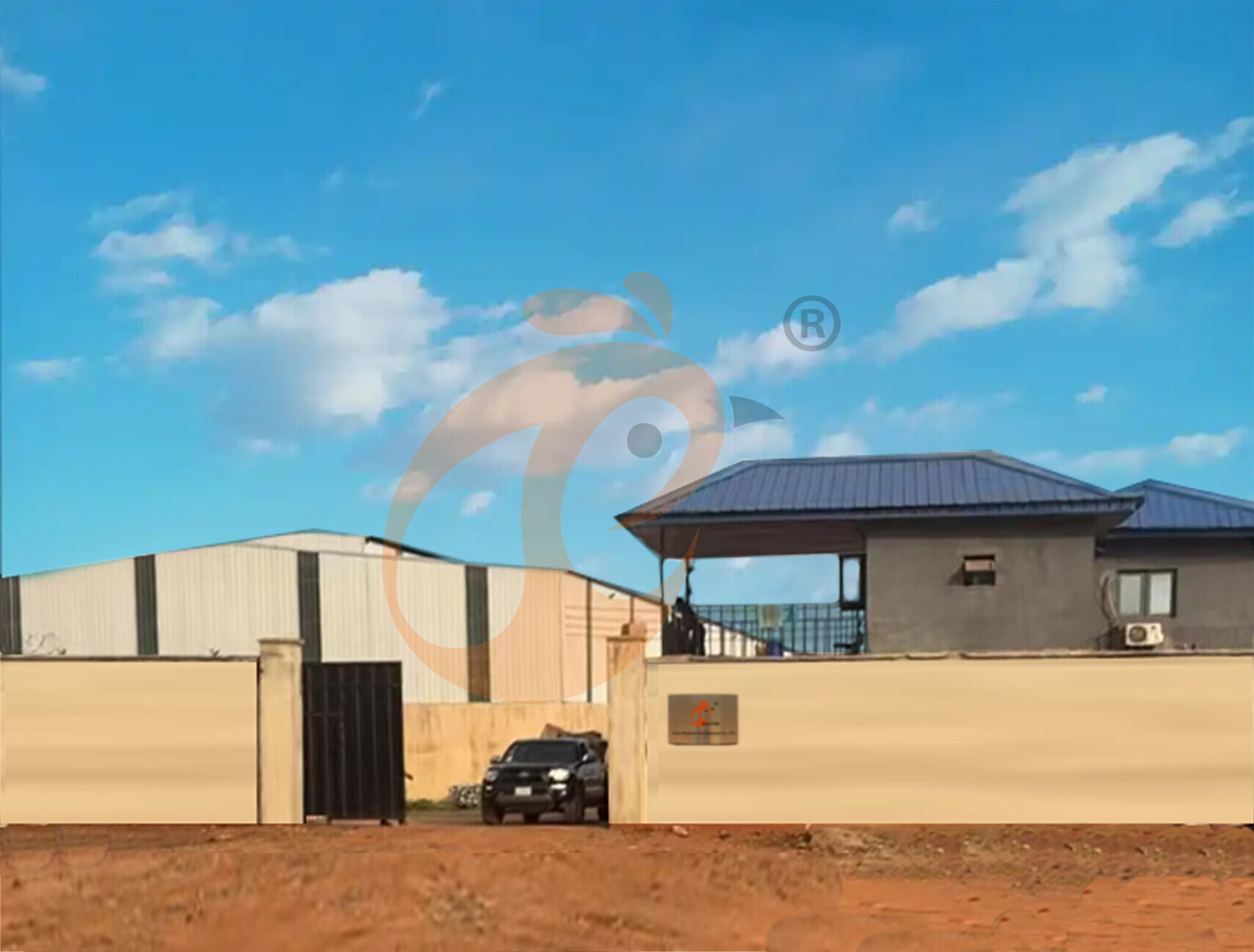
Nigeria Vanke Machinery And Equipment CO., LTD
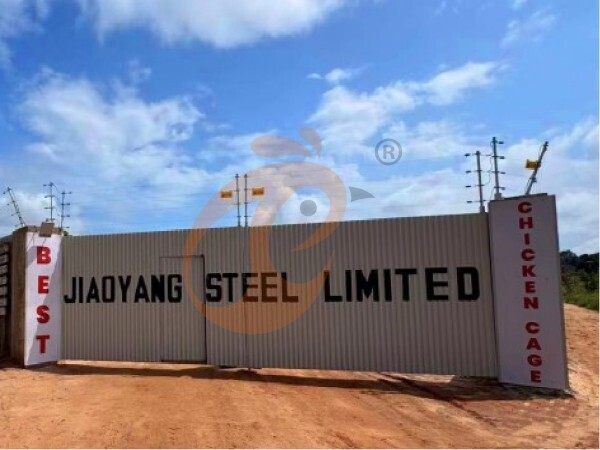
Tanzania Best Machinery And Equipment CO., LTD
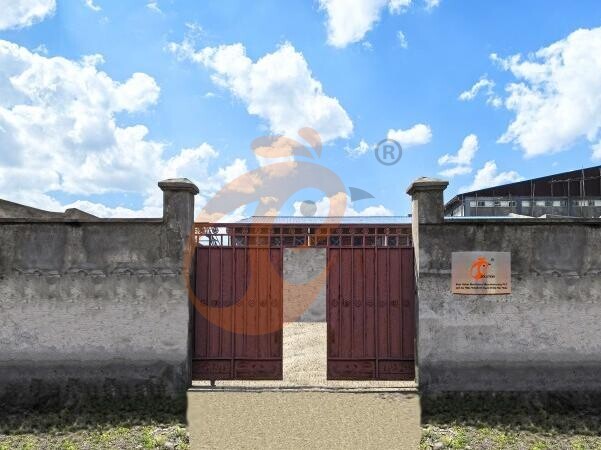
Ethiopia Best Hebei Machinery Manufacturing PLC
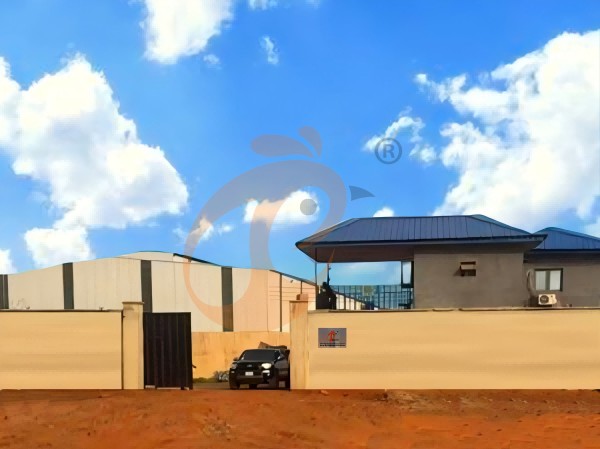
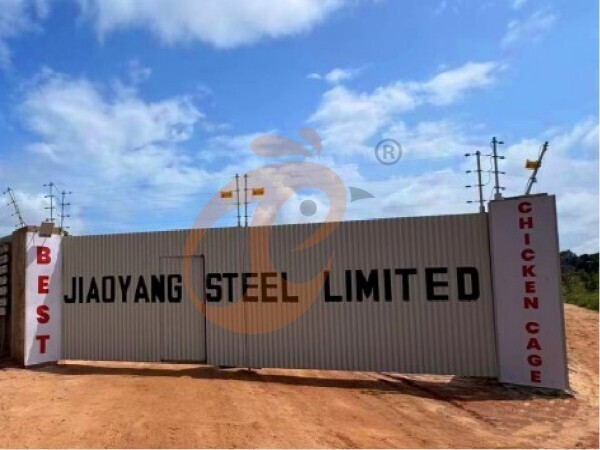
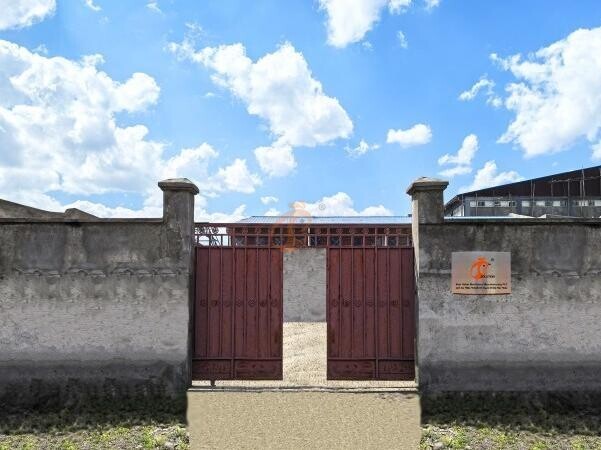
Reception /24 WhatsApp NO. : +8618830120193
FAQ
How To Choose The Ultimate Layer Cage System For Multi-Tier Farms?
Install automatic feeding, drinking, egg collection, and manure cleaning systems to boost egg production to 90–98%.
Optimized ventilation and temperature/humidity control reduce mortality to 2–3%.
What Are The Professional Guidelines For Optimizing Feed Storage And Usage In Chicken Cage Farms?
Use automatic feeders to allocate feed as needed, reducing waste by 5–10%.
Regularly monitor feed consumption per tier; FCR 1.9–2.1, egg production 90–98%.
What Are The Professional Guidelines For Reducing Labor Costs Using Automation In Chicken Cage Farms?
Use real-time monitoring systems to manage flock health and egg production.
ROI can be shortened to 24–36 months, improving overall profitability.
- poultry equipment
- chicken cage
- poultry farm
- poultry cage
- poultry farm
- poultry farm construction
- battery cage system
- automatic chicken cage
- automatic chicken cage system
- poultry cage manufacturer
- poultry cage quotation
- battery cage
- layer farm
- chicken cage system
- poultry cage system
- layer chicken cage
- poultry farming equipment
- Ethiopia
- Nigeria
Message
Products recommended
 HK Headquarter Offers EU-standard Poultry Farm Solutions, Manufacture Poultry Farm Equipment1. Continuous communication with the EU and the US
2. China, Nigeria, Ethiopia, Tanzania branch companies and factories
3. The products’ quality is customized for local poultry farms
4. Poultry cage and poultry farm equipment stock for sale
5. 24 online reception Whatsapp NO. : +8618830120193,contact us to get full informationRead More China Branch Offer Poultry Farm Business Plan, Manufacture Poultry Farm Equipment1. Address: Flat/RM 2416, 24/F, Runxing Building, Youyi Nan Street, Shijiazhuang City, Hebei Province, China
2. Poultry cage and poultry farm equipment factory and stock for sale
3. Customized for local poultry farms
4. Quality and design are based on Euro
5. 24 online reception Whatsapp NO. : +8618830120193Read More Nigeria Branch Offer Poultry Farm Business Plan, Manufacture Poultry Farm Equipment1. Address: After Sinoma Office, 200 Meters Near Danco Filling Station, Lagos/Ibadan Expressway, Lagos State, Nigeria
2. Poultry cage and poultry farm equipment factory and stock for sale
3. Customized for Nigerian poultry farms
4. Quality and design are based on Euro
5. 24 online reception Whatsapp NO. : +8618830120193Read More Ethiopia Branch Offer Poultry Farm Business Plan, Manufacture Poultry Farm Equipment1. Address: Gelan Gura, Akaki-kaliti Sub City, Addis Ababa, Ethiopia
2. Poultry cage and poultry farm equipment stock for sale
3. Customized for Ethiopian poultry farms
4. Quality and design are based on Euro
5. 24 online reception Whatsapp NO. : +8618830120193, contact us to get price listRead More Tanzania Branch Offer Poultry Farm Business Plan, Manufacture Poultry Farm Equipment1. Address: No.8, Sova Road, Msufini, Mlandizi, Kibaha, Pwani, Tanzania
2. Poultry cage and poultry farm equipment factory and stock for sale
3. Customized for Tanzanian poultry farms
4. Quality and design are based on Euro
5. 24 online reception Whatsapp NO. : +8618830120193Read More Fully Automatic H Type Layer Chicken Cage1. 30,000-100,000+ layers/house chooses it, Poultry farmers can achieve an egg production rate of 96-98%
2. A significant improvement over the 85-90% typically seen in manual systems
3. A typical poultry farm can expect a 30-40% reduction in labor costs due to the automation
4. Each feeding line efficiently supplies feed to around 100,000 hens per 30 mins
5. Reception /WhatsApp NO. : +8618830120193Read More Fully Automatic A Type Layer Chicken Cage1. 10,000-50,000 layers/house chooses it
2. Cleaner egg collection reduces breakage by 0.5%
3. Improved hygiene helps reduce mortality rate to <3%
4. 1–2 technicians can handle 15,000–30,000 birds
5. Reception /WhatsApp NO. : +8618830120193Read More Semi Automatic H Type Layer Chicken Cage1. 1,00-20,000 layers/house chooses it
2. Nipple drinkers flow 30–60 ML / min
3. Hot-dip galvanized (typical coating ≥ 275 g/m²)
4. Reduce ammonia by ~ 35–40%
5. Reception /WhatsApp NO. : +8618830120193Read More Semi Automatic A Type Layer Chicken Cage1. 1,00-20,000 layers/house chooses it, no rust for 10 years, no deformation for 15 years
2. Chickens live comfortably, you can raise them with peace of mind
3. Save water, save money—efficiency you can measure
4. Improve environment quality, and increase egg production rate
5. Reception /WhatsApp NO. : +8618830120193Read More
By clicking 'Allow All', you agree to the storage of cookies on your device to enhance site navigation, analyze site usage and assist with our marketing efforts.