






Blog
Deep litter poultry system integrates floor bedding, microbial decomposition, ventilation control, temperature stabilization, and manure recycling in commercial poultry production.
Organic bedding materials support nitrogen transformation, ammonia volatilization control, and microbial carbon oxidation cycles with measurable gas exchange reduction performance under controlled stocking density conditions.
Stocking density regulation is linked to carcass uniformity deviation control within ±4.8% under optimized ventilation environments.
Feed conversion efficiency improves under litter thermal buffering capacity ranging between 2.4–3.8 kJ/kg·K compared to bare-floor systems.
System design supports scalable broiler and layer farming operations with operational cycle stability of 5–7 production batches per year in intensive farming regions.
Get professional poultry farm construction guidance, equipment selection solutions, and the latest price lists, whatsApp to +8618830120193, +2348111199996, or click to learn more.
System Structure of Deep Litter Poultry Housing
The deep litter poultry system consists of engineered poultry house components designed to maintain environmental stability, including flooring base, bedding layer, ventilation layout, feeding lines, and density allocation, where each parameter directly influences production efficiency, air quality index, and biological decomposition rate within the poultry environment.
Data is for reference only. Swipe horizontally to view full table.
Scientific Operation Mechanism of Deep Litter System
Deep litter poultry system operates through controlled aerobic and anaerobic microbial decomposition, where nitrogen rich manure is converted into stabilized organic matter, ammonia concentration is reduced through biological oxidation, and thermal energy is generated inside litter layers to stabilize internal poultry house climate conditions under continuous production cycles.
Methanogenic suppression efficiency reaches 72–84% under proper carbon to nitrogen balance control, while nitrogen retention in litter biomass increases by 18–26% compared to unmanaged floor systems.
Data is for reference only. Swipe horizontally to view full table.
Benefit Production Efficiency Improvement In Broiler Growth
Broiler performance under deep litter poultry system demonstrates improved average daily gain and uniform body weight distribution due to stabilized thermal environment, reduced stress load index, and optimized movement space, resulting in enhanced metabolic efficiency and consistent carcass yield across commercial production cycles.
Average daily gain improvement ranges between 3.6–7.4% compared to constrained floor systems under identical feed formulation programs, with uniformity coefficient reaching 0.82–0.88 depending on ventilation stability.
Benefit Feed Conversion Ratio Optimization
Feed utilization efficiency improves in deep litter poultry system through behavioral activation, metabolic stabilization, and reduced stress factors, leading to measurable improvement in feed conversion ratio compared with confined cage production systems.
Reduced energy loss from thermoregulation accounts for approximately 6.2–9.5% feed energy redistribution toward muscle deposition instead of maintenance metabolism.
Data is for reference only. Swipe horizontally to view full table.
Benefit Mortality Rate Reduction in Controlled Housing
Mortality performance in deep litter poultry system is influenced by environmental stability, ventilation uniformity, and ammonia control efficiency, resulting in reduced cumulative mortality count per production cycle compared with conventional cage based poultry housing systems.
Early stage mortality reduction is associated with 12–18% improvement in immune resilience indicators due to reduced respiratory epithelial stress exposure.
Data is for reference only. Swipe horizontally to view full table.
Benefit Ammonia Control and Air Quality Management
Ammonia concentration control in deep litter poultry system is achieved through microbial nitrogen transformation and carbon to nitrogen balance regulation, maintaining gas concentration within biologically acceptable thresholds and improving respiratory health conditions in poultry production environments.
Volatile nitrogen compound reduction efficiency ranges from 38–61% depending on litter aeration frequency and bedding carbon ratio stabilization level.
Data is for reference only. Swipe horizontally to view full table.
Scientific Insight Deep Litter as a Biological Fermentation Reactor
Deep litter poultry system functions as a biological fermentation reactor where carbon nitrogen ratio regulation between 25:1 and 35:1 supports microbial population stability, organic waste conversion efficiency, and thermal energy generation, forming a self-sustaining ecological micro-system inside poultry housing structures.
Cellulose degradation rate in bedding material reaches 0.8–1.3% per day under optimal moisture conditions, directly influencing ammonia binding capacity and microbial biomass expansion rate.
Benefit Manure Recycling and Fertilizer Yield Efficiency
Deep litter poultry system produces nutrient-rich organic fertilizer through continuous microbial decomposition, generating measurable nitrogen phosphorus potassium composition suitable for agricultural crop application, supporting circular farming economy models with quantifiable nutrient output.
Carbon retention efficiency in final compost mass reaches 48–62%, improving soil organic matter stability index in downstream agricultural application systems.
Data is for reference only. Swipe horizontally to view full table.
Benefit Energy Reduction in Heating and Cooling Systems
Energy consumption reduction in deep litter poultry system is achieved through microbial heat generation maintaining internal temperature range between 28°C and 38°C, reducing dependency on external heating and cooling equipment during production cycles.
Thermal inertia effect reduces external heating demand by approximately 28–41% during brooding phase under insulated housing structures.
Data is for reference only. Swipe horizontally to view full table.
Stocking Density Optimization Model
Stocking density regulation directly affects feed efficiency, ammonia concentration, and final body weight output, where excessive density increases metabolic stress and reduces feed conversion performance in poultry production systems.
Spatial movement index decreases by 14–27% when density exceeds 9 birds/m², directly affecting locomotion based muscle fiber development rate.
Data is for reference only. Swipe horizontally to view full table.
Water Consumption Efficiency
Water intake variation in deep litter poultry system is influenced by metabolic activity level, environmental humidity, and feed digestion rate, resulting in measurable differences in total water consumption per production cycle.
Electrolyte balance stability improves water retention efficiency by 7.9–11.3% compared with high density cage systems under identical feeding programs.
Data is for reference only. Swipe horizontally to view full table.
Disease Pressure Index in Production Cycles
Disease incidence in deep litter poultry system is influenced by microbial ecosystem balance and ventilation control efficiency, resulting in reduced recorded infection cases compared with cage systems under standardized production conditions.
Pathogen exposure variability decreases by 22–35% due to stabilized litter microbiota competition effects suppressing dominant harmful bacterial colonies.
Data is for reference only. Swipe horizontally to view full table.
Operational Cost Structure in Commercial Farms
Operational cost distribution in deep litter poultry system includes feed input, labor allocation, bedding material cost, and energy consumption, forming a measurable economic structure for commercial poultry production planning.
Capital turnover cycle efficiency improves by 9–14% due to reduced mechanical dependency and simplified maintenance intervals.
Data is for reference only. Swipe horizontally to view full table.
Frequently Asked Questions
Q1: What is the optimal stocking density in deep litter poultry system?
A1: Optimal stocking density ranges from 6 to 10 birds per square meter depending on ventilation capacity and litter management efficiency, where lower density improves feed conversion ratio and reduces ammonia concentration levels.
Q2: How does deep litter system control ammonia concentration in poultry housing?
A2: Ammonia control is achieved through microbial decomposition processes that convert nitrogen compounds into stable organic matter, maintaining ammonia levels between 5 and 25 ppm under proper ventilation and moisture control.
Q3: What is the average production cycle performance improvement in deep litter system?
A3: Average improvement includes feed conversion ratio reduction from 2.02 to 1.81 and mortality reduction from 60 to 40 per 1000 birds across a 42-day production cycle under controlled environmental conditions.
Taiyu (HK) Group - One Of China Biggest Deep Litter Poultry System Manufacturer
Deep litter poultry system equipment designed for commercial broiler and layer farming with controlled microbial bedding technology and standardized engineering parameters supporting stable production output.
Global factory direct supply poultry equipment integrated poultry cage system deep litter housing system ventilation engineering and automated feeding line solutions for industrial farms.
Turn key poultry farm engineering including layout design installation commissioning and production optimization training for large scale commercial poultry projects.
Poultry cage and deep litter hybrid systems manufactured under industrial standards supporting export grade livestock equipment with long service lifecycle performance.
International poultry equipment exporter delivering automated poultry farming systems with energy optimized ventilation and standardized biosecurity design frameworks.
Contact Us To Received Your Customized Poultry Farm Plan
Headquarters And Branchs

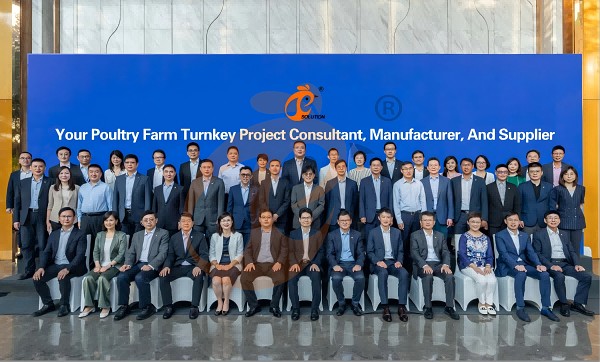
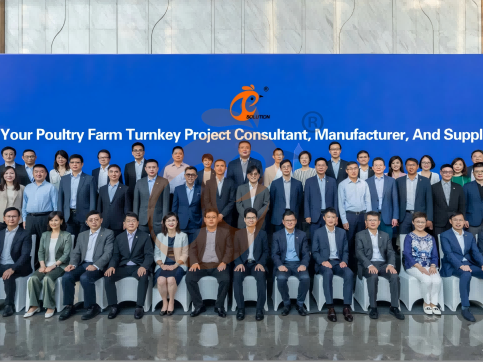
Hong Kong Headquarter Management Team
Hong Kong Headquarter Taiyu Industrial Group CO., LTD
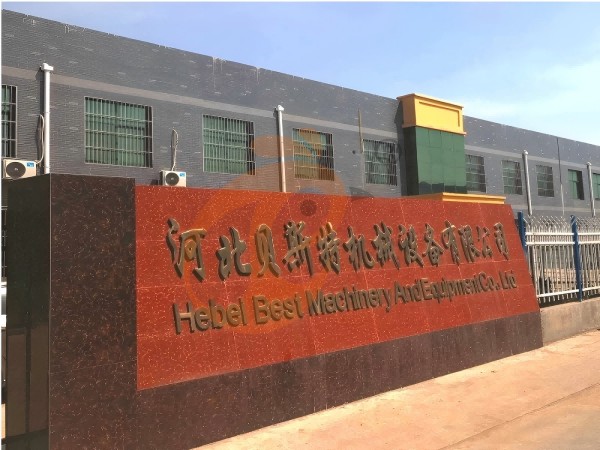
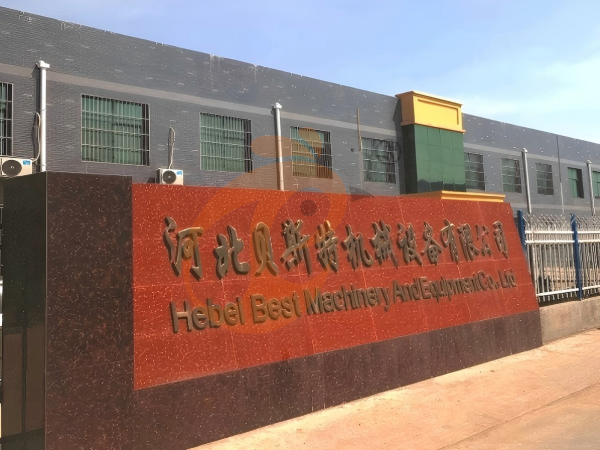
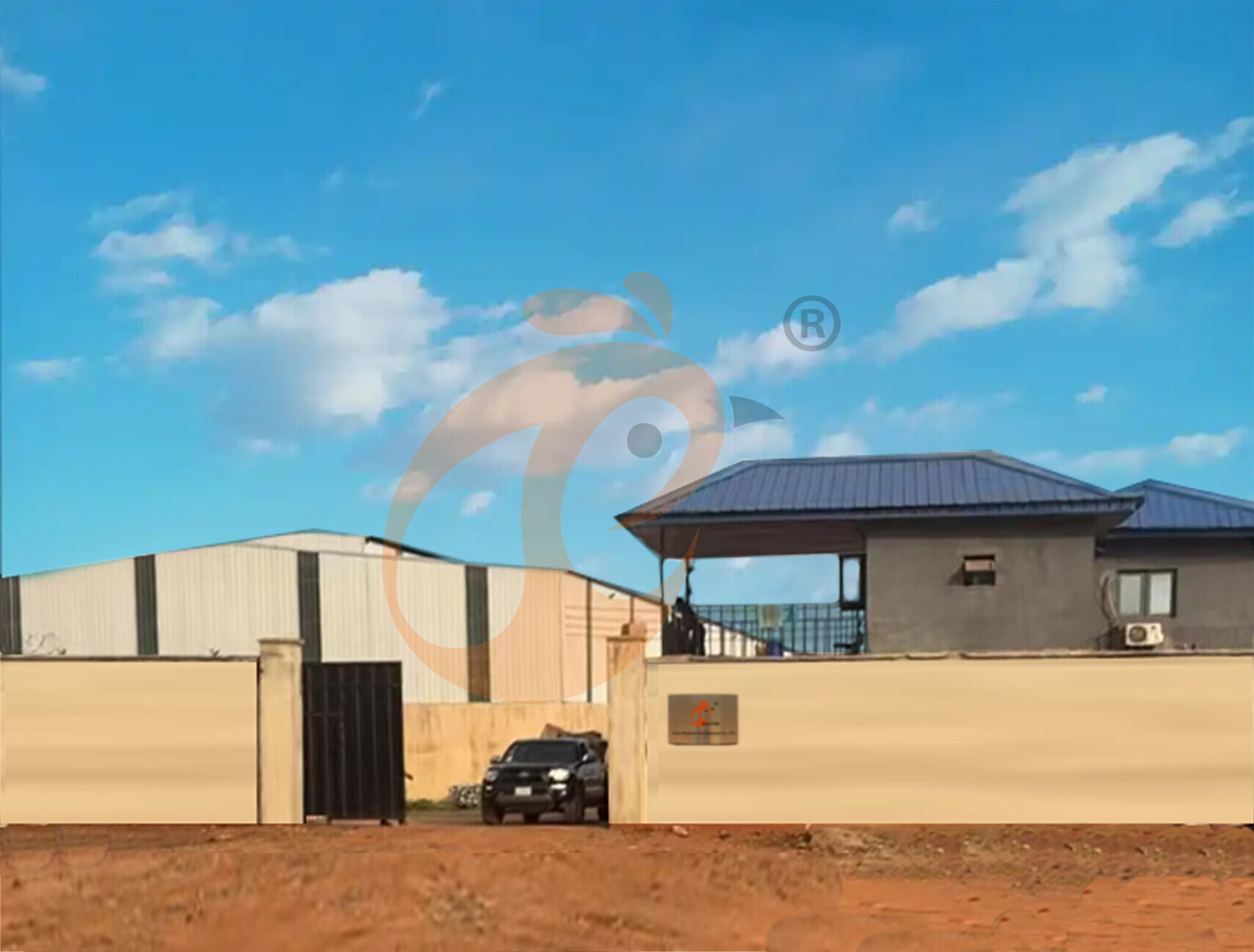
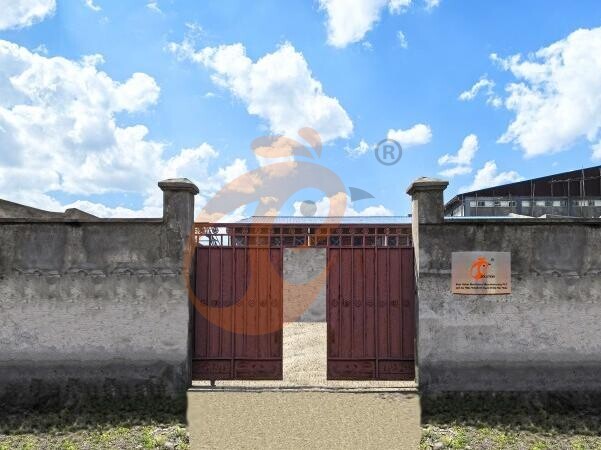
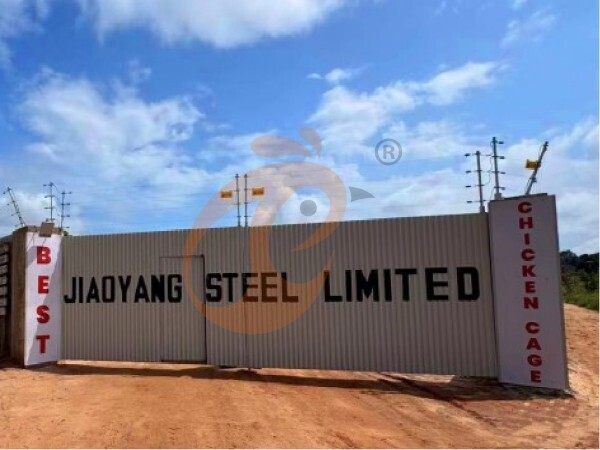
China Hebei Best Machinery And Equipment CO., LTD
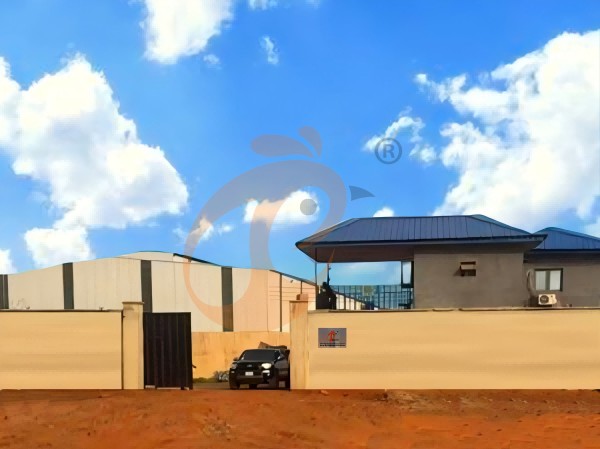
Nigeria Vanke Machinery And Equipment CO., LTD
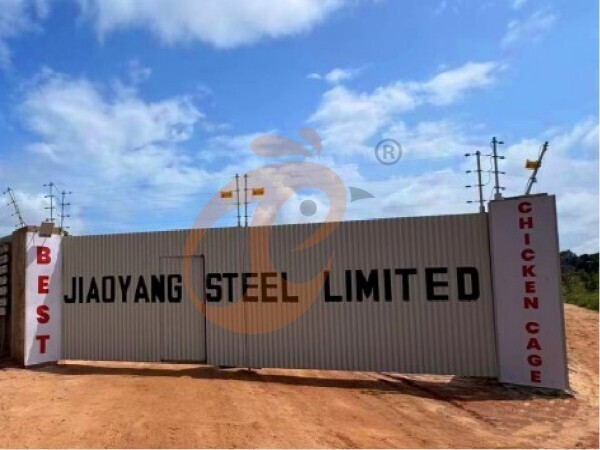
Tanzania Best Machinery And Equipment CO., LTD
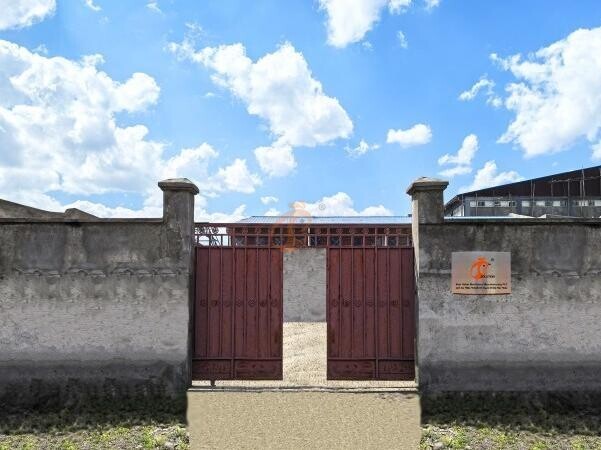
Ethiopia Best Hebei Machinery Manufacturing PLC
Reception /24 WhatsApp NO. : +8618830120193
FAQ
What Are The Ventilation Design Standards In Deep Litter Poultry System For Poultry Chicken Houses?
Airflow speed at bird level is controlled at 0.25–0.45 m/s to prevent litter drying imbalance.
Exhaust fan capacity is typically designed at 18,000–22,000 m³ per hour per unit for large houses.
What Are The Litter Fermentation Performance Requirements In Deep Litter Poultry System For Poultry Chicken Production?
Microbial decomposition efficiency converts 60%–75% of manure into stabilized organic matter.
Carbon to nitrogen ratio is maintained at 25–30:1 for optimal fermentation balance.
What Are The Moisture Management Standards In Deep Litter Poultry System For Poultry Chicken Farming?
Water absorption turnover rate reaches 1.2–1.8 liters per square meter daily under normal stocking conditions.
Evaporation efficiency is enhanced by 30%–40% through proper ventilation and litter turning.
Message
Products recommended
 HK Headquarter Offers EU-standard Poultry Farm Solutions, Manufacture Poultry Farm Equipment1. Continuous communication with the EU and the US
2. China, Nigeria, Ethiopia, Tanzania branch companies and factories
3. The products’ quality is customized for local poultry farms
4. Poultry cage and poultry farm equipment stock for sale
5. 24 online reception Whatsapp NO. : +8618830120193,contact us to get full informationRead More China Branch Offer Poultry Farm Business Plan, Manufacture Poultry Farm Equipment1. Address: Flat/RM 2416, 24/F, Runxing Building, Youyi Nan Street, Shijiazhuang City, Hebei Province, China
2. Poultry cage and poultry farm equipment factory and stock for sale
3. Customized for local poultry farms
4. Quality and design are based on Euro
5. 24 online reception Whatsapp NO. : +8618830120193Read More Nigeria Branch Offer Poultry Farm Business Plan, Manufacture Poultry Farm Equipment1. Address: After Sinoma Office, 200 Meters Near Danco Filling Station, Lagos/Ibadan Expressway, Lagos State, Nigeria
2. Poultry cage and poultry farm equipment factory and stock for sale
3. Customized for Nigerian poultry farms
4. Quality and design are based on Euro
5. 24 online reception Whatsapp NO. : +8618830120193Read More Ethiopia Branch Offer Poultry Farm Business Plan, Manufacture Poultry Farm Equipment1. Address: Gelan Gura, Akaki-kaliti Sub City, Addis Ababa, Ethiopia
2. Poultry cage and poultry farm equipment stock for sale
3. Customized for Ethiopian poultry farms
4. Quality and design are based on Euro
5. 24 online reception Whatsapp NO. : +8618830120193, contact us to get price listRead More Tanzania Branch Offer Poultry Farm Business Plan, Manufacture Poultry Farm Equipment1. Address: No.8, Sova Road, Msufini, Mlandizi, Kibaha, Pwani, Tanzania
2. Poultry cage and poultry farm equipment factory and stock for sale
3. Customized for Tanzanian poultry farms
4. Quality and design are based on Euro
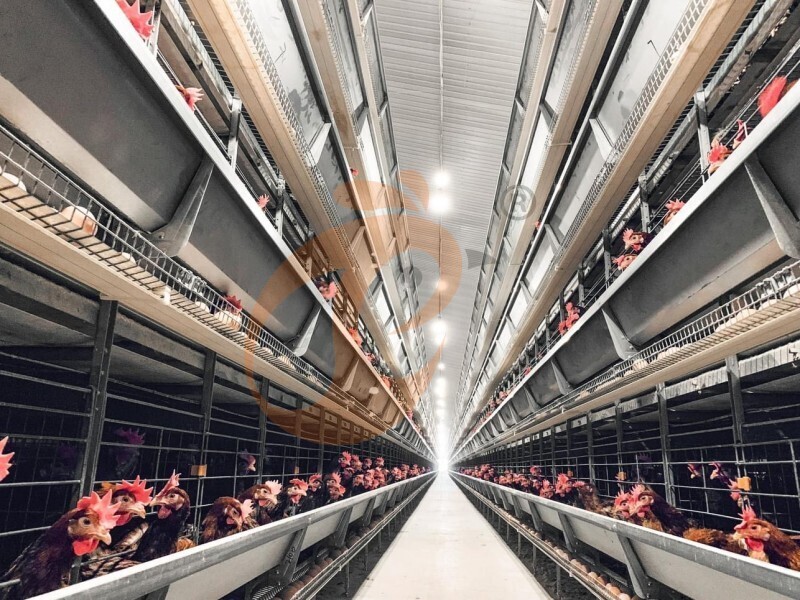
5. 24 online reception Whatsapp NO. : +8618830120193Read More Fully Automatic H Type Layer Chicken Cage1. 30,000-100,000+ layers/house chooses it, Poultry farmers can achieve an egg production rate of 96-98%
2. A significant improvement over the 85-90% typically seen in manual systems
3. A typical poultry farm can expect a 30-40% reduction in labor costs due to the automation
4. Each feeding line efficiently supplies feed to around 100,000 hens per 30 mins
5. Reception /WhatsApp NO. : +8618830120193Read More Fully Automatic A Type Layer Chicken Cage1. 10,000-50,000 layers/house chooses it
2. Cleaner egg collection reduces breakage by 0.5%
3. Improved hygiene helps reduce mortality rate to <3%
4. 1–2 technicians can handle 15,000–30,000 birds
5. Reception /WhatsApp NO. : +8618830120193Read More Semi Automatic H Type Layer Chicken Cage1. 1,00-20,000 layers/house chooses it
2. Nipple drinkers flow 30–60 ML / min
3. Hot-dip galvanized (typical coating ≥ 275 g/m²)
4. Reduce ammonia by ~ 35–40%
5. Reception /WhatsApp NO. : +8618830120193Read More Semi Automatic A Type Layer Chicken Cage1. 1,00-20,000 layers/house chooses it, no rust for 10 years, no deformation for 15 years
2. Chickens live comfortably, you can raise them with peace of mind
3. Save water, save money—efficiency you can measure
4. Improve environment quality, and increase egg production rate
5. Reception /WhatsApp NO. : +8618830120193Read More
By clicking 'Allow All', you agree to the storage of cookies on your device to enhance site navigation, analyze site usage and assist with our marketing efforts.