






Blog
Poultry equipment plays a critical role in maintaining stable production efficiency, flock welfare, environmental control, and operational reliability throughout modern poultry farming systems.
Automatic feeding system performance directly influences feed distribution consistency, bird growth uniformity, resource utilization, and daily management effectiveness.
Poultry farm ventilation system operation supports temperature regulation, air quality management, moisture balance, and bird comfort under varying production conditions.
Daily inspection routines help identify equipment abnormalities early, reduce unexpected downtime, and improve maintenance planning across multiple production cycles.
Technical management practices, operational monitoring methods, maintenance schedules, and engineering recommendations presented below provide practical guidance for long-term equipment performance.
Get professional poultry farm construction guidance, equipment selection solutions, and the latest price lists, whatsApp to +8618830120193, +2348111199996, or click to learn more.
Understanding Core Equipment Functions
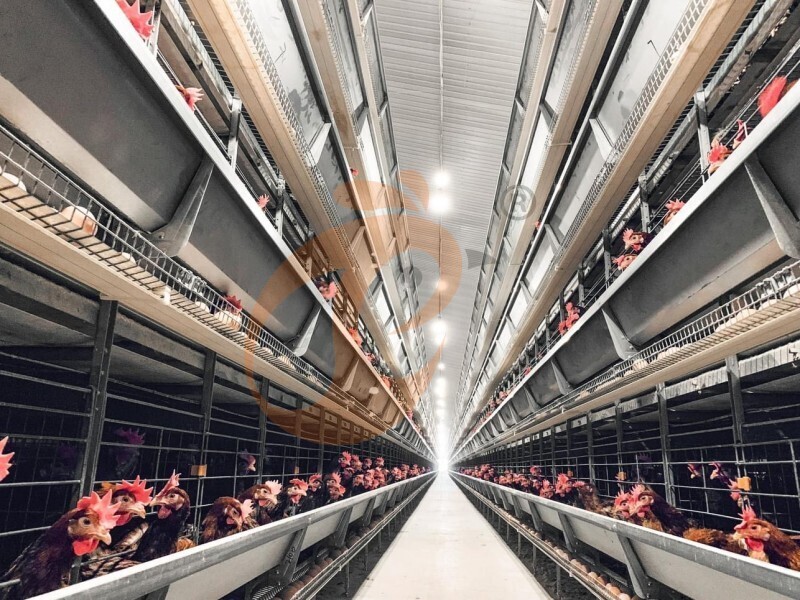
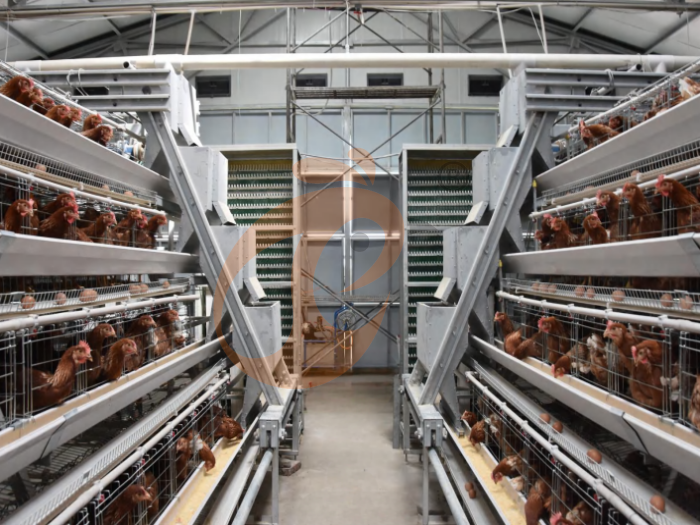
Modern poultry houses integrate feeding, drinking, ventilation, lighting, egg collection, and environmental control equipment into a coordinated production system.
Each subsystem performs a specific function while supporting overall flock performance.
Operators who understand equipment functions can identify irregular operating conditions more efficiently and respond before production losses occur.
Data is for reference only.Swipe horizontally to view full table.
Knowledge of equipment responsibilities provides a foundation for effective daily operation.
Daily Visual Inspection Procedures
Visual inspection remains one of the most valuable operational activities.
Small mechanical defects often become major failures when ignored.
Inspection routes should cover feeding lines, drinking systems, electrical cabinets, ventilation equipment, and control panels.
Operators should observe vibration, noise, wear, leakage, dust accumulation, and abnormal movement.
Data is for reference only.Swipe horizontally to view full table.
Consistent inspections help reduce emergency maintenance requirements and improve equipment availability.
Feed Delivery Management
Feed commonly represents more than half of total production expenditure.
Accurate feed delivery therefore becomes an important operational objective.
Automatic feeding system components should be checked daily for feed flow consistency, auger performance, feed pan adjustment, and feed level uniformity.
Uneven feed access may increase flock weight variation and reduce production efficiency.
Data is for reference only.Swipe horizontally to view full table.
Proper feed management supports stable production performance throughout the flock cycle.
Drinking Water Quality Control
Water consumption directly affects metabolism, digestion, nutrient absorption, and bird health.
Daily water management should include line flushing, pressure verification, and water quality monitoring.
Sediment accumulation and biofilm growth may gradually reduce system efficiency.
Data is for reference only.Swipe horizontally to view full table.
Regular water quality evaluation helps maintain consistent flock performance and supports effective equipment operation.
Poultry Farm Ventilation System Verification
Ventilation management influences oxygen availability, moisture removal, gas concentration, and thermal comfort.
Poultry farm ventilation system equipment should operate according to environmental requirements and flock age.
Fan performance, air inlet opening angles, controller settings, and sensor calibration require daily verification.
Data is for reference only.Swipe horizontally to view full table.
Maintaining stable environmental conditions contributes to consistent flock development.
Lighting Program Management
Lighting systems influence activity patterns, feeding behavior, and production performance.
Modern facilities commonly utilize programmable ledlighting technology.
Daily inspections should confirm timer operation, fixture cleanliness, dimming functionality, and emergency backup readiness.
Data is for reference only.Swipe horizontally to view full table.
Well managed lighting programs support stable production outcomes.
Mechanical Cleaning And Component Protection
Dust, feathers, and feed particles gradually accumulate on equipment surfaces.
Motor housings, fan blades, gearbox assemblies, and electrical enclosures require regular cleaning.
Clean equipment typically experiences lower operating temperatures and improved mechanical efficiency.
Routine cleaning procedures also assist technicians during maintenance inspections because wear conditions become easier to identify.
Mechanical cleanliness should remain a daily management priority.
Operational Data Recording
Reliable management decisions depend on accurate production records.
Daily data collection allows managers to identify trends, compare performance cycles, and schedule preventive maintenance more effectively.
Recorded information should include resource consumption, environmental conditions, equipment operating hours, and production output.
Data is for reference only.Swipe horizontally to view full table.
Historical records create a valuable database for long-term operational analysis.
Preventive Maintenance Planning
Preventive maintenance reduces the likelihood of unexpected failures and extends equipment service life.
Maintenance schedules should be established according to operating hours, environmental conditions, and manufacturer recommendations.
Data is for reference only.Swipe horizontally to view full table.
Planned maintenance activities generally require fewer resources than emergency repairs.
Cost Awareness And Operational Efficiency
Equipment efficiency directly influences production expenses.
Energy consumption, spare parts replacement, labor requirements, and maintenance frequency should be monitored continuously.
A ventilation motor consuming 4.5 kw for 18 operational hours may generate approximately $13.50 daily electricity expenditure under a $0.167/kwh reference calculation.
Tracking operational costs helps managers evaluate performance and identify optimization opportunities.
Staff Training And Standardized Procedures
Advanced automation systems still require trained personnel.
Operators should understand startup procedures, shutdown protocols, alarm management, equipment adjustment, and safety requirements.
Standardized operating procedures reduce human error and improve production consistency.
Many production improvements originate from operational discipline rather than equipment replacement.
Well trained teams frequently achieve better results using existing equipment resources.
Frequently Asked Questions
Q1: What is the most important daily inspection item?
A1: Water supply verification is often considered critical because birds may experience performance impacts within a short period if water availability becomes restricted.
Q2: How often should ventilation sensors be checked?
A2: Daily visual confirmation is recommended, while calibration verification commonly occurs every 30 to 60 days depending on operating conditions and equipment specifications.
Q3: What feed delivery uniformity difference is generally acceptable?
A3: Many operations aim to maintain feed distribution variation within approximately 3% to 5% between feeding locations to support flock consistency.
Taiyu (HK) Group - One Of China Largest Poultry Equipment Manufacturer
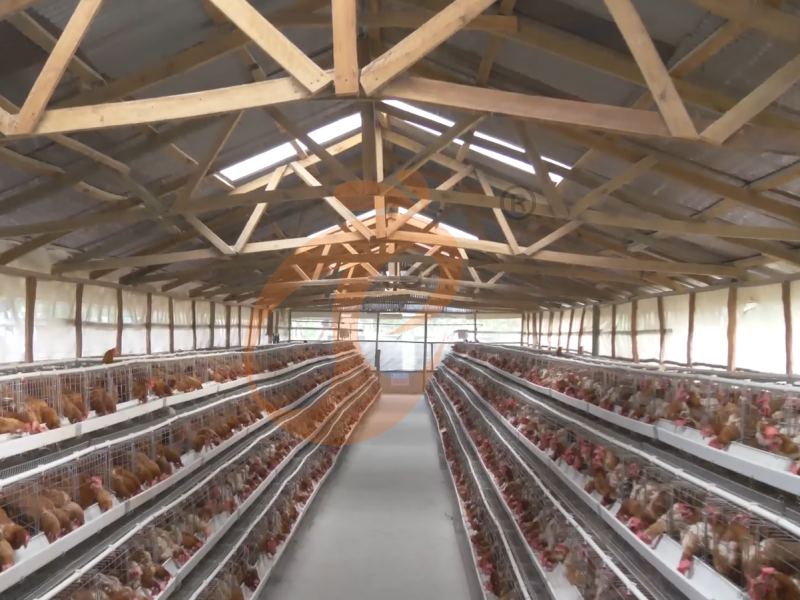
Modern broiler farms, layer farms, breeder farms, and commercial poultry projects utilize integrated poultry equipment systems for feeding, drinking, ventilation, environmental control, and production management.
Global factory direct supply supports equipment standardization, manufacturing consistency, component traceability, and project cost management across multiple international markets.
Poultry equipment solutions include automatic feeding systems, nipple drinking systems, tunnel ventilation equipment, climate control systems, and egg collection technologies.
Turn key engineering services cover facility planning, equipment configuration, installation guidance, commissioning support, and operational training according to project requirements.
Technical teams provide specification evaluation, capacity calculation, equipment matching analysis, and customized engineering recommendations for different production scenarios and environmental conditions.
Contact Us To Received Your Customized Poultry Farm Plan
Headquarters And Branchs
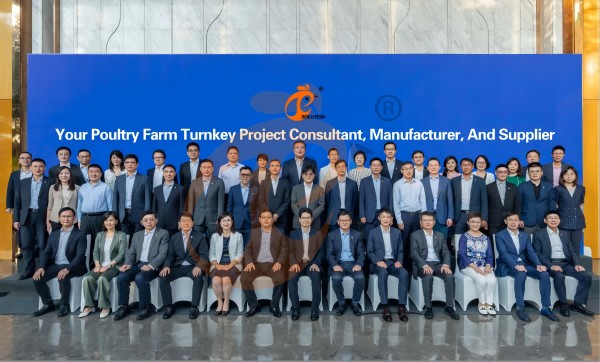
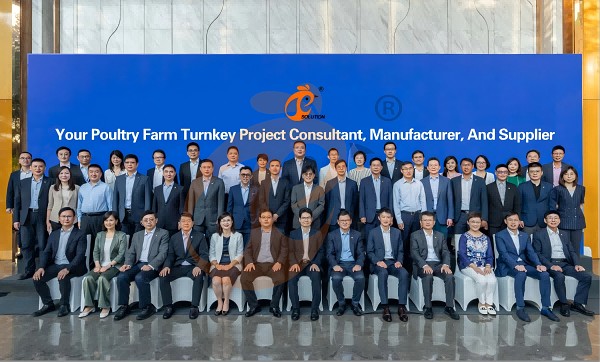
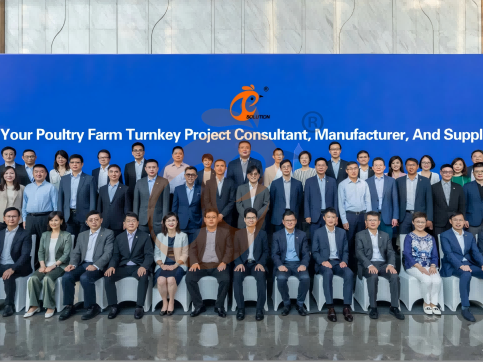
Hong Kong Headquarter Management Team
Hong Kong Headquarter Taiyu Industrial Group CO., LTD
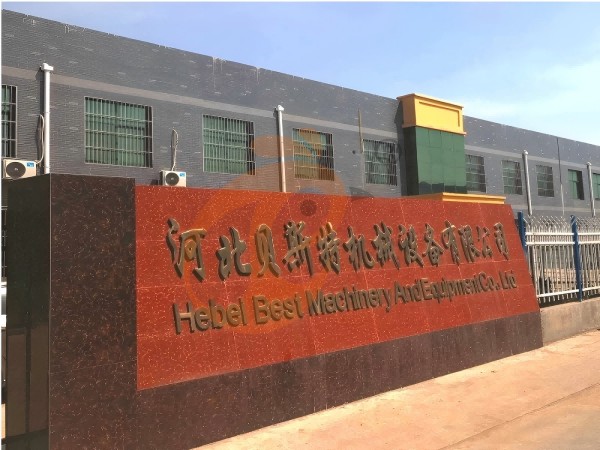
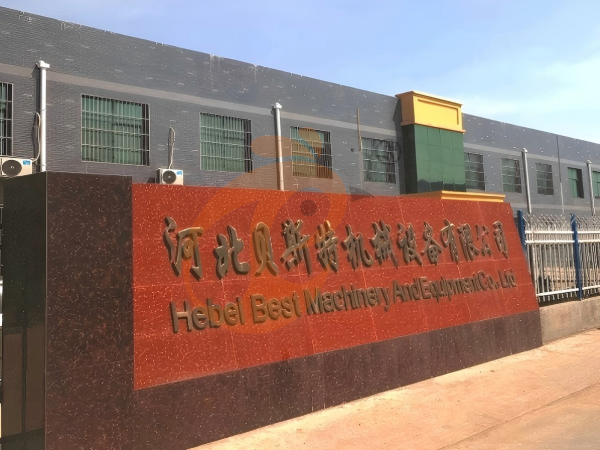
China Hebei Best Machinery And Equipment CO., LTD
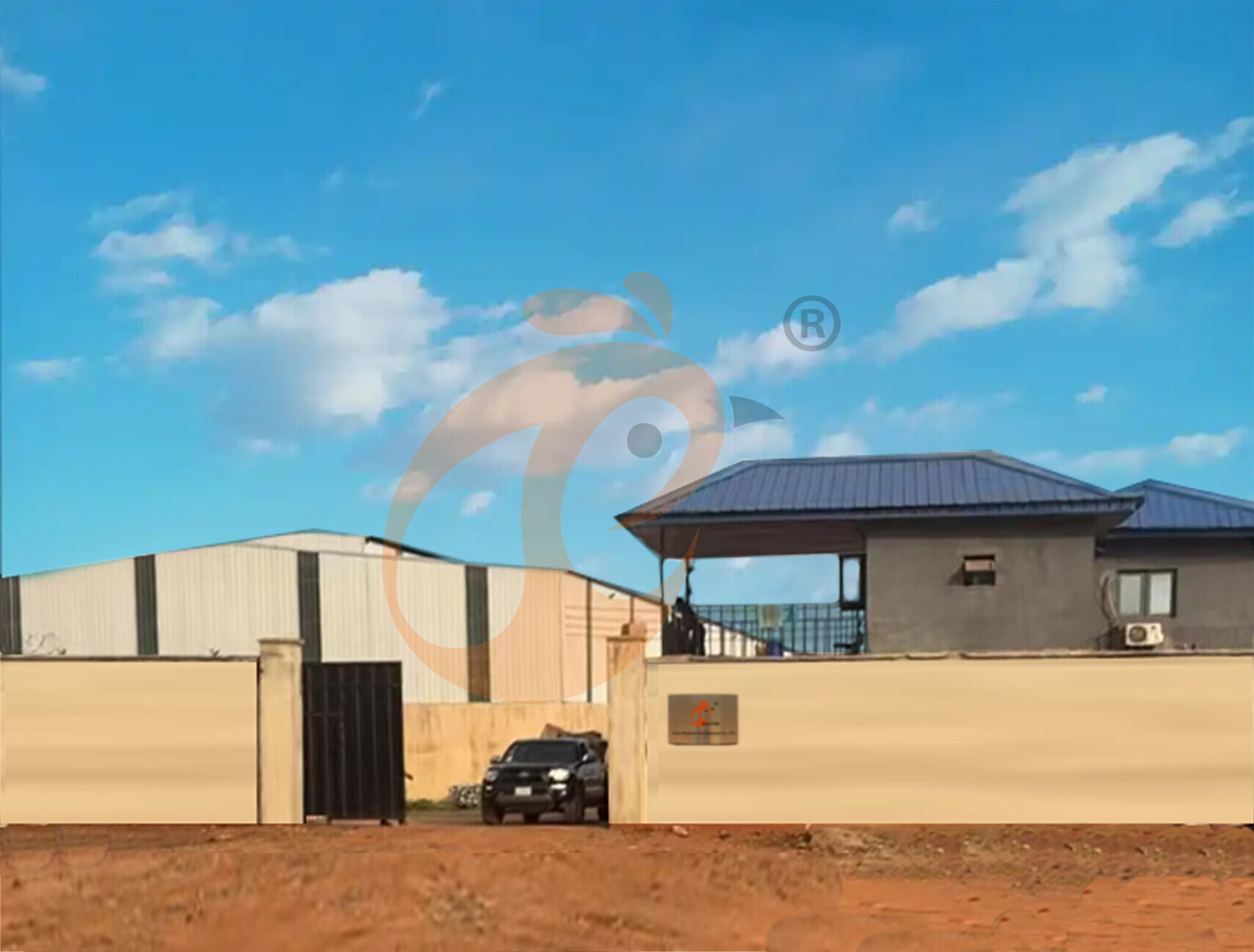
Nigeria Vanke Machinery And Equipment CO., LTD
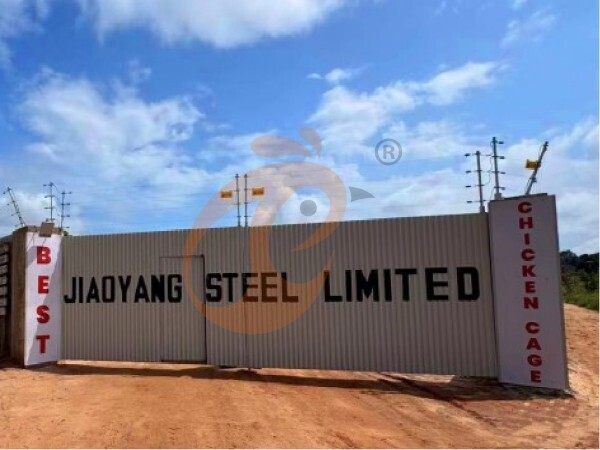
Tanzania Best Machinery And Equipment CO., LTD
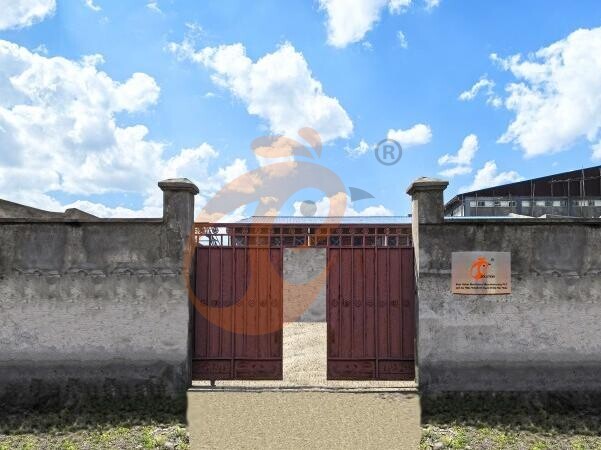
Ethiopia Best Hebei Machinery Manufacturing PLC
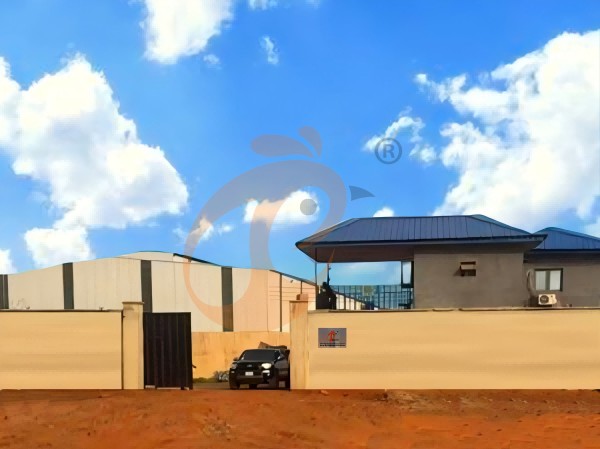
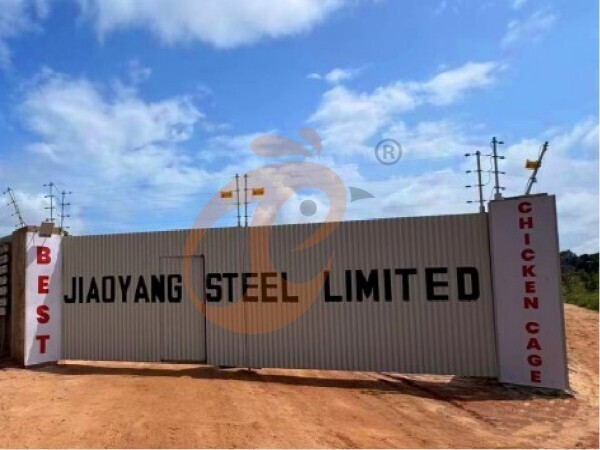
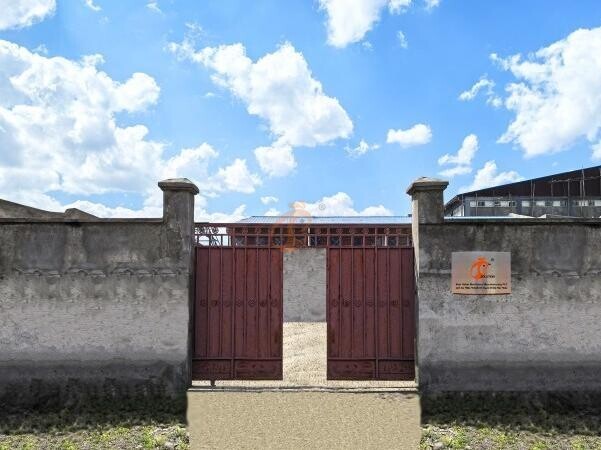
Reception /24 WhatsApp NO. : +8618830120193
FAQ
What Equipment Modules Are Included In Automatic Chicken Cage Poultry Equipment For Poultry Chicken Cage Systems?
Watering modules integrate pipelines rated for 16–20 mm diameter supporting stable distribution.
Manure belts utilize 1.0–1.2 mm thickness materials for continuous waste removal durability.
Which Structural Equipment Specifications Define Automatic Chicken Cage Poultry Equipment In Poultry Chicken Cage Systems?
Wire mesh spacing is maintained at 20–25 mm to support bird stability and waste separation.
Galvanization coating reaches 90–130 g/m² for corrosion resistance in high humidity environments.
What Drive System Equipment Parameters Are Used In Automatic Chicken Cage Poultry Equipment For Poultry Chicken Cage Farms?
Gear reducer ratio is configured between 1:20–1:40 for controlled mechanical output speed.
Transmission efficiency reaches 85%–92% minimizing energy loss during continuous operation.
Message
Products recommended
 HK Headquarter Offers EU-standard Poultry Farm Solutions, Manufacture Poultry Farm Equipment1. Continuous communication with the EU and the US
2. China, Nigeria, Ethiopia, Tanzania branch companies and factories
3. The products’ quality is customized for local poultry farms
4. Poultry cage and poultry farm equipment stock for sale
5. 24 online reception Whatsapp NO. : +8618830120193,contact us to get full informationRead More China Branch Offer Poultry Farm Business Plan, Manufacture Poultry Farm Equipment1. Address: Flat/RM 2416, 24/F, Runxing Building, Youyi Nan Street, Shijiazhuang City, Hebei Province, China
2. Poultry cage and poultry farm equipment factory and stock for sale
3. Customized for local poultry farms
4. Quality and design are based on Euro
5. 24 online reception Whatsapp NO. : +8618830120193Read More Nigeria Branch Offer Poultry Farm Business Plan, Manufacture Poultry Farm Equipment1. Address: After Sinoma Office, 200 Meters Near Danco Filling Station, Lagos/Ibadan Expressway, Lagos State, Nigeria
2. Poultry cage and poultry farm equipment factory and stock for sale
3. Customized for Nigerian poultry farms
4. Quality and design are based on Euro
5. 24 online reception Whatsapp NO. : +8618830120193Read More Ethiopia Branch Offer Poultry Farm Business Plan, Manufacture Poultry Farm Equipment1. Address: Gelan Gura, Akaki-kaliti Sub City, Addis Ababa, Ethiopia
2. Poultry cage and poultry farm equipment stock for sale
3. Customized for Ethiopian poultry farms
4. Quality and design are based on Euro
5. 24 online reception Whatsapp NO. : +8618830120193, contact us to get price listRead More Tanzania Branch Offer Poultry Farm Business Plan, Manufacture Poultry Farm Equipment1. Address: No.8, Sova Road, Msufini, Mlandizi, Kibaha, Pwani, Tanzania
2. Poultry cage and poultry farm equipment factory and stock for sale
3. Customized for Tanzanian poultry farms
4. Quality and design are based on Euro
5. 24 online reception Whatsapp NO. : +8618830120193Read More Fully Automatic H Type Layer Chicken Cage1. 30,000-100,000+ layers/house chooses it, Poultry farmers can achieve an egg production rate of 96-98%
2. A significant improvement over the 85-90% typically seen in manual systems
3. A typical poultry farm can expect a 30-40% reduction in labor costs due to the automation
4. Each feeding line efficiently supplies feed to around 100,000 hens per 30 mins
5. Reception /WhatsApp NO. : +8618830120193Read More Fully Automatic A Type Layer Chicken Cage1. 10,000-50,000 layers/house chooses it
2. Cleaner egg collection reduces breakage by 0.5%
3. Improved hygiene helps reduce mortality rate to <3%
4. 1–2 technicians can handle 15,000–30,000 birds
5. Reception /WhatsApp NO. : +8618830120193Read More Semi Automatic H Type Layer Chicken Cage1. 1,00-20,000 layers/house chooses it
2. Nipple drinkers flow 30–60 ML / min
3. Hot-dip galvanized (typical coating ≥ 275 g/m²)
4. Reduce ammonia by ~ 35–40%
5. Reception /WhatsApp NO. : +8618830120193Read More Semi Automatic A Type Layer Chicken Cage1. 1,00-20,000 layers/house chooses it, no rust for 10 years, no deformation for 15 years
2. Chickens live comfortably, you can raise them with peace of mind
3. Save water, save money—efficiency you can measure
4. Improve environment quality, and increase egg production rate
5. Reception /WhatsApp NO. : +8618830120193Read More
By clicking 'Allow All', you agree to the storage of cookies on your device to enhance site navigation, analyze site usage and assist with our marketing efforts.