






Blog
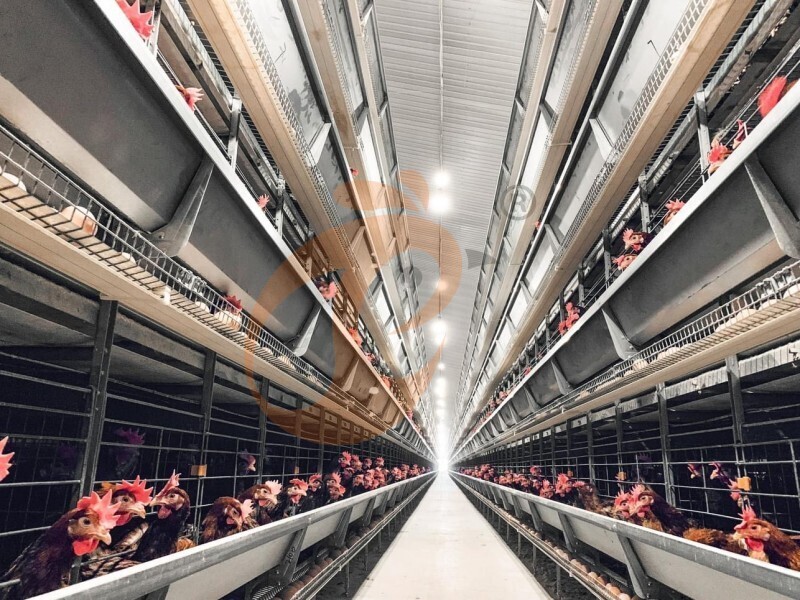
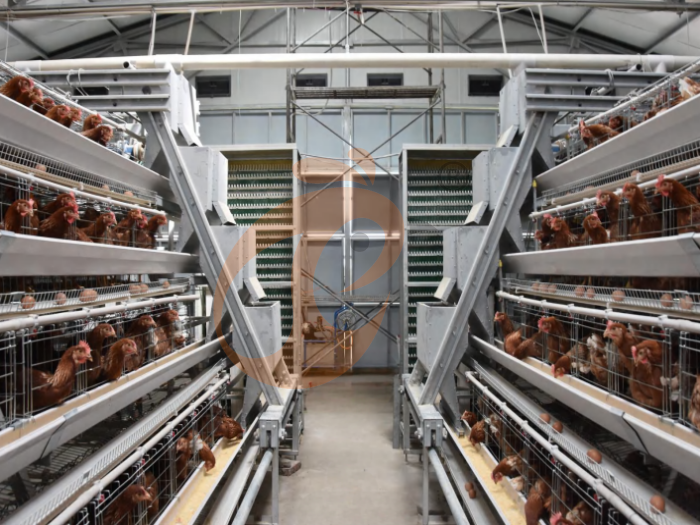
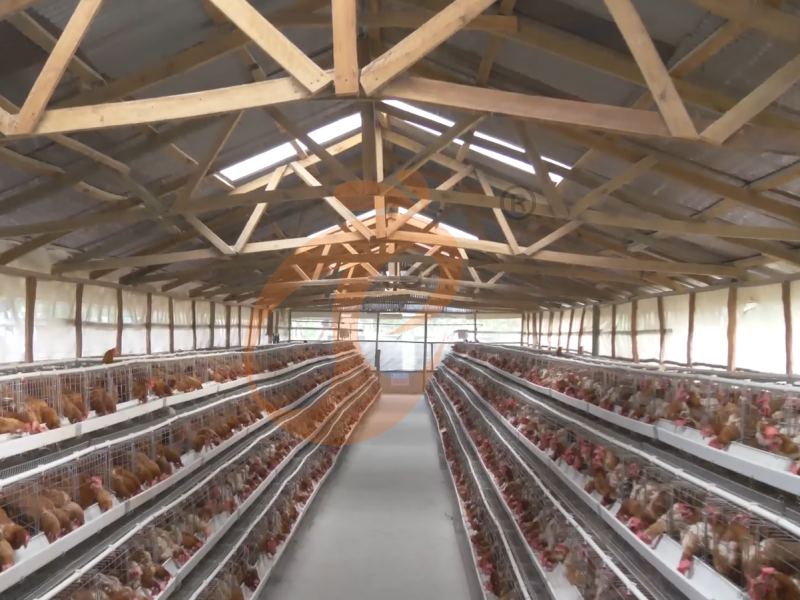
Layer chicken cage flooring supports bird welfare, waste management efficiency, and operational consistency throughout modern poultry production facilities within a Layer Chicken Cage System.
Proper structural engineering influences foot condition, movement patterns, environmental hygiene, and flock stability across different housing configurations.
Material specifications affect corrosion resistance, maintenance frequency, and long-term operational reliability under continuous production conditions.
Mesh geometry determines manure transfer performance, contact distribution, and standing support during daily feeding and resting activities.
Technical evaluation combines welfare requirements, egg layer cage equipment standards, and commercial production objectives to improve sustainable farm management.
Get professional poultry farm construction guidance, equipment selection solutions, and the latest price lists, whatsApp to +8618830120193, +2348111199996, or click to learn more:
Flooring Material Selection
Flooring material serves as the foundation of structural durability and environmental resistance.
Continuous exposure to moisture, manure, and cleaning procedures requires materials capable of maintaining dimensional stability over extended operating periods.
Hot-dip galvanized wire remains widely applied because zinc protection delays oxidation and reduces maintenance requirements.
Materials with higher coating weights generally maintain protective performance for longer periods under intensive poultry house environments.
Data is for reference only.Swipe horizontally to view full table.
Corrosion prevention contributes to smoother contact surfaces and lowers the probability of structural damage that could affect bird welfare.
Wire Diameter Configuration
Wire diameter influences load-bearing capability and structural rigidity.
An undersized wire may deform under continuous bird occupancy, while oversized structures may increase material consumption without proportional operational benefits.
Engineering calculations normally consider flock density, cage dimensions, and expected service conditions before selecting appropriate wire specifications.
Data is for reference only.Swipe horizontally to view full table.
Stable load distribution helps maintain uniform support throughout the flooring area and reduces localized pressure concentration.
Mesh Configuration Design
Mesh configuration determines the interaction between bird feet and flooring surfaces.
Openings must provide adequate support while allowing manure to pass efficiently below the occupied area.
Appropriate dimensions improve sanitation conditions and reduce unnecessary contact with accumulated waste.
Data is for reference only.Swipe horizontally to view full table.
Veterinary observations indicate that balanced support distribution contributes to healthier lower limb conditions throughout the laying cycle.
Hen Foot Anatomy And Surface Interaction
Chicken feet contain digital pads designed to distribute body weight across multiple contact points.
Uneven surfaces may create pressure concentration zones that increase tissue stress over time.
Foot condition directly influences mobility, feeder access, and water consumption patterns.
Research within commercial poultry environments demonstrates that properly designed flooring can support more stable standing behavior and reduce physical strain.
Understanding anatomical requirements allows engineers to optimize flooring structures according to biological needs rather than solely production targets.
Floor Angle Optimization
Floor angle influences egg transfer efficiency after laying.
An appropriate incline enables eggs to move toward collection systems while maintaining stable footing conditions.
Engineering balance remains essential because egg collection performance and bird posture requirements must operate simultaneously.
Data is for reference only.Swipe horizontally to view full table.
Controlled movement lowers shell impact frequency and improves collection consistency across production rows.
Manure Passage Efficiency
Efficient manure transfer remains a primary function of poultry layer cage flooring systems.
Rapid waste separation helps maintain cleaner contact surfaces and improves environmental management effectiveness.
Moisture accumulation may increase gas generation and negatively influence indoor conditions.
Data is for reference only.Swipe horizontally to view full table.
Scientific monitoring demonstrates a direct relationship between moisture content and ammonia release within poultry facilities.
Space Distribution And Movement Activity
Available standing space influences movement behavior and flock dynamics.
Adequate allocation supports access to feeders and drinkers while reducing competition among birds.
Movement activity contributes to muscular function and helps maintain physical condition during production periods.
Data is for reference only.Swipe horizontally to view full table.
Environmental planning often incorporates spatial allocation as part of overall welfare management strategies.
Production Economics And Operational Costs
Flooring quality affects maintenance expenditures, replacement schedules, and production continuity.
Facilities requiring fewer repairs generally experience lower labor demand and reduced operational interruptions.
Annual flooring-related expenditures commonly range between USD 1.40 and USD 3.20 per bird position depending on material specifications and environmental conditions (European union standard reference only).
Long-term cost evaluation should consider durability, sanitation performance, and labor efficiency rather than initial purchase price alone.
Data is for reference only.Swipe horizontally to view full table.
Improved structural conditions frequently contribute to more stable production outcomes and reduced product losses.
Welfare Standards And Future Development
Global poultry production increasingly integrates welfare considerations into facility design.
Flooring systems now undergo evaluation according to biological performance, sanitation requirements, and engineering durability.
Emerging developments focus on optimized support distribution, improved corrosion resistance, and simplified maintenance procedures.
Future housing systems will likely continue combining production efficiency with enhanced welfare-oriented design principles.
Frequently Asked Questions
Q1: What floor angle supports smooth egg collection?
Most commercial systems operate within a range of 7° to 9°.
Egg rolling times generally decrease from approximately 6.2 seconds to 3.7 seconds within this range while maintaining acceptable standing stability.
Q2: Which mesh width helps reduce toe penetration?
Mesh widths between 27 mm and 30 mm are commonly applied in commercial production.
Observed toe contact ratios typically remain between 69% and 76%, providing balanced support and manure passage performance.
Q3: How often should flooring be inspected?
Visual inspections are commonly conducted every 30 to 45 days.
Facilities operating under high humidity conditions may benefit from more frequent inspections to identify corrosion, deformation, or damaged wire sections before structural issues develop.
Taiyu (HK) Group - One Of China Largest Layer Chicken Cage Flooring Manufacturer
Layer chicken cage flooring solutions are applied in commercial egg production projects requiring efficient waste separation, reliable structural support, and long-term operational consistency.
Global factory direct supply programs support poultry equipment procurement across Africa, Southeast Asia, the Middle East, and Latin America through standardized manufacturing processes.
Integrated poultry equipment systems include feeding, drinking, manure removal, ventilation, and environmental control components for coordinated facility operation.
Turn-key engineering projects cover layout planning, equipment configuration, installation guidance, and commissioning procedures according to project specifications.
Manufacturing management emphasizes production traceability, technical documentation, quality inspection protocols, and international logistics coordination for large-scale farm developments.
Contact Us To Received Your Customized Poultry Farm Plan
Headquarters And Branchs
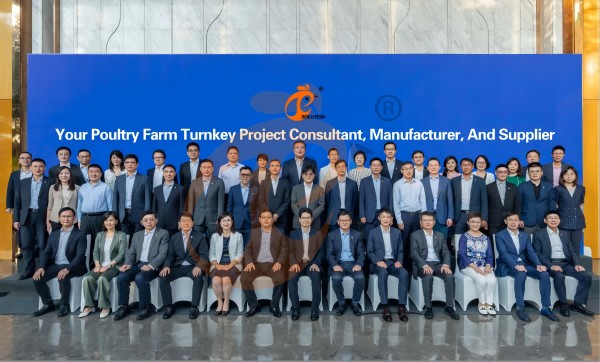
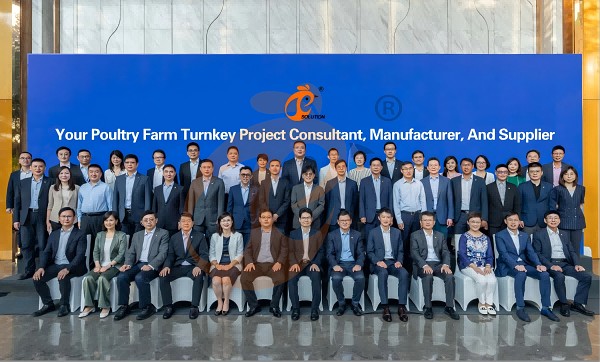
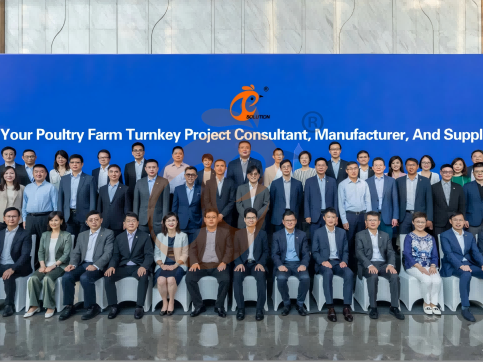
Hong Kong Headquarter Management Team
Hong Kong Headquarter Taiyu Industrial Group CO., LTD
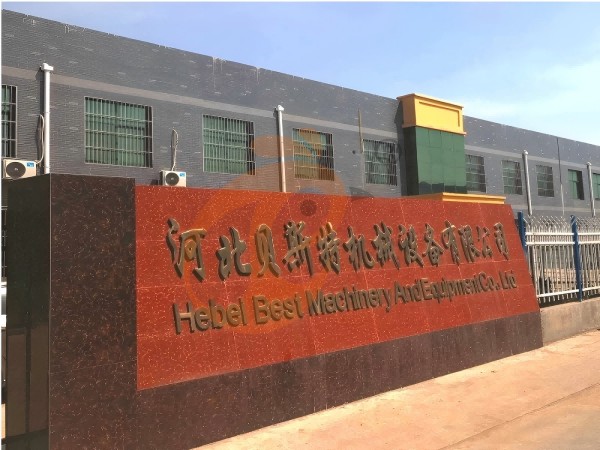
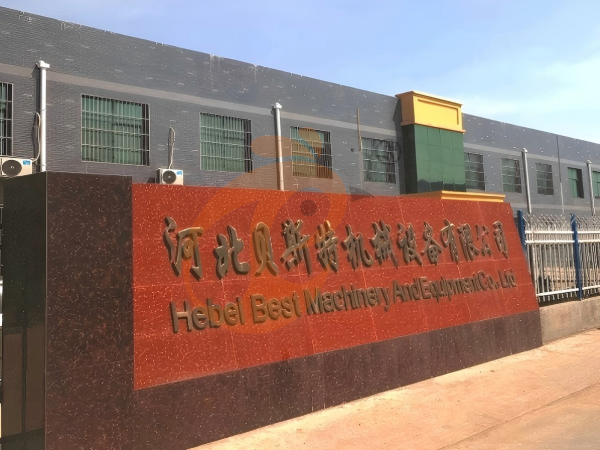
China Hebei Best Machinery And Equipment CO., LTD
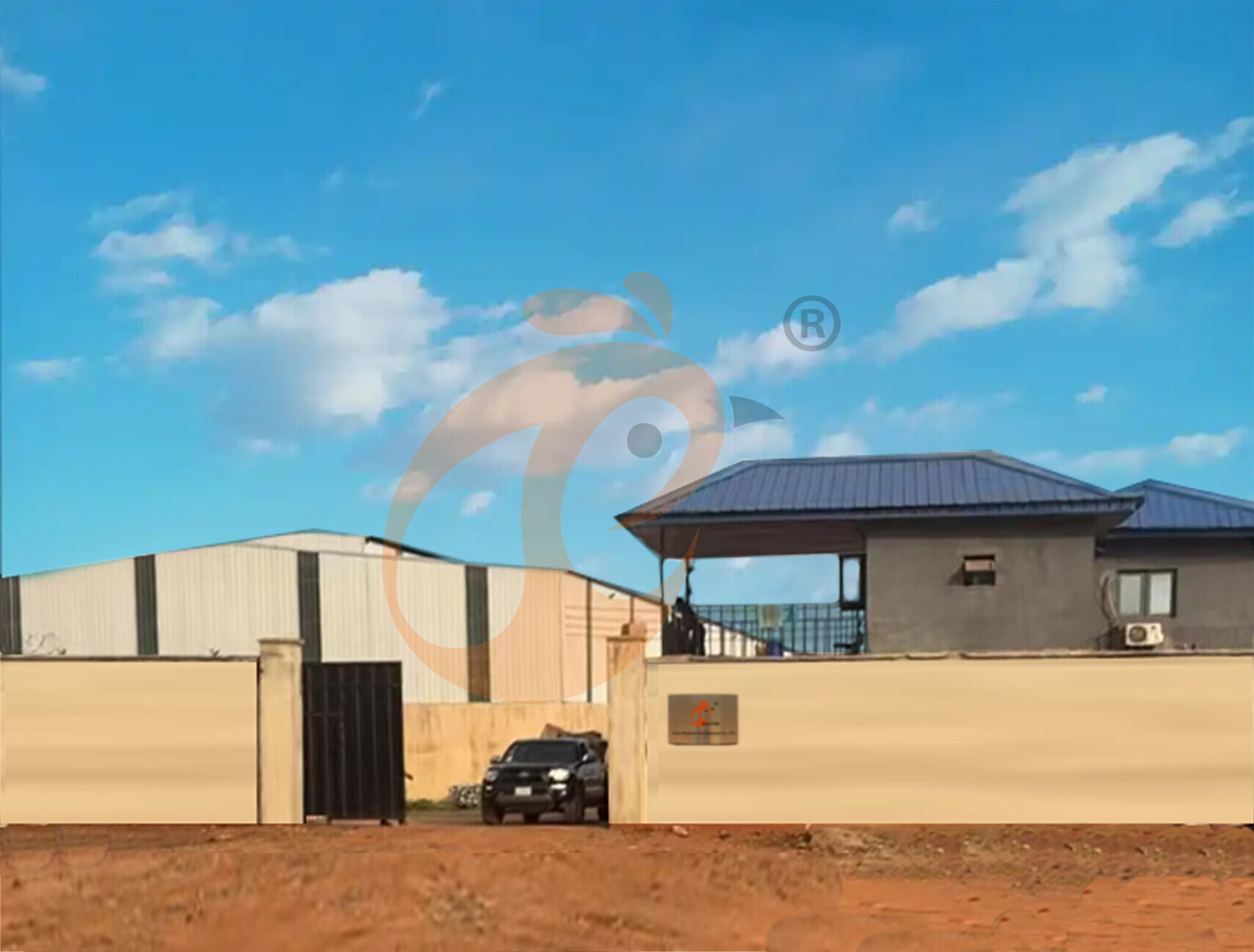
Nigeria Vanke Machinery And Equipment CO., LTD
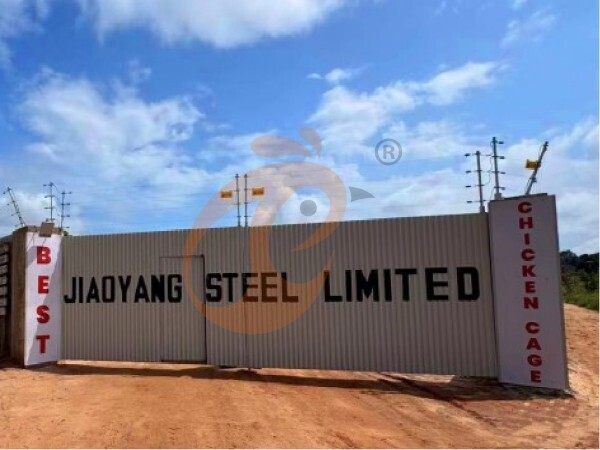
Tanzania Best Machinery And Equipment CO., LTD
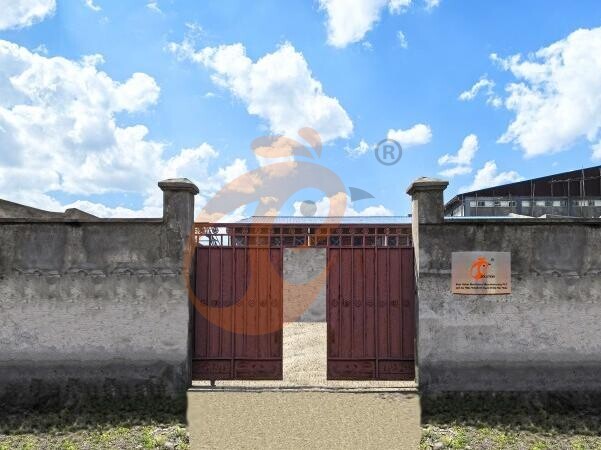
Ethiopia Best Hebei Machinery Manufacturing PLC
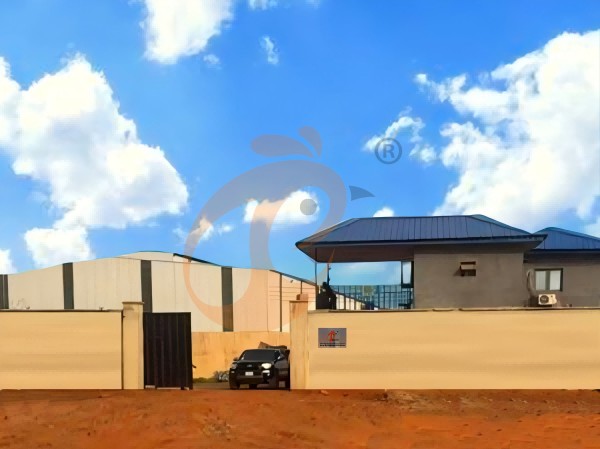
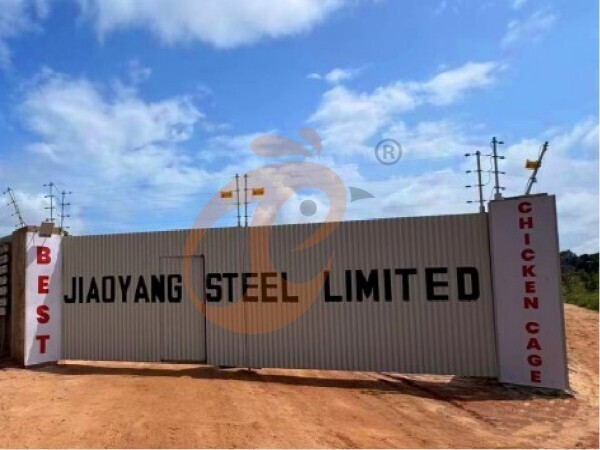
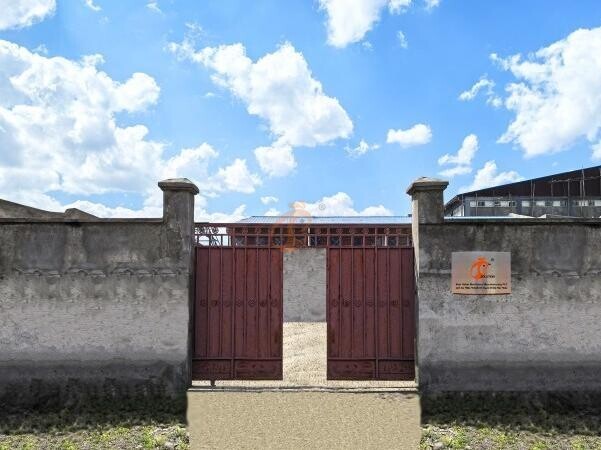
Reception /24 WhatsApp NO. : +8618830120193
FAQ
What Are The Professional Strategies For Optimizing Feed Conversion In Layer Cage Farms?
Zoned feeding reduces competition and waste; FCR maintained at 1.9–2.1.
Combined with lighting and temperature/humidity management, egg production can reach 90–98%.
How To Buy The Top Chicken Cage Supplier For Maximum Farm Efficiency?
Check steel quality, anti-corrosion coating, and durability of egg systems.
Price reference: $10–$18 per bird, ROI payback 24–36 months.
What Are The Ultimate Guidelines For Reducing Stress In Poultry Cage Farms?
Ensure good ventilation, temperature 18–25℃, lighting 16h/day.
Automatic feeding and drinking systems ensure birds access feed and water, reducing stress-induced egg drop.
Message
Products recommended
 HK Headquarter Offers EU-standard Poultry Farm Solutions, Manufacture Poultry Farm Equipment1. Continuous communication with the EU and the US
2. China, Nigeria, Ethiopia, Tanzania branch companies and factories
3. The products’ quality is customized for local poultry farms
4. Poultry cage and poultry farm equipment stock for sale
5. 24 online reception Whatsapp NO. : +8618830120193,contact us to get full informationRead More China Branch Offer Poultry Farm Business Plan, Manufacture Poultry Farm Equipment1. Address: Flat/RM 2416, 24/F, Runxing Building, Youyi Nan Street, Shijiazhuang City, Hebei Province, China
2. Poultry cage and poultry farm equipment factory and stock for sale
3. Customized for local poultry farms
4. Quality and design are based on Euro
5. 24 online reception Whatsapp NO. : +8618830120193Read More Nigeria Branch Offer Poultry Farm Business Plan, Manufacture Poultry Farm Equipment1. Address: After Sinoma Office, 200 Meters Near Danco Filling Station, Lagos/Ibadan Expressway, Lagos State, Nigeria
2. Poultry cage and poultry farm equipment factory and stock for sale
3. Customized for Nigerian poultry farms
4. Quality and design are based on Euro
5. 24 online reception Whatsapp NO. : +8618830120193Read More Ethiopia Branch Offer Poultry Farm Business Plan, Manufacture Poultry Farm Equipment1. Address: Gelan Gura, Akaki-kaliti Sub City, Addis Ababa, Ethiopia
2. Poultry cage and poultry farm equipment stock for sale
3. Customized for Ethiopian poultry farms
4. Quality and design are based on Euro
5. 24 online reception Whatsapp NO. : +8618830120193, contact us to get price listRead More Tanzania Branch Offer Poultry Farm Business Plan, Manufacture Poultry Farm Equipment1. Address: No.8, Sova Road, Msufini, Mlandizi, Kibaha, Pwani, Tanzania
2. Poultry cage and poultry farm equipment factory and stock for sale
3. Customized for Tanzanian poultry farms
4. Quality and design are based on Euro
5. 24 online reception Whatsapp NO. : +8618830120193Read More Fully Automatic H Type Layer Chicken Cage1. 30,000-100,000+ layers/house chooses it, Poultry farmers can achieve an egg production rate of 96-98%
2. A significant improvement over the 85-90% typically seen in manual systems
3. A typical poultry farm can expect a 30-40% reduction in labor costs due to the automation
4. Each feeding line efficiently supplies feed to around 100,000 hens per 30 mins
5. Reception /WhatsApp NO. : +8618830120193Read More Fully Automatic A Type Layer Chicken Cage1. 10,000-50,000 layers/house chooses it
2. Cleaner egg collection reduces breakage by 0.5%
3. Improved hygiene helps reduce mortality rate to <3%
4. 1–2 technicians can handle 15,000–30,000 birds
5. Reception /WhatsApp NO. : +8618830120193Read More Semi Automatic H Type Layer Chicken Cage1. 1,00-20,000 layers/house chooses it
2. Nipple drinkers flow 30–60 ML / min
3. Hot-dip galvanized (typical coating ≥ 275 g/m²)
4. Reduce ammonia by ~ 35–40%
5. Reception /WhatsApp NO. : +8618830120193Read More Semi Automatic A Type Layer Chicken Cage1. 1,00-20,000 layers/house chooses it, no rust for 10 years, no deformation for 15 years
2. Chickens live comfortably, you can raise them with peace of mind
3. Save water, save money—efficiency you can measure
4. Improve environment quality, and increase egg production rate
5. Reception /WhatsApp NO. : +8618830120193Read More
By clicking 'Allow All', you agree to the storage of cookies on your device to enhance site navigation, analyze site usage and assist with our marketing efforts.