






Blog
Feed mill investment improves poultry production efficiency through controlled feed manufacturing systems.
Global poultry feed demand exceeds 570 million metric tons annually, with broiler systems consuming the largest share across industrial farms.
Hammer mill, feed mixer, pellet machine integration stabilizes particle size distribution within 650–900 micron control range for optimal digestibility.
Feed cost volatility in corn markets has shown annual fluctuation ranges of 12%–38% across major producing regions such as the United States and Brazil.
ROI calculation depends on feed savings, labor reduction, electricity consumption, and production capacity output balance, especially in farms above 20,000 birds.
Get professional poultry farm construction guidance, equipment selection solutions, and the latest price lists, whatsApp to +8618830120193, +2348111199996, or click to learn more:
Introduction To Feed Mill Investment In Poultry Farming
Feed production is one of the largest operating expenses in commercial poultry farming.
In modern broiler and layer farms, feed expenses usually account for 62%–74% of total production costs. A medium broiler cycle of 42 days typically consumes 4.0–4.4 kg feed per bird depending on genetic line efficiency.
A poultry feed mill allows farmers to control feed formulas, stabilize raw material procurement, reduce transportation expenses, and improve flock performance consistency.
For farms raising more than 15,000 birds, even small feed cost reductions can generate significant annual profit increases.
For example, a medium-scale broiler farm consuming 180 tons of feed monthly can save USD 28–45 per ton through internal feed production.
Annual savings may exceed USD 60,000 depending on grain market conditions and production efficiency. EU standard reference only.
Modern poultry feed mills also support customized nutrition programs for starter feed, grower feed, finisher feed, and layer feed.
This flexibility improves feed conversion ratio (FCR), bird weight uniformity, and egg production stability. Mortality rate reduction of 1.5%–3% has been observed in controlled feed formulation systems.
Why Poultry Farms Invest In Feed Mill Equipment
Many poultry farm owners initially purchase finished feed from commercial suppliers because it requires lower startup capital.
However, long-term dependence on external feed companies exposes farms to fluctuating market prices, transportation delays, and inconsistent feed quality.
Investing in a feed mill gives poultry producers stronger operational control. Farmers can purchase corn, soybean meal, wheat bran, limestone powder, and vitamin premixes directly from raw material suppliers at wholesale prices.
In large poultry regions, bulk raw material procurement reduces cost per ton by 9%–18% compared with packaged commercial feed procurement channels.
Feed cost comparison between purchased feed and self-produced feed shows measurable economic differences under industrial production conditions.
Data is for reference only. Swipe horizontally to view full table.
The annual savings difference between purchased feed and self-produced feed in this example reaches USD 117,600.
Poultry feed mill system supports cost stabilization under corn soybean price fluctuation cycles. Corn price volatility in global spot markets typically ranges between USD 210–320 per ton depending on harvest cycles.
Main Equipment Used In Poultry Feed Mills
A complete poultry feed production line contains several important processing systems.
Equipment configuration depends on production scale, automation level, and feed formulation requirements.
Industrial feed mills commonly integrate grinding, mixing, pelleting, cooling, and packaging into a continuous workflow.
Hammer mill particle control and mixer homogeneity directly affect feed conversion efficiency and flock growth performance.
Data is for reference only. Swipe horizontally to view full table.
Modern feed mill equipment manufacturers focus on automation control stability and motor energy efficiency design.
Industrial upgrades reduce electricity consumption per ton output by 8%–14% compared with conventional systems.
Why Pellet Feed Improves Poultry Performance
Pellet feed technology improves poultry digestion through thermal conditioning and physical compression.
Steam conditioning at 75°C–85°C enhances starch gelatinization and improves nutrient digestibility efficiency.
Pellet structure reduces feed selection behavior and improves intake uniformity across flock populations.
Consistent pellet quality improves weight gain stability and reduces feed wastage variation in large-scale production systems.
Research data from commercial poultry farms indicates that pellet feed can reduce feed wastage by 2.8%–5.4% depending on pellet durability and feeder design.
Pellet durability index above 90% significantly improves growth uniformity.
Data is for reference only. Swipe horizontally to view full table.
Poultry feed pellet system increases nutrient absorption efficiency and uniform flock performance output.
Stocking density above 12 birds per square meter amplifies performance differences.
Feed Mill Investment Cost Analysis
Before investing in a poultry feed mill, farmers should evaluate equipment cost, installation expenses, civil construction, electrical systems, and working capital requirements.
Investment levels vary depending on production capacity and automation degree.
Feed mill design layout influences material flow efficiency and energy consumption per ton output.
Steel structure workshop design must support heavy vibration load from hammer mill and pellet system operations.
Data is for reference only. Swipe horizontally to view full table.
Total investment for this feed mill configuration reaches USD 176300.
Feed mill investment poultry equipment integrates grinding mixing pelleting cooling packaging workflow design.
Material handling optimization reduces internal transport distance and improves production continuity efficiency.
How Feed Mills Reduce Poultry Production Costs
Self-produced feed reduces several hidden operational expenses beyond direct ingredient pricing.
Commercial feed supply chains include logistics cost, storage depreciation, packaging, and distribution margins embedded into final feed pricing.
Internal feed production shortens supply chain distance and improves procurement flexibility.
Seasonal formulation adjustment improves flock performance stability under temperature stress conditions.
Data is for reference only. Swipe horizontally to view full table.
Feed mill raw material procurement system stabilizes poultry production cost structure under commodity fluctuation cycles.
Global soybean meal price variation commonly ranges from USD 320–540 per ton.
Electricity Consumption In Poultry Feed Production
Electricity consumption is one of the major operating costs inside feed manufacturing plants.
Hammer mills and pellet machines represent the highest energy demand points in the production line.
Energy-efficient motors and frequency control systems improve load balancing and reduce peak consumption.
Continuous production systems achieve better energy distribution per ton output compared with batch interruptions.
Electricity cost generally represents 7%–11% of total feed production cost per ton depending on automation level.
Data is for reference only. Swipe horizontally to view full table.
Feed mill energy optimization reduces electricity consumption per ton output during continuous production cycles.
Operating schedules above 18 hours per day improve energy efficiency stability.
Scientific Explanation: Feed Particle Size And Digestive Efficiency
Particle size distribution directly affects poultry digestion and intestinal nutrient absorption.
Excessive fines increase dust load and reduce respiratory health performance in closed poultry houses.
Feed uniformity affects enzyme activation efficiency and nutrient absorption speed in intestinal digestion processes.
Hammer mill screen configuration determines particle distribution consistency across production batches.
Improper grinding size may increase feed conversion ratio by 0.05–0.12 points, impacting long-term production economics in commercial farms.
Data is for reference only. Swipe horizontally to view full table.
Hammer mill grinding system ensures controlled poultry feed particle distribution stability.
Uniform particle size improves digestive enzyme interaction efficiency.
Labor Savings Through Feed Mill Automation
Automation significantly reduces labor requirements in poultry feed manufacturing.
Manual systems require multiple handling stages including weighing, mixing, and bagging operations.
PLC control systems improve batching accuracy and reduce human error in formulation execution.
Automated conveyor systems reduce physical handling intensity and improve workflow continuity.
Automation improves consistency and reduces operational variability in large-scale feed production systems.
Data is for reference only. Swipe horizontally to view full table.
Feed mill automation reduces operational labor dependency and improves production stability.
Multi-shift operation efficiency increases significantly under automated batching control systems.
ROI Analysis For Poultry Feed Mill Projects
Return on investment depends on annual feed savings, labor reduction, production efficiency, maintenance expenses, and financing structure.
Large-scale feed consumption improves capital recovery speed due to cumulative operational savings.
Feed price stability and equipment uptime directly influence financial performance consistency.
Data is for reference only. Swipe horizontally to view full table.
Feed mill ROI poultry investment model shows accelerated payback under stable raw material conditions.
Profit sensitivity increases when feed cost exceeds 65% of total production structure.
Common Problems During Feed Mill Operation
Some poultry farms experience unstable feed quality due to poor raw material storage and improper equipment maintenance.
Moisture imbalance increases microbial growth risk and reduces pellet durability performance.
Preventive maintenance improves equipment lifespan and stabilizes production output consistency.
Bearing wear and screen blockage are primary causes of production efficiency decline in continuous operations.
Maintenance cycles must be strictly controlled in high-intensity production environments exceeding 10 operating hours daily.
Data is for reference only. Swipe horizontally to view full table.
Feed mill maintenance system reduces downtime risk and stabilizes long-term production efficiency.
Preventive inspection improves operational reliability.
Poultry Feed Mill Market Trends
Global poultry feed production continues expanding due to rising protein consumption demand.
Industrial poultry systems require higher feed consistency standards and traceable production processes.
Digital automation integration improves production traceability and reduces operational variability across feed manufacturing plants.
Equipment upgrade cycles are shortening due to efficiency pressure in global competition markets.
Data is for reference only. Swipe horizontally to view full table.
Feed mill technology upgrade supports long-term production efficiency and cost stability improvement.
Industrial automation continues expanding across large poultry integration systems.
FAQ
What is the real economic purpose of feed mill investment in poultry farms?
Feed mill investment is designed to reduce long-term feed procurement dependency and stabilize production cost structure.
In commercial poultry operations where feed accounts for more than 60% of total cost, internal feed production allows farms to control raw material pricing, improve formulation accuracy, and reduce logistics losses.
The main economic value comes from converting variable market feed prices into controllable internal production costs.
How does a feed mill directly improve ROI in poultry production systems?
ROI improvement comes from three measurable channels: feed cost reduction, labor optimization, and feed conversion efficiency improvement.
Internal feed production typically reduces feed cost per ton by eliminating distributor margins and transportation layers.
At the same time, automation reduces labor demand per ton output, while pellet technology improves feed digestibility, which reduces feed consumption per bird and increases weight gain efficiency across production cycles.
What are the most critical factors that determine ROI performance stability in feed mill projects?
ROI stability depends on feed raw material price volatility, equipment utilization rate, and production consistency.
When equipment operates above 80% utilization rate, fixed cost dilution improves significantly.
Feed conversion ratio stability also directly affects profitability because small variations in FCR create large cumulative cost differences in farms exceeding 20,000 birds.
Maintenance scheduling and moisture control in raw materials are also key factors influencing long-term financial performance.
Taiyu (HK) Group - One Of China Largest Feed Mill Manufacturer
Poultry feed mill production line provides hammer mill, mixer, pellet machine integration system for industrial poultry farms above 15000 birds.
Global factory direct supply ensures feed mill equipment stable performance with standardized industrial manufacturing production system.
Poultry equipment manufacturing covers feed mill, poultry cage, automatic feeding system turnkey engineering project solutions.
Turn-key poultry project design supports installation, commissioning, and production optimization engineering services worldwide.
Feed mill machinery export system supports global poultry farm industrial automation upgrade and capacity expansion projects.
Contact Us To Received Your Customized Poultry Farm Plan
Headquarters And Branchs
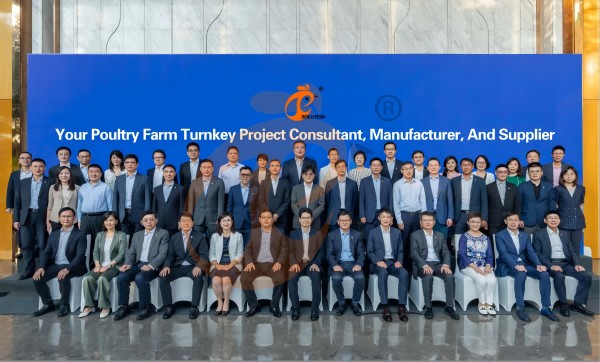
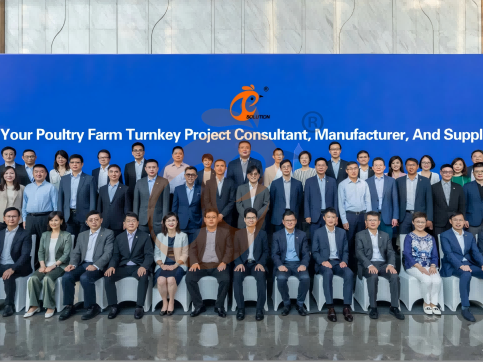
Hong Kong Headquarter Management Team
Hong Kong Headquarter Taiyu Industrial Group CO., LTD
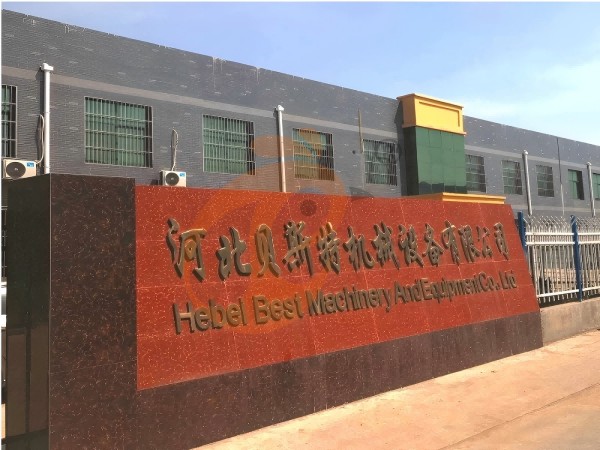
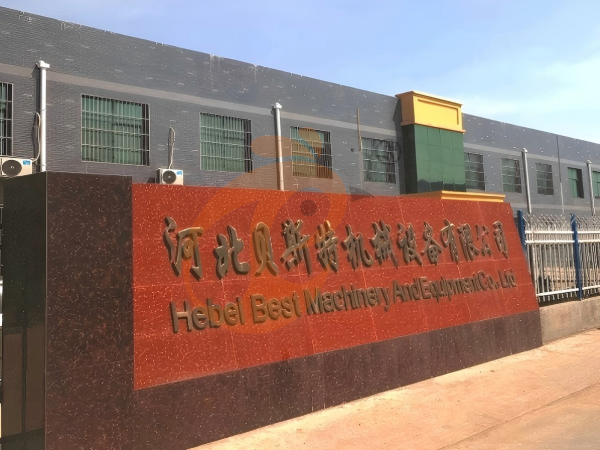
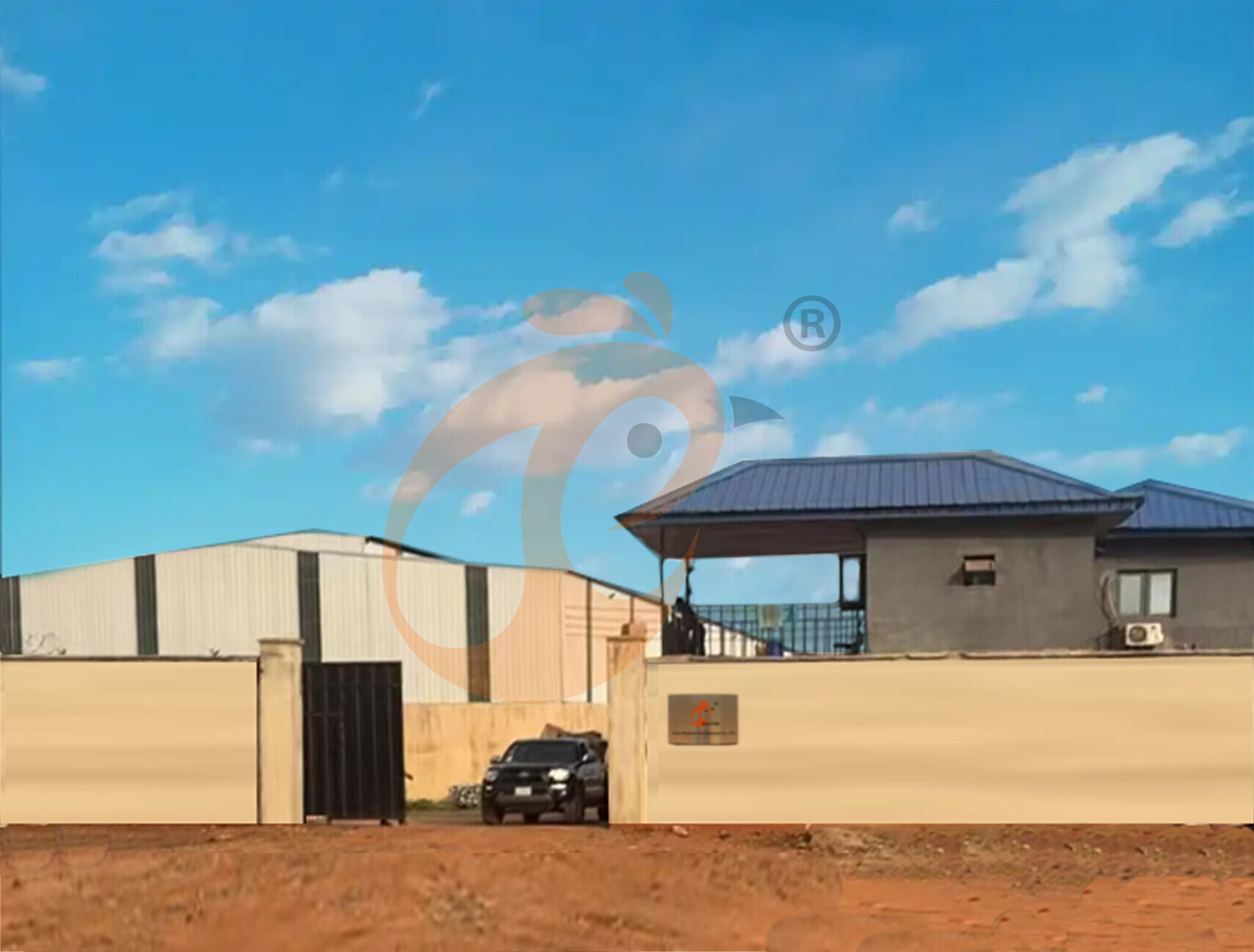
China Hebei Best Machinery And Equipment CO., LTD
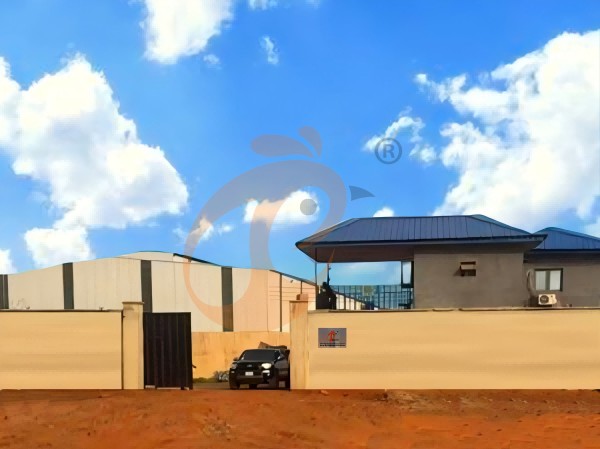
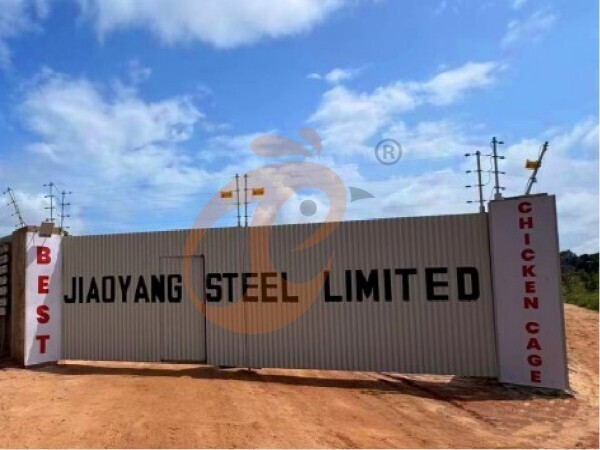
Nigeria Vanke Machinery And Equipment CO., LTD
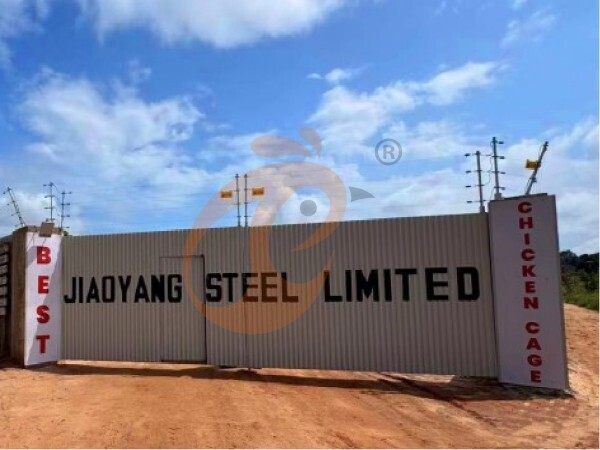
Tanzania Best Machinery And Equipment CO., LTD
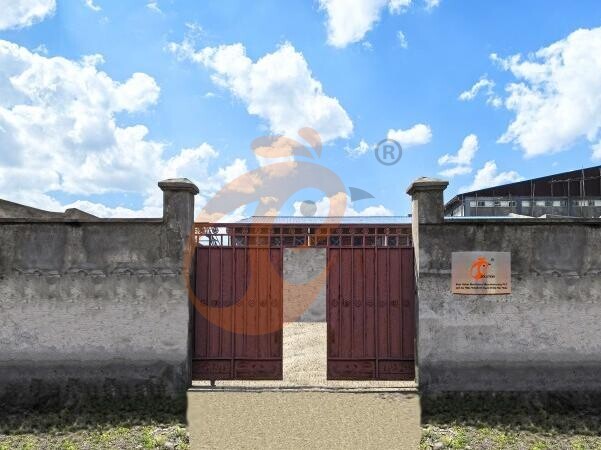
Ethiopia Best Hebei Machinery Manufacturing PLC

Reception /24 WhatsApp NO. : +8618830120193
FAQ
What Moisture Control Standards Are Required In Feed Milling For Poultry Chicken Feed?
Conditioning moisture increases to 16–18% before pelleting for optimal starch gelatinization.
Final feed moisture is controlled at 11–13% to ensure long-term storage stability.
What Energy Consumption Levels Are Standard In Feed Mixer And Feed Mill Operations For Poultry Chicken Farms?
Mixing systems require 3–8 kWh per batch depending on mixer volume and load ratio.
Pelletizing units operate at 60–90 kWh per ton for high-density poultry feed production.
What Raw Material Ratios Are Commonly Processed In Poultry Chicken Feed Mills?
Soybean meal accounts for 18–25% as main protein contributor for growth performance.
Premix addition remains at 2–5% ensuring vitamins and mineral balance stability.
Message
Products recommended
 HK Headquarter Offers EU-standard Poultry Farm Solutions, Manufacture Poultry Farm Equipment1. Continuous communication with the EU and the US
2. China, Nigeria, Ethiopia, Tanzania branch companies and factories
3. The products’ quality is customized for local poultry farms
4. Poultry cage and poultry farm equipment stock for sale
5. 24 online reception Whatsapp NO. : +8618830120193,contact us to get full informationRead More China Branch Offer Poultry Farm Business Plan, Manufacture Poultry Farm Equipment1. Address: Flat/RM 2416, 24/F, Runxing Building, Youyi Nan Street, Shijiazhuang City, Hebei Province, China
2. Poultry cage and poultry farm equipment factory and stock for sale
3. Customized for local poultry farms
4. Quality and design are based on Euro
5. 24 online reception Whatsapp NO. : +8618830120193Read More Nigeria Branch Offer Poultry Farm Business Plan, Manufacture Poultry Farm Equipment1. Address: After Sinoma Office, 200 Meters Near Danco Filling Station, Lagos/Ibadan Expressway, Lagos State, Nigeria
2. Poultry cage and poultry farm equipment factory and stock for sale
3. Customized for Nigerian poultry farms
4. Quality and design are based on Euro
5. 24 online reception Whatsapp NO. : +8618830120193Read More Ethiopia Branch Offer Poultry Farm Business Plan, Manufacture Poultry Farm Equipment1. Address: Gelan Gura, Akaki-kaliti Sub City, Addis Ababa, Ethiopia
2. Poultry cage and poultry farm equipment stock for sale
3. Customized for Ethiopian poultry farms
4. Quality and design are based on Euro
5. 24 online reception Whatsapp NO. : +8618830120193, contact us to get price listRead More Tanzania Branch Offer Poultry Farm Business Plan, Manufacture Poultry Farm Equipment1. Address: No.8, Sova Road, Msufini, Mlandizi, Kibaha, Pwani, Tanzania
2. Poultry cage and poultry farm equipment factory and stock for sale
3. Customized for Tanzanian poultry farms
4. Quality and design are based on Euro
5. 24 online reception Whatsapp NO. : +8618830120193Read More Fully Automatic H Type Layer Chicken Cage1. 30,000-100,000+ layers/house chooses it, Poultry farmers can achieve an egg production rate of 96-98%
2. A significant improvement over the 85-90% typically seen in manual systems
3. A typical poultry farm can expect a 30-40% reduction in labor costs due to the automation
4. Each feeding line efficiently supplies feed to around 100,000 hens per 30 mins
5. Reception /WhatsApp NO. : +8618830120193Read More Fully Automatic A Type Layer Chicken Cage1. 10,000-50,000 layers/house chooses it
2. Cleaner egg collection reduces breakage by 0.5%
3. Improved hygiene helps reduce mortality rate to <3%
4. 1–2 technicians can handle 15,000–30,000 birds
5. Reception /WhatsApp NO. : +8618830120193Read More Semi Automatic H Type Layer Chicken Cage1. 1,00-20,000 layers/house chooses it
2. Nipple drinkers flow 30–60 ML / min
3. Hot-dip galvanized (typical coating ≥ 275 g/m²)
4. Reduce ammonia by ~ 35–40%
5. Reception /WhatsApp NO. : +8618830120193Read More Semi Automatic A Type Layer Chicken Cage1. 1,00-20,000 layers/house chooses it, no rust for 10 years, no deformation for 15 years
2. Chickens live comfortably, you can raise them with peace of mind
3. Save water, save money—efficiency you can measure
4. Improve environment quality, and increase egg production rate
5. Reception /WhatsApp NO. : +8618830120193Read More
By clicking 'Allow All', you agree to the storage of cookies on your device to enhance site navigation, analyze site usage and assist with our marketing efforts.