






Blog
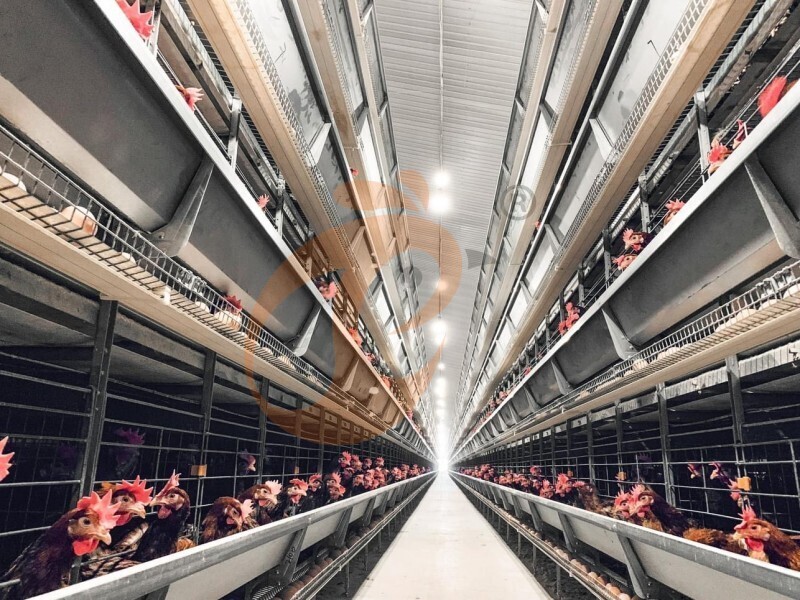
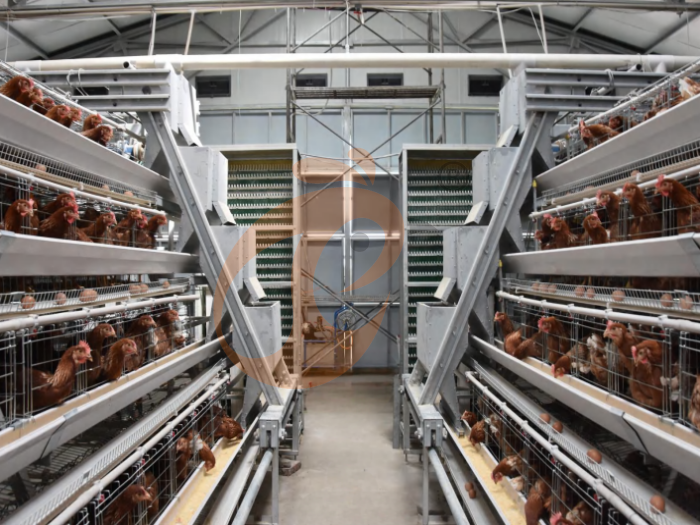
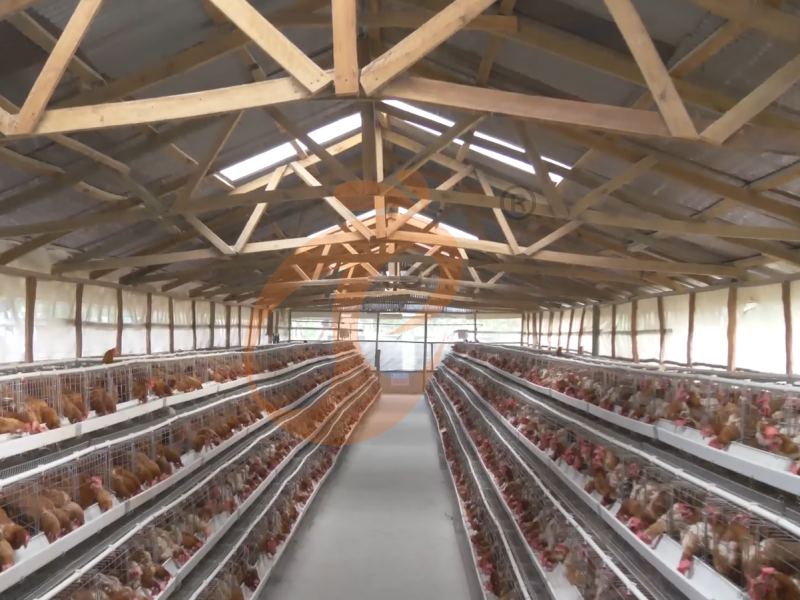
Commercial broiler chicken cage farming requires precise feeding control, stable ventilation capacity, and automated poultry equipment coordination to maintain high-output meat production efficiency.
Automatic poultry feeding equipment can reduce manual feeding labor by 35%–50% while improving feeding consistency across large-scale poultry farming projects containing more than 30,000 birds.
Modern broiler cage systems improve land utilization efficiency by nearly 55% compared with traditional floor management systems under intensive poultry production conditions.
Scientific poultry farming management improves average daily gain performance, stabilizes intestinal health, and reduces unnecessary feed conversion pressure during rapid broiler growth stages.
Integrated poultry cage engineering solutions combine feeding systems, climate control, manure removal, and drinking technologies to support commercial poultry farm expansion efficiently.
Get professional poultry farm construction guidance, equipment selection solutions, and the latest price lists, whatsApp to +8618830120193, +2348111199996, or click to learn more.
Understanding Why Feeding Efficiency Matters In Broiler Cage Farming
Modern poultry farming operations depend heavily on feed efficiency because feed commonly represents 65%–75% of total production expenditure.
Commercial broiler chickens can reach 2.2–2.8 Kg within 35–42 days under optimized management conditions.
Poor feed distribution inside automatic chicken cage systems often causes weight inconsistency, feed waste, intestinal disease spread, and weaker flock performance.
Data is for reference only.Swipe horizontally to view full table.
Commercial poultry processing plants commonly require flock weight uniformity above 90% to maintain stable slaughter line efficiency and packaging standards.
Research data from intensive poultry farming projects shows that every 1% increase in feed waste may reduce overall production profit margins by approximately 0.7%.
Modern poultry equipment and automatic poultry feeding systems can reduce feed waste by 5%–12% in intensive poultry farming projects.
Adjust Feeder Height According To Bird Growth
Incorrect feeder height remains one of the most common operational mistakes in broiler chicken cage farming.
Feeders positioned too low allow birds to scratch feed outside feeding troughs.
Feeders positioned too high reduce feeding access for smaller birds during early growth stages.
Correct feeder positioning should remain close to broiler back height to improve feeding comfort and minimize feed loss.
Automatic broiler cage systems equipped with adjustable feeding lines provide more consistent feeding performance inside large poultry houses.
Field production observations indicate that improperly adjusted feeders may increase broken pellet rates by nearly 9% during final growth stages.
Data is for reference only.Swipe horizontally to view full table.
Daily feeder inspection becomes necessary because broiler chickens may increase body weight by over 60 grams daily during peak growth periods between 28 and 35 days.
Feeding Behavior Science In Broiler Chickens
Broiler chickens naturally compete for feed access inside high density poultry cage systems.
Dominant birds often consume larger feed quantities while weaker birds experience limited feeding opportunities.
Uneven feed access eventually increases body weight variation throughout the entire flock.
Scientific poultry production studies indicate that poor feed distribution may increase flock weight variation by more than 15%.
Higher flock variation lowers slaughterhouse processing efficiency and reduces final farm profitability.
Broiler chickens exposed to continuous feeding stress often show lower breast meat yield percentages during commercial processing stages.
Broiler chickens also respond positively to fresh feed texture and stable feeding schedules.
Sudden feed interruptions commonly create stress responses that negatively affect feed conversion ratio performance.
Behavior monitoring inside intensive poultry farming projects shows that feeding interruptions exceeding 90 minutes may reduce average feed intake activity by nearly 11% during recovery periods.
Maintain Proper Feed Distribution Uniformity
Uniform feed distribution remains essential for efficient broiler cage farming operations.
Automatic poultry feeding equipment should deliver equal feed quantities across every feeding line and cage row.
Poor feed distribution creates several production problems:
Excessive feed consumption by dominant birds
Reduced feed intake by weaker birds
Increased feeding competition and flock stress
Data is for reference only.Swipe horizontally to view full table.
Modern poultry farming projects increasingly apply auger feeding systems and chain feeding technologies to improve distribution consistency and reduce labor costs.
Commercial feed line motors operating above 96% mechanical synchronization accuracy generally produce more stable feed allocation performance throughout long poultry houses exceeding 120 meters.
Well calibrated feeding systems may improve fcr from 1.75 to approximately 1.60 under commercial broiler production conditions.
Improve Feed Quality And Nutritional Balance
Feed quality directly determines broiler growth speed, muscle development, and final market performance.
Advanced chicken cage systems cannot compensate for low-quality nutritional formulations.
Broiler feed formulations should contain balanced protein, metabolizable energy, amino acids, vitamins, and minerals according to growth stage requirements.
Starter feed mainly supports skeletal and organ development, while finisher feed promotes muscle gain and weight increase.
Commercial lysine supplementation commonly improves breast muscle deposition efficiency during final production stages.
Data is for reference only.
Uniform crumble feed and pellet feed textures generally improve feeding efficiency compared with powder feed materials.
Pellet Durability Index (PDI) values above 92% commonly improve feed transportation stability inside automated poultry farming projects.
Commercial pellet feed applications commonly improve feed efficiency by 4%–8% in large poultry farming operations.
The Relationship Between Water And Feed Intake
Water intake and feed intake remain closely connected inside commercial broiler production systems.
Broiler chickens commonly consume 1.6–2 times more water than feed depending on environmental temperature conditions.
Water system failures immediately reduce feed intake and negatively affect growth performance.
Poor water quality may also spread bacterial diseases throughout entire poultry houses.
Water temperature exceeding 30°C commonly reduces drinking activity during summer production cycles in tropical poultry farming regions.
Data is for reference only.Swipe horizontally to view full table.
Regular nipple drinker cleaning helps prevent mineral blockage and microbial contamination.
Commercial poultry farms commonly maintain water pH values between 6.2 and 6.8 to support healthier digestive performance and medication absorption efficiency.
Cool and clean drinking water encourages stronger feeding behavior during summer production periods.
Control Feeding Density In Chicken Cages
Overcrowded poultry cage systems significantly reduce feeding efficiency and increase production pressure.
Broiler chickens experience greater feeding competition when cage density becomes excessive after 21 days of age.
Insufficient feeder space commonly causes uneven body weight distribution and unstable flock performance.
Proper poultry cage engineering improves bird movement while supporting healthier feeding behavior.
Commercial poultry houses operating above recommended stocking density often experience higher ammonia concentration accumulation near feeding zones.
Data is for reference only.Swipe horizontally to view full table.
Environmental ventilation also directly affects feed intake performance because heat stress commonly suppresses appetite.
Commercial tunnel ventilation systems may reduce poultry house internal temperature by 4°C–7°C during extreme summer weather conditions.
Feed intake may decline by 8%–15% when poultry house temperature exceeds 30°C under commercial production conditions.
Use Scientific Feeding Schedules
Stable feeding schedules improve digestion efficiency, flock consistency, and commercial broiler performance.
Random feeding intervals often disturb feeding behavior and reduce feed intake stability.
Commercial poultry farming operations commonly divide feeding activity into multiple periods throughout the day.
Frequent feed delivery helps maintain feed freshness while preventing excessive feed accumulation.
Timed feeding intervals also reduce feed oxidation exposure inside open feed trough systems.
Data is for reference only.Swipe horizontally to view full table.
Night feeding management becomes especially valuable during summer because lower temperatures improve feeding activity.
Broiler chickens raised under controlled lighting programs commonly demonstrate more stable circadian feeding rhythms and improved growth consistency after 28 production days.
Scientific lighting programs also support stable feeding patterns and reduce stress-related aggression.
Poultry Digestion Knowledge Every Farmer Should Understand
Broiler chickens possess rapid digestive systems capable of fast nutrient absorption under balanced nutritional conditions.
Commercial feed formulas commonly contain corn, soybean meal, fish meal, wheat bran, vegetable oil, vitamins, and enzyme additives.
Feed conversion ratio remains one of the most important indicators in poultry farming management.
An FCR value of 1.60 means broiler chickens require 1.60 Kg feed to gain 1 Kg body weight.
Digestive enzyme additives such as phytase commonly improve phosphorus utilization efficiency inside intensive poultry production systems.
Data is for reference only.Swipe horizontally to view full table.
Broiler digestive transit time commonly ranges between 2.5 and 4 hours depending on feed texture, environmental conditions, and flock health status.
Even small FCR improvements may save several thousand dollars annually on large commercial poultry farms.
European union standard reference only.
Reduce Feed Waste Through Daily Management
Feed waste directly lowers poultry farming profitability and weakens operational efficiency.
Large poultry farms commonly lose significant feed quantities because of poor management discipline and equipment maintenance.
Broken feeders
Excessive feed tray filling
Moisture contamination
Rodent activity
Poor feed storage conditions
Data is for reference only.Swipe horizontally to view full table.
Feed storage humidity above 70% commonly increases fungal contamination risk inside long term feed storage facilities.
Dry and ventilated feed storage conditions help prevent mold growth and mycotoxin contamination.
Modern poultry farming projects increasingly use sealed feed silos to maintain feed freshness and improve farm biosecurity.
Economic Benefits Of Better Feeding Management
Efficient feeding management creates measurable financial advantages for commercial poultry farming enterprises.
Lower feed waste, improved weight gain, healthier birds, and stronger flock uniformity all contribute to better economic performance.
Data is for reference only.Swipe horizontally to view full table.
Commercial poultry farms producing 300,000 broiler chickens annually may increase net operational income by more than $85,000 after comprehensive feeding optimization implementation.
European union standard reference only.
Reduced mortality and faster turnover cycles also improve annual poultry house utilization efficiency.
Higher flock uniformity also improves slaughterhouse processing efficiency and final product market value.
Biosecurity And Feeding Equipment Hygiene
Feeding systems may spread disease rapidly when sanitation management becomes insufficient inside poultry houses.
Feed trays, feed lines, water systems, and storage equipment commonly accumulate dust, bacteria, fungi, and moisture contamination.
Routine sanitation management reduces disease pressure while supporting healthier broiler growth performance.
Comprehensive disinfection procedures should include feed transport equipment, feed bins, water pipelines, and poultry cage structures.
Commercial poultry farms commonly apply alkaline cleaning solutions during production cycle transitions to remove organic residue accumulation effectively.
Data is for reference only.Swipe horizontally to view full table.
Biosecurity failures inside feeding systems may increase respiratory disease transmission speed by more than 20% under high-density poultry farming conditions.
Strong poultry farm biosecurity management improves feed quality stability and reduces disease related production losses.
Technology Trends In Modern Broiler Feeding Systems
Modern poultry farming technology increasingly applies intelligent monitoring systems and precision feeding equipment.
Automatic poultry equipment can monitor feed intake, environmental temperature, bird weight, and feeding efficiency in real time.
Advanced poultry farming projects now commonly apply:
Intelligent feed weighing systems
Smart environmental sensors
AI-based poultry monitoring systems
Remote poultry farm management
Precision nutrition control technologies
Data is for reference only.Swipe horizontally to view full table.
Modern environmental monitoring systems may collect over 15,000 operational data points daily inside fully automated poultry farming facilities.
Automatic feeding calibration systems can reduce manual adjustment frequency by nearly 60% under commercial operating conditions.
Large poultry integration companies continue investing heavily in intelligent poultry farming technology because feed efficiency remains the most important profitability factor in broiler production.
Long-Term Feeding Strategy For Sustainable Poultry Farm Expansion
Commercial poultry farms achieving stable profitability commonly establish long-term feeding optimization plans instead of depending only on short production-cycle adjustments.
Broiler farms operating with monthly feed consumption above 180 tons generally benefit from quarterly feed efficiency analysis combined with ventilation calibration and equipment maintenance evaluation.
Production records from integrated poultry farming projects show that coordinated feeding management and environmental monitoring may improve annual flock consistency by approximately 12% while reducing emergency veterinary intervention frequency.
Feed particle size control also remains important during large scale poultry production.
Pellet diameter maintained between 2.5 mm and 4.0 mm commonly supports smoother feed intake behavior during different broiler growth stages.
Commercial poultry enterprises using digital feed monitoring platforms can identify abnormal feed consumption trends nearly 24 hours earlier than traditional manual inspection systems.
Frequently Asked Questions
Q1: What feeding system improves broiler cage farming efficiency most effectively?
A1: Automatic poultry feeding systems equipped with chain feeding or auger feeding technology provide the most stable feed distribution performance.
Uniform feed delivery reduces feed competition, improves flock consistency, lowers labor requirements, and supports better feed conversion ratio results inside intensive poultry farming operations.
Commercial poultry farms using synchronized feeding systems commonly report lower flock weight deviation during final market preparation periods.
Q2: Why does uneven feed distribution increase broiler production losses?
A2: Uneven feed distribution creates body weight variation because dominant birds consume excessive feed while weaker birds receive insufficient nutrition.
Higher flock variation reduces slaughterhouse processing efficiency, increases production stress, and weakens overall poultry farming profitability.
Large processing facilities generally prefer body weight deviation remaining below 8% to maintain packaging and grading consistency.
Q3: How can poultry farms reduce feed waste inside chicken cage systems?
A3: Daily feeder adjustment, moisture control, proper feed storage, and regular poultry equipment maintenance significantly reduce feed waste.
Modern sealed feed silos and precision feeding systems also improve feed preservation and reduce contamination risks inside commercial poultry farming projects.
Routine mechanical inspection schedules may extend feeding equipment operational lifespan beyond 10 years under standardized maintenance conditions.
Taiyu (HK) Group - One Of China Largest Broiler Chicken Cage Manufacturer
- Advanced broiler chicken cage systems support intensive commercial poultry farming operations across multiple international poultry markets
- Global factory direct poultry equipment supply solutions reduce commercial poultry project construction and transportation expenses efficiently
- Professional poultry cage engineering systems integrate automatic feeding, drinking, ventilation, and manure removal technologies successfully
- Turn-key poultry farming projects include installation guidance, operator training, equipment commissioning, and production management assistance worldwide
- Commercial poultry equipment manufacturing experience supports modern high-capacity chicken farm construction with stable operational performance
Contact Us To Received Your Customized Poultry Farm Plan
Headquarters And Branchs
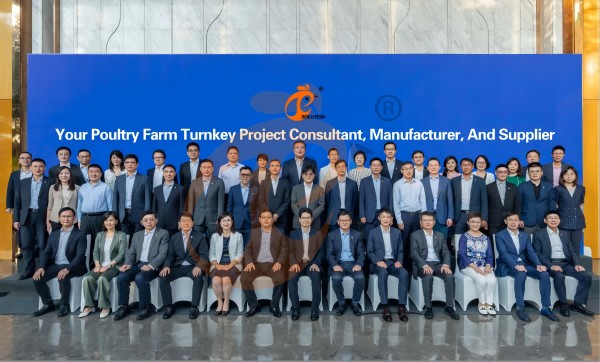
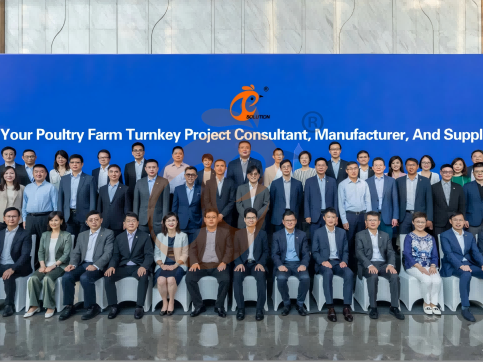
Hong Kong Headquarter Management Team
Hong Kong Headquarter Taiyu Industrial Group CO., LTD
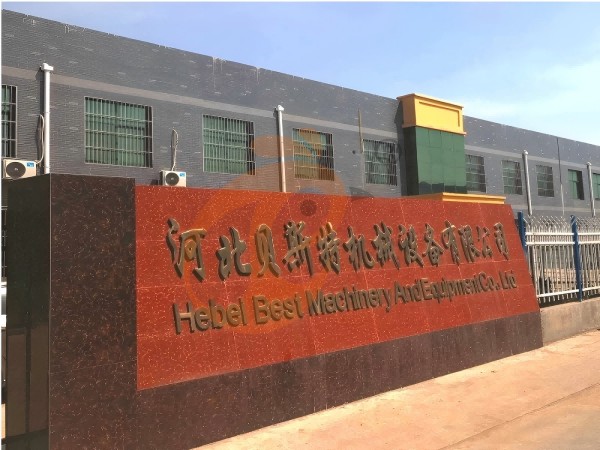
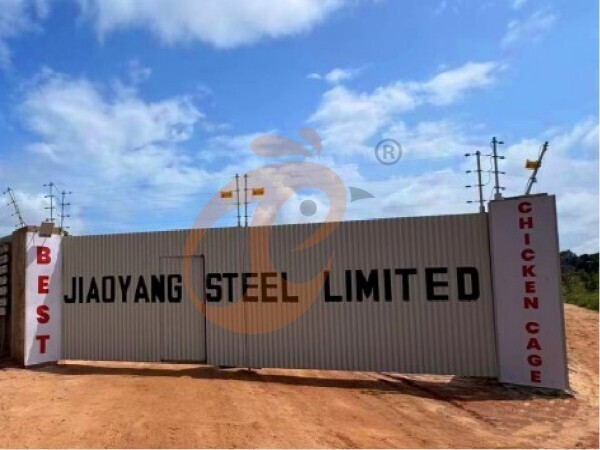
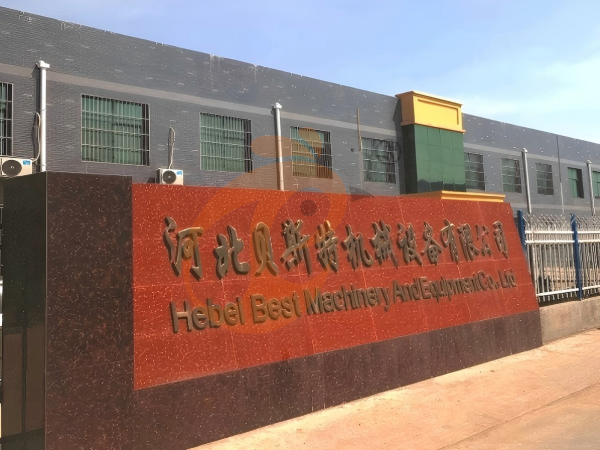
China Hebei Best Machinery And Equipment CO., LTD
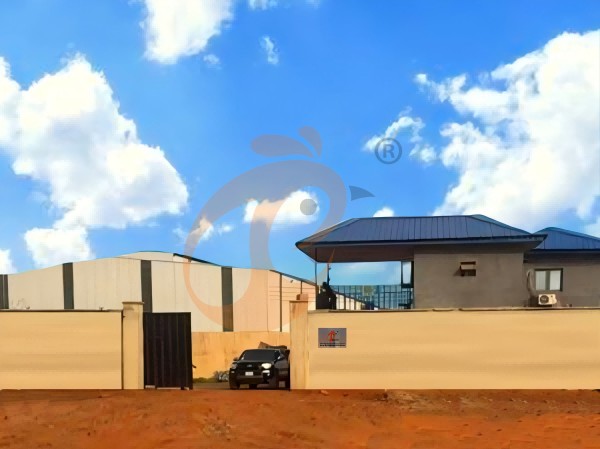
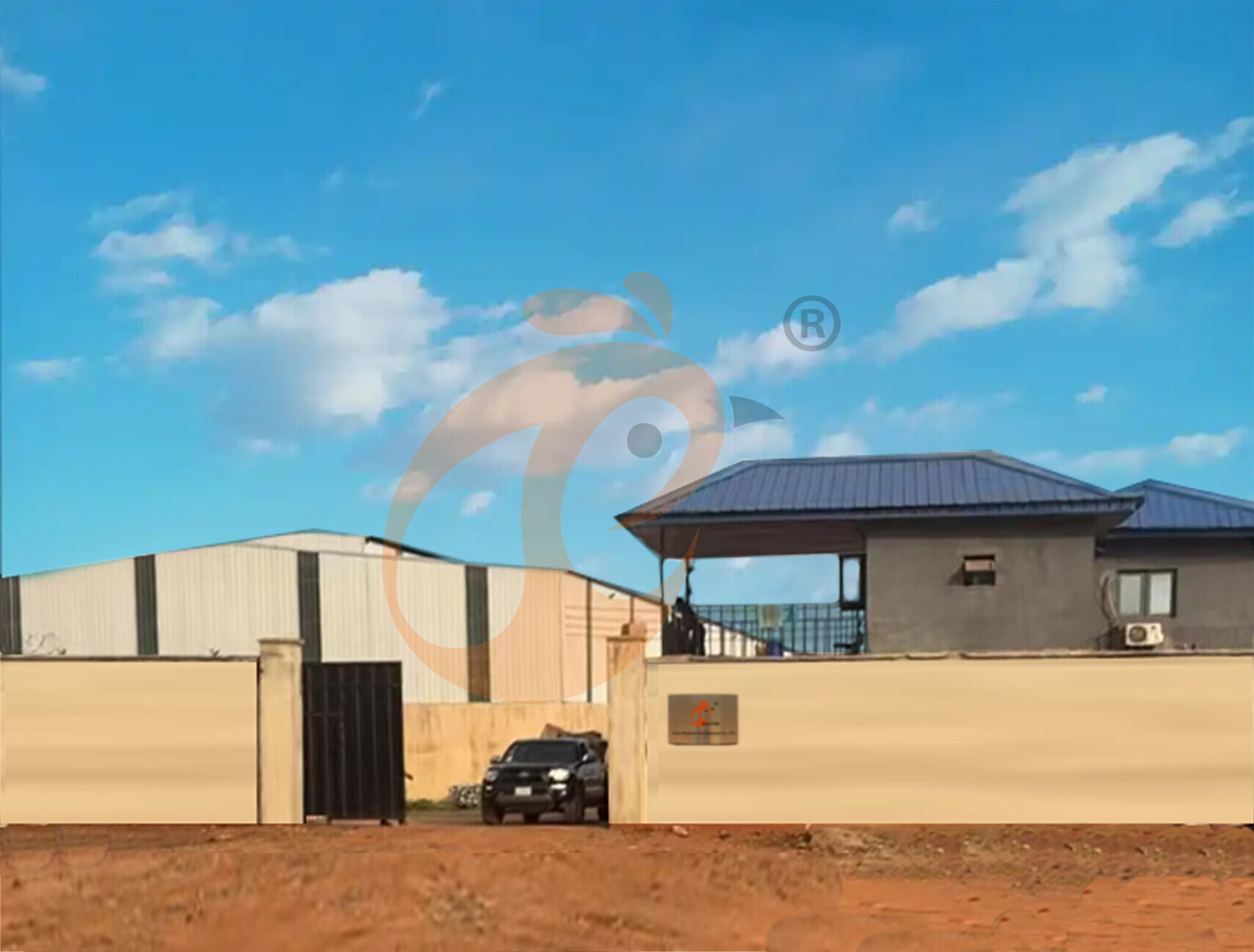
Nigeria Vanke Machinery And Equipment CO., LTD
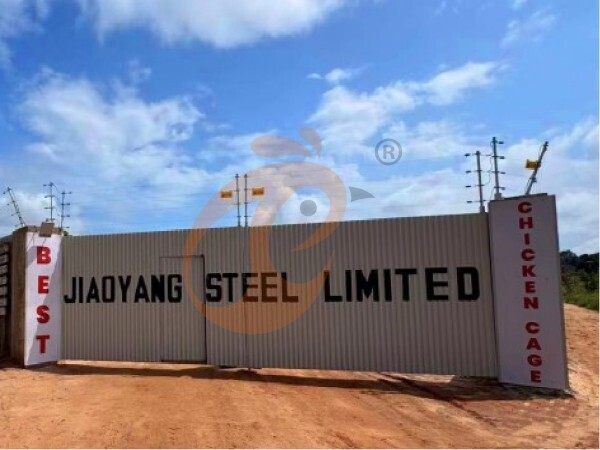
Tanzania Best Machinery And Equipment CO., LTD
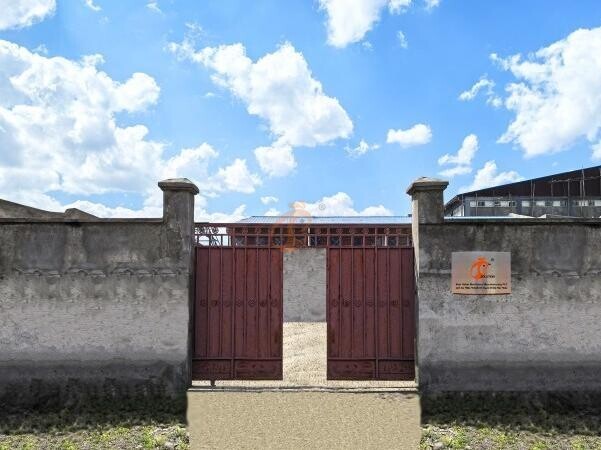
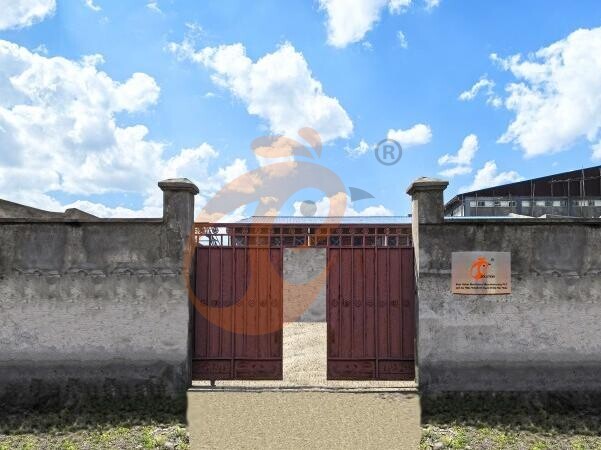
Ethiopia Best Hebei Machinery Manufacturing PLC
Reception /24 WhatsApp NO. : +8618830120193
FAQ
What Are The Ventilation Requirements For Broiler Chicken Cage Houses In Poultry Chicken Production?
Negative pressure levels are controlled between 20–30 Pa for uniform airflow distribution.
Air velocity inside cage rows ranges from 0.3–0.5 m/s to reduce heat stress.
What Is The Stocking Density Standard In Broiler Chicken Cage Systems For Poultry Chicken Production?
Live weight allocation reaches 30–35 kg per square meter at market stage for optimized yield.
Space per bird is controlled within 450–550 cm² for uniform growth performance.
What Are The Material Specifications Of Broiler Chicken Cage Systems Used In Poultry Chicken Farms?
Galvanized coating thickness reaches 80–120 g/m² to prevent corrosion in humid environments.
Frame steel strength is rated above 350 MPa for long-term mechanical stability.
- poultry equipment
- chicken cage
- broiler cage
- poultry farm
- feeding equipment
- poultry cage
- poultry farm
- poultry farm construction
- poultry farm management
- poultry farm biosecurity
- chicken cage manufacturer
- automatic chicken cage
- automatic chicken cage system
- automatic poultry equipment
- poultry feeding equipment
- poultry feeding system
- automatic poultry feeding system
- automatic poultry feeding equipment
- hen cage
- broiler farm
- chicken farm
- poultry house
- chicken cage system
- broiler cage system
- automatic broiler cage
- poultry cage system
- chicken farm construction
- modern poultry equipment
- broiler chicken cage
- broiler chicken cage manufacturer
- poultry farming technology
- poultry farm biosecurity management
- automated poultry farm
- Ethiopia
- Nigeria
Message
Products recommended
 HK Headquarter Offers EU-standard Poultry Farm Solutions, Manufacture Poultry Farm Equipment1. Continuous communication with the EU and the US
2. China, Nigeria, Ethiopia, Tanzania branch companies and factories
3. The products’ quality is customized for local poultry farms
4. Poultry cage and poultry farm equipment stock for sale
5. 24 online reception Whatsapp NO. : +8618830120193,contact us to get full informationRead More China Branch Offer Poultry Farm Business Plan, Manufacture Poultry Farm Equipment1. Address: Flat/RM 2416, 24/F, Runxing Building, Youyi Nan Street, Shijiazhuang City, Hebei Province, China
2. Poultry cage and poultry farm equipment factory and stock for sale
3. Customized for local poultry farms
4. Quality and design are based on Euro
5. 24 online reception Whatsapp NO. : +8618830120193Read More Nigeria Branch Offer Poultry Farm Business Plan, Manufacture Poultry Farm Equipment1. Address: After Sinoma Office, 200 Meters Near Danco Filling Station, Lagos/Ibadan Expressway, Lagos State, Nigeria
2. Poultry cage and poultry farm equipment factory and stock for sale
3. Customized for Nigerian poultry farms
4. Quality and design are based on Euro
5. 24 online reception Whatsapp NO. : +8618830120193Read More Ethiopia Branch Offer Poultry Farm Business Plan, Manufacture Poultry Farm Equipment1. Address: Gelan Gura, Akaki-kaliti Sub City, Addis Ababa, Ethiopia
2. Poultry cage and poultry farm equipment stock for sale
3. Customized for Ethiopian poultry farms
4. Quality and design are based on Euro
5. 24 online reception Whatsapp NO. : +8618830120193, contact us to get price listRead More Tanzania Branch Offer Poultry Farm Business Plan, Manufacture Poultry Farm Equipment1. Address: No.8, Sova Road, Msufini, Mlandizi, Kibaha, Pwani, Tanzania
2. Poultry cage and poultry farm equipment factory and stock for sale
3. Customized for Tanzanian poultry farms
4. Quality and design are based on Euro
5. 24 online reception Whatsapp NO. : +8618830120193Read More Fully Automatic H Type Layer Chicken Cage1. 30,000-100,000+ layers/house chooses it, Poultry farmers can achieve an egg production rate of 96-98%
2. A significant improvement over the 85-90% typically seen in manual systems
3. A typical poultry farm can expect a 30-40% reduction in labor costs due to the automation
4. Each feeding line efficiently supplies feed to around 100,000 hens per 30 mins
5. Reception /WhatsApp NO. : +8618830120193Read More Fully Automatic A Type Layer Chicken Cage1. 10,000-50,000 layers/house chooses it
2. Cleaner egg collection reduces breakage by 0.5%
3. Improved hygiene helps reduce mortality rate to <3%
4. 1–2 technicians can handle 15,000–30,000 birds
5. Reception /WhatsApp NO. : +8618830120193Read More Semi Automatic H Type Layer Chicken Cage1. 1,00-20,000 layers/house chooses it
2. Nipple drinkers flow 30–60 ML / min
3. Hot-dip galvanized (typical coating ≥ 275 g/m²)
4. Reduce ammonia by ~ 35–40%
5. Reception /WhatsApp NO. : +8618830120193Read More Semi Automatic A Type Layer Chicken Cage1. 1,00-20,000 layers/house chooses it, no rust for 10 years, no deformation for 15 years
2. Chickens live comfortably, you can raise them with peace of mind
3. Save water, save money—efficiency you can measure
4. Improve environment quality, and increase egg production rate
5. Reception /WhatsApp NO. : +8618830120193Read More
By clicking 'Allow All', you agree to the storage of cookies on your device to enhance site navigation, analyze site usage and assist with our marketing efforts.