


Blog
Feed mixer maintenance ensures stable poultry feed mixer performance in poultry production systems.
Mixing accuracy control stabilizes nutrient distribution inside feed batches for broiler and layer farms.
Mechanical reliability reduces downtime cost in continuous poultry feed processing environments.
Energy consumption optimization improves kwh per ton efficiency in industrial feed mixing systems.
Operational stability supports uniform feed output for commercial poultry growth cycles.
Get professional poultry farm construction guidance, equipment selection solutions, and the latest price lists, whatsApp to +8618830120193, +2348111199996, or click to learn more.
Feed Mixer Product Types And Technical Specifications
Data is for reference only.Swipe horizontally to view full table.
Horizontal paddle mixer design increases axial circulation intensity inside feed chamber structure.
Ribbon mixer configuration supports consistent blending of micro ingredients in batch systems.
Continuous mixer systems integrate conveyor feeding for large scale poultry production facilities.
Maintenance Impact On Production Performance
Data is for reference only.Swipe horizontally to view full table.
Horizontal paddle mixer design increases axial circulation intensity inside feed chamber structure.
Ribbon mixer configuration supports consistent blending of micro ingredients in batch systems.
Continuous mixer systems integrate conveyor feeding for large scale poultry production facilities.
Daily Maintenance Operations And Time Allocation
Data is for reference only.Swipe horizontally to view full table.
Daily cleaning prevents feed residue accumulation inside mixing chamber structure.
Bolt tightening stabilizes vibration control during continuous mechanical operation cycles.
Safety guard inspection ensures operator protection during industrial feed processing activities.
Weekly Mechanical Inspection Data
Data is for reference only.Swipe horizontally to view full table.
Blade wear control maintains consistent particle distribution inside feed mixing chamber.
Shaft alignment accuracy reduces mechanical stress on motor transmission system.
Bearing housing monitoring stabilizes rotational balance during high load operation cycles.
Feed Mixing Science And Particle Distribution
Feed mixing process combines convection diffusion and shear motion inside rotating chamber systems.
Particle uniformity increases when mixing time reaches optimized mechanical energy threshold.
Coefficient Of Variation (cv%) defines feed homogeneity performance in poultry nutrition systems.
Data is for reference only.Swipe horizontally to view full table.
Six minute mixing cycle achieves balanced energy consumption and feed uniformity ratio.
Extended mixing beyond optimal duration increases energy cost per ton feed production.
Protein distribution deviation reduction improves flock growth consistency in poultry farms.
Fault Detection And Diagnostic Metrics
Data is for reference only.Swipe horizontally to view full table.
Vibration increase indicates mechanical imbalance inside rotating assembly system.
Motor temperature rise reflects electrical overload condition in continuous operation mode.
Output variation percentage measures feed consistency deviation in production batches.
Lubrication Engineering And Consumption Rates
Data is for reference only.Swipe horizontally to view full table.
Lubrication system reduces friction coefficient between rotating mechanical components.
Grease application interval controls thermal stability inside bearing assemblies.
Gear oil circulation maintains torque transmission efficiency in gearbox structure.
Energy Efficiency And Operational Consumption
Data is for reference only.Swipe horizontally to view full table.
Eighty percent load operation achieves optimal energy consumption efficiency balance.
Motor power distribution stabilizes feed output consistency across production cycles.
Energy per ton measurement defines operational cost structure in poultry feed systems.
Downtime Cost Analysis In Poultry Operations
Data is for reference only.Swipe horizontally to view full table.
Downtime directly reduces feed availability in scheduled poultry feeding programs.
Production delay accumulates across batch cycles in integrated farm systems.
Feed cost loss calculation reflects operational interruption impact on farm economics.
Six Practical Feed Mixer Maintenance Tips
Blade thickness maintenance above 2.5 millimeter stabilizes mixing chamber geometry.
Bearing vibration control below 0.8 millimeter per second maintains mechanical balance.
Mixing time standardization between 4 and 6 minutes stabilizes feed homogeneity index.
Motor temperature control below 80 degrees Celsius prevents thermal degradation risk.
Drive belt replacement at 6 millimeter elongation maintains transmission efficiency stability.
Maintenance log recording supports traceability of equipment lifecycle performance data.
Operational Optimization Layer For Feed Mixer Stability
Feed mixer stability depends on controlled process parameters beyond mechanical maintenance routines.
• Mixing chamber humidity control maintained at 12–18 percent prevents ingredient clumping and improves dispersion consistency.
• Particle size range between 0.8–2.5 mm enhances blending efficiency and reduces segregation risk during rotation cycles.
• Rotor torque stability maintained at 18–26 n·m supports consistent blade movement under variable load conditions.
• Feed discharge flow rate controlled at 420–560 kg per minute ensures stable downstream pelletizing or storage transfer.
These parameters improve system-level coordination between mixing accuracy, energy efficiency, and continuous poultry feed production reliability.
Frequently Asked Questions
Q1: What is optimal mixing time for poultry feed mixer operation in commercial farms?
A1: Optimal mixing time ranges between 4 and 6 minutes depending on batch capacity, ingredient density, and blade configuration.
This range maintains cv below 5 percent while keeping energy consumption stable at industrial scale.
Longer cycles increase kwh per ton without improving feed uniformity and may accelerate mechanical wear on drive components and bearings.
Q2: How often should lubrication be applied in feed mixer maintenance schedule?
A2: Lubrication intervals depend on operating hours and load distribution.
Bearings require grease every 120 hours, gearbox systems every 720 hours, and motor shafts every 240 hours.
Correct lubrication timing stabilizes friction control, reduces heat accumulation, and extends mechanical service life under continuous poultry feed production conditions.
Q3: What indicators show feed mixer mechanical failure risk in poultry systems?
A3: Key indicators include vibration above 8 mm/s, motor temperature exceeding 85°c, and output variation above 6 percent.
These values indicate imbalance, overload, or component wear.
Early monitoring allows preventive maintenance actions, reducing downtime cost and protecting feed consistency across production cycles.
Taiyu (HK) Group - One Of China Biggest Feed Mixer Manufacturer
Poultry feed mixer designed for high efficiency uniform feed blending across commercial poultry farms.
Global factory direct supply system supports stable industrial poultry equipment manufacturing and export channels.
Turn key poultry engineering projects include feed line integration, housing systems, and automation solutions.
Advanced poultry cage production and equipment systems support large scale farm construction worldwide.
International service network delivers customized feed mixer solutions for modern agricultural production requirements.
Contact Us To Received Your Customized Poultry Farm Plan
Headquarters And Branchs

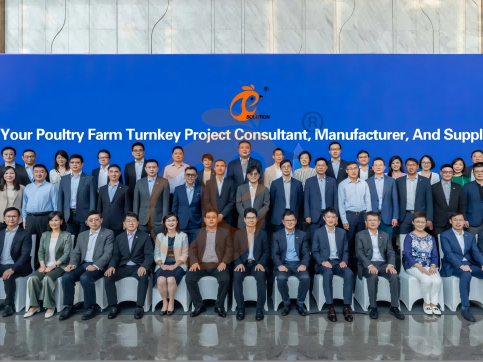
Hong Kong Headquarter Management Team
Hong Kong Headquarter Taiyu Industrial Group CO., LTD
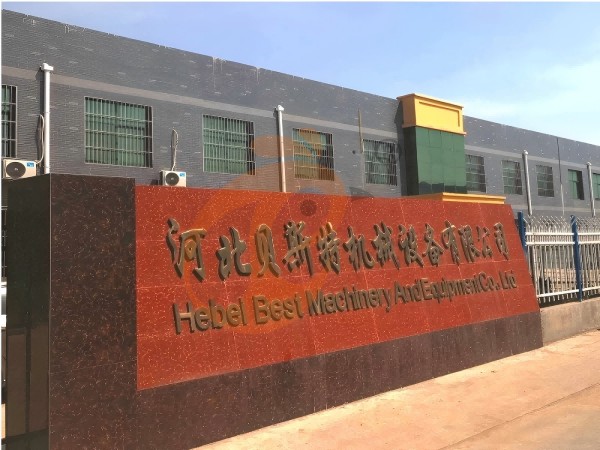
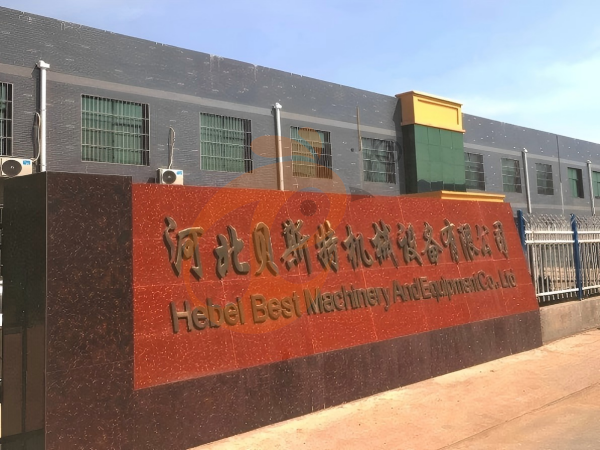
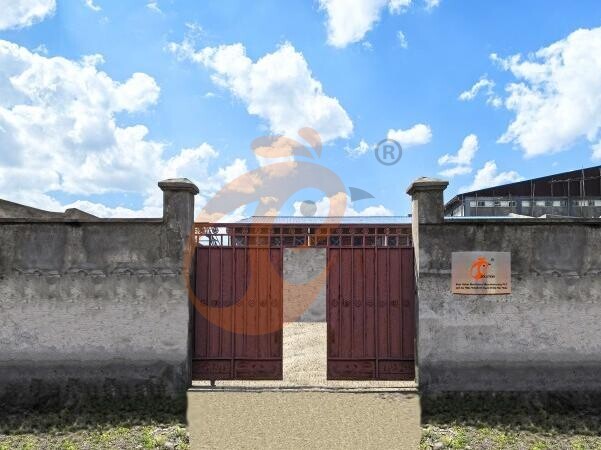
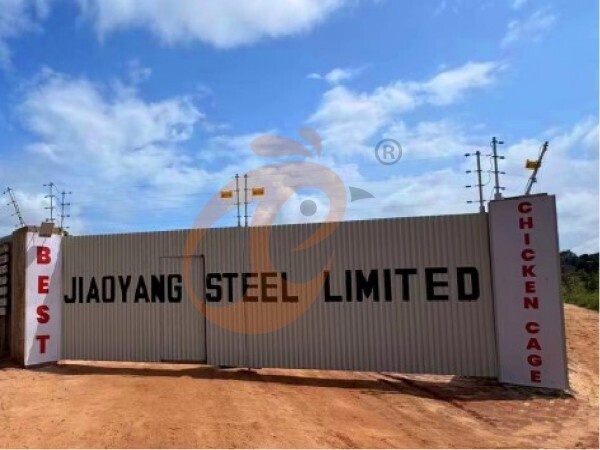
China Hebei Best Machinery And Equipment CO., LTD
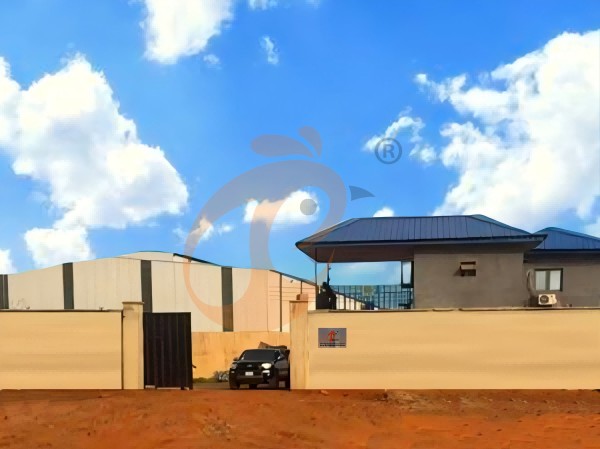
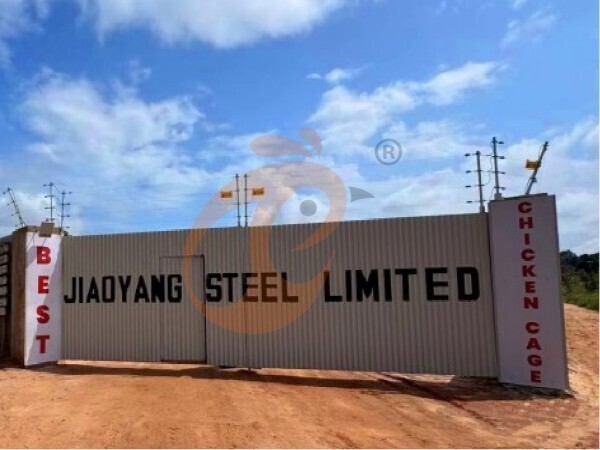
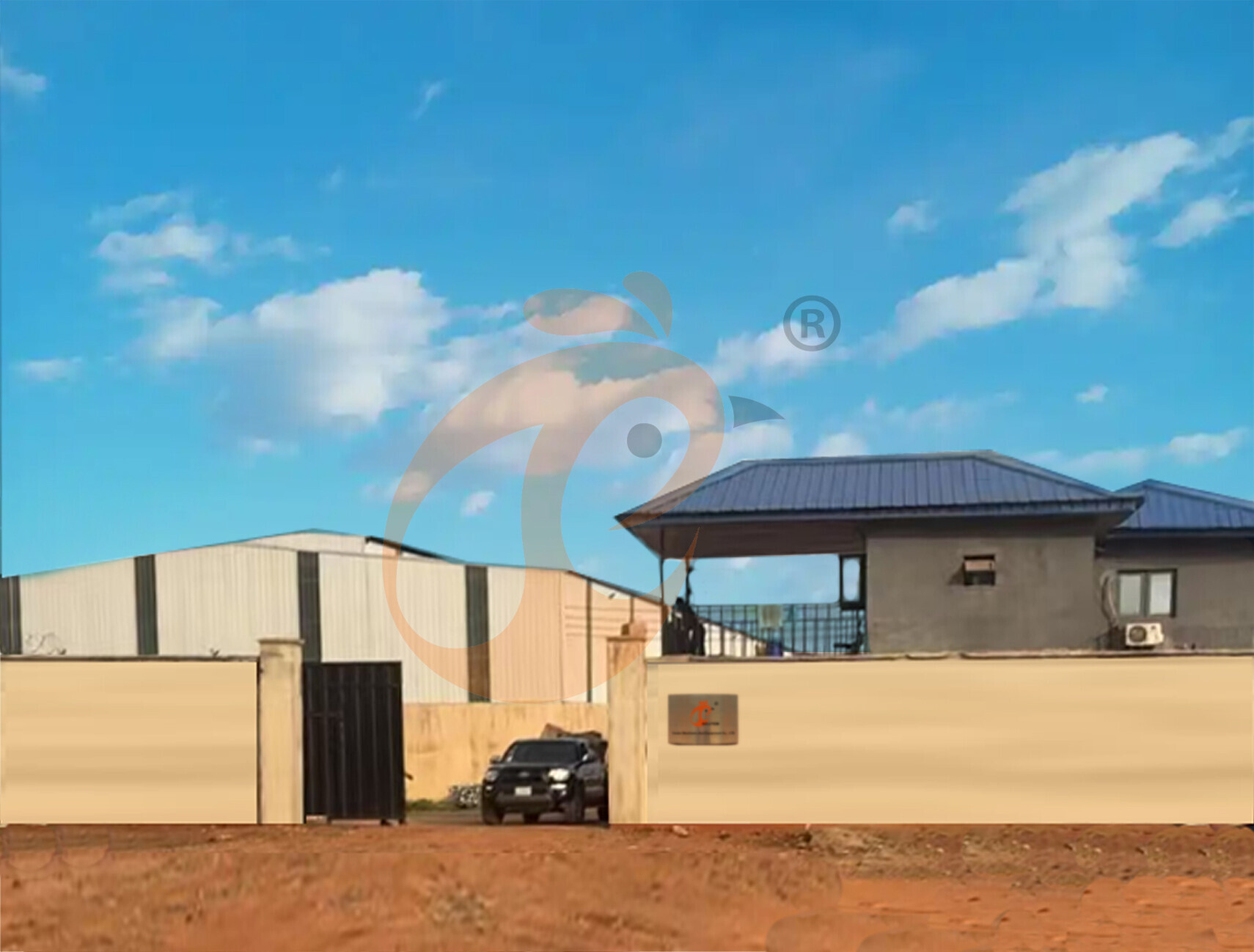
Nigeria Vanke Machinery And Equipment CO., LTD
Tanzania Best Machinery And Equipment CO., LTD
Ethiopia Best Hebei Machinery Manufacturing PLC

Reception /24 WhatsApp NO. : +8618830120193
FAQ
What Moisture Control Standards Are Required In Feed Milling For Poultry Chicken Feed?
Conditioning moisture increases to 16–18% before pelleting for optimal starch gelatinization.
Final feed moisture is controlled at 11–13% to ensure long-term storage stability.
What Energy Consumption Levels Are Standard In Feed Mixer And Feed Mill Operations For Poultry Chicken Farms?
Mixing systems require 3–8 kWh per batch depending on mixer volume and load ratio.
Pelletizing units operate at 60–90 kWh per ton for high-density poultry feed production.
What Raw Material Ratios Are Commonly Processed In Poultry Chicken Feed Mills?
Soybean meal accounts for 18–25% as main protein contributor for growth performance.
Premix addition remains at 2–5% ensuring vitamins and mineral balance stability.
Message
Products recommended
 HK Headquarter Offers EU-standard Poultry Farm Solutions, Manufacture Poultry Farm Equipment1. Continuous communication with the EU and the US
2. China, Nigeria, Ethiopia, Tanzania branch companies and factories
3. The products’ quality is customized for local poultry farms
4. Poultry cage and poultry farm equipment stock for sale
5. 24 online reception Whatsapp NO. : +8618830120193,contact us to get full informationRead More China Branch Offer Poultry Farm Business Plan, Manufacture Poultry Farm Equipment1. Address: Flat/RM 2416, 24/F, Runxing Building, Youyi Nan Street, Shijiazhuang City, Hebei Province, China
2. Poultry cage and poultry farm equipment factory and stock for sale
3. Customized for local poultry farms
4. Quality and design are based on Euro
5. 24 online reception Whatsapp NO. : +8618830120193Read More Nigeria Branch Offer Poultry Farm Business Plan, Manufacture Poultry Farm Equipment1. Address: After Sinoma Office, 200 Meters Near Danco Filling Station, Lagos/Ibadan Expressway, Lagos State, Nigeria
2. Poultry cage and poultry farm equipment factory and stock for sale
3. Customized for Nigerian poultry farms
4. Quality and design are based on Euro
5. 24 online reception Whatsapp NO. : +8618830120193Read More Ethiopia Branch Offer Poultry Farm Business Plan, Manufacture Poultry Farm Equipment1. Address: Gelan Gura, Akaki-kaliti Sub City, Addis Ababa, Ethiopia
2. Poultry cage and poultry farm equipment stock for sale
3. Customized for Ethiopian poultry farms
4. Quality and design are based on Euro
5. 24 online reception Whatsapp NO. : +8618830120193, contact us to get price listRead More Tanzania Branch Offer Poultry Farm Business Plan, Manufacture Poultry Farm Equipment1. Address: No.8, Sova Road, Msufini, Mlandizi, Kibaha, Pwani, Tanzania
2. Poultry cage and poultry farm equipment factory and stock for sale
3. Customized for Tanzanian poultry farms
4. Quality and design are based on Euro
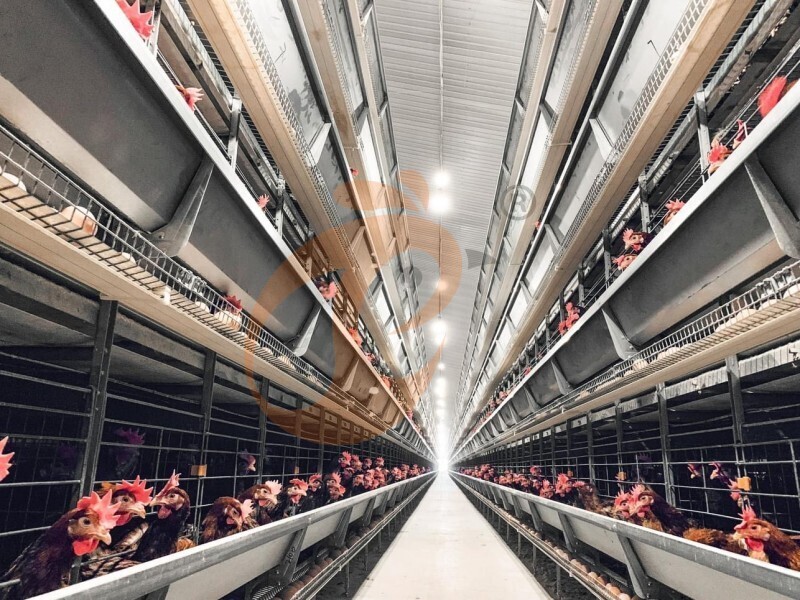
5. 24 online reception Whatsapp NO. : +8618830120193Read More Fully Automatic H Type Layer Chicken Cage1. 30,000-100,000+ layers/house chooses it, Poultry farmers can achieve an egg production rate of 96-98%
2. A significant improvement over the 85-90% typically seen in manual systems
3. A typical poultry farm can expect a 30-40% reduction in labor costs due to the automation
4. Each feeding line efficiently supplies feed to around 100,000 hens per 30 mins
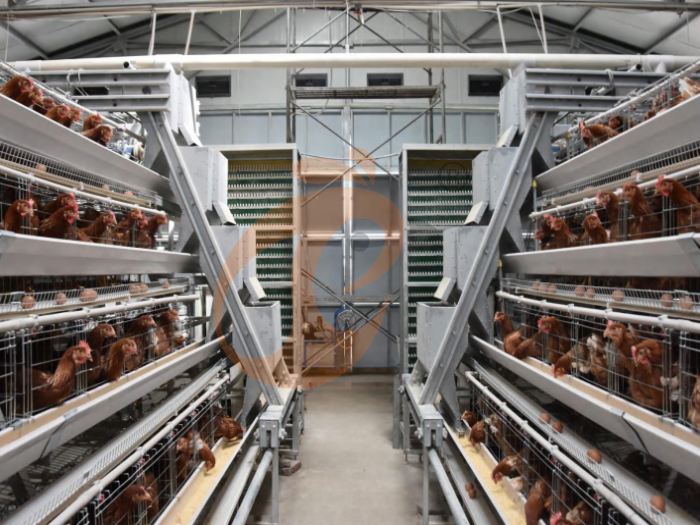
5. Reception /WhatsApp NO. : +8618830120193Read More Fully Automatic A Type Layer Chicken Cage1. 10,000-50,000 layers/house chooses it
2. Cleaner egg collection reduces breakage by 0.5%
3. Improved hygiene helps reduce mortality rate to <3%
4. 1–2 technicians can handle 15,000–30,000 birds
5. Reception /WhatsApp NO. : +8618830120193Read More Semi Automatic H Type Layer Chicken Cage1. 1,00-20,000 layers/house chooses it
2. Nipple drinkers flow 30–60 ML / min
3. Hot-dip galvanized (typical coating ≥ 275 g/m²)
4. Reduce ammonia by ~ 35–40%
5. Reception /WhatsApp NO. : +8618830120193Read More Semi Automatic A Type Layer Chicken Cage1. 1,00-20,000 layers/house chooses it, no rust for 10 years, no deformation for 15 years
2. Chickens live comfortably, you can raise them with peace of mind
3. Save water, save money—efficiency you can measure
4. Improve environment quality, and increase egg production rate
5. Reception /WhatsApp NO. : +8618830120193Read More
By clicking 'Allow All', you agree to the storage of cookies on your device to enhance site navigation, analyze site usage and assist with our marketing efforts.