






Blog
Poultry feeder installation tutorial provides structured guidance for poultry feeder system selection, layout design, and installation accuracy in commercial poultry farms.
Efficient feeder installation improves poultry feeding system performance by reducing feed waste and maintaining uniform feed access across broiler and layer houses.
Proper poultry feeder installation enhances poultry farming productivity through optimized spacing, controlled feed flow, and stable mechanical support structures.
Modern poultry equipment installation standards support safer feeder mounting procedures, improving durability and reducing structural failure risks in long-term farm operations.
Standardized feeder layout planning increases feed conversion efficiency by ensuring consistent distribution across poultry house zones and production cycles.
Get professional poultry farm construction guidance, equipment selection solutions, and the latest price lists, whatsApp to +8618830120193, +2348111199996, or click to learn more.

Poultry Feeder System Overview
A poultry feeder system is a mechanical or semi mechanical structure designed to deliver measured feed to poultry through gravity, mechanical conveyance, or automated control units.
It ensures feed availability within a defined spatial distribution range and time interval.
In practical poultry farm engineering, feeder system selection determines long term feed cost efficiency and flock uniformity stability, especially in large-scale production houses.
Poultry feeder installation tutorial provides structured guidance for poultry feeding system Integration in commercial poultry farms.
Key functional parameters include feed capacity, distribution radius, feeding height range, and refill interval.
Poultry Feeder Types and Technical Parameters
Correct feeder selection directly determines operational efficiency and feed loss control across different poultry production stages.
Data is for reference only.Swipe horizontally to view full table.
Feeder system parameters must match bird growth stage and house density planning to avoid feed competition stress and uneven body weight distribution.
Poultry feeder installation tutorial ensures correct poultry cage equipment compatibility across different feeding system types used in industrial poultry houses.
Required Installation Tools and Components
Installation accuracy depends on correct tool selection and fastening stability, especially in high density poultry housing environments.
Data is for reference only.Swipe horizontally to view full table.
Correct installation tooling reduces structural deviation risk and ensures feeder alignment consistency across long poultry house spans.
Poultry Farm Installation Safety Requirements
Safety compliance directly influences long term operational stability and worker protection in poultry equipment installation environments.
Data is for reference only.Swipe horizontally to view full table.
Safety engineering design reduces accident probability and ensures compliance with poultry housing operational standards.
Standard Installation Workflow
A structured installation sequence ensures mechanical precision and long term feeder stability under continuous farm operation.
Data is for reference only.Swipe horizontally to view full table.
Each installation step ensures feeder performance consistency and minimizes long term mechanical failure rates in poultry production systems.
Scientific Function of Poultry Feeders
Poultry feeder installation tutorial directly impacts poultry feeding system efficiency in nutrition distribution science.
Feed intake uniformity reduces weight variation standard deviation typically within 8–12% across broiler flocks.
Feed conversion ratio (FCR) improvement ranges from 1.55 to 1.75 in optimized feeder systems compared with poorly distributed systems above 2.0 FCR values.
Feed exposure control reduces nutrient oxidation rate by 18–26% depending on environmental humidity.
These improvements translate into measurable production efficiency gains in commercial poultry farming operations.
Layout Engineering for Poultry Houses
Proper spatial planning ensures balanced feed access and prevents crowding pressure at feeder points.
Data is for reference only.Swipe horizontally to view full table.
Layout precision is a critical factor in poultry equipment installation planning for large scale production houses.
Feed Distribution Optimization Strategy
Feed distribution consistency directly affects flock growth uniformity and reduces competitive feeding behavior among birds.
Data is for reference only.Swipe horizontally to view full table.
Controlled feed distribution reduces economic losses and improves feed utilization efficiency per production cycle.
Operational Usage Guidelines
Operational discipline ensures long term stability of poultry feeding system performance across repeated production cycles.
Maintain feeder height aligned to bird shoulder level +3–5 cm
Ensure uniform feed distribution across all feeder units
Rotate feeder positions every 14 days in large flocks
Clean internal feeder surfaces every 72 hours
Inspect mechanical joints every 7 days
Maintain constant feed stock to avoid empty cycle stress
Record daily feed consumption per house section
Proper usage discipline reduces system wear and improves long term mechanical reliability.
Maintenance Schedule Matrix
Regular maintenance ensures structural integrity and biological safety in poultry feeding environments.
Data is for reference only.Swipe horizontally to view full table.
Preventive maintenance scheduling reduces emergency repair frequency and improves system uptime consistency.
Installation Errors and Corrective Actions
Operational errors in feeder installation can significantly reduce production efficiency and increase feed loss rates.
Data is for reference only.Swipe horizontally to view full table.
Corrective engineering ensures stable long term feeder performance under continuous farm operation.
Environmental Interaction with Feeder Systems
Environmental variables significantly influence poultry feeding system performance, particularly in closed poultry house environments.
Relative humidity above 70% increases feed clumping rate by approximately 22%, while inadequate airflow below 0.5 M/S increases ammonia accumulation near feeding zones.
Thermal stability across feeder rows must remain within a 3°C range to maintain consistent feeding behavior patterns.
Feeder System Automation Integration
Automation improves precision feeding and reduces manual labor dependency in modern poultry farming systems.
Data is for reference only.Swipe horizontally to view full table.
Automation systems improve feed accuracy and reduce labor cost by approximately 30–45 USD per 1000 birds per cycle European union standard reference only.
Frequently Asked Questions
Q1: What is the ideal feeder spacing in poultry feeder installation systems?
A1: Ideal spacing ranges from 1.0 to 1.5 meters between feeder units, supporting 10–18 birds per feeder depending on production density and bird age classification.
Q2: How does feeder installation affect feed conversion ratio in poultry farming?
A2: Correct feeder installation improves feed conversion ratio from approximately 2.0 to 1.55–1.75 by reducing feed waste and improving access uniformity across the flock.
Q3: What maintenance frequency ensures stable poultry feeder performance?
Stable performance requires 24-hour inspection, 7-day mechanical tightening, and 30-day deep cleaning cycles, maintaining bacterial levels below 10³ CFU/cm².
Taiyu (HK) Group - One Of China Largest Poultry Feeding System Manufacturer
Precision engineered poultry feeder systems designed for industrial poultry farming operations with high durability steel structure and optimized feed distribution accuracy.
Global factory direct supply chain ensuring consistent poultry equipment manufacturing standards across broiler and layer production facilities worldwide.
Integrated poultry equipment solutions including feeder systems, drinking systems, ventilation systems, and poultry cage engineering modules for commercial farms.
Full poultry cage and feeding infrastructure support including automated control systems and turn key farm construction project delivery services.
International engineering service capability covering turnkey poultry farming projects from layout design to installation commissioning and operational optimization.
Contact Us To Received Your Customized Poultry Farm Plan
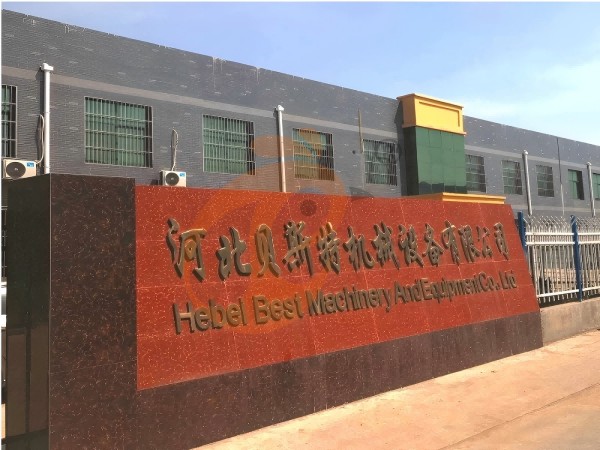
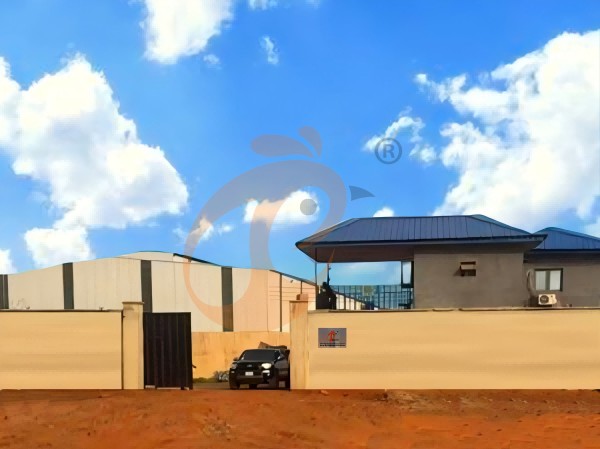
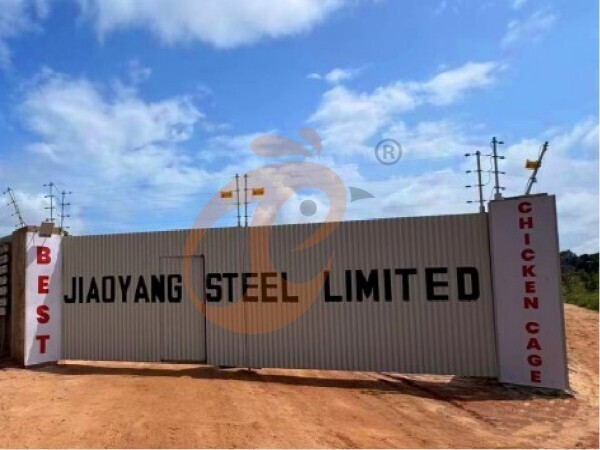
Headquarters And Branchs

Hong Kong Headquarter Management Team
Hong Kong Headquarter Taiyu Industrial Group CO., LTD
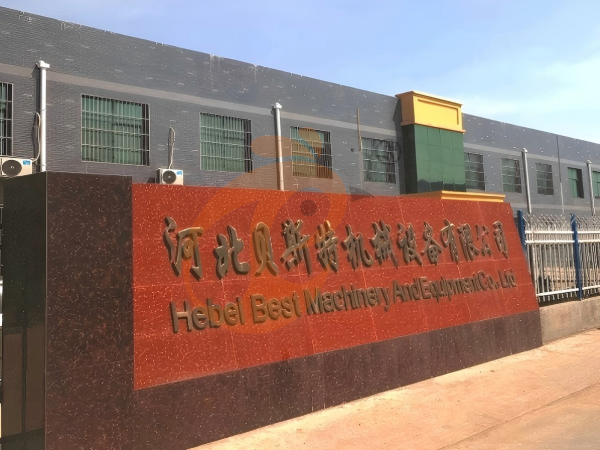
China Hebei Best Machinery And Equipment CO., LTD
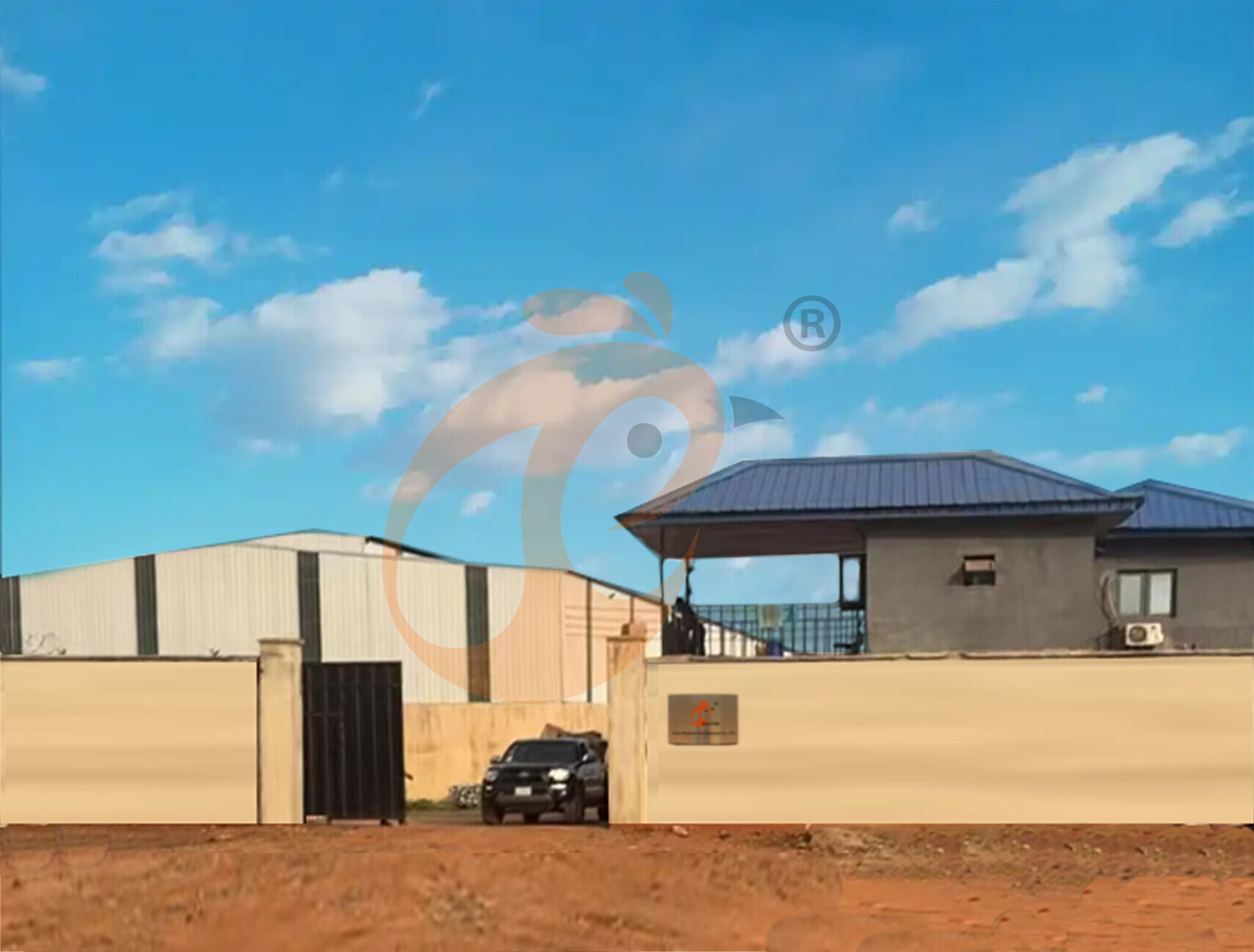
Nigeria Vanke Machinery And Equipment CO., LTD
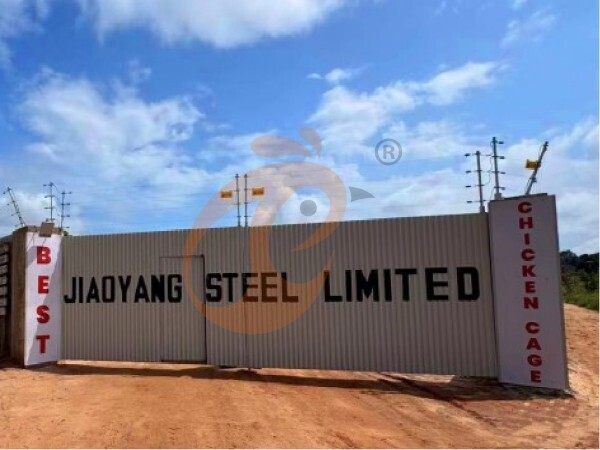
Tanzania Best Machinery And Equipment CO., LTD
Ethiopia Best Hebei Machinery Manufacturing PLC

Reception /24 WhatsApp NO. : +8618830120193
FAQ
What Is Feeding System Feed Transport Speed And Motor Power Range In Poultry Chicken Production?
Motor power range spans 1.1 to 2.2 kw, delivering torque stability above 88%, maintaining continuous operation efficiency, reducing mechanical failure rate to less than 2% annually under intensive automated feeding system conditions.
Daily feed throughput capacity reaches 1.5 to 3.8 tons per line, supporting flock size scalability, improving feed delivery cycle accuracy within ±6%, ensuring uniform growth performance and optimized production efficiency across commercial poultry farms.
How Does Feeding System Pan Design And Distribution Density Affect Broiler Chicken Feeding Efficiency?
Distribution density configured at 12 to 16 pans per 100 square meters, ensuring feeding access balance, reducing competition index below 0.3, supporting flock uniformity reaching 92% to 96% under controlled poultry house conditions.
Adjustable feed level height maintains 30 to 45 millimeters, optimizing intake behavior, reducing feed wastage rate by 6% to 10%, enabling efficient feed conversion and stable growth performance throughout the production cycle.
What Are Feeding System Control Accuracy And Sensor Response Parameters In Poultry Chicken Farms?
Control system accuracy maintained within ±2%, ensuring precise feed allocation, minimizing overfeeding losses below 3%, improving feed utilization efficiency and reducing operational cost in automated poultry feeding system environments.
Alarm threshold settings trigger at feed deviation exceeding 7%, enabling rapid intervention, reducing mortality rate to below 2.2%, ensuring stable production performance and maintaining high reliability in intensive poultry farming systems.
Message
Products recommended
 HK Headquarter Offers EU-standard Poultry Farm Solutions, Manufacture Poultry Farm Equipment1. Continuous communication with the EU and the US
2. China, Nigeria, Ethiopia, Tanzania branch companies and factories
3. The products’ quality is customized for local poultry farms
4. Poultry cage and poultry farm equipment stock for sale
5. 24 online reception Whatsapp NO. : +8618830120193,contact us to get full informationRead More China Branch Offer Poultry Farm Business Plan, Manufacture Poultry Farm Equipment1. Address: Flat/RM 2416, 24/F, Runxing Building, Youyi Nan Street, Shijiazhuang City, Hebei Province, China
2. Poultry cage and poultry farm equipment factory and stock for sale
3. Customized for local poultry farms
4. Quality and design are based on Euro
5. 24 online reception Whatsapp NO. : +8618830120193Read More Nigeria Branch Offer Poultry Farm Business Plan, Manufacture Poultry Farm Equipment1. Address: After Sinoma Office, 200 Meters Near Danco Filling Station, Lagos/Ibadan Expressway, Lagos State, Nigeria
2. Poultry cage and poultry farm equipment factory and stock for sale
3. Customized for Nigerian poultry farms
4. Quality and design are based on Euro
5. 24 online reception Whatsapp NO. : +8618830120193Read More Ethiopia Branch Offer Poultry Farm Business Plan, Manufacture Poultry Farm Equipment1. Address: Gelan Gura, Akaki-kaliti Sub City, Addis Ababa, Ethiopia
2. Poultry cage and poultry farm equipment stock for sale
3. Customized for Ethiopian poultry farms
4. Quality and design are based on Euro
5. 24 online reception Whatsapp NO. : +8618830120193, contact us to get price listRead More Tanzania Branch Offer Poultry Farm Business Plan, Manufacture Poultry Farm Equipment1. Address: No.8, Sova Road, Msufini, Mlandizi, Kibaha, Pwani, Tanzania
2. Poultry cage and poultry farm equipment factory and stock for sale
3. Customized for Tanzanian poultry farms
4. Quality and design are based on Euro
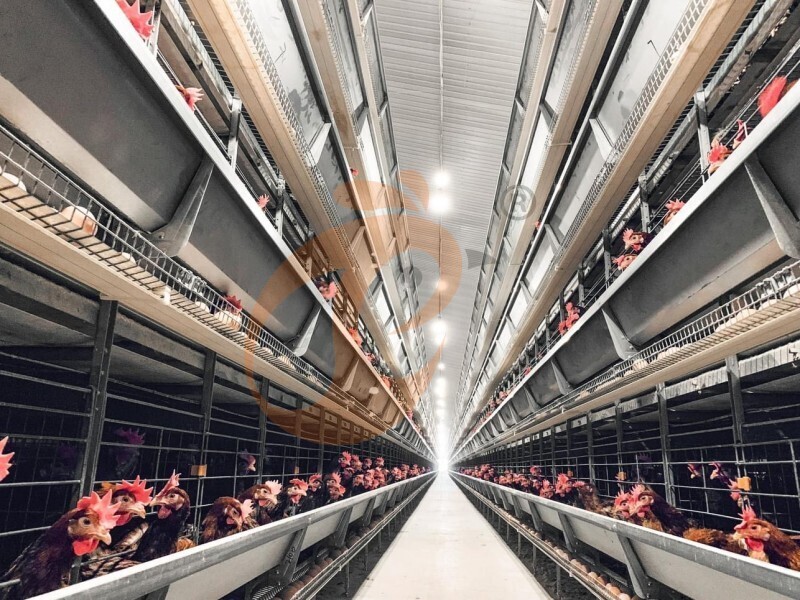
5. 24 online reception Whatsapp NO. : +8618830120193Read More Fully Automatic H Type Layer Chicken Cage1. 30,000-100,000+ layers/house chooses it, Poultry farmers can achieve an egg production rate of 96-98%
2. A significant improvement over the 85-90% typically seen in manual systems
3. A typical poultry farm can expect a 30-40% reduction in labor costs due to the automation
4. Each feeding line efficiently supplies feed to around 100,000 hens per 30 mins
5. Reception /WhatsApp NO. : +8618830120193Read More Fully Automatic A Type Layer Chicken Cage1. 10,000-50,000 layers/house chooses it
2. Cleaner egg collection reduces breakage by 0.5%
3. Improved hygiene helps reduce mortality rate to <3%
4. 1–2 technicians can handle 15,000–30,000 birds
5. Reception /WhatsApp NO. : +8618830120193Read More Semi Automatic H Type Layer Chicken Cage1. 1,00-20,000 layers/house chooses it
2. Nipple drinkers flow 30–60 ML / min
3. Hot-dip galvanized (typical coating ≥ 275 g/m²)
4. Reduce ammonia by ~ 35–40%
5. Reception /WhatsApp NO. : +8618830120193Read More Semi Automatic A Type Layer Chicken Cage1. 1,00-20,000 layers/house chooses it, no rust for 10 years, no deformation for 15 years
2. Chickens live comfortably, you can raise them with peace of mind
3. Save water, save money—efficiency you can measure
4. Improve environment quality, and increase egg production rate
5. Reception /WhatsApp NO. : +8618830120193Read More


By clicking 'Allow All', you agree to the storage of cookies on your device to enhance site navigation, analyze site usage and assist with our marketing efforts.