






Blog
Nipple drinker systems support stable water delivery and healthier poultry performance
Practical troubleshooting methods reduce downtime and prevent litter moisture problems.
Engineering focused maintenance extends equipment lifespan and improves farm efficiency.
Integrated cage, feeding, and watering solutions simplify commercial poultry management.
Professional installation standards help farms achieve consistent production results.
Get professional poultry farm construction guidance, equipment selection solutions, and the latest price lists, whatsApp to +8618830120193, +2348111199996, or click to learn more.
Understand How A Nipple Drinker Works
A nipple drinker releases water only when a chicken pecks the metal pin.
Such mechanism minimizes water waste while providing birds with fresh water throughout the day.
The drinker is connected to a water pipeline, pressure regulator, and filter, forming an integrated watering system inside the poultry house.
Data is for reference only.Swipe horizontally to view full table.
A properly installed watering system works efficiently only when every component operates together.
Such is why professional poultry equipment manufacturers often supply nipple drinkers together with chicken cages, feeding systems, and ventilation equipment.
Quick Fix: Repair Water Leakage
Water leakage is one of the first signs that a nipple drinker requires maintenance.
Even minor dripping can increase litter moisture, leading to higher ammonia levels and a greater risk of footpad problems.
Farmers should inspect leaking nipples as soon as they are discovered.
Data is for reference only.Swipe horizontally to view full table.
Prompt repairs not only save water but also improve the environment inside the poultry house, especially in high density cage systems.
Quick Fix: Check Water Pressure
Stable water pressure ensures every chicken receives sufficient drinking water.
Pressure that falls outside the recommended range may result in poor water flow or unnecessary leakage.
Data is for reference only.Swipe horizontally to view full table.
Pressure regulators should be checked after cleaning the water line or replacing any pipeline sections.
Proper adjustment helps maintain consistent drinking conditions across every row of chicken cages.
Quick Fix: Remove Blockages From The Water Line
Mineral deposits, sand particles, algae, and biofilm gradually reduce water flow inside pipelines.
Blocked nipple drinkers force birds to spend more time searching for water, which may reduce feed intake and production performance.
Data is for reference only.Swipe horizontally to view full table.
Using filtered water and flushing pipelines regularly can greatly reduce internal buildup and extend the lifespan of watering equipment.
Quick Fix: Replace Worn Parts Before Failure
Every moving component experiences wear after millions of drinking cycles.
Waiting until a part fails completely may interrupt water supply to an entire group of birds.
Data is for reference only.Swipe horizontally to view full table.
Keeping replacement parts in stock allows farm managers to complete repairs quickly without disrupting daily poultry operations.
Quick Fix: Clean The Entire Drinking System
Cleaning individual nipple drinkers is helpful, but the complete watering system also requires scheduled sanitation.
Pipelines, filters, regulators, and storage tanks can all accumulate microorganisms over time.
Data is for reference only.Swipe horizontally to view full table.
A clean watering system supports healthier birds and improves the overall performance of automatic poultry equipment.
Why Proper Drinker Height Is Important
The installation height of nipple drinkers directly influences drinking behavior.
Chickens should stretch their necks slightly upward when drinking, allowing water to flow efficiently without excessive spillage.
As birds grow, drinker lines should be raised accordingly to maintain the correct drinking angle.
Data is for reference only.Swipe horizontally to view full table.
Adjustable drinker lines are commonly integrated into modern chicken cage systems, reducing labor while improving water accessibility.
Poultry Science: How Water Affects Chicken Performance
Water is often called the forgotten nutrient because birds stop eating soon after water becomes unavailable.
Scientific research shows that chickens typically consume considerably more water as environmental temperature rises.
Data is for reference only.Swipe horizontally to view full table.
Reliable nipple drinkers help ensure that increasing water demand is met during hot weather, reducing heat stress and supporting consistent egg production.
The Relationship Between Nipple Drinkers And Chicken Cages
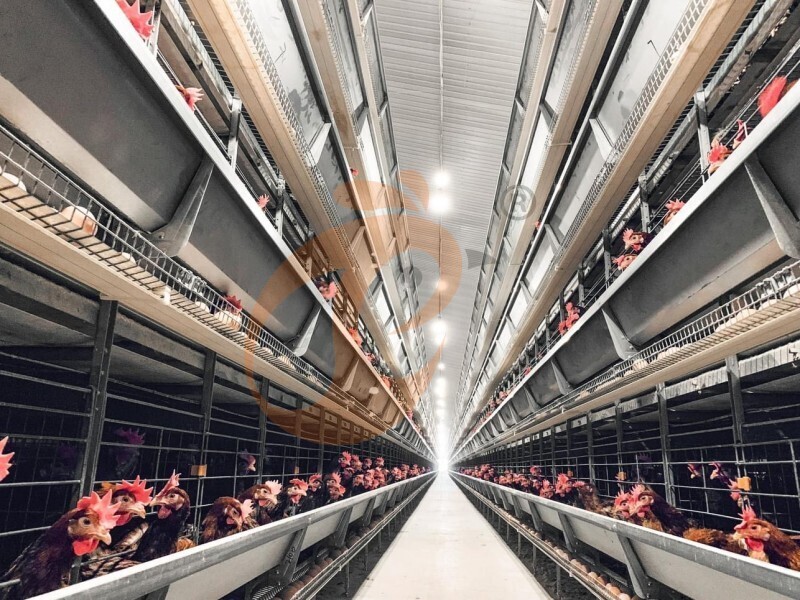
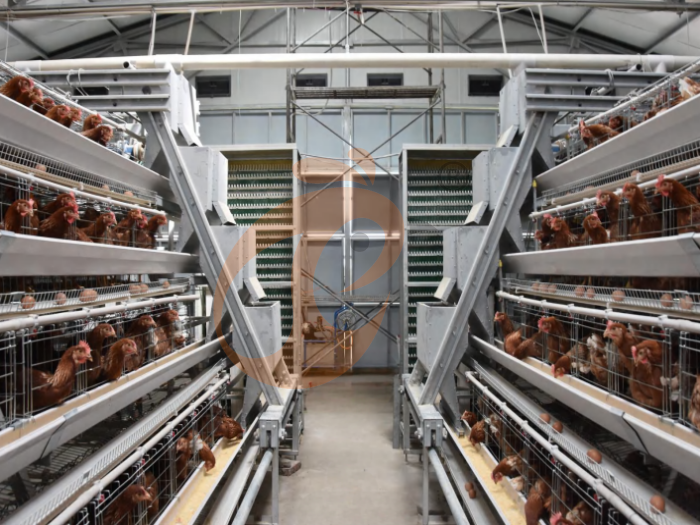
Automatic nipple drinkers perform best when installed together with professionally designed chicken cages.
In commercial layer farms, evenly spaced drinkers ensure that every bird has convenient access to water without excessive competition.
Proper cage layouts also simplify maintenance because technicians can inspect water lines, replace damaged nipples, and adjust pressure more efficiently.
When combined with automatic feeding systems, manure removal equipment, egg collection systems, and ventilation fans, nipple drinkers become part of a complete poultry house solution that improves productivity while reducing labor requirements.
Daily Inspection Tips For Poultry Farmers
Routine observation allows farmers to detect small problems before they become expensive repairs.
During daily inspections, workers should walk through each poultry house and observe bird behavior as well as watering equipment.
Birds crowding around one section of the water line may indicate reduced flow, while unusually wet litter beneath a drinker line often suggests leakage.
Listening for unusual water sounds, checking filter condition, and confirming pressure gauge readings all contribute to a reliable watering system.
Choosing Quality Poultry Equipment
The durability of nipple drinkers depends not only on manufacturing quality but also on the design of the entire poultry equipment system.
Stainless steel nipples, uv-resistant water pipes, corrosion-resistant fittings, and accurate pressure regulators all contribute to long-term reliability.
For poultry farms planning new projects or expanding production, choosing a supplier that provides complete chicken cages, automatic drinking systems, feeding equipment, manure removal machines, ventilation systems, and poultry house design services can simplify installation and improve compatibility between every component.
A typical 20,000-layer house may invest $18,000–$26,000 in integrated drinking and cage infrastructure (European union standard reference only).
Frequently Asked Questions
Q1: How often should nipple drinkers be inspected?
A1: Visual inspection should be performed daily, while pressure regulators and filters should be checked every 7–14 days.
A complete system review every 30 days helps identify wear before water flow is affected.
Q2: What is the ideal water pressure for adult layers?
A2: Most adult layer systems operate effectively at a water column of 30–35 cm.
Such range provides stable water delivery while minimizing leakage from nipple valves.
Q3: Can nipple drinker problems reduce egg production?
A3: Yes.
A laying hen may consume around 220–340 ml of water per day depending on temperature.
Reduced water availability can quickly lower feed intake and negatively affect egg production consistency.
Taiyu (HK) Group - One Of China Largest Nipple Drinker System Manufacturer
Nipple drinker systems engineered for layer cages, broiler cages, and integrated poultry house water distribution networks.
Global factory direct supply with standardized production, quality traceability, and export documentation support.
Complete poultry equipment portfolio including cages, feeding systems, ventilation units, manure removal, and egg collection.
Turn key poultry farm engineering covering layout design, installation guidance, commissioning, and operational training.
Project oriented solutions for 5,000 to 100,000+ bird houses with scalable automation and maintenance planning.
Contact Us To Received Your Customized Poultry Farm Plan
Headquarters And Branchs
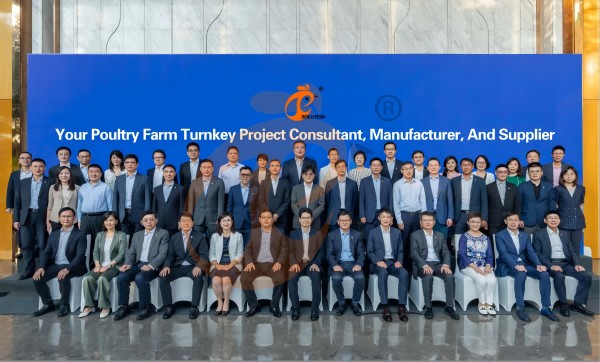
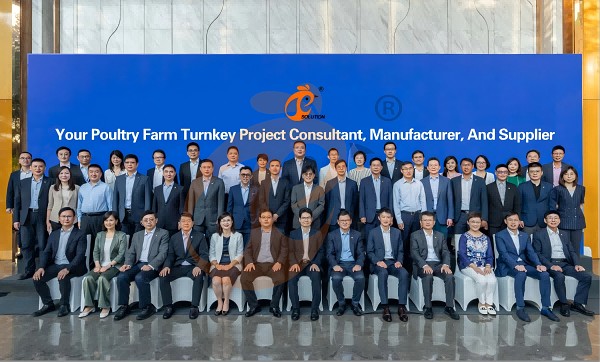
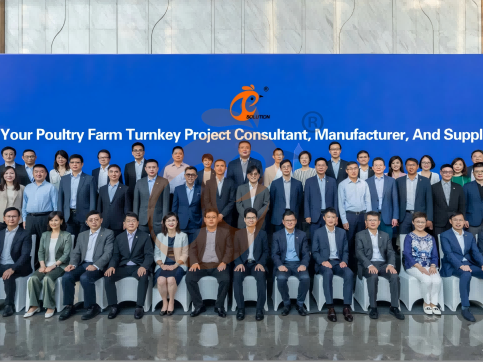
Hong Kong Headquarter Management Team
Hong Kong Headquarter Taiyu Industrial Group CO., LTD
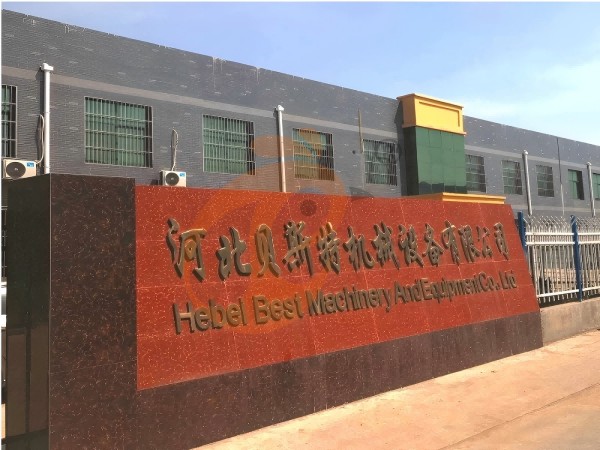
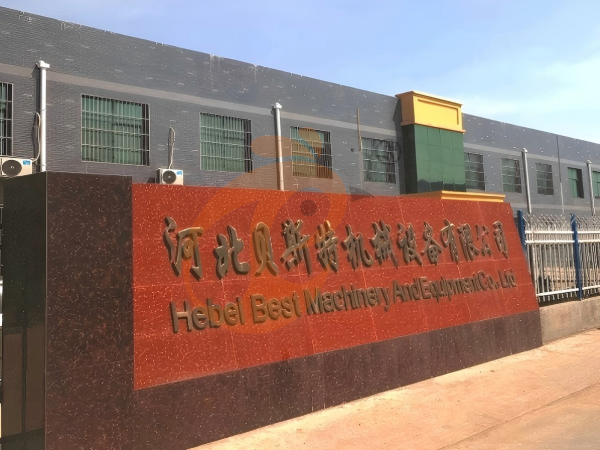
China Hebei Best Machinery And Equipment CO., LTD
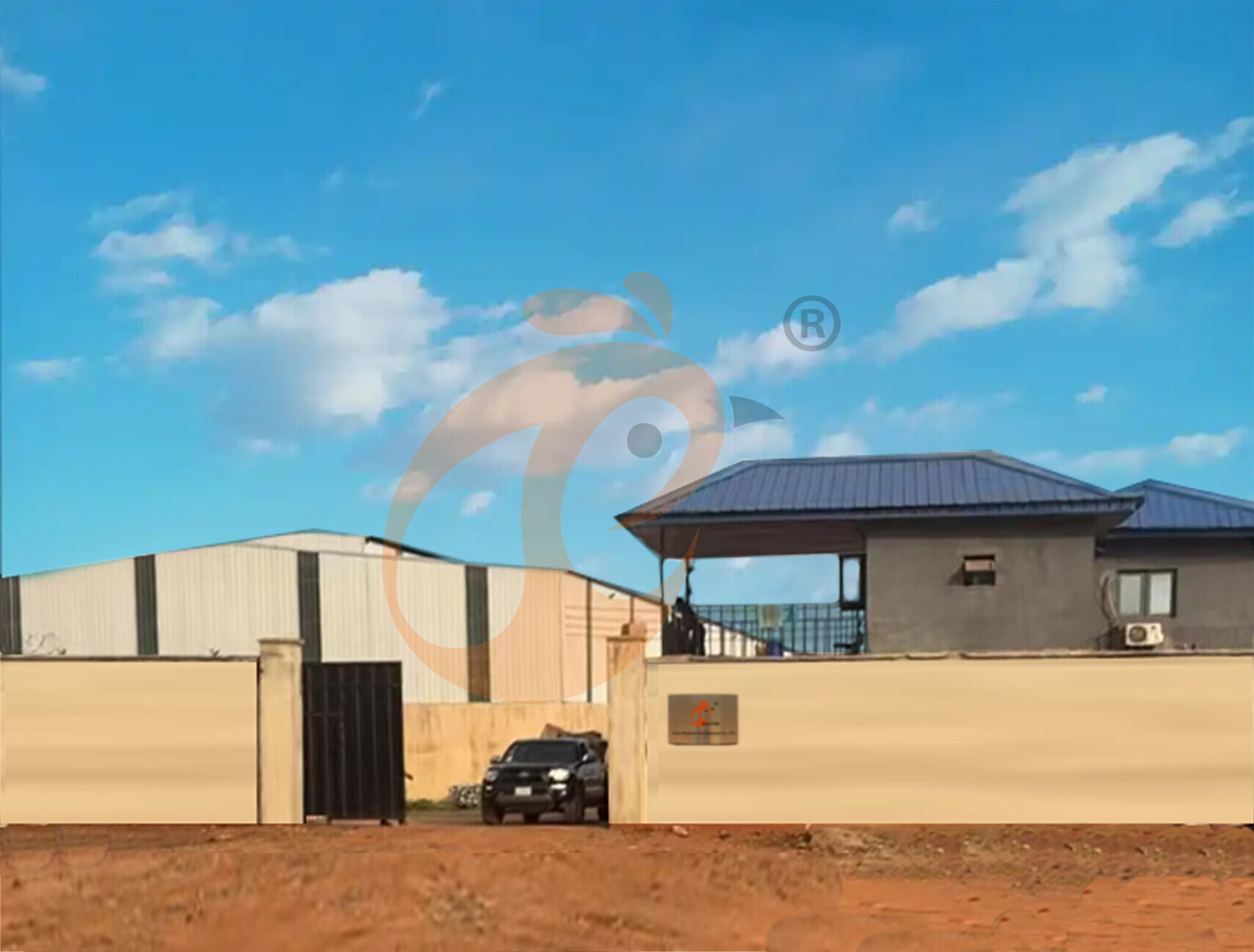
Nigeria Vanke Machinery And Equipment CO., LTD
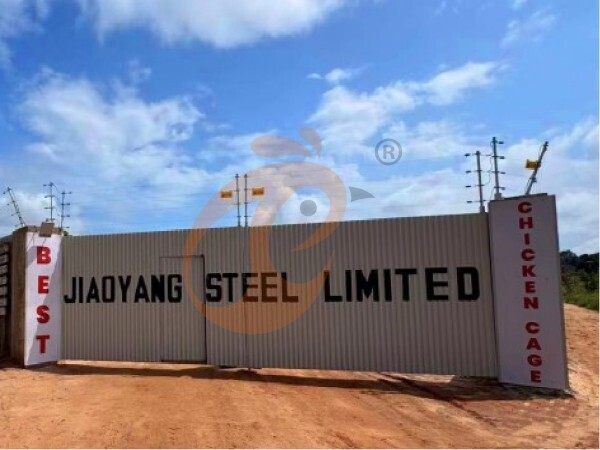
Tanzania Best Machinery And Equipment CO., LTD
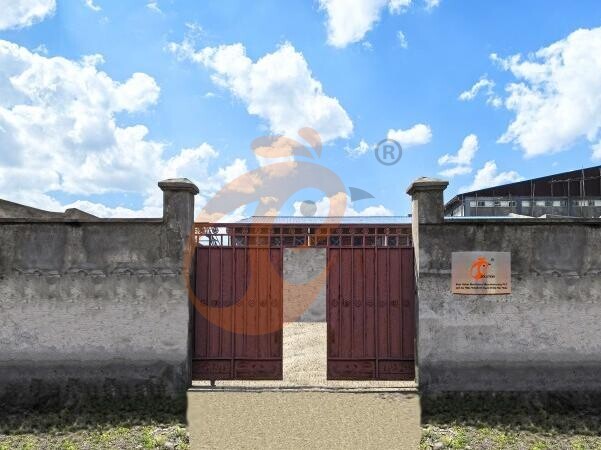
Ethiopia Best Hebei Machinery Manufacturing PLC
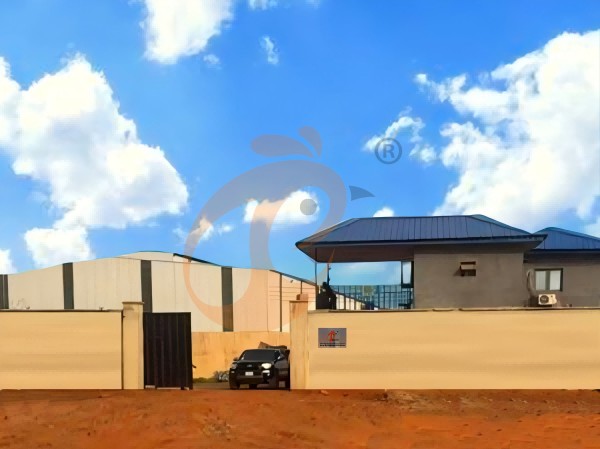
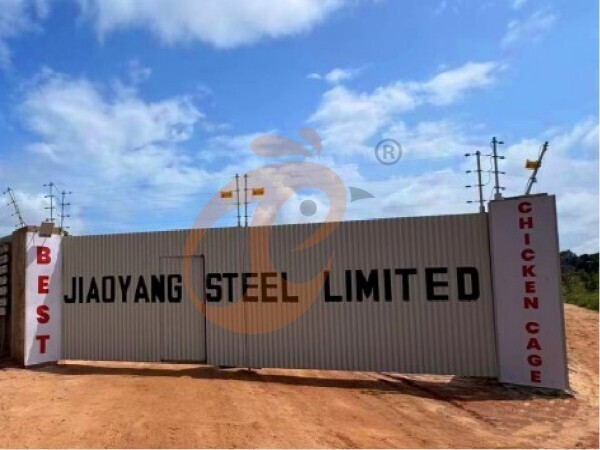
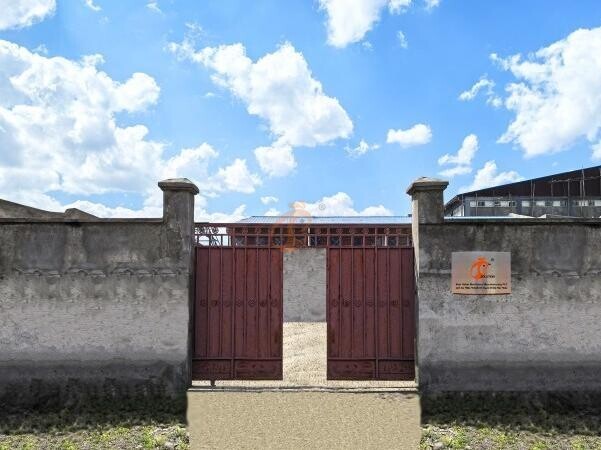
Reception /24 WhatsApp NO. : +8618830120193
FAQ
What Water Quality Requirements Are Necessary For Nipple Drinkers In Poultry Chicken Cage Systems?
Water hardness is maintained within 100–150 mg/L CaCO₃ equivalent for valve protection.
Microbial load is controlled under 100 CFU/mL for safe poultry consumption standards.
What Is The Recommended Stocking Ratio For Nipple Drinkers In Poultry Chicken Cage Systems?
Drinker spacing is typically set at 25–30 cm to reduce competition stress.
Water demand allocation is calculated at 180–220 ml per bird daily in intensive production.
How Is Water Flow Regulated In Nipple Drinkers For Poultry Chicken Cage Farming Systems?
Pressure stability is maintained within 0.18–0.22 MPa across drinking lines.
Drop formation interval is adjusted at 1–2 seconds per activation for efficient intake.
- poultry equipment
- chicken cage
- layer cage
- broiler cage
- poultry farm
- feeding equipment
- poultry farm
- poultry farm construction
- automatic chicken cage
- poultry equipment manufacturer
- automatic poultry equipment
- automatic drinking system
- automatic feeding system
- layer farm
- poultry farmer
- poultry house
- chicken cage system
- poultry house equipment
- poultry house design
- automatic nipple drinkers
- poultry equipment manufacturers
- Ethiopia
- Nigeria
Message
Products recommended
 HK Headquarter Offers EU-standard Poultry Farm Solutions, Manufacture Poultry Farm Equipment1. Continuous communication with the EU and the US
2. China, Nigeria, Ethiopia, Tanzania branch companies and factories
3. The products’ quality is customized for local poultry farms
4. Poultry cage and poultry farm equipment stock for sale
5. 24 online reception Whatsapp NO. : +8618830120193,contact us to get full informationRead More China Branch Offer Poultry Farm Business Plan, Manufacture Poultry Farm Equipment1. Address: Flat/RM 2416, 24/F, Runxing Building, Youyi Nan Street, Shijiazhuang City, Hebei Province, China
2. Poultry cage and poultry farm equipment factory and stock for sale
3. Customized for local poultry farms
4. Quality and design are based on Euro
5. 24 online reception Whatsapp NO. : +8618830120193Read More Nigeria Branch Offer Poultry Farm Business Plan, Manufacture Poultry Farm Equipment1. Address: After Sinoma Office, 200 Meters Near Danco Filling Station, Lagos/Ibadan Expressway, Lagos State, Nigeria
2. Poultry cage and poultry farm equipment factory and stock for sale
3. Customized for Nigerian poultry farms
4. Quality and design are based on Euro
5. 24 online reception Whatsapp NO. : +8618830120193Read More Ethiopia Branch Offer Poultry Farm Business Plan, Manufacture Poultry Farm Equipment1. Address: Gelan Gura, Akaki-kaliti Sub City, Addis Ababa, Ethiopia
2. Poultry cage and poultry farm equipment stock for sale
3. Customized for Ethiopian poultry farms
4. Quality and design are based on Euro
5. 24 online reception Whatsapp NO. : +8618830120193, contact us to get price listRead More Tanzania Branch Offer Poultry Farm Business Plan, Manufacture Poultry Farm Equipment1. Address: No.8, Sova Road, Msufini, Mlandizi, Kibaha, Pwani, Tanzania
2. Poultry cage and poultry farm equipment factory and stock for sale
3. Customized for Tanzanian poultry farms
4. Quality and design are based on Euro
5. 24 online reception Whatsapp NO. : +8618830120193Read More Fully Automatic H Type Layer Chicken Cage1. 30,000-100,000+ layers/house chooses it, Poultry farmers can achieve an egg production rate of 96-98%
2. A significant improvement over the 85-90% typically seen in manual systems
3. A typical poultry farm can expect a 30-40% reduction in labor costs due to the automation
4. Each feeding line efficiently supplies feed to around 100,000 hens per 30 mins
5. Reception /WhatsApp NO. : +8618830120193Read More Fully Automatic A Type Layer Chicken Cage1. 10,000-50,000 layers/house chooses it
2. Cleaner egg collection reduces breakage by 0.5%
3. Improved hygiene helps reduce mortality rate to <3%
4. 1–2 technicians can handle 15,000–30,000 birds
5. Reception /WhatsApp NO. : +8618830120193Read More Semi Automatic H Type Layer Chicken Cage1. 1,00-20,000 layers/house chooses it
2. Nipple drinkers flow 30–60 ML / min
3. Hot-dip galvanized (typical coating ≥ 275 g/m²)
4. Reduce ammonia by ~ 35–40%
5. Reception /WhatsApp NO. : +8618830120193Read More Semi Automatic A Type Layer Chicken Cage1. 1,00-20,000 layers/house chooses it, no rust for 10 years, no deformation for 15 years
2. Chickens live comfortably, you can raise them with peace of mind
3. Save water, save money—efficiency you can measure
4. Improve environment quality, and increase egg production rate
5. Reception /WhatsApp NO. : +8618830120193Read More
By clicking 'Allow All', you agree to the storage of cookies on your device to enhance site navigation, analyze site usage and assist with our marketing efforts.