






Blog
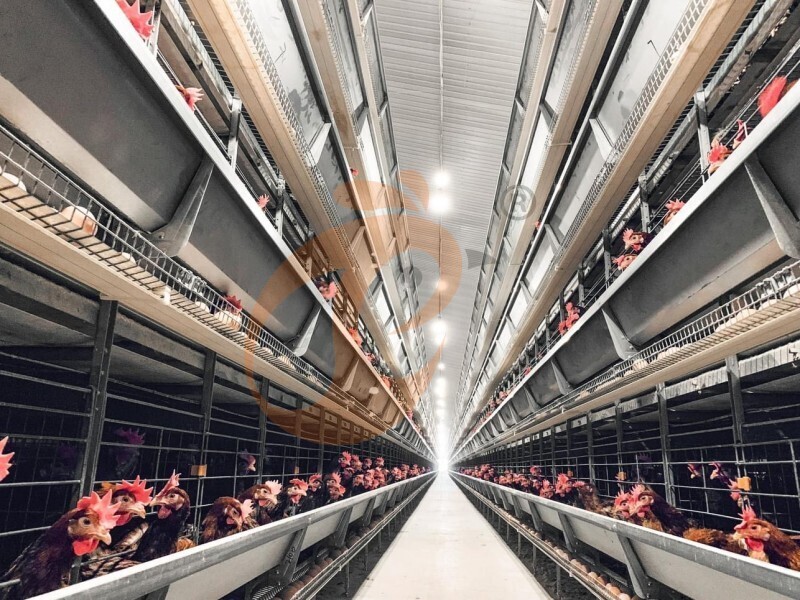
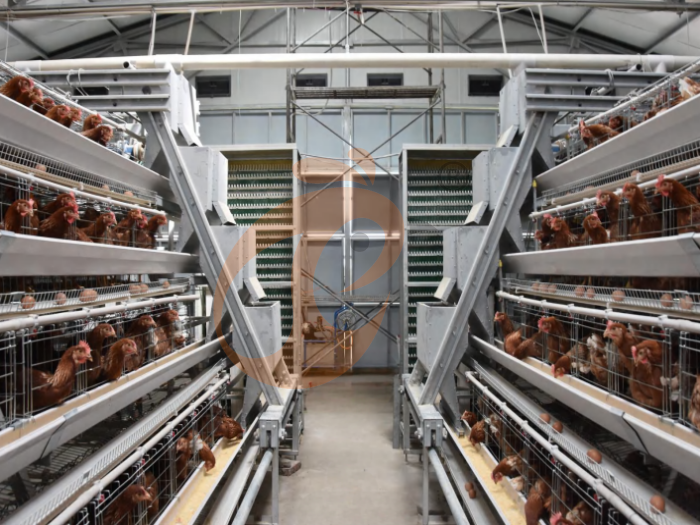
Layer chicken cage feeding system integrates automatic feed delivery structure, precision dosing mechanism, and poultry nutrition control technology.
System performance directly affects egg production rate stability and feed conversion efficiency in commercial farms.
Automatic pan feeder system and chain feeding equipment ensure uniform feed distribution across cage rows.
Feed silo storage system regulates feed freshness, flow consistency, and contamination prevention during long term operation.
Engineering design of poultry cage feeding system reduces feed waste and improves operational cost efficiency.
Get professional poultry farm construction guidance, equipment selection solutions, and the latest price lists, whatsApp to +8618830120193, +2348111199996, or click to learn more.
Cage Feeding System Configuration Overview
Modern poultry housing projects rely on structured feeding automation levels to match flock density, house length, and daily feed demand fluctuations.
Data is for reference only.Swipe horizontally to view full table.
System selection determines feed stability across multi-tier cage structures and directly influences uniform nutrient access.
Automatic Pan Feeding System Product Design
Pan feeding engineering is built around synchronized feed delivery cycles that align with hen activity peaks and cage level consumption behavior.
Data is for reference only.Swipe horizontally to view full table.
System architecture ensures stable feed refill cycles across extended cage rows without interruption in distribution rhythm.
Chain Feeding System Mechanical Structure
Chain driven feed transport is widely applied in long poultry houses requiring synchronized delivery across multiple cage sections.
Data is for reference only.Swipe horizontally to view full table.
Mechanical chain design maintains consistent feed movement velocity, preventing uneven accumulation at terminal cage positions.
Feed Silo Storage and Delivery System
Bulk storage systems stabilize raw feed quality by minimizing exposure time to humidity fluctuations and external contamination sources.
Data is for reference only.Swipe horizontally to view full table.
Integrated silo to line delivery reduces manual handling steps and stabilizes continuous feeding pressure across production cycles.
Feed Distribution Uniformity Control
Distribution precision determines nutrient equality across birds located in different cage positions and reduces intra-flock production variation.
Data is for reference only.Swipe horizontally to view full table.
Improved distribution stability reduces competition behavior and supports balanced feed access across all cage tiers.
Layer Feed Nutritional Precision Formulation
Feed formulation accuracy directly determines metabolic energy conversion efficiency and long-term production sustainability.
Data is for reference only.Swipe horizontally to view full table.
Balanced nutrient formulation supports shell formation consistency and stabilizes egg weight variation across production cycles.
Feed Particle Engineering And Digestion Control
Particle engineering affects digestive enzyme contact surface and regulates nutrient release timing inside the gastrointestinal tract.
Data is for reference only.Swipe horizontally to view full table.
Optimized particle structure reduces selective feeding and enhances uniform nutrient uptake efficiency.
Water Supply Integration System
Water delivery synchronization ensures digestion efficiency and supports stable feed intake rhythm under cage based production conditions.
Data is for reference only.Swipe horizontally to view full table.
Stable hydration network supports consistent feed utilization and reduces metabolic imbalance risk in intensive housing systems.
Feed Conversion Efficiency Analysis
Modern layer chicken cage feeding system achieves feed intake range of 114–115 g/day per hen, supporting stable metabolic energy demand for continuous egg production.
Egg mass conversion efficiency remains in a stable range of 1.97–2.00 kg/kg, indicating balanced nutrient utilization in commercial operations.
When automatic pan feeder system operates with uniform distribution accuracy control, feed delivery deviation can be maintained within ±1.2 g per feeding cycle, improving egg production consistency across cage rows.
Mortality rate can be maintained at 2.2%–2.3% per production cycle under optimized feeding and ventilation coordination.
Egg laying rate remains stable at 94%, supported by controlled feed flow, amino acid balance, and synchronized water supply performance.
Environmental Control And Feeding Synchronization
Temperature regulation system stabilizes poultry house climate within 21.5–21.8°C, ensuring consistent metabolic activity and feed intake rhythm in layer chicken cage systems.
At controlled temperature conditions, daily feed intake variation remains within ±1.8 g per hen, improving production consistency across large-scale flocks.
Ventilation system maintains air exchange efficiency at 6.1–6.2 m³/kg live weight per hour, reducing heat accumulation and keeping ammonia concentration below 12.8 ppm.
This airflow control supports uniform feeding behavior across cage rows and reduces stress-induced production fluctuation in commercial egg farms.
Economic Performance of Feeding System Optimization
Optimized layer chicken cage feeding system improves capital efficiency through measurable reductions in feed waste and labor dependency.
Feed loss reduction reaches annual savings in a 20,000-bird cage farm, directly lowering feed procurement expenditure.
Additional performance improvement includes reduced manual intervention time per bird group, enhancing operational efficiency.
Economic Impact Parameters
Improved feeding precision strengthens cash flow stability and supports long-term profitability in commercial poultry production systems.
Frequently Asked Questions
Q1: How does automatic feeding integration improve uniformity in cage production systems?
A1: Automatic feeding integration coordinates feed release timing with cage-level demand signals, ensuring synchronized distribution across multiple rows.
Feed delivery timing deviation can be controlled within ±1.6 seconds per cycle, improving consistency of intake patterns across production zones.
Q2: What operational function does feed storage and delivery coordination provide in large-scale poultry systems?
A2: Feed storage and delivery coordination stabilizes material flow from bulk storage to feeding lines, reducing interruptions during peak consumption periods.
Auger transport pressure fluctuation is maintained within 0.13–0.17 MPa, supporting stable feed delivery continuity in long poultry houses.
Q3: How does environmental and feeding system synchronization affect laying performance stability?
A3: Environmental and feeding synchronization aligns ventilation response with feeding cycles, reducing behavioral stress during intake periods.
When ammonia concentration is controlled below 12–13 ppm and airflow velocity remains stable, hens maintain more consistent feeding behavior and production rhythm.
Taiyu (HK) Group - One Of China Biggest Automatic Pan Feeder System Manufacturer
Automatic pan feeder system designed for layer chicken cage feeding system integration with precision control mechanism and stable feed delivery performance.
Global factory direct supply of poultry cage system, chain feeding system, and automatic feed line system for commercial layer chicken farming projects.
Turn-key poultry engineering solutions include automatic pan feeder system, feed silo system, and complete poultry cage system installation service support.
Export-ready poultry equipment manufacturing including automatic feed line system, cage feeding system, and customized poultry housing integration structure design.
Large-scale production capacity supports international poultry farm projects with stable delivery of layer chicken cage feeding system equipment solutions.
Contact Us To Received Your Customized Poultry Farm Plan
Headquarters And Branchs
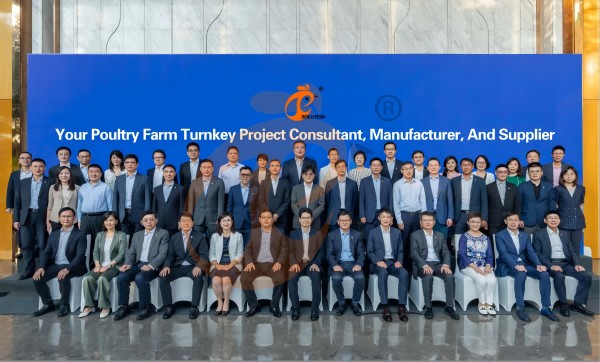
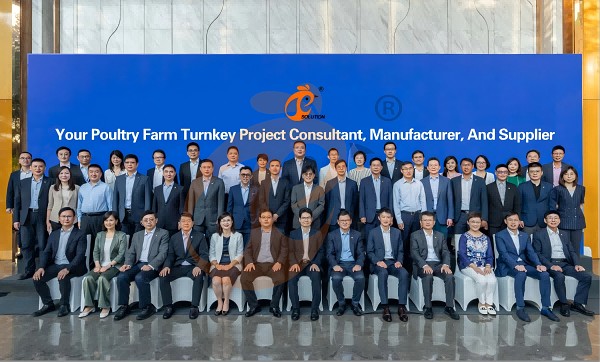
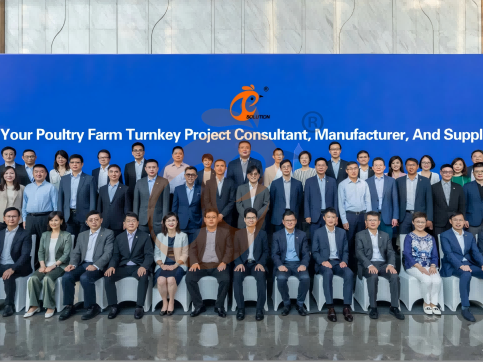
Hong Kong Headquarter Management Team
Hong Kong Headquarter Taiyu Industrial Group CO., LTD
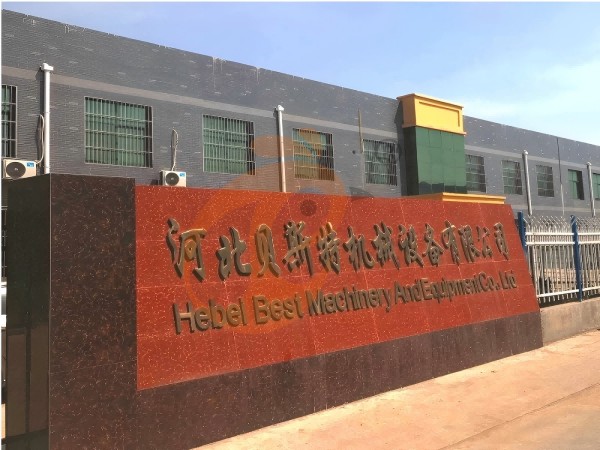
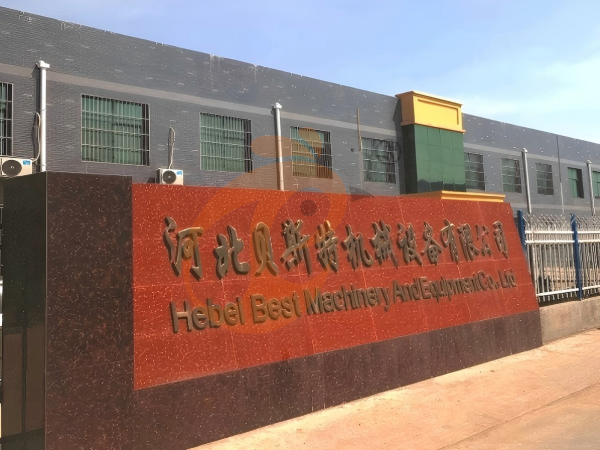
China Hebei Best Machinery And Equipment CO., LTD
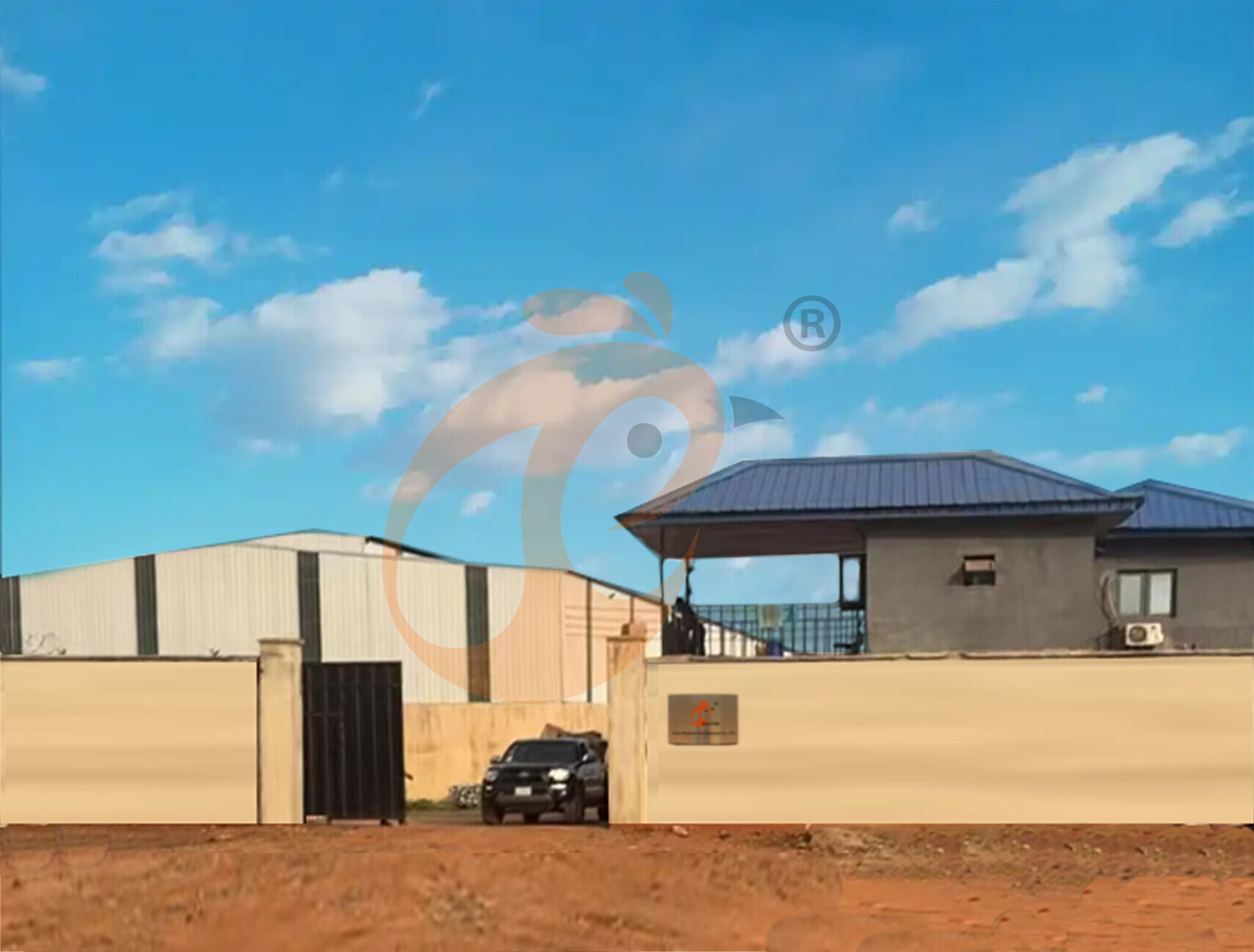
Nigeria Vanke Machinery And Equipment CO., LTD
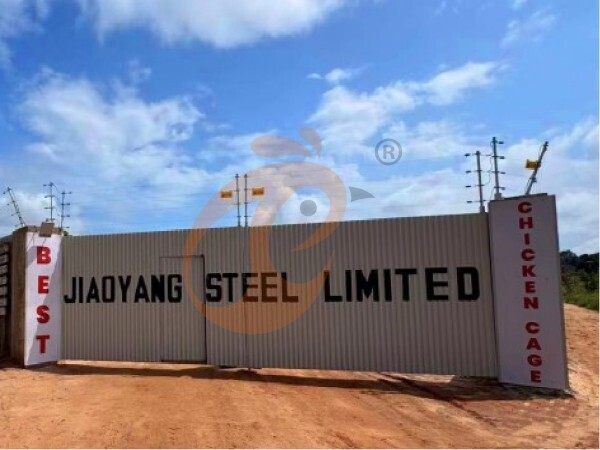
Tanzania Best Machinery And Equipment CO., LTD
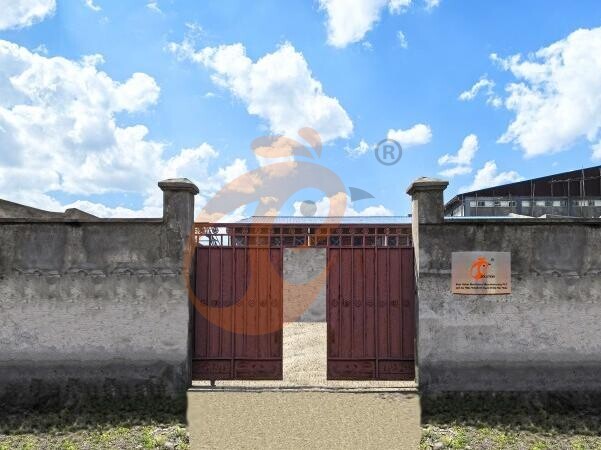
Ethiopia Best Hebei Machinery Manufacturing PLC
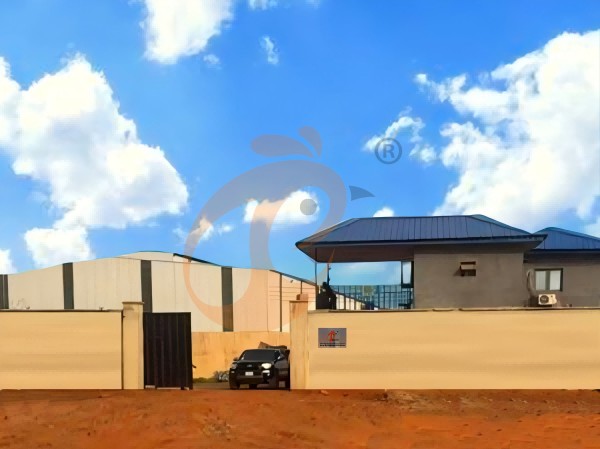
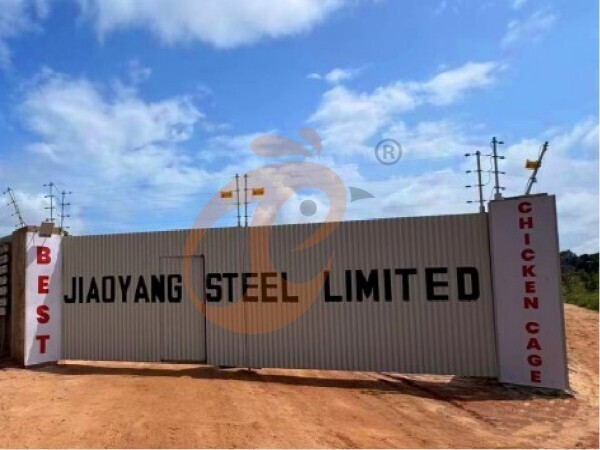
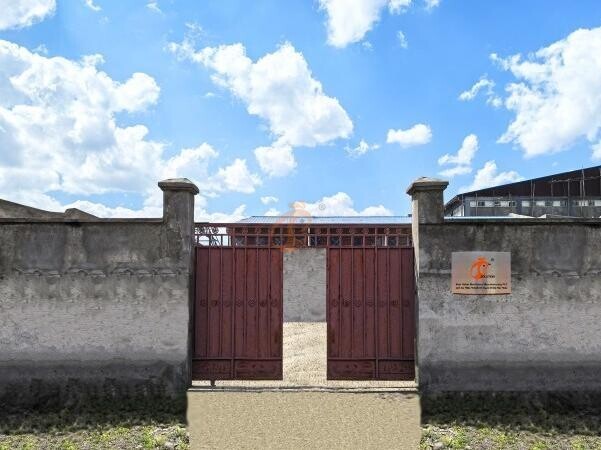
Reception /24 WhatsApp NO. : +8618830120193
FAQ
What Are The Top Recommendations For Egg Quality Management In Battery Cage Systems?
Keep conveyor belts clean to avoid breakage and contamination.
Egg production: 90–98%, breakage rate: 2–3%.
How To Optimize Lighting And Ventilation For Maximum Egg Production In Poultry Cages?
Combine roof exhaust and side-wall intake for ventilation, temperature 18–25℃, humidity 50–70%.
Egg production can reach 90–98%, breakage rate <3%.
How To Implement Advanced Manure Removal Systems In Layer Cage Farms?
Reduces manual labor by 50–70%, maintains house hygiene, and lowers disease risk.
Message
Products recommended
 HK Headquarter Offers EU-standard Poultry Farm Solutions, Manufacture Poultry Farm Equipment1. Continuous communication with the EU and the US
2. China, Nigeria, Ethiopia, Tanzania branch companies and factories
3. The products’ quality is customized for local poultry farms
4. Poultry cage and poultry farm equipment stock for sale
5. 24 online reception Whatsapp NO. : +8618830120193,contact us to get full informationRead More China Branch Offer Poultry Farm Business Plan, Manufacture Poultry Farm Equipment1. Address: Flat/RM 2416, 24/F, Runxing Building, Youyi Nan Street, Shijiazhuang City, Hebei Province, China
2. Poultry cage and poultry farm equipment factory and stock for sale
3. Customized for local poultry farms
4. Quality and design are based on Euro
5. 24 online reception Whatsapp NO. : +8618830120193Read More Nigeria Branch Offer Poultry Farm Business Plan, Manufacture Poultry Farm Equipment1. Address: After Sinoma Office, 200 Meters Near Danco Filling Station, Lagos/Ibadan Expressway, Lagos State, Nigeria
2. Poultry cage and poultry farm equipment factory and stock for sale
3. Customized for Nigerian poultry farms
4. Quality and design are based on Euro
5. 24 online reception Whatsapp NO. : +8618830120193Read More Ethiopia Branch Offer Poultry Farm Business Plan, Manufacture Poultry Farm Equipment1. Address: Gelan Gura, Akaki-kaliti Sub City, Addis Ababa, Ethiopia
2. Poultry cage and poultry farm equipment stock for sale
3. Customized for Ethiopian poultry farms
4. Quality and design are based on Euro
5. 24 online reception Whatsapp NO. : +8618830120193, contact us to get price listRead More Tanzania Branch Offer Poultry Farm Business Plan, Manufacture Poultry Farm Equipment1. Address: No.8, Sova Road, Msufini, Mlandizi, Kibaha, Pwani, Tanzania
2. Poultry cage and poultry farm equipment factory and stock for sale
3. Customized for Tanzanian poultry farms
4. Quality and design are based on Euro
5. 24 online reception Whatsapp NO. : +8618830120193Read More Fully Automatic H Type Layer Chicken Cage1. 30,000-100,000+ layers/house chooses it, Poultry farmers can achieve an egg production rate of 96-98%
2. A significant improvement over the 85-90% typically seen in manual systems
3. A typical poultry farm can expect a 30-40% reduction in labor costs due to the automation
4. Each feeding line efficiently supplies feed to around 100,000 hens per 30 mins
5. Reception /WhatsApp NO. : +8618830120193Read More Fully Automatic A Type Layer Chicken Cage1. 10,000-50,000 layers/house chooses it
2. Cleaner egg collection reduces breakage by 0.5%
3. Improved hygiene helps reduce mortality rate to <3%
4. 1–2 technicians can handle 15,000–30,000 birds
5. Reception /WhatsApp NO. : +8618830120193Read More Semi Automatic H Type Layer Chicken Cage1. 1,00-20,000 layers/house chooses it
2. Nipple drinkers flow 30–60 ML / min
3. Hot-dip galvanized (typical coating ≥ 275 g/m²)
4. Reduce ammonia by ~ 35–40%
5. Reception /WhatsApp NO. : +8618830120193Read More Semi Automatic A Type Layer Chicken Cage1. 1,00-20,000 layers/house chooses it, no rust for 10 years, no deformation for 15 years
2. Chickens live comfortably, you can raise them with peace of mind
3. Save water, save money—efficiency you can measure
4. Improve environment quality, and increase egg production rate
5. Reception /WhatsApp NO. : +8618830120193Read More
By clicking 'Allow All', you agree to the storage of cookies on your device to enhance site navigation, analyze site usage and assist with our marketing efforts.