






Blog
Commercial poultry farming projects require accurate evaluation of layer cage system investment, poultry house engineering configuration, and automation efficiency.
A type battery cage equipment supports high-density laying hen production with controlled feeding management and stable egg collection performance.
Industrial poultry cage systems influence operational lifespan, flock environmental stability, and long term poultry farm profitability.
Automatic chicken cage technology improves labor allocation efficiency, reduces feed waste volume, and stabilizes environmental management inside commercial poultry buildings.
Layer farming equipment selection depends on galvanized steel quality, ventilation coordination, electrical infrastructure, and production capacity targets.
Get professional poultry farm construction guidance, equipment selection solutions, and the latest price lists, whatsApp to +8618830120193, +2348111199996, or click to learn more.
What Is An A-Type Battery Cage System?
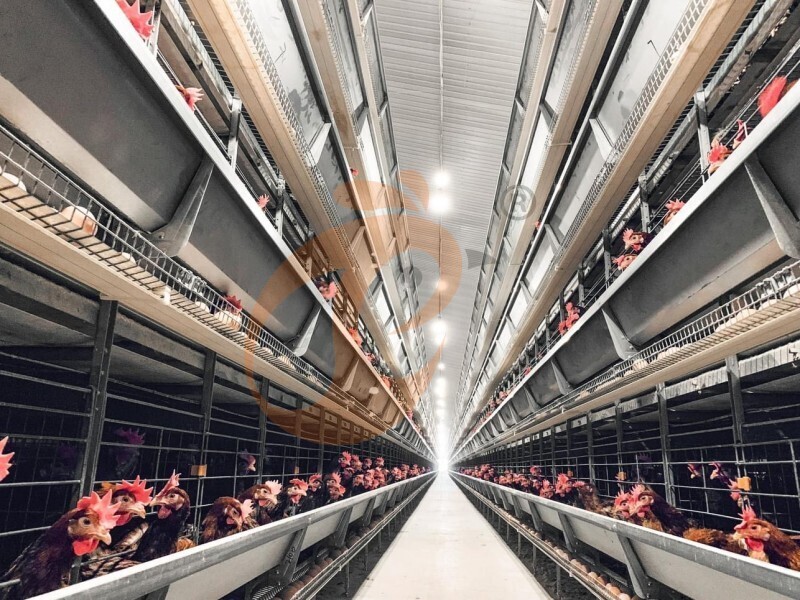
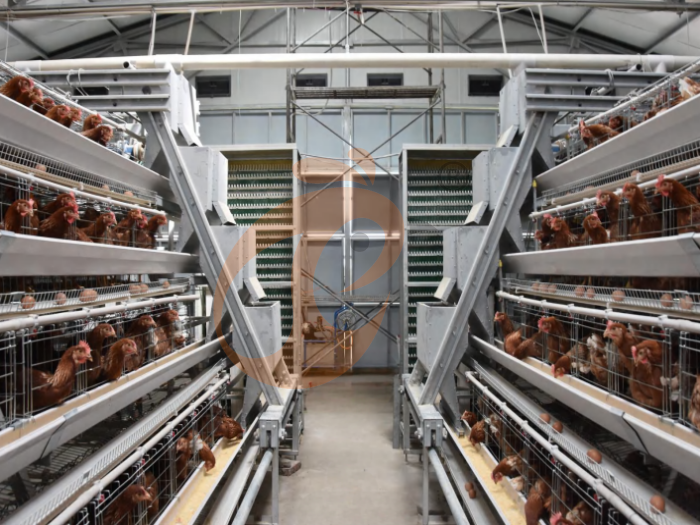
An A-type battery cage uses a triangular steel frame arrangement with multiple vertical tiers for commercial egg production.
The structure improves space utilization, egg rolling efficiency, and ventilation coordination inside poultry houses.
Automatic chicken cage systems are increasingly integrated with poultry farm equipment automation technology for industrial layer farming.
Data is for reference only.Swipe horizontally to view full table.
Modern hot-dip galvanized poultry cages maintain longer corrosion resistance under ammonia-rich poultry environments compared with electro-galvanized systems.
Manual A-Type Battery Cage Systems
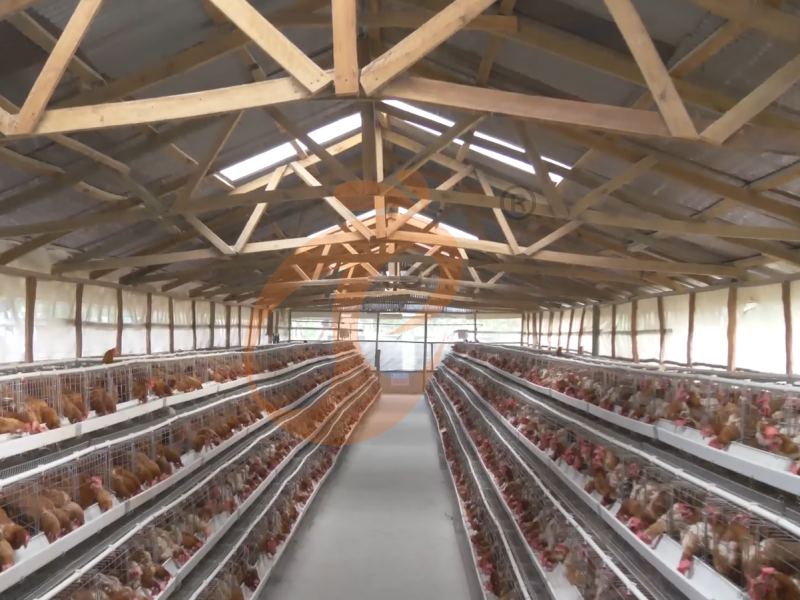
Manual A-type battery cages are commonly selected for small poultry farms with limited startup budgets.
The system includes cage frames, feeding troughs, and nipple drinkers without automatic feeding equipment.
Small layer cage system projects remain popular among rural poultry investors with limited startup capital.
European union standard reference only.
Data is for reference only.Swipe horizontally to view full table.
Manual systems are frequently selected in rural poultry production areas where labor costs remain comparatively lower than industrial markets.
Semi-Automatic A-Type Cage Systems
Semi-automatic systems combine mechanical feeding technology with manual egg collection operations.
The feeding machine distributes feed evenly across poultry rows and reduces feed waste volume.
Layer farming equipment equipped with mechanical feeding systems supports stable feed intake consistency across poultry house layouts.
European union standard reference only.
Data is for reference only.Swipe horizontally to view full table.
Semi-automatic systems can reduce daily labor requirements from 12 workers to 5–7 workers in a 10,000-layer poultry farm.
Fully Automatic A-Type Battery Cage Systems
Fully automatic poultry systems integrate feeding, egg collection, manure removal, and environmental control technologies.
Large poultry farms prefer automated systems because operational consistency and labor efficiency improve significantly.
Modern poultry farm equipment engineering increasingly adopts intelligent environmental monitoring systems for precision poultry production management.
European union standard reference only.
Data is for reference only.Swipe horizontally to view full table.
Fully automatic systems reduce egg breakage rates from approximately 5% to below 2% under stable management conditions.
Large Commercial Poultry Farm Projects
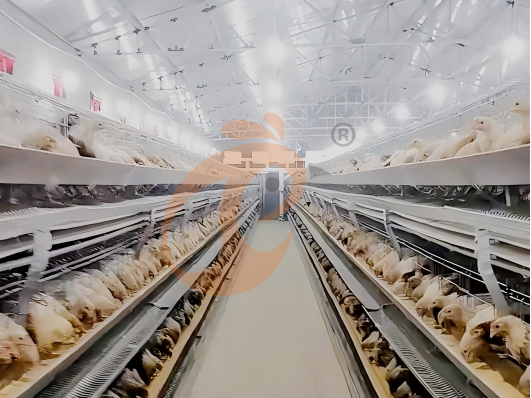
Integrated poultry farm projects combine cage systems with ventilation, electrical, and feeding infrastructure.
Large farms generally purchase complete solutions because centralized engineering improves operational coordination.
Industrial poultry cage engineering requires accurate airflow planning and electrical distribution management.
European union standard reference only.
Data is for reference only.Swipe horizontally to view full table.
Ventilation engineering and electrical infrastructure account for approximately 18–30% of total poultry farm construction cost.
Premium Imported Poultry Cage Systems
Premium poultry cage systems use thicker galvanized steel and intelligent environmental monitoring technology.
Many imported systems include computerized production monitoring platforms for feed and egg production management.
High-capacity automatic chicken cage equipment supports continuous commercial egg production under intensive farming environments.
European union standard reference only.
Data is for reference only.Swipe horizontally to view full table.
Premium systems often maintain stable production performance for more than 20 years under correct maintenance conditions.
Main Factors Affecting A-Type Battery Cage Prices
Steel thickness, galvanizing technology, and automation configuration strongly affect poultry cage pricing.
Transportation distance and poultry house dimensions also influence final procurement budgets.
Poultry farm equipment manufacturers usually adjust specifications according to regional climate conditions.
Data is for reference only.Swipe horizontally to view full table.
Heavy duty galvanized structures generally maintain longer operational lifespan in tropical poultry regions with elevated humidity levels.
Feed Management Advantages Of A-Type Cage Systems
Feed management directly influences poultry farm profitability because feed costs represent a major production expense.
A-type battery cages improve feed utilization by reducing feed scattering and supporting stable feed distribution.
Layer cage system engineering improves feed allocation precision inside intensive poultry farming operations.
Data is for reference only.Swipe horizontally to view full table.
Efficient feed management significantly improves profitability during periods of rising corn and soybean meal prices.
Poultry House Ventilation Requirements
Ventilation engineering stabilizes temperature, humidity, and ammonia concentration inside poultry houses.
Tunnel ventilation systems using exhaust fans and cooling pads are widely installed in tropical climates.
Poultry farm equipment layouts must coordinate airflow direction and cooling pad positioning.
Data is for reference only.Swipe horizontally to view full table.
Environmental instability directly reduces egg production performance and increases disease risk.
Disease Control And Farm Biosecurity
A-type battery cage systems improve biosecurity because birds remain separated from manure accumulation areas.
Cleaner production environments reduce bacterial transmission and internal parasite exposure risks.
Automatic chicken cage structures support cleaner egg collection environments during commercial production cycles.
Data is for reference only.Swipe horizontally to view full table.
Improved hygiene management reduces production interruption risks during large-scale commercial operations.
Science Popularization Why Do Eggs Roll Forward Automatically?
The automatic egg rolling mechanism in A type battery cage systems is based on precision poultry engineering and gravity transmission principles.
The cage floor wire mesh is carefully calibrated to maintain stable rolling speed after egg laying, allowing eggs to move smoothly toward the front collection channel without external mechanical force.
Commercial layer cage systems usually maintain egg travel distances between 18 and 35 centimeters before collection, helping reduce shell collision frequency during daily production cycles.
Scientific cage floor elasticity design also minimizes vibration impact during bird movement, which helps maintain shell integrity and improve Grade A egg output ratio in intensive poultry farms.
Professional poultry farm equipment manufacturers generally control cage wire spacing within specialized engineering tolerances to prevent egg blockage while maintaining stable bird standing comfort during long-term laying periods.
Accurate structural engineering directly affects egg collection efficiency, sanitation management, and commercial poultry farm profitability under high-density production environments.
Electricity Consumption In Automated Poultry Farms
Automation equipment increases electricity demand in poultry production systems.
Ventilation fans generally consume the largest proportion of electrical energy during hot seasons.
Industrial poultry farm equipment projects usually integrate backup generators for emergency environmental control protection.
Data is for reference only.Swipe horizontally to view full table.
Stable electrical supply becomes essential for maintaining environmental control inside intensive poultry houses.
Return On Investment For A-Type Cage Systems
Poultry cage investment profitability depends on egg prices, feed costs, and mortality management.
Semi-automatic systems often achieve faster financial recovery through improved labor efficiency.
Layer farming equipment with automatic feeding systems improves long term operational cost management.
Data is for reference only.Swipe horizontally to view full table.
Stable feed supply chains and effective disease prevention strongly influence long term profitability performance.
Frequently Asked Questions
Q1: What is the average cost of a 10,000 bird A-type battery cage farm?
A1: A 10,000-layer poultry project generally requires USD 25,000–45,000 for cage equipment, ventilation systems, feeding infrastructure, and water supply engineering.
Fully automatic poultry farm equipment increases investment cost but significantly reduces labor requirements and egg breakage rates.
Q2: Which cage material provides longer service life in poultry farms?
A2: Hot-dip galvanized steel cages normally maintain operational lifespan between 15 and 25 years under commercial poultry production environments.
Electro-galvanized structures usually experience faster corrosion under high humidity and ammonia concentration conditions.
Q3: How many birds can a standard A-type cage hold?
Standard layer cage system configurations usually contain 96–160 birds per cage unit depending on tier quantity and cage dimensions.
Commercial poultry buildings often install multiple production rows supporting capacities above 20,000 laying hens.
Taiyu (HK) Group - One Of China Largest A Type Battery Cage Manufacturer
Advanced A type battery cage systems support efficient commercial layer farming management worldwide.
Global factory direct poultry equipment supply reduces procurement costs for industrial poultry investors.
Professional poultry cage engineering supports stable ventilation coordination and automatic feeding efficiency.
Turn key poultry farm construction solutions include installation guidance and environmental control systems.
Commercial layer farming projects benefit from galvanized structures with extended operational lifespan.
Contact Us To Received Your Customized Poultry Farm Plan
Headquarters And Branchs
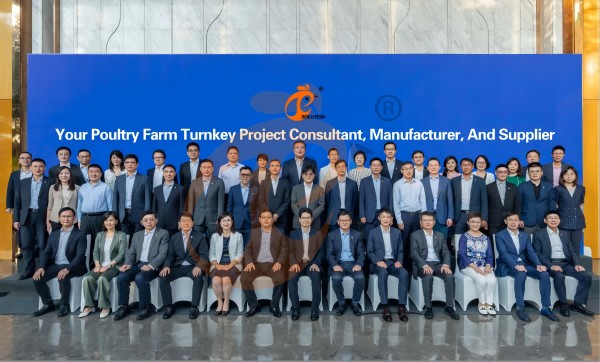
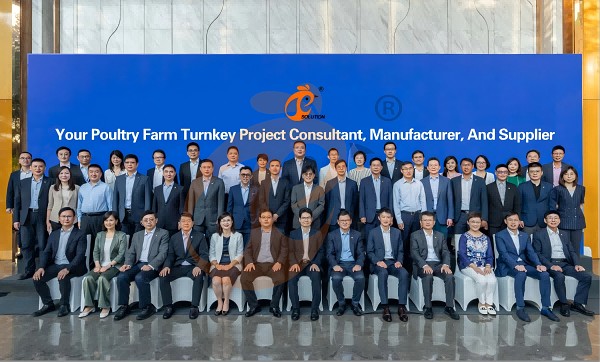
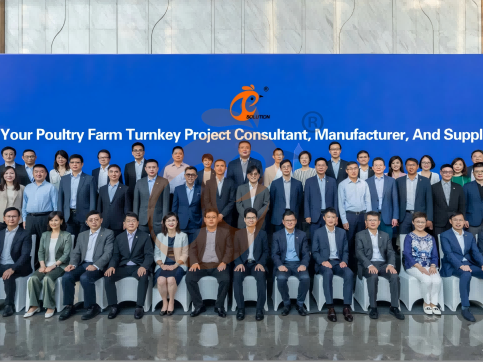
Hong Kong Headquarter Management Team
Hong Kong Headquarter Taiyu Industrial Group CO., LTD
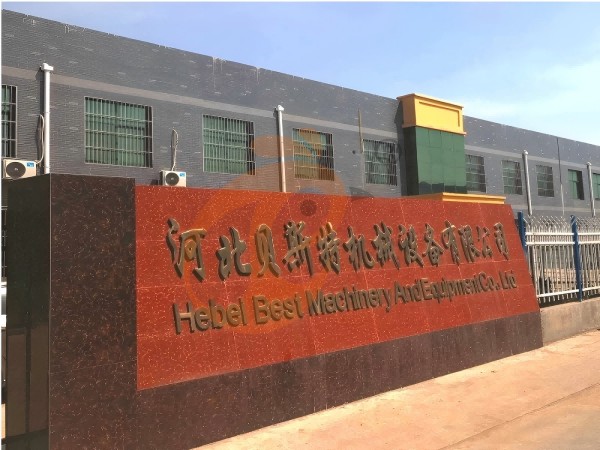
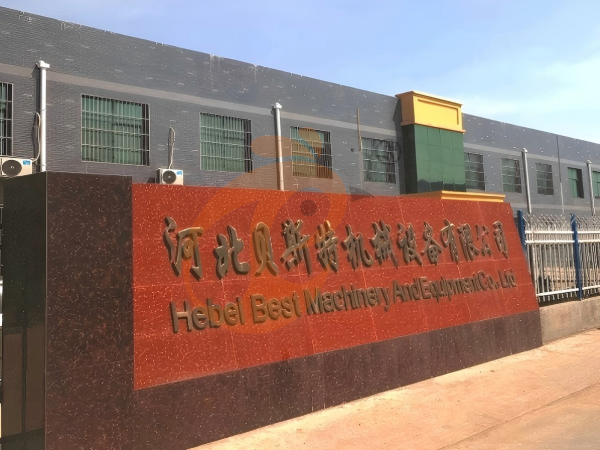
China Hebei Best Machinery And Equipment CO., LTD
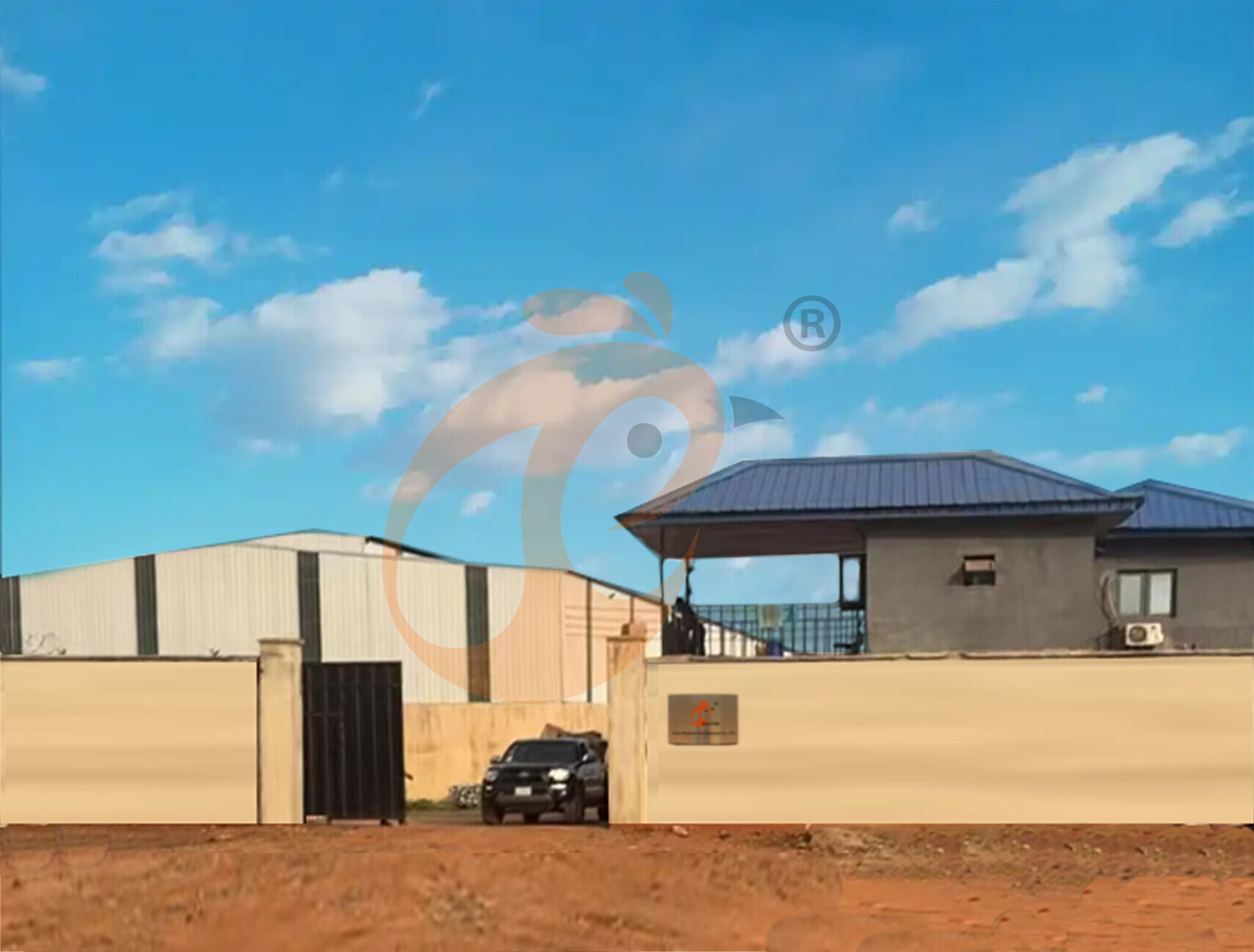
Nigeria Vanke Machinery And Equipment CO., LTD
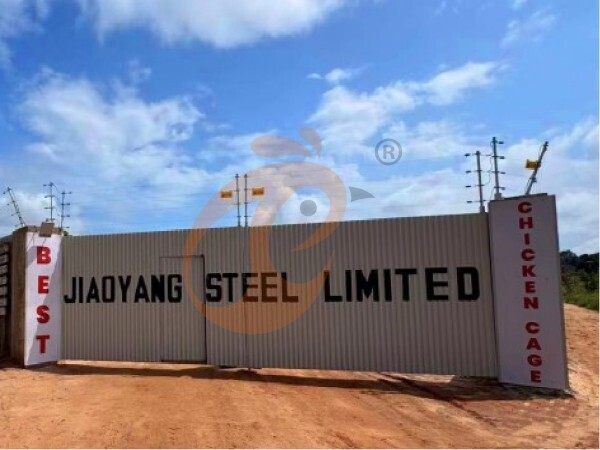
Tanzania Best Machinery And Equipment CO., LTD
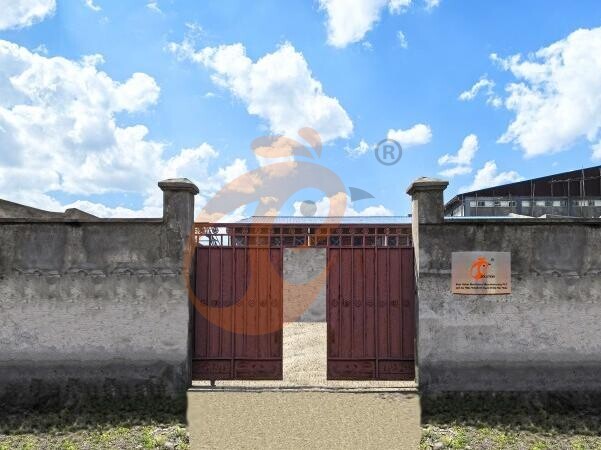
Ethiopia Best Hebei Machinery Manufacturing PLC
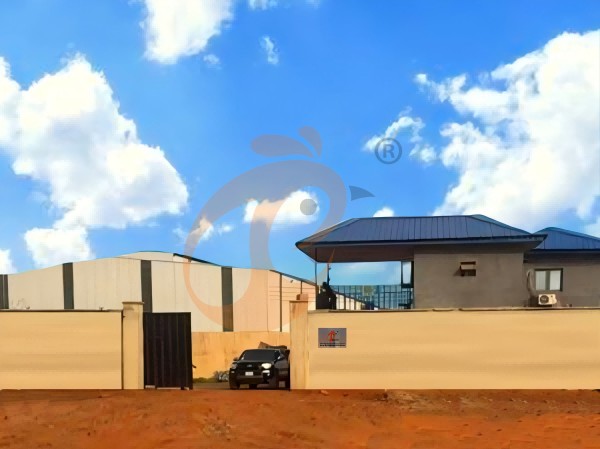
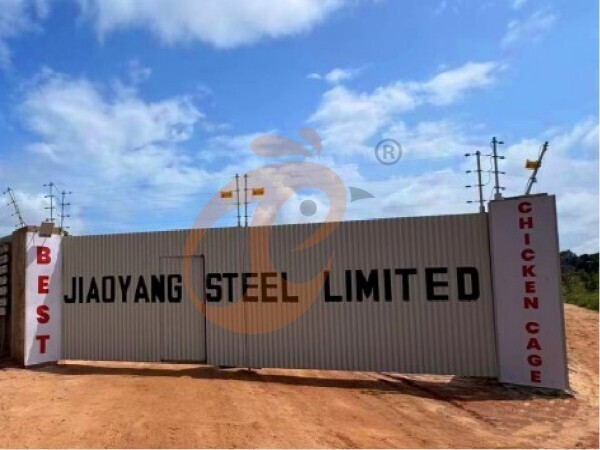
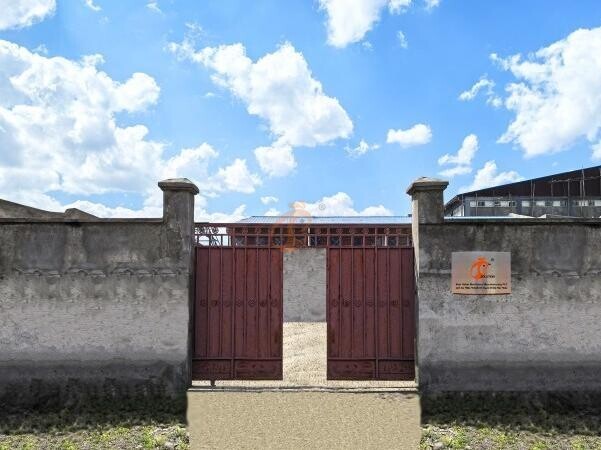
Reception /24 WhatsApp NO. : +8618830120193
FAQ
What Are The Recommended Egg Belt Types For A-Type Poultry Cage System?
Single or double belt options
Egg breakage rate <1%
Daily egg yield: 900–960 eggs/1,000 birds
Labor savings: 50–70%
How To Implement Water Management System In A-Type Chicken Cage Farm?
Ensure uniform water pressure
Egg production rate: 90–96%
FCR: 1.9–2.2
Mortality rate: 2–3%
What Are The Best Cage Materials For A-Type Layer Cage?
Maintain anti-corrosion coating
Lifespan: more than 25 years
Egg production rate: 90–96%
Labor savings: 50–70%
- poultry equipment
- chicken cage
- layer cage
- poultry farm
- feeding equipment
- poultry cage
- battery cage
- poultry farm
- poultry farm equipment
- poultry farm project
- poultry farm construction
- battery cage manufacturer
- battery cage price
- battery cage system
- layer cage system
- automatic chicken cage
- automatic chicken cage system
- chicken cage equipment
- galvanized poultry cage
- battery cage
- automatic feeding system
- deep litter system
- layer farm
- poultry house
- chicken cage system
- chicken cage technology
- poultry farm equipment manufacturer
- automatic poultry farm equipment
- poultry cage system
- automatic poultry farm
- layer farming equipment
- poultry house ventilation
- battery cage cost
- poultry farm construction cost
- automatic feeding equipment
- poultry farm construction solutions
- poultry house ventilation requirements
- automated poultry farm
- poultry house layout
- poultry house dimensions
- Ethiopia
- Nigeria
Message
Products recommended
 HK Headquarter Offers EU-standard Poultry Farm Solutions, Manufacture Poultry Farm Equipment1. Continuous communication with the EU and the US
2. China, Nigeria, Ethiopia, Tanzania branch companies and factories
3. The products’ quality is customized for local poultry farms
4. Poultry cage and poultry farm equipment stock for sale
5. 24 online reception Whatsapp NO. : +8618830120193,contact us to get full informationRead More China Branch Offer Poultry Farm Business Plan, Manufacture Poultry Farm Equipment1. Address: Flat/RM 2416, 24/F, Runxing Building, Youyi Nan Street, Shijiazhuang City, Hebei Province, China
2. Poultry cage and poultry farm equipment factory and stock for sale
3. Customized for local poultry farms
4. Quality and design are based on Euro
5. 24 online reception Whatsapp NO. : +8618830120193Read More Nigeria Branch Offer Poultry Farm Business Plan, Manufacture Poultry Farm Equipment1. Address: After Sinoma Office, 200 Meters Near Danco Filling Station, Lagos/Ibadan Expressway, Lagos State, Nigeria
2. Poultry cage and poultry farm equipment factory and stock for sale
3. Customized for Nigerian poultry farms
4. Quality and design are based on Euro
5. 24 online reception Whatsapp NO. : +8618830120193Read More Ethiopia Branch Offer Poultry Farm Business Plan, Manufacture Poultry Farm Equipment1. Address: Gelan Gura, Akaki-kaliti Sub City, Addis Ababa, Ethiopia
2. Poultry cage and poultry farm equipment stock for sale
3. Customized for Ethiopian poultry farms
4. Quality and design are based on Euro
5. 24 online reception Whatsapp NO. : +8618830120193, contact us to get price listRead More Tanzania Branch Offer Poultry Farm Business Plan, Manufacture Poultry Farm Equipment1. Address: No.8, Sova Road, Msufini, Mlandizi, Kibaha, Pwani, Tanzania
2. Poultry cage and poultry farm equipment factory and stock for sale
3. Customized for Tanzanian poultry farms
4. Quality and design are based on Euro
5. 24 online reception Whatsapp NO. : +8618830120193Read More Fully Automatic H Type Layer Chicken Cage1. 30,000-100,000+ layers/house chooses it, Poultry farmers can achieve an egg production rate of 96-98%
2. A significant improvement over the 85-90% typically seen in manual systems
3. A typical poultry farm can expect a 30-40% reduction in labor costs due to the automation
4. Each feeding line efficiently supplies feed to around 100,000 hens per 30 mins
5. Reception /WhatsApp NO. : +8618830120193Read More Fully Automatic A Type Layer Chicken Cage1. 10,000-50,000 layers/house chooses it
2. Cleaner egg collection reduces breakage by 0.5%
3. Improved hygiene helps reduce mortality rate to <3%
4. 1–2 technicians can handle 15,000–30,000 birds
5. Reception /WhatsApp NO. : +8618830120193Read More Semi Automatic H Type Layer Chicken Cage1. 1,00-20,000 layers/house chooses it
2. Nipple drinkers flow 30–60 ML / min
3. Hot-dip galvanized (typical coating ≥ 275 g/m²)
4. Reduce ammonia by ~ 35–40%
5. Reception /WhatsApp NO. : +8618830120193Read More Semi Automatic A Type Layer Chicken Cage1. 1,00-20,000 layers/house chooses it, no rust for 10 years, no deformation for 15 years
2. Chickens live comfortably, you can raise them with peace of mind
3. Save water, save money—efficiency you can measure
4. Improve environment quality, and increase egg production rate
5. Reception /WhatsApp NO. : +8618830120193Read More
By clicking 'Allow All', you agree to the storage of cookies on your device to enhance site navigation, analyze site usage and assist with our marketing efforts.