






Blog
Automatic feed mixers improve poultry feed consistency, ingredient distribution accuracy, production efficiency, energy utilization, and long-term poultry maintenance stability.
Poultry feed processing systems support broiler farms, layer farms, breeder farms, and integrated poultry projects through automated feed mixing operations.
Commercial poultry farming equipment reduces labor requirements, minimizes feed waste, improves flock uniformity, and stabilizes daily feeding management.
Feed mixer machines combined with automatic feeding systems increase feed transportation efficiency and biosecurity control inside poultry houses.
Modern poultry feed machinery supports large-scale chicken farming operations requiring continuous feed production and controlled nutritional management throughout annual production cycles.
Get professional poultry farm construction guidance, equipment selection solutions, and the latest price lists, whatsApp to +8618830120193, +2348111199996, or click to learn more.
Automatic Feed Mixers In Commercial Poultry Farming
Automatic feed mixers are specialized poultry feed machinery designed for blending corn powder, soybean meal, wheat bran, fish meal, premixes, calcium powder, and nutritional additives evenly before poultry feeding operations.
Poultry feed processing systems normally include feed crushers, screw conveyors, ribbon mixers, paddle mixers, storage silos, and automatic discharge systems.
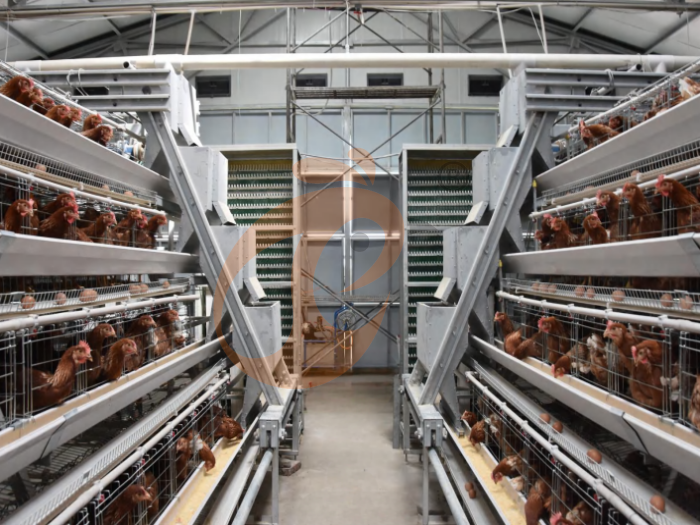
Modern poultry farms increasingly combine automatic feed mixers with poultry feeding systems, feed storage silos, poultry cage systems, feed conveyor equipment, and poultry farm automation controls.
Commercial poultry feed mixers help stabilize feed conversion ratio, bird growth uniformity, egg production consistency, and poultry health performance.
Data is for reference only.Swipe horizontally to view full table.
Correct Capacity Selection For Poultry Feed Mixers
Proper feed mixer capacity selection directly affects poultry farm operating efficiency.
Small feed mixers operating continuously for excessive hours often experience higher bearing wear and increased motor temperature.
Oversized poultry feed equipment increases electricity consumption and unnecessary investment expenses.
Poultry equipment expansion planning remains important because many chicken farms increase production capacity within two to three years.
Data is for reference only.Swipe horizontally to view full table.
Feed Mixing Uniformity And Poultry Performance
Feed mixing uniformity strongly influences poultry growth performance and nutritional stability.
Uneven feed distribution often causes body weight inconsistency, slower broiler growth, unstable eggshell thickness, and fluctuating feed conversion ratios.
Automatic feed mixers equipped with ribbon or paddle mixing systems usually achieve accurate ingredient distribution during commercial poultry production.
Uniform vitamin and mineral distribution becomes especially important in commercial poultry operations containing large bird populations.
Data is for reference only.Swipe horizontally to view full table.
Poultry Nutrition Science And Feed Consistency
Broiler chickens consume feed multiple times daily during rapid growth periods.
Layer chickens require balanced calcium and protein intake for stable egg production cycles.
Automatic feed mixers help maintain consistent nutritional intake through uniform feed particle distribution.
Commercial poultry feed machinery helps reduce nutritional fluctuation inside high-density poultry farming environments.
Energy Consumption In Poultry Feed Processing Systems
Electricity consumption significantly affects poultry farm operational costs.
Feed mixers operating continuously throughout production cycles require efficient motor systems and stable transmission structures.
Copper-core motors remain widely preferred because of lower heat generation, stable operating speed, reduced power fluctuation, and longer operating lifespan.
European union standard reference only.
Data is for reference only.Swipe horizontally to view full table.
Maintenance Requirements For Long-Term Poultry Operations
Long-term poultry maintenance requires stable poultry equipment operation throughout multiple production cycles.
Automatic feed mixers operating under dusty or humid farm conditions require scheduled maintenance management.
Large poultry projects normally perform maintenance inspections during poultry flock transition periods to reduce operational interruptions.
Data is for reference only.Swipe horizontally to view full table.
Poultry Feed Ingredients And Moisture Management
Feed ingredient quality directly influences automatic feed mixer performance.
Wet feed materials frequently create feed clumping, bacterial contamination, nutrient deterioration, and discharge blockage.
Commercial poultry farms often install feed storage silos connected directly to automatic feed mixers to improve ingredient hygiene and transportation efficiency.
Data is for reference only.Swipe horizontally to view full table.
Automatic Feeding Systems And Poultry Farm Automation
Automatic feed mixers increasingly operate together with poultry feeding systems, poultry cage equipment, feed augers, chain feeding lines, and feed conveyor systems.
Integrated poultry feeding systems improve poultry house cleanliness, feed transportation efficiency, operational management stability, and biosecurity conditions inside commercial poultry farms.
Data is for reference only.Swipe horizontally to view full table.
Feed Particle Size And Poultry Digestion Efficiency
Feed particle size significantly influences poultry digestion performance.
Extremely fine poultry feed creates excessive dust, while oversized particles reduce nutrient absorption efficiency.
Automatic feed mixers help maintain stable feed texture after feed grinding and blending operations.
Uniform feed particle structure also reduces ingredient separation during feed transportation processes.
Biosecurity Management Inside Feed Mixing Systems
Feed contamination remains a major disease transmission source in poultry farming operations.
Rodents, insects, moisture, mold spores, and bacteria may enter poultry feed systems if feed processing equipment lacks proper sanitation management.
Automatic feed mixers equipped with sealed structures and stainless steel contact surfaces help improve feed hygiene conditions.
Commercial poultry farms often disinfect feed processing rooms weekly while operating ventilation systems to reduce dust concentration.
FIFO feed storage management also helps reduce nutrient deterioration and mold development during long-term poultry production cycles.
Data is for reference only.Swipe horizontally to view full table.
Global Demand For Poultry Feed Machinery
Global poultry meat and egg consumption continue increasing annually, driving strong demand for poultry feed machinery and automatic feed mixers.
Commercial poultry farming companies increasingly invest in automated feed processing systems supporting stable poultry production and reduced labor dependence.
Modern poultry feed plants commonly include feed crushers, poultry feed mixers, pellet machines, feed cooling systems, automatic packing machines, feed storage silos, and conveyor systems.
Small poultry farms usually select compact vertical feed mixers requiring lower installation space and reduced initial investment costs.
European union standard reference only.
Data is for reference only.Swipe horizontally to view full table.
Frequently Asked Questions
Q1: What is the suitable automatic feed mixer capacity for a 20,000 bird poultry farm?
A1: Commercial poultry farms require stable poultry feed processing systems supporting continuous feed production and efficient ingredient distribution during daily feeding operations.
Q2: How long does an automatic feed mixer normally operate before major maintenance?
A2: Commercial poultry feed mixers operating under scheduled maintenance management usually maintain stable long-term operational performance in high-density poultry production environments.
Q3: Can automatic feed mixers reduce poultry feed waste?
A3: Automatic feed mixers combined with poultry feeding systems help improve feed distribution accuracy, feeding consistency, and poultry farm operational management.
Taiyu (HK) Group - One Of China Biggest Automatic Feed Mixers Manufacturer
Automatic feed mixers support poultry feed blending, transportation, and continuous poultry nutrition management
Global factory direct poultry equipment supply supports commercial chicken farming project installation
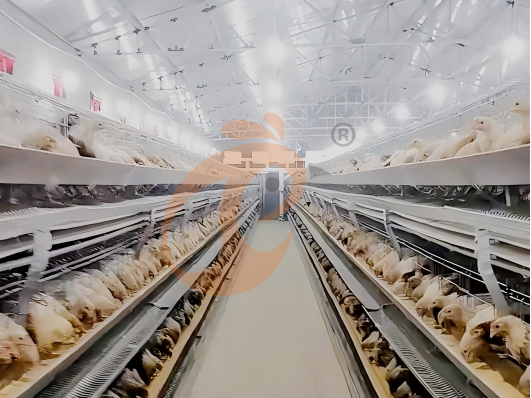
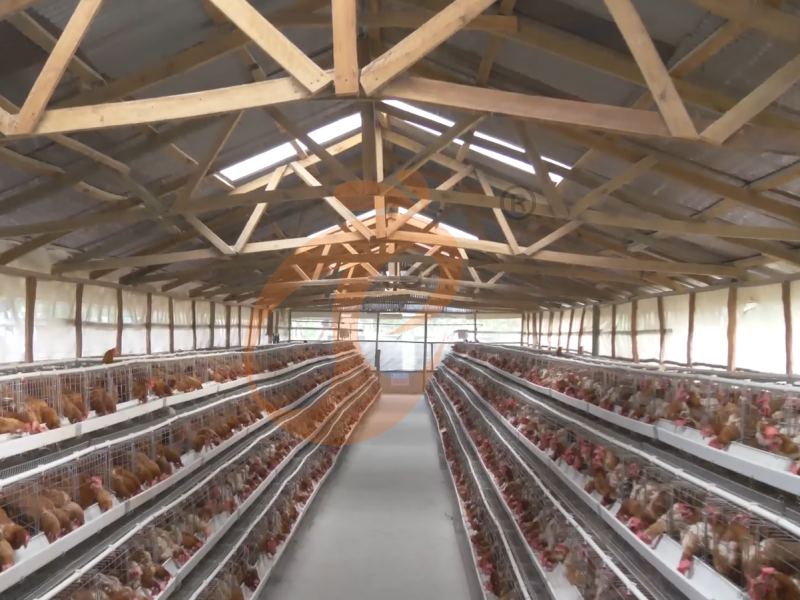
Poultry cage systems include broiler cage, layer cage, and breeder chicken housing equipment
Turn key poultry farm engineering supports automatic feeding, drinking, ventilation, and manure systems
International poultry machinery export services support Africa, Asia, Middle East, and South America markets
Contact Us To Received Your Customized Poultry Farm Plan
Headquarters And Branchs
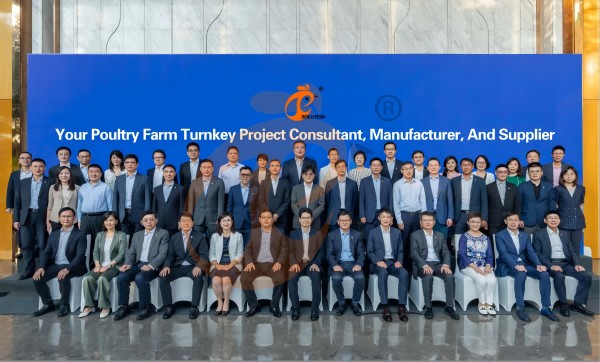
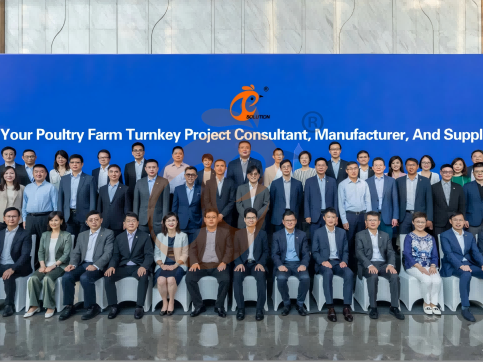
Hong Kong Headquarter Management Team
Hong Kong Headquarter Taiyu Industrial Group CO., LTD
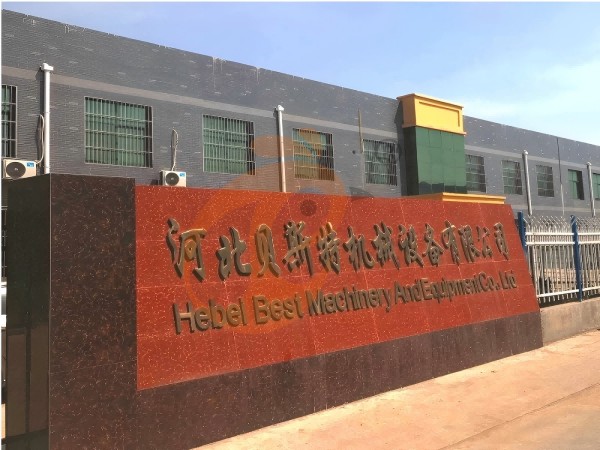
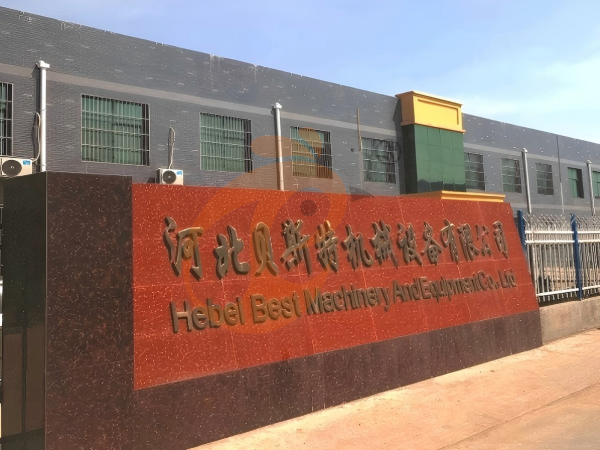
China Hebei Best Machinery And Equipment CO., LTD
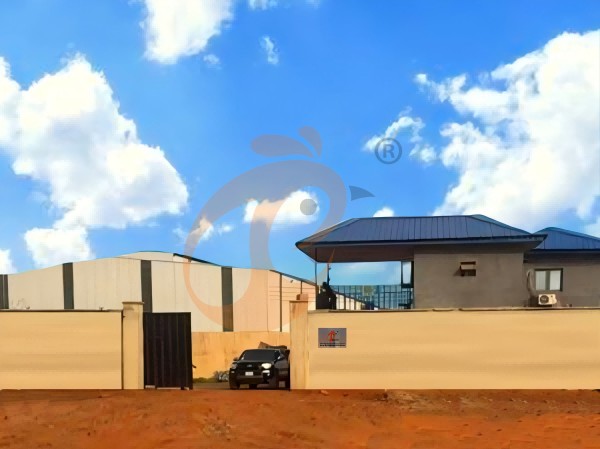
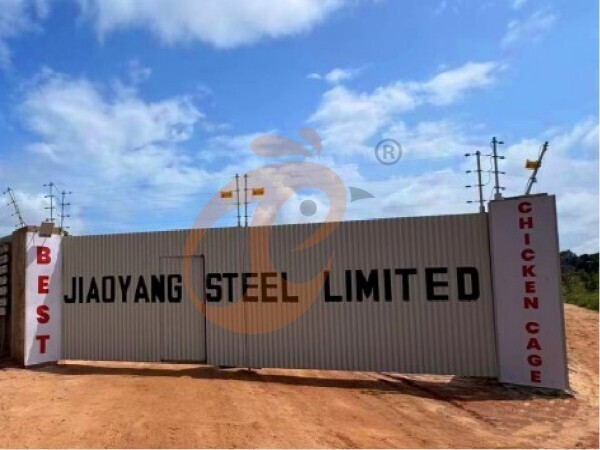
Nigeria Vanke Machinery And Equipment CO., LTD
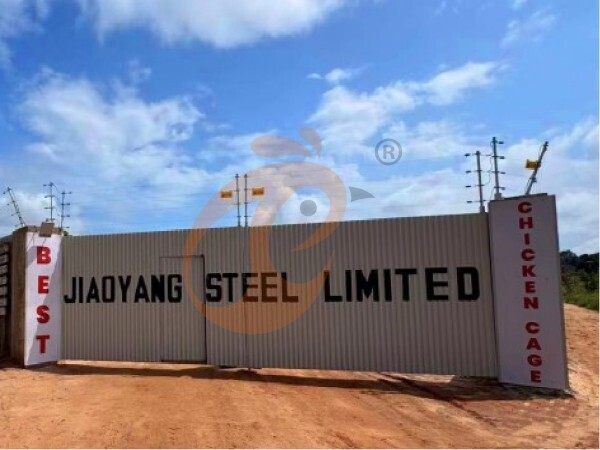
Tanzania Best Machinery And Equipment CO., LTD
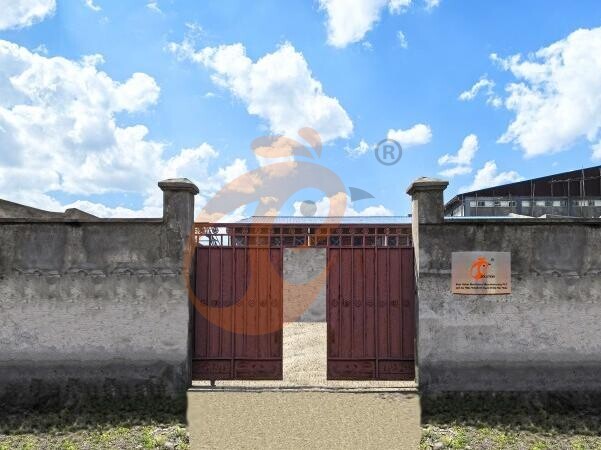
Ethiopia Best Hebei Machinery Manufacturing PLC

Reception /24 WhatsApp NO. : +8618830120193
FAQ
What Is The Typical Capacity Range Of Feed Mill Systems In Poultry Chicken Production?
Medium systems operate at 5–10 tons per hour for commercial poultry complexes above 50,000 birds.
Large industrial mills reach 15–25 tons per hour for integrated feed supply chains.
What Are The Key Mixing Uniformity Standards In Feed Mixer Systems For Poultry Chicken Feed?
Horizontal mixers maintain batch consistency within 3–6 minutes per cycle for complete ingredient integration.
Riboflavin tracer tests confirm homogeneity above 90% for high-performance poultry feed formulation.
What Grinding Particle Size Is Required In Feed Mill Systems For Poultry Chicken Diets?
Grower feed is processed to 1.5–2.0 mm to balance energy intake and gut development.
Finisher feed targets 2.5–3.0 mm to optimize feed conversion rate in broiler production cycles.
- poultry equipment
- layer cage
- broiler cage
- poultry farm
- poultry cage
- poultry farm
- poultry farm construction
- poultry cage equipment
- poultry feeding system
- automatic feeding system
- layer farm
- broiler farm
- chicken farm
- poultry house
- poultry farm automation
- poultry cage system
- poultry farming equipment
- poultry feed equipment
- Ethiopia
- Nigeria
Message
Products recommended
 HK Headquarter Offers EU-standard Poultry Farm Solutions, Manufacture Poultry Farm Equipment1. Continuous communication with the EU and the US
2. China, Nigeria, Ethiopia, Tanzania branch companies and factories
3. The products’ quality is customized for local poultry farms
4. Poultry cage and poultry farm equipment stock for sale
5. 24 online reception Whatsapp NO. : +8618830120193,contact us to get full informationRead More China Branch Offer Poultry Farm Business Plan, Manufacture Poultry Farm Equipment1. Address: Flat/RM 2416, 24/F, Runxing Building, Youyi Nan Street, Shijiazhuang City, Hebei Province, China
2. Poultry cage and poultry farm equipment factory and stock for sale
3. Customized for local poultry farms
4. Quality and design are based on Euro
5. 24 online reception Whatsapp NO. : +8618830120193Read More Nigeria Branch Offer Poultry Farm Business Plan, Manufacture Poultry Farm Equipment1. Address: After Sinoma Office, 200 Meters Near Danco Filling Station, Lagos/Ibadan Expressway, Lagos State, Nigeria
2. Poultry cage and poultry farm equipment factory and stock for sale
3. Customized for Nigerian poultry farms
4. Quality and design are based on Euro
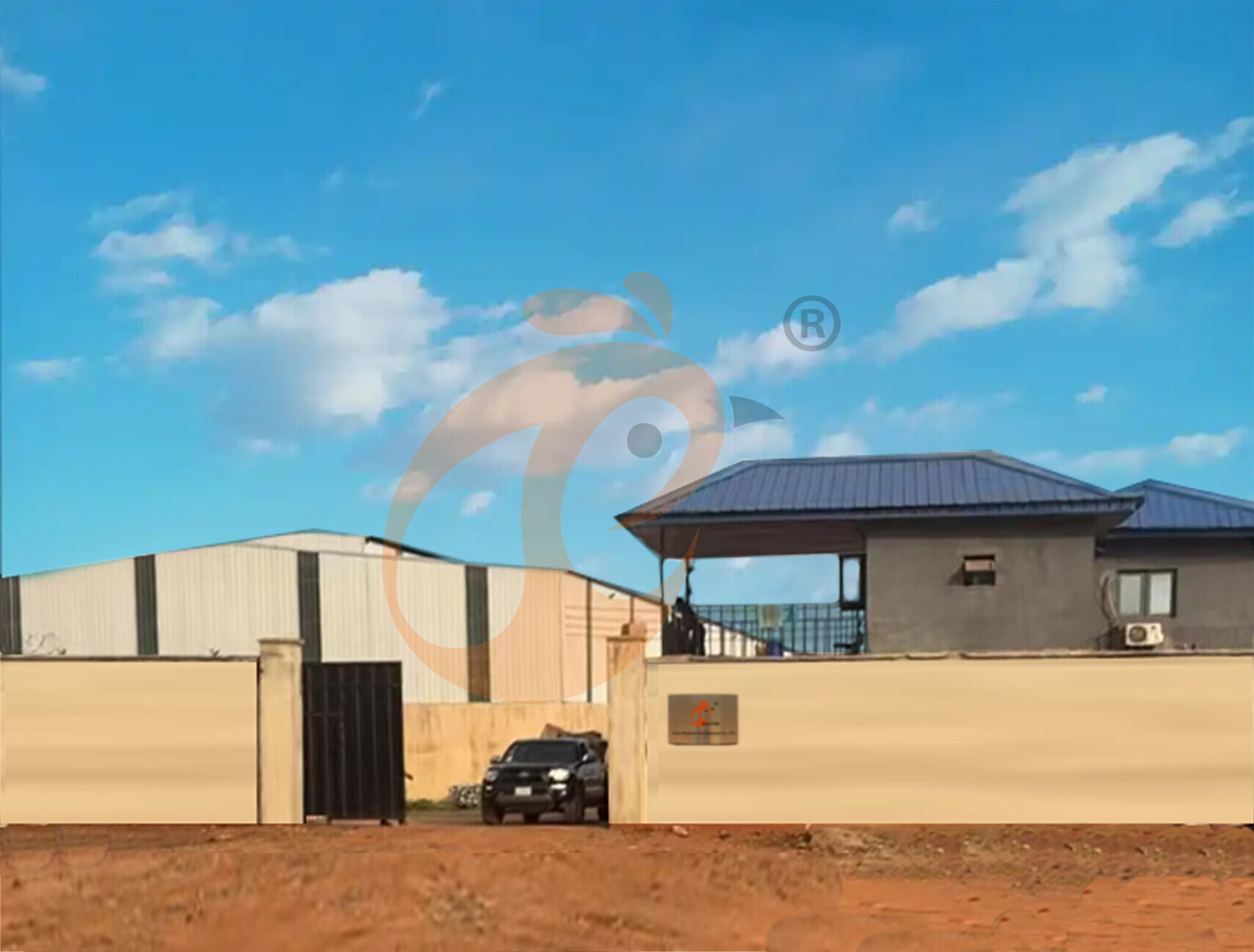
5. 24 online reception Whatsapp NO. : +8618830120193Read More Ethiopia Branch Offer Poultry Farm Business Plan, Manufacture Poultry Farm Equipment1. Address: Gelan Gura, Akaki-kaliti Sub City, Addis Ababa, Ethiopia
2. Poultry cage and poultry farm equipment stock for sale
3. Customized for Ethiopian poultry farms
4. Quality and design are based on Euro
5. 24 online reception Whatsapp NO. : +8618830120193, contact us to get price listRead More Tanzania Branch Offer Poultry Farm Business Plan, Manufacture Poultry Farm Equipment1. Address: No.8, Sova Road, Msufini, Mlandizi, Kibaha, Pwani, Tanzania
2. Poultry cage and poultry farm equipment factory and stock for sale
3. Customized for Tanzanian poultry farms
4. Quality and design are based on Euro
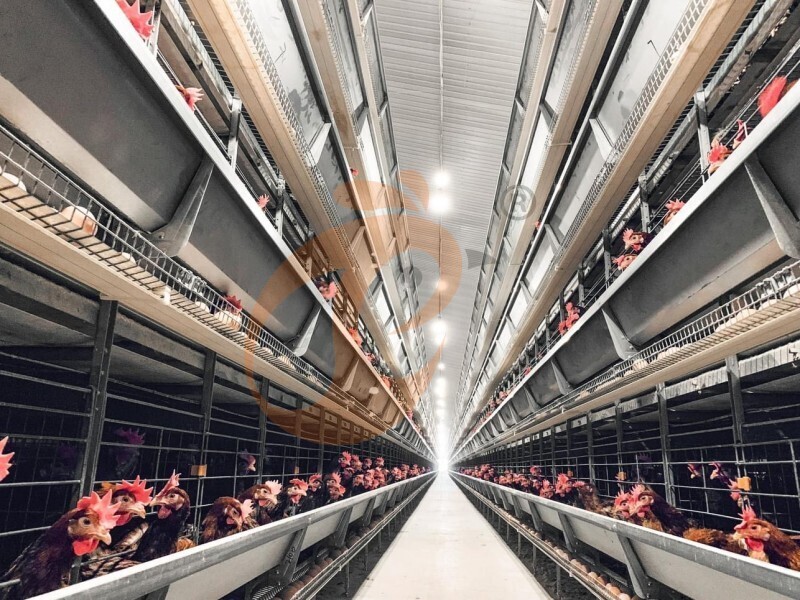
5. 24 online reception Whatsapp NO. : +8618830120193Read More Fully Automatic H Type Layer Chicken Cage1. 30,000-100,000+ layers/house chooses it, Poultry farmers can achieve an egg production rate of 96-98%
2. A significant improvement over the 85-90% typically seen in manual systems
3. A typical poultry farm can expect a 30-40% reduction in labor costs due to the automation
4. Each feeding line efficiently supplies feed to around 100,000 hens per 30 mins
5. Reception /WhatsApp NO. : +8618830120193Read More Fully Automatic A Type Layer Chicken Cage1. 10,000-50,000 layers/house chooses it
2. Cleaner egg collection reduces breakage by 0.5%
3. Improved hygiene helps reduce mortality rate to <3%
4. 1–2 technicians can handle 15,000–30,000 birds
5. Reception /WhatsApp NO. : +8618830120193Read More Semi Automatic H Type Layer Chicken Cage1. 1,00-20,000 layers/house chooses it
2. Nipple drinkers flow 30–60 ML / min
3. Hot-dip galvanized (typical coating ≥ 275 g/m²)
4. Reduce ammonia by ~ 35–40%
5. Reception /WhatsApp NO. : +8618830120193Read More Semi Automatic A Type Layer Chicken Cage1. 1,00-20,000 layers/house chooses it, no rust for 10 years, no deformation for 15 years
2. Chickens live comfortably, you can raise them with peace of mind
3. Save water, save money—efficiency you can measure
4. Improve environment quality, and increase egg production rate
5. Reception /WhatsApp NO. : +8618830120193Read More
By clicking 'Allow All', you agree to the storage of cookies on your device to enhance site navigation, analyze site usage and assist with our marketing efforts.