


Blog
A-type chicken cage helps Ethiopian farmers increase egg production efficiently.
Designed for small and medium poultry farms, reducing feed waste and costs.
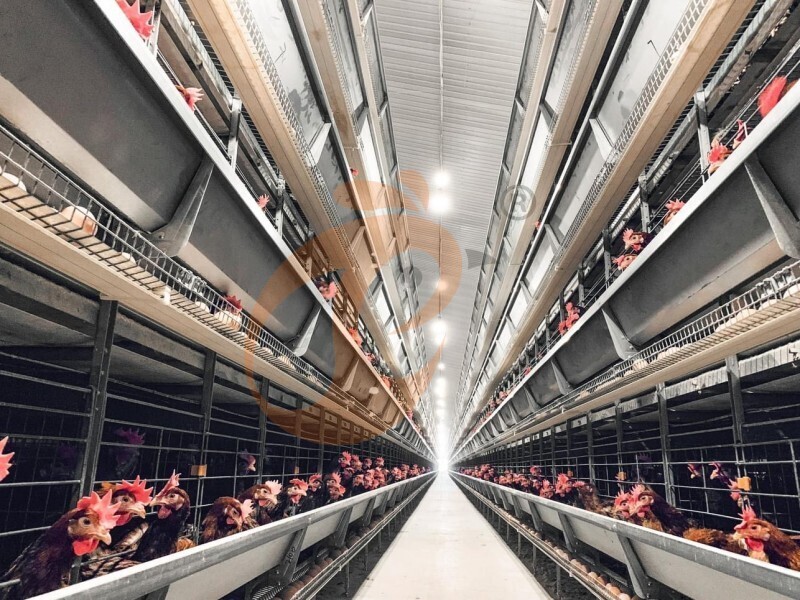
The system provides proper ventilation, egg handling, and cage durability.
Suitable for diverse climates and flock sizes across Ethiopia.
Offers modular installation, cost-effective management, and higher profitability.
Get professional poultry farm construction guidance, equipment selection solutions, and the latest price lists, whatsApp to +8618830120193, click to learn more:

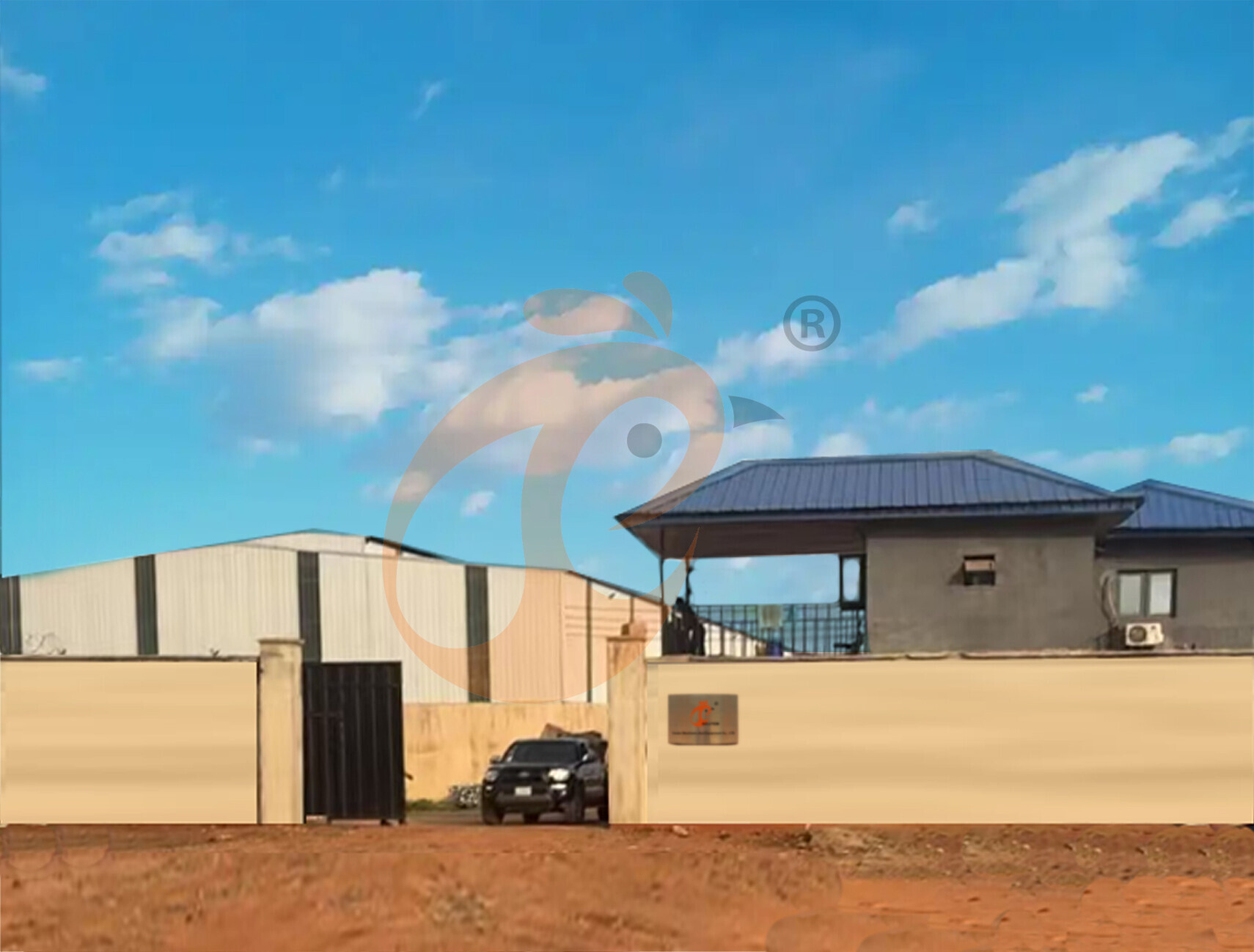
Ethiopia Branch Office And Factory Of Poultry Farm Equipment
Structural Adaptation To The Ethiopian Highlands
Ethiopia's topography is diverse, ranging from the cool, high-altitude plateaus (2,500–3,500 meters above sea level) to the hot lowlands of Afar.
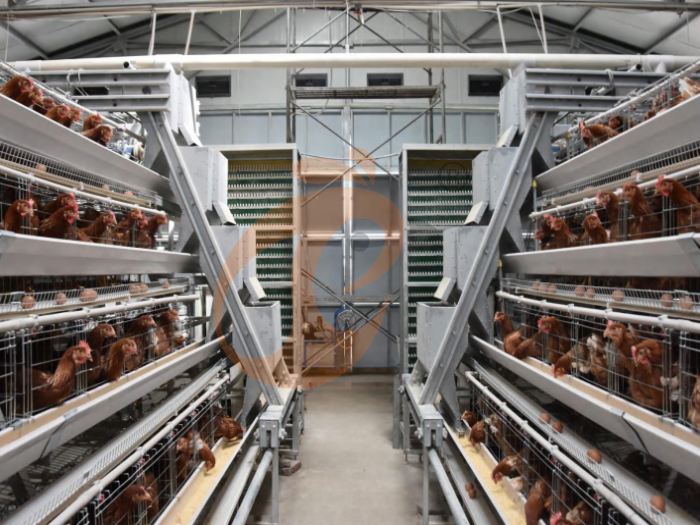
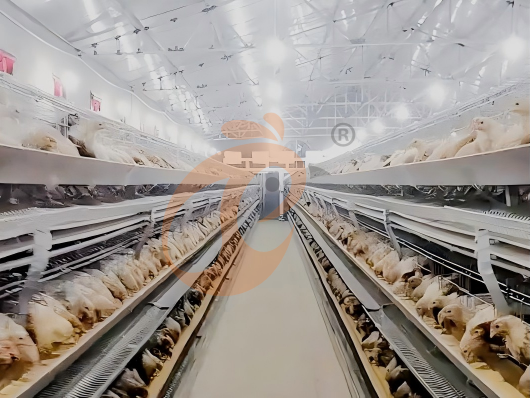
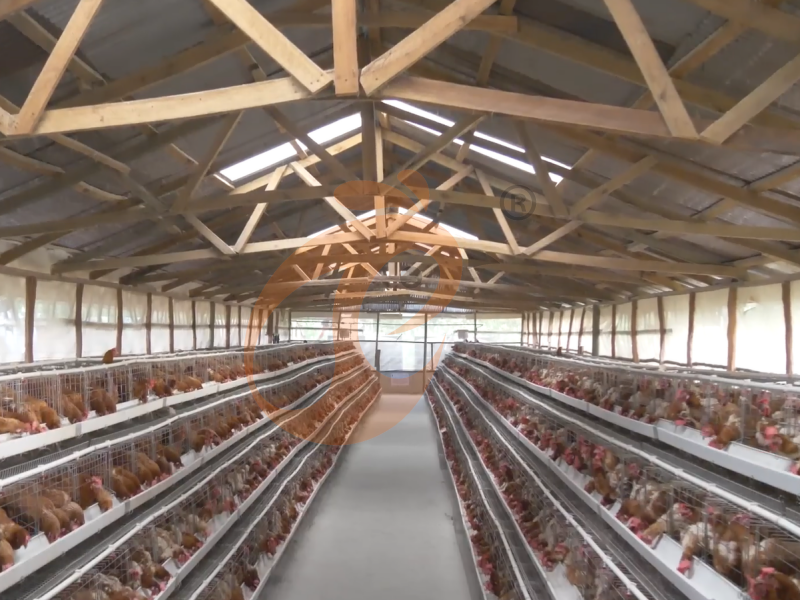
The A-type cage system is uniquely suited to handle these variations because of its open-sided ''A'' frame design.
How it works: The cages are arranged back-to-back in an ''A'' shape.
This allows for natural cross-ventilation.
In the highlands of Arsi or Gondar, where temperatures drop significantly at night, this design prevents cold stress that often plagues birds in enclosed structures.
Conversely, in warmer areas, the open structure prevents heat buildup.
Data is for reference only.Swipe horizontally to view full table.
This adaptability means a farmer in Debre Zeit can use the same cage specifications as a farmer in Jimma.
Making supply chains simpler and maintenance easier.
Space Optimization For The Average Ethiopian Flock
Research indicates that the majority of small-scale commercial poultry farms in Ethiopia operate with an average flock size of 562 to 1,165 layers.
An A-type cage is designed specifically for this scale.
For a farmer looking to start with 500 birds, only a few units are needed.
This modularity means the system "works" by growing with the farmer.
Data is for reference only.Swipe horizontally to view full table.
The 4-tier model maximizes the cubic space of the poultry house without complex automation.
It allows the farmer to keep more birds in a standard 3.5-meter-high shed.
Feed Cost Management And Conversion Rates
The number one expense for any Ethiopian poultry farmer is feed, accounting for roughly 60.4% of total production costs.
A-type cages contribute to profitability here through strict feed conversion ratio (FCR) management.
How it works: In a traditional deep litter system, birds are active and waste energy, consuming more feed for the same egg output.
In an A-type cage, movement is restricted, conserving energy.
External feed troughs (usually chain or trough feeders) are designed to minimize spillage.
This is critical given that imported maize and soybean prices fluctuate seasonally in Ethiopian markets.
Data is for reference only.Swipe horizontally to view full table.
While the H-type offers slightly better FCR, the A-type provides significant improvement over floor systems.
This allows farmers to save on the high cost of imported feed concentrates.
Egg Collection And Shell Quality
Eggs are a fragile commodity, and the roads from rural Ethiopian farms to markets in Addis Ababa can be rough.
Minimizing breakage on the farm is essential.
When an egg is laid, it rolls gently out of the cage and stops just in front of the bird, or onto a manual collection tray.
This ''roll-away'' design prevents the hen from stepping on or pecking the eggs.
Data is for reference only.Swipe horizontally to view full table.
Durability And Maintenance In Local Conditions
The materials used in A-type cages must withstand Ethiopia's high UV radiation, rainy season humidity, and dry season dust.
Quality A-type cages are constructed from Q235 steel with hot-dip galvanization.
How it works: Hot-dip galvanization coats the wire in a layer of zinc, preventing rust.
Painted cages chip and corrode within two years in high-humidity areas like Gambella or Lake Tana.
Data is for reference only.Swipe horizontally to view full table.
Longevity ensures that the initial investment, often financed through local microfinance institutions in Ethiopia, pays off over many production cycles.
Economic Viability: The Bottom Line
To understand the utility of the A-type cage in Ethiopia, we must look at the financials.
While the H-type cage offers higher automation, the capital outlay is often prohibitive for the average investor.
Data is for reference only.Swipe horizontally to view full table.
Ethiopian Birr figures are European union standard reference only.
Data is for reference only.Swipe horizontally to view full table.
Frequently Asked Questions
Q1: What is the best layer cage for Ethiopian small farms?
A1: A-type cages balance cost, feed efficiency, and egg collection efficiency.
Q2: How does A-type cage improve egg quality?
A2: Slanted floors prevent cracking and reduce dirty eggs.
Q3: Is A-type cage suitable for different climates?
A3: Yes, open-sided design provides proper ventilation for varying temperatures.
Why A Type Is The Ethiopian Standard
The A-type chicken cage works in Ethiopia not because it is the most advanced technology, but because it is the most appropriate technology.
It respects infrastructure limitations, such as fluctuating grid power and manual observation needs.
It provides biosecurity and efficiency gains, enabling farmers to move from subsistence to commercial success.
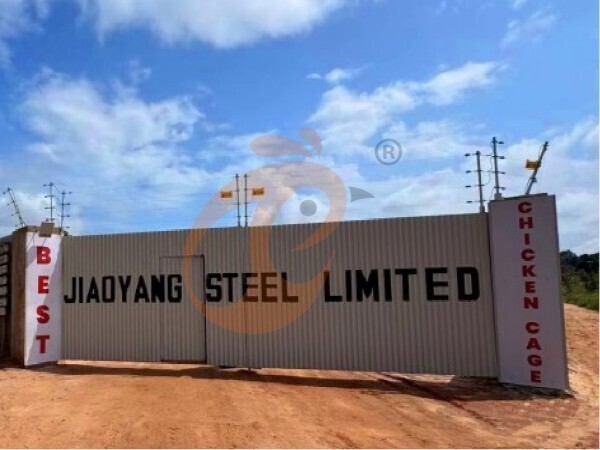
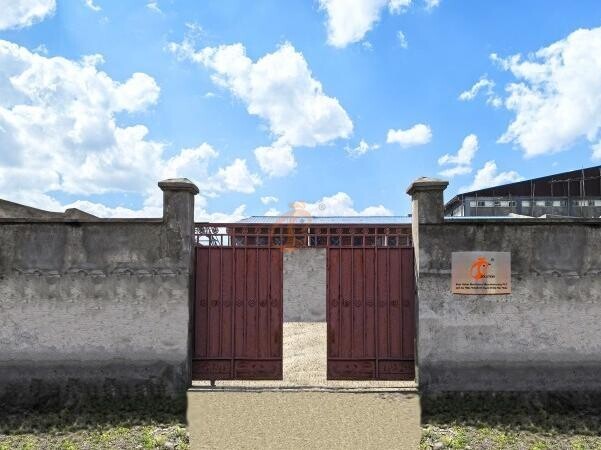
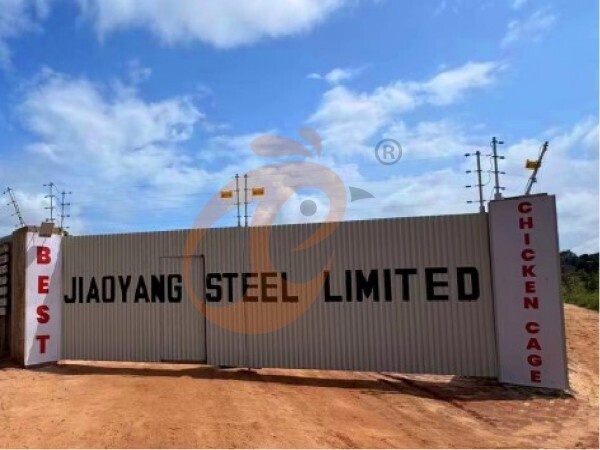
Ethiopia Best Hebei Machinery Manufacturing Plc - One Of Ethiopia Biggest Poultry Cage Manufacturer
Global factory direct sales with real parameter specifications.
Full poultry farm equipment including feeders, drinkers, and cages.
Turn-key project solutions for new and expanding farms.
High-quality poultry cage with A-type and H-frame models.
Professional service, installation support, and operation guidance.
Contact Us To Received Your Customized Poultry Farm Plan
Headquarters And Branchs
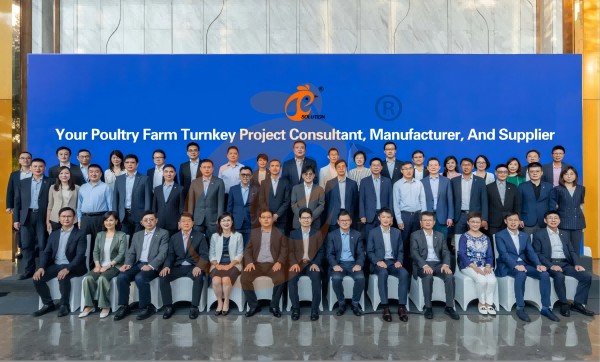
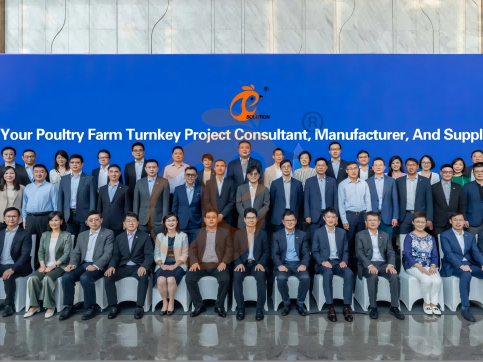
Hong Kong Headquarter Management Team
Hong Kong Headquarter Taiyu Industrial Group CO., LTD
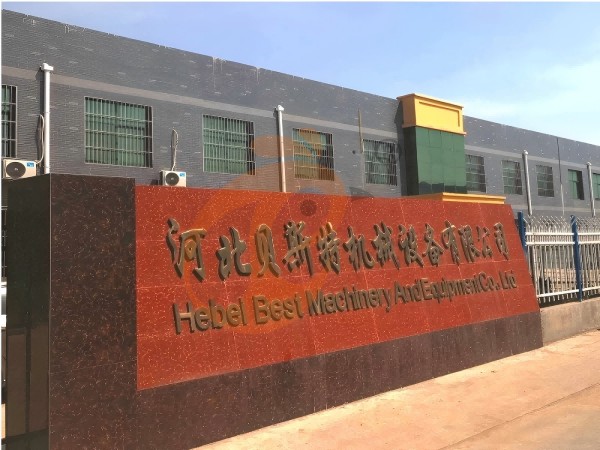
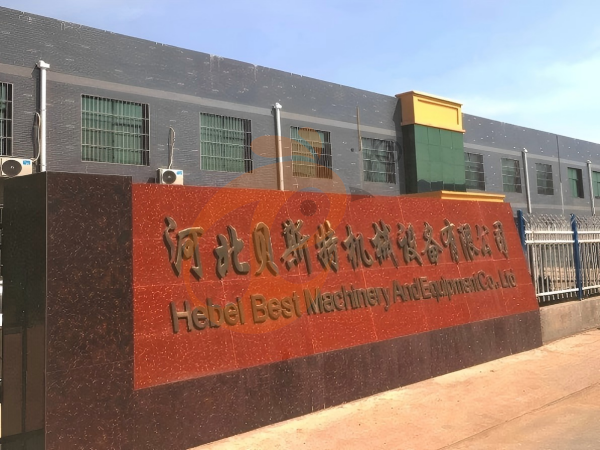
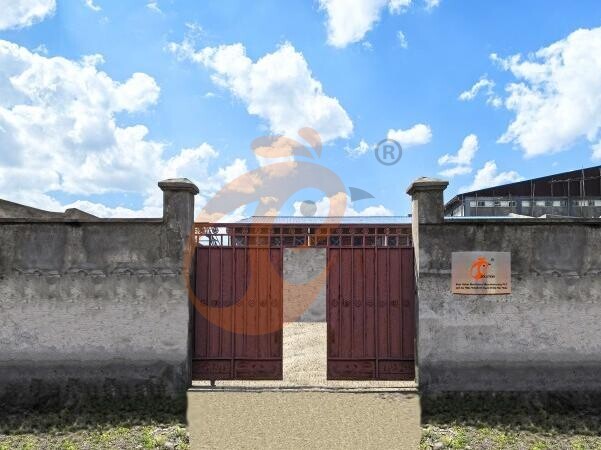
China Hebei Best Machinery And Equipment CO., LTD
Nigeria Vanke Machinery And Equipment CO., LTD
Tanzania Best Machinery And Equipment CO., LTD
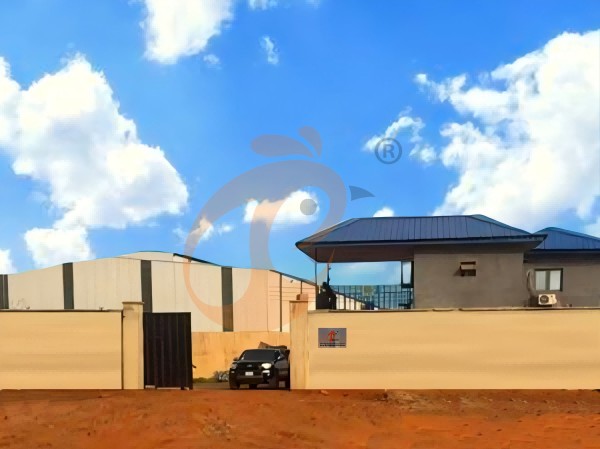
Ethiopia Best Hebei Machinery Manufacturing PLC
Reception /24 WhatsApp NO. : +8618830120193
Message
Products recommended
 HK Headquarter Offers EU-standard Poultry Farm Solutions, Manufacture Poultry Farm Equipment1. Continuous communication with the EU and the US
2. China, Nigeria, Ethiopia, Tanzania branch companies and factories
3. The products’ quality is customized for local poultry farms
4. Poultry cage and poultry farm equipment stock for sale
5. 24 online reception Whatsapp NO. : +8618830120193,contact us to get full informationRead More China Branch Offer Poultry Farm Business Plan, Manufacture Poultry Farm Equipment1. Address: Flat/RM 2416, 24/F, Runxing Building, Youyi Nan Street, Shijiazhuang City, Hebei Province, China
2. Poultry cage and poultry farm equipment factory and stock for sale
3. Customized for local poultry farms
4. Quality and design are based on Euro
5. 24 online reception Whatsapp NO. : +8618830120193Read More Nigeria Branch Offer Poultry Farm Business Plan, Manufacture Poultry Farm Equipment1. Address: After Sinoma Office, 200 Meters Near Danco Filling Station, Lagos/Ibadan Expressway, Lagos State, Nigeria
2. Poultry cage and poultry farm equipment factory and stock for sale
3. Customized for Nigerian poultry farms
4. Quality and design are based on Euro
5. 24 online reception Whatsapp NO. : +8618830120193Read More Ethiopia Branch Offer Poultry Farm Business Plan, Manufacture Poultry Farm Equipment1. Address: Gelan Gura, Akaki-kaliti Sub City, Addis Ababa, Ethiopia
2. Poultry cage and poultry farm equipment stock for sale
3. Customized for Ethiopian poultry farms
4. Quality and design are based on Euro
5. 24 online reception Whatsapp NO. : +8618830120193, contact us to get price listRead More Tanzania Branch Offer Poultry Farm Business Plan, Manufacture Poultry Farm Equipment1. Address: No.8, Sova Road, Msufini, Mlandizi, Kibaha, Pwani, Tanzania
2. Poultry cage and poultry farm equipment factory and stock for sale
3. Customized for Tanzanian poultry farms
4. Quality and design are based on Euro
5. 24 online reception Whatsapp NO. : +8618830120193Read More Fully Automatic H Type Layer Chicken Cage1. 30,000-100,000+ layers/house chooses it, Poultry farmers can achieve an egg production rate of 96-98%
2. A significant improvement over the 85-90% typically seen in manual systems
3. A typical poultry farm can expect a 30-40% reduction in labor costs due to the automation
4. Each feeding line efficiently supplies feed to around 100,000 hens per 30 mins
5. Reception /WhatsApp NO. : +8618830120193Read More Fully Automatic A Type Layer Chicken Cage1. 10,000-50,000 layers/house chooses it
2. Cleaner egg collection reduces breakage by 0.5%
3. Improved hygiene helps reduce mortality rate to <3%
4. 1–2 technicians can handle 15,000–30,000 birds
5. Reception /WhatsApp NO. : +8618830120193Read More Semi Automatic H Type Layer Chicken Cage1. 1,00-20,000 layers/house chooses it
2. Nipple drinkers flow 30–60 ML / min
3. Hot-dip galvanized (typical coating ≥ 275 g/m²)
4. Reduce ammonia by ~ 35–40%
5. Reception /WhatsApp NO. : +8618830120193Read More Semi Automatic A Type Layer Chicken Cage1. 1,00-20,000 layers/house chooses it, no rust for 10 years, no deformation for 15 years
2. Chickens live comfortably, you can raise them with peace of mind
3. Save water, save money—efficiency you can measure
4. Improve environment quality, and increase egg production rate
5. Reception /WhatsApp NO. : +8618830120193Read More
By clicking 'Allow All', you agree to the storage of cookies on your device to enhance site navigation, analyze site usage and assist with our marketing efforts.