


Blog
A type battery cage and H type battery cage choices influence commercial egg production, labor, automation, and expansion economics.
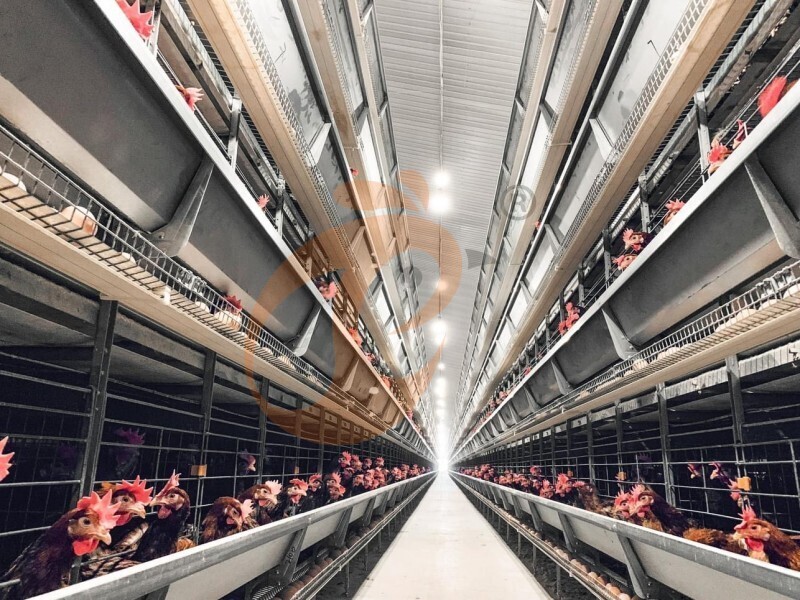
Layer chicken cage design connects bird management with feeding accuracy, ventilation planning, and daily production control.
Automatic layer cage system integration can coordinate feeding, egg handling, manure removal, and environmental equipment.
Commercial layer battery cage projects require practical capacity planning, building geometry, maintenance access, and electrical coordination.
- Proper equipment selection balances farm scale, automation objectives, installation requirements, and long-term operating efficiency across different production models.
Get professional poultry farm construction guidance, equipment selection solutions, and the latest price lists, whatsApp to +8618830120193, +2348111199996, or click to learn more.
Technical Face-Off: Cage Architecture
Data is for reference only.Swipe horizontally to view full table.
Engineering Readout
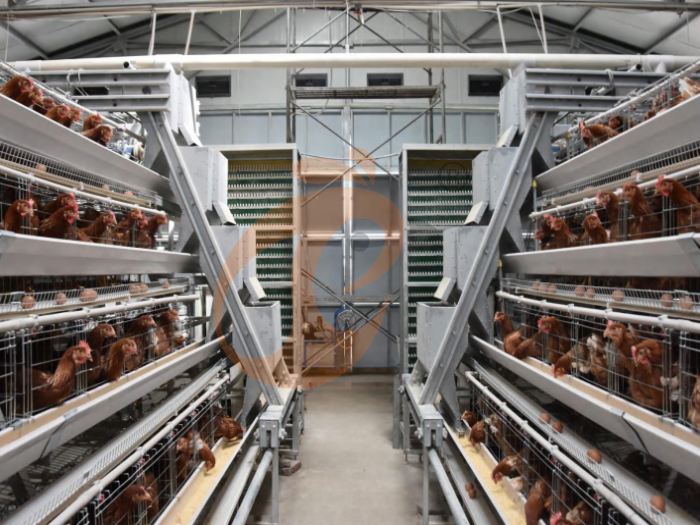
A type battery cage uses an accessible stepped arrangement, while H type battery cage architecture supports substantially greater vertical development.
A layer chicken cage project can therefore be matched to different structural strategies without changing the basic objective of controlled layer production.
An automatic layer cage system may also include 0.75–1.5 kw feed-line motors and 1.5–2.0 m/s occupied-zone airflow targets according to project engineering.
Where Does Your Farm Actually Win?
Scenario A — moderate expansion
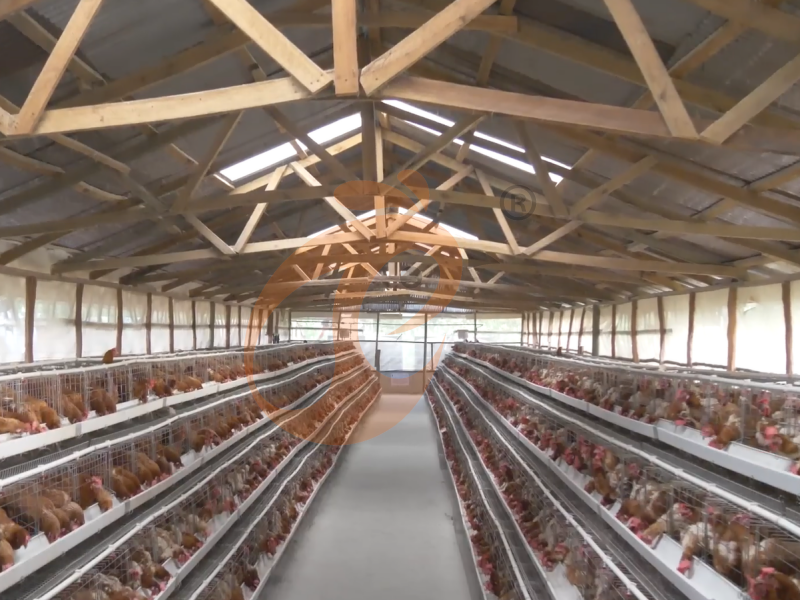
A Type battery cage provides a practical starting structure for farms developing capacity in stages, particularly where operators require convenient access to cage rows.
A commercial layer battery cage can remain compatible with automatic feeding and drinking while allowing future houses to be added independently.
A typical installation can use 2.4–2.8 m service-space allowances around feeding equipment, creating workable maintenance movement without redesigning the complete house.
Scenario B — large-scale production
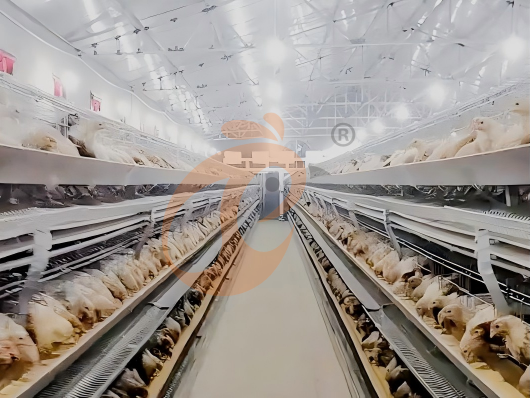
H type battery cage becomes more compelling when centralized automation and vertical utilization dominate the project design.
A layer chicken cage system can connect feeding, drinking, manure removal, egg collection, and environmental control into one operational sequence.
Automatic layer cage system planning may use 380–415 v three-phase power for major drives, depending on local electrical standards.
Space Utilization: Let The Building Work Harder
Data is for reference only.Swipe horizontally to view full table.
Building logic
A type battery cage can suit buildings where service accessibility and incremental installation are important design factors.
H type battery cage layouts can concentrate more birds within comparable building footprints when structural height and centralized equipment are available.
A commercial layer battery cage house may also reserve approximately 1.2–1.8 m for main service aisles, depending on equipment arrangement and local construction requirements.
The Automation Test: Count The Jobs Equipment Removes
Operational checklist
- Feeding an automatic layer cage system transfers feed through centralized lines instead of relying entirely on repeated manual distribution.
- Egg handling a layer chicken cage can connect directly with mechanical collection equipment, reducing repeated movement between rows.
- Manure handling H type battery cage configurations can place manure belts beneath individual tiers for scheduled mechanical removal.
- Environmental control commercial layer battery cage houses can coordinate fans, controllers, and ventilation equipment according to house conditions.
- Labor planning a properly engineered system can reduce repetitive tasks while keeping critical inspection activities under operator control.
A feed-line motor may operate around 0.75–2.2 kw, while egg-belt movement can be engineered around 0.1–0.3 m/s according to line length and loading.
Feeding And Drinking: Production Starts Before The Egg
Data is for reference only.Swipe horizontally to view full table.
System integration
A type battery cage and H type battery cage can both incorporate nipple drinking and mechanized feeding, but equipment coordination becomes increasingly important as flock size expands.
A layer chicken cage system benefits from consistent feed distribution because uneven delivery can create management differences between cage rows.
An automatic layer cage system may use feed-chain travel around 18–36 m/min, subject to gearbox selection and system length.
Egg Handling: The Quiet Profit Center
From hen to packing
Egg production continues beyond laying, making a layer chicken cage dependent on a controlled transfer route between cages and packing areas.
A commercial layer battery cage with mechanical collection can reduce unnecessary handling points and support a more consistent material flow.
Automatic layer cage system engineering should consider conveyor synchronization, transfer geometry, inspection access, and packing-room positioning before installation.
A collection conveyor may use approximately 50–100 mm side clearance, while transfer sections can be engineered around 300–600 mm turning radii.
Manure Management: Compare The Cleaning Architecture
Data is for reference only.Swipe horizontally to view full table.
Maintenance view
A type battery cage may use pit, scraper, or belt-based manure arrangements according to house construction and equipment selection.
H type battery cage equipment can integrate tier-level belts with centralized transfer, simplifying scheduled manure movement from multiple levels.
A layer chicken cage installation can specify belt tracking tolerance around 5–10 mm, helping maintain stable movement during repeated operating cycles.
Build The Decision Around Your Farm's Next Five Years
Choose by scenario
Phased investment A type battery cage suits farms adding houses progressively, where each expansion stage can operate with controlled equipment investment.
Centralized production H type battery cage is better aligned with large commercial projects requiring coordinated automation across multiple production functions.
Labor-sensitive operation a commercial layer battery cage should be evaluated by the manual hours removed from feeding, collection, and manure operations rather than purchase price alone.
Expansion variable automatic layer cage system architecture can reserve approximately 10–15% control-panel capacity for future equipment additions when specified during initial engineering.
Production Economics: Price The System, Not The Cage
Data is for reference only.Swipe horizontally to view full table.
Cost Interpretation
A type battery cage can produce stronger economic logic when capital deployment follows phased flock expansion, while H type battery cage can justify integrated automation at larger project scales.
A commercial layer battery cage should therefore be priced together with feeding, collection, manure, ventilation, electrical, installation, and maintenance requirements.
The Us$3.50 reference investment figure is an European union standard reference only, and actual project pricing depends on configuration, quantity, steel specification, logistics, and installation scope.
The Equipment Selection Formula
Step 1 — Capacity: define the required layer population and target egg volume before selecting cage quantity.
Step 2 — Building: map usable length, width, roof height, aisles, ventilation paths, and equipment service areas.
Step 3 — Automation: select feeding, drinking, manure removal, egg collection, and environmental control as coordinated subsystems.
Step 4 — Labor: compare manual operating hours against mechanical handling requirements and inspection responsibilities.
Step 5 — Architecture: select A type battery cage for phased development or H type battery cage for centralized large-scale automation.
A layer chicken cage project can also specify approximately 275 g/m² zinc coating for galvanized components and Ip54 protection for suitable indoor control-panel applications.
Final Verdict: Which Is Better For Egg Production?
Data is for reference only.Swipe horizontally to view full table.
Final engineering decision
A type battery cage remains practical for accessible construction, moderate flock sizes, and phased development.
H type battery cage is generally stronger for centralized automation, vertical utilization, and large commercial layer projects.
A commercial layer battery cage becomes most valuable when cage hardware and poultry equipment operate as one engineered production system.
Automatic layer cage system integration can include feeding, nipple drinking, egg collection, manure removal, ventilation, and environmental control within one project scope.
Frequently Asked Questions
Q1: Which battery cage is better for large layer farms?
A1: H type battery cage generally fits larger farms because centralized automation can coordinate multiple production levels and equipment systems.
Q2: Can A type battery cage use automatic equipment?
A2: Yes, A type battery cage can integrate automatic feeding, drinking, egg collection, and manure systems, with equipment selection matched to house size.
Q3: Does cage type alone determine egg production?
A3: No, layer performance also depends on genetics, nutrition, lighting, climate, health management, and equipment operation, with daily temperature control commonly maintained within approximately 18–24°c.
Taiyu (HK) Group - One Of China Toppest H Type Battery Cage Manufacturer
H type battery cage provides a vertically integrated layer housing platform, with galvanized q235 steel structures and project-specific automation layouts
Global factory-direct poultry equipment supply covers layer cages, feeding systems, drinking systems, egg collection, manure removal, and environmental control
Turn-key engineering coordinates house planning, equipment configuration, electrical interfaces, installation sequencing, commissioning, and operator handover
Poultry equipment projects support commercial layer farms through capacity calculations, equipment drawings, production-line matching, logistics coordination, and technical service
International project execution combines manufacturing control, export documentation, installation guidance, spare-parts planning, and application-specific engineering support
Contact Us To Received Your Customized Poultry Farm Plan
Headquarters And Branchs

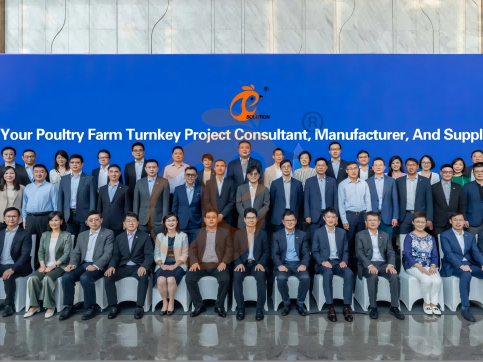
Hong Kong Headquarter Management Team
Hong Kong Headquarter Taiyu Industrial Group CO., LTD
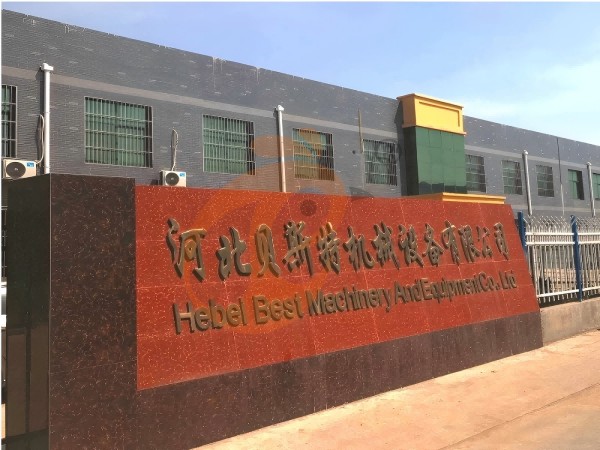
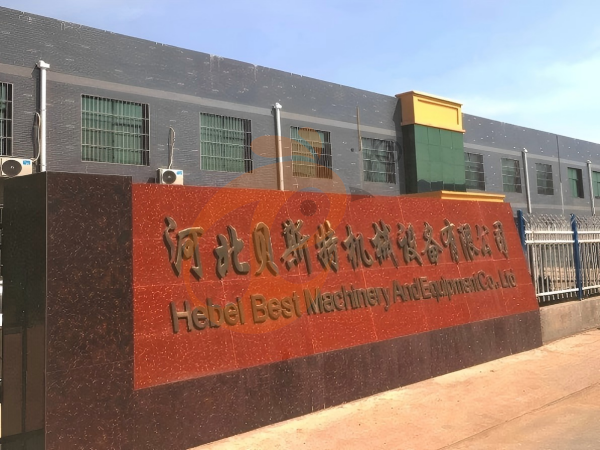
China Hebei Best Machinery And Equipment CO., LTD
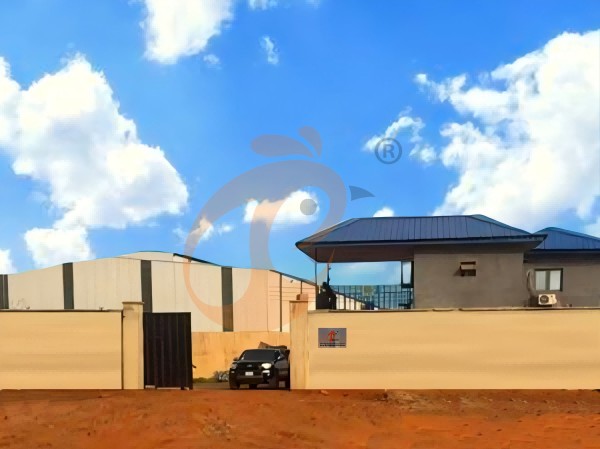
Nigeria Vanke Machinery And Equipment CO., LTD
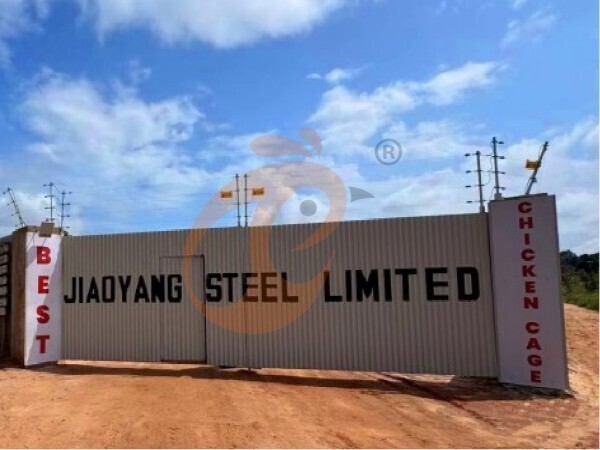
Tanzania Best Machinery And Equipment CO., LTD
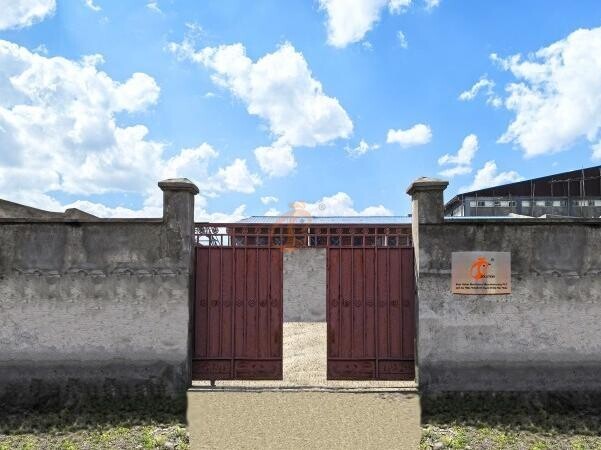
Ethiopia Best Hebei Machinery Manufacturing PLC
Reception /24 WhatsApp NO. : +8618830120193
FAQ
How To Choose The Ultimate Layer Cage System For Multi-Tier Farms?
Install automatic feeding, drinking, egg collection, and manure cleaning systems to boost egg production to 90–98%.
Optimized ventilation and temperature/humidity control reduce mortality to 2–3%.
What Are The Professional Guidelines For Optimizing Feed Storage And Usage In Chicken Cage Farms?
Use automatic feeders to allocate feed as needed, reducing waste by 5–10%.
Regularly monitor feed consumption per tier; FCR 1.9–2.1, egg production 90–98%.
What Are The Professional Guidelines For Reducing Labor Costs Using Automation In Chicken Cage Farms?
Use real-time monitoring systems to manage flock health and egg production.
ROI can be shortened to 24–36 months, improving overall profitability.
- poultry equipment
- chicken cage
- layer cage
- poultry farm
- feeding equipment
- battery cage
- poultry farm
- poultry farm construction
- battery cage manufacturer
- layer cage system
- automatic layer cage
- chicken cage design
- battery cage
- hen cage
- layer farm
- chicken cage system
- chicken cage installation
- chicken cage project
- layer chicken cage
- layer battery cage
- Ethiopia
- Nigeria
Message
Products recommended
 HK Headquarter Offers EU-standard Poultry Farm Solutions, Manufacture Poultry Farm Equipment1. Continuous communication with the EU and the US
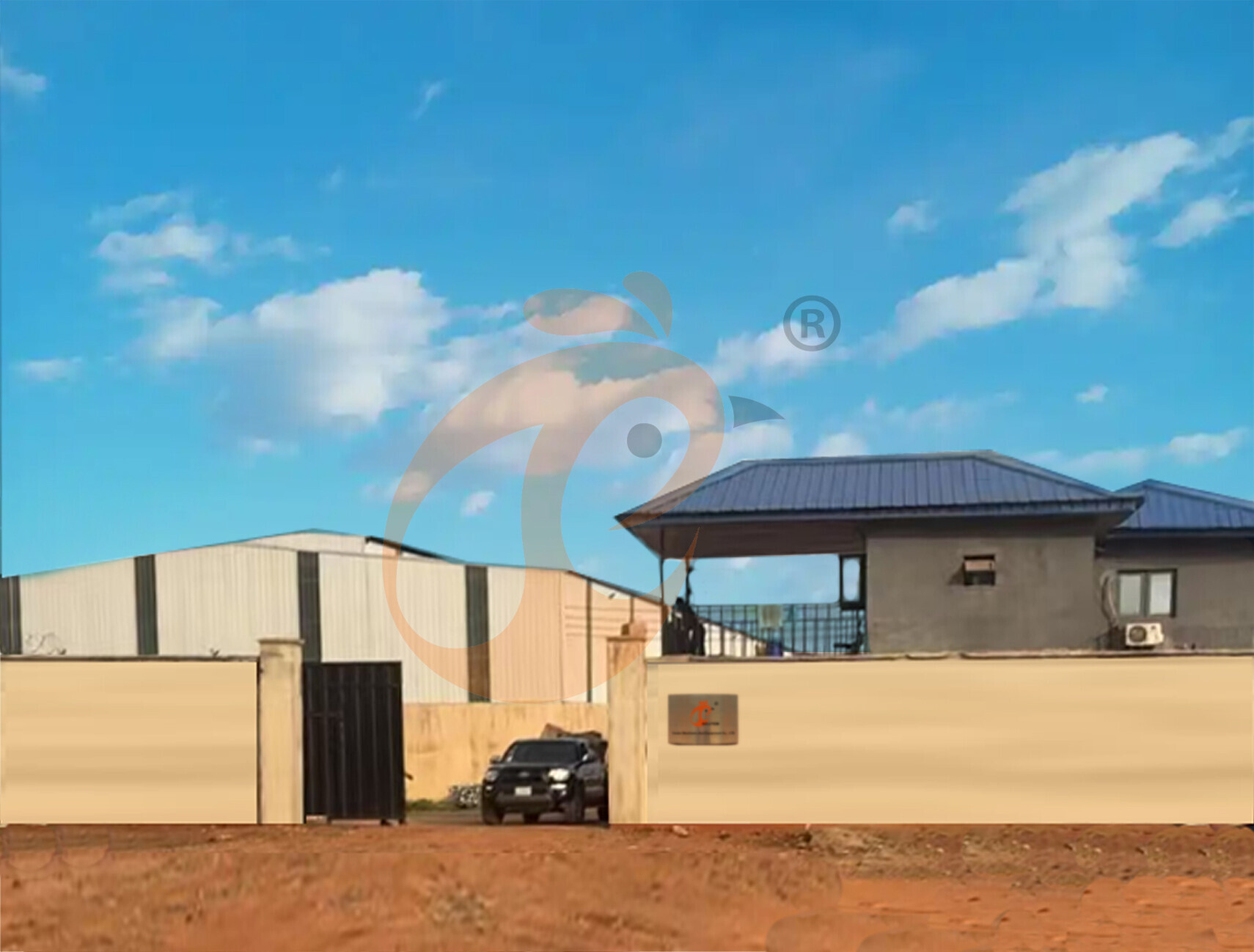
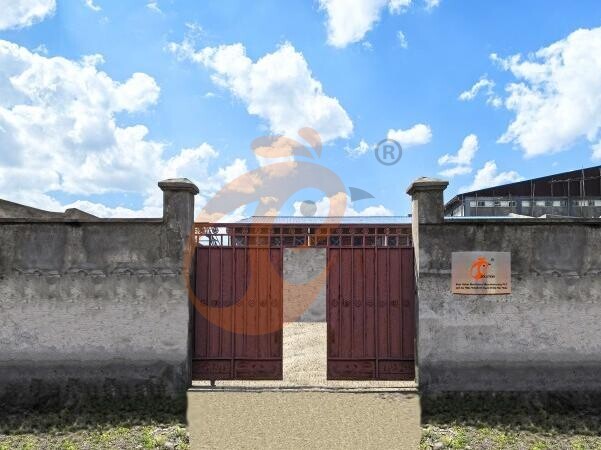
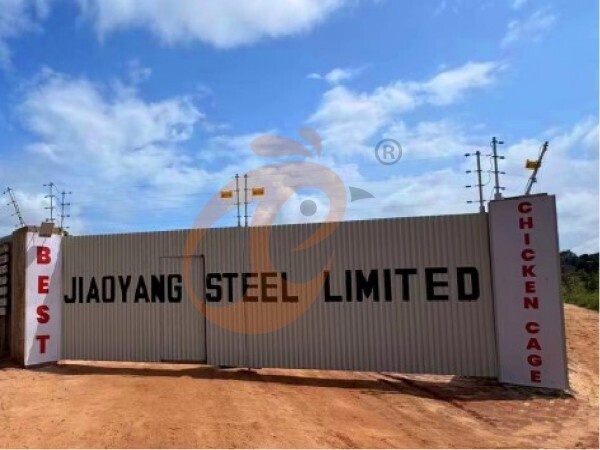
2. China, Nigeria, Ethiopia, Tanzania branch companies and factories
3. The products’ quality is customized for local poultry farms
4. Poultry cage and poultry farm equipment stock for sale
5. 24 online reception Whatsapp NO. : +8618830120193,contact us to get full informationRead More China Branch Offer Poultry Farm Business Plan, Manufacture Poultry Farm Equipment1. Address: Flat/RM 2416, 24/F, Runxing Building, Youyi Nan Street, Shijiazhuang City, Hebei Province, China
2. Poultry cage and poultry farm equipment factory and stock for sale
3. Customized for local poultry farms
4. Quality and design are based on Euro
5. 24 online reception Whatsapp NO. : +8618830120193Read More Nigeria Branch Offer Poultry Farm Business Plan, Manufacture Poultry Farm Equipment1. Address: After Sinoma Office, 200 Meters Near Danco Filling Station, Lagos/Ibadan Expressway, Lagos State, Nigeria
2. Poultry cage and poultry farm equipment factory and stock for sale
3. Customized for Nigerian poultry farms
4. Quality and design are based on Euro
5. 24 online reception Whatsapp NO. : +8618830120193Read More Ethiopia Branch Offer Poultry Farm Business Plan, Manufacture Poultry Farm Equipment1. Address: Gelan Gura, Akaki-kaliti Sub City, Addis Ababa, Ethiopia
2. Poultry cage and poultry farm equipment stock for sale
3. Customized for Ethiopian poultry farms
4. Quality and design are based on Euro
5. 24 online reception Whatsapp NO. : +8618830120193, contact us to get price listRead More Tanzania Branch Offer Poultry Farm Business Plan, Manufacture Poultry Farm Equipment1. Address: No.8, Sova Road, Msufini, Mlandizi, Kibaha, Pwani, Tanzania
2. Poultry cage and poultry farm equipment factory and stock for sale
3. Customized for Tanzanian poultry farms
4. Quality and design are based on Euro
5. 24 online reception Whatsapp NO. : +8618830120193Read More Fully Automatic H Type Layer Chicken Cage1. 30,000-100,000+ layers/house chooses it, Poultry farmers can achieve an egg production rate of 96-98%
2. A significant improvement over the 85-90% typically seen in manual systems
3. A typical poultry farm can expect a 30-40% reduction in labor costs due to the automation
4. Each feeding line efficiently supplies feed to around 100,000 hens per 30 mins
5. Reception /WhatsApp NO. : +8618830120193Read More Fully Automatic A Type Layer Chicken Cage1. 10,000-50,000 layers/house chooses it
2. Cleaner egg collection reduces breakage by 0.5%
3. Improved hygiene helps reduce mortality rate to <3%
4. 1–2 technicians can handle 15,000–30,000 birds
5. Reception /WhatsApp NO. : +8618830120193Read More Semi Automatic H Type Layer Chicken Cage1. 1,00-20,000 layers/house chooses it
2. Nipple drinkers flow 30–60 ML / min
3. Hot-dip galvanized (typical coating ≥ 275 g/m²)
4. Reduce ammonia by ~ 35–40%
5. Reception /WhatsApp NO. : +8618830120193Read More Semi Automatic A Type Layer Chicken Cage1. 1,00-20,000 layers/house chooses it, no rust for 10 years, no deformation for 15 years
2. Chickens live comfortably, you can raise them with peace of mind
3. Save water, save money—efficiency you can measure
4. Improve environment quality, and increase egg production rate
5. Reception /WhatsApp NO. : +8618830120193Read More
By clicking 'Allow All', you agree to the storage of cookies on your device to enhance site navigation, analyze site usage and assist with our marketing efforts.