






Blog
- Automatic feed mill production can integrate crushing, batching, mixing, pelleting, cooling, screening, and packing into one coordinated workflow, supporting commercial poultry operations from 3–20 t/h.
Automatic poultry feed mill configurations reduce manual coordination while supporting consistent processing across 8-hour production shifts and multiple poultry feed formulas.
Poultry feed production line design connects equipment capacity, material flow, power requirements, and future expansion into one measurable engineering system.
Automatic feed pellet mill configurations support 2–4 mm poultry pellets while improving process continuity through controlled conditioning and cooling stages.
- Commercial equipment selection should balance output, operating hours, flock expansion, energy demand, maintenance access, and long-term production requirements for reliable feed supply.
Get professional poultry farm construction guidance, equipment selection solutions, and the latest price lists, whatsApp to +8618830120193, +2348111199996, or click to learn more.
The Output Question: What Is Your Feed Mill Really Capable Of?
For a commercial poultry farm, feed production capacity directly affects how reliably each chicken house receives daily rations.
A properly configured automatic feed mill, automatic poultry feed mill, and poultry feed production line can integrate receiving, grinding, batching, mixing, pelleting, cooling, screening, and packing into one controlled workflow.
Commercial poultry lines are commonly configured from 3–5 t/h to 15–20 t/h, depending on production targets and equipment combinations.
The real issue is whether an automatic feed mill can maintain the required production rhythm as flock numbers increase.
For example, a 10 t/h automatic poultry feed mill can theoretically produce 80 tonnes during an 8-hour production shift, providing greater scheduling flexibility for expanding poultry operations.
Automatic Vs Semi-Automatic: Technical Comparison
Data is for reference only.Swipe horizontally to view full table.
The figures above represent common equipment configurations rather than universal specifications.
A commercial automatic feed mill can be engineered around raw-material characteristics, with hammer-mill screen openings commonly selected between 2.0–6.0 mm for poultry feed processing.
Where Does The Extra Output Come From? — Follow The Process
Raw material → crushing → automatic batching → mixing → conditioning → pelleting → cooling → screening → packing
In a semi-automatic arrangement, operators may repeatedly transfer ingredients, verify quantities, start individual machines, and coordinate material movement between processing stages.
A typical automatic feed mill batch-mixing cycle can be completed within 5–7 minutes with a 1,000 kg mixer, depending on mixer design and formula.
An automatic poultry feed mill can coordinate production sequencing through programmed controls, while a poultry feed production line maintains material movement between connected processing stages.
One published 10 t/h configuration combines a 132 kw hammer mill, 18.5 kw mixer, and 110 kw pellet mill, demonstrating the importance of matching upstream and downstream capacity.
Output Comparison By Production Factor
Data is for reference only.Swipe horizontally to view full table.
Published industrial configurations show that a 20 t/h automatic feed mill can be designed around approximately 680 kw total installed power.
A 10 t/h poultry feed production line may use approximately 386 kw, illustrating why complete-system engineering matters more than single-machine ratings.
The Hidden Cost Test: Look Beyond The Purchase Price
Purchase price ≠ production cost
A semi-automatic feed mill may require more operator intervention even when individual machines are mechanically straightforward.
An automatic feed mill should instead be evaluated through annual production, labor utilization, energy consumption, maintenance requirements, and production interruptions.
Consider an 8-hour operating day across 300 production days.
A 10 t/h automatic poultry feed mill creates a theoretical annual production basis of 24,000 tonnes, before maintenance, formulation changes, and operational constraints.
For commercial poultry equipment, cost-per-ton analysis provides a more useful investment benchmark than initial equipment price alone.
Equipment Configuration Matters More Than Automation Alone
Data is for reference only.Swipe horizontally to view full table.
A professional automatic feed mill should size every machine around the target production rate.
One published 10 t/h configuration combines a 132 kw hammer mill with a 110 kw pellet mill, demonstrating the need to match grinding capacity with pelleting requirements.
Automatic poultry feed mill engineering should also consider raw-material moisture around 12–14%, because material condition can influence grinding and pelleting performance.
Which Farm Should Choose Which System?
Data is for reference only.Swipe horizontally to view full table.
These capacity classes correspond with commercially published equipment ranges.
For an automatic feed mill, expansion planning should account for daily feed consumption and projected flock growth over approximately 3–5 years.
A growing poultry operation can therefore select an automatic poultry feed mill around projected demand rather than current flock numbers alone.
Production Scenario: One Farm, Two Strategies
Farm A — semi-automatic
Manual material handling creates additional coordination requirements between individual machines.
Farm B — automatic
An integrated automatic feed mill connects batching, conveying, mixing, pelleting, cooling, and packing into one coordinated workflow.
Suppose Farm b uses a 10 t/h poultry feed production line with an effective 7-hour production window per day.
The theoretical daily pellet output reaches 70 tonnes, before maintenance, formula changes, and other operational constraints.
The comparison demonstrates why output depends on the complete production workflow rather than machine speed alone.
Automation And Feed Consistency
Data is for reference only.Swipe horizontally to view full table.
A consistent formulation begins before pelleting.
A properly configured automatic feed mill can support repeatable ingredient handling, while an automatic poultry feed mill can store multiple feed formulas through centralized control.
For broiler production, pellet size commonly changes with bird age, and 10–15% steam addition can be used during conditioning depending on formula and process requirements.
The Return On Investment Decision: Think In Tons, Not Machines
Annual feed output = rated capacity × effective operating hours × operating days
A 15 t/h automatic feed mill running an effective 7.5 hours per day for 280 days creates a theoretical production basis of 31,500 tonnes annually.
Energy should also be evaluated independently.
A published 15 t/h poultry feed production line lists approximately 538 kw total installed power, while a 10 t/h configuration lists approximately 386 kW.
For commercial buyers, energy consumption per produced tonne provides a stronger comparison point than motor nameplate power alone.
What Makes An Automatic Feed Mill A Better Long-Term Investment?
Data is for reference only.Swipe horizontally to view full table.
The long-term value of an automatic feed mill comes from matching equipment capacity with projected feed demand.
A 420 mm ring die can support approximately 10–12 t/h in one published configuration, while larger dies are used for higher production ranges.
For poultry feed production line planning, equipment expansion should also reserve approximately 15–20% building-space capacity for future conveying, storage, or packing requirements.
Final Verdict: Which Increases Output?
Automatic feed mill = integrated production capacity + controlled material flow + scalable equipment configuration
An automatic feed mill generally provides the stronger platform when commercial poultry production requires higher and more stable feed output.
Automatic poultry feed mill systems can combine crushing, batching, mixing, conditioning, pelleting, cooling, screening, and packing around a single production target.
The core engineering parameters can include 10–20 t/h production design, 1,000–2,000 kg mixer batches, and 2–4 mm poultry pellets.
The right poultry feed production line should also consider raw-material moisture, particle size, formulation, steam conditions, cooling requirements, maintenance access, and building layout.
A complete poultry equipment solution should therefore be configured around actual flock demand and future expansion rather than selected from a single machine's rated capacity.
Frequently Asked Questions
Q1. Does an automatic feed mill always produce more feed than a semi-automatic system?
A1: Not automatically.
Actual output depends on the complete configuration, raw-material condition, formula, operating schedule, and downstream equipment.
A properly matched 10 t/h automatic feed mill can provide substantially greater production potential than a smaller semi-automatic line.
Q2. What capacity is suitable for a growing commercial poultry farm?
A2: A 3–5 t/h poultry feed production line can suit moderate expansion, while an 8–10 t/h automatic poultry feed mill provides additional production capacity for larger operations.
Final selection should use projected daily feed consumption rather than current flock size alone.
Q3. Which equipment sections most affect automatic feed mill output?
A3: Grinding, batching, mixing, conditioning, pelleting, cooling, and conveying must remain properly matched.
For example, a 110 kw pellet mill should not be paired with an undersized upstream grinding or material-handling system.
Taiyu (HK) Group - One Of China Toppest Automatic Feed Mill Manufacturer
Automatic feed mill systems integrate crushing, batching, mixing, pelleting, cooling, and packing, with commercial configurations reaching 20 t/h and supporting 2–4 mm poultry pellets.
Global factory-direct supply covers complete poultry equipment packages, with engineering specifications developed around production capacity, raw materials, building dimensions, and utility conditions.
Turn-key engineering coordinates equipment selection, process layout, electrical control, installation guidance, commissioning support, and production-line integration.
Export-oriented manufacturing supports overseas poultry projects through technical documentation, equipment matching, spare-parts planning, and production-capacity calculations.
Project delivery can combine feed processing equipment with poultry-house systems, creating a coordinated equipment package for commercial poultry production expansion.
Contact Us To Received Your Customized Poultry Farm Plan
Headquarters And Branchs
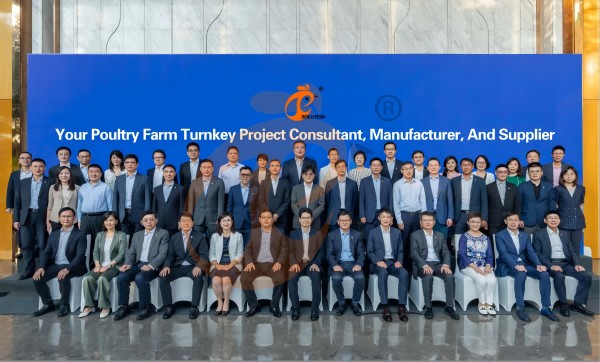
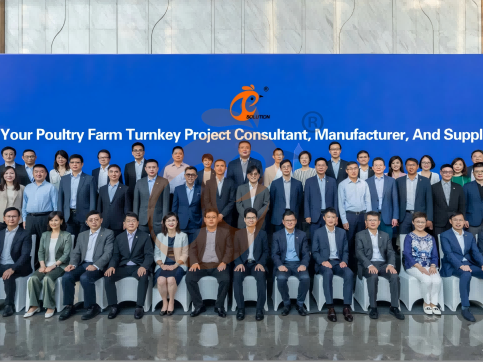
Hong Kong Headquarter Management Team
Hong Kong Headquarter Taiyu Industrial Group CO., LTD
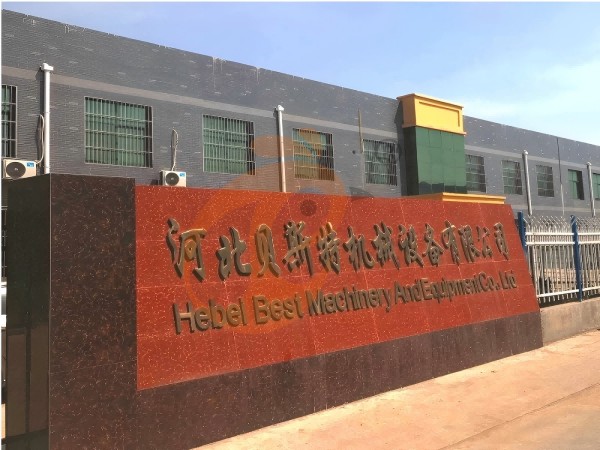
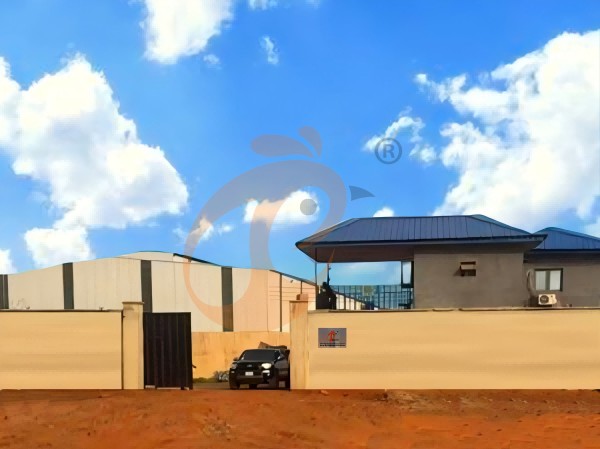
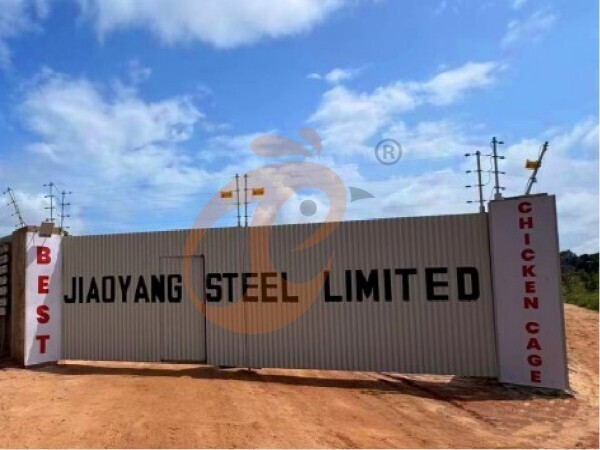
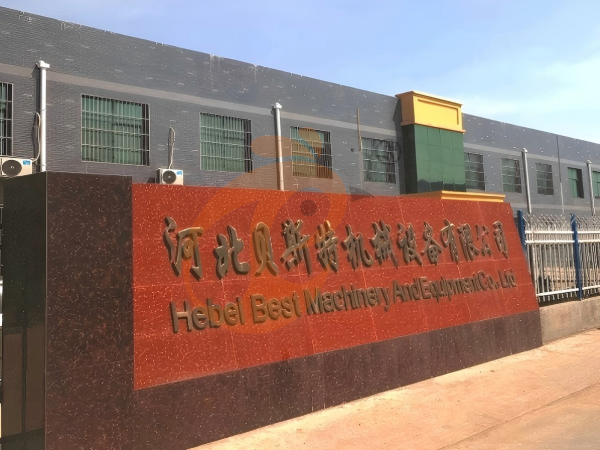
China Hebei Best Machinery And Equipment CO., LTD
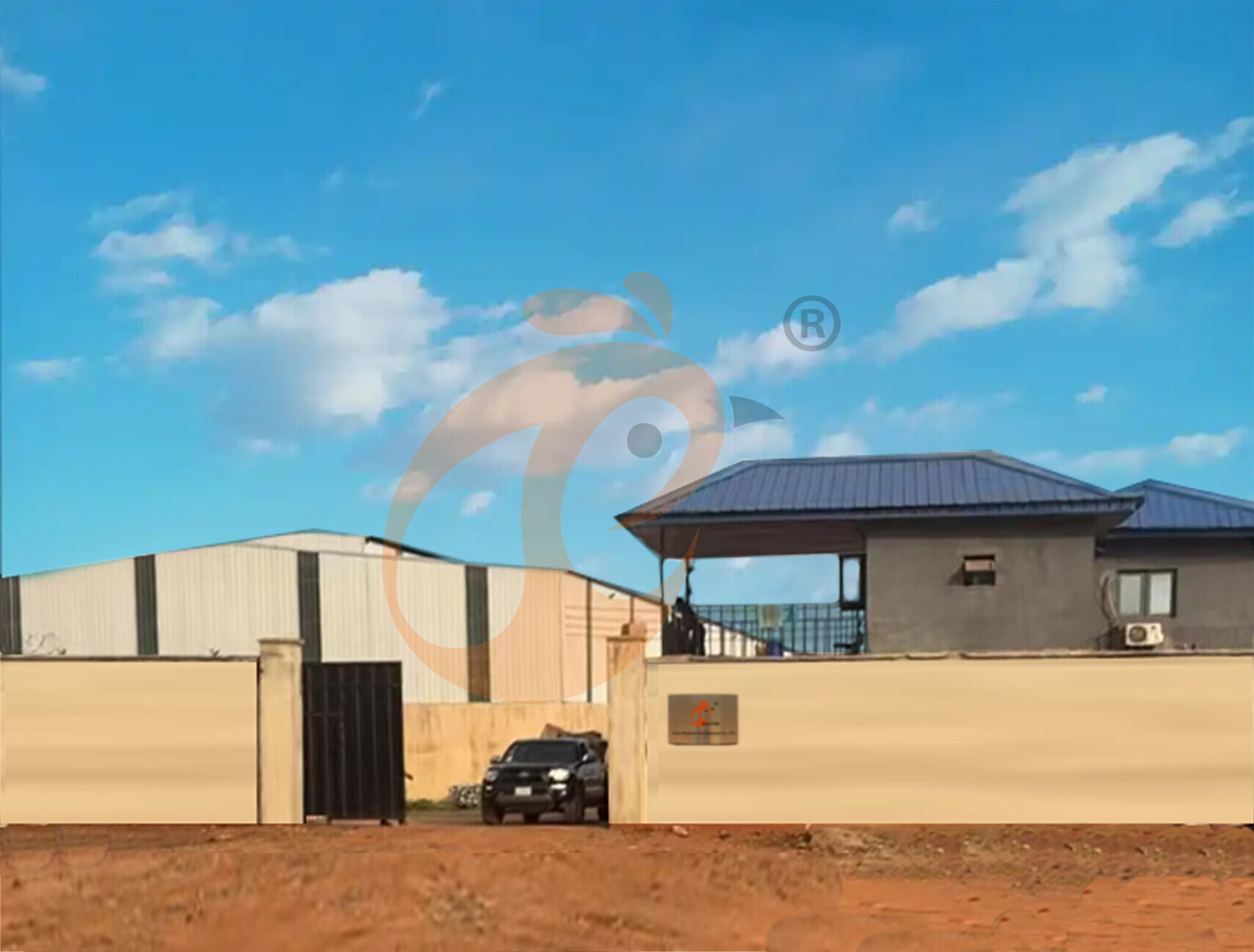
Nigeria Vanke Machinery And Equipment CO., LTD
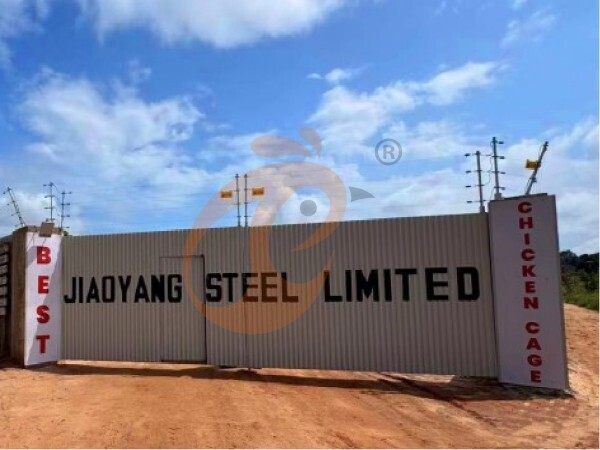
Tanzania Best Machinery And Equipment CO., LTD
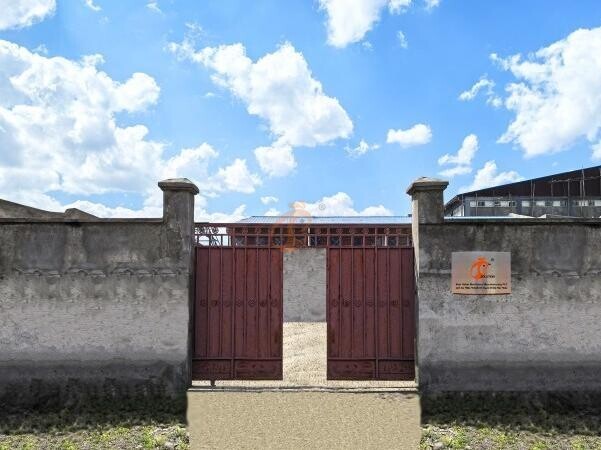
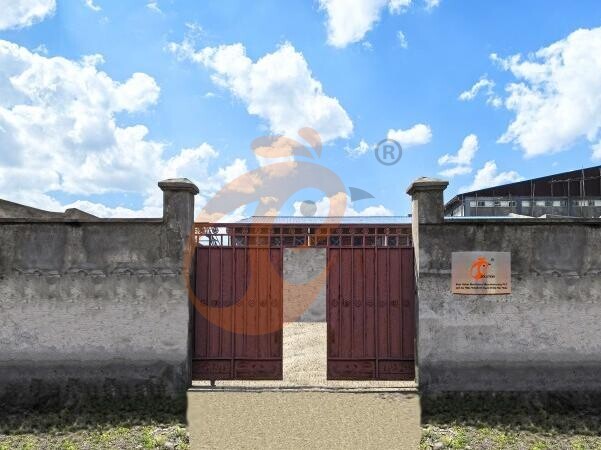
Ethiopia Best Hebei Machinery Manufacturing PLC
Reception /24 WhatsApp NO. : +8618830120193
FAQ
What Moisture Control Standards Are Required In Feed Milling For Poultry Chicken Feed?
Conditioning moisture increases to 16–18% before pelleting for optimal starch gelatinization.
Final feed moisture is controlled at 11–13% to ensure long-term storage stability.
What Energy Consumption Levels Are Standard In Feed Mixer And Feed Mill Operations For Poultry Chicken Farms?
Mixing systems require 3–8 kWh per batch depending on mixer volume and load ratio.
Pelletizing units operate at 60–90 kWh per ton for high-density poultry feed production.
What Raw Material Ratios Are Commonly Processed In Poultry Chicken Feed Mills?
Soybean meal accounts for 18–25% as main protein contributor for growth performance.
Premix addition remains at 2–5% ensuring vitamins and mineral balance stability.
Message
Products recommended
 HK Headquarter Offers EU-standard Poultry Farm Solutions, Manufacture Poultry Farm Equipment1. Continuous communication with the EU and the US
2. China, Nigeria, Ethiopia, Tanzania branch companies and factories
3. The products’ quality is customized for local poultry farms
4. Poultry cage and poultry farm equipment stock for sale
5. 24 online reception Whatsapp NO. : +8618830120193,contact us to get full informationRead More China Branch Offer Poultry Farm Business Plan, Manufacture Poultry Farm Equipment1. Address: Flat/RM 2416, 24/F, Runxing Building, Youyi Nan Street, Shijiazhuang City, Hebei Province, China
2. Poultry cage and poultry farm equipment factory and stock for sale
3. Customized for local poultry farms
4. Quality and design are based on Euro
5. 24 online reception Whatsapp NO. : +8618830120193Read More Nigeria Branch Offer Poultry Farm Business Plan, Manufacture Poultry Farm Equipment1. Address: After Sinoma Office, 200 Meters Near Danco Filling Station, Lagos/Ibadan Expressway, Lagos State, Nigeria
2. Poultry cage and poultry farm equipment factory and stock for sale
3. Customized for Nigerian poultry farms
4. Quality and design are based on Euro
5. 24 online reception Whatsapp NO. : +8618830120193Read More Ethiopia Branch Offer Poultry Farm Business Plan, Manufacture Poultry Farm Equipment1. Address: Gelan Gura, Akaki-kaliti Sub City, Addis Ababa, Ethiopia
2. Poultry cage and poultry farm equipment stock for sale
3. Customized for Ethiopian poultry farms
4. Quality and design are based on Euro
5. 24 online reception Whatsapp NO. : +8618830120193, contact us to get price listRead More Tanzania Branch Offer Poultry Farm Business Plan, Manufacture Poultry Farm Equipment1. Address: No.8, Sova Road, Msufini, Mlandizi, Kibaha, Pwani, Tanzania
2. Poultry cage and poultry farm equipment factory and stock for sale
3. Customized for Tanzanian poultry farms
4. Quality and design are based on Euro
5. 24 online reception Whatsapp NO. : +8618830120193Read More Fully Automatic H Type Layer Chicken Cage1. 30,000-100,000+ layers/house chooses it, Poultry farmers can achieve an egg production rate of 96-98%
2. A significant improvement over the 85-90% typically seen in manual systems
3. A typical poultry farm can expect a 30-40% reduction in labor costs due to the automation
4. Each feeding line efficiently supplies feed to around 100,000 hens per 30 mins
5. Reception /WhatsApp NO. : +8618830120193Read More Fully Automatic A Type Layer Chicken Cage1. 10,000-50,000 layers/house chooses it
2. Cleaner egg collection reduces breakage by 0.5%
3. Improved hygiene helps reduce mortality rate to <3%
4. 1–2 technicians can handle 15,000–30,000 birds
5. Reception /WhatsApp NO. : +8618830120193Read More Semi Automatic H Type Layer Chicken Cage1. 1,00-20,000 layers/house chooses it
2. Nipple drinkers flow 30–60 ML / min
3. Hot-dip galvanized (typical coating ≥ 275 g/m²)
4. Reduce ammonia by ~ 35–40%
5. Reception /WhatsApp NO. : +8618830120193Read More Semi Automatic A Type Layer Chicken Cage1. 1,00-20,000 layers/house chooses it, no rust for 10 years, no deformation for 15 years
2. Chickens live comfortably, you can raise them with peace of mind
3. Save water, save money—efficiency you can measure
4. Improve environment quality, and increase egg production rate
5. Reception /WhatsApp NO. : +8618830120193Read More
By clicking 'Allow All', you agree to the storage of cookies on your device to enhance site navigation, analyze site usage and assist with our marketing efforts.