






Blog
- Poultry cage system investment can start around $2.20–$8.00 per bird, depending on automation and capacity.
Cage structure, feeding, drinking, manure handling, and egg collection determine practical equipment economics at commercial scale.
Automatic poultry farming system design can reduce repetitive labor while supporting 30,000+ layers through integrated workflows.
Layer chicken cage selection also depends on tiers, house dimensions, flock density, maintenance access, and future expansion requirements.
- Careful equipment matching balances capital expenditure, operating efficiency, production continuity, and long-term farm development with measurable engineering parameters.
Get professional poultry farm construction guidance, equipment selection solutions, and the latest price lists, whatsApp to +8618830120193, +2348111199996, or click to learn more.
Start With The Cost Per Bird, Not The Cage Price
When comparing poultry equipment, the quotation for a poultry cage system represents only one investment component, while complete projects also require feeding, drinking, manure handling, egg collection, ventilation, electrical control, and installation.
A practical benchmark places installed cage-system investment around $2.20–$8.00 per bird, while project cost varies with automation level and house configuration.
European union standard reference only.
Professional budgeting should calculate equipment against bird capacity, house dimensions, production targets, and installation requirements rather than evaluating cage price alone.
Two Investment Routes — One Business Decision
Economy route
Buy the essential poultry cage system first → maintain a compact equipment package → add automation as flock capacity expands.
A typical starting configuration may use 3–4 tiers, while selected automatic components can be added without changing the complete house structure.
Automation route
Design the automatic poultry farming system around cages, feeding, drinking, manure removal, egg collection, and environmental control.
Commercial automatic configurations are particularly relevant from approximately 30,000 layers, where repeated manual operations become harder to coordinate efficiently.
Technical Investment Comparison
Data is for reference only.Swipe horizontally to view full table.
These configurations support different layer chicken cage investment strategies, with structural dimensions selected according to building width and flock capacity.
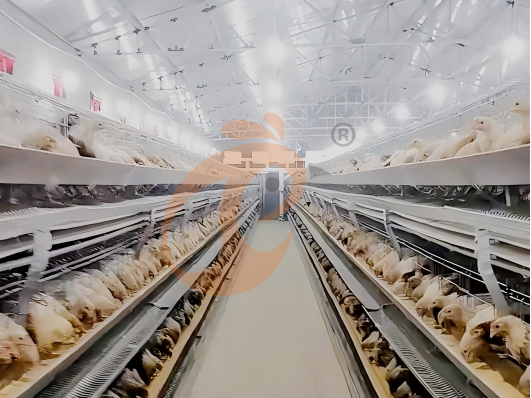
Automatic equipment packages can combine multiple production functions while maintaining approximately 418–455 cm² floor area per bird in applicable configurations.
The Real Question: What Does Each Dollar Buy?
A cage purchases housing capacity.
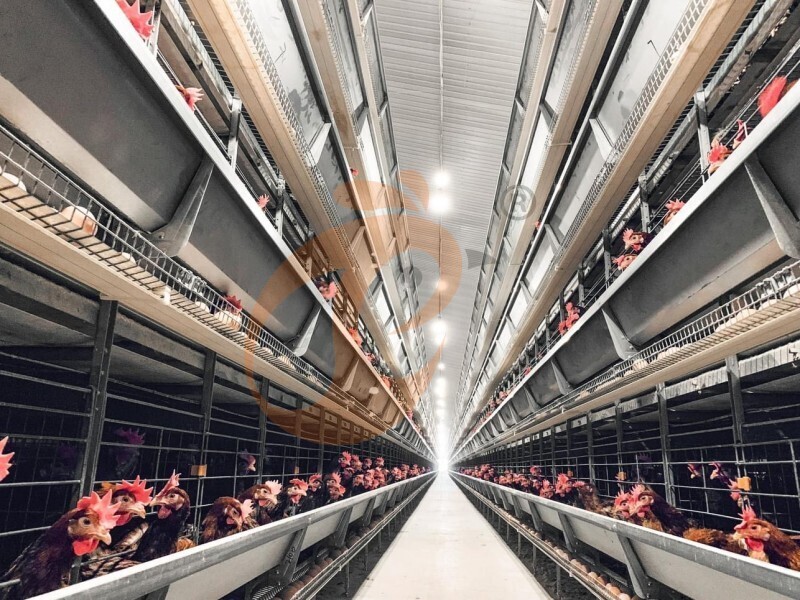
A poultry cage system also determines usable production space, service access, and equipment integration, with cage floor angles commonly engineered around 7–8°.
An automated system purchases production infrastructure.
An automatic poultry farming system can coordinate repeated operations, with feed delivery commonly designed around 110–130 g per bird per day under applicable production conditions.
The investment therefore needs to be evaluated according to the number of production operations supported, rather than steel quantity alone.
Labor Economics: Measure Tasks, Not Workers
Data is for reference only.Swipe horizontally to view full table.
A poultry cage system becomes more labor-efficient when repetitive operations are mechanically connected, particularly where feed distribution and egg handling occur continuously.
Published configurations can support feed throughput up to 3.5 t/h, while nipple drinking systems commonly operate around 60–80 ml/min per nipple.
Capacity Changes The Equipment Equation
Data is for reference only.Swipe horizontally to view full table.
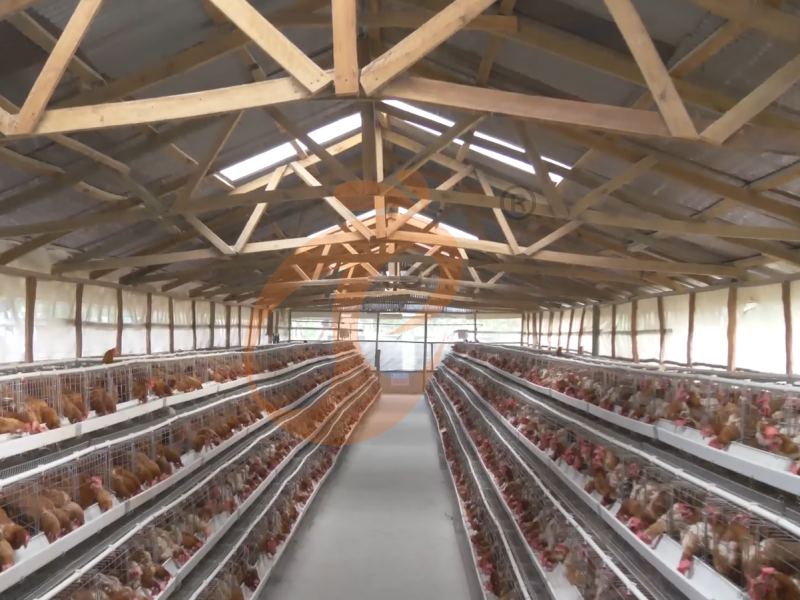
A commercial layer chicken cage project should match cage architecture with building geometry, service aisles, ventilation routes, and equipment maintenance access.
H-type configurations can reach 288 birds per cage unit, while documented commercial installations can exceed 50,000 laying hens within engineered multi-row layouts.
What You Actually Get From An Automatic System
Data is for reference only.Swipe horizontally to view full table.
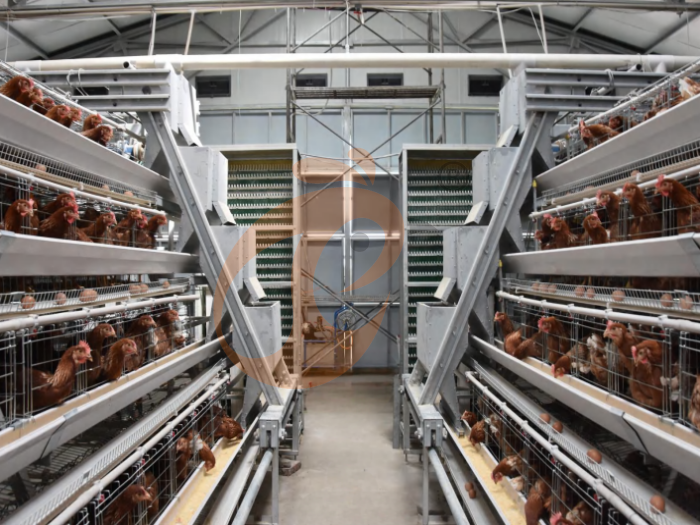
A complete automatic poultry farming system connects cage, feeding, drinking, manure, egg collection, and control modules into one coordinated production structure.
One published configuration uses a 110 mm spiral auger together with pressure-regulated drinking equipment and automated manure and egg handling.
Three Investment Routes — One Farm Strategy
Budget A — entry investment
An economy poultry cage system suits projects where initial capital is the primary constraint, particularly around 5,000–10,000 birds.
Budget B — balanced investment
A semi-automatic layer chicken cage configuration can prioritize labor-intensive upgrades while retaining practical manual operations.
Budget C — commercial investment
A full automatic poultry farming system becomes more appropriate when flock capacity reaches 30,000+ birds and daily workflow requires centralized equipment control.
Don't Compare "Cheap" With "Expensive"—Compare Service Life
Year 1
The economy poultry cage system can protect initial cash flow, particularly where annual flock turnover remains limited.
Year 3
The cumulative effect of manual handling, maintenance, and workflow restrictions becomes more visible, especially with multiple daily operating cycles.
Year 5+
Equipment durability and expansion compatibility become increasingly important for a layer chicken cage investment.
Commercial automatic systems commonly reference approximately 15–20 years of service life under appropriate maintenance, making corrosion protection and replaceable components important ownership considerations.
Egg Collection Is A Direct Production Detail
Data is for reference only.Swipe horizontally to view full table.
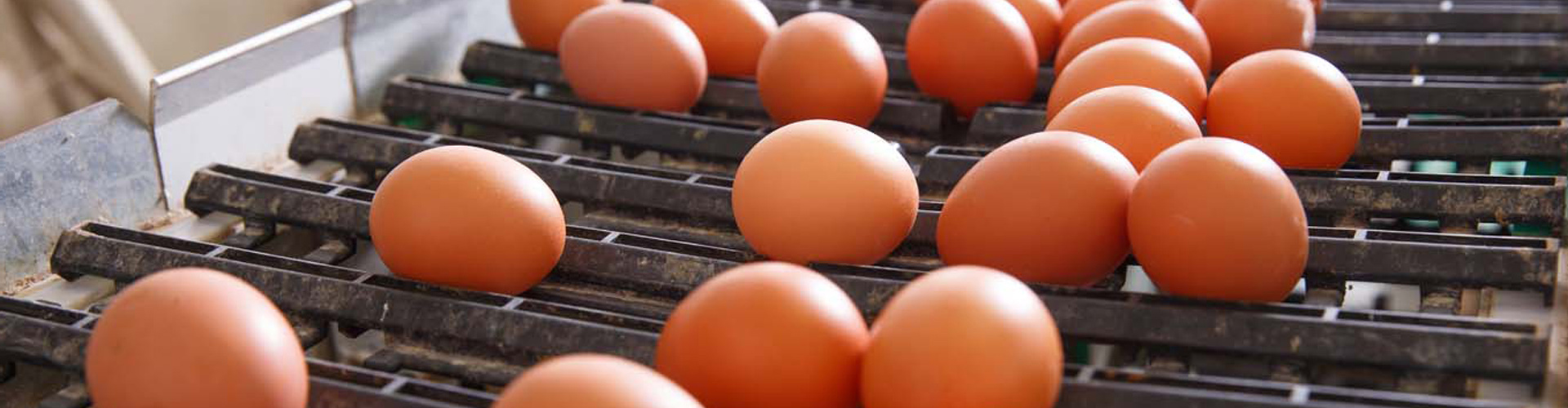
Egg collection should be engineered as part of the complete automatic poultry farming system, because every transfer point influences handling efficiency and product movement.
Automatic layouts can connect egg belts to central conveyors with capacities reaching 65,000 eggs/h, depending on equipment configuration.
Design For Expansion Before You Need It
The best budget strategy is not always buying less equipment.
A modular poultry cage system can reserve space for additional rows, longer feed lines, extended egg conveyors, and upgraded environmental equipment.
Automatic structures can be configured from 3-tier through 8-tier arrangements, allowing equipment architecture to match building height and planned flock growth.
Expansion-ready engineering can reduce future reconstruction requirements when the farm increases production capacity.
The Equipment Package Should Match The Business Model
Data is for reference only.Swipe horizontally to view full table.
A poultry cage system should be selected according to bird capacity, house dimensions, equipment throughput, labor structure, and expansion plans.
An economy configuration can suit smaller operations, while an automatic poultry farming system provides stronger integration for projects managing tens of thousands of layers.
Frequently Asked Questions
Q1: What is the main cost difference between economy and automatic poultry cage systems?
A1: An economy poultry cage system requires more manual operation, while automation adds feeding, manure, and egg-handling equipment.
Automatic projects can reach approximately 30,000+ birds, making labor productivity increasingly important.
Q2: When should a farm choose an automatic poultry farming system?
A2: An automatic poultry farming system becomes more attractive when flock size, labor workload, and production continuity justify additional capital expenditure.
Commercial layouts may support 15,000–30,000 birds per 1–2 technicians, depending on automation configuration.
Q3: How should buyers compare layer chicken cage suppliers?
A3: A layer chicken cage should be compared through steel treatment, structural dimensions, automation compatibility, installation support, spare parts, and expansion capability.
A practical project review should verify cage specifications before comparing the final equipment quotation.
Taiyu (HK) Group - One Of China Toppest Poultry Cage Manufacturer
Poultry cage system engineering covers A-type and H-type structures, with configurations reaching 8 tiers and project capacities above 100,000 layers.
Global factory direct supply integrates poultry equipment manufacturing, engineering calculation, equipment matching, and technical documentation under one project structure.
Turn-key engineering covers layout planning, cage installation guidance, automatic feeding, manure removal, egg collection, ventilation, and control integration.
Project delivery supports international farm configurations with customized dimensions, electrical requirements, production capacity, and installation conditions.
Factory-based technical coordination provides equipment selection according to flock capacity, building geometry, operating workflow, and planned expansion.
Contact Us To Received Your Customized Poultry Farm Plan
Headquarters And Branchs
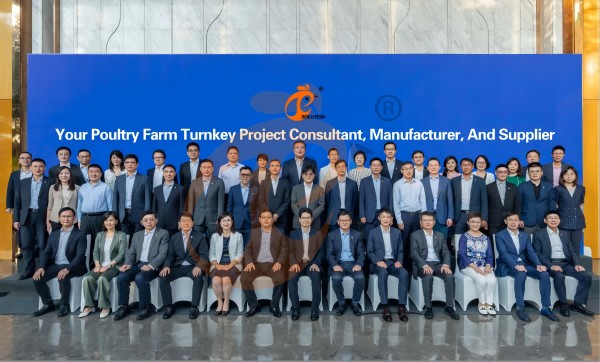
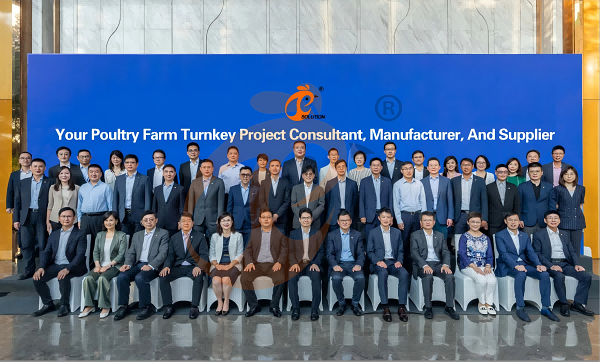
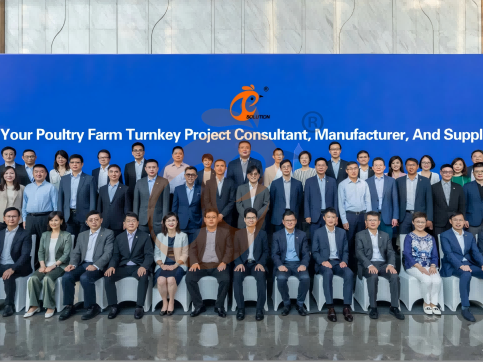
Hong Kong Headquarter Management Team
Hong Kong Headquarter Taiyu Industrial Group CO., LTD
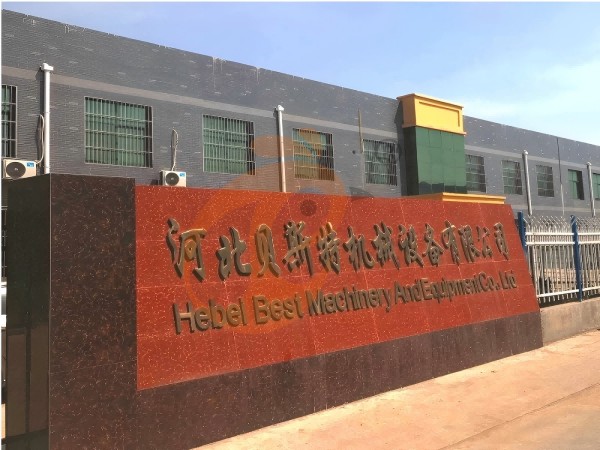
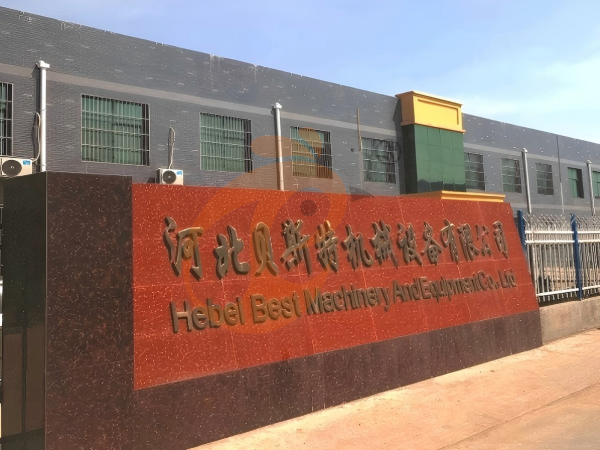
China Hebei Best Machinery And Equipment CO., LTD
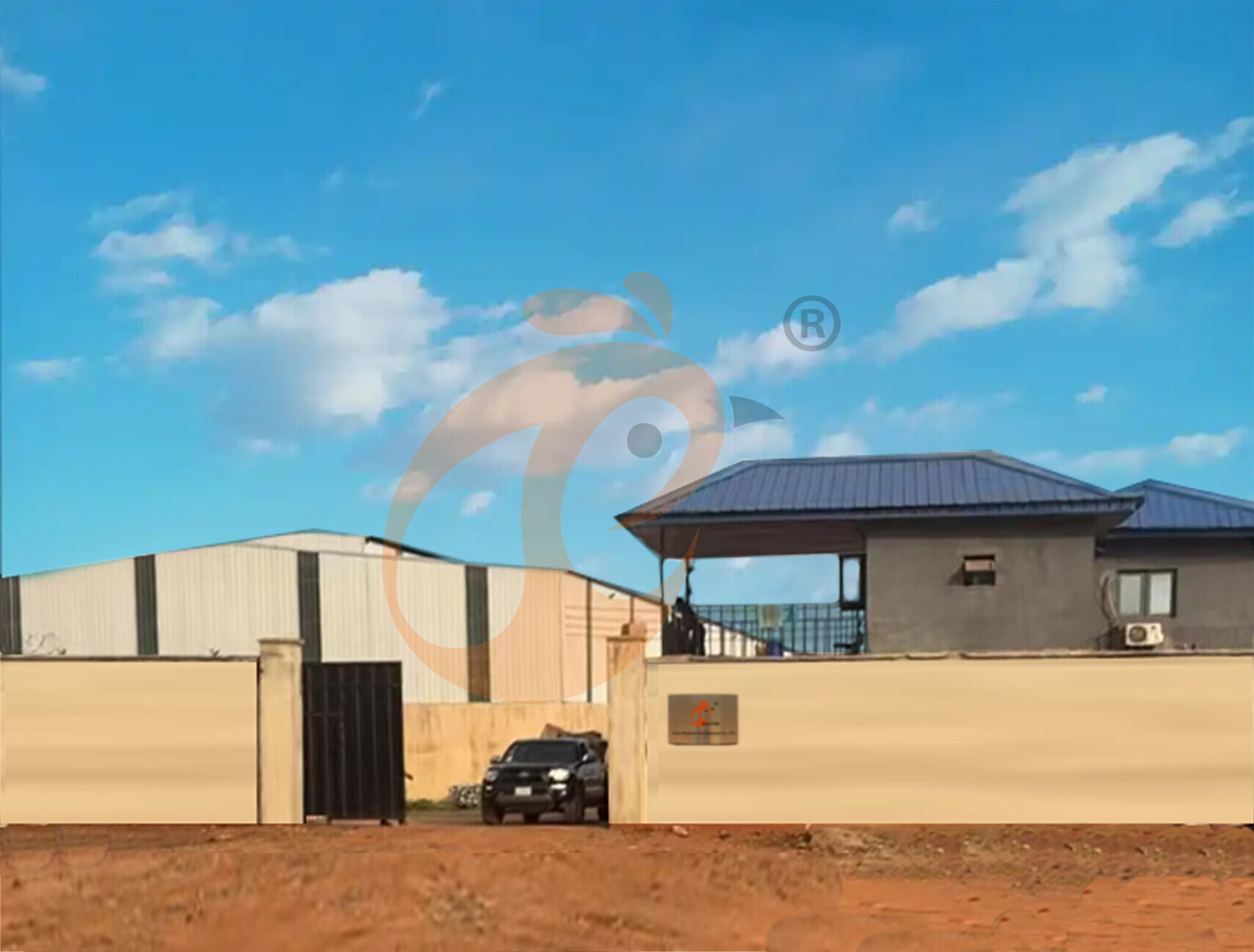
Nigeria Vanke Machinery And Equipment CO., LTD
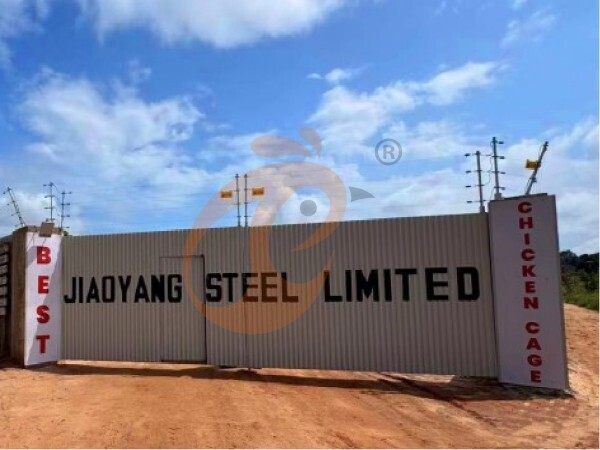
Tanzania Best Machinery And Equipment CO., LTD
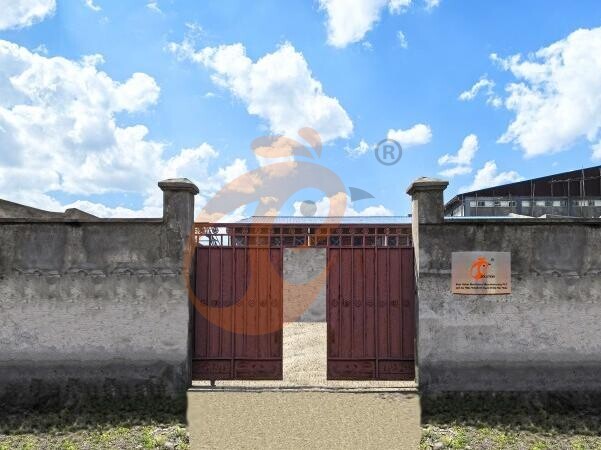
Ethiopia Best Hebei Machinery Manufacturing PLC
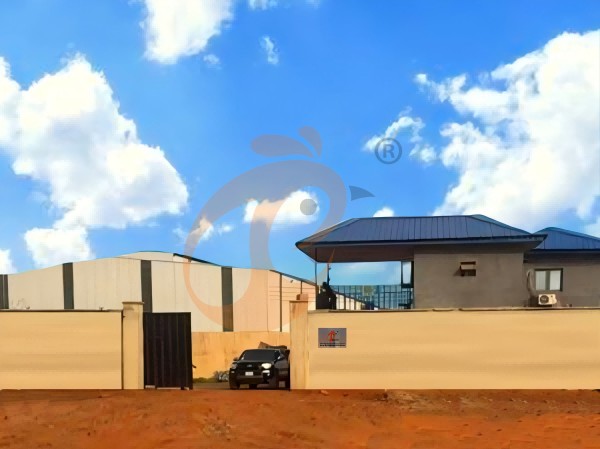
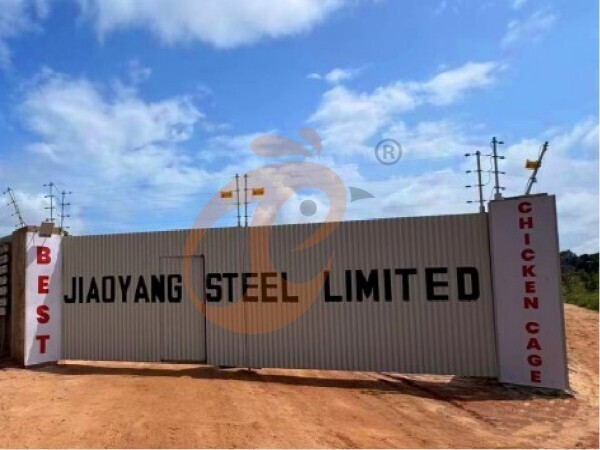
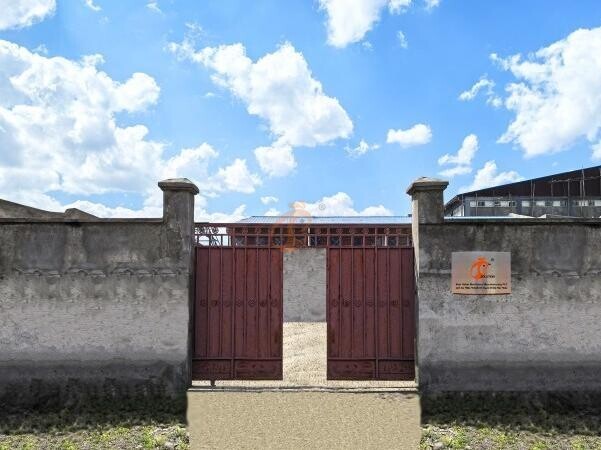
Reception /24 WhatsApp NO. : +8618830120193
FAQ
What Are The Top Recommendations For Egg Quality Management In Battery Cage Systems?
Keep conveyor belts clean to avoid breakage and contamination.
Egg production: 90–98%, breakage rate: 2–3%.
How To Optimize Lighting And Ventilation For Maximum Egg Production In Poultry Cages?
Combine roof exhaust and side-wall intake for ventilation, temperature 18–25℃, humidity 50–70%.
Egg production can reach 90–98%, breakage rate <3%.
How To Implement Advanced Manure Removal Systems In Layer Cage Farms?
Reduces manual labor by 50–70%, maintains house hygiene, and lowers disease risk.
- poultry equipment
- chicken cage
- layer cage
- poultry farm
- poultry cage
- poultry farm
- poultry farm construction
- poultry cage manufacturer
- automatic poultry cage
- modular poultry cage
- layer farm
- chicken cage supplier
- chicken cage project
- poultry farming system
- automatic poultry cage system
- poultry cage system
- automatic poultry farm
- layer chicken cage
- automatic poultry farming system
- Ethiopia
- Nigeria
Message
Products recommended
 HK Headquarter Offers EU-standard Poultry Farm Solutions, Manufacture Poultry Farm Equipment1. Continuous communication with the EU and the US
2. China, Nigeria, Ethiopia, Tanzania branch companies and factories
3. The products’ quality is customized for local poultry farms
4. Poultry cage and poultry farm equipment stock for sale
5. 24 online reception Whatsapp NO. : +8618830120193,contact us to get full informationRead More China Branch Offer Poultry Farm Business Plan, Manufacture Poultry Farm Equipment1. Address: Flat/RM 2416, 24/F, Runxing Building, Youyi Nan Street, Shijiazhuang City, Hebei Province, China
2. Poultry cage and poultry farm equipment factory and stock for sale
3. Customized for local poultry farms
4. Quality and design are based on Euro
5. 24 online reception Whatsapp NO. : +8618830120193Read More Nigeria Branch Offer Poultry Farm Business Plan, Manufacture Poultry Farm Equipment1. Address: After Sinoma Office, 200 Meters Near Danco Filling Station, Lagos/Ibadan Expressway, Lagos State, Nigeria
2. Poultry cage and poultry farm equipment factory and stock for sale
3. Customized for Nigerian poultry farms
4. Quality and design are based on Euro
5. 24 online reception Whatsapp NO. : +8618830120193Read More Ethiopia Branch Offer Poultry Farm Business Plan, Manufacture Poultry Farm Equipment1. Address: Gelan Gura, Akaki-kaliti Sub City, Addis Ababa, Ethiopia
2. Poultry cage and poultry farm equipment stock for sale
3. Customized for Ethiopian poultry farms
4. Quality and design are based on Euro
5. 24 online reception Whatsapp NO. : +8618830120193, contact us to get price listRead More Tanzania Branch Offer Poultry Farm Business Plan, Manufacture Poultry Farm Equipment1. Address: No.8, Sova Road, Msufini, Mlandizi, Kibaha, Pwani, Tanzania
2. Poultry cage and poultry farm equipment factory and stock for sale
3. Customized for Tanzanian poultry farms
4. Quality and design are based on Euro
5. 24 online reception Whatsapp NO. : +8618830120193Read More Fully Automatic H Type Layer Chicken Cage1. 30,000-100,000+ layers/house chooses it, Poultry farmers can achieve an egg production rate of 96-98%
2. A significant improvement over the 85-90% typically seen in manual systems
3. A typical poultry farm can expect a 30-40% reduction in labor costs due to the automation
4. Each feeding line efficiently supplies feed to around 100,000 hens per 30 mins
5. Reception /WhatsApp NO. : +8618830120193Read More Fully Automatic A Type Layer Chicken Cage1. 10,000-50,000 layers/house chooses it
2. Cleaner egg collection reduces breakage by 0.5%
3. Improved hygiene helps reduce mortality rate to <3%
4. 1–2 technicians can handle 15,000–30,000 birds
5. Reception /WhatsApp NO. : +8618830120193Read More Semi Automatic H Type Layer Chicken Cage1. 1,00-20,000 layers/house chooses it
2. Nipple drinkers flow 30–60 ML / min
3. Hot-dip galvanized (typical coating ≥ 275 g/m²)
4. Reduce ammonia by ~ 35–40%
5. Reception /WhatsApp NO. : +8618830120193Read More Semi Automatic A Type Layer Chicken Cage1. 1,00-20,000 layers/house chooses it, no rust for 10 years, no deformation for 15 years
2. Chickens live comfortably, you can raise them with peace of mind
3. Save water, save money—efficiency you can measure
4. Improve environment quality, and increase egg production rate
5. Reception /WhatsApp NO. : +8618830120193Read More
By clicking 'Allow All', you agree to the storage of cookies on your device to enhance site navigation, analyze site usage and assist with our marketing efforts.