






Blog
Pellet machine maintenance governs continuous industrial feed production stability across poultry farming systems.
Mechanical roller compression systems require controlled lubrication to sustain output efficiency and reduce wear rate.
Die plate cleaning operations directly influence pellet uniformity, energy consumption, and production capacity consistency.
Thermal regulation during extrusion stabilizes lignin bonding reactions and improves feed conversion performance metrics.
Electrical and feedstock control systems ensure uninterrupted operation and maintain standardized pellet quality output consistency.
Get professional poultry farm construction guidance, equipment selection solutions, and the latest price lists, whatsApp to +8618830120193, +2348111199996, or click to learn more.
Pellet Machine Performance Baseline in Poultry Farms
Pellet machines operate as core feed processing equipment in poultry production systems where consistency in output directly affects flock growth rate, feed utilization efficiency, and operational cost structure.
Equipment performance benchmarks are defined through measurable engineering parameters including capacity, moisture tolerance, energy demand, and die service cycle, ensuring production stability across continuous farm operation environments.
Data is for reference only.Swipe horizontally to view full table.
In poultry feed systems, pellet uniformity deviation above 5% increases feed loss rate by 3–7% per production cycle.
Industry monitoring shows that feed consistency directly influences poultry weight gain variance within a 42-day growth cycle.
Roller Bearing Lubrication Precision Control
Roller assemblies function as compression actuators converting raw feed particles into compact pellets under high pressure.
Lubrication stability ensures friction control, thermal balance, and mechanical durability under continuous load operation conditions in poultry feed mills.
Data is for reference only.Swipe horizontally to view full table.
Field operation data indicates roller wear reduction from 0.18 Mm/month to 0.09 Mm/month under standardized lubrication cycles.
Pellet machine efficiency improves 11–14% in sustained poultry production environments.
Die Hole Cleaning And Flow Optimization
Die plate performance determines extrusion uniformity, pellet hardness stability, and energy efficiency during poultry feed production cycles.
Blockage accumulation increases motor load and reduces throughput efficiency in continuous operation environments.
Data is for reference only.Swipe horizontally to view full table.
Industrial feed mill data shows 10% die blockage increases energy consumption by 6.3% per ton output.
Efficient die cleaning stabilizes extrusion pressure distribution across all pellet formation channels.
Science Insight Why Pellet Feed Improves Poultry Growth
Pellet feed structure enhances nutrient absorption efficiency by altering starch gelatinization and protein denaturation during thermal compression processing.
Feed conversion efficiency improves significantly compared with mash feed systems.
Data is for reference only.Swipe horizontally to view full table.
Feed conversion ratio improvement of up to 12–18% occurs due to increased digestibility and reduced selective feeding behavior in poultry populations.
Roller Gap Calibration For Feed Density Control
Roller gap adjustment defines compression intensity, directly influencing pellet density, mechanical strength, and transport durability across poultry supply chains.
Precision calibration reduces breakage loss during handling and distribution stages.
Data is for reference only.Swipe horizontally to view full table.
Transport efficiency optimization reduces feed loss cost by approximately $18–$25 per ton in industrial poultry distribution systems.
Thermal Control During Pellet Formation
Friction-generated thermal energy activates lignin bonding agents within biomass materials, forming stable pellet structures during extrusion.
Temperature regulation ensures energy efficiency and nutrient preservation across poultry feed production cycles.
Data is for reference only.Swipe horizontally to view full table.
Thermal deviation above optimal range reduces vitamin retention efficiency by 8–11% affecting poultry feed nutritional balance.
Electrical System Stability in Continuous Operation
Electrical infrastructure ensures continuous operation of pellet machines under extended poultry feed production cycles.
Voltage stability and inverter performance directly influence system uptime and motor durability.
Data is for reference only.Swipe horizontally to view full table.
Industrial monitoring shows 73% of downtime originates from electrical instability rather than mechanical failure events.
Feedstock Particle Engineering For Poultry Nutrition
Feed particle size distribution and moisture control determine extrusion efficiency and pellet structural stability.
Raw material preparation directly impacts energy load and die wear rate in pellet machine systems.
Data is for reference only.Swipe horizontally to view full table.
Particle uniformity improves machine throughput efficiency by up to 22% in continuous poultry feed production environments.
Cooling and Storage System Management
Cooling systems stabilize pellet temperature and moisture content after extrusion, preventing microbial growth and structural degradation during storage and transportation phases.
Data is for reference only.Swipe horizontally to view full table.
Moisture levels above 13% increase mold formation probability by 2.4 times within 72 hours in poultry feed storage environments.
Maintenance Failure Case Study in Poultry Feed Production
Operational failure analysis demonstrates direct correlation between maintenance frequency and production efficiency in poultry feed systems.
Equipment degradation impacts both energy consumption and feed output consistency.
Data is for reference only.Swipe horizontally to view full table.
Root cause analysis identifies delayed die maintenance and lubrication omission as primary failure triggers in high-intensity poultry production environments.
Maintenance Schedule Designed for Poultry Farms
Structured maintenance cycles stabilize production output and reduce unexpected equipment shutdown frequency in continuous poultry feed operations.
Data is for reference only.Swipe horizontally to view full table.
Maintenance scheduling reduces unplanned downtime by approximately 38% in industrial poultry feed production environments.
Frequently Asked Questions
Q1: How often should pellet machine maintenance be performed in poultry feed production systems?
A1: Light lubrication and cleaning cycles should be executed every 48–72 hours, while full system inspection should occur weekly.
Industrial data shows that adherence reduces downtime by 38% and stabilizes output at 800–1200 Kg/H.
Q2: What is the most critical component affecting pellet machine performance?
A2: Die plate and roller system determine pellet density and extrusion efficiency.
Wear deviation of 0.1 Mm in roller surface can increase energy consumption by 6–8% per ton of feed production.
Q3: How does pellet machine condition affect poultry growth performance?
A3: Feed conversion ratio improves from 1.85–2.05 in mash feed to 1.55–1.72 in pellet feed.
Average broiler weight gain increases up to 2.8 Kg within 42 days.
Taiyu (HK) Group - One Of China Largest Pellet Machine Manufacturer
Pellet machine industrial system designed for poultry feed production lines with stable 800–1200 Kg/H capacity output and continuous operation performance for large scale farms
Global factory direct supply model supports cost efficient pellet machine procurement and standardized industrial production quality control systems
Advanced poultry equipment integration including automated feed processing systems, grinding, mixing, and pellet cooling modules for farm efficiency upgrade
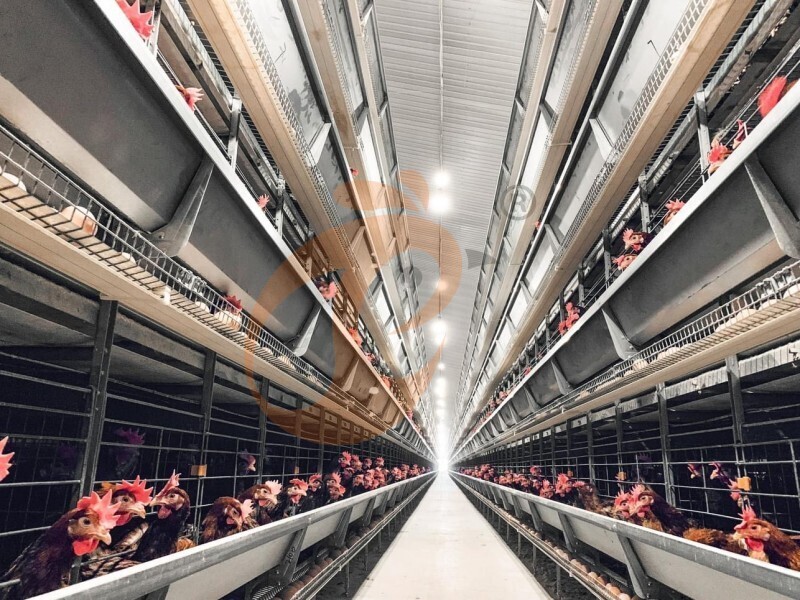
Poultry cage system integration available for complete farm infrastructure development and optimized poultry density management solutions
Turn-key engineering service delivers full poultry feed mill project design, installation, commissioning, and production line optimization support
Contact Us To Received Your Customized Poultry Farm Plan
Headquarters And Branchs
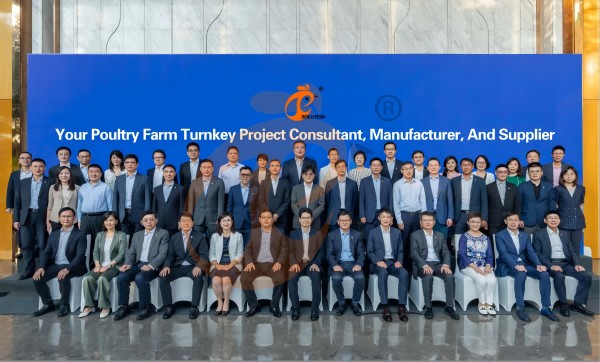
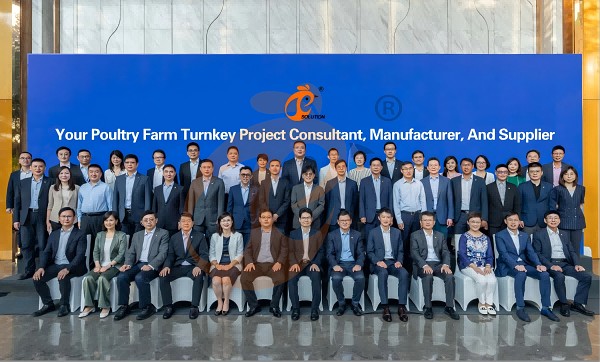
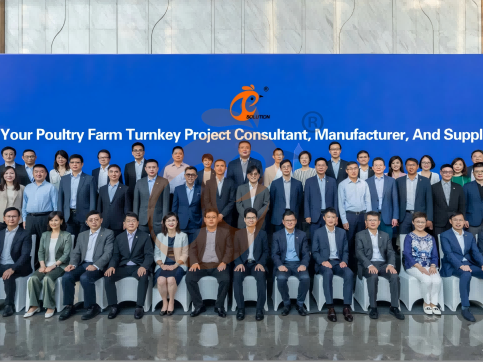
Hong Kong Headquarter Management Team
Hong Kong Headquarter Taiyu Industrial Group CO., LTD
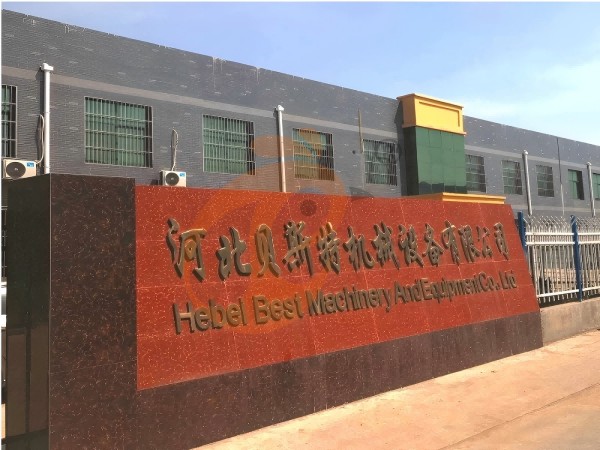
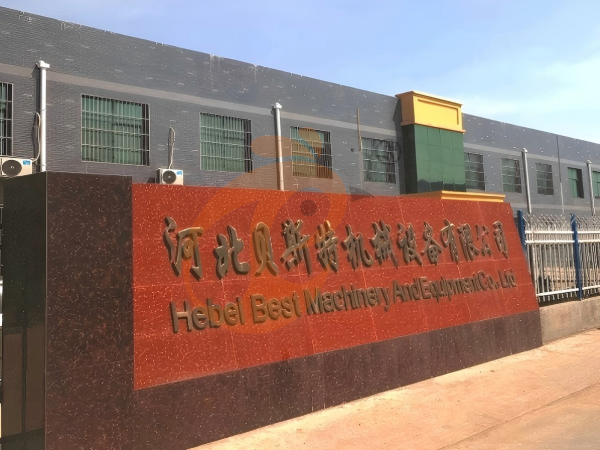
China Hebei Best Machinery And Equipment CO., LTD
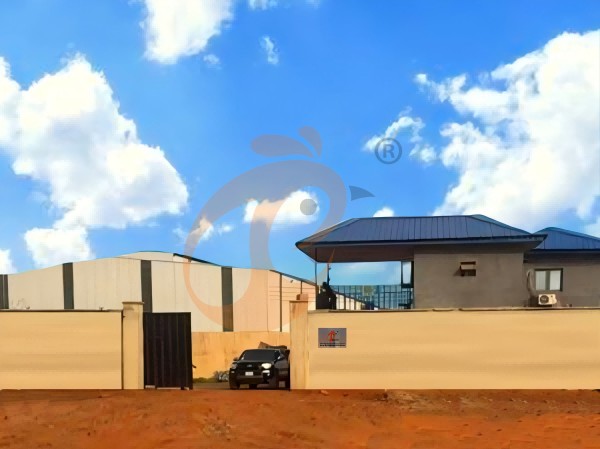
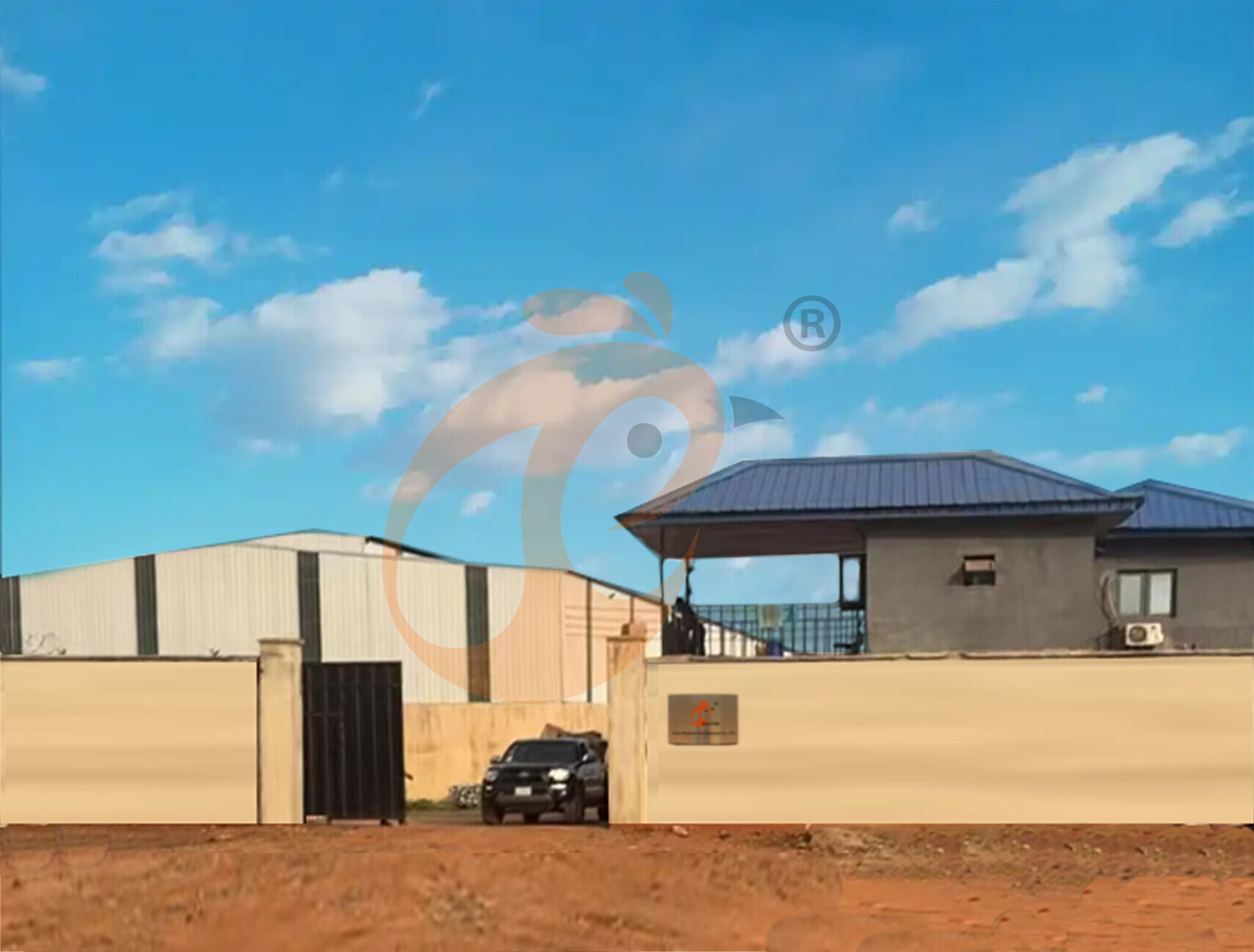
Nigeria Vanke Machinery And Equipment CO., LTD
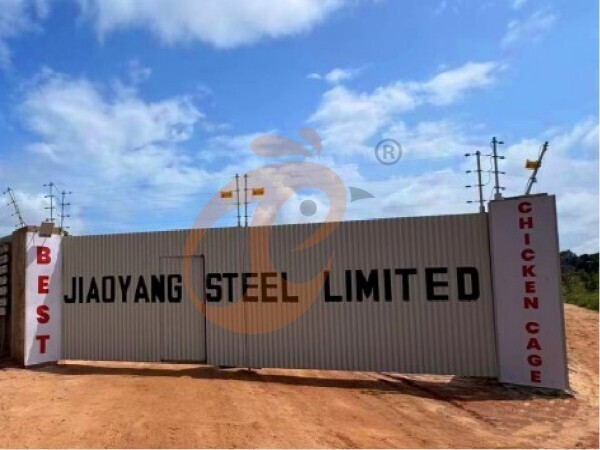
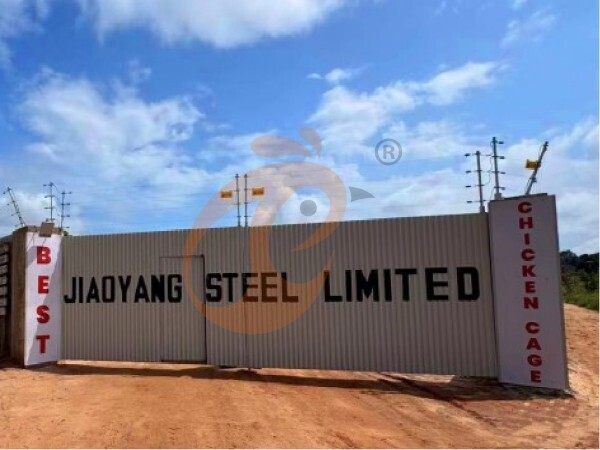
Tanzania Best Machinery And Equipment CO., LTD
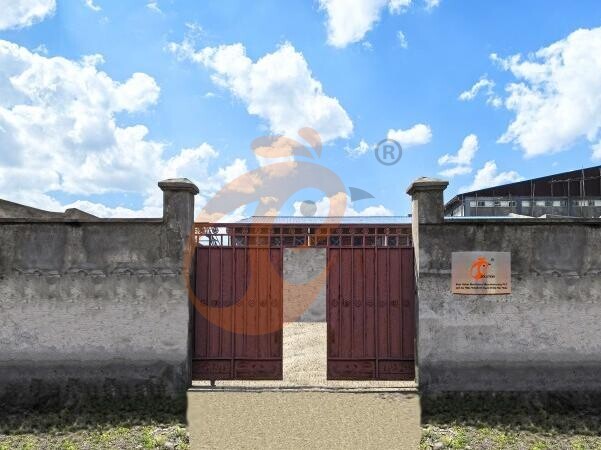
Ethiopia Best Hebei Machinery Manufacturing PLC

Reception /24 WhatsApp NO. : +8618830120193
FAQ
What Pellet Quality Indicators Are Required From Pellet Machine In Poultry Chicken Feed Manufacturing?
Hardness level is controlled at 3–5 kg/cm² for optimal bird consumption efficiency.
Fines content is kept below 8% to ensure uniform feed intake performance.
What Die Specification Standards Are Used In Pellet Machine For Poultry Chicken Feed Production?
Compression ratio ranges from 1:6 to 1:8 to ensure proper pellet density structure.
Die material hardness reaches HRC 50–55 for extended wear resistance under continuous operation.
What Roller System Parameters Are Required In Pellet Machine For Poultry Chicken Feed Processing?
Roller gap is adjusted between 0.1–0.3 mm to control pellet density formation.
Roller lifespan typically reaches 600–900 operating hours under standard feed production conditions.
Message
Products recommended
 HK Headquarter Offers EU-standard Poultry Farm Solutions, Manufacture Poultry Farm Equipment1. Continuous communication with the EU and the US
2. China, Nigeria, Ethiopia, Tanzania branch companies and factories
3. The products’ quality is customized for local poultry farms
4. Poultry cage and poultry farm equipment stock for sale
5. 24 online reception Whatsapp NO. : +8618830120193,contact us to get full informationRead More China Branch Offer Poultry Farm Business Plan, Manufacture Poultry Farm Equipment1. Address: Flat/RM 2416, 24/F, Runxing Building, Youyi Nan Street, Shijiazhuang City, Hebei Province, China
2. Poultry cage and poultry farm equipment factory and stock for sale
3. Customized for local poultry farms
4. Quality and design are based on Euro
5. 24 online reception Whatsapp NO. : +8618830120193Read More Nigeria Branch Offer Poultry Farm Business Plan, Manufacture Poultry Farm Equipment1. Address: After Sinoma Office, 200 Meters Near Danco Filling Station, Lagos/Ibadan Expressway, Lagos State, Nigeria
2. Poultry cage and poultry farm equipment factory and stock for sale
3. Customized for Nigerian poultry farms
4. Quality and design are based on Euro
5. 24 online reception Whatsapp NO. : +8618830120193Read More Ethiopia Branch Offer Poultry Farm Business Plan, Manufacture Poultry Farm Equipment1. Address: Gelan Gura, Akaki-kaliti Sub City, Addis Ababa, Ethiopia
2. Poultry cage and poultry farm equipment stock for sale
3. Customized for Ethiopian poultry farms
4. Quality and design are based on Euro
5. 24 online reception Whatsapp NO. : +8618830120193, contact us to get price listRead More Tanzania Branch Offer Poultry Farm Business Plan, Manufacture Poultry Farm Equipment1. Address: No.8, Sova Road, Msufini, Mlandizi, Kibaha, Pwani, Tanzania
2. Poultry cage and poultry farm equipment factory and stock for sale
3. Customized for Tanzanian poultry farms
4. Quality and design are based on Euro
5. 24 online reception Whatsapp NO. : +8618830120193Read More Fully Automatic H Type Layer Chicken Cage1. 30,000-100,000+ layers/house chooses it, Poultry farmers can achieve an egg production rate of 96-98%
2. A significant improvement over the 85-90% typically seen in manual systems
3. A typical poultry farm can expect a 30-40% reduction in labor costs due to the automation
4. Each feeding line efficiently supplies feed to around 100,000 hens per 30 mins
5. Reception /WhatsApp NO. : +8618830120193Read More Fully Automatic A Type Layer Chicken Cage1. 10,000-50,000 layers/house chooses it
2. Cleaner egg collection reduces breakage by 0.5%
3. Improved hygiene helps reduce mortality rate to <3%
4. 1–2 technicians can handle 15,000–30,000 birds
5. Reception /WhatsApp NO. : +8618830120193Read More Semi Automatic H Type Layer Chicken Cage1. 1,00-20,000 layers/house chooses it
2. Nipple drinkers flow 30–60 ML / min
3. Hot-dip galvanized (typical coating ≥ 275 g/m²)
4. Reduce ammonia by ~ 35–40%
5. Reception /WhatsApp NO. : +8618830120193Read More Semi Automatic A Type Layer Chicken Cage1. 1,00-20,000 layers/house chooses it, no rust for 10 years, no deformation for 15 years
2. Chickens live comfortably, you can raise them with peace of mind
3. Save water, save money—efficiency you can measure
4. Improve environment quality, and increase egg production rate
5. Reception /WhatsApp NO. : +8618830120193Read More
By clicking 'Allow All', you agree to the storage of cookies on your device to enhance site navigation, analyze site usage and assist with our marketing efforts.