


Blog
Automatic and semi automatic Ethiopian H type chicken cage systems optimize poultry farm efficiency.
The analysis evaluates structural engineering, feeding, water management, and manure handling.
Technical specifications, climate adaptation, and local electricity reliability are compared.
Economic feasibility includes CAPEX, OPEX, ROI, and local egg market dynamics.
Egg collection, ventilation, and biosecurity practices are considered for all farms.
Maintenance and technical support requirements influence long term operational costs.
Investors can choose systems depending on farm size, rural or urban location.
Recommendations include optimal equipment selection for Ethiopia's poultry farm environment.
Get professional poultry farm construction guidance, equipment selection solutions, and the latest price lists, whatsApp to +8618830120193, click to learn more.

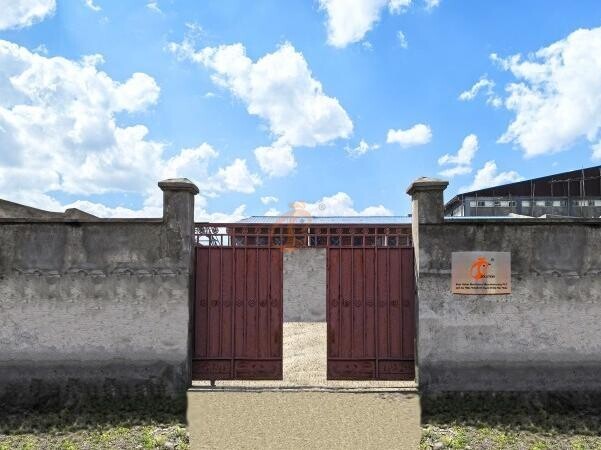
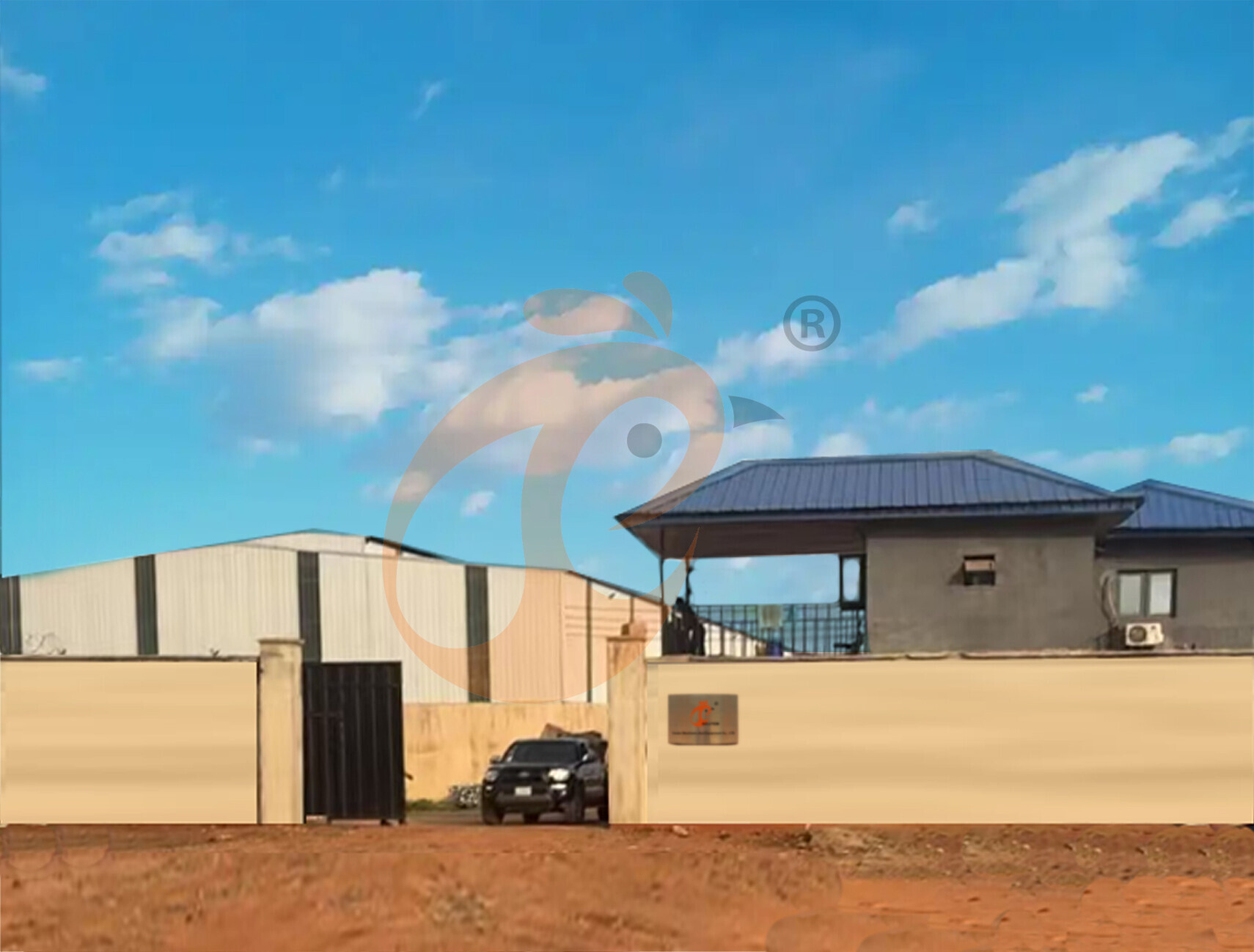
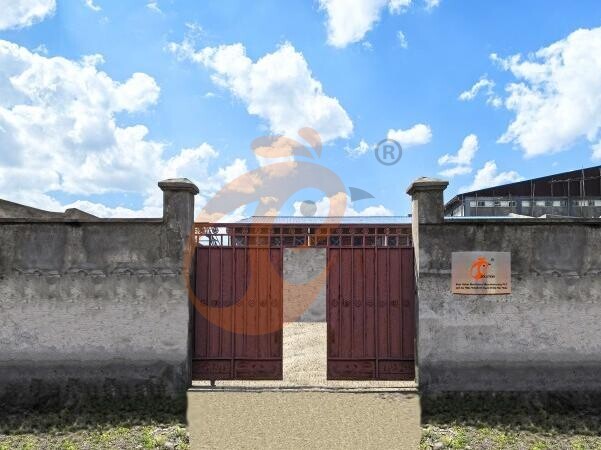
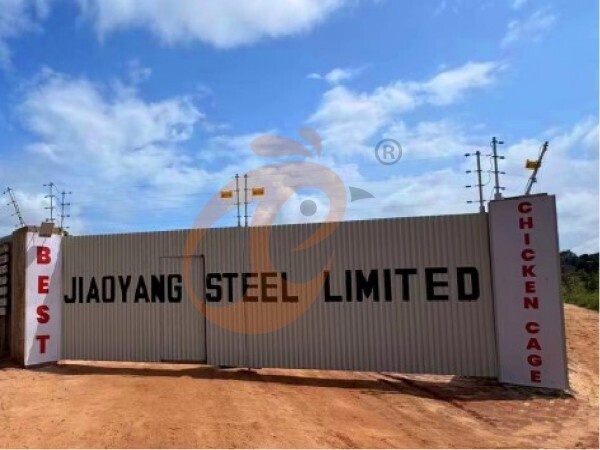
Ethiopia Branch Office And Factory Of Poultry Farm Equipment
Structural Engineering And Space Optimization
In Ethiopia, land availability and construction costs are primary drivers for cage selection.
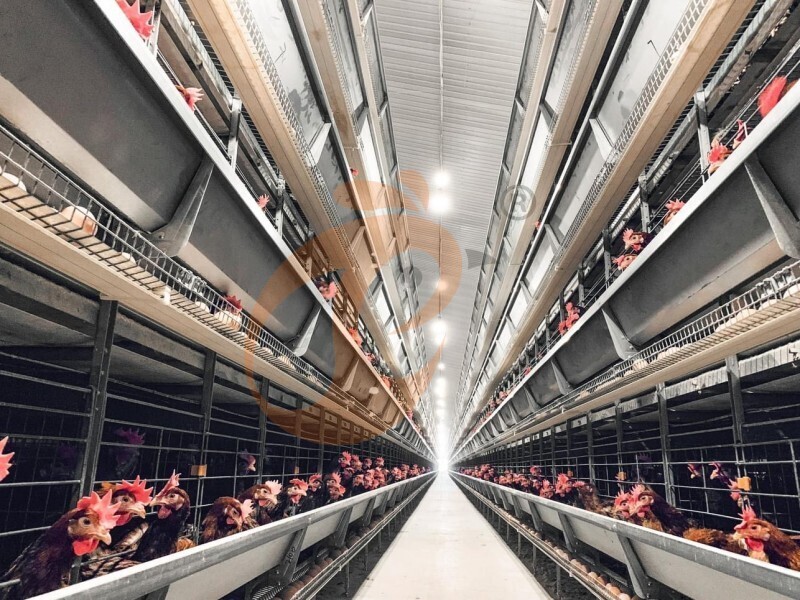
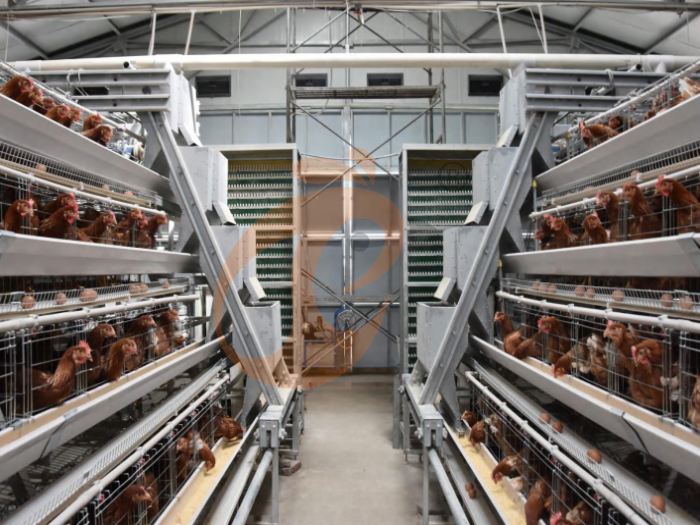
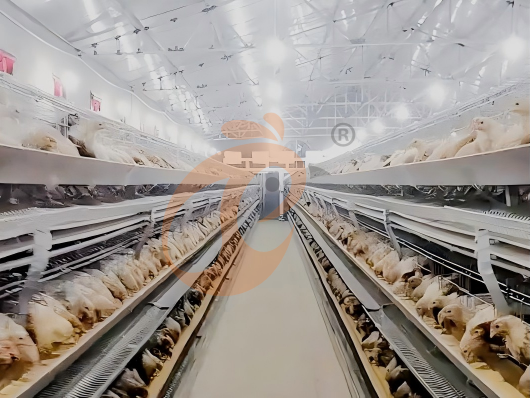
The H-type design is engineered for high density vertical farming, which maximizes the birds per square meter ratio.
Compared to older A-type models, H-type frames provide superior stability and airflow.
For a standard Ethiopian poultry house, the structural steel used in the cage frames must withstand specific load bearing requirements.
Data is for reference only. Swipe horizontally to view full table.
Feeding Efficiency And Precision Nutrition
Feed costs in Ethiopia account for 70% - 75% of total production expenses.
Automatic systems utilize a "trolley hopper" or "auger driven" mechanism to ensure uniform distribution.
Semi automatic systems, while requiring more labor, allow for manual adjustments to feed troughs.
The objective is to minimize feed wastage (FCR) caused by spillage or uneven access.
Data is for reference only. Swipe horizontally to view full table.
Solving The Water Scarcity And Hygiene Gap
Water management is a critical pain point for farmers in the Oromia and Amhara regions.
During the dry season, water quality and consistency can fluctuate.
H-type systems utilize nipple drinking systems with integrated pressure regulators.
This prevents water leakage onto the manure belts, which is vital for keeping ammonia levels low.
Automatic systems include a 360-degree trigger nipple to ensure birds receive adequate hydration without human intervention.
Data is for reference only. Swipe horizontally to view full table.
Manure Management The Ammonia Challenge
The accumulation of manure in large scale poultry houses is the leading cause of respiratory disease in Ethiopian flocks.
Automatic H-type cages use a PP (polypropylene) belt system to remove droppings daily.
Semi automatic systems often rely on manual scraping or deep pit collection.
The removal of waste from the house environment significantly improves the oxygen (O₂) levels within the building.
Data is for reference only. Swipe horizontally to view full table.
Egg Collection And Breakage Mitigation
For a commercial layer farm in Ethiopia, every broken egg is a direct loss of profit.
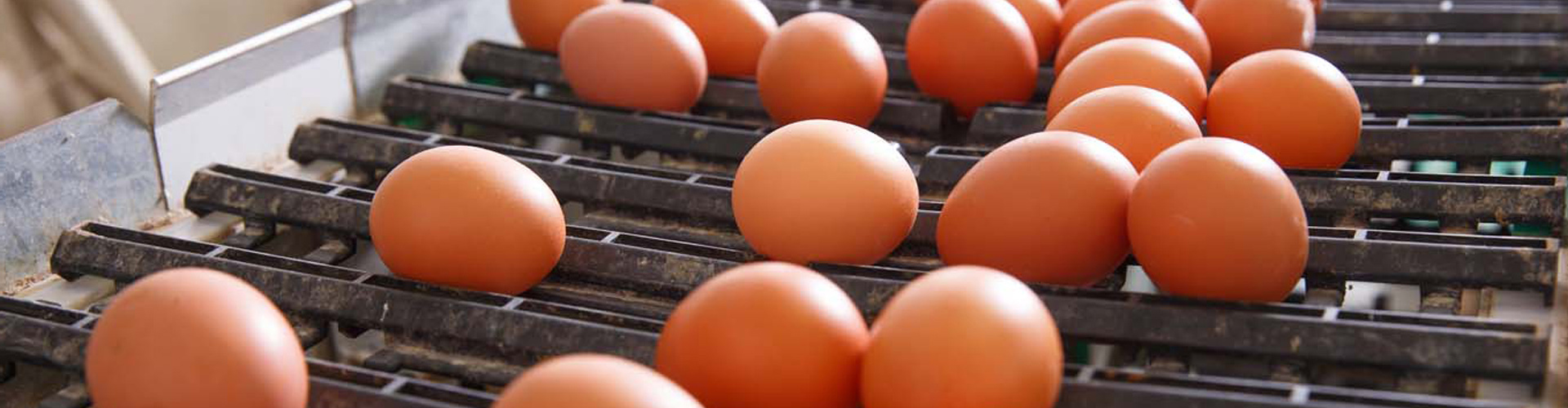
Automatic systems use a centralized conveyor belt that transports eggs from the cage floor to a collection room.
This reduces the "human touch" factor, which is the primary cause of hairline fractures.
In a semi automatic house, staff must walk between tiers to collect eggs manually.
Data is for reference only. Swipe horizontally to view full table.
Climate Control And Ventilation Performance
Ethiopia's altitude and varying temperatures (hot days and cold nights) require precise ventilation.
H-type cages are designed to work in tandem with longitudinal tunnel ventilation systems.
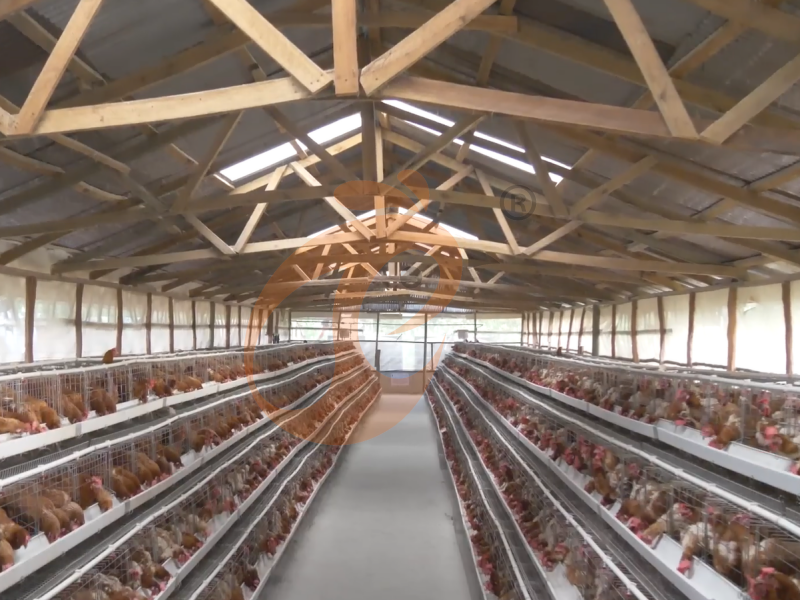
While semi automatic houses often use natural ventilation through side curtains, fully automatic houses use cooling pads and exhaust fans.
The airflow must be calculated based on the total biomass inside the house.
Proper ventilation ensures that birds remain within their thermoneutral zone.
Data is for reference only. Swipe horizontally to view full table.
Power Reliability And Energy Backup
A major barrier for Ethiopian farmers is the stability of the electrical grid
Fully automatic systems require a consistent power supply for the manure belts and feeding trolleys.
Investors in regions with frequent outages often opt for semi-automatic systems or invest in heavy duty diesel generators.
When choosing an automatic system, the electrical control panel must include surge protection and phase failure sensors.
Data is for reference only. Swipe horizontally to view full table.
Return On Investment And Economic Feasibility In The Local Market
The initial capital expenditure (CAPEX) for a fully automatic H-type system is roughly 40% - 60% higher than a semi automatic one.
However, the operational expenditure (OPEX) is significantly lower due to labor savings and reduced feed waste.
For an Ethiopian investor, the "break-even" point usually occurs within 3 to 5 years depending on egg market prices.
Large scale projects (over 30,000 birds) generally find the automatic system more profitable in the long run.
Smaller operations may find the semi-automatic system more manageable in terms of cash flow.
All costs are quoted in Ethiopian birr (ETB). European union standard reference only.
Maintenance And Technical Support
Maintenance is a critical consideration in Ethiopia, where spare parts for high tech machinery can be difficult to source.
Semi automatic systems are simpler to repair using local mechanical skills.
Automatic systems require specialized training for staff to manage the PLC (programmable logic controller) and motor alignments.
Regular lubrication and alignment checks are necessary to prevent mechanical downtime.
Frequently Asked Questions
Q1: Is H type chicken cage suitable for small rural Ethiopian farms?
A1: Yes, semi-automatic H-type cages are suitable for smaller rural farms.
They require less electricity and can be managed with limited staff.
Investors can scale gradually while maintaining biosecurity.
Q2: How does water scarcity affect chicken cage operations in Ethiopia?
A2: Automatic nipple drinking systems help maintain hydration during dry seasons.
Integrated pressure regulators reduce spillage and maintain hygiene.
This is critical for maintaining O₂ levels and bird health.
Q3: What are the energy requirements for fully automatic H-type chicken cages?
A3: A stable electricity supply or backup diesel generator is necessary.
Investors in areas with unreliable grids should plan for surge protection.
This ensures consistent operation of feeding and manure systems.
Ethiopia Best Hebei Machinery Manufacturing Plc - One Of Ethiopia Biggest Chicken Cage Supplier
HB best offers global factory direct sales of poultry farm equipment for all farm sizes.
The company provides turnkey projects including poultry cages and integrated feeding systems.
Professional technical support and training ensure smooth operations in Ethiopia.
Long lasting cage materials withstand local climate and high density farming conditions.
Turn key engineering solutions include installation, maintenance, and spare parts supply.
Contact Us To Received Your Customized Poultry Farm Plan
Headquarters And Branchs
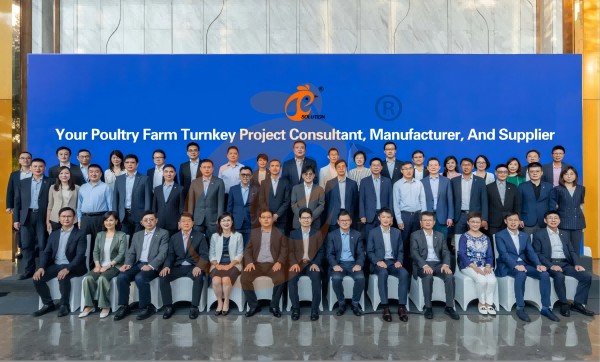
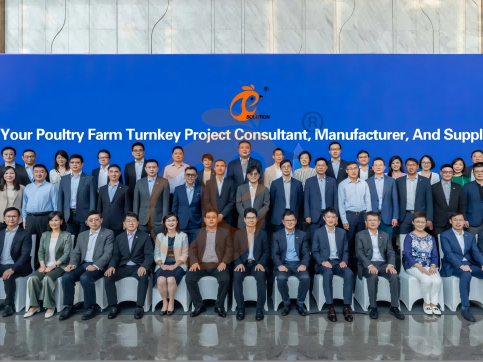
Hong Kong Headquarter Management Team
Hong Kong Headquarter Taiyu Industrial Group CO., LTD
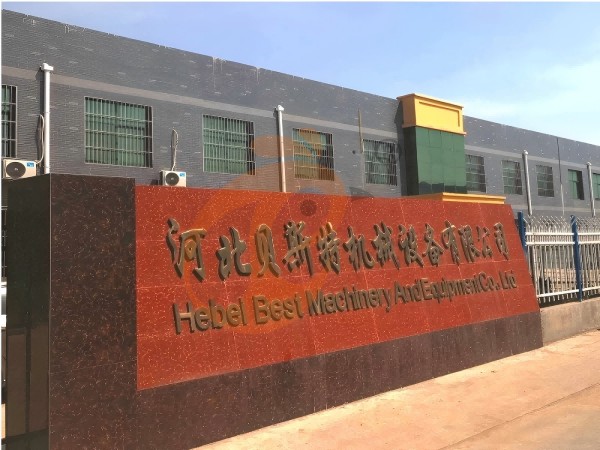
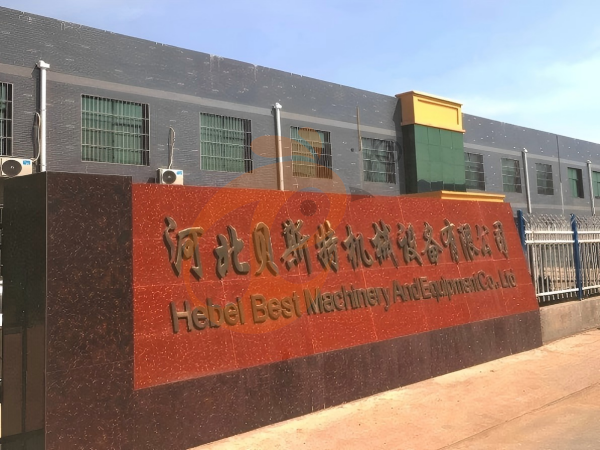
China Hebei Best Machinery And Equipment CO., LTD
Nigeria Vanke Machinery And Equipment CO., LTD
Tanzania Best Machinery And Equipment CO., LTD
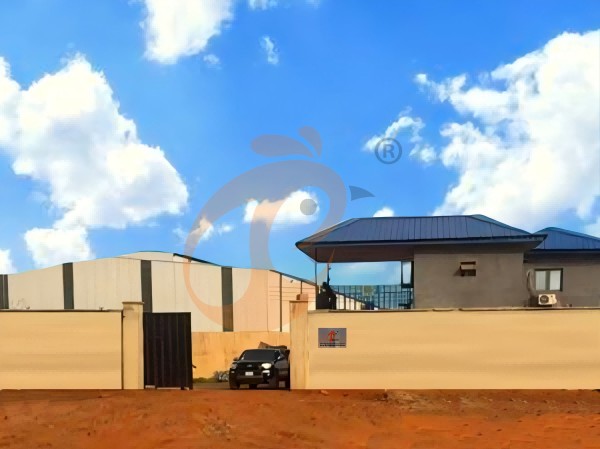
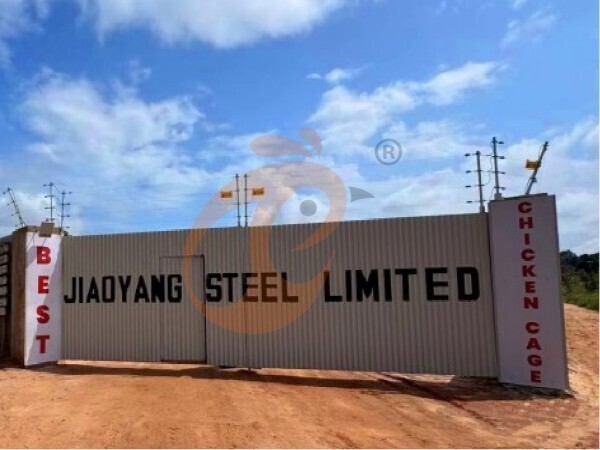
Ethiopia Best Hebei Machinery Manufacturing PLC
Reception /24 WhatsApp NO. : +8618830120193
FAQ
What Are The Recommended Cage Heights For H-Type Poultry Cage?
Multi-tier layout: 5–7 levels
Ensure comfort for feeding and movement
Egg production rate: 90-98%
FCR: 1.9–2.1
How To Reduce Energy Consumption In H-Type Layer Cage Farm?
Optimize ventilation and lighting layout
Reduce HVAC energy consumption by 10–15%
Egg production rate: 90-98%
FCR: 1.9–2.1
What Is The Maximum Capacity Of H-Type Layer Cage In A Single House?
Birds per tier: 90–120
Farm capacity per house: 30,000 - 100,000+0 birds
Floor space saved: 3–4 times
Labor savings: 70-90%
Message
Products recommended
 HK Headquarter Offers EU-standard Poultry Farm Solutions, Manufacture Poultry Farm Equipment1. Continuous communication with the EU and the US
2. China, Nigeria, Ethiopia, Tanzania branch companies and factories
3. The products’ quality is customized for local poultry farms
4. Poultry cage and poultry farm equipment stock for sale
5. 24 online reception Whatsapp NO. : +8618830120193,contact us to get full informationRead More China Branch Offer Poultry Farm Business Plan, Manufacture Poultry Farm Equipment1. Address: Flat/RM 2416, 24/F, Runxing Building, Youyi Nan Street, Shijiazhuang City, Hebei Province, China
2. Poultry cage and poultry farm equipment factory and stock for sale
3. Customized for local poultry farms
4. Quality and design are based on Euro
5. 24 online reception Whatsapp NO. : +8618830120193Read More Nigeria Branch Offer Poultry Farm Business Plan, Manufacture Poultry Farm Equipment1. Address: After Sinoma Office, 200 Meters Near Danco Filling Station, Lagos/Ibadan Expressway, Lagos State, Nigeria
2. Poultry cage and poultry farm equipment factory and stock for sale
3. Customized for Nigerian poultry farms
4. Quality and design are based on Euro
5. 24 online reception Whatsapp NO. : +8618830120193Read More Ethiopia Branch Offer Poultry Farm Business Plan, Manufacture Poultry Farm Equipment1. Address: Gelan Gura, Akaki-kaliti Sub City, Addis Ababa, Ethiopia
2. Poultry cage and poultry farm equipment stock for sale
3. Customized for Ethiopian poultry farms
4. Quality and design are based on Euro
5. 24 online reception Whatsapp NO. : +8618830120193, contact us to get price listRead More Tanzania Branch Offer Poultry Farm Business Plan, Manufacture Poultry Farm Equipment1. Address: No.8, Sova Road, Msufini, Mlandizi, Kibaha, Pwani, Tanzania
2. Poultry cage and poultry farm equipment factory and stock for sale
3. Customized for Tanzanian poultry farms
4. Quality and design are based on Euro
5. 24 online reception Whatsapp NO. : +8618830120193Read More Fully Automatic H Type Layer Chicken Cage1. 30,000-100,000+ layers/house chooses it, Poultry farmers can achieve an egg production rate of 96-98%
2. A significant improvement over the 85-90% typically seen in manual systems
3. A typical poultry farm can expect a 30-40% reduction in labor costs due to the automation
4. Each feeding line efficiently supplies feed to around 100,000 hens per 30 mins
5. Reception /WhatsApp NO. : +8618830120193Read More Fully Automatic A Type Layer Chicken Cage1. 10,000-50,000 layers/house chooses it
2. Cleaner egg collection reduces breakage by 0.5%
3. Improved hygiene helps reduce mortality rate to <3%
4. 1–2 technicians can handle 15,000–30,000 birds
5. Reception /WhatsApp NO. : +8618830120193Read More Semi Automatic H Type Layer Chicken Cage1. 1,00-20,000 layers/house chooses it
2. Nipple drinkers flow 30–60 ML / min
3. Hot-dip galvanized (typical coating ≥ 275 g/m²)
4. Reduce ammonia by ~ 35–40%
5. Reception /WhatsApp NO. : +8618830120193Read More Semi Automatic A Type Layer Chicken Cage1. 1,00-20,000 layers/house chooses it, no rust for 10 years, no deformation for 15 years
2. Chickens live comfortably, you can raise them with peace of mind
3. Save water, save money—efficiency you can measure
4. Improve environment quality, and increase egg production rate
5. Reception /WhatsApp NO. : +8618830120193Read More
By clicking 'Allow All', you agree to the storage of cookies on your device to enhance site navigation, analyze site usage and assist with our marketing efforts.