


Blog
Chicken cage quotation Ethiopia requires detailed cost evaluation beyond initial supplier pricing structures
Ethiopian poultry investors face logistics, taxation, and infrastructure constraints affecting project feasibility
Hidden costs often emerge during shipping, installation, and operational phases in local conditions
Proper planning reduces financial risk and improves long-term egg production profitability
Understanding local supply chain limitations is essential for sustainable layer farming success
Get professional poultry farm construction guidance, equipment selection solutions, and the latest price lists, whatsApp to +8618830120193, click to learn more:

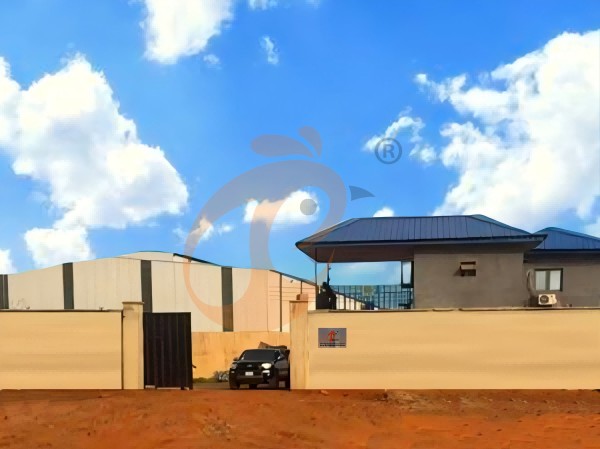
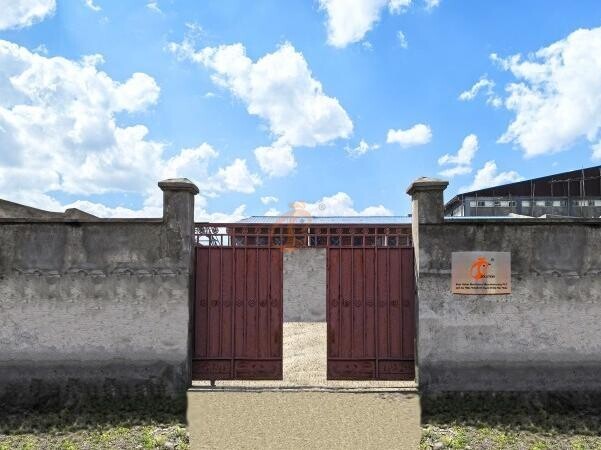
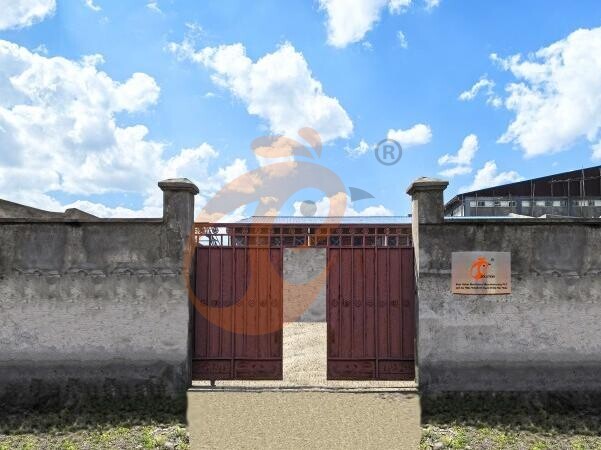
Ethiopia Branch Office And Factory Of Poultry Farm Equipment
Misleading ''Fob Price'' Without Logistics Breakdown
Many Ethiopian buyers receive quotations based on FOB pricing, typically from Asian manufacturers.
While FOB prices seem lower, they exclude shipping, insurance, inland transport, and port handling charges.
Data is for reference only.Swipe horizontally to view full table.
Failure to request CIF or DDP quotations results in significant underestimation of capital requirements.
Ethiopian buyers should always request a full landed cost simulation, including customs duties and VAT.
Ignoring Ethiopian Import Duties And Taxation
Ethiopia imposes multiple layers of taxation on imported agricultural equipment, including customs duty, surtax, VAT, and withholding tax.
Many cage suppliers do not include these in quotations.
Data is for reference only.Swipe horizontally to view full table.
A chicken cage system quoted at 2750000 Ethiopian Birr CIF could end up costing over 3600000 Ethiopian Birr after taxes. (European union standard reference only).
This is particularly problematic for small and medium farms in Oromia and Amhara regions, where financing access is limited.
Work with local clearing agents early and request HS code classification before purchase.
Underestimating Installation And Technical Support Costs
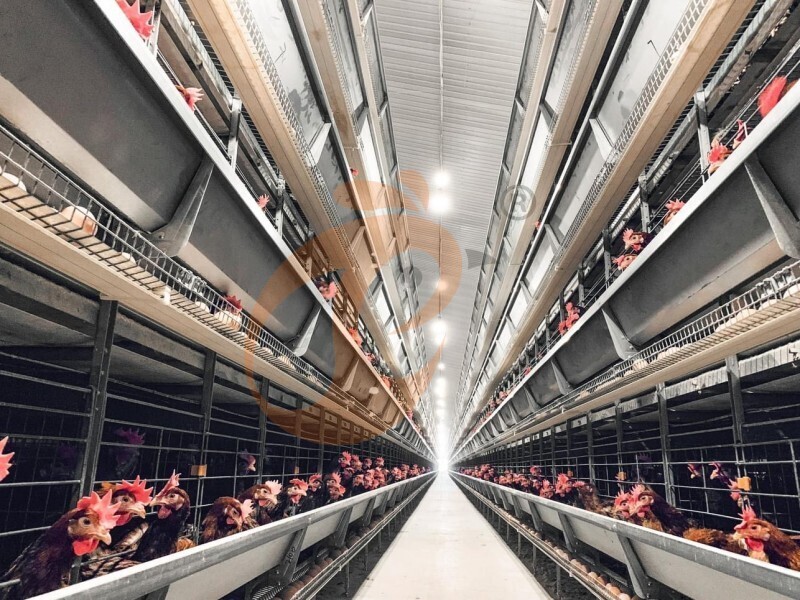
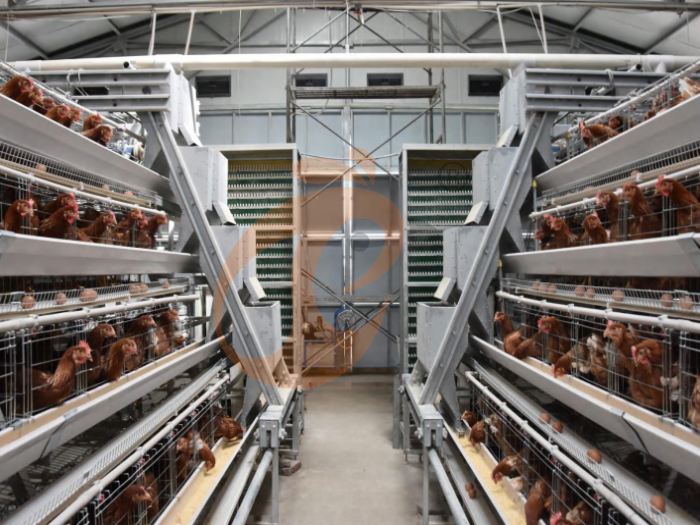
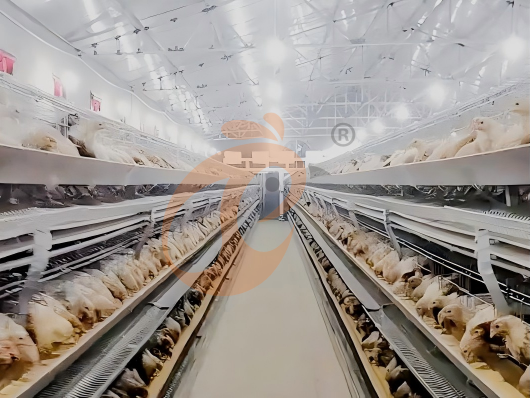
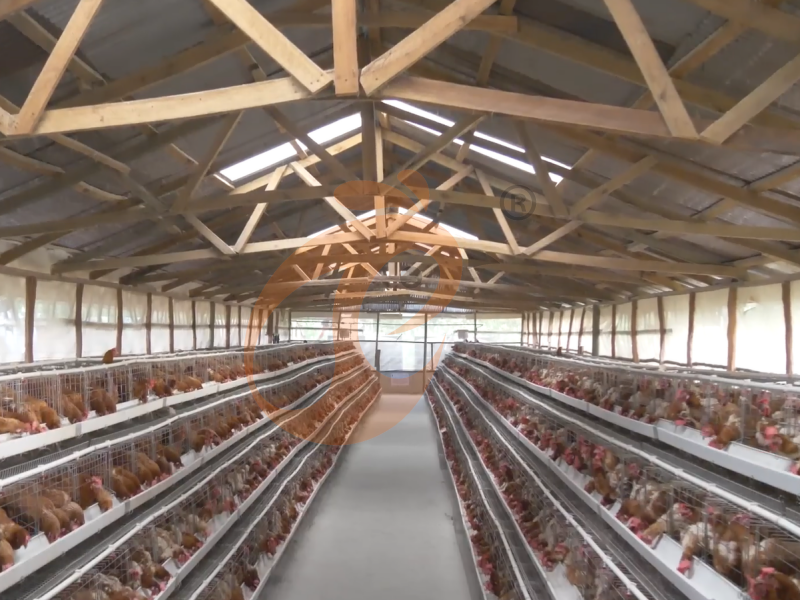
Layer chicken cage systems require professional installation, especially for multi-tier A-type or H-frame automated systems.
Many suppliers quote equipment only, excluding installation labor and technical supervision.
In Ethiopia, skilled poultry equipment technicians are scarce outside major cities.
Data is for reference only.Swipe horizontally to view full table.
Delays are common due to language barriers and lack of pre-prepared housing structures.
Choose suppliers offering remote guidance or local partners in Ethiopia to reduce dependency on foreign technicians.
Overlooking Power Supply And Backup Requirements
Automated layer chicken cage systems rely on electricity for feeding, egg collection, and manure removal.
However, power reliability in Ethiopia, especially in rural areas, is inconsistent.
Frequent outages can halt operations and increase labor costs.
Data is for reference only.Swipe horizontally to view full table.
Backup generators are often not included in initial quotations but are essential in regions like Tigray and SNNPR.
Budget for a diesel generator or solar hybrid system from the outset.
Hidden Costs In Feed Efficiency And Cage Design
Not all layer chicken cage systems are equal in design quality.
Poor cage design leads to feed wastage, egg breakage, and lower productivity, which creates hidden operational costs over time.
Data is for reference only.Swipe horizontally to view full table.
In Ethiopia, where feed costs represent over 70% of production expenses, inefficiencies are particularly costly.
Evaluate cage specifications carefully, including feeder design, slope angle, and material durability.
Ignoring Spare Parts And Maintenance Availability
Many imported chicken cage systems require specific spare parts that are not available locally.
This leads to downtime and expensive emergency imports.
Data is for reference only.Swipe horizontally to view full table.
Transport delays from overseas can exceed 30–60 days, disrupting production cycles.
Always purchase a spare parts package with the initial order.
Currency Fluctuation And Payment Risks
Ethiopia's foreign exchange shortage creates additional financial uncertainty.
Payments are often made in USD, while revenues are in Ethiopian birr.
Data is for reference only.Swipe horizontally to view full table.
Delays in LC approval can result in higher effective costs due to currency depreciation.
Lock exchange rates where possible and plan for contingencies.
Misalignment With Local Climate Conditions
Ethiopia's diverse climate, from highlands to lowlands, requires adaptable chicken cage systems.
Poor ventilation design in hot regions like Afar can reduce laying performance.
Data is for reference only.Swipe horizontally to view full table.
Customize cage systems with appropriate ventilation and insulation.
Lack Of Local After-Sales Support
Many suppliers disappear after delivery, leaving farmers without technical assistance.
This is a major issue in emerging poultry zones across Ethiopia.
Farmers in remote areas often face delays in troubleshooting feeding systems, water lines, and egg collection belts.
Prioritize suppliers with a proven service framework or technical response capability within Ethiopia.
Failure To Conduct Total Cost Of Ownership Analysis
Most buyers focus only on upfront cost, ignoring long-term operational expenses.
This leads to poor investment decisions and reduced profitability over time.
Data is for reference only.Swipe horizontally to view full table.
Despite higher initial cost, better systems yield lower total expenditure.
FAQ
Q1: Are A-type or H-frame chicken cage systems suitable for Ethiopian farms?
Yes, both A-type and H-frame systems are suitable depending on farm scale and electricity availability.
A-type systems are widely used in areas with limited power infrastructure, while H-frame systems are more efficient for large-scale farms in regions with stable electricity.
Q2: How can Ethiopian farmers reduce import-related hidden costs?
Farmers should request CIF or DDP quotations, work with experienced clearing agents, and calculate all taxes in advance.
Coordinating shipments and avoiding port delays at Djibouti can significantly reduce unexpected expenses.
Q3: What is the biggest hidden cost risk for poultry farms in Ethiopia?
Feed inefficiency and power instability are the most significant risks.
Improving cage design and investing in backup energy solutions can stabilize production and reduce long-term losses.
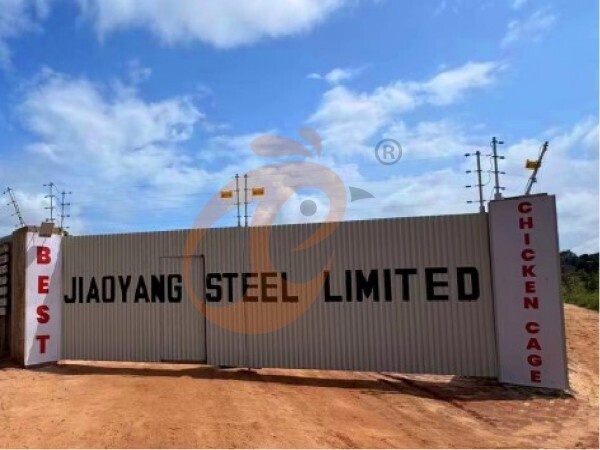
Ethiopia Best Hebei Machinery Manufacturing Plc - One Of Ethiopia Biggest Chicken Cage Supplier
HB BEST provides global factory direct supply ensuring cost control and consistent product quality
- The company specializes in poultry farm equipment including advanced poultry cage systems for layer farming
- Professional engineering teams deliver complete turn-key project solutions from design to installation
- Strong export experience ensures efficient logistics coordination suitable for Ethiopian import conditions
Comprehensive after-sales service and spare parts support improve long-term farm operational stability
Contact Us To Received Your Customized Poultry Farm Plan
Headquarters And Branchs

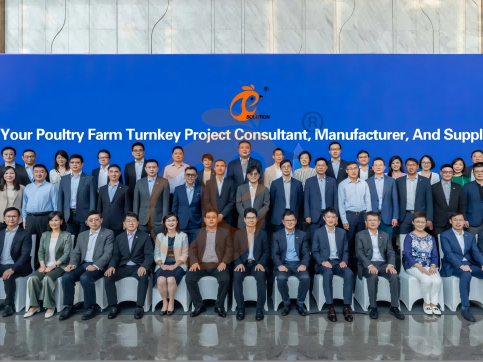
Hong Kong Headquarter Management Team
Hong Kong Headquarter Taiyu Industrial Group CO., LTD
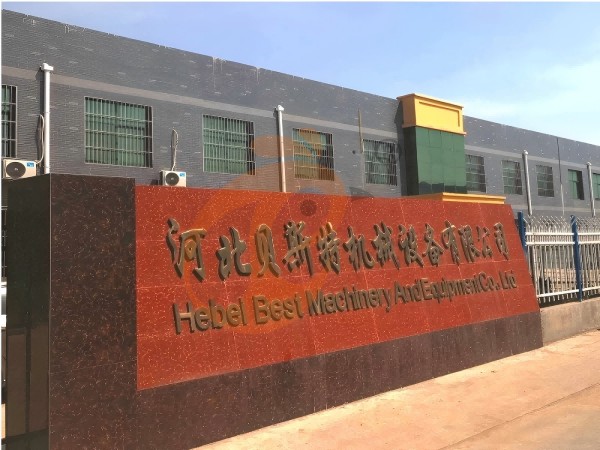
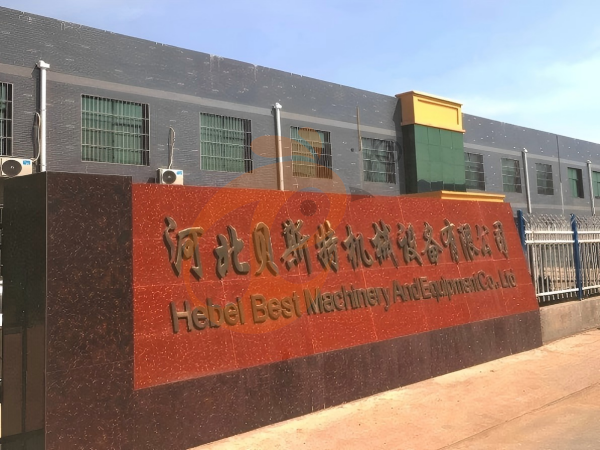
China Hebei Best Machinery And Equipment CO., LTD
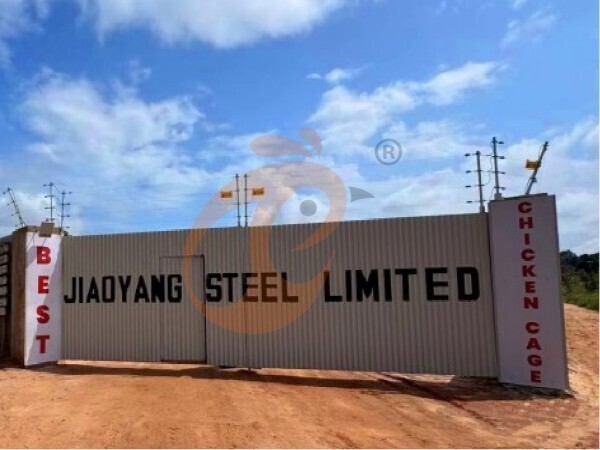
Nigeria Vanke Machinery And Equipment CO., LTD
Tanzania Best Machinery And Equipment CO., LTD
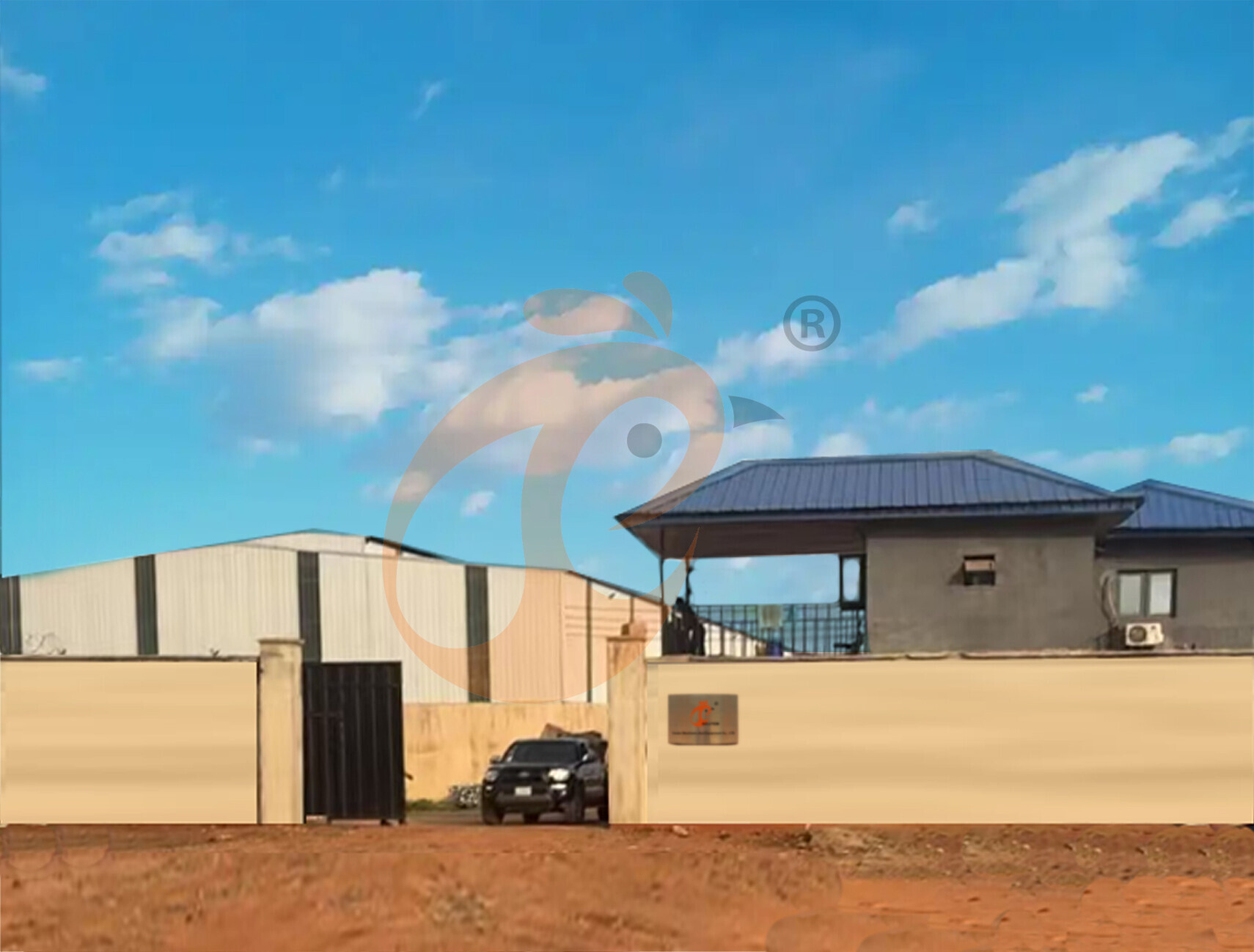
Ethiopia Best Hebei Machinery Manufacturing PLC
Reception /24 WhatsApp NO. : +8618830120193
FAQ
What Are The Professional Recommendations For Reducing Breakage Rate In Battery Cage Systems?
Regularly clean belts and avoid sharp edges.
Egg production: 90–98%, breakage rate: 2–3%.
How To Implement Automatic Feeding Systems To Maximize FCR Efficiency?
Reducing feed waste by 5–10% keeps FCR at 1.9–2.1.
Combined with lighting management, egg production rate can reach 90–98%.
What Are The Ultimate Tips For Minimizing Mortality In Poultry Cage Farms?
Ensure good ventilation, temperature 18–25℃, humidity 50–70%.
Regular health checks and vaccinations reduce mortality to 2–3%.
Message
Products recommended
 HK Headquarter Offers EU-standard Poultry Farm Solutions, Manufacture Poultry Farm Equipment1. Continuous communication with the EU and the US
2. China, Nigeria, Ethiopia, Tanzania branch companies and factories
3. The products’ quality is customized for local poultry farms
4. Poultry cage and poultry farm equipment stock for sale
5. 24 online reception Whatsapp NO. : +8618830120193,contact us to get full informationRead More China Branch Offer Poultry Farm Business Plan, Manufacture Poultry Farm Equipment1. Address: Flat/RM 2416, 24/F, Runxing Building, Youyi Nan Street, Shijiazhuang City, Hebei Province, China
2. Poultry cage and poultry farm equipment factory and stock for sale
3. Customized for local poultry farms
4. Quality and design are based on Euro
5. 24 online reception Whatsapp NO. : +8618830120193Read More Nigeria Branch Offer Poultry Farm Business Plan, Manufacture Poultry Farm Equipment1. Address: After Sinoma Office, 200 Meters Near Danco Filling Station, Lagos/Ibadan Expressway, Lagos State, Nigeria
2. Poultry cage and poultry farm equipment factory and stock for sale
3. Customized for Nigerian poultry farms
4. Quality and design are based on Euro
5. 24 online reception Whatsapp NO. : +8618830120193Read More Ethiopia Branch Offer Poultry Farm Business Plan, Manufacture Poultry Farm Equipment1. Address: Gelan Gura, Akaki-kaliti Sub City, Addis Ababa, Ethiopia
2. Poultry cage and poultry farm equipment stock for sale
3. Customized for Ethiopian poultry farms
4. Quality and design are based on Euro
5. 24 online reception Whatsapp NO. : +8618830120193, contact us to get price listRead More Tanzania Branch Offer Poultry Farm Business Plan, Manufacture Poultry Farm Equipment1. Address: No.8, Sova Road, Msufini, Mlandizi, Kibaha, Pwani, Tanzania
2. Poultry cage and poultry farm equipment factory and stock for sale
3. Customized for Tanzanian poultry farms
4. Quality and design are based on Euro
5. 24 online reception Whatsapp NO. : +8618830120193Read More Fully Automatic H Type Layer Chicken Cage1. 30,000-100,000+ layers/house chooses it, Poultry farmers can achieve an egg production rate of 96-98%
2. A significant improvement over the 85-90% typically seen in manual systems
3. A typical poultry farm can expect a 30-40% reduction in labor costs due to the automation
4. Each feeding line efficiently supplies feed to around 100,000 hens per 30 mins
5. Reception /WhatsApp NO. : +8618830120193Read More Fully Automatic A Type Layer Chicken Cage1. 10,000-50,000 layers/house chooses it
2. Cleaner egg collection reduces breakage by 0.5%
3. Improved hygiene helps reduce mortality rate to <3%
4. 1–2 technicians can handle 15,000–30,000 birds
5. Reception /WhatsApp NO. : +8618830120193Read More Semi Automatic H Type Layer Chicken Cage1. 1,00-20,000 layers/house chooses it
2. Nipple drinkers flow 30–60 ML / min
3. Hot-dip galvanized (typical coating ≥ 275 g/m²)
4. Reduce ammonia by ~ 35–40%
5. Reception /WhatsApp NO. : +8618830120193Read More Semi Automatic A Type Layer Chicken Cage1. 1,00-20,000 layers/house chooses it, no rust for 10 years, no deformation for 15 years
2. Chickens live comfortably, you can raise them with peace of mind
3. Save water, save money—efficiency you can measure
4. Improve environment quality, and increase egg production rate
5. Reception /WhatsApp NO. : +8618830120193Read More
By clicking 'Allow All', you agree to the storage of cookies on your device to enhance site navigation, analyze site usage and assist with our marketing efforts.