


Blog
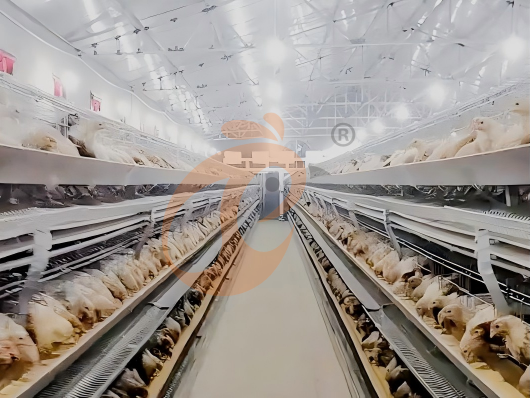
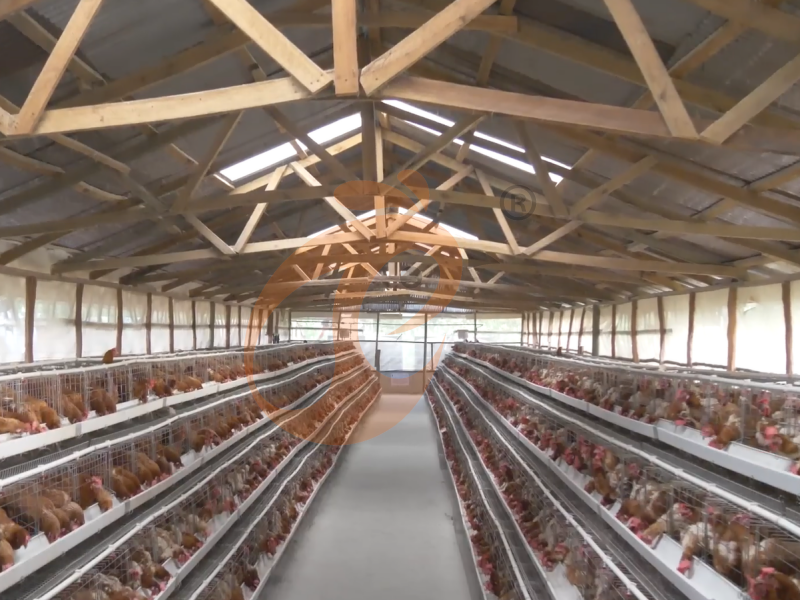
Chicken cage stress management is essential for Ethiopian poultry production.
Effective ventilation prevents respiratory issues caused by high-altitude hypoxia.
Thermal management ensures stable body temperature during daily fluctuations.
Precision lighting reduces uneven sexual maturity and stress behaviors.
Nutritional fortification supports egg quality under heat and movement restrictions.
Clean water and proper temperature help avoid dehydration and low intake.
Proper stocking density and cage space minimize aggressive competition among layers.
Strong biosecurity protocols reduce disease pressure and maintain flock health.
Get professional poultry farm construction guidance, equipment selection solutions, and the latest price lists, whatsApp to +8618830120193, click to learn more:

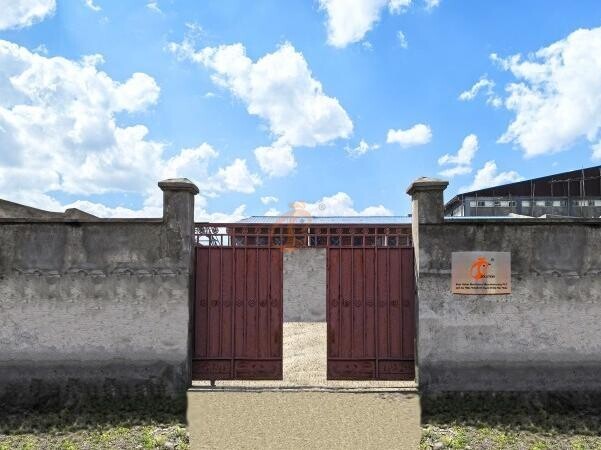
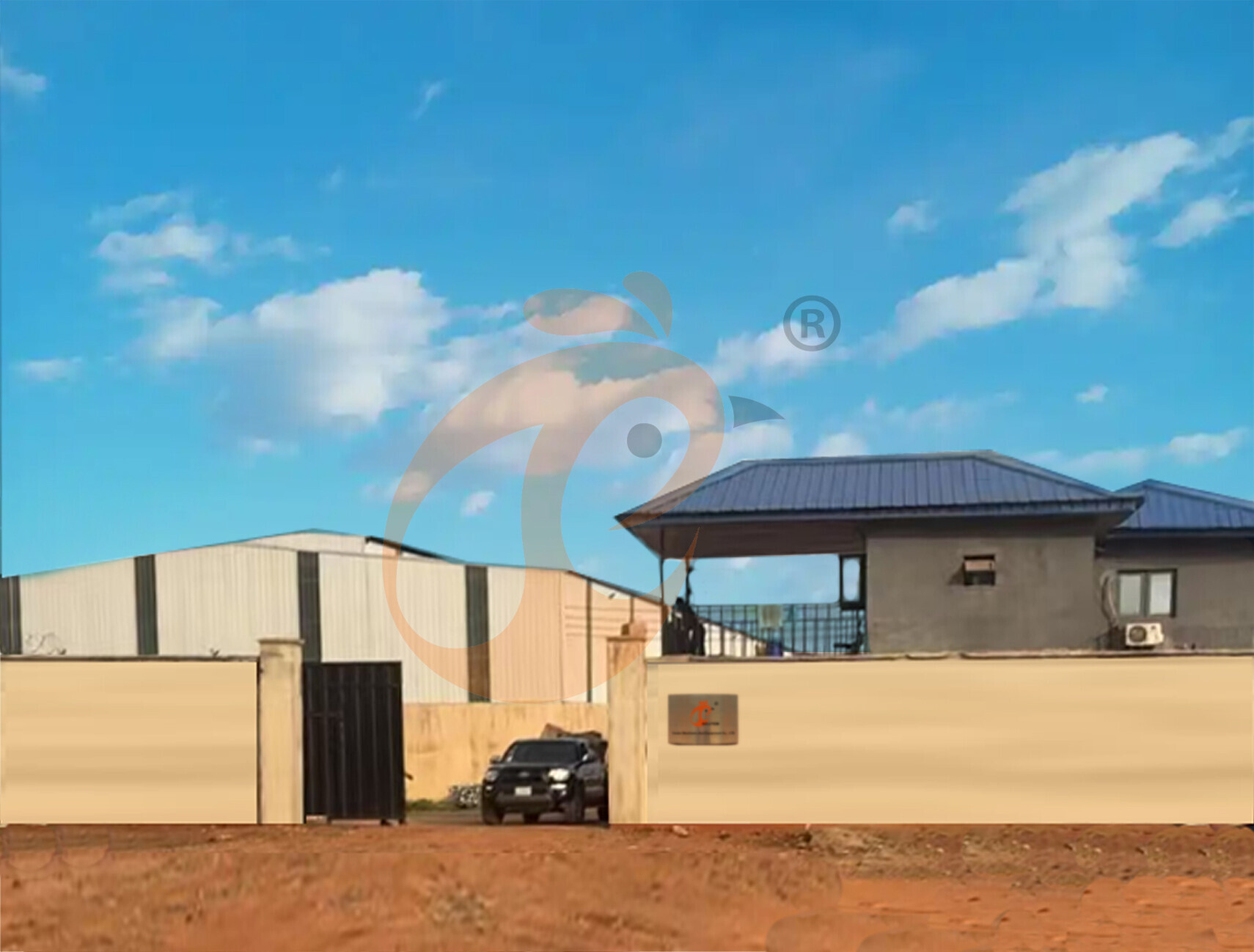
Ethiopia Branch Office And Factory Of Poultry Farm Equipment
Optimizing Ventilation For High-Altitude Hypoxia
Ethiopia's poultry farms often exceed 2,000 meters above sea level.
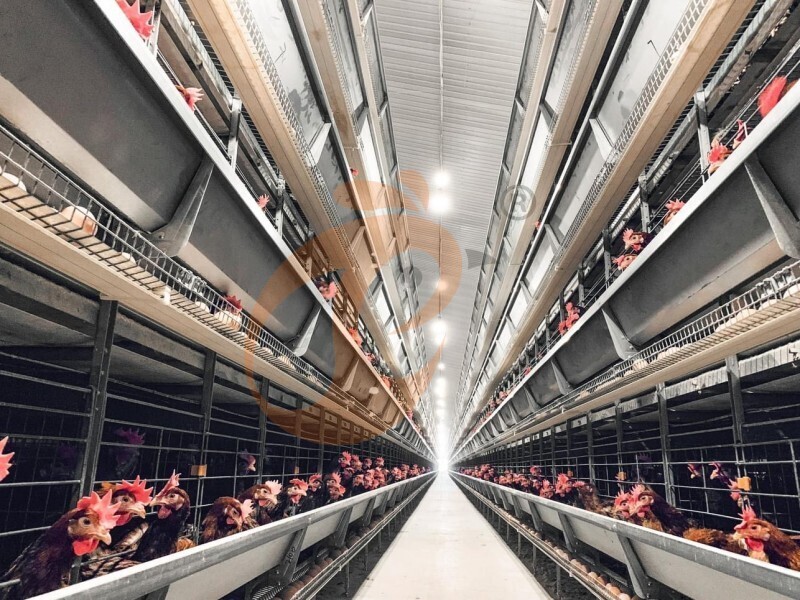
Oxygen partial pressure is lower, and H-type chicken cages with multiple tiers trap carbon dioxide and ammonia.
This can cause respiratory distress and elevated cortisol levels.
Proper ventilation maintains a steady airflow while preventing cold drafts during the Belg season.
Data is for reference only. Swipe horizontally to view full table.
Strategic Thermal Management During Diurnal Fluctuations
High thermal conductivity of H-type chicken cages amplifies temperature swings in regions like Bishoftu.
Using white-painted corrugated roofing sheets or papyrus mats helps reflect heat.
Maintaining stable core-tier temperatures reduces stress-induced thin-shelled eggs.
Data is for reference only. Swipe horizontally to view full table.
Precision Lighting Regimes For Tropical Photoperiods
Uneven natural sunlight in multi-tiered H-type chicken cages leads to stress behaviors and early or delayed sexual maturity.
Uniform LED lighting simulates dawn and dusk and minimizes pecking and piling incidents.
Data is for reference only. Swipe horizontally to view full table.
Nutritional Fortification Against Environmental Stress
Feed costs in Ethiopia fluctuate due to maize and soy prices.
Heat stress causes respiratory alkalosis, reducing carbonate for eggshell formation.
Vitamin C, electrolytes, and other supplements help maintain performance in H-type cages.
Data is for reference only. Swipe horizontally to view full table.
Water Quality And Temperature Control
Water stored in rooftop tanks often reaches 30°C, discouraging drinking.
Chickens in H-type cages with long nipple lines require clean, cool water to avoid dehydration.
Flushing water lines in the afternoon lowers bird body temperature.
Data is for reference only. Swipe horizontally to view full table.
Stocking Density And Space Management
Overcrowding in H-type chicken cages reduces access to feeders and drinkers.
Providing recommended floor space and equipment ratios minimizes social stress and feather damage.
Data is for reference only. Swipe horizontally to view full table.
Bio-Security And Handling Protocols
Newcastle Disease and Avian Influenza are high-risk stress factors in Ethiopia.
Minimizing human traffic and following an ''all-in, all-out'' policy reduces fear and strengthens immunity.
Data is for reference only. Swipe horizontally to view full table.
Maximizing Profitability Through Stress Reduction Strategies
Reducing stress in H-type chicken cages is not just an animal welfare measure it directly impacts farm profitability.
Egg Quality Improvement
Stress-free layers produce thicker shells, consistent egg size, and higher total output, reducing losses from breakage.
Feed Efficiency
Proper ventilation, stable temperatures, and adequate lighting allow hens to convert feed to eggs more efficiently, saving up to 150-200 Ethiopian Birr per ton of feed (European union standard reference only).
Health Management
Implementing water quality control, biosecurity, and nutritional fortification reduces disease outbreaks and veterinary costs.
Operational Efficiency
Maintaining correct stocking density and equipment ratios decreases labor required for monitoring aggressive or unhealthy birds.
By integrating these strategies holistically, farmers can achieve up to 15% higher egg yield while lowering operational risks, making H-type cages a profitable and sustainable investment for Ethiopian poultry farms.
Frequently Asked Questions
Q1: Are H-Type chicken cages suitable for Ethiopian highlands?
A1: Yes.
With proper ventilation, thermal management, and lighting, H-type chicken cages adapt well to Ethiopia's high-altitude conditions.
Q2: How can farmers reduce stress from temperature fluctuations?
A2: Using reflective roofing, stable core-tier temperatures, and water cooling ensures minimal thermal stress.
Q3: What is the optimal stocking density for Ethiopian H-type cages?
A3: Providing 450-550 cm² per hen, proper feeder and drinker access, reduces social stress and feather pecking.
Ethiopia Best Hebei Machinery Manufacturing Plc - One Of Ethiopia Largest Chicken Stress Solutions Manufacturer
HB BEST provides global factory direct sales with high-quality poultry farm equipment.
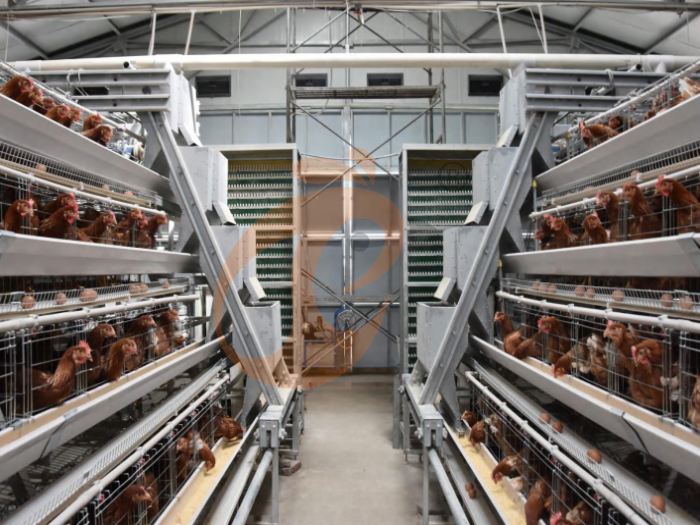
We specialize in modern H-type poultry cage systems for efficient egg production.
Turn-key engineering services allow Ethiopian farms to implement complete poultry solutions.
Our poultry cages are durable, corrosion-resistant, and optimized for local climates.
Comprehensive after-sales support ensures operational efficiency and flock productivity.
Contact Us To Received Your Customized Poultry Farm Plan
Headquarters And Branchs

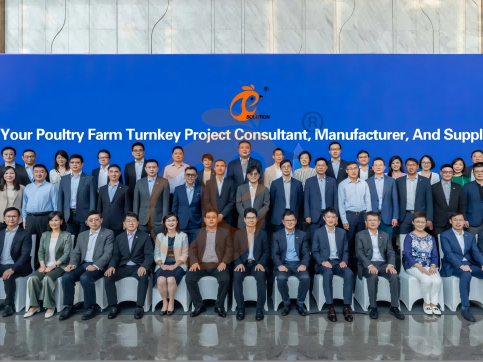
Hong Kong Headquarter Management Team
Hong Kong Headquarter Taiyu Industrial Group CO., LTD
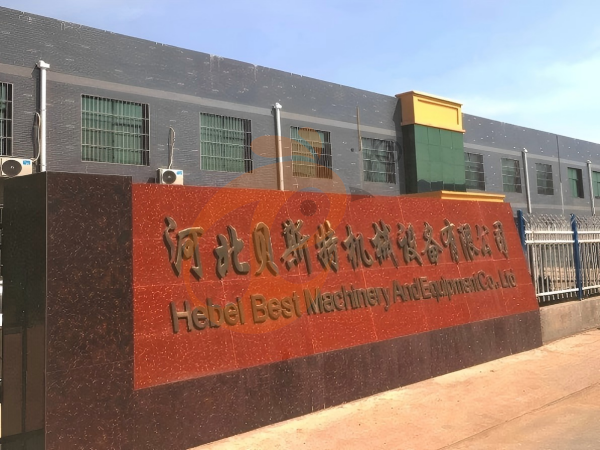
China Hebei Best Machinery And Equipment CO., LTD
Nigeria Vanke Machinery And Equipment CO., LTD
Tanzania Best Machinery And Equipment CO., LTD
Ethiopia Best Hebei Machinery Manufacturing PLC
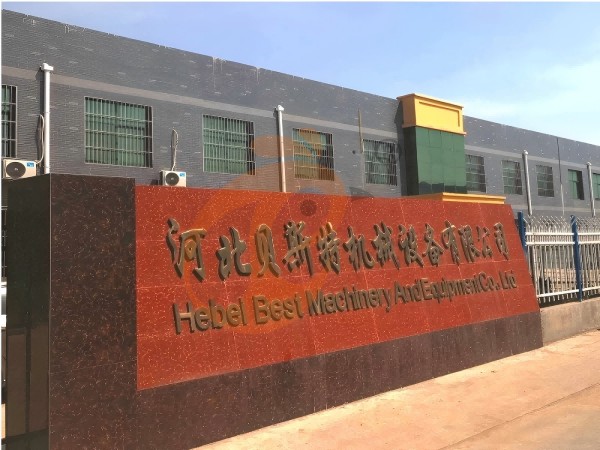
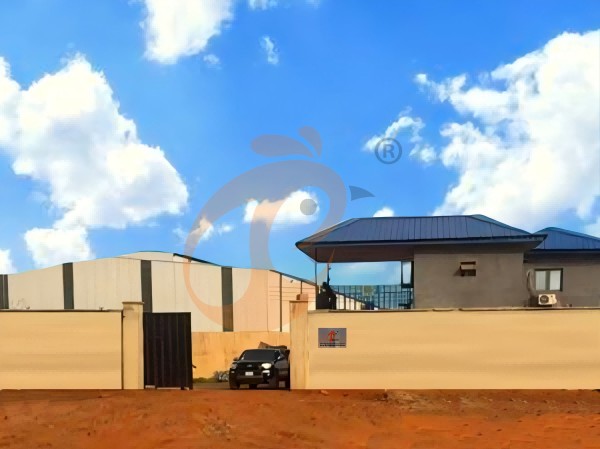
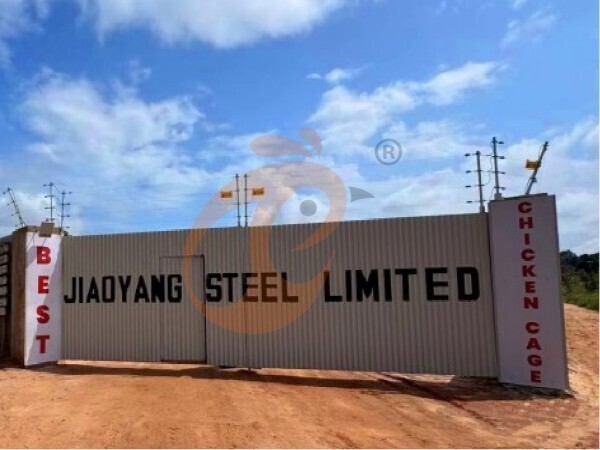
Reception /24 WhatsApp NO. : +8618830120193
FAQ
How To Implement Seasonal Temperature Control In H-Type Battery Cage?
Heat in winter to maintain 18–20°C
Uniform lighting regulates laying rhythm
Egg production rate: 90-98%
Mortality rate 2-3%
What Are The ROI Benefits Of Investing In H-Type Poultry Cage System?
FCR optimized to 1.9–2.1
Daily egg yield: 900–980 eggs/1,000 birds
Equipment lifespan: more than 25 years
Payback period: 2–3 years
How To Ensure Uniform Egg Size Across H-Type Layer Cage Tiers?
Automatic water supply ensures adequate hydration
Uniform lighting and temperature
Egg weight: 60–65 g
Egg breakage rate <0.5%
Message
Products recommended
 HK Headquarter Offers EU-standard Poultry Farm Solutions, Manufacture Poultry Farm Equipment1. Continuous communication with the EU and the US
2. China, Nigeria, Ethiopia, Tanzania branch companies and factories
3. The products’ quality is customized for local poultry farms
4. Poultry cage and poultry farm equipment stock for sale
5. 24 online reception Whatsapp NO. : +8618830120193,contact us to get full informationRead More China Branch Offer Poultry Farm Business Plan, Manufacture Poultry Farm Equipment1. Address: Flat/RM 2416, 24/F, Runxing Building, Youyi Nan Street, Shijiazhuang City, Hebei Province, China
2. Poultry cage and poultry farm equipment factory and stock for sale
3. Customized for local poultry farms
4. Quality and design are based on Euro
5. 24 online reception Whatsapp NO. : +8618830120193Read More Nigeria Branch Offer Poultry Farm Business Plan, Manufacture Poultry Farm Equipment1. Address: After Sinoma Office, 200 Meters Near Danco Filling Station, Lagos/Ibadan Expressway, Lagos State, Nigeria
2. Poultry cage and poultry farm equipment factory and stock for sale
3. Customized for Nigerian poultry farms
4. Quality and design are based on Euro
5. 24 online reception Whatsapp NO. : +8618830120193Read More Ethiopia Branch Offer Poultry Farm Business Plan, Manufacture Poultry Farm Equipment1. Address: Gelan Gura, Akaki-kaliti Sub City, Addis Ababa, Ethiopia
2. Poultry cage and poultry farm equipment stock for sale
3. Customized for Ethiopian poultry farms
4. Quality and design are based on Euro
5. 24 online reception Whatsapp NO. : +8618830120193, contact us to get price listRead More Tanzania Branch Offer Poultry Farm Business Plan, Manufacture Poultry Farm Equipment1. Address: No.8, Sova Road, Msufini, Mlandizi, Kibaha, Pwani, Tanzania
2. Poultry cage and poultry farm equipment factory and stock for sale
3. Customized for Tanzanian poultry farms
4. Quality and design are based on Euro
5. 24 online reception Whatsapp NO. : +8618830120193Read More Fully Automatic H Type Layer Chicken Cage1. 30,000-100,000+ layers/house chooses it, Poultry farmers can achieve an egg production rate of 96-98%
2. A significant improvement over the 85-90% typically seen in manual systems
3. A typical poultry farm can expect a 30-40% reduction in labor costs due to the automation
4. Each feeding line efficiently supplies feed to around 100,000 hens per 30 mins
5. Reception /WhatsApp NO. : +8618830120193Read More Fully Automatic A Type Layer Chicken Cage1. 10,000-50,000 layers/house chooses it
2. Cleaner egg collection reduces breakage by 0.5%
3. Improved hygiene helps reduce mortality rate to <3%
4. 1–2 technicians can handle 15,000–30,000 birds
5. Reception /WhatsApp NO. : +8618830120193Read More Semi Automatic H Type Layer Chicken Cage1. 1,00-20,000 layers/house chooses it
2. Nipple drinkers flow 30–60 ML / min
3. Hot-dip galvanized (typical coating ≥ 275 g/m²)
4. Reduce ammonia by ~ 35–40%
5. Reception /WhatsApp NO. : +8618830120193Read More Semi Automatic A Type Layer Chicken Cage1. 1,00-20,000 layers/house chooses it, no rust for 10 years, no deformation for 15 years
2. Chickens live comfortably, you can raise them with peace of mind
3. Save water, save money—efficiency you can measure
4. Improve environment quality, and increase egg production rate
5. Reception /WhatsApp NO. : +8618830120193Read More
By clicking 'Allow All', you agree to the storage of cookies on your device to enhance site navigation, analyze site usage and assist with our marketing efforts.