






Blog
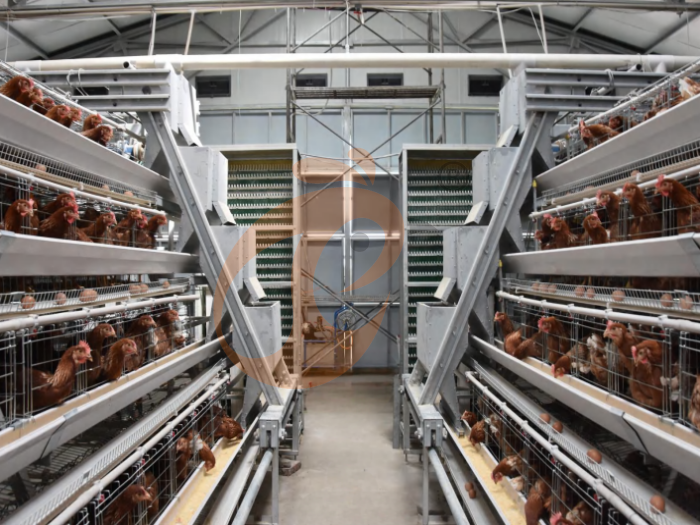
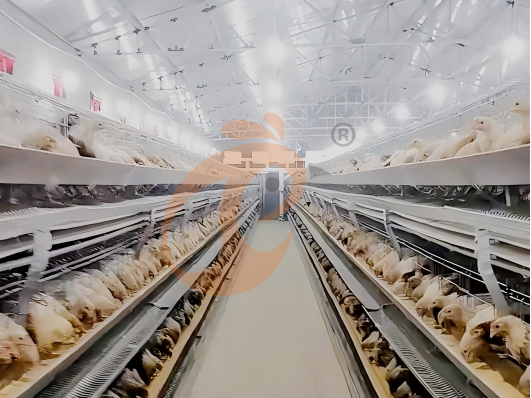
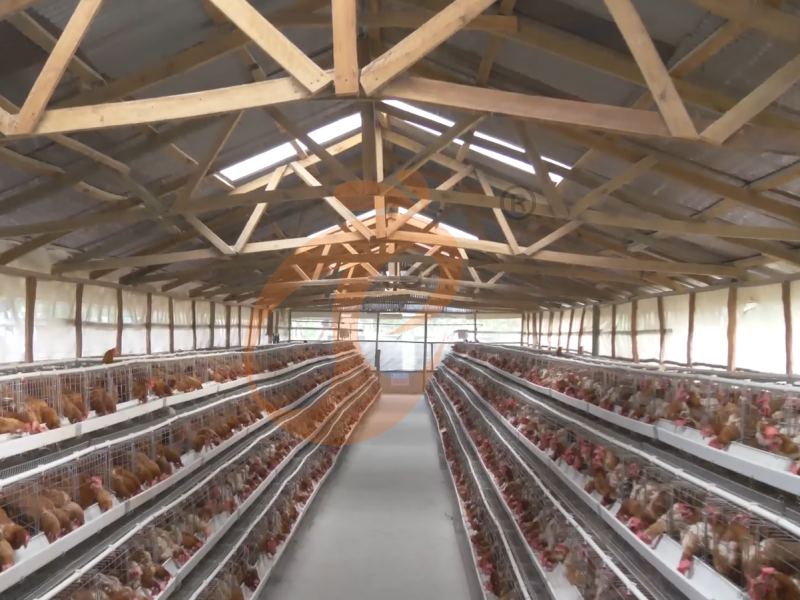
Poultry equipment design integrates structural engineering ventilation load feed distribution precision watering systems and biosecurity architecture.
Production efficiency depends on environmental control accuracy material durability and automated feeding calibration.
Equipment selection directly influences mortality feed conversion ratio and output stability.
System design must align stocking density airflow capacity and thermal insulation performance.
Mechanical integration reduces operational deviation improves flock uniformity and stabilizes biological growth cycles.
Get professional poultry farm construction guidance, equipment selection solutions, and the latest price lists, whatsApp to +8618830120193, +2348111199996, or click to learn more.
Defining Capacity And Stocking Density
Farm capacity determines every mechanical specification downstream especially ventilation sizing and feed transport capacity.
Industry benchmark broiler cycles run 35–42 days with 6.2–6.8 cycles per year depending on downtime.
Data is for reference only.Swipe horizontally to view full table.
Ventilation demand scales at approximately 6.5–7.2 m³/h per kg live weight which directly influences fan configuration and duct layout.
Poultry Housing Structure Materials And Dimensions
Structural systems must maintain thermal stability within a ±2.5°C deviation band across the house length to prevent uneven growth rates.
Thermal lag directly impacts early-stage mortality.
Data is for reference only.Swipe horizontally to view full table.
Heat transfer coefficient differences between roof and wall systems can reach 80:1 making roof insulation the dominant factor in brooding energy efficiency.
Automated Feeding System Equipment List
Feed system design is constrained by daily intake rate typically 110–140 g feed per bird per day for broilers in grow-out phase.
Transport delay beyond 12 minutes per cycle increases feed segregation risk.
Data is for reference only.Swipe horizontally to view full table.
Feed particle uniformity must be maintained within CV < 12% (coefficient of variation) to ensure consistent fcr performance across flock batches.
Drinking System Engineering And Water Flow Design
Water intake variability increases sharply under heat stress conditions reaching 2.4–2.8 × feed intake ratio at ambient temperatures above 30°C.
Water line contamination above 10⁴ CFU/mL significantly increases enteric disease incidence.
Data is for reference only.Swipe horizontally to view full table.
Hydraulic imbalance above 0.3 bar deviation between line ends produces measurable weight variance of up to 4–6% across flocks.
Ventilation And Climate Control Equipment Specifications
Ammonia concentration exceeding 25 ppm reduces weight gain efficiency by approximately 8–12% while CO₂ levels above 3,000 ppm suppress feed intake.
Air exchange rate design is therefore the primary constraint variable.
Data is for reference only.Swipe horizontally to view full table.
Air velocity inside poultry houses is typically maintained at 0.2–2.5 m/s depending on bird age stage and heat load.
Biosecurity Equipment and Disinfection Systems
Pathogen ingress probability correlates strongly with entry-point contamination load.
Studies show 70–80% of outbreaks originate from human or equipment transfer vectors rather than airborne spread.
Data is for reference only.Swipe horizontally to view full table.
Effective disinfection requires contact time above 90 seconds for quaternary ammonium compounds to achieve full microbial inactivation.
The Relationship Between Poultry Physiology And Equipment Parameters
Broilers maintain a basal metabolic rate that converts feed energy into body mass with an efficiency of approximately 62–68% metabolizable energy utilization under optimal conditions.
Above thermoneutral temperature 21–24°C metabolic heat dissipation increases exponentially.
A 1°C rise above optimal range increases respiratory rate by approximately 15–18% accelerating water loss and reducing feed conversion efficiency.
Additionally intestinal villi length can decrease by up to 12% under chronic heat stress reducing nutrient absorption capacity.
These biological constraints define why equipment parameters such as airflow humidity control and water temperature must be precisely regulated rather than estimated.
Waste Management Equipment And Output Metrics
Manure production per broiler averages 0.10–0.115 kg/day with 65–75% moisture content requiring continuous removal to prevent ammonia accumulation above regulatory thresholds.
Data is for reference only.Swipe horizontally to view full table.
Ammonia emission reduction efficiency improves by approximately 35–50% when manure removal interval is reduced below 24 hours.
Lighting System Equipment And Photoperiod Control
Lighting intensity affects hypothalamic regulation of growth hormone secretion.
Broilers respond optimally at 20–40 lux while layers require controlled photoperiods between 14–16 hours/day.
Data is for reference only.Swipe horizontally to view full table.
Circadian disruption beyond ±2 hours schedule deviation can reduce egg production consistency by up to 7–9%.
Maintenance Equipment Schedule And Operational Load
Mechanical failure probability increases sharply after defined operational thresholds especially in high-dust environments where particulate concentration exceeds 3.5 mg/m³.
Data is for reference only.Swipe horizontally to view full table.
Bearing failure accounts for approximately 42% of ventilation system downtime incidents in commercial poultry houses.
Complete Integrated Equipment Cost Distribution
Capital expenditure distribution correlates strongly with system dependency ratio and energy demand intensity.
Data is for reference only.Swipe horizontally to view full table.
Energy demand peaks during brooding phase increasing baseline consumption by 28–33% compared to grow-out phase.
Final Integration Logic: Equipment as a Closed Biological System
A poultry production system operates as a closed loop biological control architecture where feed conversion efficiency respiratory gas balance hydration kinetics and thermoregulation continuously interact under mechanical regulation.
System stability depends on synchronized equipment response rather than isolated unit performance.
Under optimized operation air velocity is maintained at 0.8–1.2 m/s relative humidity is controlled within 55–70% and water line temperature is stabilized at 18–22°C.
Within these parameters FCR remains at 1.55–1.75 while production uniformity index can exceed 85% per cycle.
Mortality typically stays below 5% with early-stage 0–10 days losses reduced to under 1.8% in well-calibrated systems.
Frequently Asked Questions
Q1: What equipment defines the core poultry production system?
A1: Core systems include feeding units drinking lines ventilation fans housing structures and biosecurity modules.
Each system directly influences feed conversion ratio survival rate and growth uniformity through measurable engineering parameters.
Q2: How does ventilation impact poultry performance?
A2: Ventilation controls ammonia carbon dioxide and heat load.
When airflow is insufficient ammonia rises above 25 ppm reducing weight gain efficiency by up to 12% and increasing respiratory stress indicators across the flock.
Q3: Why is water system design critical in poultry farming?
A3: Water intake is 1.6–2.8 times feed intake depending on temperature.
Pressure imbalance above 0.3 bar creates uneven growth distribution directly affecting flock weight uniformity and production consistency.
Taiyu (HK) Group - One Of China Biggest Poultry Equipment Exporter
Poultry equipment system includes feeders drinkers ventilation fans and climate control units engineered for industrial poultry farming operations.
Global factory direct supply supports poultry cage systems broiler houses and automated feeding production lines for commercial farms.
Turn-key poultry project solutions include design installation and equipment integration for broiler and layer farm construction.
Industrial poultry equipment manufacturing ensures standardized production capacity ventilation stability and automated farming system compatibility.
Contact Us To Received Your Customized Poultry Farm Plan
Headquarters And Branchs

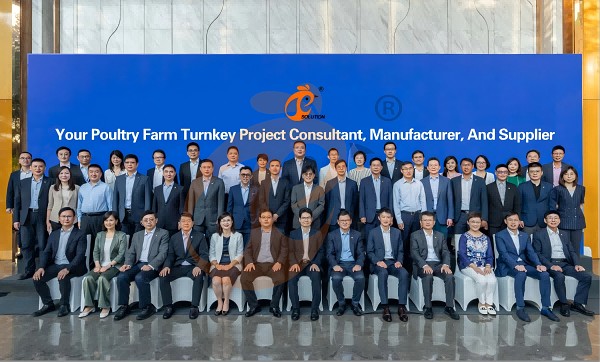
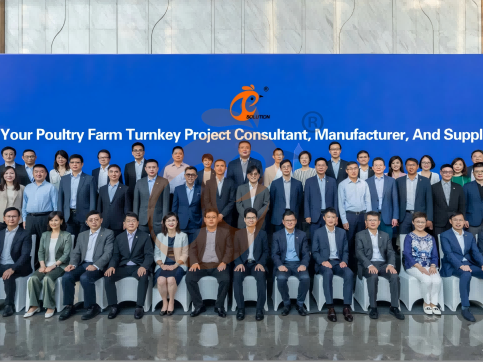
Hong Kong Headquarter Management Team
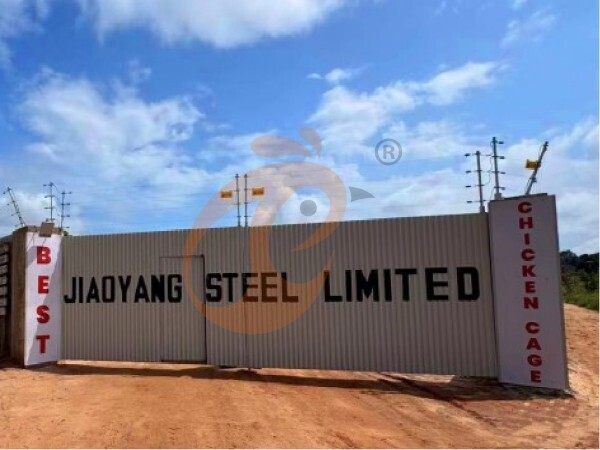
Hong Kong Headquarter Taiyu Industrial Group CO., LTD
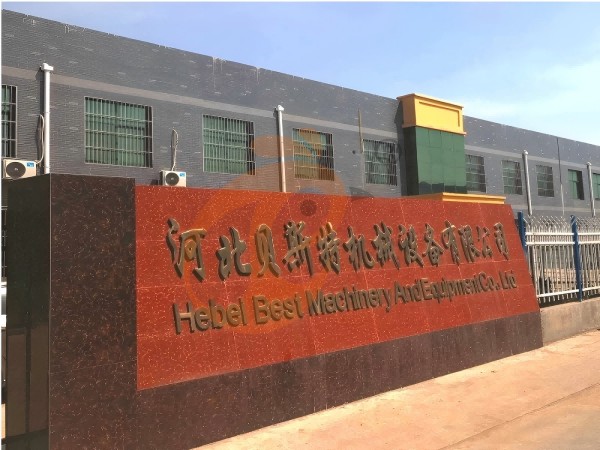
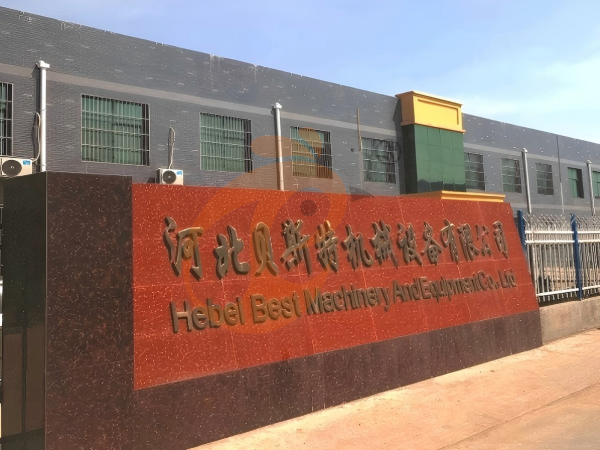
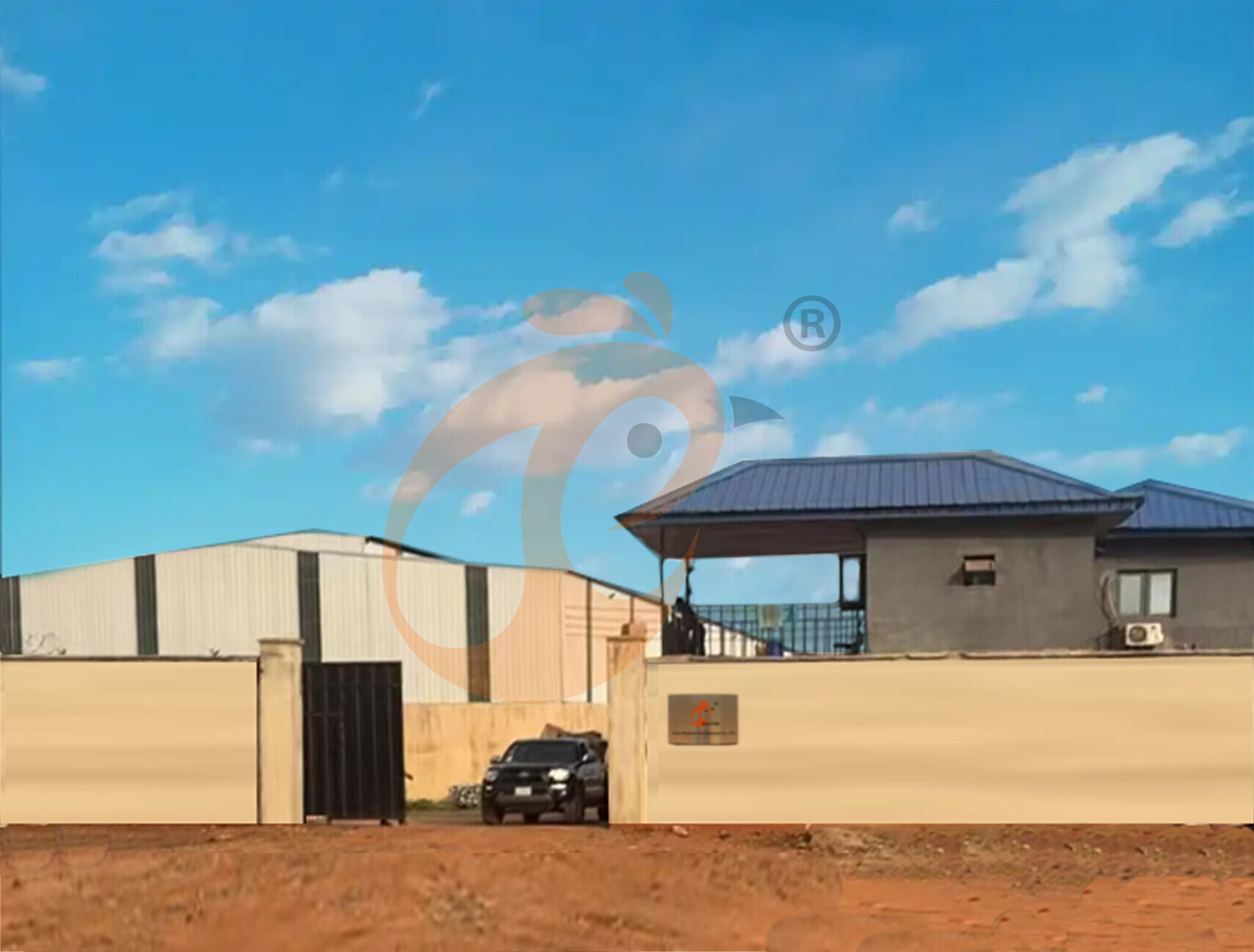
China Hebei Best Machinery And Equipment CO., LTD
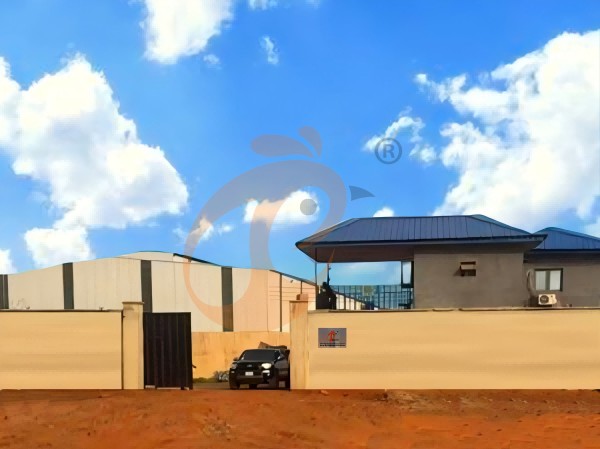
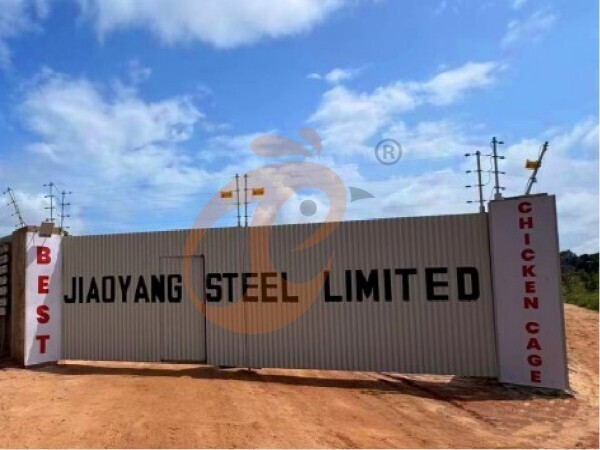
Nigeria Vanke Machinery And Equipment CO., LTD
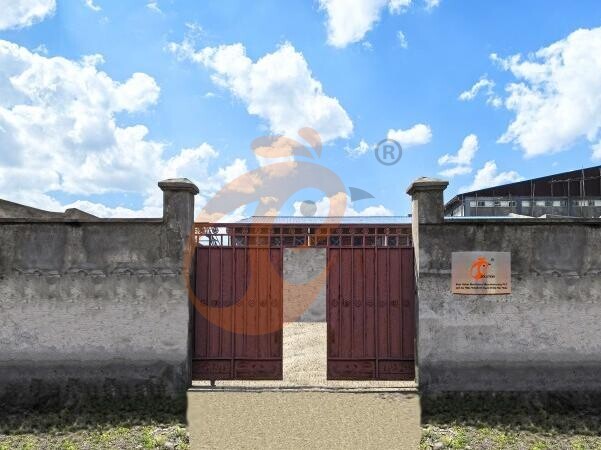
Tanzania Best Machinery And Equipment CO., LTD
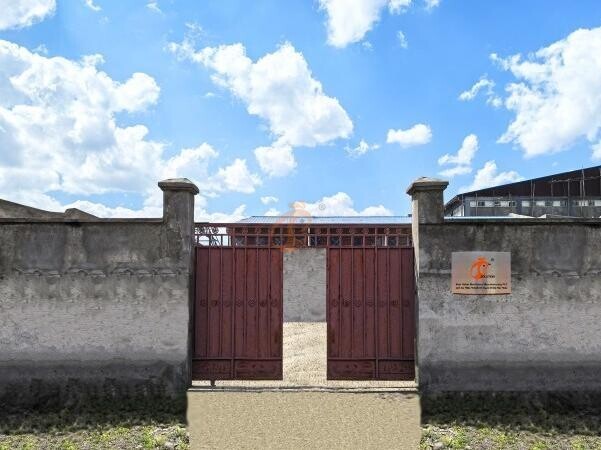
Ethiopia Best Hebei Machinery Manufacturing PLC
Reception /24 WhatsApp NO. : +8618830120193
FAQ
What Equipment Modules Are Included In Automatic Chicken Cage Poultry Equipment For Poultry Chicken Cage Systems?
Watering modules integrate pipelines rated for 16–20 mm diameter supporting stable distribution.
Manure belts utilize 1.0–1.2 mm thickness materials for continuous waste removal durability.
Which Structural Equipment Specifications Define Automatic Chicken Cage Poultry Equipment In Poultry Chicken Cage Systems?
Wire mesh spacing is maintained at 20–25 mm to support bird stability and waste separation.
Galvanization coating reaches 90–130 g/m² for corrosion resistance in high humidity environments.
What Drive System Equipment Parameters Are Used In Automatic Chicken Cage Poultry Equipment For Poultry Chicken Cage Farms?
Gear reducer ratio is configured between 1:20–1:40 for controlled mechanical output speed.
Transmission efficiency reaches 85%–92% minimizing energy loss during continuous operation.
Message
Products recommended
 HK Headquarter Offers EU-standard Poultry Farm Solutions, Manufacture Poultry Farm Equipment1. Continuous communication with the EU and the US
2. China, Nigeria, Ethiopia, Tanzania branch companies and factories
3. The products’ quality is customized for local poultry farms
4. Poultry cage and poultry farm equipment stock for sale
5. 24 online reception Whatsapp NO. : +8618830120193,contact us to get full informationRead More China Branch Offer Poultry Farm Business Plan, Manufacture Poultry Farm Equipment1. Address: Flat/RM 2416, 24/F, Runxing Building, Youyi Nan Street, Shijiazhuang City, Hebei Province, China
2. Poultry cage and poultry farm equipment factory and stock for sale
3. Customized for local poultry farms
4. Quality and design are based on Euro
5. 24 online reception Whatsapp NO. : +8618830120193Read More Nigeria Branch Offer Poultry Farm Business Plan, Manufacture Poultry Farm Equipment1. Address: After Sinoma Office, 200 Meters Near Danco Filling Station, Lagos/Ibadan Expressway, Lagos State, Nigeria
2. Poultry cage and poultry farm equipment factory and stock for sale
3. Customized for Nigerian poultry farms
4. Quality and design are based on Euro
5. 24 online reception Whatsapp NO. : +8618830120193Read More Ethiopia Branch Offer Poultry Farm Business Plan, Manufacture Poultry Farm Equipment1. Address: Gelan Gura, Akaki-kaliti Sub City, Addis Ababa, Ethiopia
2. Poultry cage and poultry farm equipment stock for sale
3. Customized for Ethiopian poultry farms
4. Quality and design are based on Euro
5. 24 online reception Whatsapp NO. : +8618830120193, contact us to get price listRead More Tanzania Branch Offer Poultry Farm Business Plan, Manufacture Poultry Farm Equipment1. Address: No.8, Sova Road, Msufini, Mlandizi, Kibaha, Pwani, Tanzania
2. Poultry cage and poultry farm equipment factory and stock for sale
3. Customized for Tanzanian poultry farms
4. Quality and design are based on Euro
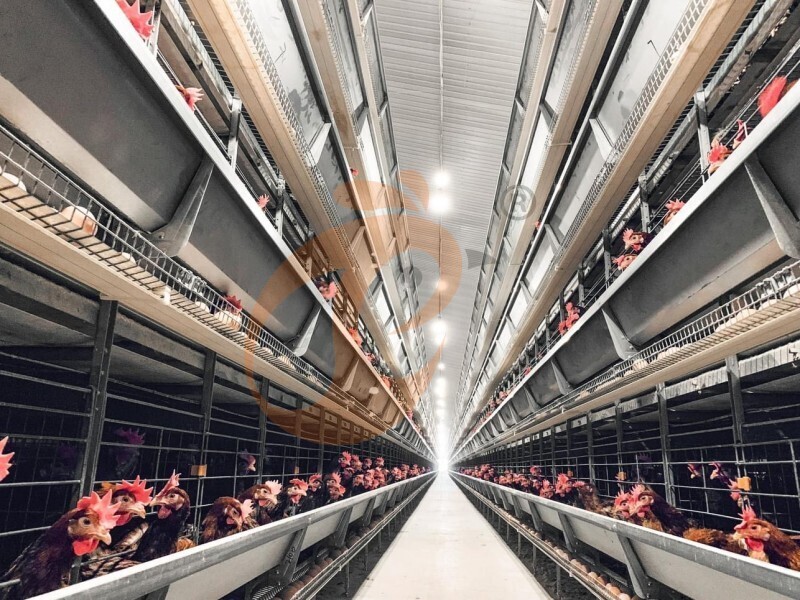
5. 24 online reception Whatsapp NO. : +8618830120193Read More Fully Automatic H Type Layer Chicken Cage1. 30,000-100,000+ layers/house chooses it, Poultry farmers can achieve an egg production rate of 96-98%
2. A significant improvement over the 85-90% typically seen in manual systems
3. A typical poultry farm can expect a 30-40% reduction in labor costs due to the automation
4. Each feeding line efficiently supplies feed to around 100,000 hens per 30 mins
5. Reception /WhatsApp NO. : +8618830120193Read More Fully Automatic A Type Layer Chicken Cage1. 10,000-50,000 layers/house chooses it
2. Cleaner egg collection reduces breakage by 0.5%
3. Improved hygiene helps reduce mortality rate to <3%
4. 1–2 technicians can handle 15,000–30,000 birds
5. Reception /WhatsApp NO. : +8618830120193Read More Semi Automatic H Type Layer Chicken Cage1. 1,00-20,000 layers/house chooses it
2. Nipple drinkers flow 30–60 ML / min
3. Hot-dip galvanized (typical coating ≥ 275 g/m²)
4. Reduce ammonia by ~ 35–40%
5. Reception /WhatsApp NO. : +8618830120193Read More Semi Automatic A Type Layer Chicken Cage1. 1,00-20,000 layers/house chooses it, no rust for 10 years, no deformation for 15 years
2. Chickens live comfortably, you can raise them with peace of mind
3. Save water, save money—efficiency you can measure
4. Improve environment quality, and increase egg production rate
5. Reception /WhatsApp NO. : +8618830120193Read More
By clicking 'Allow All', you agree to the storage of cookies on your device to enhance site navigation, analyze site usage and assist with our marketing efforts.