






Blog
Deep litter system maintenance cost control affects poultry farm profitability through bedding management, ventilation efficiency, and labor optimization.
Article analyzes system investment structure, long-term operational expenses, and environmental stabilization mechanisms.
Deep litter system efficiency depends on moisture regulation, ammonia suppression, and microbial balance inside bedding layers.
Engineering perspectives cover material science, energy consumption patterns, and livestock health performance indicators.
Commercial farming strategies focus on reducing replacement cycles, improving air circulation, and stabilizing production output.
Get professional poultry farm construction guidance, equipment selection solutions, and the latest price lists, whatsApp to +8618830120193, +2348111199996, or click to learn more.
System Investment And Capital Structure
Deep litter housing requires structured capital allocation across building, automation, and environmental systems.
Data is for reference only.Swipe horizontally to view full table.
Deep litter system maintenance cost European standard reference only
Capital allocation directly influences long-term operational stability and system durability.
Bedding Material Engineering Characteristics
Different organic substrates determine microbial activity, moisture absorption, and structural stability.
Data is for reference only.Swipe horizontally to view full table.
Ammonia control in poultry houses systems directly influences bedding longevity and animal respiratory stability.
High porosity materials enhance oxygen diffusion and reduce anaerobic decomposition zones.
Labor Efficiency Distribution Model
Operational efficiency depends on structured task allocation and repetitive maintenance cycles.
Data is for reference only.Swipe horizontally to view full table.
Automated poultry litter management system reduces repetitive manual workload and improves consistency of farm operations.
Environmental Gas Accumulation Behavior
Gas accumulation patterns reflect biological decomposition intensity and ventilation performance.
Data is for reference only.Swipe horizontally to view full table.
Ammonia reduction technology in poultry housing plays a critical role in maintaining respiratory safety and production stability.
Gas accumulation follows exponential biological degradation patterns rather than linear progression.
Livestock Health Performance Indicators
Animal health reflects indirect environmental and management efficiency quality.
Data is for reference only.Swipe horizontally to view full table.
Health stability correlates strongly with bedding dryness and ventilation efficiency.
Energy Consumption Pattern Analysis
Ventilation systems determine continuous operational cost structure.
Data is for reference only.Swipe horizontally to view full table.
Energy efficiency optimization for poultry farm systems reduces unnecessary electrical consumption through airflow balancing.
Litter Layer Nutrient Transformation Profile
Organic decomposition generates nutrient redistribution across bedding depth layers.
Data is for reference only.Swipe horizontally to view full table.
Nutrient accumulation increases significantly in lower bedding layers due to gravitational settling effects.
System Stability And Cost Escalation Mechanism
Deep litter systems operate as biological reactors where microbial activity continuously reshapes material structure.
Without airflow regulation, anaerobic pockets develop, accelerating ammonia release and increasing maintenance requirements.
Cost escalation is driven by compounding operational inefficiencies rather than isolated expense categories.
Moisture And Temperature Control Strategy
Core principle
Maintain controlled biological activity inside bedding to avoid rapid decomposition and structural instability.
Moisture regulation
- Target internal bedding moisture 27.6%
- Prevents excessive microbial proliferation
- Reduces localized wet compaction zones
- Maintains stable oxygen diffusion in deeper layers
Temperature control
- Stable surface temperature range 29.8°c – 31.2°c
- Limits heat-driven ammonia volatilization
- Supports balanced microbial metabolic activity
- Avoids formation of anaerobic pockets within bedding
Airflow management
- Air exchange rate 3.4–4.1 m³/min per 100 birds
- Promotes continuous vertical oxygen circulation
- Enhances heat dissipation across bedding profile
- Improves structural stability of organic layers
Monitoring method
- Infrared detection threshold above 33°c for hotspot identification
- Multi-point humidity tracking across bedding depth
Continuous airflow direction adjustment for uniform environmental control
Frequently Asked Questions
Q1: What is the ideal bedding replacement cycle interval?
A1: Replacement cycle typically ranges between 28 to 45 days depending on ventilation stability and stocking density around 12 birds per m².
Stable airflow extends usability period significantly.
Q2: How does ammonia level affect poultry performance?
A2: Ammonia above 18 ppm increases respiratory stress and reduces feed efficiency, leading to measurable performance decline across production cycles.
Q3: Can deep litter systems reduce long-term operational cost?
A3: Controlled environments with structured turning schedules can reduce maintenance cost fluctuations by approximately 17–22% across annual production cycles.
Taiyu (HK) Group - One Of China Largest Poultry Equipment Manufacturer
Deep litter system maintenance cost is addressed through engineered poultry housing solutions designed for industrial-scale operations with optimized environmental control integration.
Global factory direct supply chain ensures consistent poultry equipment manufacturing standards across multiple international production bases.
Poultry equipment turnkey engineering solutions support automated farm construction, installation, and operational commissioning services worldwide.
Advanced poultry system integration includes ventilation, feeding, and litter management infrastructure designed for commercial livestock enterprises.
Industrial grade production capability supports customized farm project execution with scalable capacity and standardized technical specifications.
Contact Us To Received Your Customized Poultry Farm Plan
Headquarters And Branchs

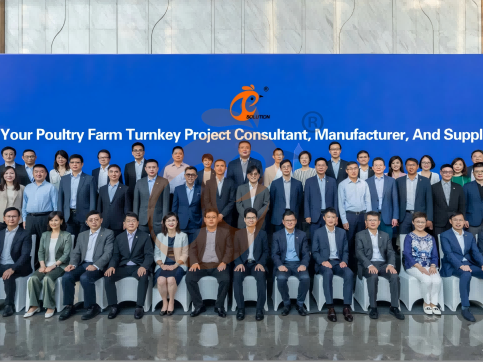
Hong Kong Headquarter Management Team
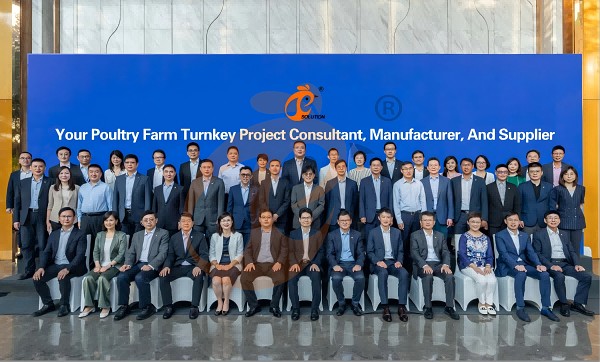
Hong Kong Headquarter Taiyu Industrial Group CO., LTD
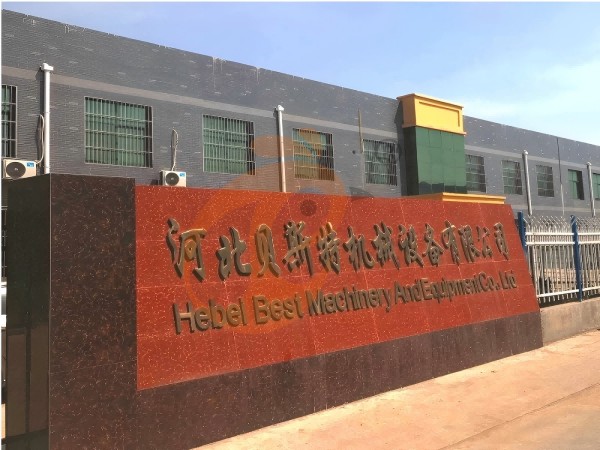
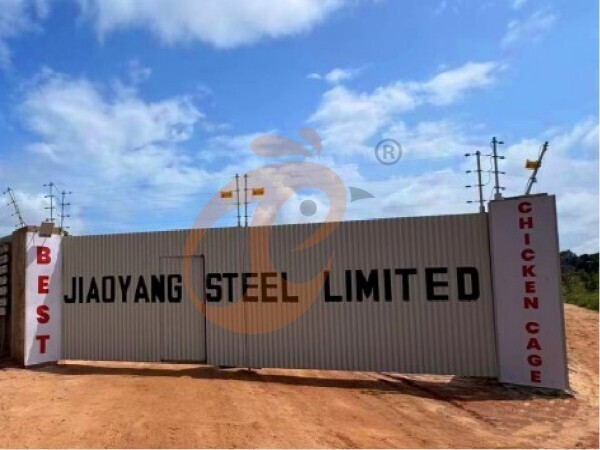
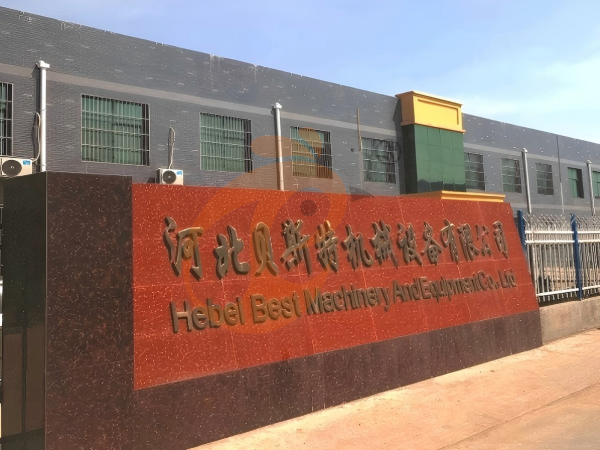
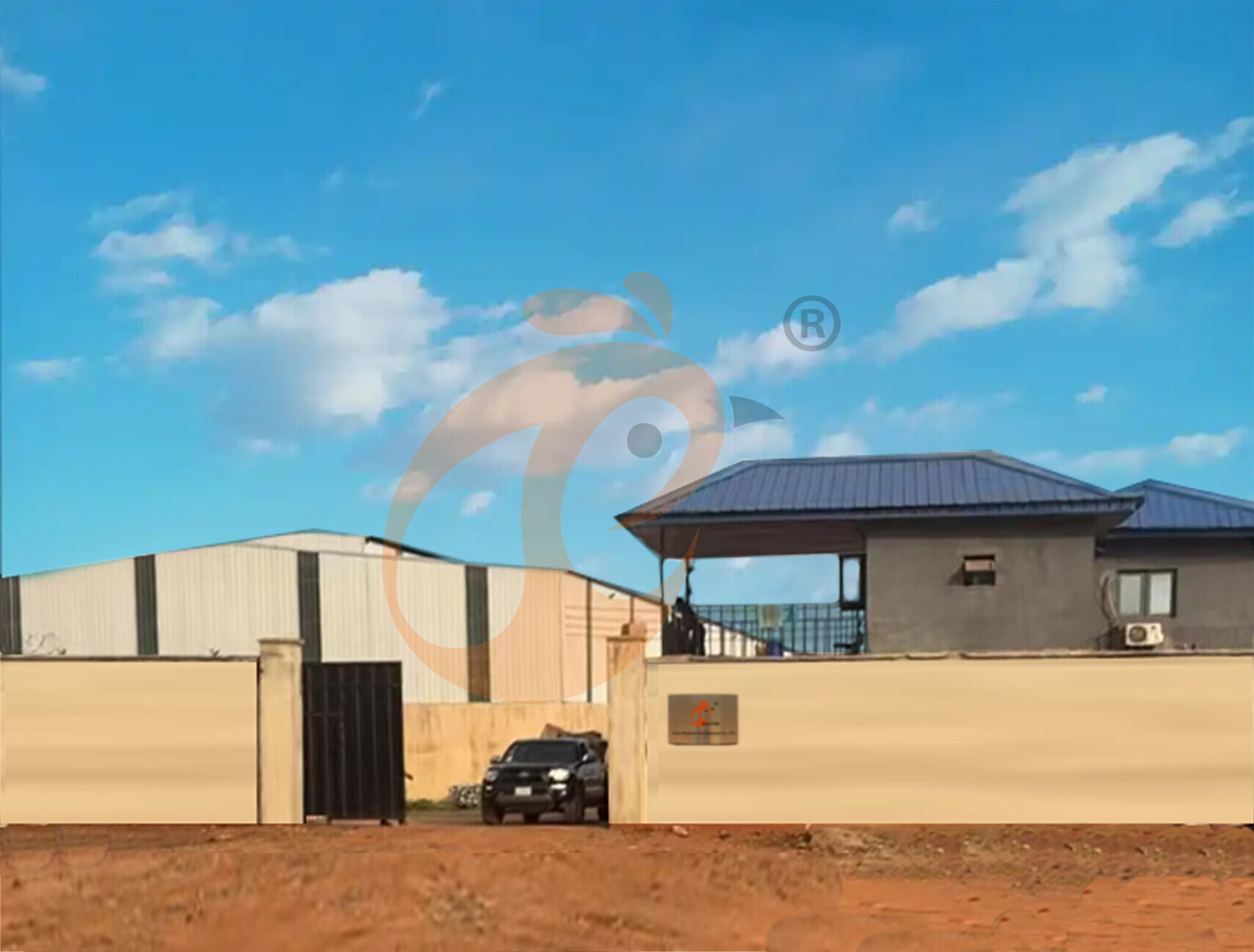
China Hebei Best Machinery And Equipment CO., LTD
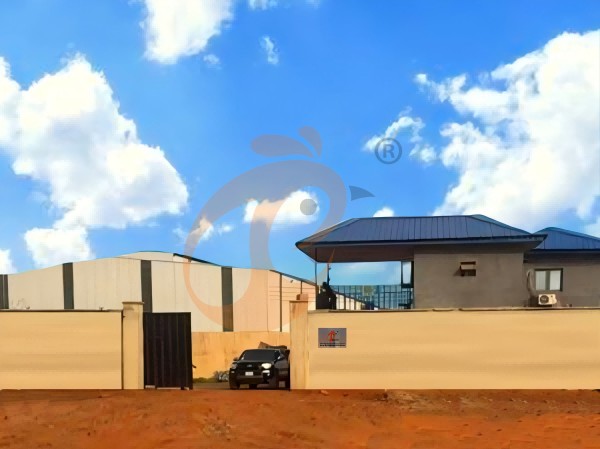
Nigeria Vanke Machinery And Equipment CO., LTD
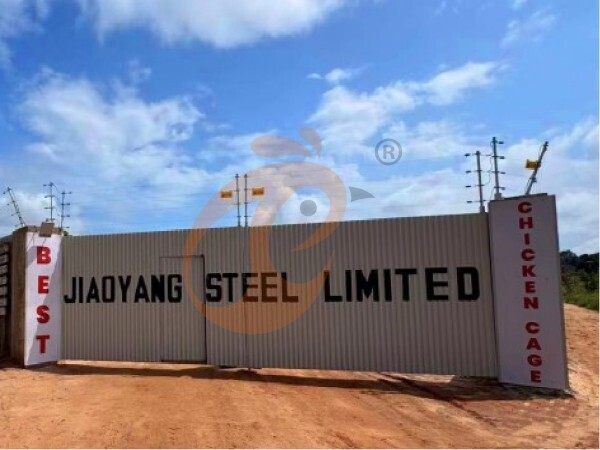
Tanzania Best Machinery And Equipment CO., LTD
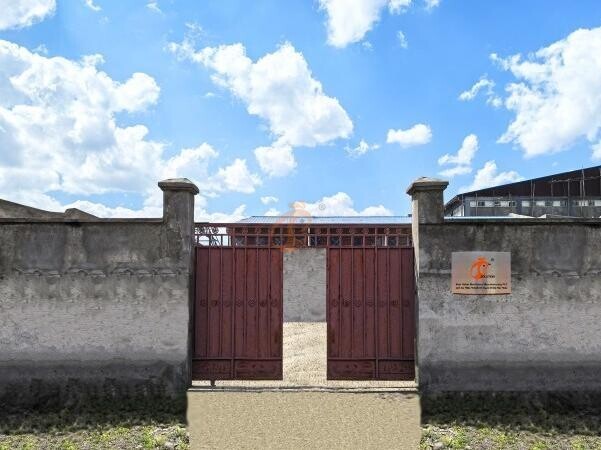
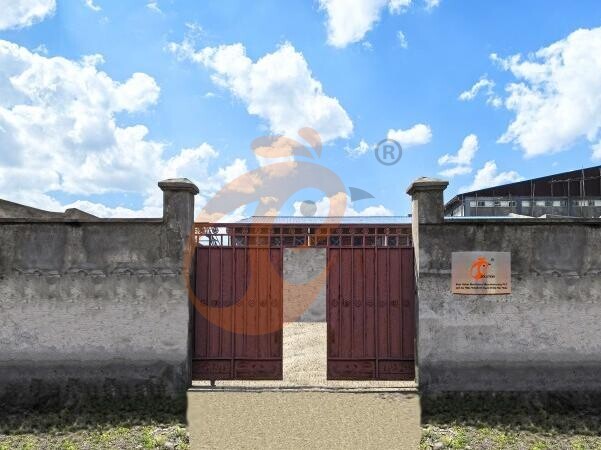
Ethiopia Best Hebei Machinery Manufacturing PLC
Reception /24 WhatsApp NO. : +8618830120193
FAQ
What Are The Growth Performance Benefits In Deep Litter Poultry System?
Feed conversion ratio improves to 1.55–1.78 due to thermal comfort and reduced stress.
Market uniformity rate exceeds 85%–92% within target slaughter weight range.
What Are The Litter Turning And Management Frequency Standards In Deep Litter Poultry System?
Surface leveling is maintained every 3–5 days to prevent compaction zones.
Full litter replacement cycle occurs every 2–3 production batches depending on load intensity.
What Are The Energy Efficiency And Cost Advantages In Deep Litter Poultry System?
Construction cost savings reach 25%–40% compared with fully caged housing systems.
Operational labor demand decreases by 30%–50% through simplified floor-based management.
Message
Products recommended
 HK Headquarter Offers EU-standard Poultry Farm Solutions, Manufacture Poultry Farm Equipment1. Continuous communication with the EU and the US
2. China, Nigeria, Ethiopia, Tanzania branch companies and factories
3. The products’ quality is customized for local poultry farms
4. Poultry cage and poultry farm equipment stock for sale
5. 24 online reception Whatsapp NO. : +8618830120193,contact us to get full informationRead More China Branch Offer Poultry Farm Business Plan, Manufacture Poultry Farm Equipment1. Address: Flat/RM 2416, 24/F, Runxing Building, Youyi Nan Street, Shijiazhuang City, Hebei Province, China
2. Poultry cage and poultry farm equipment factory and stock for sale
3. Customized for local poultry farms
4. Quality and design are based on Euro
5. 24 online reception Whatsapp NO. : +8618830120193Read More Nigeria Branch Offer Poultry Farm Business Plan, Manufacture Poultry Farm Equipment1. Address: After Sinoma Office, 200 Meters Near Danco Filling Station, Lagos/Ibadan Expressway, Lagos State, Nigeria
2. Poultry cage and poultry farm equipment factory and stock for sale
3. Customized for Nigerian poultry farms
4. Quality and design are based on Euro
5. 24 online reception Whatsapp NO. : +8618830120193Read More Ethiopia Branch Offer Poultry Farm Business Plan, Manufacture Poultry Farm Equipment1. Address: Gelan Gura, Akaki-kaliti Sub City, Addis Ababa, Ethiopia
2. Poultry cage and poultry farm equipment stock for sale
3. Customized for Ethiopian poultry farms
4. Quality and design are based on Euro
5. 24 online reception Whatsapp NO. : +8618830120193, contact us to get price listRead More Tanzania Branch Offer Poultry Farm Business Plan, Manufacture Poultry Farm Equipment1. Address: No.8, Sova Road, Msufini, Mlandizi, Kibaha, Pwani, Tanzania
2. Poultry cage and poultry farm equipment factory and stock for sale
3. Customized for Tanzanian poultry farms
4. Quality and design are based on Euro
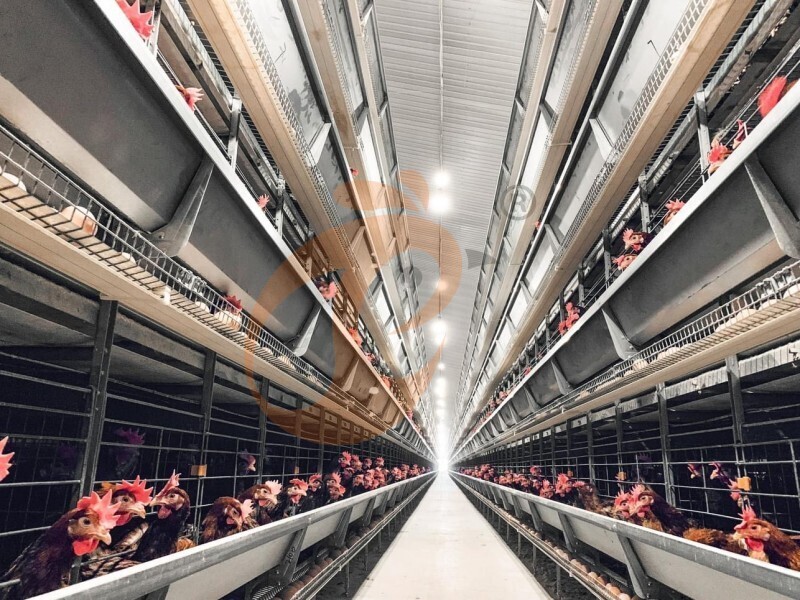
5. 24 online reception Whatsapp NO. : +8618830120193Read More Fully Automatic H Type Layer Chicken Cage1. 30,000-100,000+ layers/house chooses it, Poultry farmers can achieve an egg production rate of 96-98%
2. A significant improvement over the 85-90% typically seen in manual systems
3. A typical poultry farm can expect a 30-40% reduction in labor costs due to the automation
4. Each feeding line efficiently supplies feed to around 100,000 hens per 30 mins
5. Reception /WhatsApp NO. : +8618830120193Read More Fully Automatic A Type Layer Chicken Cage1. 10,000-50,000 layers/house chooses it
2. Cleaner egg collection reduces breakage by 0.5%
3. Improved hygiene helps reduce mortality rate to <3%
4. 1–2 technicians can handle 15,000–30,000 birds
5. Reception /WhatsApp NO. : +8618830120193Read More Semi Automatic H Type Layer Chicken Cage1. 1,00-20,000 layers/house chooses it
2. Nipple drinkers flow 30–60 ML / min
3. Hot-dip galvanized (typical coating ≥ 275 g/m²)
4. Reduce ammonia by ~ 35–40%
5. Reception /WhatsApp NO. : +8618830120193Read More Semi Automatic A Type Layer Chicken Cage1. 1,00-20,000 layers/house chooses it, no rust for 10 years, no deformation for 15 years
2. Chickens live comfortably, you can raise them with peace of mind
3. Save water, save money—efficiency you can measure
4. Improve environment quality, and increase egg production rate
5. Reception /WhatsApp NO. : +8618830120193Read More
By clicking 'Allow All', you agree to the storage of cookies on your device to enhance site navigation, analyze site usage and assist with our marketing efforts.