






Blog
Free range poultry farming combines sustainable livestock production, efficient resource management, and profitable business opportunities for commercial producers.
Pasture raised chicken systems improve bird welfare, support premium product positioning, and encourage diversified farm income through multiple marketing channels.
Free range egg production relies on balanced nutrition, suitable breeds, disease prevention, and accurate financial planning for stable long-term performance.
Comprehensive analysis covers investment requirements, production costs, feeding strategies, sales channels, health management, and annual profit scenarios with practical reference values.
Five decision tips help farmers evaluate operational efficiency, investment priorities, commercial sustainability, and management strategies before expanding production.
Get professional poultry farm construction guidance, equipment selection solutions, and the latest price lists, whatsApp to +8618830120193, +2348111199996, or click to learn more.
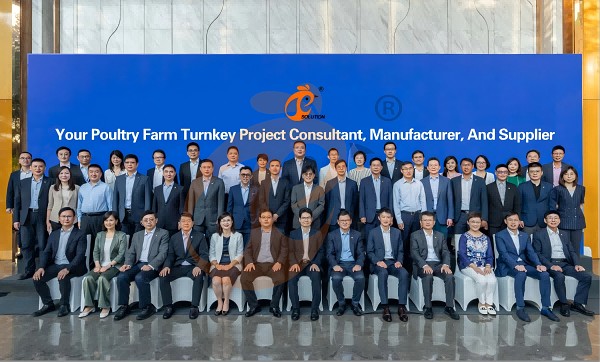
Understanding Free Range Poultry Farming
Free range poultry farming allows chickens, ducks, or other birds to spend part of their day outdoors instead of remaining inside enclosed buildings.
Birds can forage for insects, grasses, seeds, and natural vegetation while still receiving balanced commercial feed.
This production method often improves bird welfare and appeals to consumers who value natural farming practices.
Farmers can also reduce certain feed expenses because birds obtain a small portion of their nutrition from pasture.
Data is for reference only.Swipe horizontally to view full table.
What Determines Profitability?
Profit is not determined by selling price alone.
Successful farms carefully balance production costs with revenue while minimizing unnecessary expenses.
The largest operating costs generally include feed, chicks, housing, labor, utilities, vaccination programs, transportation, and equipment maintenance.
At the same time, premium pricing for free range poultry products can significantly increase total income.
A farm with strong biosecurity, efficient feeding schedules, and reliable local buyers usually performs better than one relying only on higher product prices.
Educational note
Many people assume free range chickens eat only grass.
In reality, pasture provides only part of their nutritional requirements.
Commercial feed remains the primary energy and protein source, while insects and vegetation act as valuable dietary supplements.
Initial Investment Requirements
Before starting production, farmers should estimate the capital needed for infrastructure and equipment.
European union standard reference only.
Data is for reference only.Swipe horizontally to view full table.
Although these investments appear substantial, most equipment has a service life of several production cycles, helping reduce annual operating costs.
Decision Tip #1: Choose The Right Breed
Breed selection directly affects growth rate, egg production, feed conversion, and disease resistance.
Commercial hybrid layers may produce more eggs, while dual-purpose breeds offer flexibility for both meat and egg production.
Heritage breeds often command premium market prices because consumers appreciate their flavor and traditional appearance.
Instead of choosing birds solely based on purchase price, farmers should evaluate lifetime production performance.
Data is for reference only.Swipe horizontally to view full table.
Decision Tip #2: Control Feed Expenses
Feed generally represents the largest operating expense in poultry farming, often accounting for more than half of total production costs.
Farmers should regularly compare feed suppliers, purchase ingredients during stable market periods, and minimize waste through proper storage.
Even a small reduction in feed loss can improve annual profits.
Rotational grazing also encourages birds to forage naturally while preventing excessive pasture damage.
Data is for reference only.Swipe horizontally to view full table.
Decision Tip #3: Build Multiple Sales Channels
One of the biggest advantages of free range poultry farming is the opportunity to sell products directly to consumers.
Instead of relying entirely on wholesalers, many successful farms increase profit margins through diversified marketing.
Popular sales channels include farmers' markets, grocery stores, restaurants, community-supported agriculture (csa) programs, online stores, and farm gate sales.
Diversification helps reduce dependence on a single customer group and provides more stable cash flow throughout the year.
European union standard reference only.
Data is for reference only.Swipe horizontally to view full table.
Direct marketing often requires additional time for packaging and customer service, but the increased selling price can significantly improve overall profitability.
Decision Tip #4: Focus On Disease Prevention
Healthy birds produce better growth rates, higher egg yields, and lower mortality.
Preventing disease is almost always less expensive than treating an outbreak after it occurs.
Simple biosecurity measures include limiting visitor access, disinfecting equipment, maintaining clean drinking water, rotating grazing areas, and quarantining newly purchased birds before introducing them to the flock.
Educational note
Free range systems expose birds to outdoor environments where they may encounter wild birds and other animals.
Proper fencing, vaccination schedules, and regular health inspections help reduce disease transmission while maintaining animal welfare.
Data is for reference only.Swipe horizontally to view full table.
Decision Tip #5: Monitor Financial Performance
Many small farms fail because they do not keep detailed financial records.
Accurate recordkeeping allows farmers to identify unnecessary expenses, calculate production costs, and evaluate return on investment.
Important indicators include feed cost per bird, labor hours, egg production, mortality rate, average selling price, transportation expenses, and monthly profit.
By reviewing financial reports regularly, farmers can make timely adjustments before small problems become major losses.
European union standard reference only.
Data is for reference only.Swipe horizontally to view full table.
Common Challenges
Although free range poultry farming offers attractive income opportunities, farmers should be prepared for several operational challenges.
Weather conditions can affect pasture quality and bird comfort.
Predators such as foxes, hawks, or stray dogs may threaten outdoor flocks.
Seasonal feed price fluctuations can reduce profit margins, while labor requirements are generally higher than in intensive production systems.
Successful producers prepare contingency plans, maintain emergency funds, and continuously improve farm management practices instead of reacting only after problems occur.
Sample Annual Profit Scenario
The following example illustrates how a medium-sized free range poultry farm may perform over one production year.
Actual results vary according to location, management practices, market prices, and production efficiency.
European union standard reference only.
Data is for reference only.Swipe horizontally to view full table.
This example demonstrates that profitability comes from controlling expenses while maintaining consistent production and reliable market demand rather than depending solely on premium selling prices.
Frequently Asked Questions
Q1: Can beginners start with 300 free range chickens?
A1: Yes.
A flock of approximately 300 birds requires about 1,350 m² of outdoor ranging area based on 4.5 m² per bird, making it suitable for gradual business expansion and manageable daily operations.
Q2: How much feed does one bird consume every day?
A2: Adult birds typically consume approximately 110–130 g of complete feed daily, depending on breed, age, climate, and production objectives.
Pasture supplements nutrition but does not replace balanced formulated feed.
Q3: How long does investment recovery usually take?
A3: Many well-managed farms recover initial investment within approximately 24–42 months, depending on selling price, production efficiency, operating costs, and local market demand.
Taiyu (HK) Group - One Of China Largest Poultry Equipment Manufacturer
Free range poultry farming equipment includes automatic feeding systems, drinking systems, environmental control units, and durable housing solutions engineered for stable commercial production.
Global factory-direct manufacturing supports standardized production, quality inspection procedures, competitive pricing, and reliable international project delivery for professional poultry investors.
Complete poultry equipment solutions cover layer farms, broiler farms, breeder farms, and customized engineering layouts according to project capacity and site conditions.
Professional turn-key engineering services integrate equipment manufacturing, project design, installation guidance, commissioning support, and technical training for efficient project implementation.
Experienced engineering teams provide commercial specifications, capacity planning, equipment configuration, spare parts support, and long-term technical service for worldwide poultry production projects.
Contact Us To Received Your Customized Poultry Farm Plan
Headquarters And Branchs
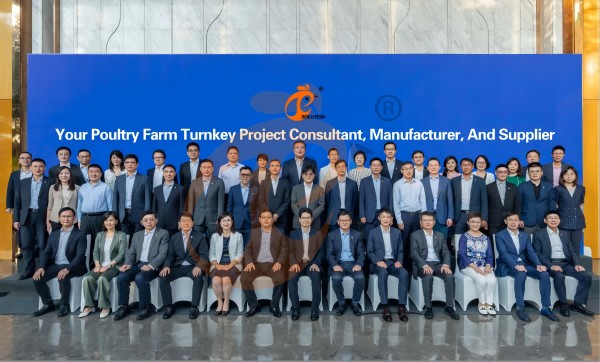
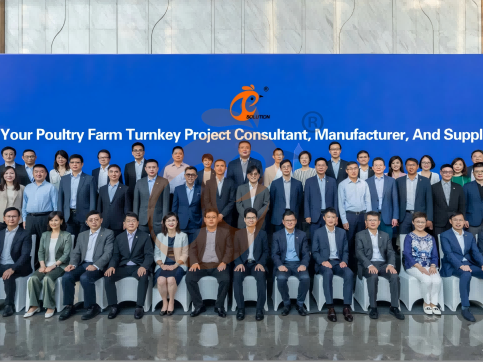
Hong Kong Headquarter Management Team
Hong Kong Headquarter Taiyu Industrial Group CO., LTD
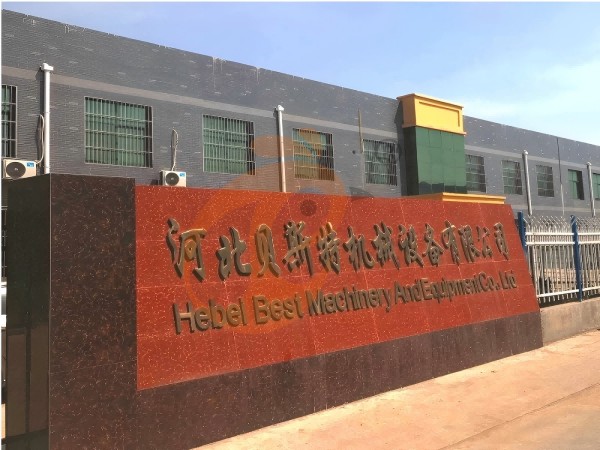
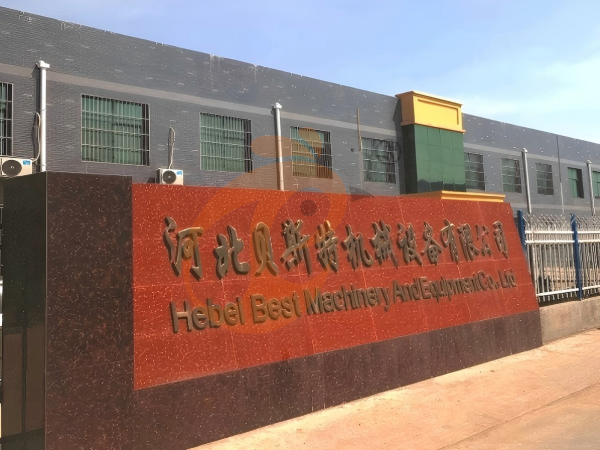
China Hebei Best Machinery And Equipment CO., LTD
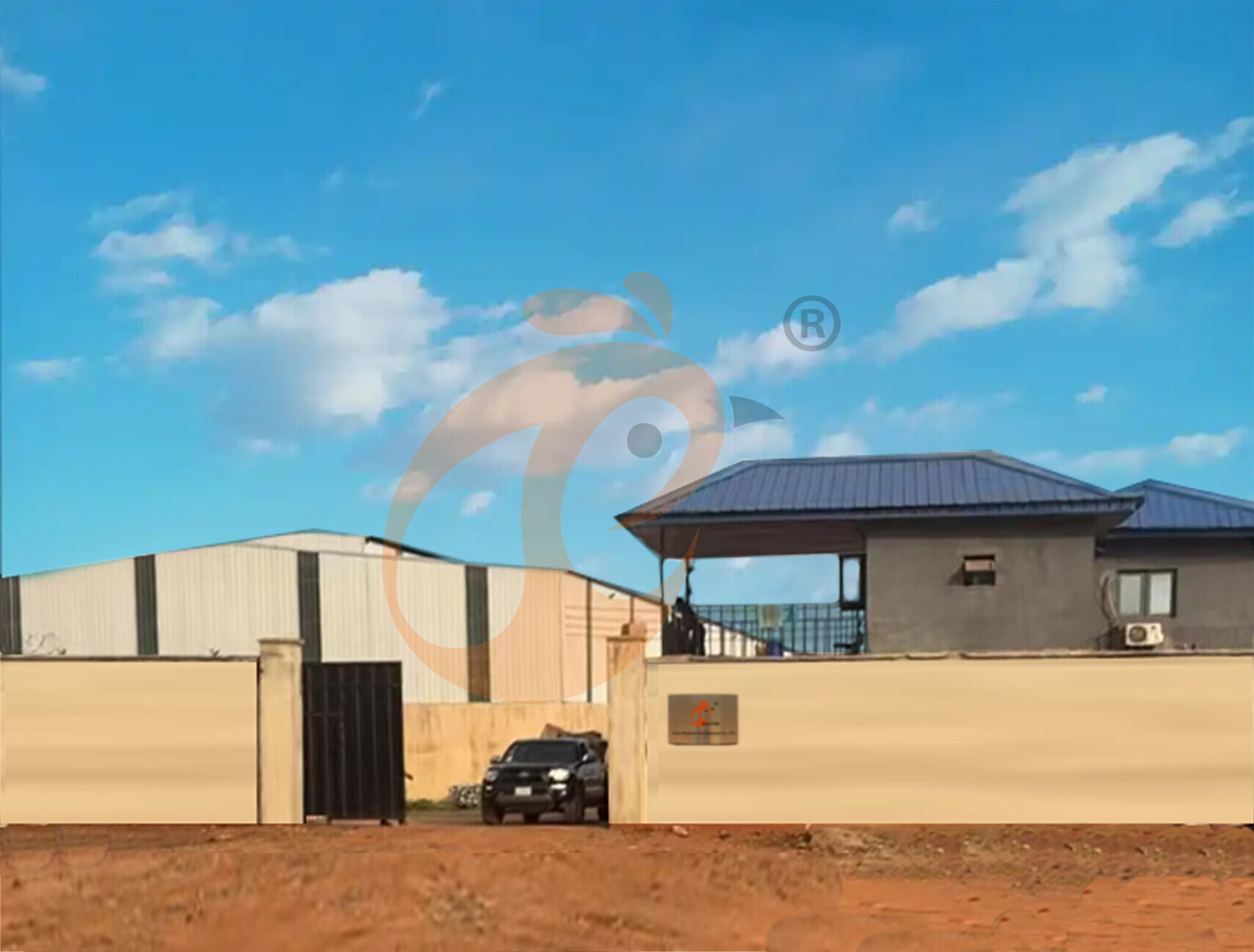
Nigeria Vanke Machinery And Equipment CO., LTD
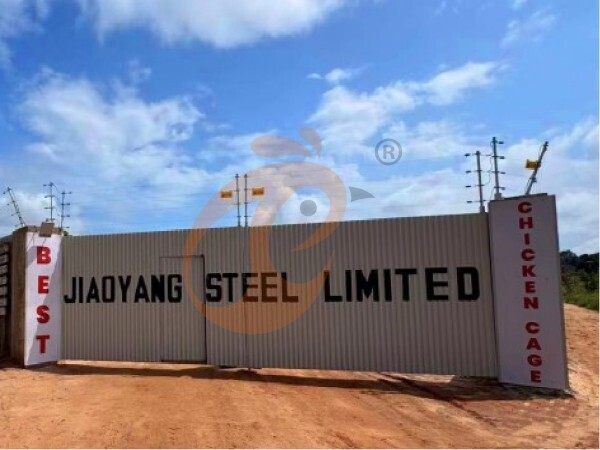
Tanzania Best Machinery And Equipment CO., LTD
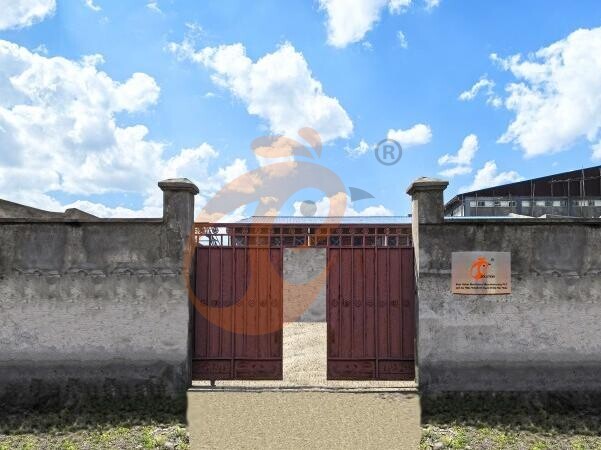
Ethiopia Best Hebei Machinery Manufacturing PLC
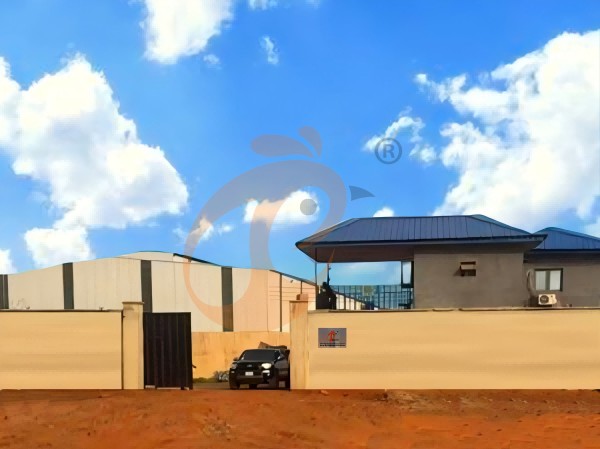
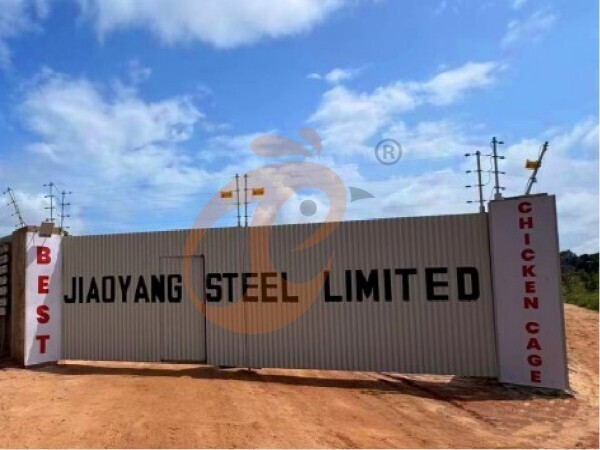
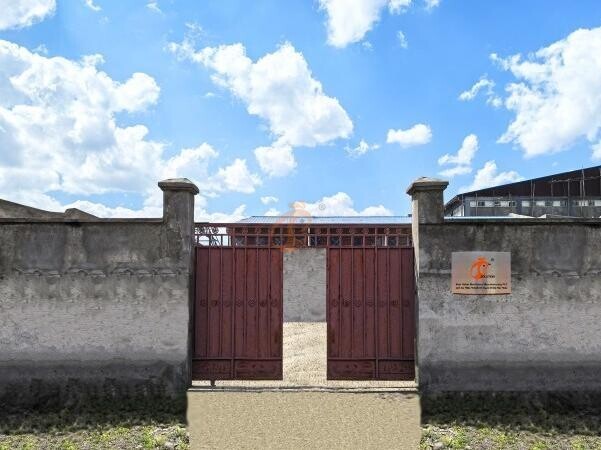
Reception /24 WhatsApp NO. : +8618830120193
FAQ
How Does Free Range System Affect Feed Consumption?
Energy expenditure increases daily intake variation by 15%–22% across seasons.
Feed conversion efficiency ranges from 1.9–2.3 depending on grazing intensity.
What Are The Housing Transition Management Standards In Free Range Poultry System?
Indoor-outdoor transition time is controlled within 10–15 minutes per flock movement cycle.
Lighting guidance systems operate at 5–8 lux to direct flock movement behavior.
What Are The Seasonal Adaptation Strategies In Free Range Poultry System?
Summer shade coverage is increased to 60%–80% of grazing area for heat stress reduction.
Rainfall drainage capacity handles 25–40 mm per hour precipitation levels for land usability.
Message
Products recommended
 HK Headquarter Offers EU-standard Poultry Farm Solutions, Manufacture Poultry Farm Equipment1. Continuous communication with the EU and the US
2. China, Nigeria, Ethiopia, Tanzania branch companies and factories
3. The products’ quality is customized for local poultry farms
4. Poultry cage and poultry farm equipment stock for sale
5. 24 online reception Whatsapp NO. : +8618830120193,contact us to get full informationRead More China Branch Offer Poultry Farm Business Plan, Manufacture Poultry Farm Equipment1. Address: Flat/RM 2416, 24/F, Runxing Building, Youyi Nan Street, Shijiazhuang City, Hebei Province, China
2. Poultry cage and poultry farm equipment factory and stock for sale
3. Customized for local poultry farms
4. Quality and design are based on Euro
5. 24 online reception Whatsapp NO. : +8618830120193Read More Nigeria Branch Offer Poultry Farm Business Plan, Manufacture Poultry Farm Equipment1. Address: After Sinoma Office, 200 Meters Near Danco Filling Station, Lagos/Ibadan Expressway, Lagos State, Nigeria
2. Poultry cage and poultry farm equipment factory and stock for sale
3. Customized for Nigerian poultry farms
4. Quality and design are based on Euro
5. 24 online reception Whatsapp NO. : +8618830120193Read More Ethiopia Branch Offer Poultry Farm Business Plan, Manufacture Poultry Farm Equipment1. Address: Gelan Gura, Akaki-kaliti Sub City, Addis Ababa, Ethiopia
2. Poultry cage and poultry farm equipment stock for sale
3. Customized for Ethiopian poultry farms
4. Quality and design are based on Euro
5. 24 online reception Whatsapp NO. : +8618830120193, contact us to get price listRead More Tanzania Branch Offer Poultry Farm Business Plan, Manufacture Poultry Farm Equipment1. Address: No.8, Sova Road, Msufini, Mlandizi, Kibaha, Pwani, Tanzania
2. Poultry cage and poultry farm equipment factory and stock for sale
3. Customized for Tanzanian poultry farms
4. Quality and design are based on Euro
5. 24 online reception Whatsapp NO. : +8618830120193Read More Fully Automatic H Type Layer Chicken Cage1. 30,000-100,000+ layers/house chooses it, Poultry farmers can achieve an egg production rate of 96-98%
2. A significant improvement over the 85-90% typically seen in manual systems
3. A typical poultry farm can expect a 30-40% reduction in labor costs due to the automation
4. Each feeding line efficiently supplies feed to around 100,000 hens per 30 mins
5. Reception /WhatsApp NO. : +8618830120193Read More Fully Automatic A Type Layer Chicken Cage1. 10,000-50,000 layers/house chooses it
2. Cleaner egg collection reduces breakage by 0.5%
3. Improved hygiene helps reduce mortality rate to <3%
4. 1–2 technicians can handle 15,000–30,000 birds
5. Reception /WhatsApp NO. : +8618830120193Read More Semi Automatic H Type Layer Chicken Cage1. 1,00-20,000 layers/house chooses it
2. Nipple drinkers flow 30–60 ML / min
3. Hot-dip galvanized (typical coating ≥ 275 g/m²)
4. Reduce ammonia by ~ 35–40%
5. Reception /WhatsApp NO. : +8618830120193Read More Semi Automatic A Type Layer Chicken Cage1. 1,00-20,000 layers/house chooses it, no rust for 10 years, no deformation for 15 years
2. Chickens live comfortably, you can raise them with peace of mind
3. Save water, save money—efficiency you can measure
4. Improve environment quality, and increase egg production rate
5. Reception /WhatsApp NO. : +8618830120193Read More
By clicking 'Allow All', you agree to the storage of cookies on your device to enhance site navigation, analyze site usage and assist with our marketing efforts.