


Blog
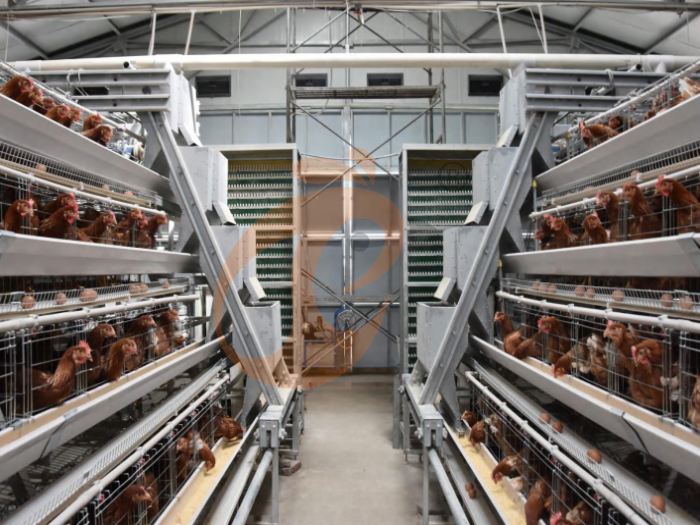
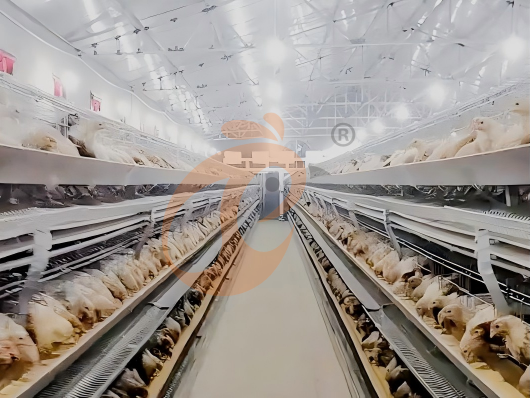
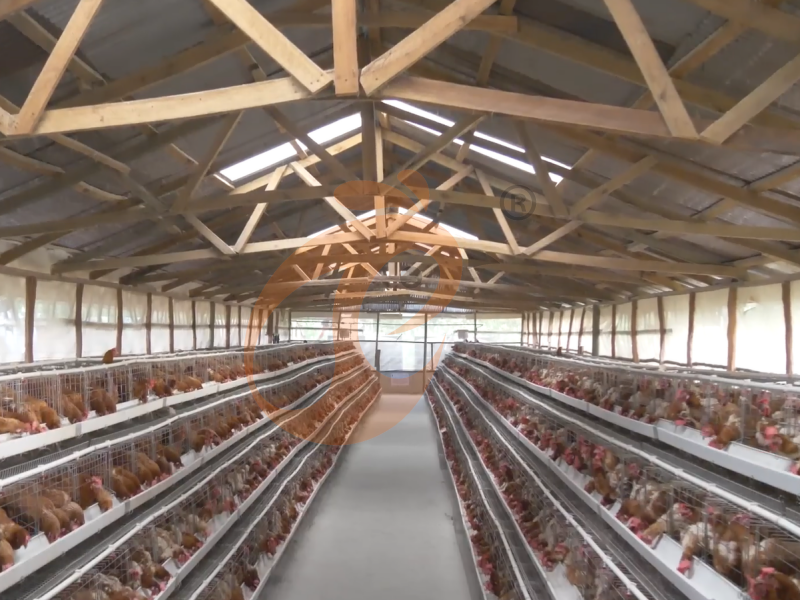
Broiler chicken cages integrate controlled housing and automated poultry equipment within commercial houses measuring approximately 15 × 80 m, supporting organized production planning.
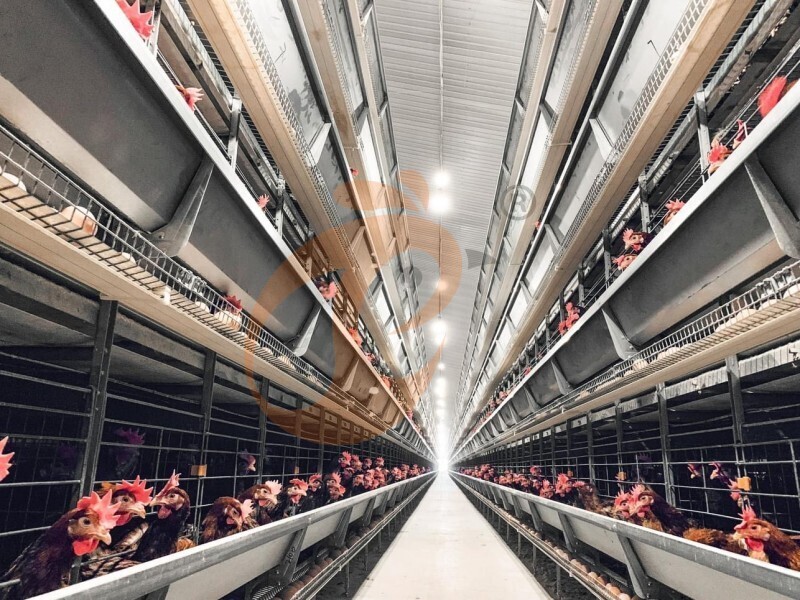
Multi-tier broiler cage systems utilize vertical building volume, while single-tier layouts concentrate production at one elevation with approximately 0.60 m equipment clearance.
Automatic broiler feeding systems coordinate feed delivery, drinking, manure handling, and controls through programmable cycles ranging from 3–8 minutes for consistent operation.
Engineering decisions connect broiler chicken cages with ventilation, maintenance, electrical distribution, structural loading, and service pathways before equipment installation begins.
Selecting suitable broiler cage systems can improve production organization, equipment coordination, and expansion planning while supporting commercial projects requiring 10–15 years operational planning.
Get professional poultry farm construction guidance, equipment selection solutions, and the latest price lists, whatsApp to +8618830120193, +2348111199996, or click to learn more.
Production Starts With The Right Cage Architecture
Broiler chicken cages increasingly determine how efficiently poultry-house volume becomes organized production space.
A properly engineered multi-tier broiler cage system can operate within a clear building height of 5.5–7.0 m, while maintaining workable inspection areas between equipment levels.
Single-tier broiler chicken cages remain practical for farms prioritizing direct bird access and uncomplicated floor-level management.
When building width reaches 15–18 m, floor-only equipment can leave considerable upper building volume unused.
The decision therefore concerns broiler cage system architecture rather than cage appearance alone.
A complete broiler chicken cages project should coordinate building geometry, automation interfaces, service routes, and maintenance procedures from the engineering stage.
Multi-Tier Vs Single-Tier At A Glance
Data is for reference only.Swipe horizontally to view full table.
Where Multi-Tier Systems Change The Economics
Start with the building footprint.
Then calculate how broiler chicken cages can occupy available production volume.
A poultry house measuring 15 × 80 m provides approximately 1,200 m² of floor area before internal equipment and service spaces are deducted.
A single-tier configuration concentrates equipment at floor level, whereas multi-tier broiler cage systems distribute production vertically.
With a cage tier pitch around 1.35 m, several production elevations can be incorporated into one engineered structure.
Such vertical planning also creates dedicated routes for feed, water, manure, electrical cabling, and maintenance operations.
The commercial advantage comes from integrating these systems rather than simply adding cage levels.
Capacity Comparison By Farm Objective
Data is for reference only.Swipe horizontally to view full table.
The Equipment Behind Higher Output
Production performance depends on how broiler chicken cages interact with supporting poultry equipment.
A complete broiler cage system can coordinate cage structures, automatic feeding, nipple drinking, manure removal, ventilation, and electrical controls through one project layout.
When equipment interfaces are planned together, repetitive manual intervention can be reduced during routine operations.
For multi-tier broiler chicken cages, structural alignment becomes particularly important because each cage level must remain accurately positioned throughout operation.
A typical equipment installation can use galvanized structural members with connection tolerances controlled during assembly.
Automatic broiler feeding systems can also connect storage, conveying, sensors, and drive units into a scheduled production sequence.
Equipment purchasing should therefore evaluate engineering compatibility, material treatment, installation accuracy, and technical support together.
Management And Labor Comparison
Data is for reference only.Swipe horizontally to view full table.
Why Automation Matters More Than Cage Type Alone
Production efficiency = capacity × automation × management consistency.
A multi-tier broiler cage system with poorly matched equipment can lose efficiency despite using additional vertical levels.
A properly engineered system can synchronize feeding, watering, manure handling, ventilation, and environmental monitoring through programmable controllers.
Automatic broiler feeding systems can operate according to flock-stage schedules, with programmable intervals commonly configured in 1-minute increments.
Reliable equipment control also depends on stable electrical protection, with motor overload settings selected according to individual drive specifications.
The key is purchasing a complete poultry equipment solution rather than an isolated cage structure.
Modern broiler chicken cages can be configured with feed storage, drive units, sensors, pipelines, manure equipment, and control cabinets according to project requirements.
Investment Comparison
Data is for reference only.Swipe horizontally to view full table.
European union standard reference only.
Which System Fits Your Farm?
Choose multi-tier broiler chicken cages when
- Building height provides adequate vertical installation space.
- Production planning requires several integrated equipment levels.
- Automatic feeding and manure systems are included in the project specification.
- Electrical and ventilation infrastructure can support the selected equipment package.
- Future expansion requires modular cage-system engineering.
- Maintenance access can be incorporated into the original house layout.
Consider single-tier broiler chicken cages when
- The project has extensive available floor area.
- Floor-level inspection is prioritized during daily operations.
- Equipment installation must remain relatively straightforward.
- The planned production configuration does not require vertical expansion.
A complete poultry house can use 24-hour programmable control, depending on environmental management requirements.
Broiler chicken cages should therefore be selected after reviewing building drawings, utility capacity, production objectives, and equipment interfaces.
Equipment Features That Deserve Attention
Data is for reference only.Swipe horizontally to view full table.
The Return On Investment Test: Look Beyond The Purchase Price
Imagine two farms with similar production targets.
Farm A selects broiler chicken cages mainly according to initial quotation value.
Farm B evaluates equipment through structural specifications, automation compatibility, maintenance requirements, and projected operating conditions.
Farm B may allocate more engineering resources before installation, including approximately 2–4 weeks for detailed equipment layout and technical confirmation.
An automatic broiler feeding system can reduce repeated manual feed handling while maintaining scheduled distribution.
The financial evaluation should include installation, electrical consumption, spare parts, maintenance access, equipment life, and future expansion requirements.
For projects using complete broiler chicken cages systems, technical configuration should be reviewed before commercial quotation is finalized.
Final Comparison: Which Boosts Production?
Data is for reference only.Swipe horizontally to view full table.
Which system boosts production?
For commercial farms with suitable building height and integrated automation requirements, multi-tier broiler chicken cages provide an effective method for using poultry-house volume.
Single-tier broiler chicken cages remain practical when floor-level access and uncomplicated installation dominate project requirements.
The final result depends on equipment engineering rather than cage quantity alone.
Cage structures, automatic feeding, nipple drinking, manure removal, ventilation, electrical controls, and installation should operate as one coordinated poultry equipment system.
For commercial projects, manufacturers can develop equipment layouts around house dimensions, production targets, utility conditions, maintenance routes, and expansion requirements.
Frequently Asked Questions
Q1: Can multi-tier broiler chicken cages increase production capacity?
A1: Yes.
Vertical equipment arrangement can increase the productive use of building volume when the house provides sufficient clear height and appropriate maintenance access.
A typical project may allocate 0.60–0.80 m service platforms according to the selected cage configuration.
Q2: Are multi-tier broiler cages suitable for automated feeding?
A2: Yes.
Automatic broiler feeding systems can be integrated with multi-tier cage layouts through independent drive units, feed lines, sensors, and control cabinets.
Programmable feed cycles can be configured at 1-minute intervals, depending on controller specifications.
Q3: How should a farm choose between multi-tier and single-tier cages?
A3: Selection should consider building dimensions, production targets, automation architecture, maintenance routes, utility capacity, and expansion requirements.
A preliminary engineering review can use house drawings and equipment-load calculations before final quotation.
Taiyu (HK) Group - One Of China Biggest Broiler Chicken Cages Manufacturer
Broiler chicken cages use q235/q345 galvanized steel structures, with 3.0–4.0 mm wire options and engineered configurations for multi-tier commercial production.
Global factory-direct supply covers poultry equipment packages including cage systems, automatic feeding, drinking systems, manure removal, ventilation, and control equipment.
Turn-key engineering connects layout design, equipment selection, manufacturing, installation coordination, commissioning, and production-system integration.
Poultry equipment projects are configured around building dimensions, production capacity, utility specifications, automation requirements, and maintenance planning.
Commercial project support integrates technical documentation, installation guidance, spare-parts planning, equipment commissioning, and after-sales engineering service.
Contact Us To Received Your Customized Poultry Farm Plan
Headquarters And Branchs

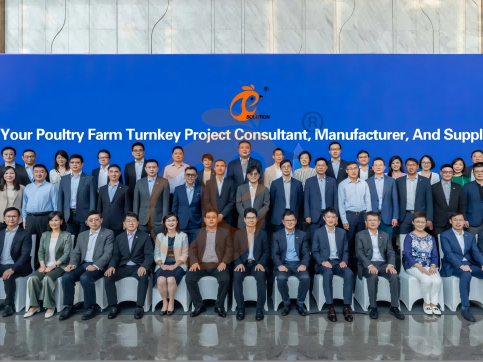
Hong Kong Headquarter Management Team
Hong Kong Headquarter Taiyu Industrial Group CO., LTD
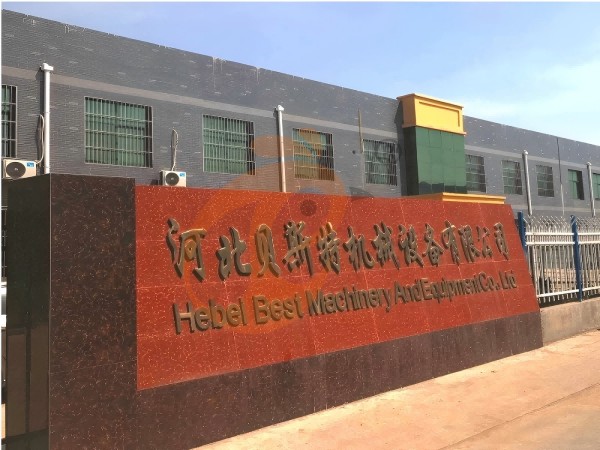
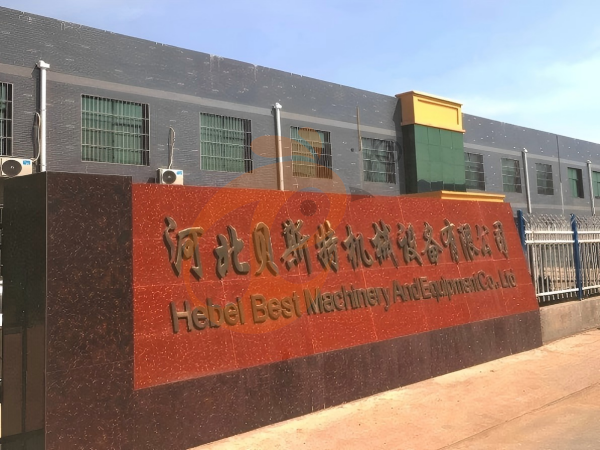
China Hebei Best Machinery And Equipment CO., LTD
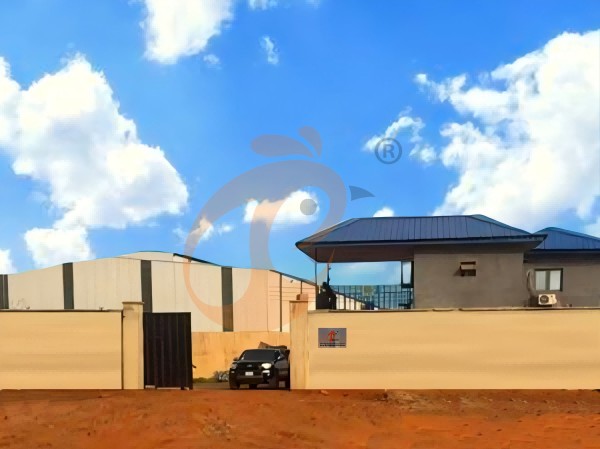
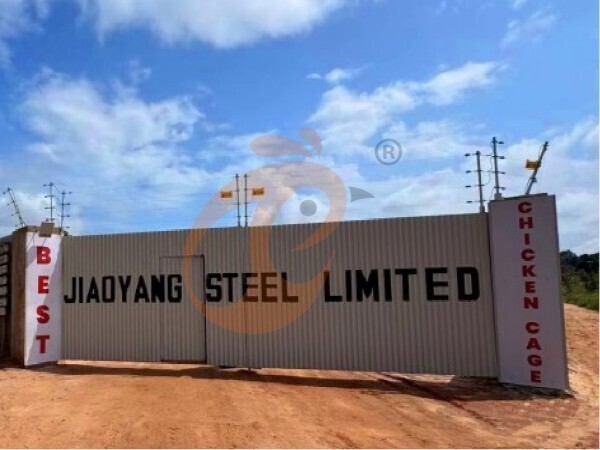
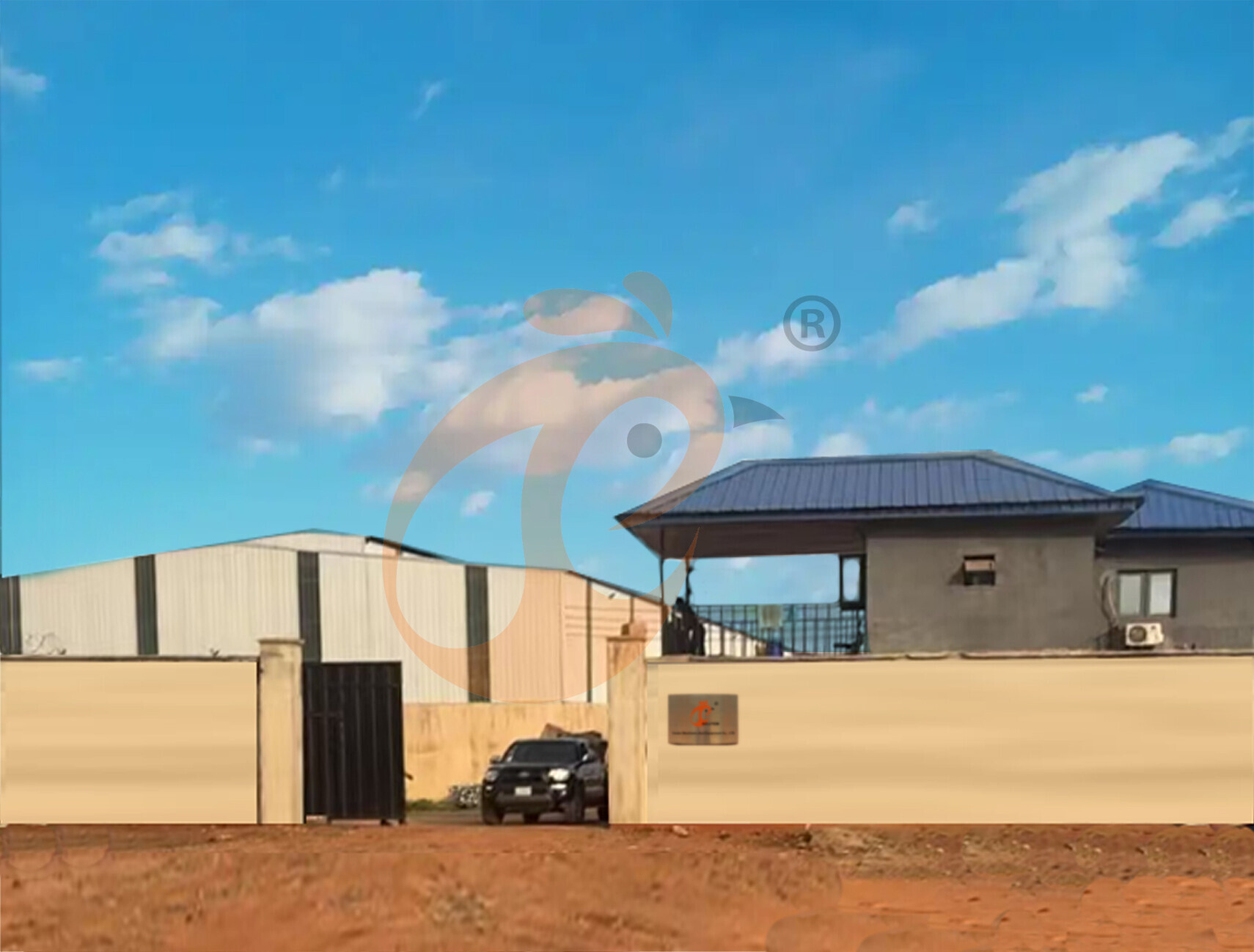
Nigeria Vanke Machinery And Equipment CO., LTD
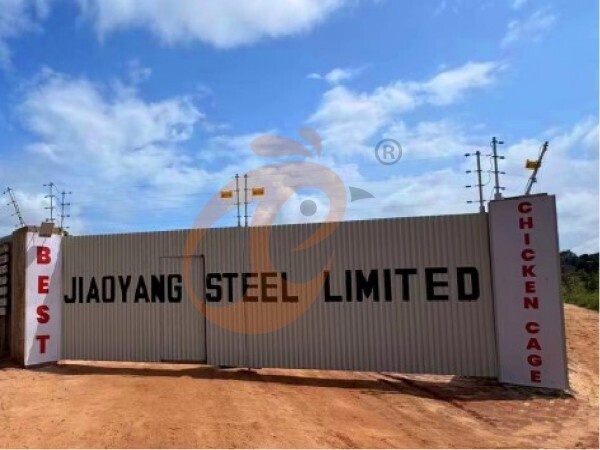
Tanzania Best Machinery And Equipment CO., LTD
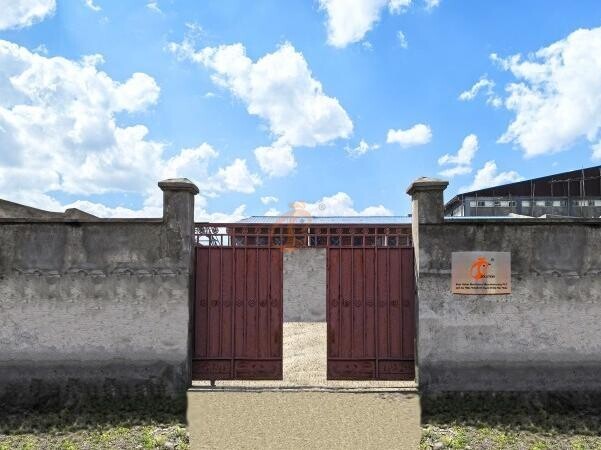
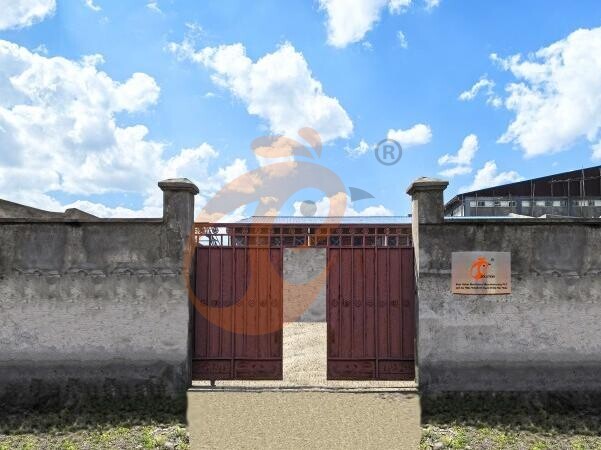
Ethiopia Best Hebei Machinery Manufacturing PLC
Reception /24 WhatsApp NO. : +8618830120193
FAQ
What Cage Structure Options Are Available For Broiler Chicken Cage Systems?
H-type cage systems are configured in 3–12 tiers accommodating 360–1440 birds per set for intensive farming operations.
Structural height ranges from 1.75–10.11 meters maximizing vertical space utilization and housing efficiency.
How Does Stocking Density Affect Broiler Chicken Cage Performance?
H-type systems maintain 500 cm² allocation per bird optimizing housing density and production output.
Bird distribution is balanced at 8 birds per compartment in partitioned cage configurations reducing competition.
Which Cage Dimensions Are Commonly Used In Broiler Chicken Cage Systems?
H-type cage modules measure 3.3 × 1.82 meters providing larger continuous housing sections.
Internal compartment height varies from 40–55 cm ensuring adequate bird activity and ventilation circulation.
Message
Products recommended
 HK Headquarter Offers EU-standard Poultry Farm Solutions, Manufacture Poultry Farm Equipment1. Continuous communication with the EU and the US
2. China, Nigeria, Ethiopia, Tanzania branch companies and factories
3. The products’ quality is customized for local poultry farms
4. Poultry cage and poultry farm equipment stock for sale
5. 24 online reception Whatsapp NO. : +8618830120193,contact us to get full informationRead More China Branch Offer Poultry Farm Business Plan, Manufacture Poultry Farm Equipment1. Address: Flat/RM 2416, 24/F, Runxing Building, Youyi Nan Street, Shijiazhuang City, Hebei Province, China
2. Poultry cage and poultry farm equipment factory and stock for sale
3. Customized for local poultry farms
4. Quality and design are based on Euro
5. 24 online reception Whatsapp NO. : +8618830120193Read More Nigeria Branch Offer Poultry Farm Business Plan, Manufacture Poultry Farm Equipment1. Address: After Sinoma Office, 200 Meters Near Danco Filling Station, Lagos/Ibadan Expressway, Lagos State, Nigeria
2. Poultry cage and poultry farm equipment factory and stock for sale
3. Customized for Nigerian poultry farms
4. Quality and design are based on Euro
5. 24 online reception Whatsapp NO. : +8618830120193Read More Ethiopia Branch Offer Poultry Farm Business Plan, Manufacture Poultry Farm Equipment1. Address: Gelan Gura, Akaki-kaliti Sub City, Addis Ababa, Ethiopia
2. Poultry cage and poultry farm equipment stock for sale
3. Customized for Ethiopian poultry farms
4. Quality and design are based on Euro
5. 24 online reception Whatsapp NO. : +8618830120193, contact us to get price listRead More Tanzania Branch Offer Poultry Farm Business Plan, Manufacture Poultry Farm Equipment1. Address: No.8, Sova Road, Msufini, Mlandizi, Kibaha, Pwani, Tanzania
2. Poultry cage and poultry farm equipment factory and stock for sale
3. Customized for Tanzanian poultry farms
4. Quality and design are based on Euro
5. 24 online reception Whatsapp NO. : +8618830120193Read More Fully Automatic H Type Layer Chicken Cage1. 30,000-100,000+ layers/house chooses it, Poultry farmers can achieve an egg production rate of 96-98%
2. A significant improvement over the 85-90% typically seen in manual systems
3. A typical poultry farm can expect a 30-40% reduction in labor costs due to the automation
4. Each feeding line efficiently supplies feed to around 100,000 hens per 30 mins
5. Reception /WhatsApp NO. : +8618830120193Read More Fully Automatic A Type Layer Chicken Cage1. 10,000-50,000 layers/house chooses it
2. Cleaner egg collection reduces breakage by 0.5%
3. Improved hygiene helps reduce mortality rate to <3%
4. 1–2 technicians can handle 15,000–30,000 birds
5. Reception /WhatsApp NO. : +8618830120193Read More Semi Automatic H Type Layer Chicken Cage1. 1,00-20,000 layers/house chooses it
2. Nipple drinkers flow 30–60 ML / min
3. Hot-dip galvanized (typical coating ≥ 275 g/m²)
4. Reduce ammonia by ~ 35–40%
5. Reception /WhatsApp NO. : +8618830120193Read More Semi Automatic A Type Layer Chicken Cage1. 1,00-20,000 layers/house chooses it, no rust for 10 years, no deformation for 15 years
2. Chickens live comfortably, you can raise them with peace of mind
3. Save water, save money—efficiency you can measure
4. Improve environment quality, and increase egg production rate
5. Reception /WhatsApp NO. : +8618830120193Read More
By clicking 'Allow All', you agree to the storage of cookies on your device to enhance site navigation, analyze site usage and assist with our marketing efforts.