






Blog
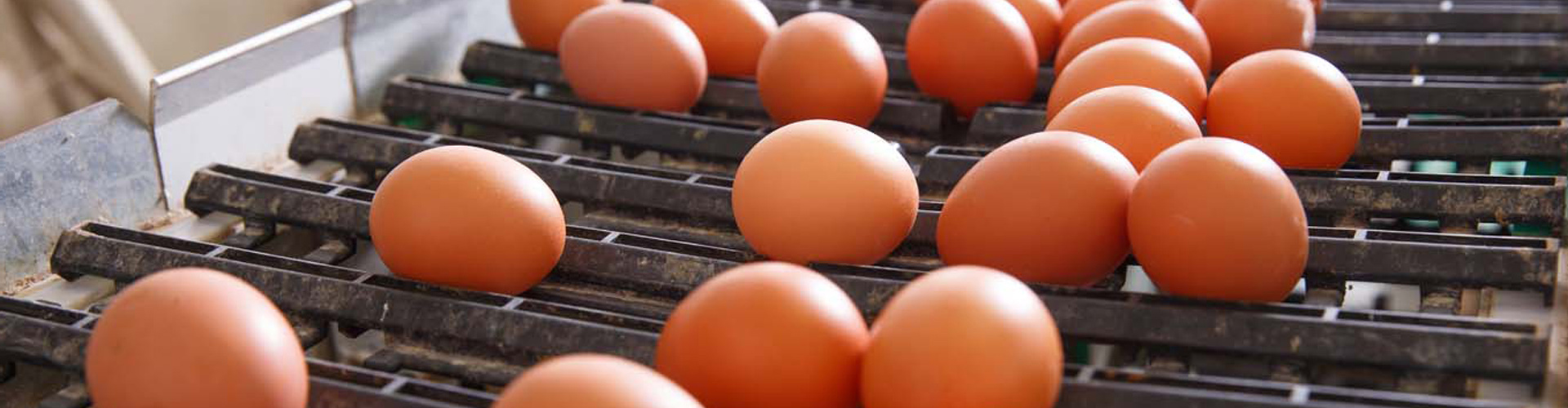
Commercial floor rearing poultry farming supports intensive broiler production with automatic feeding systems, tunnel ventilation equipment, and precision environmental control technology.
Modern poultry farm design improves feed conversion ratio, stocking density management, litter moisture stability, and poultry house airflow performance under industrial production conditions.
Automatic poultry equipment reduces labor cost, stabilizes feeding efficiency, and increases daily weight gain consistency during large-scale broiler chicken farming operations.
Smart poultry farming systems integrate nipple drinking lines, cooling pads, exhaust fans, and poultry lighting programs for efficient poultry production management.
Industrial poultry farming projects increasingly adopt poultry house automation technology to improve production output, reduce mortality rate, and optimize commercial poultry investment returns.
Get professional poultry farm construction guidance, equipment selection solutions, and the latest price lists, whatsApp to +8618830120193, +2348111199996, or click to learn more.
What Is Floor Rearing Poultry Farming?
Floor rearing poultry farming refers to a commercial poultry production system where broiler chickens grow directly on litter covered flooring instead of cage structures.
Modern poultry farm projects widely use automatic poultry feeding systems, poultry ventilation equipment, and poultry drinking lines to maintain stable environmental conditions inside poultry houses.
Commercial broiler chicken farming operations usually use rice husk, wood shavings, or processed straw materials as poultry litter bedding.
Proper litter depth helps absorb moisture while reducing ammonia accumulation and bacterial growth inside poultry production facilities.
Data is for reference only.Swipe horizontally to view full table.
Modern poultry house construction normally uses galvanized steel structures and insulated sandwich panels.
Industrial poultry building insulation can reduce internal temperature fluctuation by approximately 6°C during summer operation while improving ventilation efficiency during winter production periods.
Poultry House Stocking Density Management
Stocking density directly influences broiler growth rate, oxygen distribution, feed intake behavior, and poultry litter moisture accumulation.
Commercial broiler chicken farming projects carefully calculate poultry density according to target market weight and ventilation performance.
Excessive stocking density increases metabolic heat production inside poultry houses.
Poor airflow circulation may reduce broiler growth performance and increase mortality risk during high temperature production seasons.
Data is for reference only.Swipe horizontally to view full table.
A commercial poultry house measuring 100 m × 16 m can accommodate approximately 16000 broiler chickens under 10 birds per m² density conditions.
Broiler production output may exceed 36 tons live weight per production cycle with optimized poultry feeding management and ventilation control.
Poultry Ventilation And Temperature Control
Tunnel ventilation systems remain essential equipment in modern floor rearing poultry farming operations.
Commercial poultry farms use exhaust fans and evaporative cooling pads to maintain stable poultry house climate conditions during intensive broiler production cycles.
Broiler chickens continuously release moisture, heat energy, carbon dioxide, and airborne dust particles during metabolism.
Insufficient ventilation may rapidly increase ammonia concentration inside poultry buildings while reducing oxygen availability.
Data is for reference only.Swipe horizontally to view full table.
Industrial poultry ventilation systems equipped with ten 50-inch exhaust fans may achieve airflow capacity above 430000 m³/h.
Cooling pad systems can reduce internal poultry house temperature by approximately 7°C during summer poultry farming operation.
Poultry Science Knowledge About Broiler Growth
Modern broiler chickens grow significantly faster than poultry breeds raised several decades ago because of genetic breeding improvement and advanced poultry nutrition technology.
Commercial poultry breeding companies continuously optimize feed efficiency, muscle growth rate, skeletal structure strength, and disease resistance performance.
Broiler chickens raised during the 1970s generally required nearly 70 days to reach 2.0 kg market weight.
Current industrial broiler farming systems can achieve 3.0 kg body weight within 40–42 days under optimized environmental management conditions.
Data is for reference only.Swipe horizontally to view full table.
Genetic improvement technology significantly reduces feed consumption per kilogram of poultry meat production while improving industrial poultry farming profitability.
Poultry Litter Management
Poultry litter quality strongly affects broiler chicken health, ammonia release, and poultry footpad condition during floor rearing poultry farming operations.
Commercial poultry farms carefully monitor litter moisture near nipple drinking systems and poultry feeding lines.
Wet poultry litter increases bacterial growth and coccidiosis transmission risk inside poultry houses.
Efficient tunnel ventilation and proper water pressure adjustment help maintain stable litter moisture conditions.
Data is for reference only.Swipe horizontally to view full table.
Commercial poultry farming projects located in tropical climates normally install additional circulation fans to reduce litter moisture accumulation around poultry drinking areas.
Poultry Feeding Program Optimization
Feed cost generally represents 65–72% of total poultry production expenditure in commercial broiler chicken farming.
Precision poultry nutrition management directly influences growth performance, feed conversion ratio, and investment profitability.
Commercial poultry feed formulations vary according to broiler growth stages.
Starter feed contains increased protein concentration to support organ development and muscle growth during early poultry production periods.
Data is for reference only.Swipe horizontally to view full table.
Modern poultry feed commonly includes lysine, methionine, enzymes, vitamins, and probiotics to improve poultry digestion efficiency and broiler growth consistency.
Feed Conversion Ratio In Poultry Farming
Feed conversion ratio measures the amount of poultry feed required to produce one kilogram of broiler body weight gain.
Lower FCR values reduce poultry feed consumption cost while improving commercial broiler farming profitability.
Commercial poultry farming companies continuously monitor feed intake and daily weight gain to maintain stable FCR performance throughout broiler production cycles.
Data is for reference only.Swipe horizontally to view full table.
Advanced poultry farming systems can achieve total mortality below 3.5% while maintaining efficient feed conversion performance under optimized poultry management conditions.
Poultry Biosecurity Management
Biosecurity management prevents disease transmission between poultry farms and production buildings.
Commercial poultry farming companies establish strict disinfection systems, vaccination procedures, and personnel entry control standards to reduce infection risk.
Common poultry diseases affecting broiler farming include Newcastle disease, avian influenza, infectious bronchitis, salmonella infection, and coccidiosis.
Well-organized poultry biosecurity management significantly reduces production losses and mortality rate fluctuation.
Data is for reference only.Swipe horizontally to view full table.
Commercial poultry farms generally maintain isolated visitor access zones and separate poultry transportation routes to improve disease prevention efficiency.
Poultry Water Consumption Monitoring
Water consumption remains one of the fastest indicators of poultry flock health and environmental stability.
Broiler chickens normally consume approximately 1.8 liters of water for every kilogram of poultry feed intake during commercial production cycles.
High environmental temperature may increase poultry water consumption by more than 20% during summer operation.
Sudden reductions in water intake often indicate equipment malfunction, disease infection, or poultry ventilation problems.
Data is for reference only.Swipe horizontally to view full table.
Modern nipple drinking systems reduce poultry water waste while maintaining stable litter conditions throughout broiler production periods.
Poultry Lighting Program Management
Lighting management directly influences poultry feeding behavior, hormone regulation, body movement activity, and resting cycles during broiler chicken farming operations.
Commercial poultry farms increasingly use programmable led poultry lighting systems because of reduced electricity consumption and extended operational lifespan.
Longer lighting duration during early brooding periods encourages feed intake and water consumption.
Reduced light intensity during later production stages helps improve broiler resting behavior while reducing unnecessary movement energy expenditure.
Data is for reference only.Swipe horizontally to view full table.
Led poultry lighting systems can reduce poultry house electricity cost by approximately 45% compared with traditional incandescent poultry lighting equipment.
Commercial poultry house electricity consumption for one 20000-bird production building may range between $1800–$2600 per year depending on ventilation equipment operation and local energy prices.
European union standard reference only.
Commercial Poultry Farming Investment Analysis
Floor rearing poultry farming remains attractive because poultry house construction cost and equipment investment remain relatively flexible compared with fully automated cage systems.
Commercial poultry investors can gradually expand poultry production capacity according to market demand and regional poultry meat consumption growth.
A medium-scale poultry farming project operating four poultry houses with 20000 birds each may produce more than 900 tons of broiler meat annually.
Commercial poultry project annual net profit may range between $85000–$140000 depending on feed price fluctuation, mortality rate, and poultry market conditions.
European union standard reference only.
Data is for reference only.Swipe horizontally to view full table.
Commercial poultry farm automation technology continues improving production efficiency while reducing labor dependence during intensive broiler farming operation.
Frequently Asked Questions
Q1: What is the recommended poultry house width for tunnel ventilation systems?
A1: Commercial tunnel ventilation poultry houses commonly use widths between 12–16 meters to maintain stable airflow velocity distribution.
Poultry houses wider than 18 meters may create uneven ventilation zones and increase internal heat accumulation during summer production periods.
Q2: How frequently should poultry litter be replaced during broiler farming?
A2: Complete litter replacement generally occurs after each broiler production cycle lasting approximately 35–42 days.
Wet litter areas near poultry drinking systems should receive immediate maintenance to reduce ammonia release and bacterial growth.
Q3: Which poultry equipment most strongly influences feed conversion ratio?
A3: Automatic poultry feeding systems, tunnel ventilation equipment, and environmental control systems strongly influence feed conversion ratio performance.
Stable airflow, consistent feed distribution, and optimized temperature management improve broiler digestion efficiency and daily body weight gain.
Taiyu (HK) Group - One Of China Largest Floor Rearing Poultry Farming Equipment Manufacturer
Professional floor rearing poultry farming equipment supports efficient commercial broiler production management worldwide.
Global factory direct poultry equipment supply reduces industrial poultry farm investment pressure significantly.
Advanced poultry cage and poultry feeding systems support integrated commercial farming operations.
Turn key poultry farm engineering solutions improve automatic poultry production management efficiency.
Commercial poultry ventilation systems support stable broiler farming environmental control performance.
Contact Us To Received Your Customized Poultry Farm Plan
Headquarters And Branchs

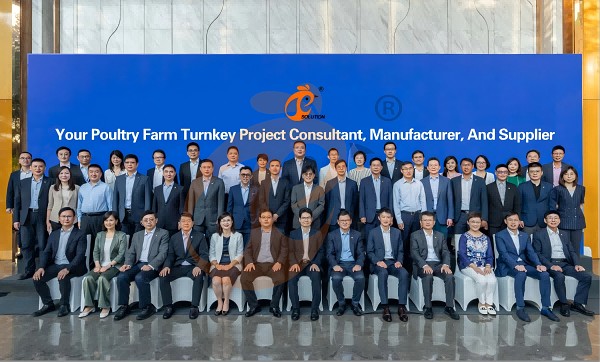
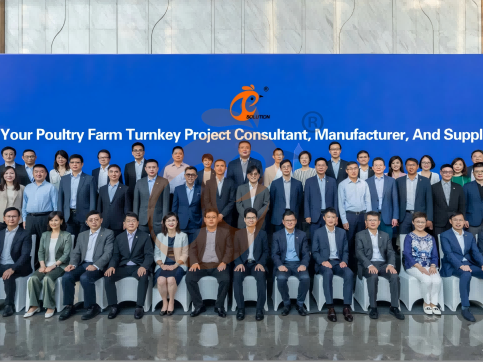
Hong Kong Headquarter Management Team
Hong Kong Headquarter Taiyu Industrial Group CO., LTD
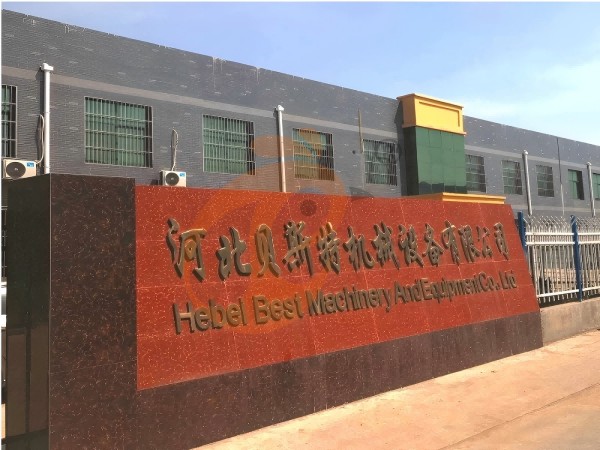
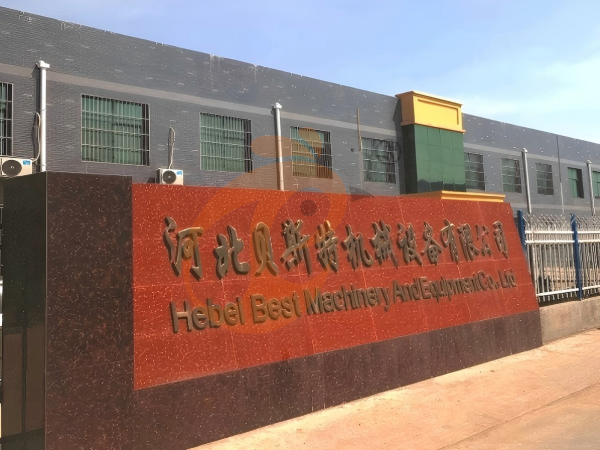
China Hebei Best Machinery And Equipment CO., LTD
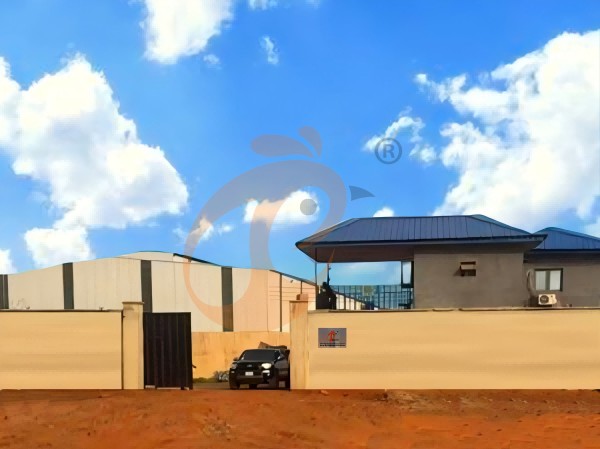
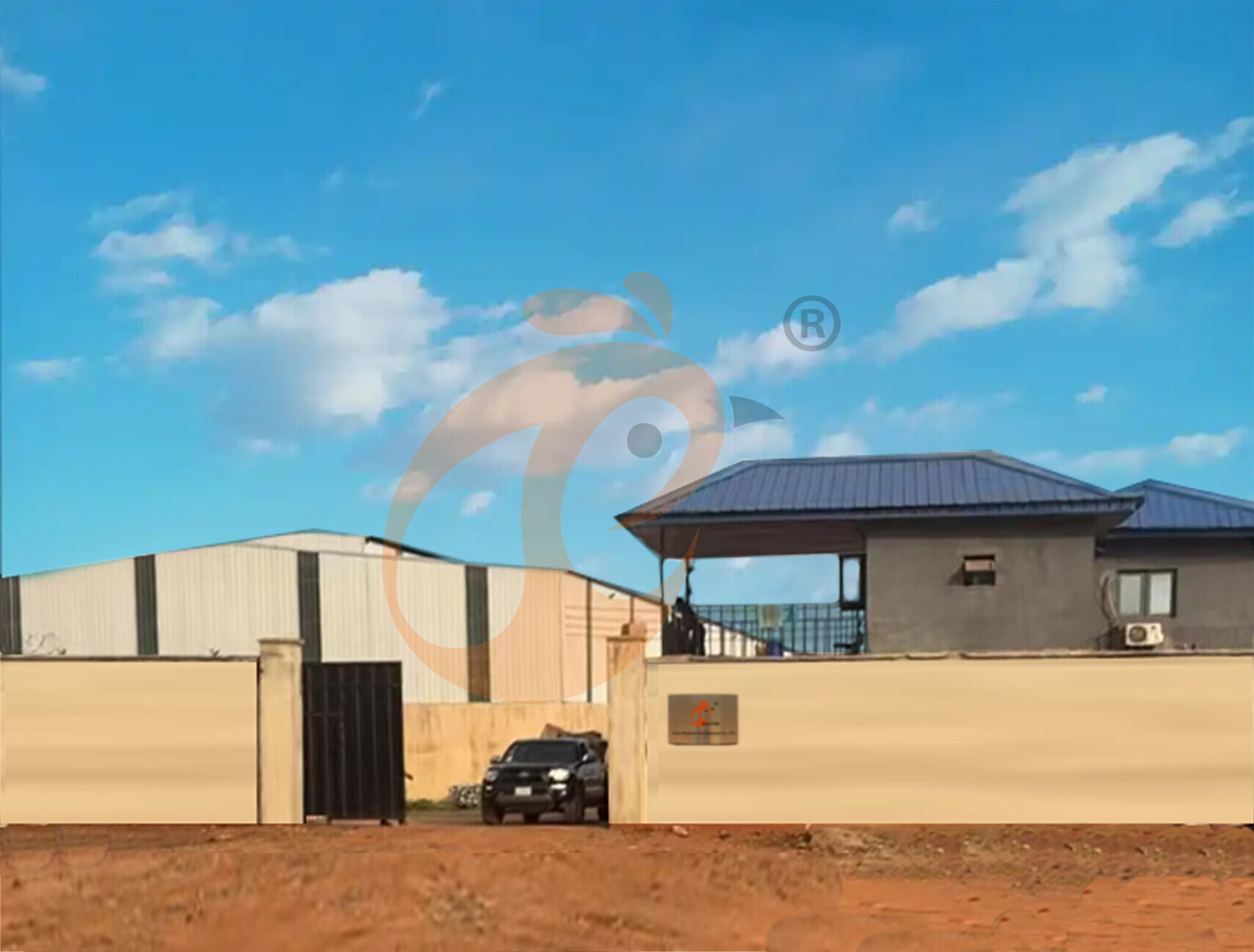
Nigeria Vanke Machinery And Equipment CO., LTD
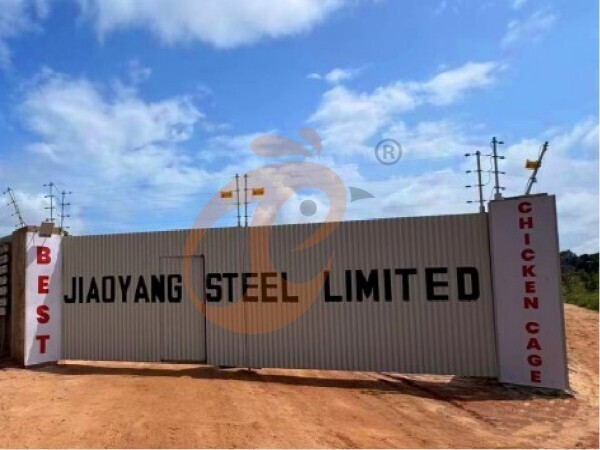
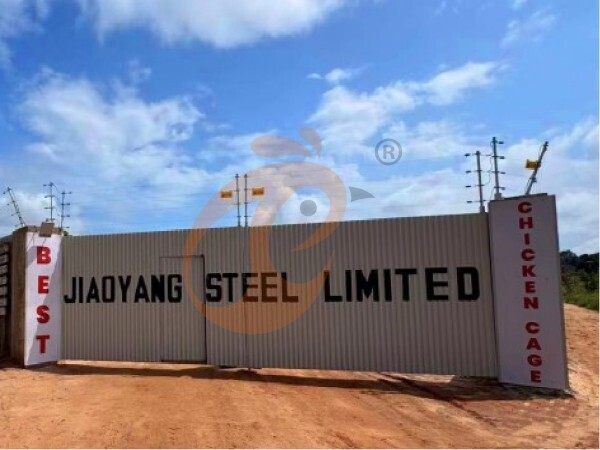
Tanzania Best Machinery And Equipment CO., LTD
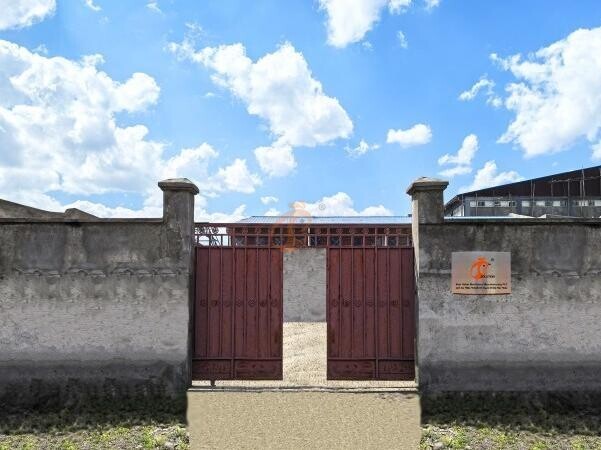
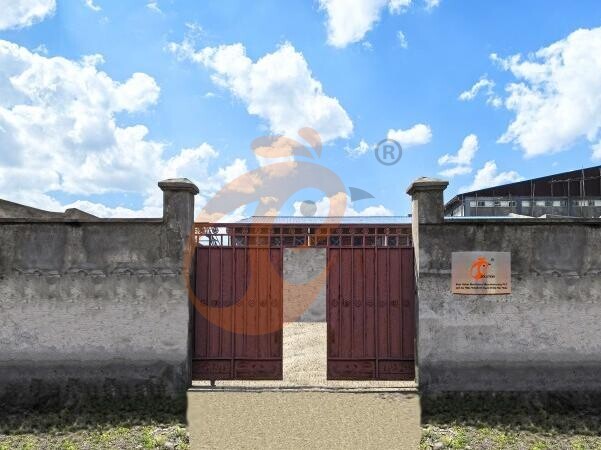
Ethiopia Best Hebei Machinery Manufacturing PLC
Reception /24 WhatsApp NO. : +8618830120193
FAQ
What Are The Flooring Material Specifications In Floor Rearing Poultry System For Poultry Chicken Houses?
Mesh opening size is maintained at 10–15 mm to ensure manure passage efficiency.
Load-bearing capacity reaches 80–120 kg per square meter for flock support stability.
What Ventilation Requirements Are Required In Floor Rearing Poultry System For Poultry Chicken Environments?
Air velocity at bird level is controlled at 0.2–0.4 m/s for thermal comfort.
Static pressure is regulated between 15–25 Pa for balanced airflow distribution.
What Feeding System Design Is Used In Floor Rearing Poultry System For Poultry Chicken Production?
Automatic pan feeders operate with 0.5–1.0 kg feed capacity per feeding point.
Feed distribution cycles are completed within 3–5 minutes per house line.
- poultry equipment
- poultry farm
- poultry cage
- poultry farm
- poultry farm project
- poultry farm construction
- poultry farm design
- automatic poultry equipment
- poultry ventilation equipment
- poultry lighting system
- poultry drinking system
- poultry feeding system
- poultry lighting equipment
- automatic feeding system
- automatic poultry feeding system
- broiler farm
- chicken farm
- smart poultry farm
- poultry house
- poultry farm automation
- poultry farming system
- broiler chicken farm
- smart poultry farming
- poultry farming equipment
- poultry house construction
- poultry house automation
- poultry ventilation system
- industrial poultry ventilation system
- LED poultry lighting system
- poultry drinking line
- poultry farm investment
- poultry farming equipment manufacturer
- Ethiopia
- Nigeria
Message
Products recommended
 HK Headquarter Offers EU-standard Poultry Farm Solutions, Manufacture Poultry Farm Equipment1. Continuous communication with the EU and the US
2. China, Nigeria, Ethiopia, Tanzania branch companies and factories
3. The products’ quality is customized for local poultry farms
4. Poultry cage and poultry farm equipment stock for sale
5. 24 online reception Whatsapp NO. : +8618830120193,contact us to get full informationRead More China Branch Offer Poultry Farm Business Plan, Manufacture Poultry Farm Equipment1. Address: Flat/RM 2416, 24/F, Runxing Building, Youyi Nan Street, Shijiazhuang City, Hebei Province, China
2. Poultry cage and poultry farm equipment factory and stock for sale
3. Customized for local poultry farms
4. Quality and design are based on Euro
5. 24 online reception Whatsapp NO. : +8618830120193Read More Nigeria Branch Offer Poultry Farm Business Plan, Manufacture Poultry Farm Equipment1. Address: After Sinoma Office, 200 Meters Near Danco Filling Station, Lagos/Ibadan Expressway, Lagos State, Nigeria
2. Poultry cage and poultry farm equipment factory and stock for sale
3. Customized for Nigerian poultry farms
4. Quality and design are based on Euro
5. 24 online reception Whatsapp NO. : +8618830120193Read More Ethiopia Branch Offer Poultry Farm Business Plan, Manufacture Poultry Farm Equipment1. Address: Gelan Gura, Akaki-kaliti Sub City, Addis Ababa, Ethiopia
2. Poultry cage and poultry farm equipment stock for sale
3. Customized for Ethiopian poultry farms
4. Quality and design are based on Euro
5. 24 online reception Whatsapp NO. : +8618830120193, contact us to get price listRead More Tanzania Branch Offer Poultry Farm Business Plan, Manufacture Poultry Farm Equipment1. Address: No.8, Sova Road, Msufini, Mlandizi, Kibaha, Pwani, Tanzania
2. Poultry cage and poultry farm equipment factory and stock for sale
3. Customized for Tanzanian poultry farms
4. Quality and design are based on Euro
5. 24 online reception Whatsapp NO. : +8618830120193Read More Fully Automatic H Type Layer Chicken Cage1. 30,000-100,000+ layers/house chooses it, Poultry farmers can achieve an egg production rate of 96-98%
2. A significant improvement over the 85-90% typically seen in manual systems
3. A typical poultry farm can expect a 30-40% reduction in labor costs due to the automation
4. Each feeding line efficiently supplies feed to around 100,000 hens per 30 mins
5. Reception /WhatsApp NO. : +8618830120193Read More Fully Automatic A Type Layer Chicken Cage1. 10,000-50,000 layers/house chooses it
2. Cleaner egg collection reduces breakage by 0.5%
3. Improved hygiene helps reduce mortality rate to <3%
4. 1–2 technicians can handle 15,000–30,000 birds
5. Reception /WhatsApp NO. : +8618830120193Read More Semi Automatic H Type Layer Chicken Cage1. 1,00-20,000 layers/house chooses it
2. Nipple drinkers flow 30–60 ML / min
3. Hot-dip galvanized (typical coating ≥ 275 g/m²)
4. Reduce ammonia by ~ 35–40%
5. Reception /WhatsApp NO. : +8618830120193Read More Semi Automatic A Type Layer Chicken Cage1. 1,00-20,000 layers/house chooses it, no rust for 10 years, no deformation for 15 years
2. Chickens live comfortably, you can raise them with peace of mind
3. Save water, save money—efficiency you can measure
4. Improve environment quality, and increase egg production rate
5. Reception /WhatsApp NO. : +8618830120193Read More
By clicking 'Allow All', you agree to the storage of cookies on your device to enhance site navigation, analyze site usage and assist with our marketing efforts.