






Blog
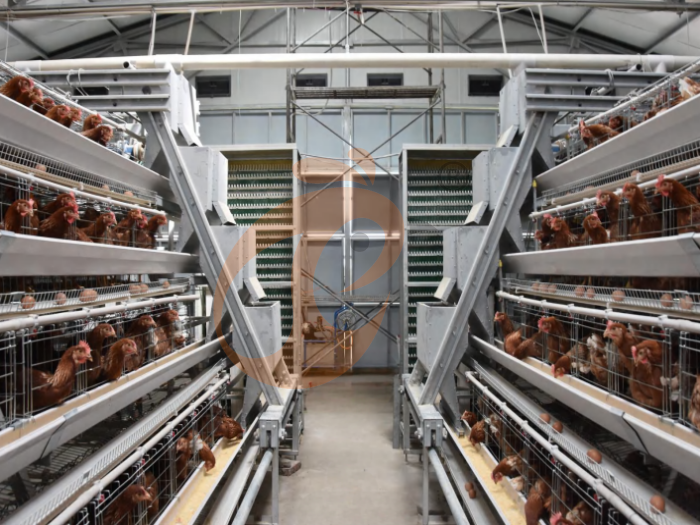
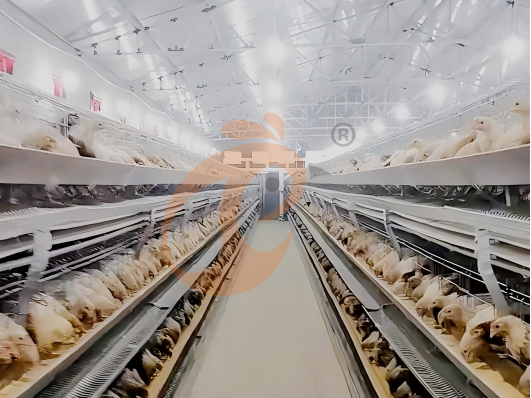
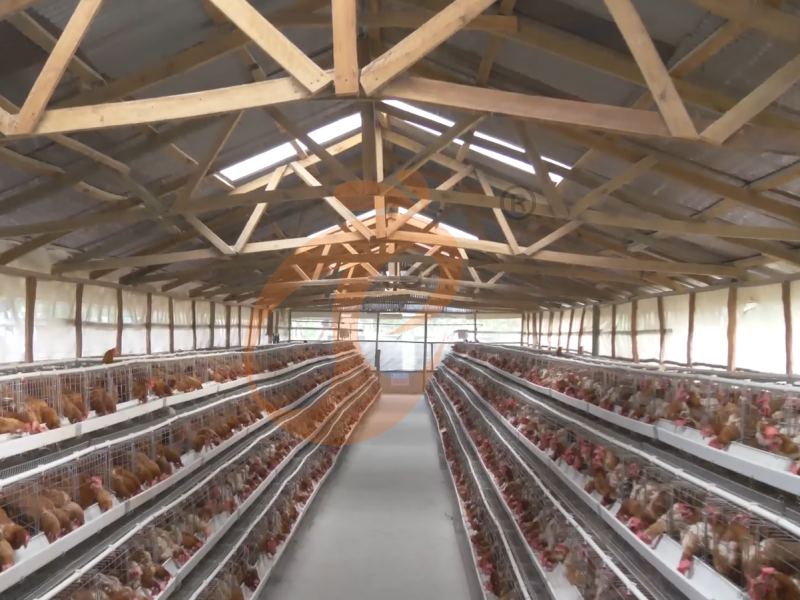
Free range poultry house design integrates structural engineering, environmental control, ventilation systems, and feeding automation for commercial poultry production.
Design standards define spatial allocation accuracy, airflow velocity distribution, and bird density calibration for controlled production environments.
Proper layout planning stabilizes feed conversion efficiency within 1.55–1.75 range and reduces mortality variability across production cycles.
Modular construction architecture enables scalable units from 600 m² to 2000 m² without structural redesign of core systems.
Environmental control engineering maintains operational stability across temperature, humidity, and gas concentration thresholds in poultry production facilities.
Get professional poultry farm construction guidance, equipment selection solutions, and the latest price lists, whatsApp to +8618830120193, +2348111199996, or click to learn more.
Integrated Poultry House Product System Overview
Free range poultry house systems integrate structural frameworks and mechanical equipment into a unified production architecture.
Data is for reference only.Swipe horizontally to view full table.
Broiler production cycles typically reach 2.3–2.7 kg live weight within 42–48 days under controlled environmental conditions.
System performance depends on synchronized operation of ventilation, feeding, and spatial allocation modules rather than isolated component optimization.
Site Engineering And Land Selection Parameters
Site engineering determines environmental stability, biosecurity resilience, and hydrological performance of poultry production facilities.
Data is for reference only.Swipe horizontally to view full table.
Soil microbial load decreases significantly when drainage efficiency exceeds 90% runoff capacity during rainfall events above 30 mm/hour.
Proper hydrological separation reduces pathogen persistence time in surrounding soil layers by measurable environmental reduction cycles.
House Orientation And Climate Alignment Design
Orientation configuration controls solar gain distribution and aerodynamic airflow patterns across poultry housing structures.
Data is for reference only.Swipe horizontally to view full table.
Field measurements indicate east–west axis alignment reduces midday heat stress exposure duration by 1.5–2.3 hours under tropical and subtropical conditions.
Optimized orientation improves passive cooling efficiency without increasing mechanical ventilation energy demand.
Ventilation System Engineering and Airflow Design
Ventilation engineering regulates thermodynamic balance, gas diffusion rate, and particulate suspension inside poultry environments.
Data is for reference only.Swipe horizontally to view full table.
Ammonia concentration above 20 ppm reduces villi cilia activity in respiratory tracts and increases susceptibility to secondary infections.
CO₂ levels above 3500 ppm correlate with reduced oxygen saturation efficiency and measurable decline in feed intake behavior.
Stocking Density and Space Allocation Model
Stocking density defines spatial interaction intensity, movement frequency, and feed access competition within flocks.
Data is for reference only.Swipe horizontally to view full table.
Stocking density above 10 birds/m² increases heterogeneity in body weight distribution and raises feed competition frequency by more than 20% under intensive systems.
Spatial imbalance directly influences stress hormone secretion patterns and reduces uniformity of production output.
Flooring System and Material Engineering
Floor engineering controls biochemical decomposition rate, moisture retention dynamics, and footpad health conditions.
Data is for reference only.Swipe horizontally to view full table.
Litter moisture above 30% accelerates microbial proliferation rate and increases ammonia release intensity under elevated temperature conditions.
Dry bedding conditions below 20% moisture significantly reduce bacterial survival duration and improve hoof integrity outcomes.
Feeding and Water System Layout Design
Feeding infrastructure governs nutrient distribution uniformity and metabolic growth synchronization across poultry populations.
Data is for reference only.Swipe horizontally to view full table.
Water intake typically exceeds feed intake by 1.6–2.3 times depending on ambient thermal load conditions.
Uneven feeder accessibility increases body weight deviation range and reduces flock grading consistency at market stage.
Biosecurity Layout and Controlled Movement System
Biosecurity architecture regulates contamination pathways through spatial zoning and controlled operational movement.
Data is for reference only.Swipe horizontally to view full table.
Controlled entry systems reduce external pathogen introduction frequency by approximately 35%–50% under monitored operational conditions.
Zonal separation minimizes cross-contamination probability between production batches and reduces outbreak propagation speed.
Lighting System and Photoperiod Control
Lighting systems regulate endocrine response, feeding rhythm synchronization, and production cycle stability.
Data is for reference only.Swipe horizontally to view full table.
Light intensity below 5 lux significantly reduces feed exploration behavior and delays early growth acceleration phase.
Stable photoperiod control improves metabolic consistency across flock development stages.
Cost Structure And Investment Distribution
Investment allocation defines infrastructure efficiency, system reliability, and long-term operational stability.
Data is for reference only.Swipe horizontally to view full table.
European union standard reference only.
Return period typically ranges between 18 and 30 months depending on flock turnover efficiency and system automation level.
Modular Expansion and Scalability Design
Modular engineering enables phased expansion without reconstruction of primary structural systems.
Data is for reference only.Swipe horizontally to view full table.
Prefabricated steel structures reduce on-site construction labor demand by approximately 28%–32% compared with traditional building methods.
Standardized modular units improve installation consistency and reduce structural deviation risk across large-scale farms.
Scientific Explanation Microclimate Interaction System
Microclimate systems operate through thermodynamic exchange, gas diffusion kinetics, and moisture equilibrium regulation inside poultry environments.
Temperature rise from 20°C to 32°C increases metabolic oxygen demand by 12%–18%.
Relative humidity between 55% and 70% stabilizes litter decomposition and reduces dust particle suspension.
Ammonia levels above 25 ppm reduce respiratory cilia efficiency and increase infection susceptibility indicators.
Frequently Asked Questions
Q1: What determines optimal poultry house layout efficiency?
A1: Layout efficiency depends on airflow distribution uniformity, structural spacing calibration, and environmental stability under variable climate conditions.
Q2: How does ventilation influence production performance?
A2: Ventilation regulates ammonia concentration, thermal load, and CO₂ accumulation, directly affecting feed intake rate and growth consistency.
Q3: Why is modular construction widely applied in poultry housing systems?
A3: Modular construction enables scalable expansion, reduces installation time, and maintains structural consistency across multiple production units.
Taiyu (HK) Group - One Of China Most Famous Free Range Poultry System Manufacturer
Free range poultry house design equipment provides industrial-scale broiler and layer production systems with standardized engineering structures and stable performance output.
Global factory direct supply delivers poultry house design systems, ventilation equipment, and broiler poultry farm equipment for commercial agricultural projects.
Turn-key poultry engineering solutions include free range chicken farming system planning, installation, and operational training for automated poultry farms.
Poultry cage systems and free range housing integration support scalable livestock production capacity for international farming enterprises.
Export manufacturing provides customized poultry house design equipment suitable for large-scale commercial poultry production projects worldwide.
Contact Us To Received Your Customized Poultry Farm Plan
Headquarters And Branchs

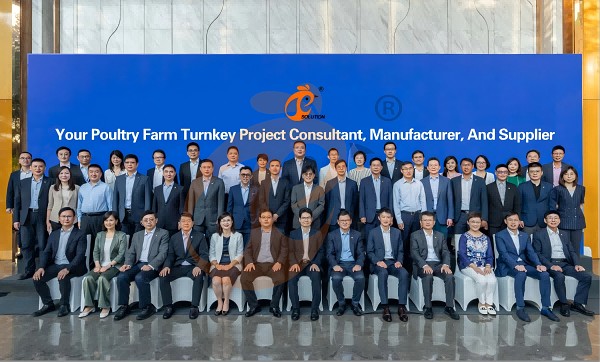
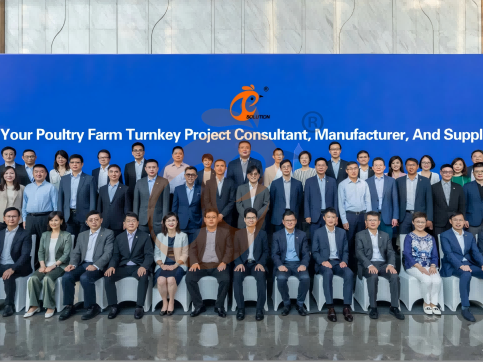
Hong Kong Headquarter Management Team
Hong Kong Headquarter Taiyu Industrial Group CO., LTD
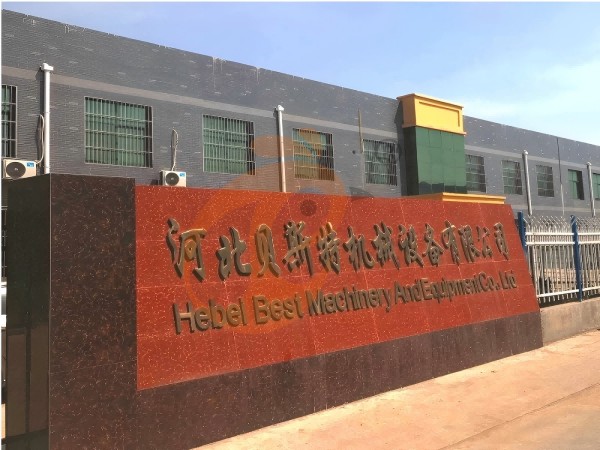
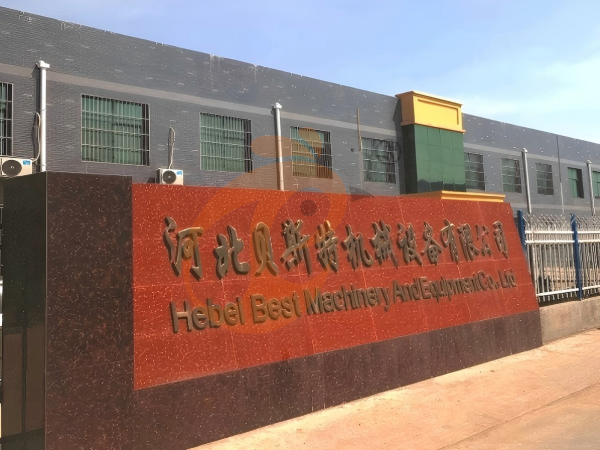
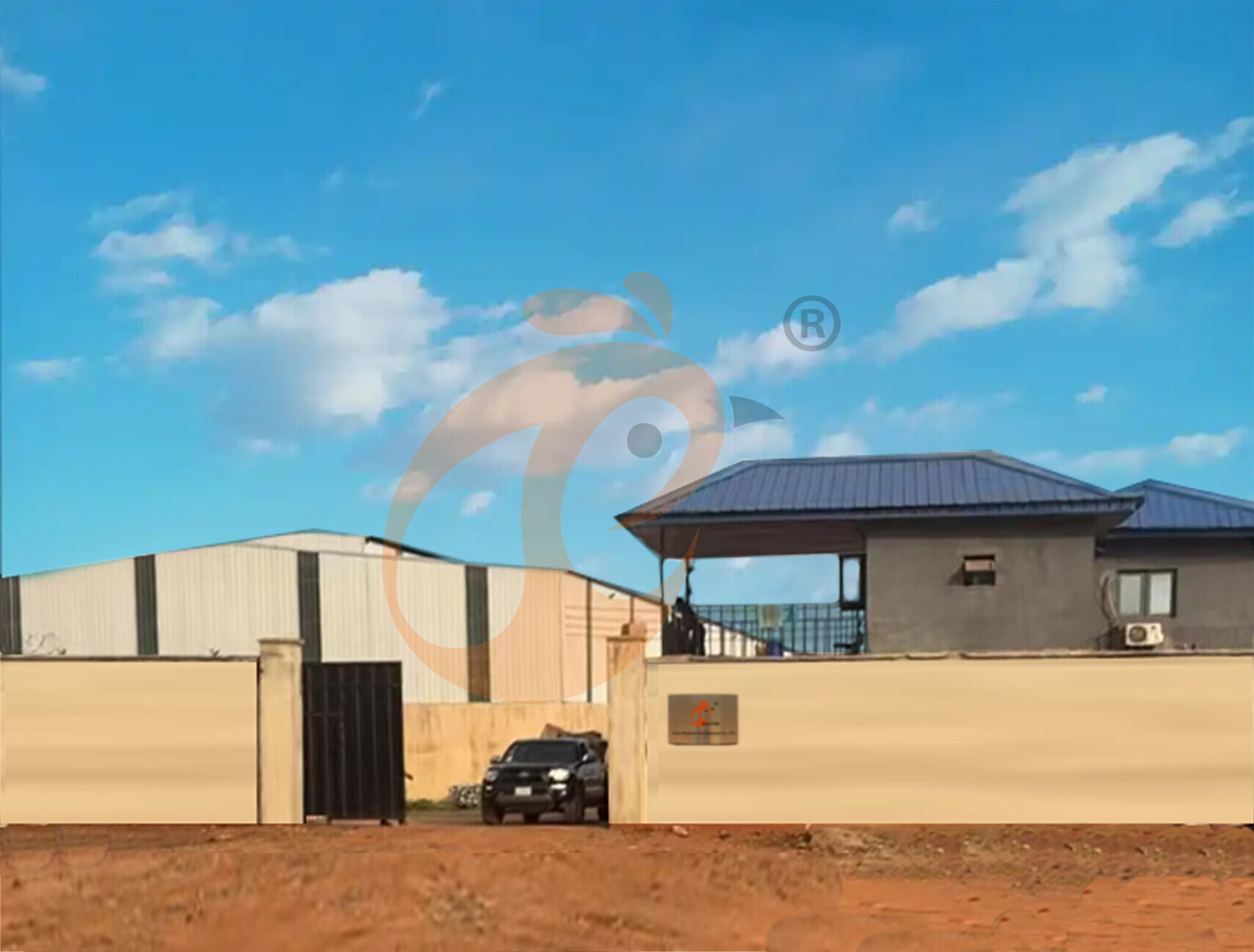
China Hebei Best Machinery And Equipment CO., LTD
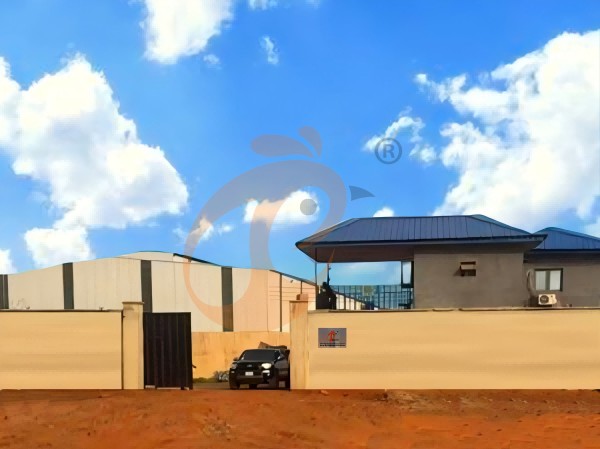
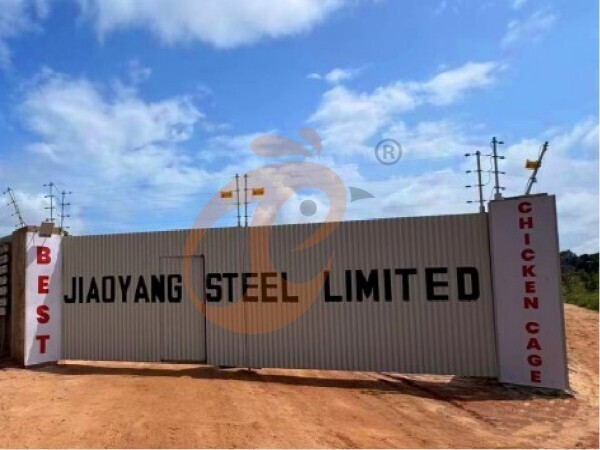
Nigeria Vanke Machinery And Equipment CO., LTD
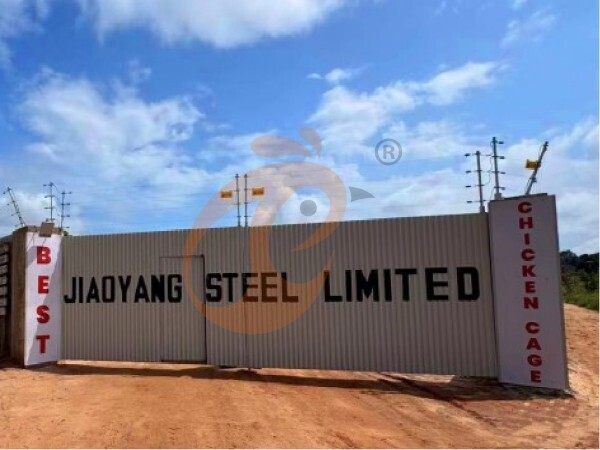
Tanzania Best Machinery And Equipment CO., LTD
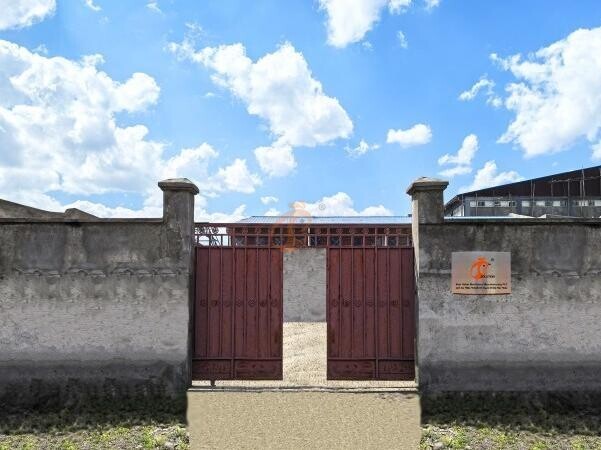
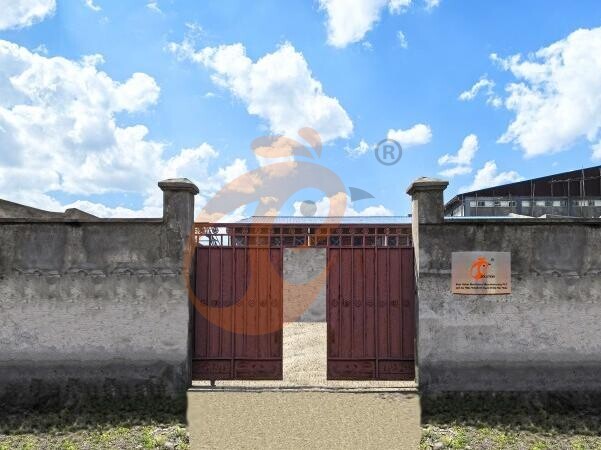
Ethiopia Best Hebei Machinery Manufacturing PLC
Reception /24 WhatsApp NO. : +8618830120193
FAQ
Which Environmental Factors Most Influence Performance In Free Range Poultry System For Poultry Chicken Farms?
Ground temperature fluctuates between 12–28°C affecting grazing activity intensity.
Wind speed tolerance is maintained at 1–3 m/s for outdoor comfort stability.
Why Does Free Range Poultry System Improve Meat Quality In Poultry Chicken Production?
Intramuscular fat content stabilizes at 2.5%–4.0% improving texture balance.
Protein digestibility improves to 88%–94% under natural feeding conditions.
How Is Land Utilization Managed In Free Range Poultry System For Poultry Chicken Farming?
Land recovery efficiency reaches 70%–85% vegetation regrowth per cycle.
Stocking rotation density is maintained at 6–9 birds per hectare for sustainability.
Message
Products recommended
 HK Headquarter Offers EU-standard Poultry Farm Solutions, Manufacture Poultry Farm Equipment1. Continuous communication with the EU and the US
2. China, Nigeria, Ethiopia, Tanzania branch companies and factories
3. The products’ quality is customized for local poultry farms
4. Poultry cage and poultry farm equipment stock for sale
5. 24 online reception Whatsapp NO. : +8618830120193,contact us to get full informationRead More China Branch Offer Poultry Farm Business Plan, Manufacture Poultry Farm Equipment1. Address: Flat/RM 2416, 24/F, Runxing Building, Youyi Nan Street, Shijiazhuang City, Hebei Province, China
2. Poultry cage and poultry farm equipment factory and stock for sale
3. Customized for local poultry farms
4. Quality and design are based on Euro
5. 24 online reception Whatsapp NO. : +8618830120193Read More Nigeria Branch Offer Poultry Farm Business Plan, Manufacture Poultry Farm Equipment1. Address: After Sinoma Office, 200 Meters Near Danco Filling Station, Lagos/Ibadan Expressway, Lagos State, Nigeria
2. Poultry cage and poultry farm equipment factory and stock for sale
3. Customized for Nigerian poultry farms
4. Quality and design are based on Euro
5. 24 online reception Whatsapp NO. : +8618830120193Read More Ethiopia Branch Offer Poultry Farm Business Plan, Manufacture Poultry Farm Equipment1. Address: Gelan Gura, Akaki-kaliti Sub City, Addis Ababa, Ethiopia
2. Poultry cage and poultry farm equipment stock for sale
3. Customized for Ethiopian poultry farms
4. Quality and design are based on Euro
5. 24 online reception Whatsapp NO. : +8618830120193, contact us to get price listRead More Tanzania Branch Offer Poultry Farm Business Plan, Manufacture Poultry Farm Equipment1. Address: No.8, Sova Road, Msufini, Mlandizi, Kibaha, Pwani, Tanzania
2. Poultry cage and poultry farm equipment factory and stock for sale
3. Customized for Tanzanian poultry farms
4. Quality and design are based on Euro
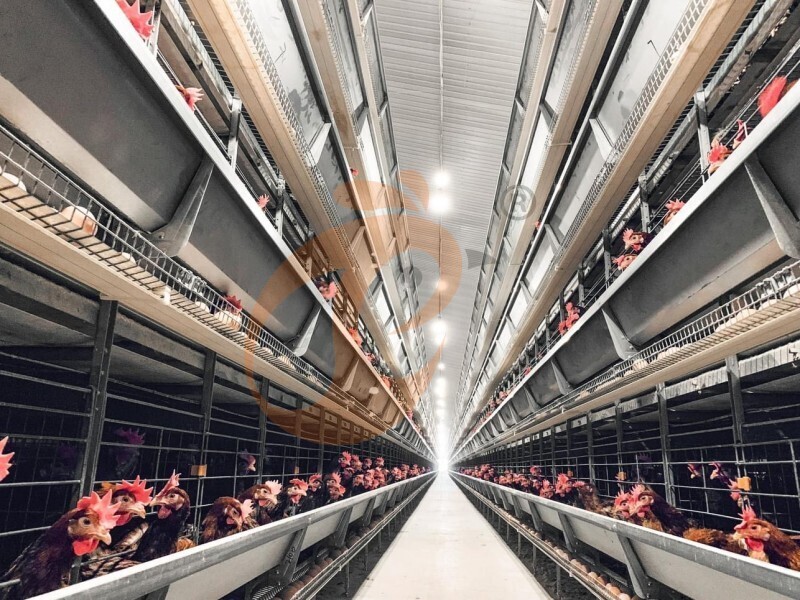
5. 24 online reception Whatsapp NO. : +8618830120193Read More Fully Automatic H Type Layer Chicken Cage1. 30,000-100,000+ layers/house chooses it, Poultry farmers can achieve an egg production rate of 96-98%
2. A significant improvement over the 85-90% typically seen in manual systems
3. A typical poultry farm can expect a 30-40% reduction in labor costs due to the automation
4. Each feeding line efficiently supplies feed to around 100,000 hens per 30 mins
5. Reception /WhatsApp NO. : +8618830120193Read More Fully Automatic A Type Layer Chicken Cage1. 10,000-50,000 layers/house chooses it
2. Cleaner egg collection reduces breakage by 0.5%
3. Improved hygiene helps reduce mortality rate to <3%
4. 1–2 technicians can handle 15,000–30,000 birds
5. Reception /WhatsApp NO. : +8618830120193Read More Semi Automatic H Type Layer Chicken Cage1. 1,00-20,000 layers/house chooses it
2. Nipple drinkers flow 30–60 ML / min
3. Hot-dip galvanized (typical coating ≥ 275 g/m²)
4. Reduce ammonia by ~ 35–40%
5. Reception /WhatsApp NO. : +8618830120193Read More Semi Automatic A Type Layer Chicken Cage1. 1,00-20,000 layers/house chooses it, no rust for 10 years, no deformation for 15 years
2. Chickens live comfortably, you can raise them with peace of mind
3. Save water, save money—efficiency you can measure
4. Improve environment quality, and increase egg production rate
5. Reception /WhatsApp NO. : +8618830120193Read More
By clicking 'Allow All', you agree to the storage of cookies on your device to enhance site navigation, analyze site usage and assist with our marketing efforts.