






Blog
Commercial poultry farming requires durable poultry farming equipment, intelligent climate systems, reliable automatic chicken cage solutions, advanced broiler farm equipment integration, and stable operational management.
Modern turnkey poultry equipment projects combine feeding systems, ventilation units, waste removal systems, egg collection technology, and environmental monitoring into one coordinated production structure.
Efficient poultry house engineering improves flock health, lowers maintenance costs, increases production performance, and reduces labor dependence.
Professional buyers evaluating poultry equipment for sale must analyze material durability, automation capability, energy efficiency, supplier service quality, and future expansion flexibility before investment decisions involving large-scale commercial poultry farm construction.
Get professional poultry farm construction guidance, equipment selection solutions, and the latest price lists, whatsApp to +8618830120193, +2348111199996, or click to learn more.
Understand What "Turnkey Poultry Equipment" Really Means
A turnkey poultry equipment solution refers to a complete farming system supplied, installed, and commissioned by one provider.
Instead of purchasing separate components from multiple vendors, buyers receive an integrated package ready for operation.
Typical Components Included
Data is for reference only.Swipe horizontally to view full table.
A good turnkey solution behaves like an industrial orchestra.
Every component must operate with synchronized precision.
Poor coordination between systems may reduce productivity and increase mortality risks inside large poultry facilities.
Equipment Quality And Material Durability
The first and most critical factor involves material quality.
Poultry houses operate in humid, ammonia rich environments capable of rapidly corroding low grade components.
Cheap poultry farming equipment may appear financially attractive during early purchasing stages, yet long term maintenance expenses often become extremely costly.
Recommended Materials
Data is for reference only.Swipe horizontally to view full table.
Warning Signs Of Poor Equipment
Uneven welding points
Zinc coating below 180 g/m²
Motor temperature exceeding 75°C
Plastic brittleness below 0°C
Missing ISO certification documents
A commercial broiler farm equipment system operates continuously under heavy biological and environmental pressure.
Durable materials function like protective armor against moisture, waste gases, and long term operational wear.
Automation And Smart Farming Capability
Automation technology has become the operational backbone of modern poultry production.
Intelligent poultry farming equipment reduces labor expenses while improving feeding accuracy, environmental stability, and flock management efficiency.
Advanced automatic chicken cage systems now integrate sensor networks and centralized control software.
Automation Benefits
Data is for reference only.Swipe horizontally to view full table.
Why Ventilation Is Critical In Poultry Farming
Poor ventilation damages poultry performance long before visible symptoms appear.
What Happens Without Proper Ventilation?
Data is for reference only.Swipe horizontally to view full table.
Birds remain extremely sensitive to environmental instability.
Temperature fluctuations of only several degrees may significantly affect feed conversion ratio, egg production performance, and mortality rate.
Ideal Poultry House Conditions
Data is for reference only.Swipe horizontally to view full table.
Ventilation systems function as the respiratory structure of a poultry house.
Without stable airflow circulation, even premium genetics and high quality nutrition programs cannot achieve optimal commercial production performance.
Energy Efficiency And Operating Cost
Many poultry investors focus excessively on initial purchasing cost while ignoring operational electricity expenses.
This mistake may severely affect long term profitability.
Electricity consumption from ventilation fans, lighting systems, climate controllers, and feed motors creates substantial operational expenditure during commercial poultry production cycles.
Equipment investment calculations involving $50,000 or more require long-term energy analysis.
European union standard reference only.
Energy Consumption Comparison
Data is for reference only.Swipe horizontally to view full table.
Key Energy-Saving Features
Variable-speed ventilation fans
Led poultry lighting systems
Automated temperature control
Insulated poultry structures
Energy efficient feed motors
Energy efficient poultry farming equipment behaves like a silent financial management system operating continuously throughout the production cycle.
Supplier Experience And Technical Support
Even excellent poultry equipment may become problematic without professional technical support.
Before purchasing turnkey poultry equipment, buyers should investigate supplier qualifications carefully.
Supplier Evaluation Checklist
Data is for reference only.Swipe horizontally to view full table.
Professional poultry equipment suppliers provide installation guidance, engineering design, operational training, and long term maintenance support.
Reliable suppliers become strategic industrial partners rather than ordinary machinery vendors.
Common Mistakes Buyers Make
Many first time poultry investors enter the industry with enthusiasm yet insufficient technical evaluation capability.
Data is for reference only.Swipe horizontally to view full table.
Commercial poultry farming combines biological science, mechanical engineering, and environmental control into one integrated industrial structure.
Weak planning during early investment stages often creates expensive operational problems later.
Scalability And Future Expansion
Professional investors plan future expansion from the beginning of project construction.
A poultry house initially designed for 10,000 birds may eventually expand toward 50,000-bird commercial production capacity.
Flexible poultry farming equipment architecture therefore becomes extremely valuable.
Data is for reference only.Swipe horizontally to view full table.
Scalable automatic chicken cage systems reduce reconstruction costs while supporting future business growth strategies.
Cage Systems Vs Floor Systems
Different poultry operations require different housing strategies.
Comparison Table
Data is for reference only.Swipe horizontally to view full table.
No universal housing solution exists for every poultry project.
Successful poultry farm engineering requires equipment selection aligned with commercial operational objectives.
Biosecurity The Invisible Wall Protecting Profit
Disease outbreaks may financially destroy poultry operations within days.
Modern poultry farming equipment increasingly integrates biosecurity functions directly into facility engineering design.
Important Biosecurity Features
Data is for reference only.Swipe horizontally to view full table.
Biosecurity management represents both veterinary protection and financial risk control inside modern commercial poultry production.
How To Evaluate Return On Investment Before Purchasing
Professional buyers should calculate return on investment before purchasing poultry equipment for sale.
Basic Return On Investment Formula
Data is for reference only.Swipe horizontally to view full table.
Investment projects exceeding $100,000 require detailed financial evaluation involving operational efficiency, energy savings, and production output analysis.
European union standard reference only.
Future Trends In Poultry Equipment Industry
The poultry industry continues evolving through advanced automation technology and intelligent engineering systems.
Emerging Technologies
Data is for reference only.Swipe horizontally to view full table.
Future poultry farming equipment may operate like automated biological production laboratories combining data science, precision engineering, and intelligent environmental management.
Investment Planning And Long-Term Operational Stability
Commercial poultry farm construction should prioritize operational stability rather than short-term equipment savings.
A poultry house operating with ventilation efficiency above 86%, water line pressure between 15–20 kPa, and feed transport accuracy within 1.5% usually achieves more stable production cycles during seasonal climate fluctuations.
Professional investors also evaluate spare parts replacement intervals carefully.
Feed motor systems requiring maintenance every 8,000 operating hours generally reduce unexpected shutdown risks inside large poultry farming projects.
Climate controllers supporting response times below 3 seconds help stabilize environmental conditions during sudden temperature changes.
Well planned turnkey poultry equipment projects often reduce annual manual inspection workload by nearly 260 labor hours per poultry house.
Long term profitability in commercial poultry farming depends on engineering precision, operational consistency, and stable environmental management rather than isolated equipment pricing alone.
Frequently Asked Questions
Q1: What is the most important component inside turnkey poultry equipment?
A1: Ventilation systems remain one of the most important components because environmental stability directly affects bird health, feed conversion ratio, and mortality performance.
Poor airflow may reduce overall production efficiency even when premium poultry farming equipment is installed.
Q2: How long does commercial poultry equipment usually last?
A2: High quality broiler farm equipment manufactured using hot dip galvanized steel and industrial-grade motors may operate efficiently for more than 15 years with proper maintenance schedules and professional operational management.
Q3: Why does automation improve poultry farm profitability?
A3: Automated systems reduce labor costs, improve feeding precision, minimize waste, stabilize environmental conditions, and increase production consistency.
Intelligent automatic chicken cage systems also improve management efficiency during large-scale commercial poultry production.
Taiyu (HK) Group - One Of China Biggest Turnkey Poultry Equipment Manufacturer
Professional turnkey poultry equipment solutions support commercial broiler and layer farming projects worldwide
Global factory direct poultry farming equipment supply reduces procurement and engineering management costs
Advanced poultry cage manufacturing improves durability, ventilation performance, and operational efficiency significantly
Professional turn-key engineering services include installation guidance, technical training, and project commissioning support
Integrated broiler farm equipment systems improve productivity, automation capability, and long term farm profitability
Contact Us To Received Your Customized Poultry Farm Plan
Headquarters And Branchs
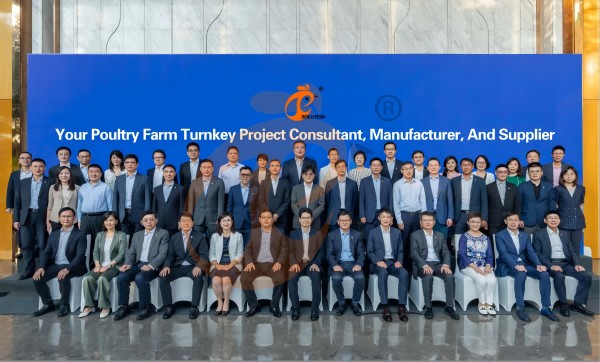
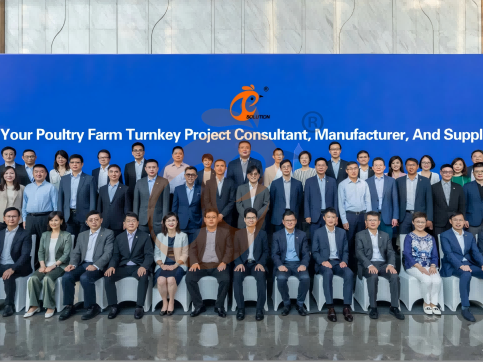
Hong Kong Headquarter Management Team
Hong Kong Headquarter Taiyu Industrial Group CO., LTD
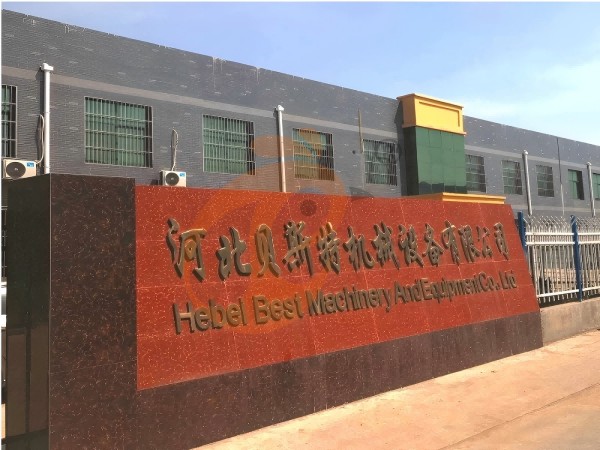
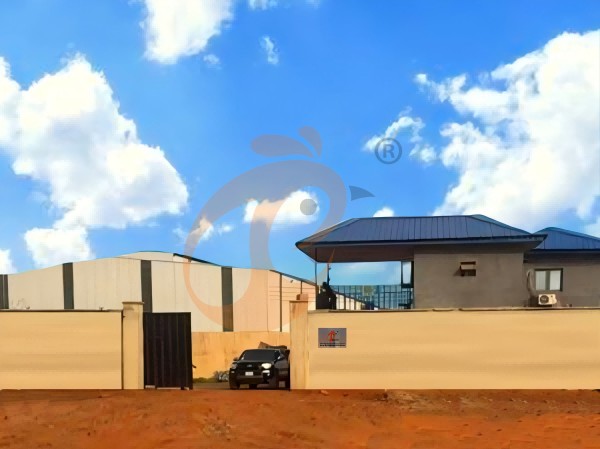
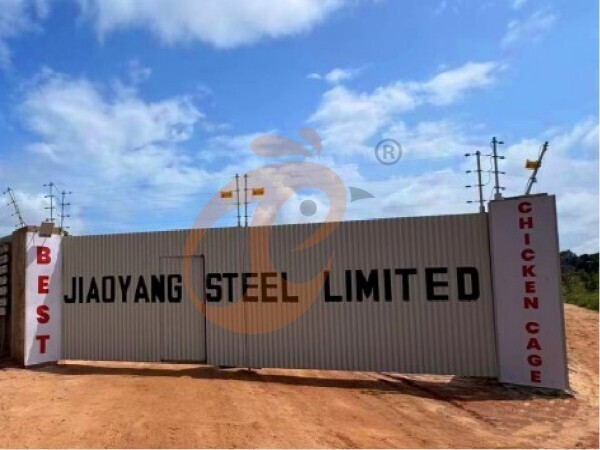
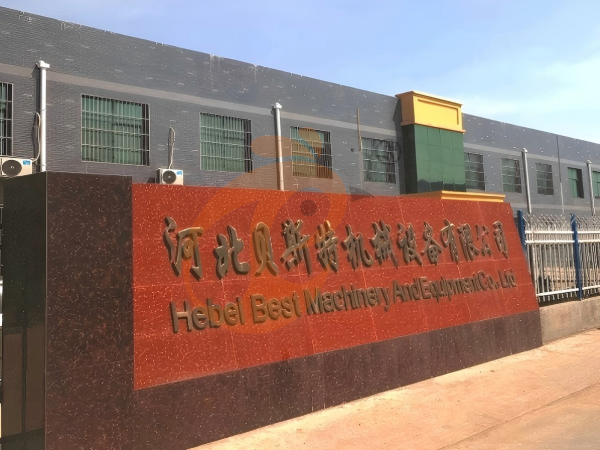
China Hebei Best Machinery And Equipment CO., LTD
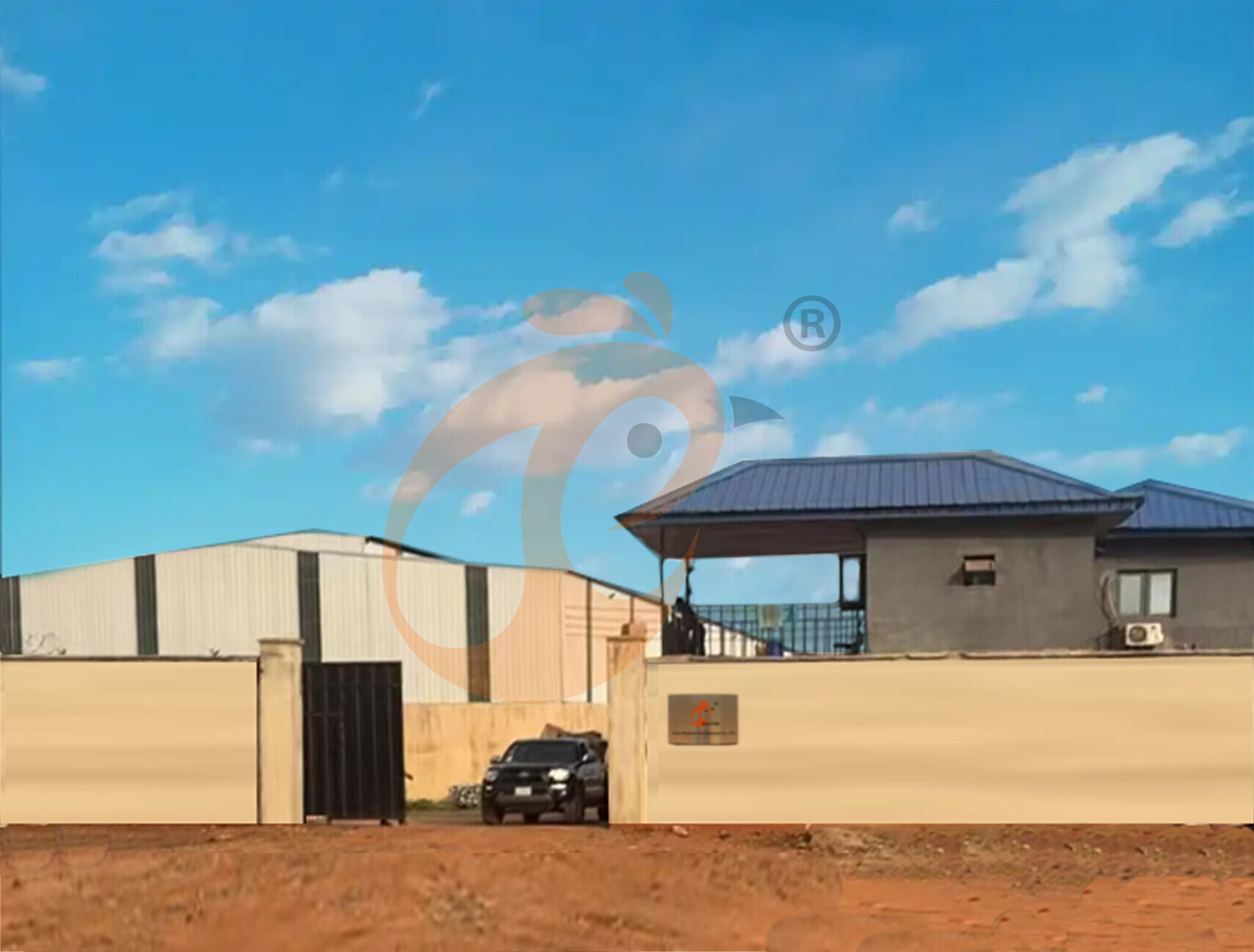
Nigeria Vanke Machinery And Equipment CO., LTD
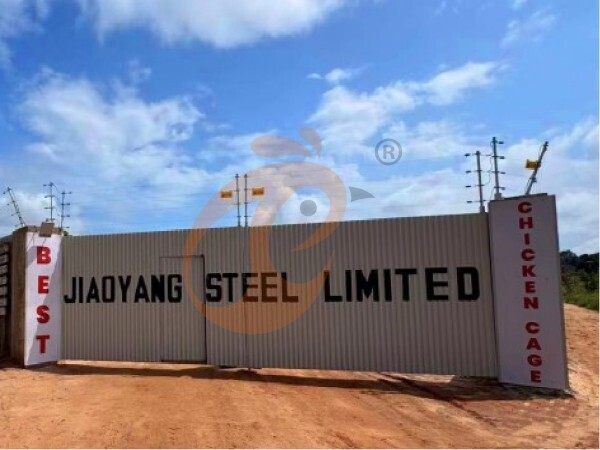
Tanzania Best Machinery And Equipment CO., LTD
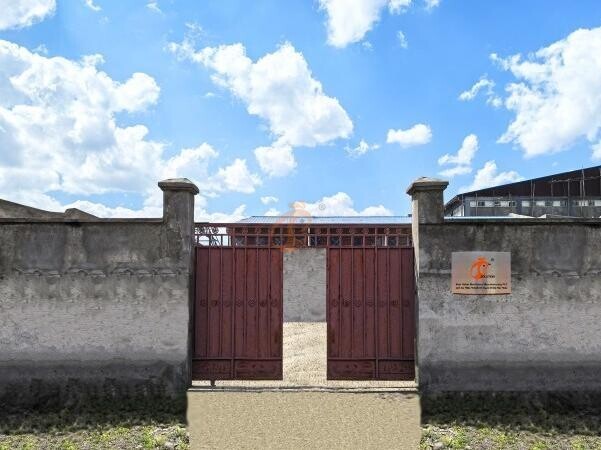
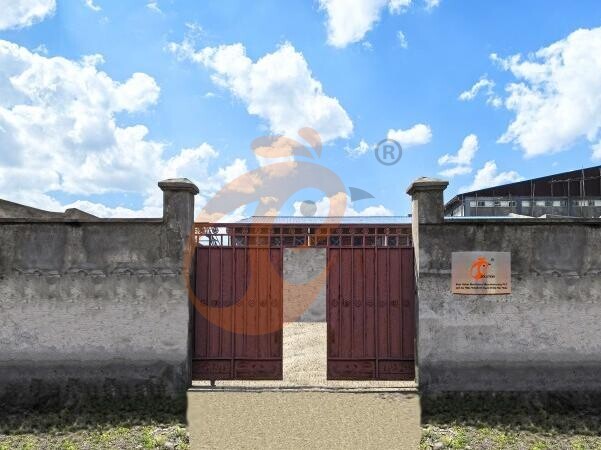
Ethiopia Best Hebei Machinery Manufacturing PLC
Reception /24 WhatsApp NO. : +8618830120193
FAQ
What Equipment Modules Are Included In Automatic Chicken Cage Poultry Equipment For Poultry Chicken Cage Systems?
Watering modules integrate pipelines rated for 16–20 mm diameter supporting stable distribution.
Manure belts utilize 1.0–1.2 mm thickness materials for continuous waste removal durability.
Which Structural Equipment Specifications Define Automatic Chicken Cage Poultry Equipment In Poultry Chicken Cage Systems?
Wire mesh spacing is maintained at 20–25 mm to support bird stability and waste separation.
Galvanization coating reaches 90–130 g/m² for corrosion resistance in high humidity environments.
What Drive System Equipment Parameters Are Used In Automatic Chicken Cage Poultry Equipment For Poultry Chicken Cage Farms?
Gear reducer ratio is configured between 1:20–1:40 for controlled mechanical output speed.
Transmission efficiency reaches 85%–92% minimizing energy loss during continuous operation.
- poultry equipment
- chicken cage
- poultry farm
- poultry cage
- poultry farm
- poultry farm construction
- automatic chicken cage
- automatic chicken cage system
- poultry equipment manufacturer
- poultry equipment supplier
- poultry equipment for sale
- poultry lighting system
- layer farm
- broiler farm
- smart farm
- smart poultry farm
- poultry house
- chicken cage system
- chicken cage solutions
- broiler farm equipment
- automated poultry house
- poultry farming equipment
- poultry house system
- LED poultry lighting system
- poultry equipment suppliers
- durable poultry farming equipment
- Ethiopia
- Nigeria
Message
Products recommended
 HK Headquarter Offers EU-standard Poultry Farm Solutions, Manufacture Poultry Farm Equipment1. Continuous communication with the EU and the US
2. China, Nigeria, Ethiopia, Tanzania branch companies and factories
3. The products’ quality is customized for local poultry farms
4. Poultry cage and poultry farm equipment stock for sale
5. 24 online reception Whatsapp NO. : +8618830120193,contact us to get full informationRead More China Branch Offer Poultry Farm Business Plan, Manufacture Poultry Farm Equipment1. Address: Flat/RM 2416, 24/F, Runxing Building, Youyi Nan Street, Shijiazhuang City, Hebei Province, China
2. Poultry cage and poultry farm equipment factory and stock for sale
3. Customized for local poultry farms
4. Quality and design are based on Euro
5. 24 online reception Whatsapp NO. : +8618830120193Read More Nigeria Branch Offer Poultry Farm Business Plan, Manufacture Poultry Farm Equipment1. Address: After Sinoma Office, 200 Meters Near Danco Filling Station, Lagos/Ibadan Expressway, Lagos State, Nigeria
2. Poultry cage and poultry farm equipment factory and stock for sale
3. Customized for Nigerian poultry farms
4. Quality and design are based on Euro
5. 24 online reception Whatsapp NO. : +8618830120193Read More Ethiopia Branch Offer Poultry Farm Business Plan, Manufacture Poultry Farm Equipment1. Address: Gelan Gura, Akaki-kaliti Sub City, Addis Ababa, Ethiopia
2. Poultry cage and poultry farm equipment stock for sale
3. Customized for Ethiopian poultry farms
4. Quality and design are based on Euro
5. 24 online reception Whatsapp NO. : +8618830120193, contact us to get price listRead More Tanzania Branch Offer Poultry Farm Business Plan, Manufacture Poultry Farm Equipment1. Address: No.8, Sova Road, Msufini, Mlandizi, Kibaha, Pwani, Tanzania
2. Poultry cage and poultry farm equipment factory and stock for sale
3. Customized for Tanzanian poultry farms
4. Quality and design are based on Euro
5. 24 online reception Whatsapp NO. : +8618830120193Read More Fully Automatic H Type Layer Chicken Cage1. 30,000-100,000+ layers/house chooses it, Poultry farmers can achieve an egg production rate of 96-98%
2. A significant improvement over the 85-90% typically seen in manual systems
3. A typical poultry farm can expect a 30-40% reduction in labor costs due to the automation
4. Each feeding line efficiently supplies feed to around 100,000 hens per 30 mins
5. Reception /WhatsApp NO. : +8618830120193Read More Fully Automatic A Type Layer Chicken Cage1. 10,000-50,000 layers/house chooses it
2. Cleaner egg collection reduces breakage by 0.5%
3. Improved hygiene helps reduce mortality rate to <3%
4. 1–2 technicians can handle 15,000–30,000 birds
5. Reception /WhatsApp NO. : +8618830120193Read More Semi Automatic H Type Layer Chicken Cage1. 1,00-20,000 layers/house chooses it
2. Nipple drinkers flow 30–60 ML / min
3. Hot-dip galvanized (typical coating ≥ 275 g/m²)
4. Reduce ammonia by ~ 35–40%
5. Reception /WhatsApp NO. : +8618830120193Read More Semi Automatic A Type Layer Chicken Cage1. 1,00-20,000 layers/house chooses it, no rust for 10 years, no deformation for 15 years
2. Chickens live comfortably, you can raise them with peace of mind
3. Save water, save money—efficiency you can measure
4. Improve environment quality, and increase egg production rate
5. Reception /WhatsApp NO. : +8618830120193Read More
By clicking 'Allow All', you agree to the storage of cookies on your device to enhance site navigation, analyze site usage and assist with our marketing efforts.