


Blog
Free range poultry farming challenges include predator control system design, biosecurity contamination pathways, thermal stress regulation engineering, nutrient delivery precision management, land rotation planning, labor efficiency modeling.
System design requires structural fencing integrity, automated monitoring integration, ventilation balance optimization, and outdoor access scheduling coordination.
Biosecurity control involves pathogen load reduction, water sanitation engineering, and wildlife interaction minimization strategies across production cycles.
Thermal regulation requires heat exchange control, shade structure distribution, and airflow velocity adjustment for flock stability.
Operational efficiency depends on stocking density calibration, feed conversion optimization, and labor allocation scheduling for sustained output consistency.
Get professional poultry farm construction guidance, equipment selection solutions, and the latest price lists, whatsApp to +8618830120193, +2348111199996, or click to learn more.
What Is Free-Range Poultry Farming
Free range poultry farming refers to a production architecture where birds access controlled outdoor zones under managed biosecurity and nutritional supplementation systems.
System configuration includes indoor housing units, outdoor paddocks, rotational land allocation, and environmental buffering structures.
Performance efficiency depends on space allocation, nutrient distribution balance, and controlled exposure duration.
Data is for reference only.Swipe horizontally to view full table.
Challenge One Predator Attacks
Predator intrusion generates direct flock mortality and disrupts behavioral stability in outdoor systems.
Risk exposure increases during transition periods between daylight and darkness.
Structural reinforcement and perimeter engineering determine survival outcomes in exposed zones.
Data is for reference only.Swipe horizontally to view full table.
Challenge Two Disease Exposure
Outdoor contact pathways increase microbial transmission probability through air, soil, and water vectors.
Pathogen amplification occurs under high density movement zones and contaminated feeding points.
Vaccination timing and sanitation cycles determine flock stability under exposure conditions.
Data is for reference only.Swipe horizontally to view full table.
Poultry Science And Environmental Physiology
Thermoregulatory biology in poultry depends on respiratory evaporation and limited sweat gland function.
Heat load accumulation directly reduces metabolic feed conversion efficiency and egg synthesis rate.
Solar radiation exposure regulates vitamin D synthesis pathways influencing calcium absorption efficiency in laying hens.
Challenge Three Heat Stress And Weather Extremes
Environmental instability affects productivity through metabolic suppression and behavioral reduction mechanisms.
Heat stress triggers feed intake decline and respiratory rate elevation.
Precipitation accumulation increases pathogen survival probability in soil contact zones.
Data is for reference only.Swipe horizontally to view full table.
Challenge Four Nutritional Balance Management
Nutrient formulation determines physiological growth rate, eggshell integrity, and immune response efficiency.
Outdoor forage contribution remains supplementary rather than complete dietary fulfillment.
Feed composition requires amino acid balancing and mineral density calibration.
Data is for reference only.Swipe horizontally to view full table.
Challenge Five Pasture Degradation And Land Use
Continuous grazing pressure reduces vegetative recovery rate and increases soil compaction index.
Rotational zoning stabilizes microbial soil balance and vegetation regeneration cycles.
Stocking density calibration determines land sustainability performance over production cycles.
Data is for reference only.Swipe horizontally to view full table.
Challenge Six Labor And System Operation Load
Operational labor increases due to external inspection cycles and environmental variability monitoring.
Automation reduces manual intervention frequency through sensor-based feeding and watering systems.
Operational scaling requires workflow standardization and task segmentation engineering.
Data is for reference only.Swipe horizontally to view full table.
Economic Impact And System Efficiency
Preventive infrastructure investment reduces mortality variance and stabilizes production yield curves.
Predator control systems and biosecurity frameworks reduce loss-to-revenue ratio across annual cycles.
Feed optimization and pasture rotation increase long-term output efficiency.
Data is for reference only.Swipe horizontally to view full table.
Free Range Poultry System Checklist
System validation requires structural, biological, and operational compliance across all modules.
Performance monitoring ensures production consistency and environmental balance.
Risk mitigation depends on continuous system auditing and corrective adjustment cycles.
Data is for reference only.Swipe horizontally to view full table.
Free Range Flock Performance Monitoring System
Continuous monitoring systems improve stability in free-range poultry production by tracking behavioral and environmental indicators.
Real time data collection supports early intervention for feed imbalance, stress response, and mobility variation.
Sensor based observation reduces manual inspection dependency and improves decision accuracy in large scale farms.
Data is for reference only.Swipe horizontally to view full table.
Frequently Asked Questions
Q1: What is the main limitation of free-range poultry systems?
A1: Main limitation relates to environmental exposure variability including predators disease vectors and climate stress.
System performance depends on mitigation engineering such as fencing vaccination and controlled outdoor access scheduling.
Production stability increases when biosecurity protocols and rotational grazing are implemented consistently across cycles.
Q2: How does nutrition differ in free-range systems?
A2: Nutrition systems require complete formulated feed because pasture intake cannot meet amino acid and mineral requirements.
Feed balance directly influences egg production rate body weight gain and immune resilience under outdoor stress conditions.
Supplementary forage improves behavioral health but does not replace engineered feed composition.
Q3: Why is land rotation necessary in free range farming?
A3: Land rotation prevents soil compaction nutrient depletion and parasite accumulation in outdoor grazing zones.
Recovery periods allow vegetation regeneration and microbial ecosystem stabilization.
Rotation design improves long-term productivity and reduces disease pressure in concentrated grazing areas.
Taiyu (HK) Group - One Of China Biggest Free Range System Equipment Manufacturer
- Engineered for commercial free-range poultry projects from 5,000 to 200,000 birds, the free range system integrates perimeter fencing, controlled outdoor access, feeding infrastructure, water distribution, and rotational paddock planning to improve flock management efficiency and production stability.
- Global factory-direct supply supports standardized manufacturing, configurable poultry equipment packages, and technical specifications adapted to different climate conditions and regional project requirements.
- Turn-key engineering services cover site assessment, farm layout planning, equipment configuration, installation guidance, commissioning coordination, and implementation support for complete poultry projects.
- Product solutions include free range system infrastructure, fencing modules, housing structures, feeding systems, drinking lines, biosecurity facilities, and environmental management equipment.
- Export project services provide engineering documentation, equipment selection, logistics coordination, and customized technical solutions for scalable and integrated commercial poultry farm development.
Contact Us To Received Your Customized Poultry Farm Plan
Headquarters And Branchs

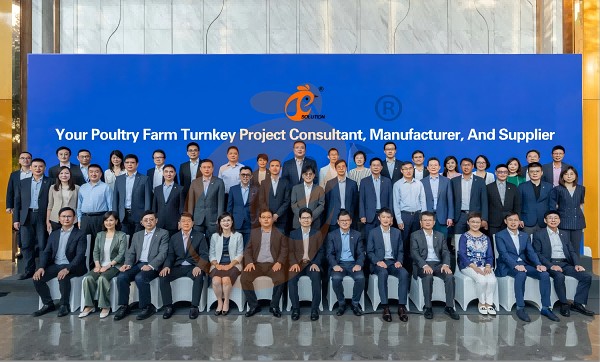
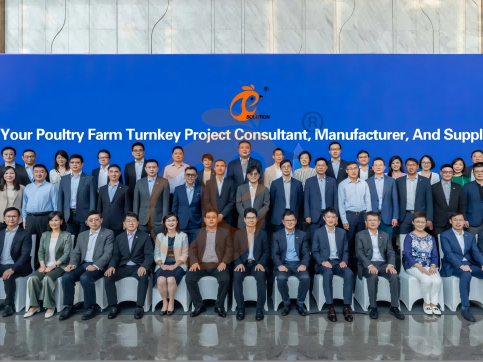
Hong Kong Headquarter Management Team
Hong Kong Headquarter Taiyu Industrial Group CO., LTD
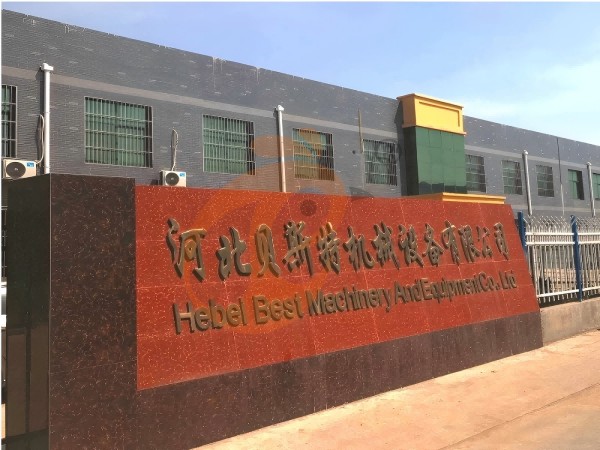
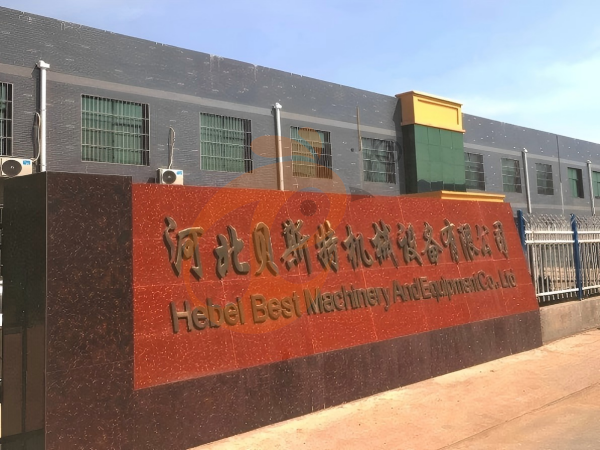
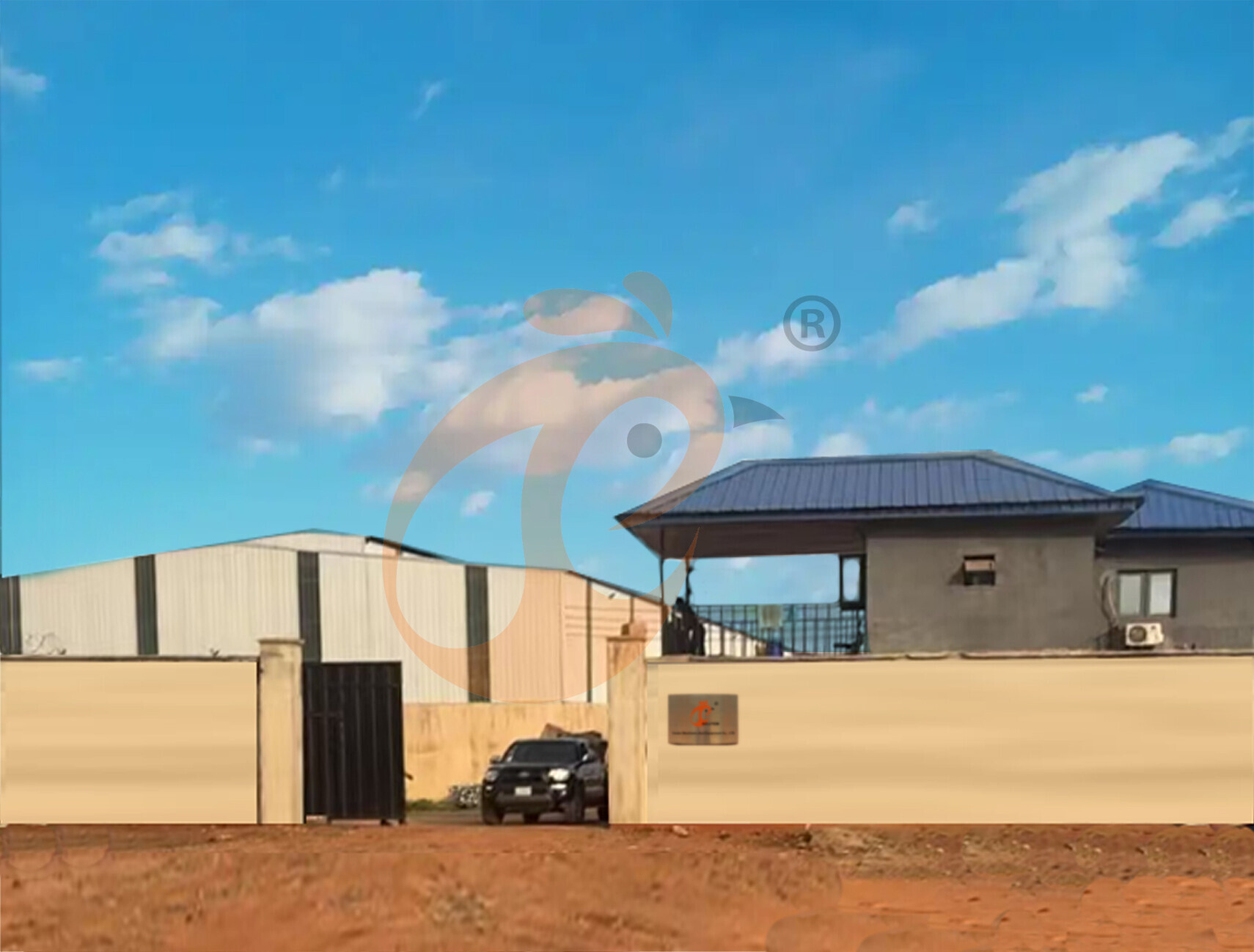
China Hebei Best Machinery And Equipment CO., LTD
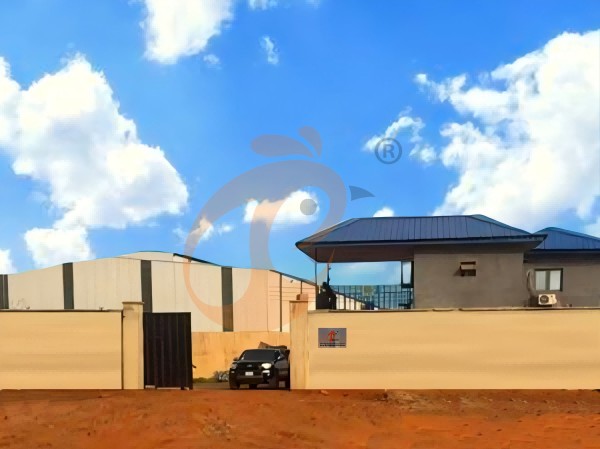
Nigeria Vanke Machinery And Equipment CO., LTD
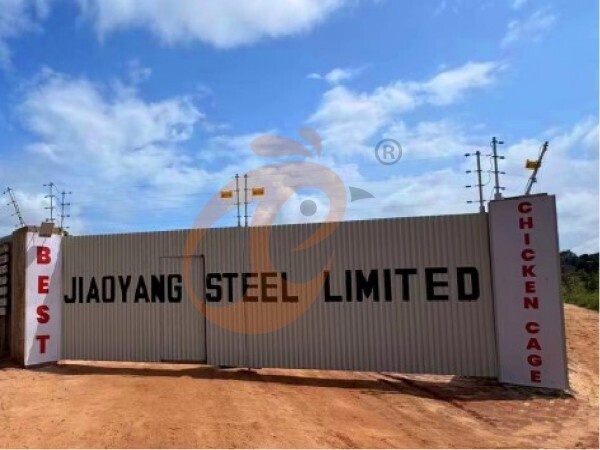
Tanzania Best Machinery And Equipment CO., LTD
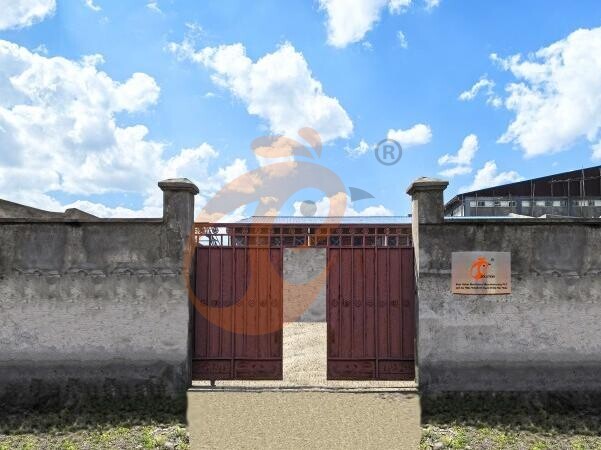
Ethiopia Best Hebei Machinery Manufacturing PLC
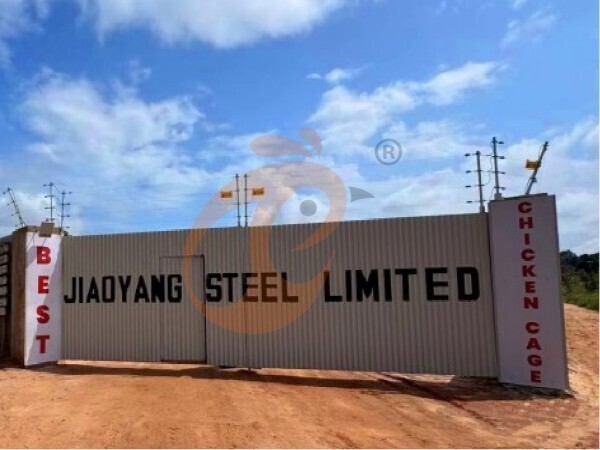
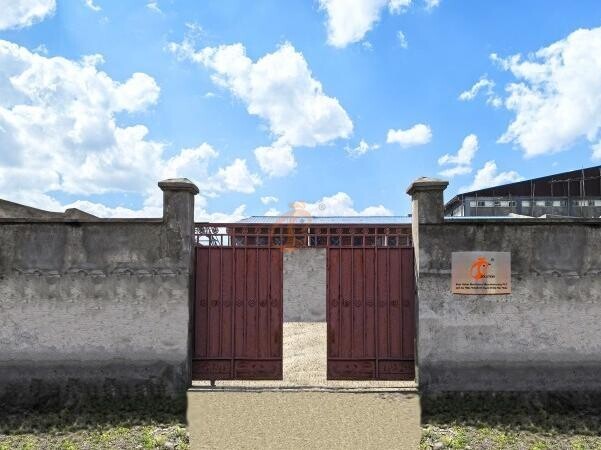
Reception /24 WhatsApp NO. : +8618830120193
FAQ
How Does Free Range System Affect Feed Consumption?
Energy expenditure increases daily intake variation by 15%–22% across seasons.
Feed conversion efficiency ranges from 1.9–2.3 depending on grazing intensity.
What Are The Housing Transition Management Standards In Free Range Poultry System?
Indoor-outdoor transition time is controlled within 10–15 minutes per flock movement cycle.
Lighting guidance systems operate at 5–8 lux to direct flock movement behavior.
What Are The Seasonal Adaptation Strategies In Free Range Poultry System?
Summer shade coverage is increased to 60%–80% of grazing area for heat stress reduction.
Rainfall drainage capacity handles 25–40 mm per hour precipitation levels for land usability.
Message
Products recommended
 HK Headquarter Offers EU-standard Poultry Farm Solutions, Manufacture Poultry Farm Equipment1. Continuous communication with the EU and the US
2. China, Nigeria, Ethiopia, Tanzania branch companies and factories
3. The products’ quality is customized for local poultry farms
4. Poultry cage and poultry farm equipment stock for sale
5. 24 online reception Whatsapp NO. : +8618830120193,contact us to get full informationRead More China Branch Offer Poultry Farm Business Plan, Manufacture Poultry Farm Equipment1. Address: Flat/RM 2416, 24/F, Runxing Building, Youyi Nan Street, Shijiazhuang City, Hebei Province, China
2. Poultry cage and poultry farm equipment factory and stock for sale
3. Customized for local poultry farms
4. Quality and design are based on Euro
5. 24 online reception Whatsapp NO. : +8618830120193Read More Nigeria Branch Offer Poultry Farm Business Plan, Manufacture Poultry Farm Equipment1. Address: After Sinoma Office, 200 Meters Near Danco Filling Station, Lagos/Ibadan Expressway, Lagos State, Nigeria
2. Poultry cage and poultry farm equipment factory and stock for sale
3. Customized for Nigerian poultry farms
4. Quality and design are based on Euro
5. 24 online reception Whatsapp NO. : +8618830120193Read More Ethiopia Branch Offer Poultry Farm Business Plan, Manufacture Poultry Farm Equipment1. Address: Gelan Gura, Akaki-kaliti Sub City, Addis Ababa, Ethiopia
2. Poultry cage and poultry farm equipment stock for sale
3. Customized for Ethiopian poultry farms
4. Quality and design are based on Euro
5. 24 online reception Whatsapp NO. : +8618830120193, contact us to get price listRead More Tanzania Branch Offer Poultry Farm Business Plan, Manufacture Poultry Farm Equipment1. Address: No.8, Sova Road, Msufini, Mlandizi, Kibaha, Pwani, Tanzania
2. Poultry cage and poultry farm equipment factory and stock for sale
3. Customized for Tanzanian poultry farms
4. Quality and design are based on Euro
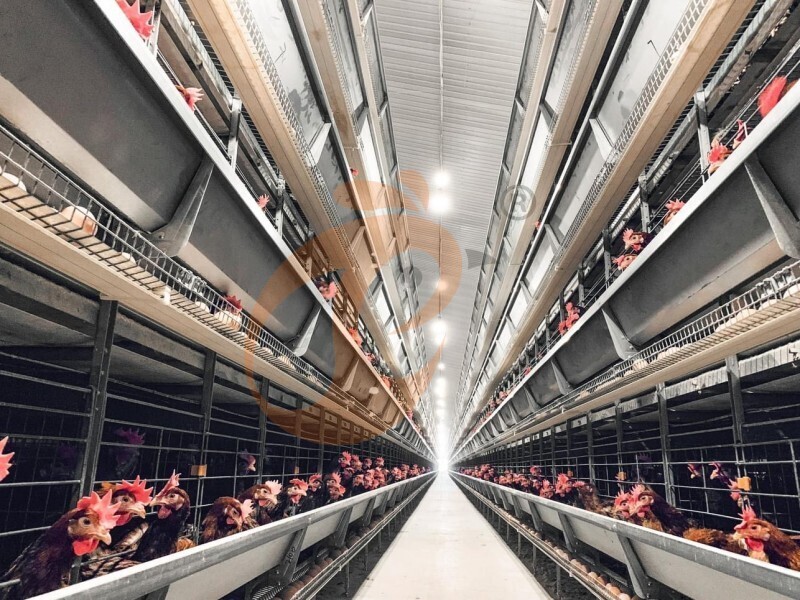
5. 24 online reception Whatsapp NO. : +8618830120193Read More Fully Automatic H Type Layer Chicken Cage1. 30,000-100,000+ layers/house chooses it, Poultry farmers can achieve an egg production rate of 96-98%
2. A significant improvement over the 85-90% typically seen in manual systems
3. A typical poultry farm can expect a 30-40% reduction in labor costs due to the automation
4. Each feeding line efficiently supplies feed to around 100,000 hens per 30 mins
5. Reception /WhatsApp NO. : +8618830120193Read More Fully Automatic A Type Layer Chicken Cage1. 10,000-50,000 layers/house chooses it
2. Cleaner egg collection reduces breakage by 0.5%
3. Improved hygiene helps reduce mortality rate to <3%
4. 1–2 technicians can handle 15,000–30,000 birds
5. Reception /WhatsApp NO. : +8618830120193Read More Semi Automatic H Type Layer Chicken Cage1. 1,00-20,000 layers/house chooses it
2. Nipple drinkers flow 30–60 ML / min
3. Hot-dip galvanized (typical coating ≥ 275 g/m²)
4. Reduce ammonia by ~ 35–40%
5. Reception /WhatsApp NO. : +8618830120193Read More Semi Automatic A Type Layer Chicken Cage1. 1,00-20,000 layers/house chooses it, no rust for 10 years, no deformation for 15 years
2. Chickens live comfortably, you can raise them with peace of mind
3. Save water, save money—efficiency you can measure
4. Improve environment quality, and increase egg production rate
5. Reception /WhatsApp NO. : +8618830120193Read More
By clicking 'Allow All', you agree to the storage of cookies on your device to enhance site navigation, analyze site usage and assist with our marketing efforts.