


Blog
Deep litter poultry farming provides a cost-efficient method for high density chicken rearing.
Ammonia control in poultry houses is essential to prevent respiratory damage and production loss.
Bedding material optimization enhances moisture absorption, reduces microbial proliferation, and supports bird welfare.
Precision monitoring of ventilation, temperature, and litter pH maximizes feed conversion ratios and overall flock performance.
Integration of biosecurity measures with litter management ensures operational efficiency and consistent market-grade poultry production.
Get professional poultry farm construction guidance, equipment selection solutions, and the latest price lists, whatsApp to +8618830120193, +2348111199996, or click to learn more.
Excessive Ammonia Build-Up And Poor Ventilation
Ammonia gas (NH₃) accumulates when uric acid decomposes under high moisture and microbial activity.
Ammonia levels above 25 ppm reduce tracheal epithelial efficiency and increase disease susceptibility.
Mechanical ventilation must be calibrated based on bird weight and environmental humidity.
Data is for reference only.Swipe horizontally to view full table.
Chemical litter amendments reduce ammonia volatility and improve litter quality.
Ventilation Dynamics And Heat-Moisture Balance
Airflow uniformity prevents localized moisture accumulation and thermal stress zones.
Multi-tier airflow simulation ensures consistent temperature and humidity distribution across the house.
Data is for reference only.Swipe horizontally to view full table.
Optimized airflow reduces ammonia buildup and supports dry litter maintenance.
High Moisture Levels And Litter Caking
Moisture content above 30% results in caked litter, promoting microbial growth and disease risk.
Physical turning and drinker management prevent anaerobic zones in the litter substrate.
Data is for reference only.Swipe horizontally to view full table.
High moisture accelerates ammonia release, increasing respiratory stress in birds.
Coccidiosis Outbreaks And Parasitic Infestations
Eimeria protozoa require temperature 24–30°C and relative humidity above 70% for sporulation.
Sporulated oocysts rupture intestinal epithelial cells, causing nutrient absorption impairment.
Data is for reference only.Swipe horizontally to view full table.
Dry litter management interrupts the biological cycle of coccidiosis.
Production Performance Impact
FCR, average daily gain, and mortality rate are sensitive to litter quality and pathogen load.
Data is for reference only.Swipe horizontally to view full table.
Disease control and ammonia suppression maintain optimal FCR and consistent cycle length.
Bedding Material Performance And Cost Analysis
Bedding selection affects water absorption, reuse potential, and operational cost in USD.
Data is for reference only.Swipe horizontally to view full table.
High absorption materials reduce ammonia volatilization and improve litter lifespan.
Footpad Dermatitis And Skin Integrity
Prolonged contact with damp litter and high ammonia induces skin lesions and reduces mobility.
Data is for reference only.Swipe horizontally to view full table.
Softwood shavings minimize footpad lesions compared with rice husk or straw.
Egg Contamination And Microbial Risk
Egg hygiene deteriorates when litter contamination is high, increasing bacterial counts.
Data is for reference only.Swipe horizontally to view full table.
Egg handling protocols reduce floor egg incidence and bacterial penetration.
Biosecurity Failures And Pest Management
Rodents and darkling beetles act as mechanical vectors for Salmonella and other pathogens.
Data is for reference only.Swipe horizontally to view full table.
Integrated pest management is essential between production cycles.
Environmental Microclimate Control Parameters
Microclimate stability inside deep litter poultry houses directly determines pathogen load suppression efficiency and metabolic stress levels.
Proper control of airflow velocity, carbon dioxide concentration, and litter surface oxidation rate reduces systemic production losses.
Data is for reference only.Swipe horizontally to view full table.
Balanced microclimate control enhances immune resilience and stabilizes production output across full rearing cycles.
Frequently Asked Questions
Q1: What are the main factors causing ammonia accumulation in deep litter systems?
A1: Ammonia accumulation occurs due to microbial decomposition of uric acid in wet litter, insufficient ventilation, and high stocking density, which together increase respiratory stress and reduce feed efficiency.
Q2: How can coccidiosis outbreaks be minimized in floor-based poultry houses?
A2: Coccidiosis prevention requires maintaining dry litter, controlling temperature and relative humidity within optimal ranges, and applying anticoccidial interventions to break the parasite life cycle.
Q3: Which bedding materials optimize bird welfare and production efficiency?
A3: Softwood shavings and fine sawdust improve moisture absorption, reduce litter caking, limit ammonia release, and decrease footpad dermatitis incidence, thereby supporting higher egg production and growth rates.
Taiyu (HK) Group - One Of China Toppest Deep Litter System Equipment Manufacturer
Specializes in precision-designed deep litter and floor-based poultry cages for layers and broilers, ensuring optimal ventilation, litter management, and bird welfare.
Global factory direct sales provide consistent quality and competitive pricing.
Complete poultry equipment solutions enhance feeding, watering, and egg collection efficiency.
Turn-key engineering projects reduce installation time and operational complexity.
Comprehensive after-sales service maintains equipment performance and production stability.
Contact Us To Received Your Customized Poultry Farm Plan
Headquarters And Branchs

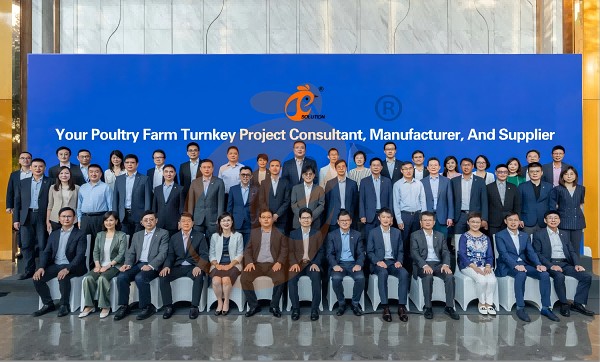
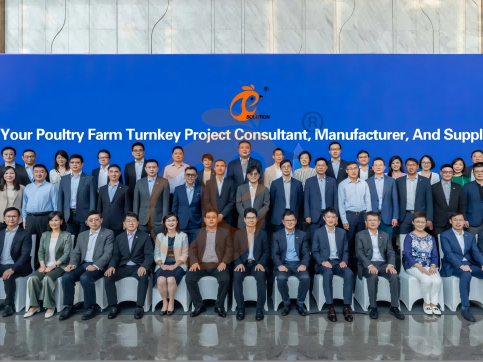
Hong Kong Headquarter Management Team
Hong Kong Headquarter Taiyu Industrial Group CO., LTD
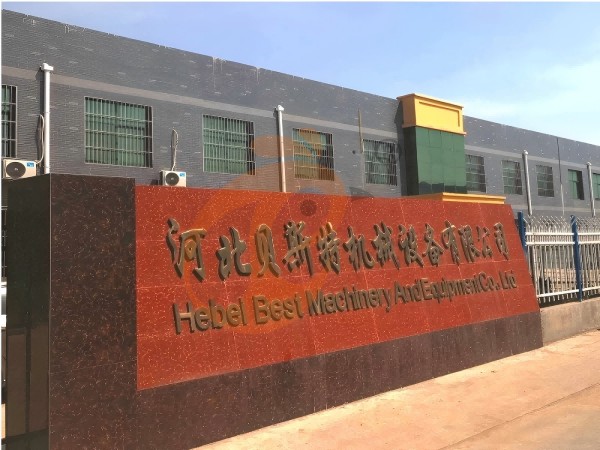
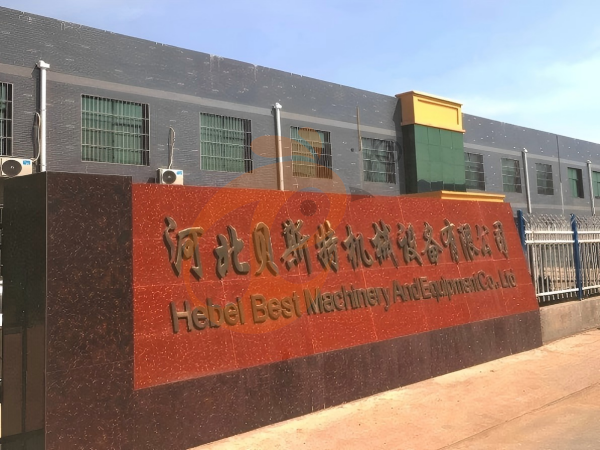
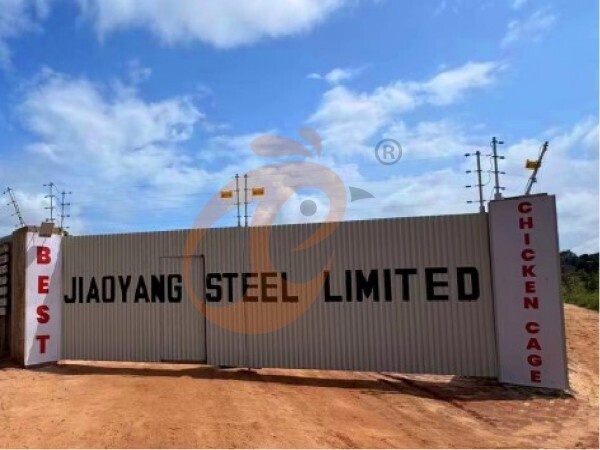
China Hebei Best Machinery And Equipment CO., LTD
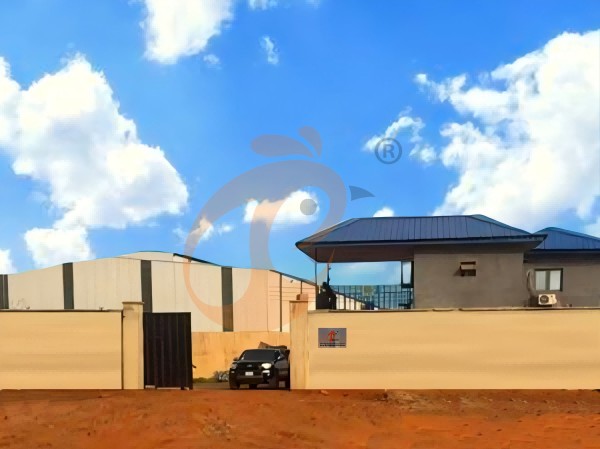
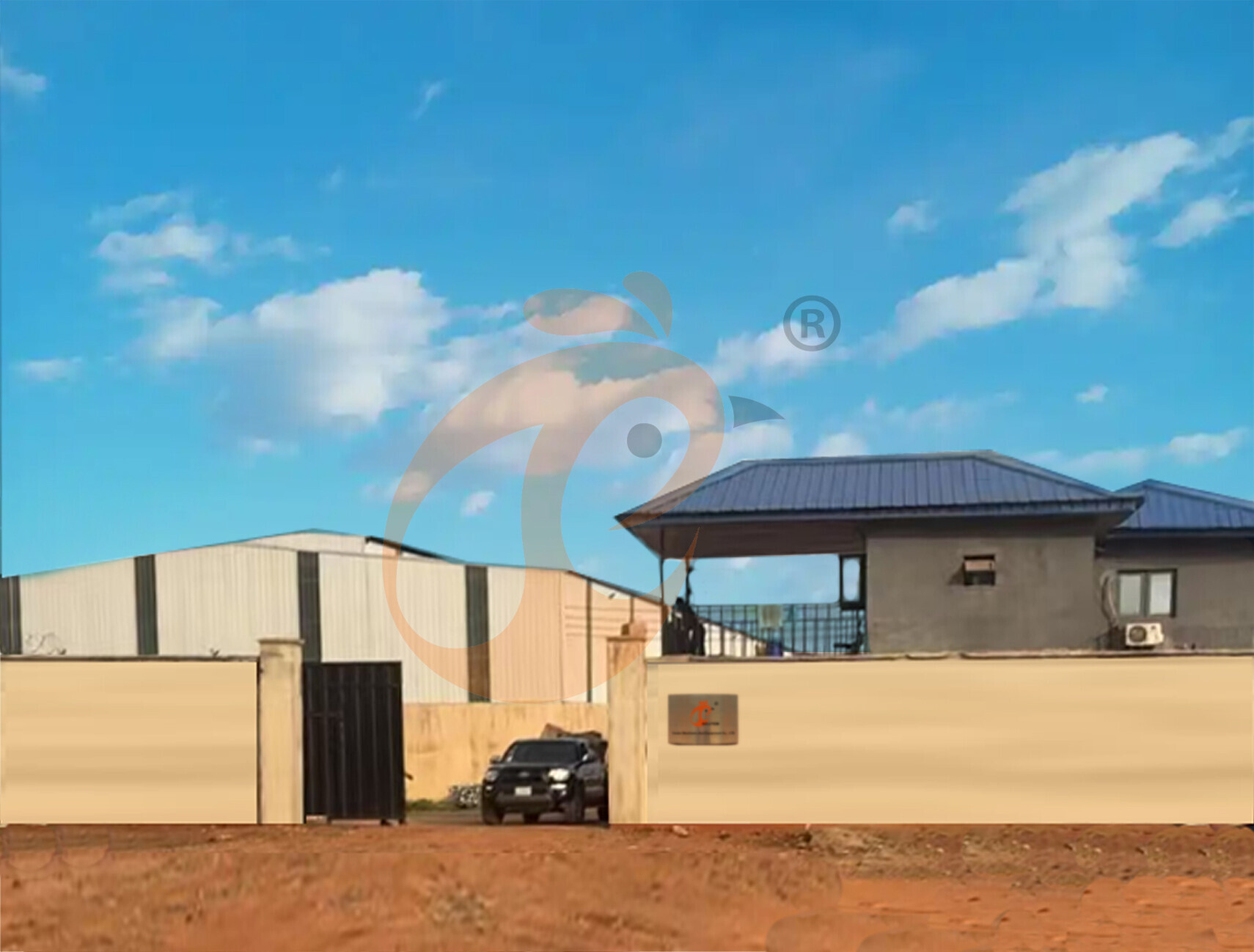
Nigeria Vanke Machinery And Equipment CO., LTD
Tanzania Best Machinery And Equipment CO., LTD
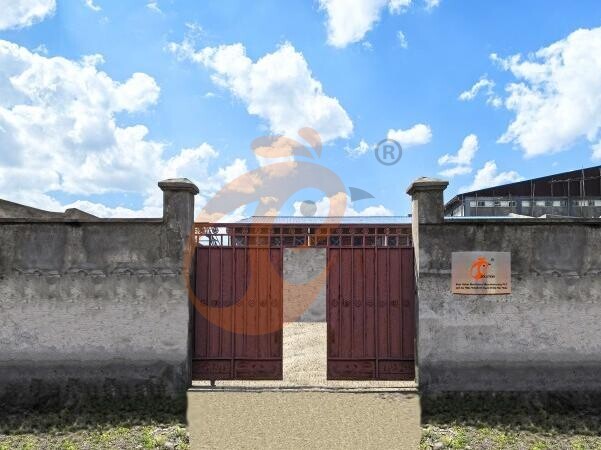
Ethiopia Best Hebei Machinery Manufacturing PLC

Reception /24 WhatsApp NO. : +8618830120193
FAQ
What Are The Growth Performance Benefits In Deep Litter Poultry System?
Feed conversion ratio improves to 1.55–1.78 due to thermal comfort and reduced stress.
Market uniformity rate exceeds 85%–92% within target slaughter weight range.
What Are The Litter Turning And Management Frequency Standards In Deep Litter Poultry System?
Surface leveling is maintained every 3–5 days to prevent compaction zones.
Full litter replacement cycle occurs every 2–3 production batches depending on load intensity.
What Are The Energy Efficiency And Cost Advantages In Deep Litter Poultry System?
Construction cost savings reach 25%–40% compared with fully caged housing systems.
Operational labor demand decreases by 30%–50% through simplified floor-based management.
Message
Products recommended
 HK Headquarter Offers EU-standard Poultry Farm Solutions, Manufacture Poultry Farm Equipment1. Continuous communication with the EU and the US
2. China, Nigeria, Ethiopia, Tanzania branch companies and factories
3. The products’ quality is customized for local poultry farms
4. Poultry cage and poultry farm equipment stock for sale
5. 24 online reception Whatsapp NO. : +8618830120193,contact us to get full informationRead More China Branch Offer Poultry Farm Business Plan, Manufacture Poultry Farm Equipment1. Address: Flat/RM 2416, 24/F, Runxing Building, Youyi Nan Street, Shijiazhuang City, Hebei Province, China
2. Poultry cage and poultry farm equipment factory and stock for sale
3. Customized for local poultry farms
4. Quality and design are based on Euro
5. 24 online reception Whatsapp NO. : +8618830120193Read More Nigeria Branch Offer Poultry Farm Business Plan, Manufacture Poultry Farm Equipment1. Address: After Sinoma Office, 200 Meters Near Danco Filling Station, Lagos/Ibadan Expressway, Lagos State, Nigeria
2. Poultry cage and poultry farm equipment factory and stock for sale
3. Customized for Nigerian poultry farms
4. Quality and design are based on Euro
5. 24 online reception Whatsapp NO. : +8618830120193Read More Ethiopia Branch Offer Poultry Farm Business Plan, Manufacture Poultry Farm Equipment1. Address: Gelan Gura, Akaki-kaliti Sub City, Addis Ababa, Ethiopia
2. Poultry cage and poultry farm equipment stock for sale
3. Customized for Ethiopian poultry farms
4. Quality and design are based on Euro
5. 24 online reception Whatsapp NO. : +8618830120193, contact us to get price listRead More Tanzania Branch Offer Poultry Farm Business Plan, Manufacture Poultry Farm Equipment1. Address: No.8, Sova Road, Msufini, Mlandizi, Kibaha, Pwani, Tanzania
2. Poultry cage and poultry farm equipment factory and stock for sale
3. Customized for Tanzanian poultry farms
4. Quality and design are based on Euro
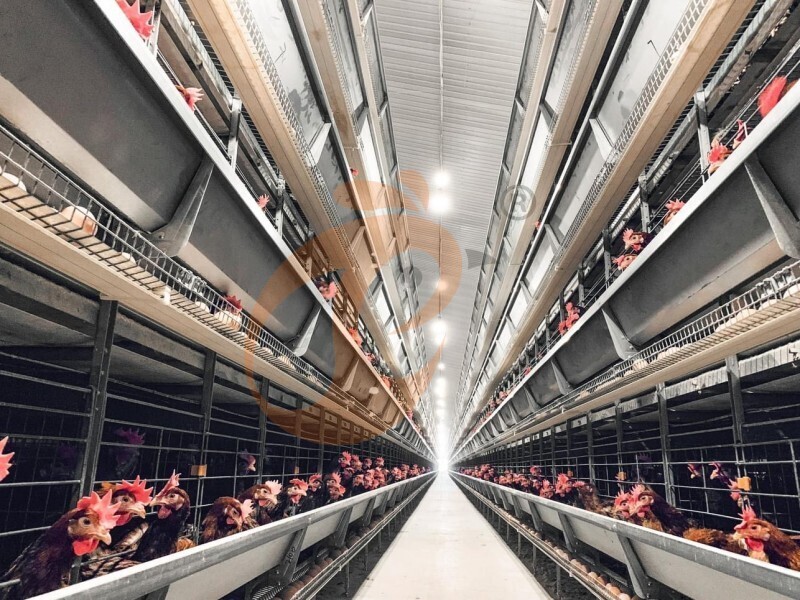
5. 24 online reception Whatsapp NO. : +8618830120193Read More Fully Automatic H Type Layer Chicken Cage1. 30,000-100,000+ layers/house chooses it, Poultry farmers can achieve an egg production rate of 96-98%
2. A significant improvement over the 85-90% typically seen in manual systems
3. A typical poultry farm can expect a 30-40% reduction in labor costs due to the automation
4. Each feeding line efficiently supplies feed to around 100,000 hens per 30 mins
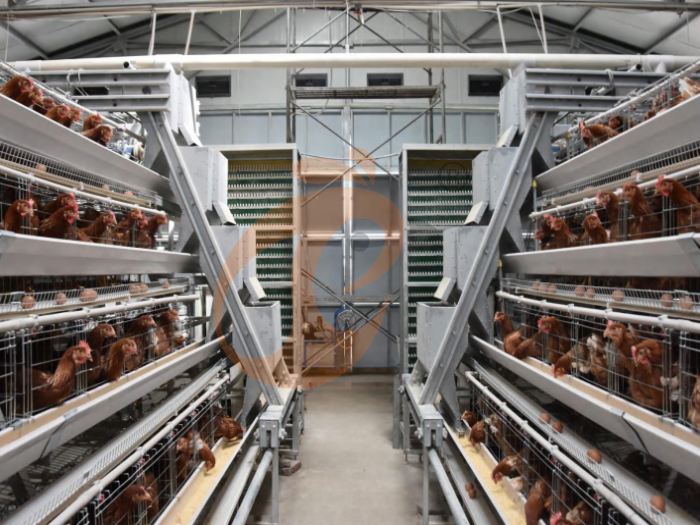
5. Reception /WhatsApp NO. : +8618830120193Read More Fully Automatic A Type Layer Chicken Cage1. 10,000-50,000 layers/house chooses it
2. Cleaner egg collection reduces breakage by 0.5%
3. Improved hygiene helps reduce mortality rate to <3%
4. 1–2 technicians can handle 15,000–30,000 birds
5. Reception /WhatsApp NO. : +8618830120193Read More Semi Automatic H Type Layer Chicken Cage1. 1,00-20,000 layers/house chooses it
2. Nipple drinkers flow 30–60 ML / min
3. Hot-dip galvanized (typical coating ≥ 275 g/m²)
4. Reduce ammonia by ~ 35–40%
5. Reception /WhatsApp NO. : +8618830120193Read More Semi Automatic A Type Layer Chicken Cage1. 1,00-20,000 layers/house chooses it, no rust for 10 years, no deformation for 15 years
2. Chickens live comfortably, you can raise them with peace of mind
3. Save water, save money—efficiency you can measure
4. Improve environment quality, and increase egg production rate
5. Reception /WhatsApp NO. : +8618830120193Read More
By clicking 'Allow All', you agree to the storage of cookies on your device to enhance site navigation, analyze site usage and assist with our marketing efforts.