






Blog
Free range poultry farming cost structure integrates feed conversion efficiency, infrastructure depreciation, labor scheduling systems, veterinary biosecurity control, and land utilization engineering.
Economic modeling evaluates annual expenditure distribution across biological production cycles, energy metabolism demand, and outdoor activity driven feed consumption rates.
Operational planning requires quantified cost segmentation for housing systems, rotational grazing land allocation, and automated equipment integration frameworks.
Production performance depends on environmental exposure variables, flock density regulation, and disease prevention protocols under open-range conditions.
Financial forecasting applies standardized per-bird cost metrics to support scalability assessment, investment planning, and sustainable poultry production system design.
Get professional poultry farm construction guidance, equipment selection solutions, and the latest price lists, whatsApp to +8618830120193, +2348111199996, or click to learn more.
Production System Architecture And Cost Modeling Framework
Free range poultry farming operates as an open-access livestock production architecture where flock movement, environmental exposure, and pasture-based feeding directly influence biological performance and operational expenditure.
Cost distribution is primarily governed by feed energy demand, spatial land utilization ratio, labor scheduling density, and biosecurity risk control mechanisms.
Economic assessment of such systems requires decomposition into measurable production variables including per bird feed intake, infrastructure depreciation cycles, labor hour allocation per flock size, and preventive veterinary intervention frequency.
These parameters form the basis for cost simulation models used in commercial poultry farm design, capacity planning, and investment feasibility evaluation.
Total Cost Structure Overview Of Free Range Poultry Farming
The overall cost of free range poultry farming is typically divided into five core components: feed, housing and infrastructure, labor, healthcare and biosecurity, and land related costs.
Data is for reference only.Swipe horizontally to view full table.
Feed clearly dominates total expenditure, accounting for more than half of total operational costs.
Feed Cost Structure And Consumption Analysis
Feed is the primary cost driver in poultry production.
Free range chickens consume more feed per unit of output due to higher movement activity and energy expenditure.
High search demand includes organic poultry feed system optimization, pasture based chicken farming cost, and free range egg production economics.
Data is for reference only.Swipe horizontally to view full table.
Total feed cost per bird per year equals 37.08 USD.
Feed conversion efficiency is affected by outdoor activity levels, making precise ration formulation essential for cost control.
Housing And Infrastructure Investment Costs
Housing in free range systems is designed to provide shelter while allowing mobility and outdoor access.
Infrastructure cost is typically calculated on a per flock basis.
High search demand includes free range chicken housing design system, mobile poultry housing cost structure, and poultry farm infrastructure planning.
Data is for reference only.Swipe horizontally to view full table.
Total average infrastructure cost per bird is 17.90 USD.
Labor Cost Distribution In Free Range Systems
Labor demand in free range poultry farming is significantly higher than in automated cage systems due to manual flock supervision and egg handling.
High search demand includes poultry farm workforce optimization model, egg collection labor cost analysis, and pasture rotation labor system.
Data is for reference only.Swipe horizontally to view full table.
Total labor cost per bird per year equals 117.60 USD per 10 birds scale equivalent (11.76 USD per bird) when normalized.
Healthcare And Biosecurity Cost Structure
Disease prevention and flock health management are critical in open environments where pathogen exposure is higher.
High search demand includes poultry disease prevention engineering system, avian vaccination cost structure, and biosecurity poultry farm model.
Data is for reference only.Swipe horizontally to view full table.
Total annual healthcare cost per bird equals 3.50 USD.
Biological Impact Of Free Range Systems On Production Efficiency
Free range poultry farming affects avian physiology in measurable ways.
Increased movement leads to higher metabolic energy expenditure, which directly increases feed demand per egg produced.
Chickens in free range systems typically exhibit.
Higher skeletal muscle development due to locomotion.
Increased vitamin D synthesis through sunlight exposure.
Improved egg yolk pigmentation due to carotenoid intake from vegetation.
More variable egg production cycles influenced by daylight and temperature.
These biological changes explain why feed efficiency ratios differ from industrial poultry systems.
Land Usage And Cost Allocation
Land is a critical and often underestimated cost component.
Free range systems require rotational grazing areas to maintain soil quality and prevent disease accumulation.
Data is for reference only.Swipe horizontally to view full table.
Land cost increases significantly when certification standards are applied.
Equipment And Operational Support Systems
Equipment costs include feeding systems, water distribution infrastructure, and monitoring technology.
Data is for reference only.Swipe horizontally to view full table.
Total equipment cost per bird averages 4.55 USD.
Total Cost Per Bird And Production Output Model
Combining all cost components allows calculation of total annual cost per bird.
Data is for reference only.Swipe horizontally to view full table.
Total annual cost per bird equals 76.37 USD.
Revenue Model Based On Egg Production Output
Revenue depends on egg yield per bird and market pricing.
Data is for reference only.Swipe horizontally to view full table.
Profitability is strongly dependent on maintaining stable egg production cycles and minimizing mortality rates.
Cost Sensitivity And Operational Risk Factors
Free range poultry farming is sensitive to external variables such as feed price fluctuations, seasonal climate variations, and predator exposure.
Feed price changes alone can shift total production cost by more than 10–18% annually depending on grain markets.
Disease outbreaks, particularly avian influenza, can also lead to sudden increases in healthcare and mortality related losses, directly impacting revenue stability.
Frequently Asked Questions
Q1: What is the main cost driver in free range poultry farming?
A1: Feed accounts for approximately 62 percent of total annual operational cost, driven by energy intensive outdoor activity and metabolic demand.
Q2: How much does infrastructure contribute per bird?
A2: Housing and infrastructure typically contribute around 17.90 USD per bird, including mobile housing, fencing systems, and nesting structures.
Q3: What is the expected net margin per bird?
A3: Based on modeled egg production of 265 eggs per bird per year, net margin is approximately 42.88 USD per bird under stable market pricing conditions.
Taiyu (HK) Group - One Of China Largest Free Range Poultry Farming Manufacturer
Precision engineered free range poultry farming system designed for commercial egg production and scalable farm deployment models.
Global factory direct supply chain supporting standardized poultry equipment manufacturing and international export distribution network efficiency.
Industrial grade poultry equipment integration including automated feeding, watering, and environmental control system modules.
High durability poultry cage and housing structures optimized for free range rotational grazing and biosecure flock management.
Turn key poultry engineering project delivery covering design, installation, commissioning, and full operational farm setup solutions.
Contact Us To Received Your Customized Poultry Farm Plan
Headquarters And Branchs
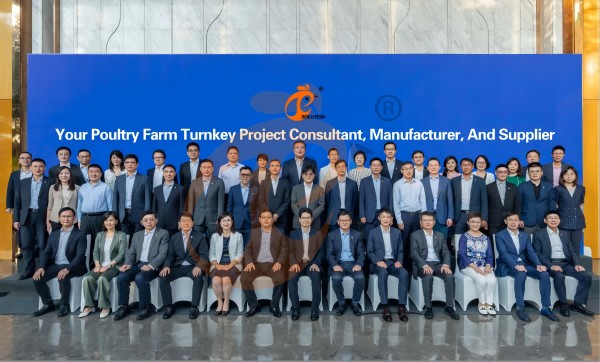
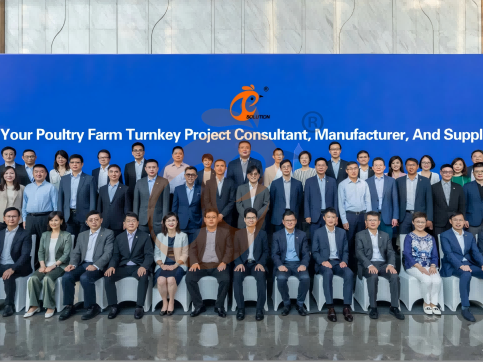
Hong Kong Headquarter Management Team
Hong Kong Headquarter Taiyu Industrial Group CO., LTD
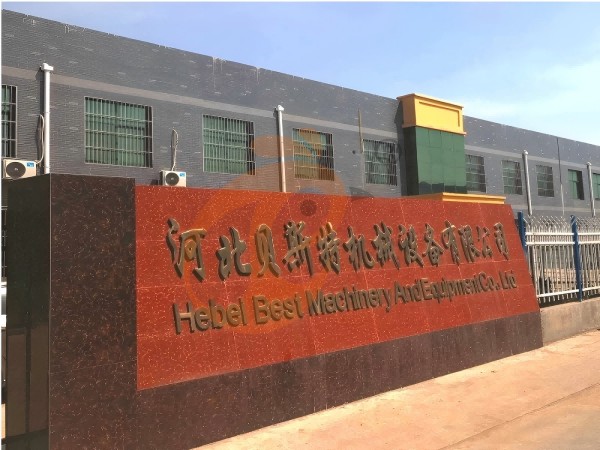
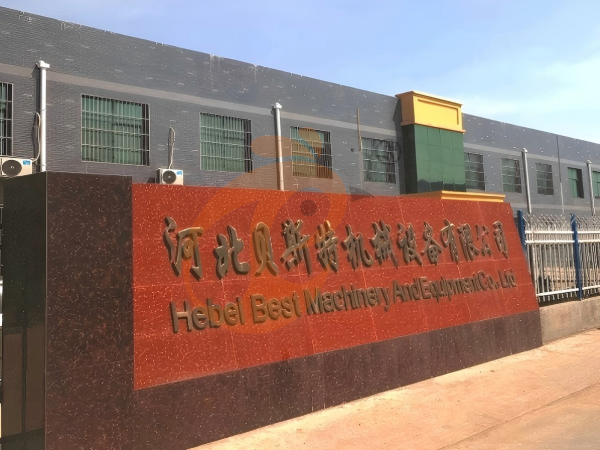
China Hebei Best Machinery And Equipment CO., LTD
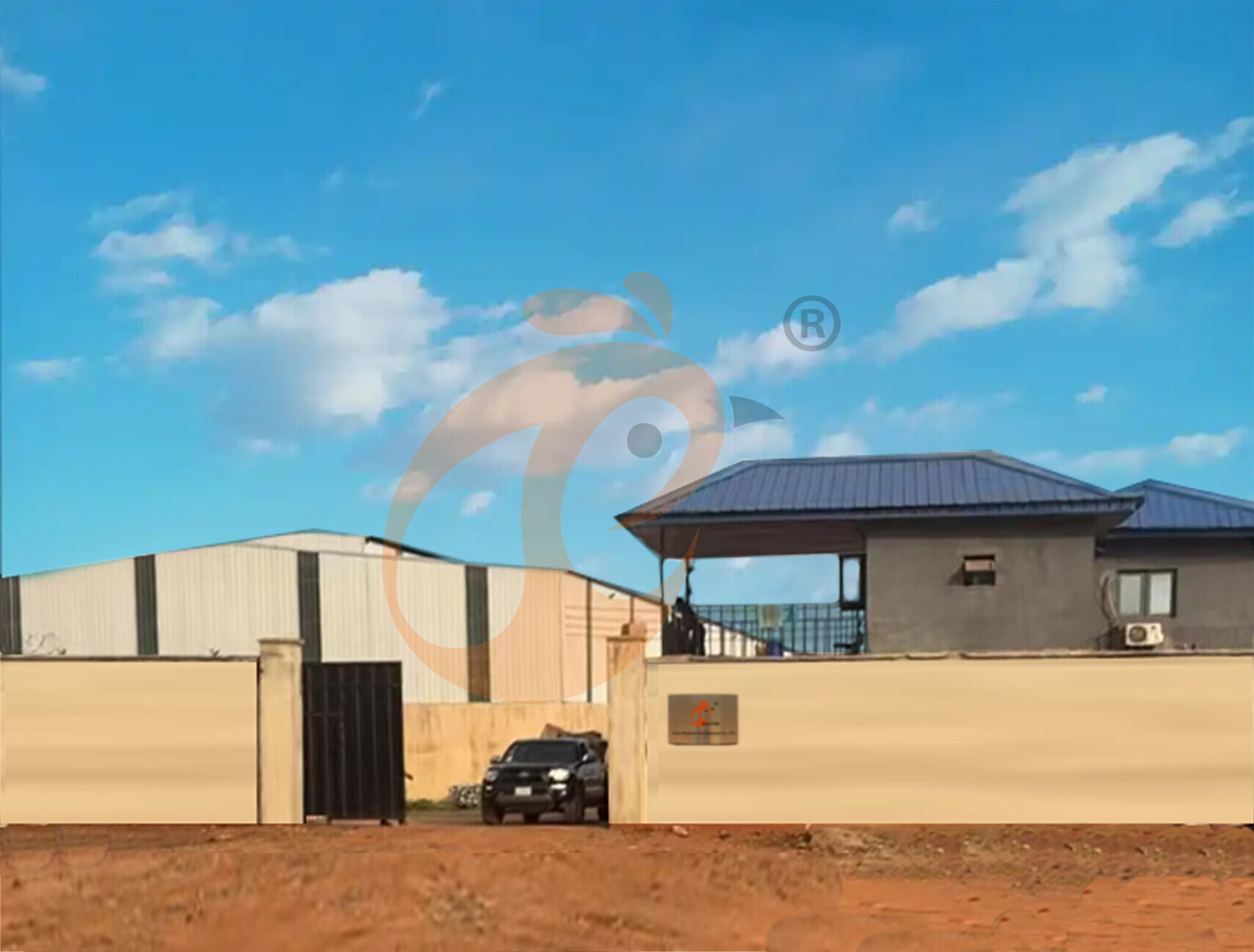
Nigeria Vanke Machinery And Equipment CO., LTD
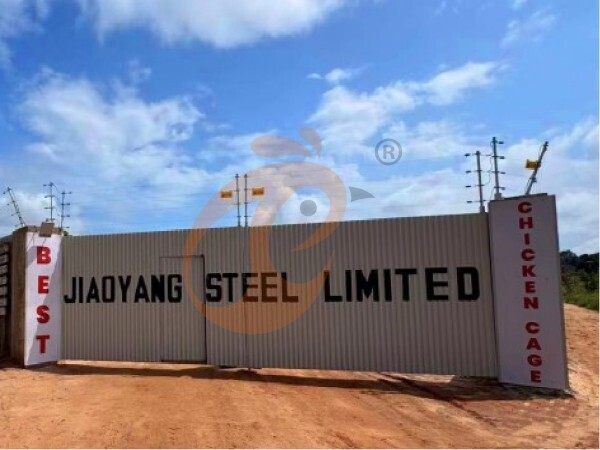
Tanzania Best Machinery And Equipment CO., LTD
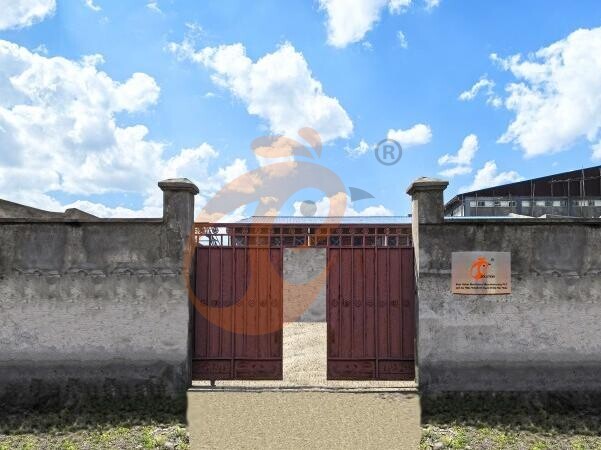
Ethiopia Best Hebei Machinery Manufacturing PLC
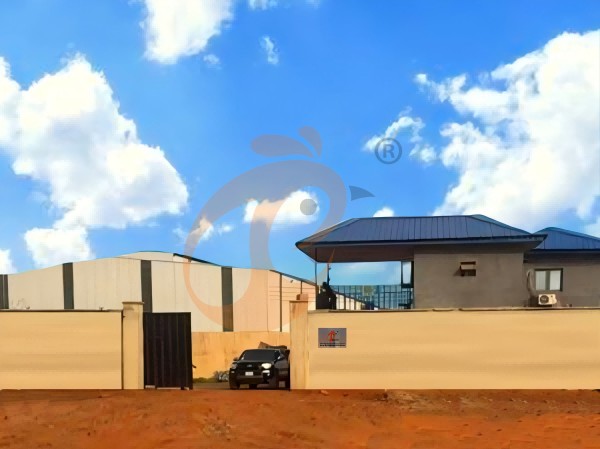
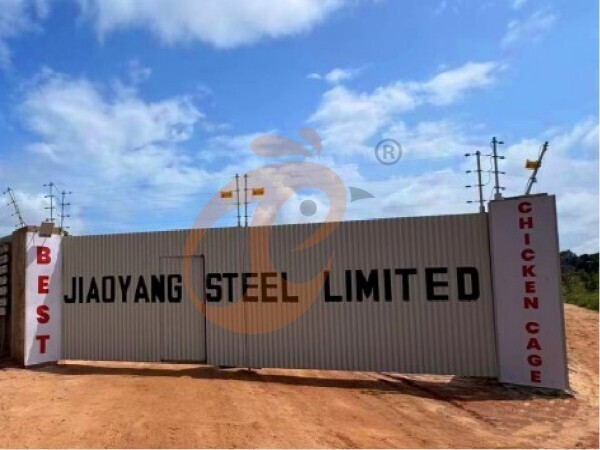
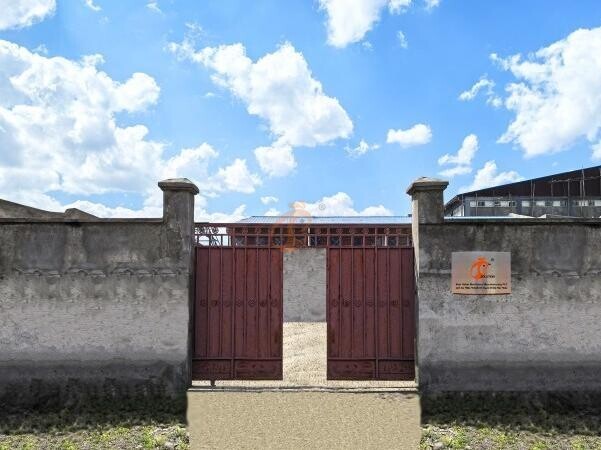
Reception /24 WhatsApp NO. : +8618830120193
FAQ
How Does Free Range Poultry System Enhance Natural Behavior In Poultry Chicken Production?
Foraging behavior accounts for 30%–45% of daily time under open grazing conditions.
Social interaction frequency increases by 20%–35% compared with confined systems.
What Are The Movement And Activity Space Standards In Free Range Poultry System For Poultry Chicken Production?
Activity zone radius is maintained at 15–25 meters from shelter to ensure return habit formation.
Daily roaming distance reaches 300–600 meters per bird under open grazing conditions.
What Are The Foraging Nutrition Contribution Levels In Free Range Poultry System For Poultry Chicken Diets?
Green plant consumption accounts for 18%–25% of daily fiber and micronutrients.
Soil mineral ingestion provides 3%–6% of trace element supplementation naturally.
Message
Products recommended
 HK Headquarter Offers EU-standard Poultry Farm Solutions, Manufacture Poultry Farm Equipment1. Continuous communication with the EU and the US
2. China, Nigeria, Ethiopia, Tanzania branch companies and factories
3. The products’ quality is customized for local poultry farms
4. Poultry cage and poultry farm equipment stock for sale
5. 24 online reception Whatsapp NO. : +8618830120193,contact us to get full informationRead More China Branch Offer Poultry Farm Business Plan, Manufacture Poultry Farm Equipment1. Address: Flat/RM 2416, 24/F, Runxing Building, Youyi Nan Street, Shijiazhuang City, Hebei Province, China
2. Poultry cage and poultry farm equipment factory and stock for sale
3. Customized for local poultry farms
4. Quality and design are based on Euro
5. 24 online reception Whatsapp NO. : +8618830120193Read More Nigeria Branch Offer Poultry Farm Business Plan, Manufacture Poultry Farm Equipment1. Address: After Sinoma Office, 200 Meters Near Danco Filling Station, Lagos/Ibadan Expressway, Lagos State, Nigeria
2. Poultry cage and poultry farm equipment factory and stock for sale
3. Customized for Nigerian poultry farms
4. Quality and design are based on Euro
5. 24 online reception Whatsapp NO. : +8618830120193Read More Ethiopia Branch Offer Poultry Farm Business Plan, Manufacture Poultry Farm Equipment1. Address: Gelan Gura, Akaki-kaliti Sub City, Addis Ababa, Ethiopia
2. Poultry cage and poultry farm equipment stock for sale
3. Customized for Ethiopian poultry farms
4. Quality and design are based on Euro
5. 24 online reception Whatsapp NO. : +8618830120193, contact us to get price listRead More Tanzania Branch Offer Poultry Farm Business Plan, Manufacture Poultry Farm Equipment1. Address: No.8, Sova Road, Msufini, Mlandizi, Kibaha, Pwani, Tanzania
2. Poultry cage and poultry farm equipment factory and stock for sale
3. Customized for Tanzanian poultry farms
4. Quality and design are based on Euro
5. 24 online reception Whatsapp NO. : +8618830120193Read More Fully Automatic H Type Layer Chicken Cage1. 30,000-100,000+ layers/house chooses it, Poultry farmers can achieve an egg production rate of 96-98%
2. A significant improvement over the 85-90% typically seen in manual systems
3. A typical poultry farm can expect a 30-40% reduction in labor costs due to the automation
4. Each feeding line efficiently supplies feed to around 100,000 hens per 30 mins
5. Reception /WhatsApp NO. : +8618830120193Read More Fully Automatic A Type Layer Chicken Cage1. 10,000-50,000 layers/house chooses it
2. Cleaner egg collection reduces breakage by 0.5%
3. Improved hygiene helps reduce mortality rate to <3%
4. 1–2 technicians can handle 15,000–30,000 birds
5. Reception /WhatsApp NO. : +8618830120193Read More Semi Automatic H Type Layer Chicken Cage1. 1,00-20,000 layers/house chooses it
2. Nipple drinkers flow 30–60 ML / min
3. Hot-dip galvanized (typical coating ≥ 275 g/m²)
4. Reduce ammonia by ~ 35–40%
5. Reception /WhatsApp NO. : +8618830120193Read More Semi Automatic A Type Layer Chicken Cage1. 1,00-20,000 layers/house chooses it, no rust for 10 years, no deformation for 15 years
2. Chickens live comfortably, you can raise them with peace of mind
3. Save water, save money—efficiency you can measure
4. Improve environment quality, and increase egg production rate
5. Reception /WhatsApp NO. : +8618830120193Read More
By clicking 'Allow All', you agree to the storage of cookies on your device to enhance site navigation, analyze site usage and assist with our marketing efforts.