






Blog
Modern poultry farm management requires stable egg production, controlled environmental systems, optimized feeding operations, and reliable poultry equipment performance.
Layer chicken cage systems improve housing density, reduce feed waste, and simplify flock supervision across commercial egg farm operations.
Automated poultry cage equipment supports labor reduction, efficient manure removal, and improved egg collection efficiency.
Proper ventilation design, scientific lighting programs, and balanced nutrition management directly influence laying rate performance and flock health stability.
Explains practical operational procedures, housing preparation standards, disease prevention management, poultry farming equipment selection, and long term commercial poultry production optimization strategies.
Get professional poultry farm construction guidance, equipment selection solutions, and the latest price lists, whatsApp to +8618830120193, +2348111199996, or click to learn more.
Understanding Layer Chicken Cage Systems
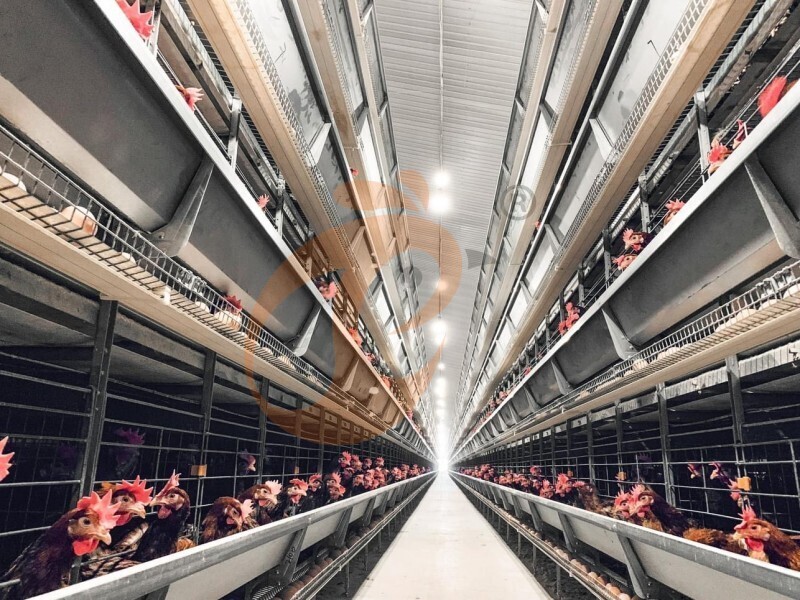
A layer chicken cage system is a structured housing arrangement designed specifically for egg laying hens.
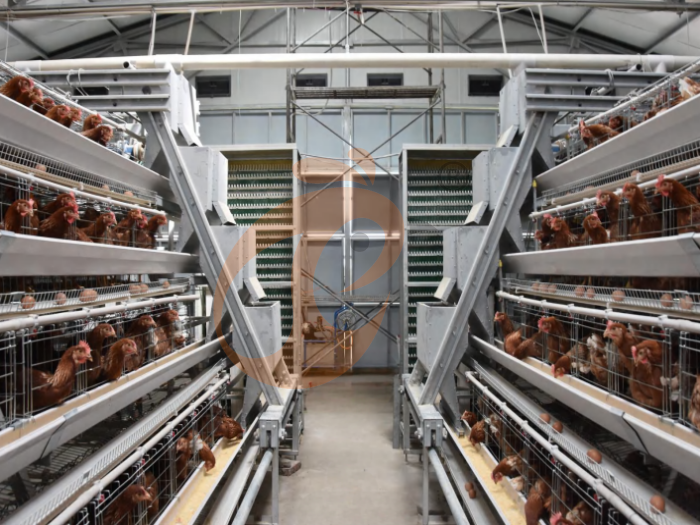
The system usually consists of galvanized steel cages organized in rows and tiers.
Birds remain inside individual or group compartments with automatic or semi automatic feeding, drinking, manure removal, and egg collection systems.
The main objective of cage systems is to improve production efficiency while maintaining controlled environmental conditions.
Commercial poultry farming projects commonly use automatic chicken cage equipment for farms ranging from 500 birds to over 100,000 birds.
Main Components Of A Layer Cage System
Data is for reference only.Swipe horizontally to view full table.
Modern poultry farms often use automated poultry cage systems because labor requirements decrease and operational efficiency improves significantly.
Practical Step Choose The Right Cage System
The first and most important step is selecting the correct cage system for farm size, climate conditions, and production objectives.
Commercial egg production facilities usually choose between A-type cages and H-type cages.
Comparison Between A-Type And H-Type Layer Cages
Data is for reference only.Swipe horizontally to view full table.
A-type cages are suitable for beginners or medium scale farms because lower initial investment is required.
H-type cages are ideal for industrial scale operations using advanced poultry farming equipment automation systems.
Poor cage selection often results in overcrowding, stress, poor ventilation, and lower egg production.
Practical Step Prepare The Poultry House Properly
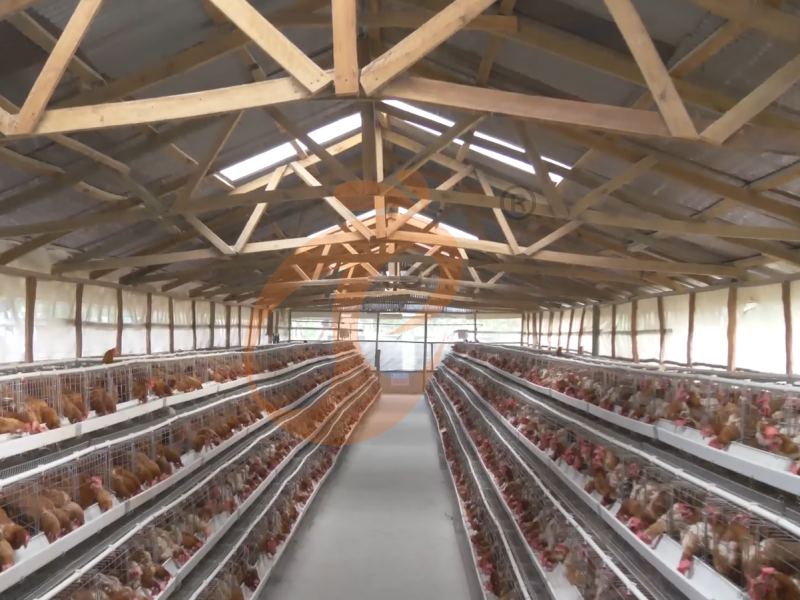
Even the best layer cage system cannot perform efficiently inside a poorly designed poultry house.
Housing conditions directly influence bird comfort, feed intake, disease resistance, and laying performance.
Recommended Poultry House Conditions
Data is for reference only.Swipe horizontally to view full table.
Good ventilation remains extremely important because layer hens produce significant body heat and manure gases.
High ammonia concentration damages respiratory systems and reduces egg production efficiency.
Poultry House Layout Considerations
Data is for reference only.Swipe horizontally to view full table.
A clean and well ventilated poultry building creates a healthier environment for layers and reduces mortality rates.
Practical Step Maintain Proper Feeding And Watering
Feed management is one of the most critical operational sections of commercial poultry farming.
Feed expenses account for approximately 60%–70% of total poultry production costs.
Poor nutrition directly affects egg production, eggshell quality, and bird health stability.
Layer hens require balanced nutrition containing protein, calcium, phosphorus, vitamins, amino acids, and energy.
Typical Layer Feed Nutrient Requirements
Data is for reference only.Swipe horizontally to view full table.
Water supply management remains equally important.
A laying hen may consume twice as much water as feed during high-temperature environmental conditions.
Daily Feed And Water Consumption By Layer Hens
Data is for reference only.Swipe horizontally to view full table.
Feed should be distributed evenly to avoid competition among birds.
Water pipelines should undergo regular cleaning procedures to prevent bacterial contamination.
Scientific Knowledge Why Cage Systems Improve Egg Production
Layer hens are highly sensitive to environmental stress.
Scientific poultry research confirms that stable housing conditions help birds maintain hormonal balance required for continuous egg production.
Inside cage systems, birds expend less energy on unnecessary movement compared with free-range systems.
More dietary energy therefore converts into egg production instead of physical activity.
Layer cage systems also reduce direct contact between birds and manure.
Reduced exposure lowers transmission risks associated with parasites, bacteria, and viral diseases.
Cleaner housing environments improve flock health and reduce veterinary treatment expenses in USD (European union standard reference only).
Another scientific advantage involves feed conversion efficiency.
Cage birds waste less feed, allowing poultry farms to achieve stronger production efficiency per kilogram of feed consumed.
However, proper management remains essential.
Poor ventilation, overcrowding, or inadequate lighting can negatively affect bird welfare and productivity.
Practical Step Implement An Effective Lighting Program
Lighting directly affects reproductive hormone activity inside laying hens.
Proper lighting stimulates pituitary gland functions and encourages stable egg production performance.
Commercial poultry farms commonly use LED or energy saving lighting systems to maintain stable illumination conditions throughout the poultry building.
Recommended Lighting Program For Layers
Data is for reference only.Swipe horizontally to view full table.
Sudden lighting changes may stress birds and reduce egg production.
Automatic timers improve consistency and operational control.
Benefits Of Proper Lighting
Data is for reference only.Swipe horizontally to view full table.
Consistent lighting management remains a powerful operational tool for maximizing laying performance.
Practical Step Focus On Hygiene And Disease Prevention
Disease outbreaks can destroy poultry farm profitability within a short period.
Biosecurity and sanitation procedures therefore require daily implementation.
Layer chicken cage systems simplify cleaning operations because manure falls below cages instead of remaining in direct contact with birds.
Essential Biosecurity Practices
Data is for reference only.Swipe horizontally to view full table.
Farm workers should monitor birds daily for signs of disease or operational abnormalities.
Common Signs Of Health Problems
Data is for reference only.Swipe horizontally to view full table.
Early disease detection reduces mortality and treatment costs significantly.
Practical Step Monitor Performance And Maintain Equipment
Successful poultry farms depend heavily on operational data collection and routine equipment maintenance procedures.
Without monitoring systems, production problems may remain unnoticed until financial losses become severe.
Key Poultry Performance Indicators
Data is for reference only.Swipe horizontally to view full table.
Routine maintenance also prevents serious equipment failures.
Important Equipment Maintenance Tasks
Data is for reference only.Swipe horizontally to view full table.
Equipment breakdowns can rapidly affect bird welfare and production performance.
Advantages Of Layer Chicken Cage Systems
Layer cage systems provide several operational and economic advantages for commercial poultry farming projects.
Main Advantages
Data is for reference only.Swipe horizontally to view full table.
For commercial farms targeting stable egg production, automatic chicken cage systems remain one of the most practical housing solutions.
Challenges Farmers Should Consider
Despite many operational advantages, layer cage systems also present several management challenges.
Common Challenges In Cage Farming
Data is for reference only.Swipe horizontally to view full table.
Commercial poultry farm investors should conduct proper financial planning before installing large scale automated systems.
Future Trends In Layer Cage Farming
Technology continues transforming poultry farming worldwide.
Future layer cage systems are becoming increasingly automated and data-driven.
Emerging Poultry Technologies
Data is for reference only.Swipe horizontally to view full table.
These innovations help poultry farms improve efficiency, reduce waste, and increase profitability.
Frequently Asked Questions
Q1: What is the recommended bird capacity for commercial layer cage systems?
A2: Commercial poultry farms commonly use systems ranging from 5,000 to 100,000 birds.
Medium scale poultry projects usually operate efficiently at 10,000–30,000 birds with automatic feeding and manure removal systems.
Q2: How long can layer hens remain productive inside cage systems?
A2: Most commercial layer hens maintain efficient production for approximately 72–80 weeks.
Average peak laying performance normally reaches 90%–95% under proper feeding, lighting, and ventilation management.
Q3: What is the average operational cost reduction using automatic poultry cage systems?
A3: Automatic poultry farming equipment may reduce labor expenses by approximately 25%–40% compared with traditional floor systems.
Feed waste reduction may also improve profitability by 5%–10% depending on management quality and environmental conditions.
Taiyu (HK) Group - One Of China Largest Layer Chicken Cage Supplier
Layer chicken cage systems support stable commercial egg production management efficiency
Global factory direct poultry equipment supply supports competitive project investment solutions
Advanced poultry cage manufacturing improves durability, ventilation performance, and operational stability
Turn key poultry farm engineering supports installation, training, and production management systems
Commercial poultry farming equipment solutions support modern automated farm expansion projects
Contact Us To Received Your Customized Poultry Farm Plan
Headquarters And Branchs
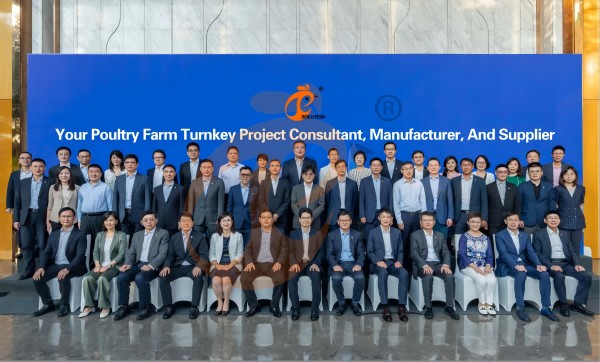
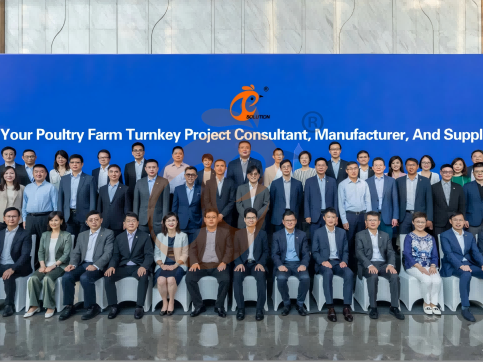
Hong Kong Headquarter Management Team
Hong Kong Headquarter Taiyu Industrial Group CO., LTD
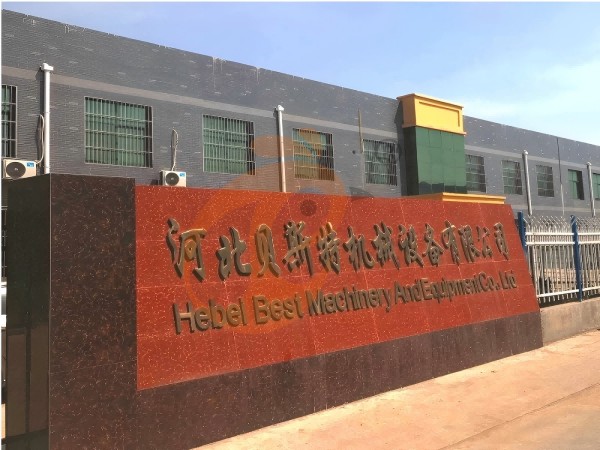
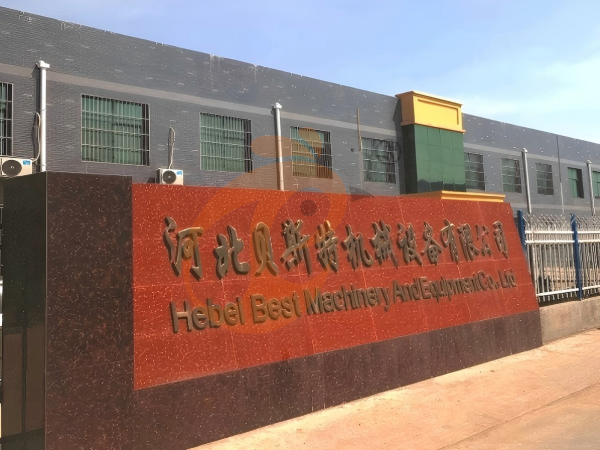
China Hebei Best Machinery And Equipment CO., LTD
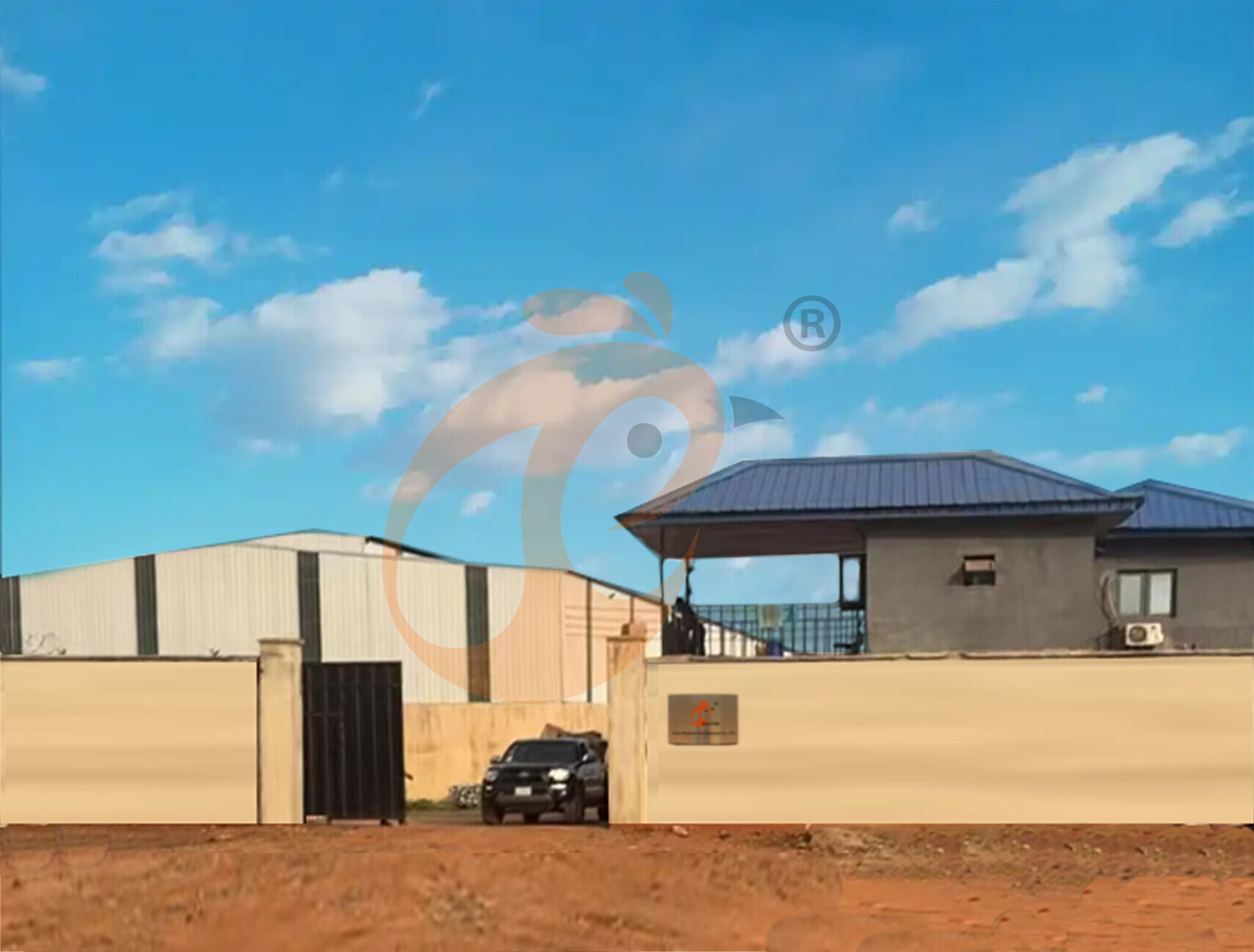
Nigeria Vanke Machinery And Equipment CO., LTD
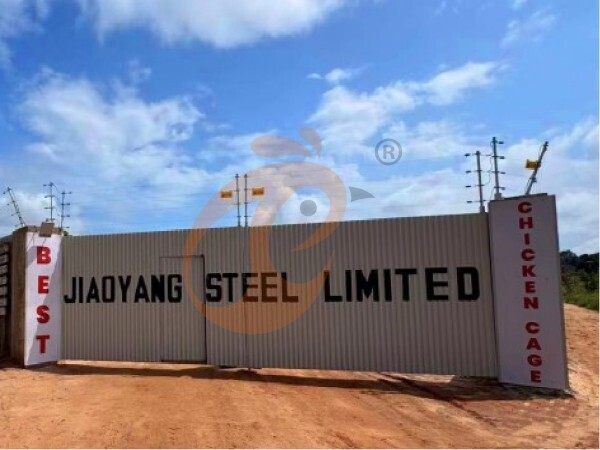
Tanzania Best Machinery And Equipment CO., LTD
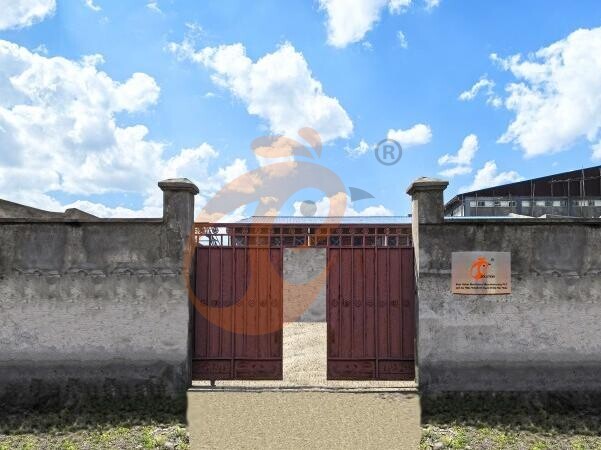
Ethiopia Best Hebei Machinery Manufacturing PLC
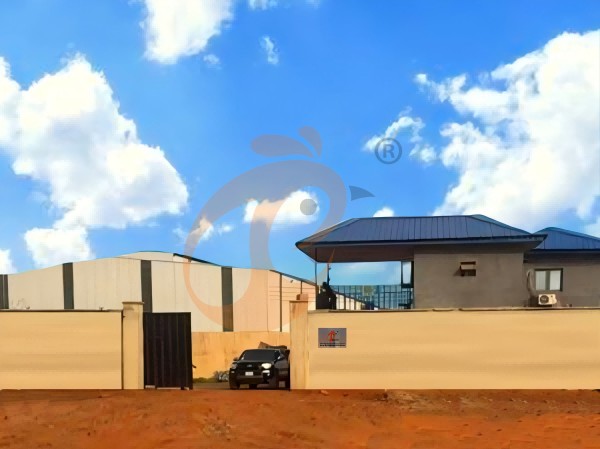
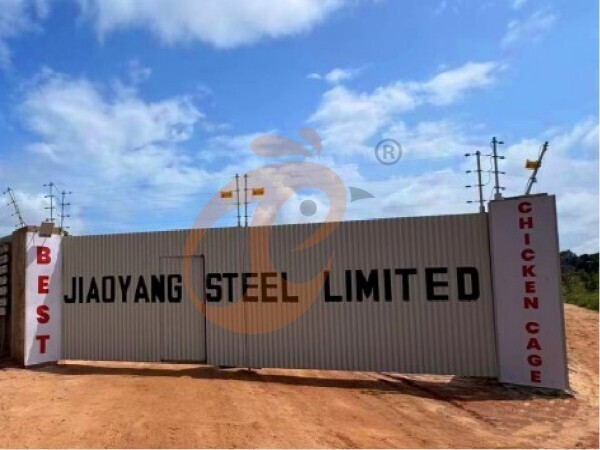
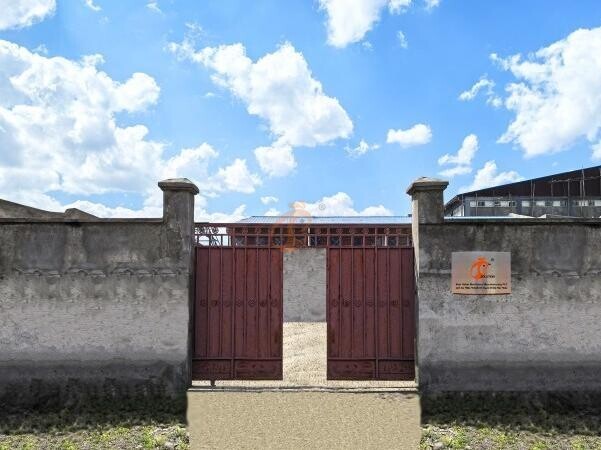
Reception /24 WhatsApp NO. : +8618830120193
FAQ
How To Maximize Egg Collection Efficiency Using Automated Layer Cage Systems?
Each belt can transport 4,000–6,000 eggs/hour, reducing manual handling.
Inspect belts regularly, breakage rate 2–3%.
What Are The Top Professional Strategies For Controlling Stress In Poultry Cage Farms?
Ensure good ventilation, temperature 18–25℃, lighting 16h/day.
Automatic feeding and drinking systems ensure birds access feed and water, reducing stress-induced egg drop.
What Are The Advanced Techniques For Reducing Feed Waste In Battery Cage Farms?
Zoned feeding reduces competition and waste, cutting feed loss by 5–10%.
Combined with temperature/humidity control, FCR 1.9–2.1, egg production 90–98%.
- poultry equipment
- chicken cage
- layer cage
- poultry farm
- poultry cage
- poultry farm
- poultry farm construction
- poultry farm management
- layer cage system
- automatic chicken cage
- automatic chicken cage system
- chicken cage equipment
- automatic poultry cage
- poultry cage equipment
- poultry house
- chicken cage system
- automatic poultry cage system
- poultry cage system
- automatic poultry farm
- layer chicken cage
- poultry farming equipment
- automatic poultry farming equipment
- poultry house layout
- Ethiopia
- Nigeria
Message
Products recommended
 HK Headquarter Offers EU-standard Poultry Farm Solutions, Manufacture Poultry Farm Equipment1. Continuous communication with the EU and the US
2. China, Nigeria, Ethiopia, Tanzania branch companies and factories
3. The products’ quality is customized for local poultry farms
4. Poultry cage and poultry farm equipment stock for sale
5. 24 online reception Whatsapp NO. : +8618830120193,contact us to get full informationRead More China Branch Offer Poultry Farm Business Plan, Manufacture Poultry Farm Equipment1. Address: Flat/RM 2416, 24/F, Runxing Building, Youyi Nan Street, Shijiazhuang City, Hebei Province, China
2. Poultry cage and poultry farm equipment factory and stock for sale
3. Customized for local poultry farms
4. Quality and design are based on Euro
5. 24 online reception Whatsapp NO. : +8618830120193Read More Nigeria Branch Offer Poultry Farm Business Plan, Manufacture Poultry Farm Equipment1. Address: After Sinoma Office, 200 Meters Near Danco Filling Station, Lagos/Ibadan Expressway, Lagos State, Nigeria
2. Poultry cage and poultry farm equipment factory and stock for sale
3. Customized for Nigerian poultry farms
4. Quality and design are based on Euro
5. 24 online reception Whatsapp NO. : +8618830120193Read More Ethiopia Branch Offer Poultry Farm Business Plan, Manufacture Poultry Farm Equipment1. Address: Gelan Gura, Akaki-kaliti Sub City, Addis Ababa, Ethiopia
2. Poultry cage and poultry farm equipment stock for sale
3. Customized for Ethiopian poultry farms
4. Quality and design are based on Euro
5. 24 online reception Whatsapp NO. : +8618830120193, contact us to get price listRead More Tanzania Branch Offer Poultry Farm Business Plan, Manufacture Poultry Farm Equipment1. Address: No.8, Sova Road, Msufini, Mlandizi, Kibaha, Pwani, Tanzania
2. Poultry cage and poultry farm equipment factory and stock for sale
3. Customized for Tanzanian poultry farms
4. Quality and design are based on Euro
5. 24 online reception Whatsapp NO. : +8618830120193Read More Fully Automatic H Type Layer Chicken Cage1. 30,000-100,000+ layers/house chooses it, Poultry farmers can achieve an egg production rate of 96-98%
2. A significant improvement over the 85-90% typically seen in manual systems
3. A typical poultry farm can expect a 30-40% reduction in labor costs due to the automation
4. Each feeding line efficiently supplies feed to around 100,000 hens per 30 mins
5. Reception /WhatsApp NO. : +8618830120193Read More Fully Automatic A Type Layer Chicken Cage1. 10,000-50,000 layers/house chooses it
2. Cleaner egg collection reduces breakage by 0.5%
3. Improved hygiene helps reduce mortality rate to <3%
4. 1–2 technicians can handle 15,000–30,000 birds
5. Reception /WhatsApp NO. : +8618830120193Read More Semi Automatic H Type Layer Chicken Cage1. 1,00-20,000 layers/house chooses it
2. Nipple drinkers flow 30–60 ML / min
3. Hot-dip galvanized (typical coating ≥ 275 g/m²)
4. Reduce ammonia by ~ 35–40%
5. Reception /WhatsApp NO. : +8618830120193Read More Semi Automatic A Type Layer Chicken Cage1. 1,00-20,000 layers/house chooses it, no rust for 10 years, no deformation for 15 years
2. Chickens live comfortably, you can raise them with peace of mind
3. Save water, save money—efficiency you can measure
4. Improve environment quality, and increase egg production rate
5. Reception /WhatsApp NO. : +8618830120193Read More
By clicking 'Allow All', you agree to the storage of cookies on your device to enhance site navigation, analyze site usage and assist with our marketing efforts.