


Blog
How To Start Poultry Farming?
Industry Context And Market Trends related
Global demand for poultry meat and eggs continues to grow due to urbanization and shifting diets. For executives exploring how to start poultry farming, understanding regional feed costs, import tariffs, and cold chain logistics is essential. Emerging trends include precision feeding, climate-controlled houses, and automated cages that reduce labor intensity and improve flock uniformity.
Business Models And Application Scenarios
There are several viable models: contract broiler production, integrated layer operations, and fully integrated farms with on-site processing. Each model affects cost structure differently. For a decision maker evaluating how to start poultry farming, choosing the right model depends on market access, processing capacity, and risk appetite.
Cost Breakdown: CAPEX And OPEX — Core Of How To Start Poultry Farming
Below is a standard cost breakdown to help answer how to start poultry farming. Numbers vary by region but categories remain consistent: land & civil works, housing & cages, climate control, feeding & water systems, chicks and broodstock, feed, veterinary and biosecurity, labor, utilities, and processing.
Example: Baseline Budget For A 30,000-Bird Layer House
For decision makers modeling how to start poultry farming at scale, a single 30,000-bird pen may require a six-figure CAPEX in USD depending on localization, automation level and land cost. Automated cage lines and feed systems increase initial spend but lower OPEX and labor risk.
Equipment And Technical Performance: Essential For How To Start Poultry Farming
High-quality equipment reduces mortality, improves feed conversion and shortens payback periods. Technical specs to evaluate include material grade (galvanized steel or stainless for longevity), automation level, energy efficiency and maintenance intervals. When evaluating vendors, ask for uptime metrics, spare parts lead times, and case studies.
Procurement Guide And Vendor Selection
Set performance KPIs: mortality target, feed conversion ratio, egg production or weight gain.
Require lifecycle cost quotes not just purchase price.
Verify references and global projects—projects in Dubai, Nigeria and Australia demonstrate supplier capability in different environments.
Negotiate training, commissioning and spare parts packages.
Standards, Certification And Compliance
Compliance with international standards such as ISO 22000 for food safety, OIE biosecurity guidelines, and local animal welfare regulations forms part of the risk mitigation strategy. Decision makers must ensure traceability, record-keeping, and third-party audits are included in operational plans.
Cost Alternatives And Sensitivity Analysis
Run sensitivity scenarios for feed price fluctuations, mortality shocks and yield variance. Compare building insulated houses versus open-sided houses with more mechanization. Use NPV and IRR models to show payback under conservative and optimistic cases. This analysis guides decisions on automation levels and financing structure.
Common Misconceptions Clarified For Leaders Researching
- Myth: Low-cost equipment is always cheaper — Reality: higher downtime and poor efficiency often increase long-term costs.
- Myth: Poultry farming is low skill — Reality: modern operations require veterinary, engineering and data management skills.
Myth: Small farms always outperform — Reality: scale often drives feed and processing efficiencies.
Customer Case Studies: Real Examples To Inform
TAIYU INDUSTRIAL GROUP CO., LTD has executed projects from 30,000-bird pens to multi-million capacity farms. Projects in Dubai (15 pens of layers), Nigeria (hatching to processing 100,000 broilers) and Australia (steel structure houses and automated cages) provide practical lessons in procurement, commissioning and after-sales support. Reviewing these case studies helps frame timelines and vendor performance expectations when deciding how to start poultry farming.
Risk Management And Operational Best Practices When You Start Poultry Farming
Key risk mitigations include strict biosecurity buffers, vaccination protocols, feed supplier diversification and energy redundancy. For executives, set escalation paths for disease outbreaks and integrate performance dashboards to monitor mortality, feed consumption and environmental controls in real time.
ROI, Financing Options And Decision Triggers
Estimate payback periods with conservative feed and price assumptions. Consider vendor financing, equipment leasing, and supplier take-or-pay feed contracts. Decision triggers should include confirmed off-take agreements, secured financing, and approved environmental permits.
FAQ: Quick Answers To Common Questions
- Q: What is the minimum scale? A: Commercial viability typically starts at multiple tens of thousands of birds for integrated models.
Q: How long to break even? A: Typically 3–7 years depending on automation and market.
Final Recommendations And Call To Action
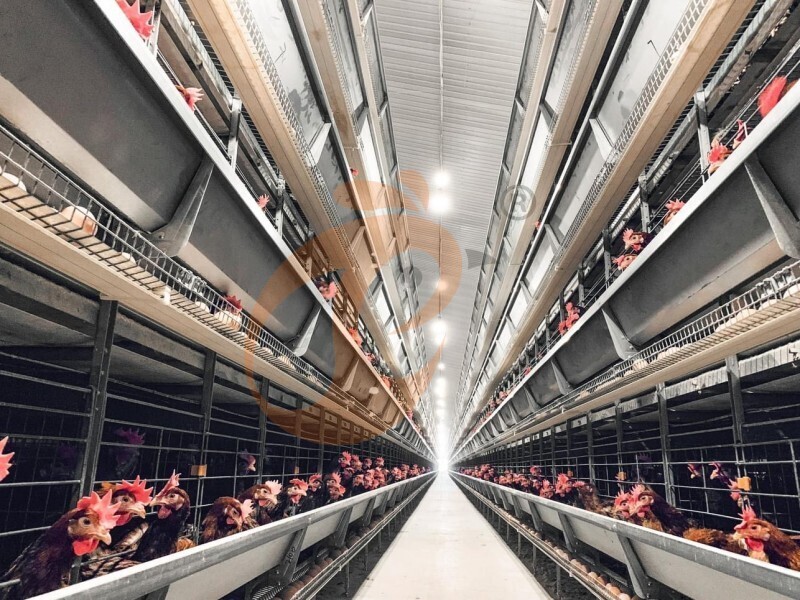
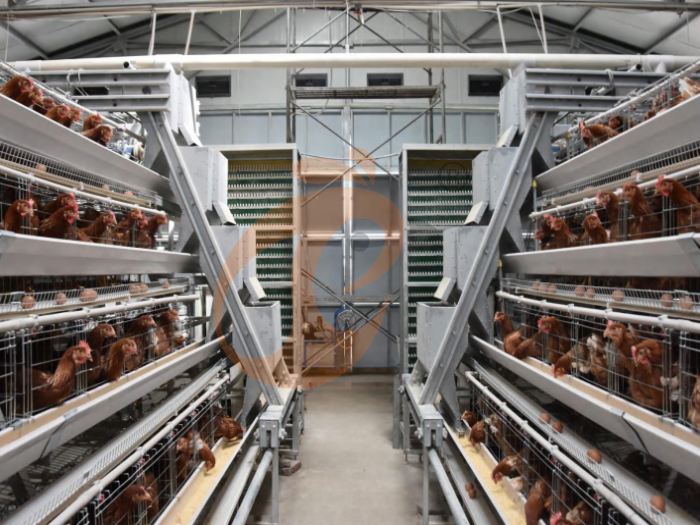
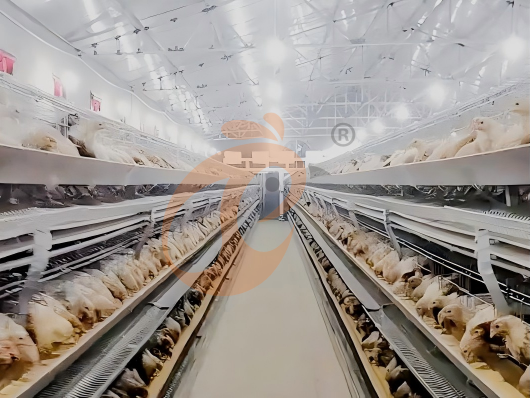
Decision makers asking how to start poultry farming should begin with a phased feasibility study: market due diligence, CAPEX/OPEX modeling, pilot house deployment and then scale. Prioritize equipment vendors with proven international projects and clear after-sales support. For tailored project proposals and lifecycle cost analysis, contact TAIYU INDUSTRIAL GROUP CO., LTD and evaluate solutions like the Fully Automatic H Type Layer Chicken Cage Design - The Most Intelligent Modern Big Poultry Farm Solution to align technical performance with financial goals.
Why choose us: We combine German production technology with global project experience to help you implement efficient, compliant and scalable poultry operations. Contact our team for a project consultation and detailed cost model to support your decision on how to start poultry farming.
Tag
Message
Products recommended
 HK Headquarter Offers EU-standard Poultry Farm Solutions, Manufacture Poultry Farm Equipment1. Continuous communication with the EU and the US
2. China, Nigeria, Ethiopia, Tanzania branch companies and factories
3. The products’ quality is customized for local poultry farms
4. Poultry cage and poultry farm equipment stock for sale
5. 24 online reception Whatsapp NO. : +8618830120193,contact us to get full informationRead More China Branch Offer Poultry Farm Business Plan, Manufacture Poultry Farm Equipment1. Address: Flat/RM 2416, 24/F, Runxing Building, Youyi Nan Street, Shijiazhuang City, Hebei Province, China
2. Poultry cage and poultry farm equipment factory and stock for sale
3. Customized for local poultry farms
4. Quality and design are based on Euro
5. 24 online reception Whatsapp NO. : +8618830120193Read More Nigeria Branch Offer Poultry Farm Business Plan, Manufacture Poultry Farm Equipment1. Address: After Sinoma Office, 200 Meters Near Danco Filling Station, Lagos/Ibadan Expressway, Lagos State, Nigeria
2. Poultry cage and poultry farm equipment factory and stock for sale
3. Customized for Nigerian poultry farms
4. Quality and design are based on Euro
5. 24 online reception Whatsapp NO. : +8618830120193Read More Ethiopia Branch Offer Poultry Farm Business Plan, Manufacture Poultry Farm Equipment1. Address: WR93+FQ2, Addis Ababa, Ethiopia
2. Poultry cage and poultry farm equipment stock for sale
3. Customized for Ethiopian poultry farms
4. Quality and design are based on Euro
5. 24 online reception Whatsapp NO. : +8618830120193, contact us to get price listRead More Tanzania Branch Offer Poultry Farm Business Plan, Manufacture Poultry Farm Equipment1. Address: No.8, Sova Road, Msufini, Mlandizi, Kibaha, Pwani, Tanzania
2. Poultry cage and poultry farm equipment factory and stock for sale
3. Customized for Tanzanian poultry farms
4. Quality and design are based on Euro
5. 24 online reception Whatsapp NO. : +8618830120193Read More Fully Automatic H Type Layer Chicken Cage1. 30,000-100,000+ layers/house chooses it, Poultry farmers can achieve an egg production rate of 96-98%
2. A significant improvement over the 85-90% typically seen in manual systems
3. A typical poultry farm can expect a 30-40% reduction in labor costs due to the automation
4. Each feeding line efficiently supplies feed to around 100,000 hens per 30 mins
5. Reception /WhatsApp NO. : +8618830120193Read More Fully Automatic A Type Layer Chicken Cage1. 10,000-50,000 layers/house chooses it
2. Cleaner egg collection reduces breakage by 0.5%
3. Improved hygiene helps reduce mortality rate to <3%
4. 1–2 technicians can handle 15,000–30,000 birds
5. Reception /WhatsApp NO. : +8618830120193Read More Semi Automatic H Type Layer Chicken Cage1. 1,00-20,000 layers/house chooses it
2. Nipple drinkers flow 30–60 ML / min
3. Hot-dip galvanized (typical coating ≥ 275 g/m²)
4. Reduce ammonia by ~ 35–40%
5. Reception /WhatsApp NO. : +8618830120193Read More Semi Automatic A Type Layer Chicken Cage1. 1,00-20,000 layers/house chooses it, no rust for 10 years, no deformation for 15 years
2. Chickens live comfortably, you can raise them with peace of mind
3. Save water, save money—efficiency you can measure
4. Improve environment quality, and increase egg production rate
5. Reception /WhatsApp NO. : +8618830120193Read More
By clicking 'Allow All', you agree to the storage of cookies on your device to enhance site navigation, analyze site usage and assist with our marketing efforts.