


Blog
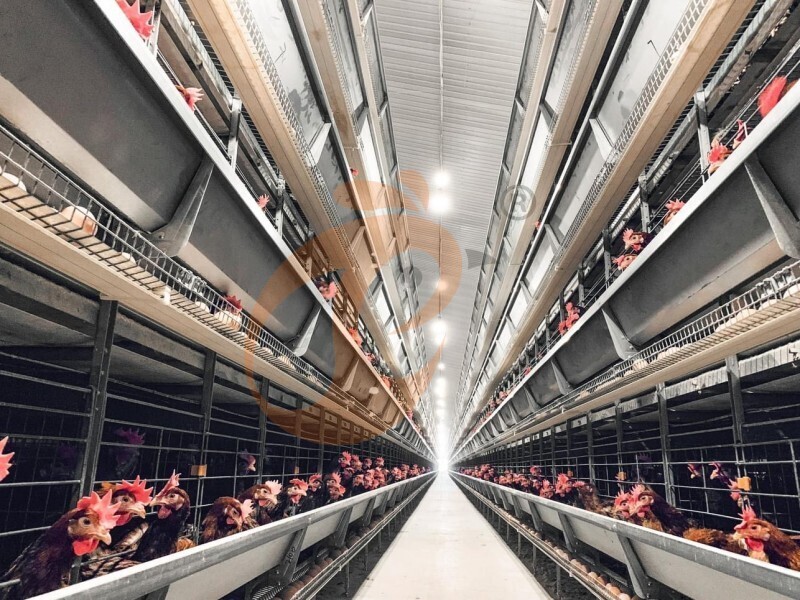
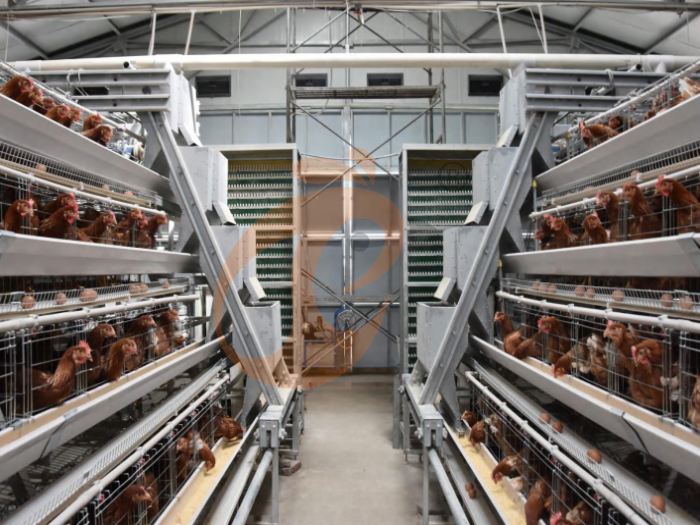
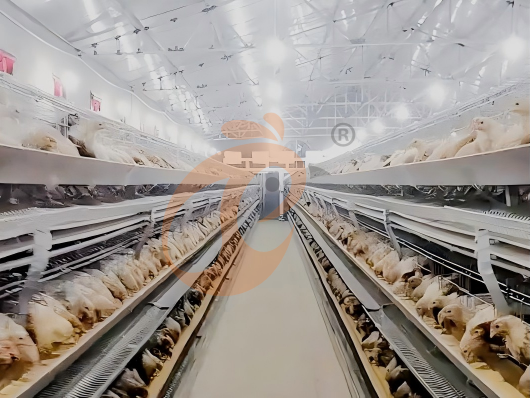
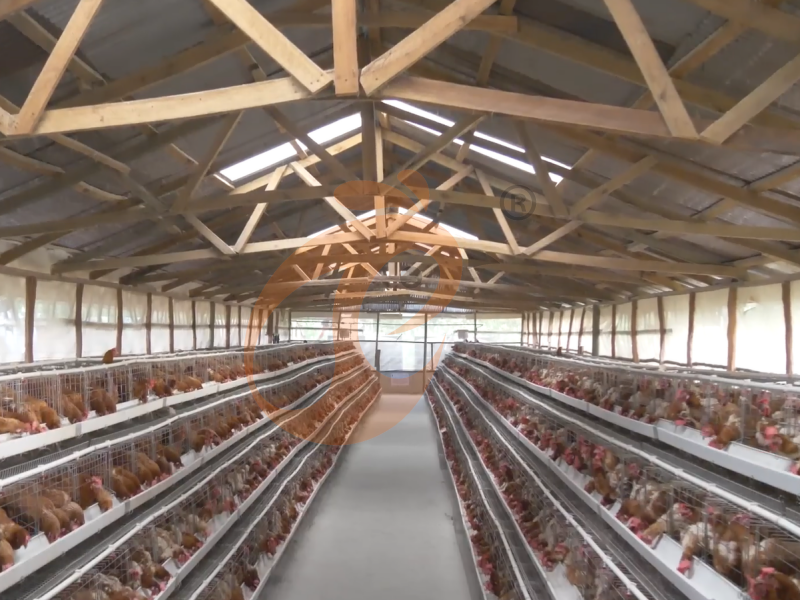
A type poultry cage systems support stable commercial egg production across modern poultry farms.
Steel structure durability directly influences production continuity, maintenance frequency, and long-term investment stability.
Galvanization technology, ventilation efficiency, manure management, and drinking system maintenance determine actual operational lifespan.
Commercial layer farms operating 10,000 to 50,000 birds require durable poultry cage systems for continuous flock cycles.
Explains cage lifespan data, corrosion prevention standards, maintenance schedules, and structural performance using practical poultry engineering information.
Get professional poultry farm construction guidance, equipment selection solutions, and the latest price lists, whatsApp to +8618830120193, +2348111199996, or click to learn more.
Why A Type Poultry Cage Systems Remain Popular
A type poultry cage systems remain widely used because installation cost stays lower than fully automatic vertical cage systems.
Commercial layer farms also benefit from convenient bird observation, stable egg rolling angles, and simplified feeding management.
Medium scale poultry projects frequently choose A type poultry cage systems for 5,000 to 30,000 laying hens because building height requirements remain moderate.
Data is for reference only.Swipe horizontally to view full table.
Commercial poultry farms commonly operate each flock cycle for 72 to 90 weeks before flock replacement.
Continuous yearly production therefore requires strong cage structural durability and corrosion resistance.
Average Lifespan Of An A Type Poultry Cage System
Different manufacturing standards produce significantly different operational lifespans.
Ordinary painted poultry cages usually develop visible corrosion after several years inside high-humidity poultry houses.
Hot dipped galvanized A type poultry cage systems normally maintain structural stability much longer under continuous commercial operation.
Data is for reference only.Swipe horizontally to view full table.
Higher zinc coating thickness improves resistance against ammonia corrosion and water vapor oxidation.
Poultry farms located in tropical climates generally require stronger anti-corrosion protection because annual relative humidity often exceeds 75%.
European union standard reference only.
Steel Thickness Determines Structural Stability
The steel framework carries the total weight of birds, feeding systems, drinking lines, and egg collection structures every day.
Weak steel material gradually bends under continuous operational pressure.
Large poultry farms operating over 20,000 laying hens normally select reinforced support frames to reduce long-term maintenance expenses.
Data is for reference only.Swipe horizontally to view full table.
Thicker steel structures reduce cage vibration during automatic feeding operations and improve long-term structural safety.
Automatic feeding motors generate repeated movement pressure several times daily across large poultry houses.
Poultry House Environment Directly Influences Cage Durability
Chicken manure continuously releases ammonia gas, moisture, and acidic compounds during decomposition.
Poor ventilation conditions accelerate metal oxidation and gradually damage galvanized surfaces.
Commercial poultry houses therefore require controlled environmental parameters for both equipment protection and bird health management.
Data is for reference only.Swipe horizontally to view full table.
Research data from commercial layer farms shows egg production may decline by 3% to 7% when ammonia concentration remains above 30 ppm continuously.
Ventilation management therefore affects both production efficiency and poultry cage lifespan simultaneously.
Galvanization Technology Protects The Cage Surface
Galvanization creates the primary anti-rust protection layer on poultry cage steel surfaces.
Different coating technologies provide completely different corrosion resistance performance under commercial poultry farming conditions.
Hot dipped galvanization immerses steel components into molten zinc at approximately 450°C, creating thicker surface protection.
Data is for reference only.Swipe horizontally to view full table.
Coastal poultry farms generally prefer galfan coated A type poultry cage systems because salt moisture accelerates metal corrosion rapidly.
Higher corrosion resistance significantly reduces long-term repair frequency and structural replacement costs.
Ventilation Systems Reduce Moisture Accumulation
Ventilation systems remove excess heat, moisture, dust, and ammonia gas from poultry houses continuously.
Poor airflow allows condensation to form on cage surfaces, especially during seasonal temperature fluctuations.
Tunnel ventilation systems combined with exhaust fans and cooling pads remain common solutions for large commercial layer farms.
Data is for reference only.Swipe horizontally to view full table.
Stable airflow helps galvanized cage surfaces remain dry and reduces bacterial accumulation around manure collection areas.
Well designed ventilation systems also improve feed conversion efficiency during high temperature seasons.
Water Leakage Creates Hidden Corrosion Damage
Drinking system leakage remains one of the most overlooked causes of cage corrosion.
Small nipple drinker leaks continuously increase floor humidity near feeding troughs and cage joints.
Long-term water exposure gradually damages zinc coating protection and accelerates structural deterioration.
Data is for reference only.Swipe horizontally to view full table.
Commercial poultry farms should inspect drinking pressure regulators and nipple valves frequently to prevent hidden equipment damage.
Routine drinking line maintenance reduces future cage replacement expenses significantly.
Daily Maintenance Extends Operational Lifespan
Preventive maintenance helps poultry farms avoid major structural failures and unexpected production interruptions.
Small structural problems often become expensive repair projects when maintenance schedules remain inconsistent.
Professional poultry farms usually establish fixed monthly equipment inspection systems for cage structures and mechanical components.
Data is for reference only.Swipe horizontally to view full table.
Routine inspection management reduces emergency maintenance costs and improves yearly operational stability.
Large commercial poultry farms commonly assign specialized technicians specifically for cage system maintenance management.
Stocking Density Influences Cage Wear Rate
Overcrowded poultry cages increase wire mesh pressure and accelerate structural fatigue.
Proper stocking density improves airflow around birds while reducing metal deformation caused by excessive bird weight concentration.
Commercial layer farms generally follow standard bird spacing recommendations based on bird age and body weight.
Data is for reference only.Swipe horizontally to view full table.
Correct stocking density also improves egg cleanliness and reduces feather pecking behavior among laying hens.
Balanced cage loading therefore supports both production performance and equipment durability.
Common Signs Of Poultry Cage Aging
Even high quality A type poultry cage systems eventually develop structural aging symptoms after many years of continuous operation.
Early identification of damage indicators helps poultry farms avoid larger repair costs and production risks.
Data is for reference only.Swipe horizontally to view full table.
Ignoring cage structural aging may increase bird injury rates and reduce operational efficiency across commercial layer farms.
Timely maintenance planning helps poultry farms maintain stable production continuity.
Frequently Asked Questions
Q1: How long can a hot dipped galvanized a type poultry cage system last?
A1: Hot dipped galvanized A type poultry cage systems generally operate for 15 to 20 years under commercial poultry farming conditions.
Operational lifespan depends heavily on ventilation quality, manure cleaning frequency, drinking system leakage control, and environmental humidity management.
Commercial poultry farms maintaining ammonia concentration below 20 ppm and relative humidity between 50% and 70% usually achieve longer cage durability performance.
Routine maintenance inspections every 30 days also reduce structural damage accumulation significantly.
Q2: Which poultry house condition damages cage systems fastest?
A2; High humidity combined with ammonia accumulation creates the fastest cage corrosion environment.
Poultry houses operating above 75% humidity and above 25 ppm ammonia concentration normally experience accelerated zinc coating deterioration.
Continuous nipple drinker leakage additionally increases localized cage rust formation near feeding troughs and lower support structures.
Commercial farms therefore install tunnel ventilation systems and automatic manure removal systems to reduce moisture concentration effectively.
Q3: Is galfan coating better than hot dipped galvanization?
A3: Galfan coating normally provides longer corrosion resistance compared with standard hot dipped galvanization under high humidity farming environments.
Galfan coated poultry cage systems commonly achieve 20 to 25 operational years because aluminum zinc alloy protection improves resistance against moisture and salt corrosion.
Coastal poultry farms especially prefer Galfan coated cage systems due to higher salt spray resistance ranging between 1500 and 2000 testing hours.
Taiyu (HK) Group - One Of China Largest A Type Poultry Cage Manufacturer
Professional A type poultry cage systems support stable commercial layer farming performance worldwide.
Global factory direct poultry equipment supply reduces project investment cost for international poultry farms.
Turn key poultry farm engineering includes poultry house design, ventilation systems, and automatic feeding equipment.
Hot dipped galvanized poultry cage production improves corrosion resistance under tropical poultry farming environments.
Experienced poultry equipment export teams provide installation guidance and long term technical service support.
Contact Us To Received Your Customized Poultry Farm Plan
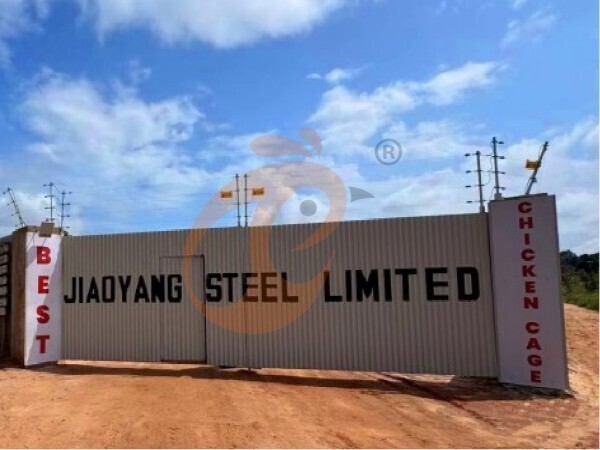
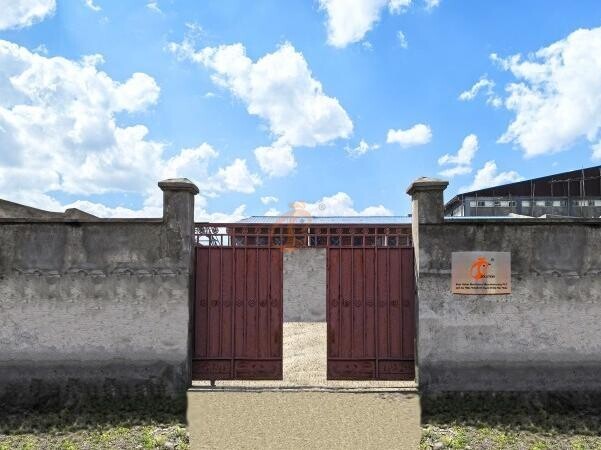
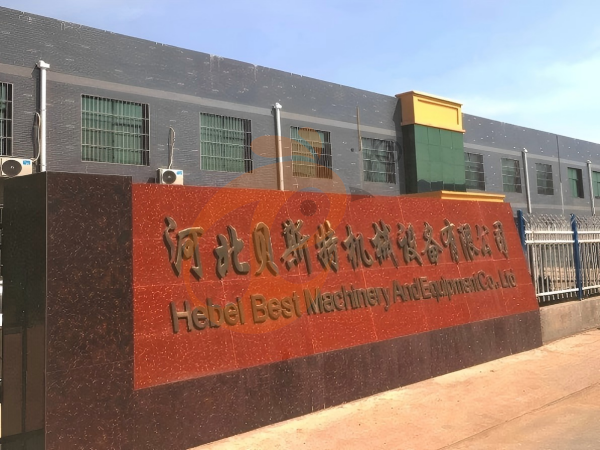
Headquarters And Branchs

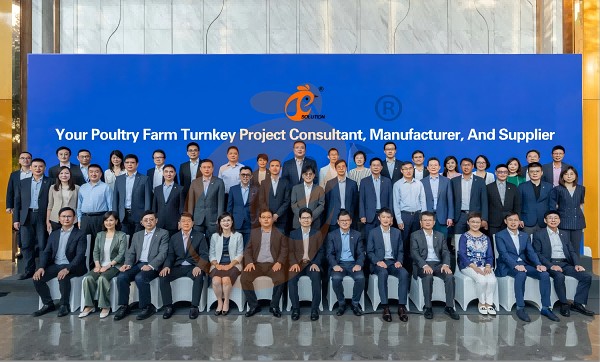
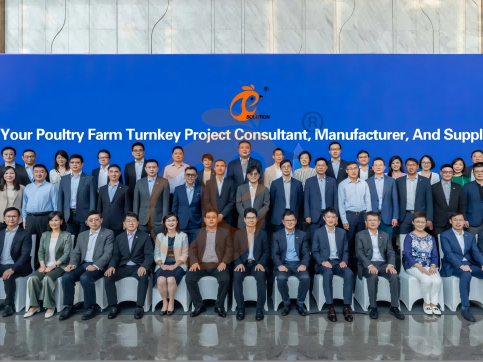
Hong Kong Headquarter Management Team
Hong Kong Headquarter Taiyu Industrial Group CO., LTD
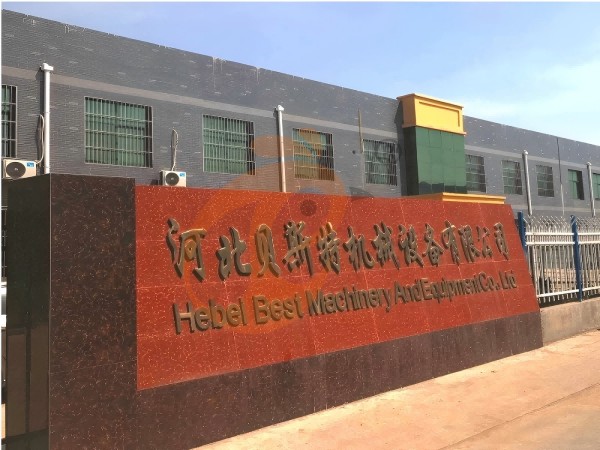
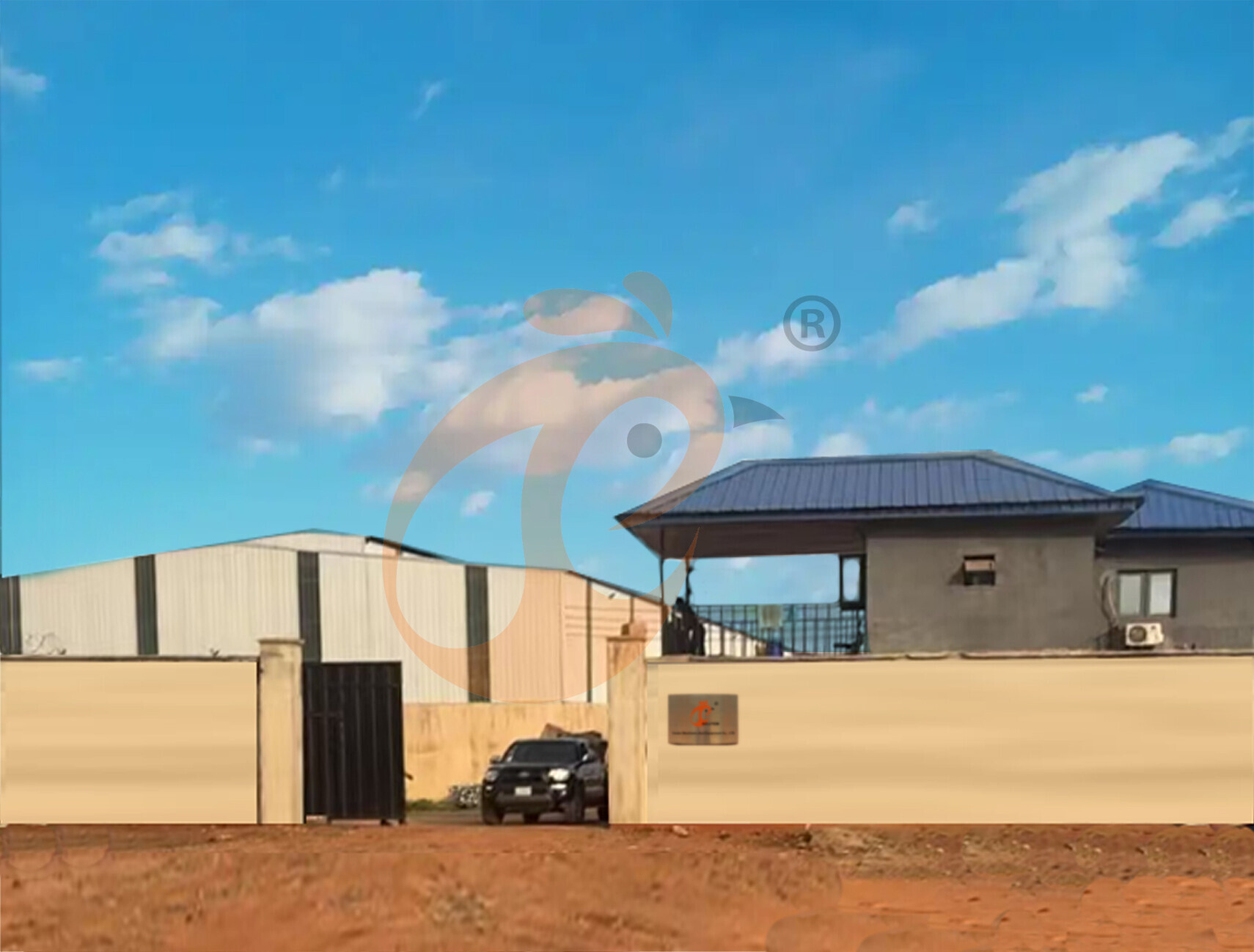
China Hebei Best Machinery And Equipment CO., LTD
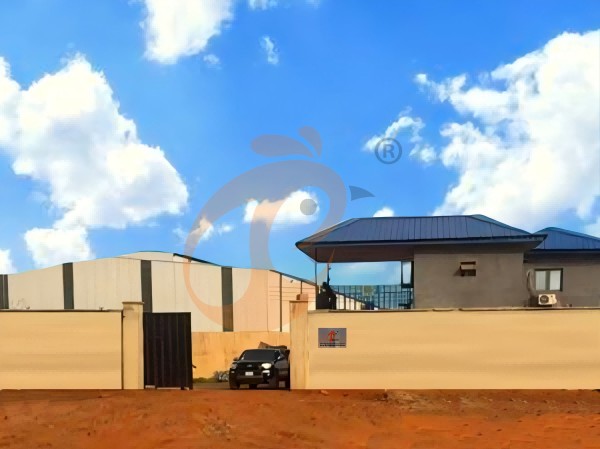
Nigeria Vanke Machinery And Equipment CO., LTD
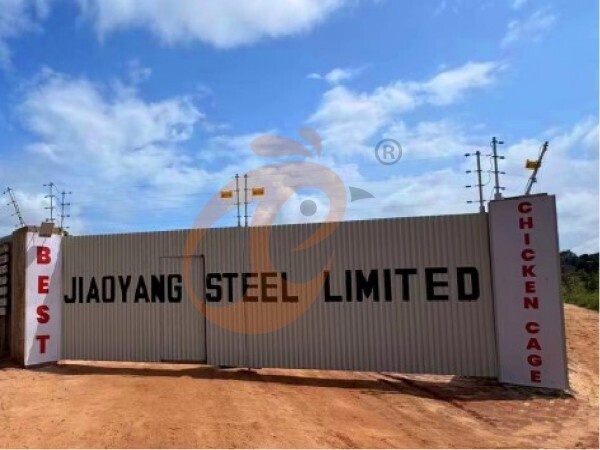
Tanzania Best Machinery And Equipment CO., LTD
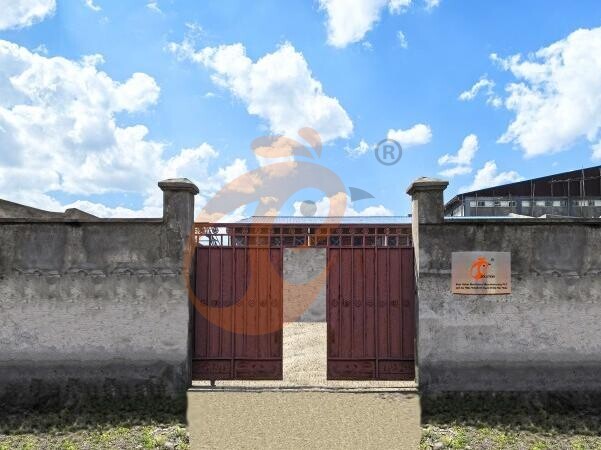
Ethiopia Best Hebei Machinery Manufacturing PLC
Reception /24 WhatsApp NO. : +8618830120193
FAQ
How To Design Cage Width And Depth For A-Type Layer Cage?
Cage depth: 400 mm
Birds per set: 120-200
Egg production rate: 90–96%
FCR: 1.9–2.2
How To Implement Biosecurity Measures In A-Type Chicken Cage Farms?
Use disinfectant doors and footbaths
Regular manure cleaning
Mortality rate: 2–3%
Egg production rate: 90–96%
What Are The Most Durable Materials For A-Type Poultry Cage Frames?
Maintain anti-corrosion coating
Lifespan: more than 25 years
Egg production rate: 90–96%
Labor savings: 50–70%
How To Optimize Feeding And Watering Lines In A-Type Layer Cage System?
Ensure consistent water pressure
FCR: 1.9–2.2
Egg production rate: 90–96%
Mortality rate: 2–3%
- poultry equipment
- poultry farm
- feeding equipment
- poultry cage
- poultry farm
- poultry farm construction
- galvanized poultry cage
- layer farm
- poultry house
- durable poultry cage
- poultry cage system
- poultry cage system manufacturer
- poultry house design
- automatic manure removal system
- automatic feeding equipment
- Ethiopia
- Nigeria
Message
Products recommended
 HK Headquarter Offers EU-standard Poultry Farm Solutions, Manufacture Poultry Farm Equipment1. Continuous communication with the EU and the US
2. China, Nigeria, Ethiopia, Tanzania branch companies and factories
3. The products’ quality is customized for local poultry farms
4. Poultry cage and poultry farm equipment stock for sale
5. 24 online reception Whatsapp NO. : +8618830120193,contact us to get full informationRead More China Branch Offer Poultry Farm Business Plan, Manufacture Poultry Farm Equipment1. Address: Flat/RM 2416, 24/F, Runxing Building, Youyi Nan Street, Shijiazhuang City, Hebei Province, China
2. Poultry cage and poultry farm equipment factory and stock for sale
3. Customized for local poultry farms
4. Quality and design are based on Euro
5. 24 online reception Whatsapp NO. : +8618830120193Read More Nigeria Branch Offer Poultry Farm Business Plan, Manufacture Poultry Farm Equipment1. Address: After Sinoma Office, 200 Meters Near Danco Filling Station, Lagos/Ibadan Expressway, Lagos State, Nigeria
2. Poultry cage and poultry farm equipment factory and stock for sale
3. Customized for Nigerian poultry farms
4. Quality and design are based on Euro
5. 24 online reception Whatsapp NO. : +8618830120193Read More Ethiopia Branch Offer Poultry Farm Business Plan, Manufacture Poultry Farm Equipment1. Address: Gelan Gura, Akaki-kaliti Sub City, Addis Ababa, Ethiopia
2. Poultry cage and poultry farm equipment stock for sale
3. Customized for Ethiopian poultry farms
4. Quality and design are based on Euro
5. 24 online reception Whatsapp NO. : +8618830120193, contact us to get price listRead More Tanzania Branch Offer Poultry Farm Business Plan, Manufacture Poultry Farm Equipment1. Address: No.8, Sova Road, Msufini, Mlandizi, Kibaha, Pwani, Tanzania
2. Poultry cage and poultry farm equipment factory and stock for sale
3. Customized for Tanzanian poultry farms
4. Quality and design are based on Euro
5. 24 online reception Whatsapp NO. : +8618830120193Read More Fully Automatic H Type Layer Chicken Cage1. 30,000-100,000+ layers/house chooses it, Poultry farmers can achieve an egg production rate of 96-98%
2. A significant improvement over the 85-90% typically seen in manual systems
3. A typical poultry farm can expect a 30-40% reduction in labor costs due to the automation
4. Each feeding line efficiently supplies feed to around 100,000 hens per 30 mins
5. Reception /WhatsApp NO. : +8618830120193Read More Fully Automatic A Type Layer Chicken Cage1. 10,000-50,000 layers/house chooses it
2. Cleaner egg collection reduces breakage by 0.5%
3. Improved hygiene helps reduce mortality rate to <3%
4. 1–2 technicians can handle 15,000–30,000 birds
5. Reception /WhatsApp NO. : +8618830120193Read More Semi Automatic H Type Layer Chicken Cage1. 1,00-20,000 layers/house chooses it
2. Nipple drinkers flow 30–60 ML / min
3. Hot-dip galvanized (typical coating ≥ 275 g/m²)
4. Reduce ammonia by ~ 35–40%
5. Reception /WhatsApp NO. : +8618830120193Read More Semi Automatic A Type Layer Chicken Cage1. 1,00-20,000 layers/house chooses it, no rust for 10 years, no deformation for 15 years
2. Chickens live comfortably, you can raise them with peace of mind
3. Save water, save money—efficiency you can measure
4. Improve environment quality, and increase egg production rate
5. Reception /WhatsApp NO. : +8618830120193Read More
By clicking 'Allow All', you agree to the storage of cookies on your device to enhance site navigation, analyze site usage and assist with our marketing efforts.