


Blog
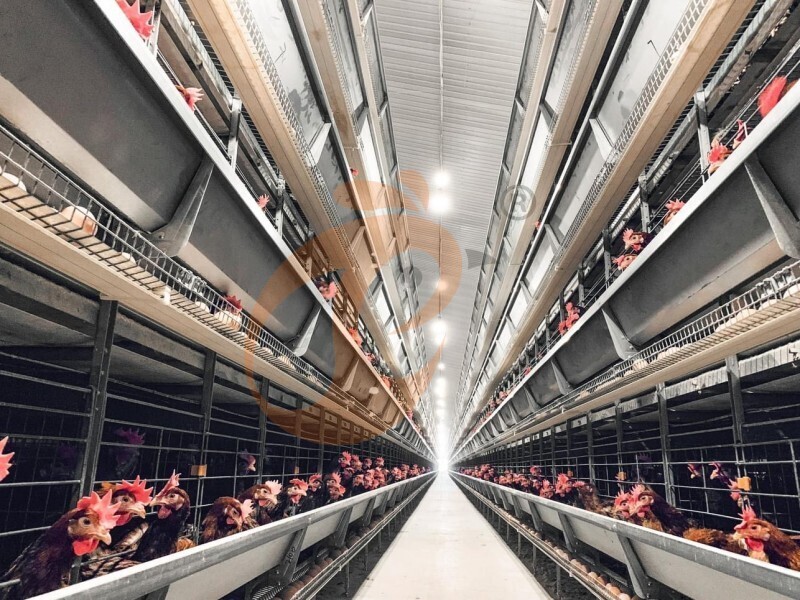
H type chicken cages support high-density layer farming through automated multi-tier poultry housing engineering systems.
Vertical cage structures increase stocking capacity from 24,000 hens to more than 90,000 hens per poultry house.
Automated feeding, nipple drinking, manure removal, and egg collection systems improve operational efficiency and production consistency.
Controlled ventilation environments reduce ammonia concentration from 42 ppm to 11 ppm inside commercial layer houses.
Commercial poultry farming operations achieve lower labor costs, improved feed conversion ratios, reduced egg breakage rates, and stronger long-term production profitability.
Get professional poultry farm construction guidance, equipment selection solutions, and the latest price lists, whatsApp to +8618830120193, +2348111199996, or click to learn more.
Structural Design Of H Type Chicken Cages
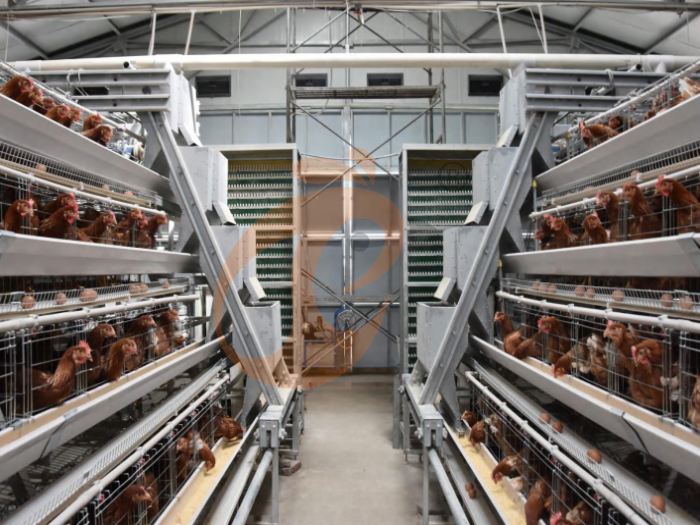
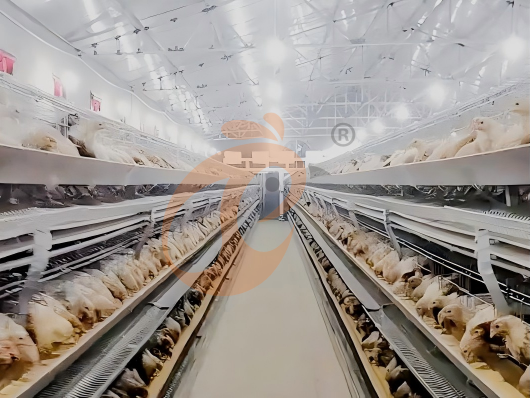
The core feature of an H type chicken cage is the vertical arrangement.
Multiple cage tiers are stacked upward while maintaining a stable steel framework.
This structure increases bird capacity without requiring additional land area.
Commercial H type systems are commonly installed inside environmentally controlled poultry houses with tunnel ventilation and automated climate systems.
Data is for reference only.Swipe horizontally to view full table.
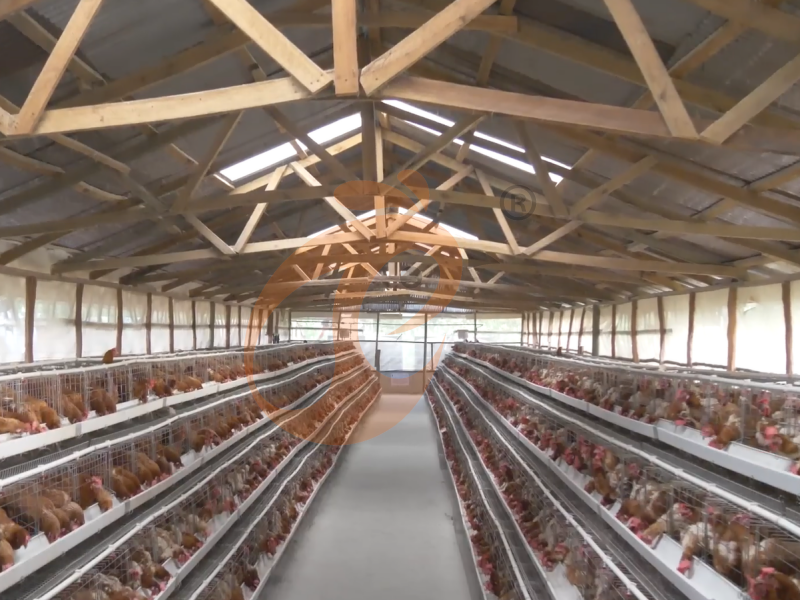
Because the cages utilize vertical building space, farms can significantly increase housing density compared with floor systems or A-frame cages.
Increased Stocking Capacity In Poultry Houses
One of the primary reasons farms adopt H type cages is the dramatic increase in stocking capacity.
Modern egg farms aim to maximize egg production per square meter while maintaining manageable operational conditions.
A conventional open-floor poultry house may hold only several thousand hens.
By contrast, H type systems can accommodate more than 80,000 layers inside the same structural footprint depending on building dimensions.
Data is for reference only.Swipe horizontally to view full table.
This increased density allows poultry enterprises to improve land utilization and expand production without purchasing additional farmland.
Automated Feeding Systems Reduce Labor Requirements
Labor costs continue to rise in commercial agriculture.
Automated feeding systems integrated into H type cages reduce the number of workers required for daily poultry management.
Feed is delivered evenly through automatic feed carts or chain feeding systems.
Uniform feed distribution improves flock consistency and reduces underfeeding or feed competition.
On a medium scale poultry farm with 50,000 laying hens, automated systems can reduce labor demand by more than half compared with manual feeding operations.
Data is for reference only.Swipe horizontally to view full table.
This reduction in labor dependency is especially important in regions experiencing agricultural workforce shortages.
Feed Efficiency And Reduced Waste
Feed typically accounts for 60%–70% of total egg production costs.
Even small improvements in feed efficiency can significantly increase profitability.
H type chicken cages are equipped with precision feeding troughs that minimize feed scattering.
Uniform feeding access also ensures more consistent nutrient intake across the flock.
Commercial farms using modern H type systems often achieve feed conversion ratios between 1.95 and 2.10 kg of feed per kilogram of egg mass.
Data is for reference only.Swipe horizontally to view full table.
Reduced feed waste directly improves economic performance in commercial layer operations.
Automatic Egg Collection Improves Product Quality
Egg breakage is a major financial concern for large poultry farms.
Manual egg collection increases handling frequency and raises the risk of shell damage.
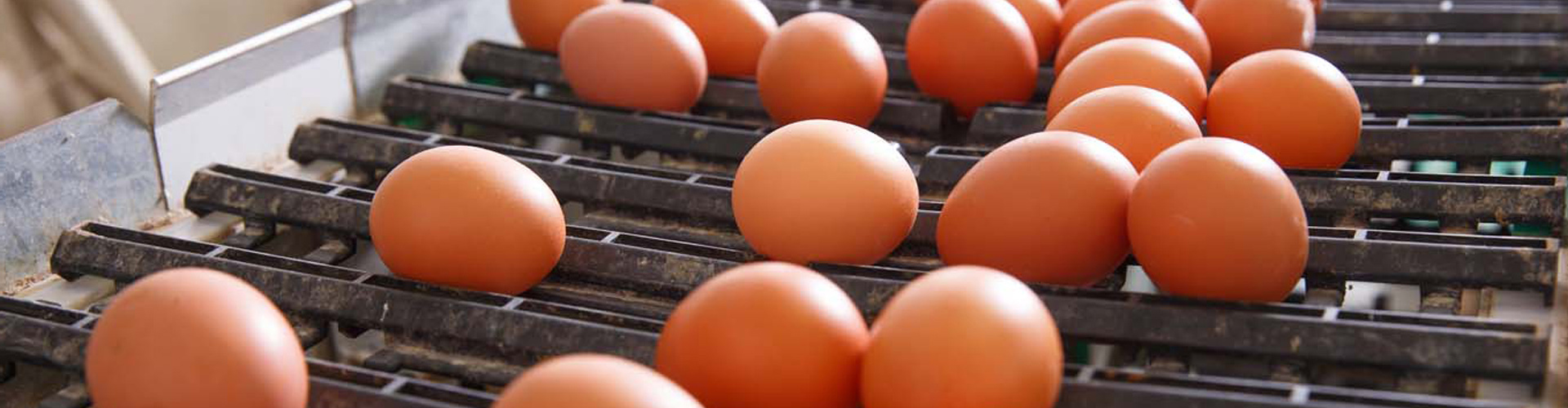
H type systems use automatic egg belts that transport eggs directly from cages to collection tables or grading rooms.
This process reduces physical impact and shortens collection time.
Data is for reference only.Swipe horizontally to view full table.
In a farm producing 45,000 eggs per day, reducing breakage from 3.8% to 0.6% can preserve more than 1,400 additional marketable eggs daily.
Automatic collection systems also improve egg cleanliness because eggs have less contact with manure and dust.
Manure Removal Systems Support Cleaner Environments
Poor manure management leads to ammonia accumulation, increased moisture, and higher disease pressure in poultry houses.
Modern H type cages use automatic manure belt systems that remove waste continuously or at scheduled intervals.
This greatly improves air quality inside the poultry building.
Data is for reference only.Swipe horizontally to view full table.
Lower ammonia exposure helps reduce respiratory stress in laying hens and creates safer working conditions for farm employees.
Why Controlled Housing Improves Egg Production
Laying hens are highly sensitive to environmental fluctuations.
Scientific studies in poultry physiology show that heat stress, irregular lighting, and poor ventilation can reduce egg production by 8%–20%.
H type cage systems are usually installed inside closed poultry houses equipped with environmental control technologies.
These systems stabilize airflow, temperature, humidity, and lighting duration.
Stable environmental conditions support hormonal balance and maintain consistent laying cycles.
For example, research data from commercial layer farms indicate that maintaining indoor temperatures between 18°C and 24°C supports optimal feed intake and egg shell quality.
Data is for reference only.Swipe horizontally to view full table.
Controlled environments are therefore critical for maximizing layer performance in intensive farming systems.
Water Supply Systems Improve Flock Health
H type chicken cages commonly use nipple drinking systems connected to pressure-regulated pipelines.
Compared with open drinking systems, nipple drinkers reduce water contamination and improve hygiene.
Clean water access is essential because laying hens consume approximately 1.8 to 2.3 times more water than feed by weight.
Data is for reference only.Swipe horizontally to view full table.
Lower water waste also reduces litter moisture and contributes to improved air quality inside the poultry house.
Biosecurity Advantages In Intensive Layer Farming
Disease outbreaks can cause severe financial losses in commercial poultry production.
H type cage systems support stronger biosecurity management because birds remain separated in organized compartments.
The structured arrangement simplifies vaccination, health monitoring, and mortality inspection.
Data is for reference only.Swipe horizontally to view full table.
Lower mortality and reduced veterinary expenses significantly improve long-term production stability.
Economic Performance Of Large-Scale H Type Cage Farms
Although H type systems require larger initial investment, production efficiency generates stronger long-term returns.
A commercial layer farm with 100,000 hens can achieve substantial gains through labor savings, feed efficiency, and increased egg output.
European union standard reference only.
Data is for reference only.Swipe horizontally to view full table.
Despite slightly higher electricity consumption caused by automation equipment, overall profitability increases considerably.
Supporting Sustainable Poultry Farming
Modern poultry farms are under increasing pressure to reduce environmental impact while maintaining high productivity.
H type cage systems support sustainable farming by improving manure collection efficiency and reducing resource waste.
Collected manure can be processed into organic fertilizer or biogas feedstock, creating additional revenue streams for poultry enterprises.
Data is for reference only.Swipe horizontally to view full table.
These improvements help commercial poultry farms comply with stricter environmental regulations.
Future Development Of H Type Layer Farming Systems
The next generation of H type chicken cage systems is becoming increasingly digitalized.
Modern farms are integrating intelligent monitoring technologies into poultry production.
Sensors can now track feed consumption, water intake, egg production rate, indoor ammonia levels, temperature fluctuations, and bird movement patterns.
Some advanced farms also use artificial intelligence to detect abnormal flock behavior before disease symptoms become visible.
Industry analysts project that automated cage based layer farming will continue expanding globally because of increasing demand for efficient protein production.
Frequently Asked Questions
Q1: What bird capacity can H type chicken cages support?
A1: Commercial 8-tier H type chicken cages can support 68,000 laying hens inside a 100 m × 15 m poultry house.
Large integrated poultry farms commonly install 16-tier systems for more than 90,000 hens.
Q2: How much labor can automated H type systems save?
A2: Automatic feeding, drinking, egg collection, and manure removal systems can reduce labor demand by approximately 65%–72% compared with manual poultry management.
Large farms with 50,000 hens may operate efficiently with fewer than 10 workers.
Q3: What is the typical service life of H type chicken cages?
A3: Hot-dip galvanized H type chicken cages usually operate for 15–20 years under standard commercial poultry conditions.
Regular maintenance of feeding motors, manure belts, and ventilation systems can further extend equipment lifespan.
Taiyu (HK) Group - One Of China Largest H Type Chicken Cages Supplier
Advanced H type chicken cages support intensive layer farming with automated production management systems.
Global factory direct poultry equipment solutions support commercial egg farm investment projects.
Professional poultry cage manufacturing improves farm productivity, ventilation efficiency, and operational stability.
Turn-key poultry farm engineering services include installation guidance and technical management support.
Commercial layer farming equipment exports cover Asia, Africa, South America, and Middle Eastern markets.
Contact Us To Received Your Customized Poultry Farm Plan
Headquarters And Branchs

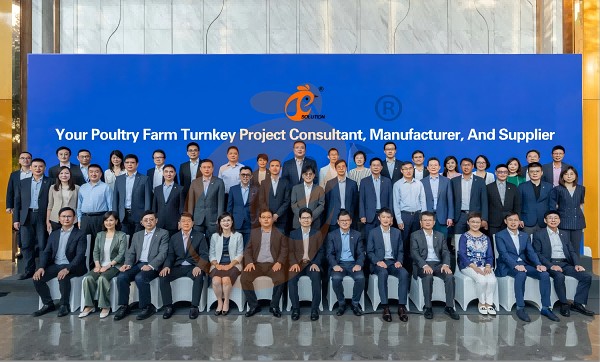
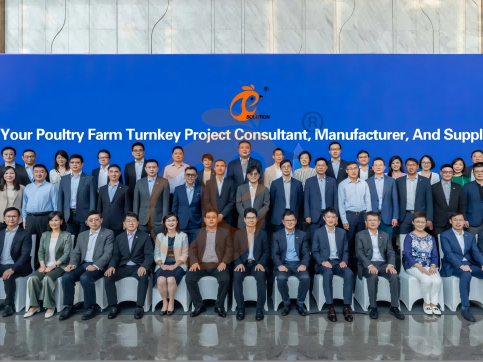
Hong Kong Headquarter Management Team
Hong Kong Headquarter Taiyu Industrial Group CO., LTD
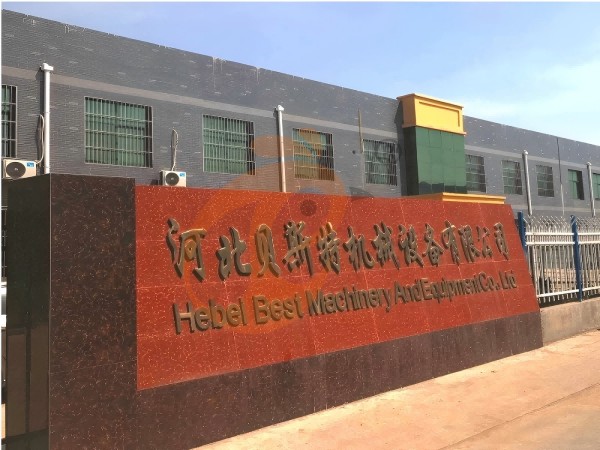
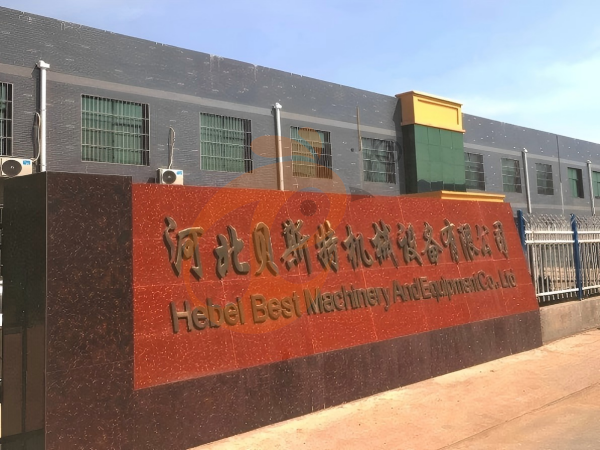
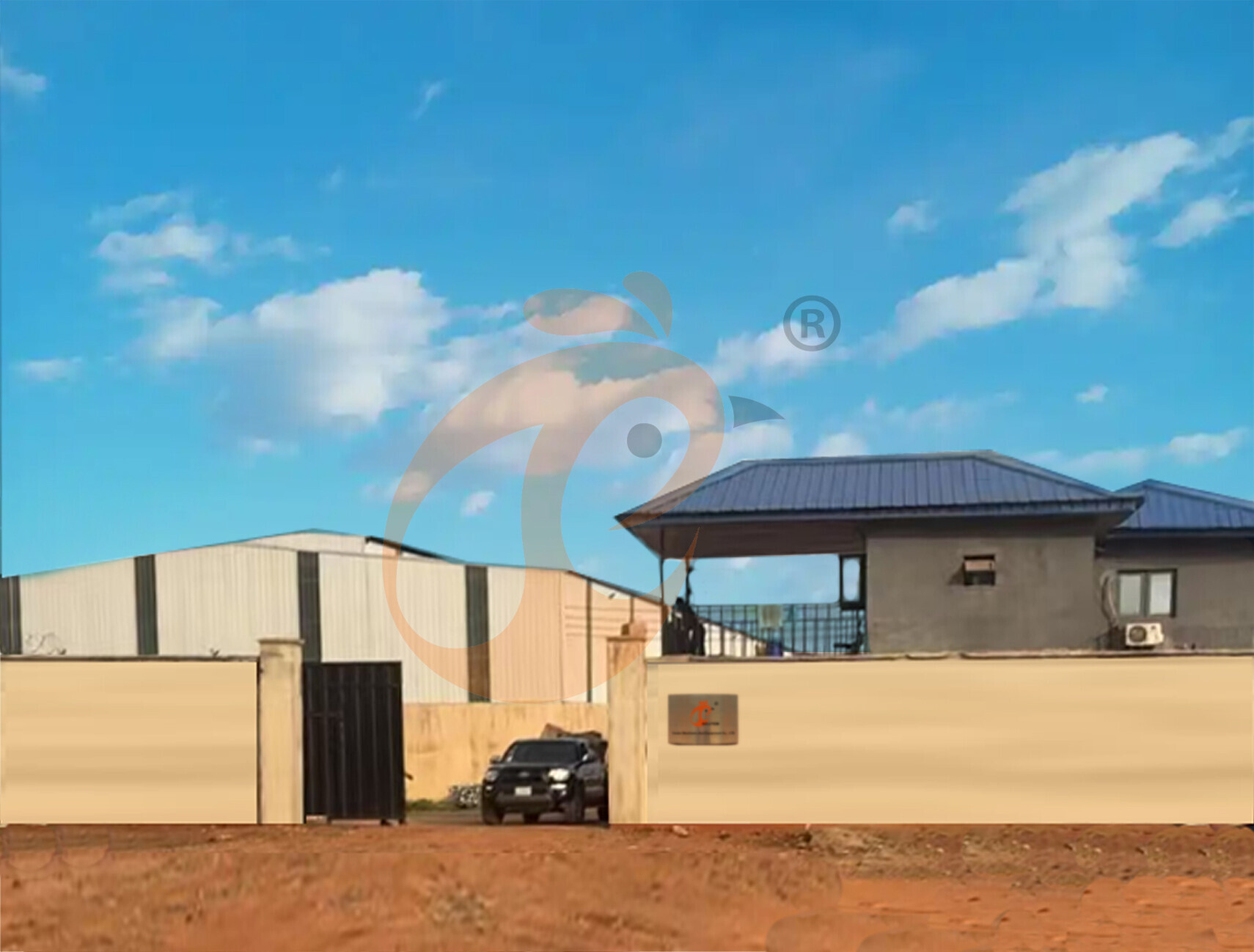
China Hebei Best Machinery And Equipment CO., LTD
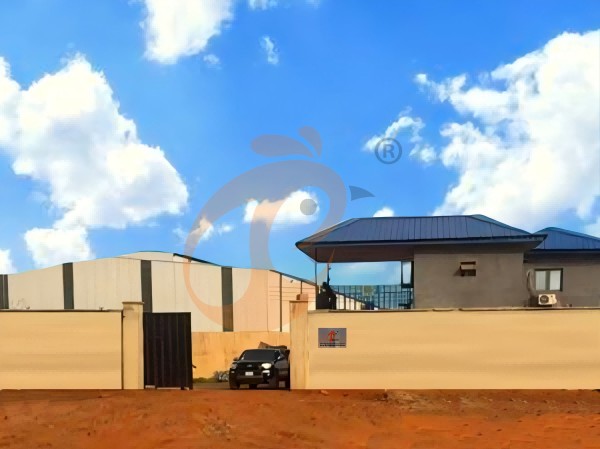
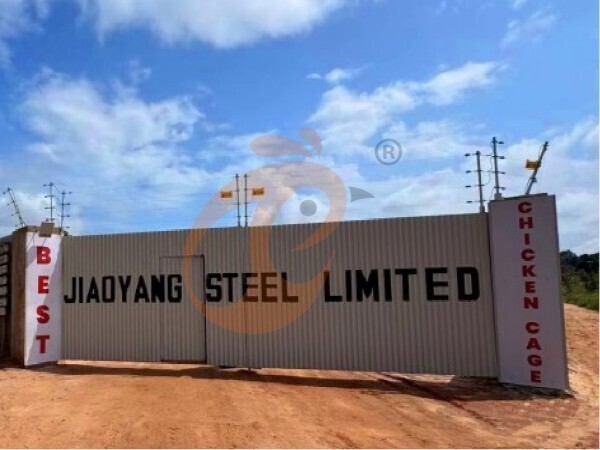
Nigeria Vanke Machinery And Equipment CO., LTD
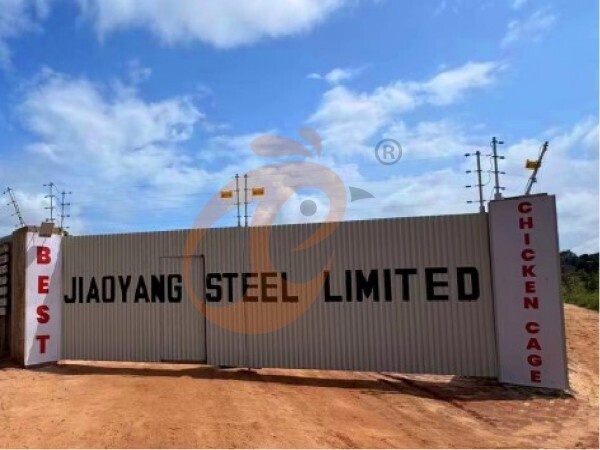
Tanzania Best Machinery And Equipment CO., LTD
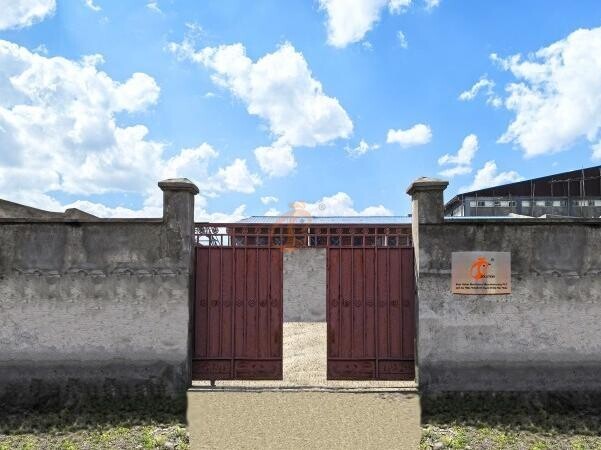
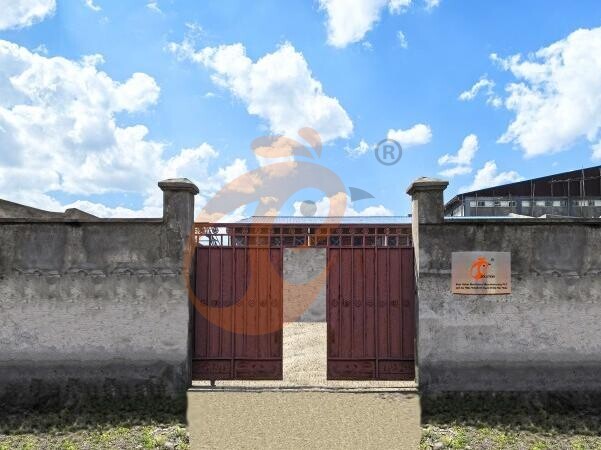
Ethiopia Best Hebei Machinery Manufacturing PLC
Reception /24 WhatsApp NO. : +8618830120193
FAQ
What Are The Recommended Cage Heights For H-Type Poultry Cage?
Multi-tier layout: 5–7 levels
Ensure comfort for feeding and movement
Egg production rate: 90-98%
FCR: 1.9–2.1
How To Reduce Energy Consumption In H-Type Layer Cage Farm?
Optimize ventilation and lighting layout
Reduce HVAC energy consumption by 10–15%
Egg production rate: 90-98%
FCR: 1.9–2.1
What Is The Maximum Capacity Of H-Type Layer Cage In A Single House?
Birds per tier: 90–120
Farm capacity per house: 30,000 - 100,000+0 birds
Floor space saved: 3–4 times
Labor savings: 70-90%
Message
Products recommended
 HK Headquarter Offers EU-standard Poultry Farm Solutions, Manufacture Poultry Farm Equipment1. Continuous communication with the EU and the US
2. China, Nigeria, Ethiopia, Tanzania branch companies and factories
3. The products’ quality is customized for local poultry farms
4. Poultry cage and poultry farm equipment stock for sale
5. 24 online reception Whatsapp NO. : +8618830120193,contact us to get full informationRead More China Branch Offer Poultry Farm Business Plan, Manufacture Poultry Farm Equipment1. Address: Flat/RM 2416, 24/F, Runxing Building, Youyi Nan Street, Shijiazhuang City, Hebei Province, China
2. Poultry cage and poultry farm equipment factory and stock for sale
3. Customized for local poultry farms
4. Quality and design are based on Euro
5. 24 online reception Whatsapp NO. : +8618830120193Read More Nigeria Branch Offer Poultry Farm Business Plan, Manufacture Poultry Farm Equipment1. Address: After Sinoma Office, 200 Meters Near Danco Filling Station, Lagos/Ibadan Expressway, Lagos State, Nigeria
2. Poultry cage and poultry farm equipment factory and stock for sale
3. Customized for Nigerian poultry farms
4. Quality and design are based on Euro
5. 24 online reception Whatsapp NO. : +8618830120193Read More Ethiopia Branch Offer Poultry Farm Business Plan, Manufacture Poultry Farm Equipment1. Address: Gelan Gura, Akaki-kaliti Sub City, Addis Ababa, Ethiopia
2. Poultry cage and poultry farm equipment stock for sale
3. Customized for Ethiopian poultry farms
4. Quality and design are based on Euro
5. 24 online reception Whatsapp NO. : +8618830120193, contact us to get price listRead More Tanzania Branch Offer Poultry Farm Business Plan, Manufacture Poultry Farm Equipment1. Address: No.8, Sova Road, Msufini, Mlandizi, Kibaha, Pwani, Tanzania
2. Poultry cage and poultry farm equipment factory and stock for sale
3. Customized for Tanzanian poultry farms
4. Quality and design are based on Euro
5. 24 online reception Whatsapp NO. : +8618830120193Read More Fully Automatic H Type Layer Chicken Cage1. 30,000-100,000+ layers/house chooses it, Poultry farmers can achieve an egg production rate of 96-98%
2. A significant improvement over the 85-90% typically seen in manual systems
3. A typical poultry farm can expect a 30-40% reduction in labor costs due to the automation
4. Each feeding line efficiently supplies feed to around 100,000 hens per 30 mins
5. Reception /WhatsApp NO. : +8618830120193Read More Fully Automatic A Type Layer Chicken Cage1. 10,000-50,000 layers/house chooses it
2. Cleaner egg collection reduces breakage by 0.5%
3. Improved hygiene helps reduce mortality rate to <3%
4. 1–2 technicians can handle 15,000–30,000 birds
5. Reception /WhatsApp NO. : +8618830120193Read More Semi Automatic H Type Layer Chicken Cage1. 1,00-20,000 layers/house chooses it
2. Nipple drinkers flow 30–60 ML / min
3. Hot-dip galvanized (typical coating ≥ 275 g/m²)
4. Reduce ammonia by ~ 35–40%
5. Reception /WhatsApp NO. : +8618830120193Read More Semi Automatic A Type Layer Chicken Cage1. 1,00-20,000 layers/house chooses it, no rust for 10 years, no deformation for 15 years
2. Chickens live comfortably, you can raise them with peace of mind
3. Save water, save money—efficiency you can measure
4. Improve environment quality, and increase egg production rate
5. Reception /WhatsApp NO. : +8618830120193Read More
By clicking 'Allow All', you agree to the storage of cookies on your device to enhance site navigation, analyze site usage and assist with our marketing efforts.