






Blog
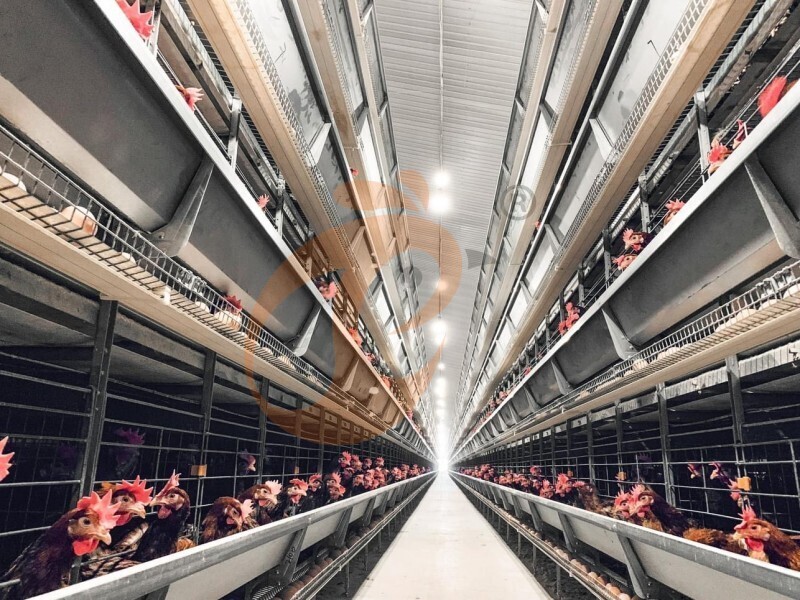
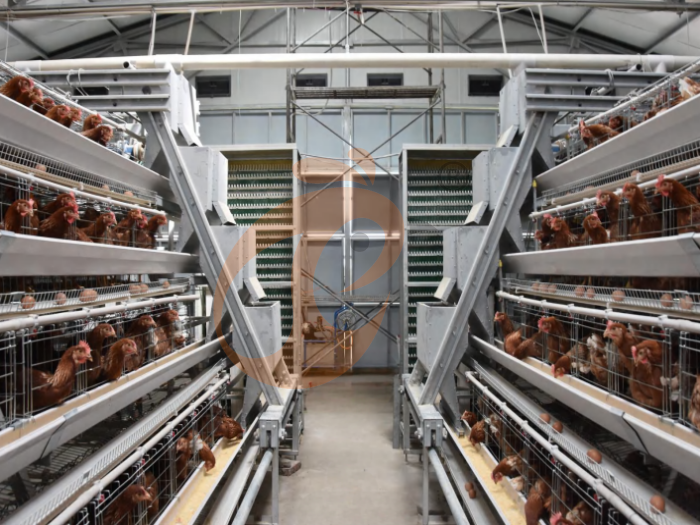
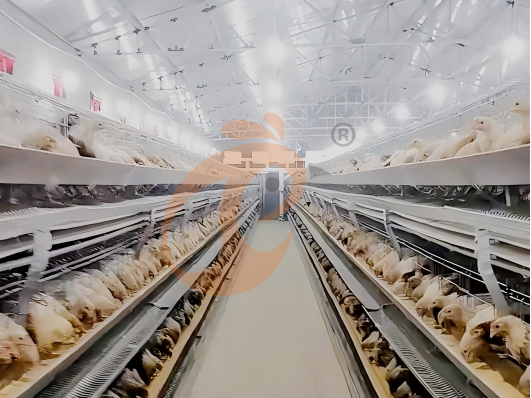
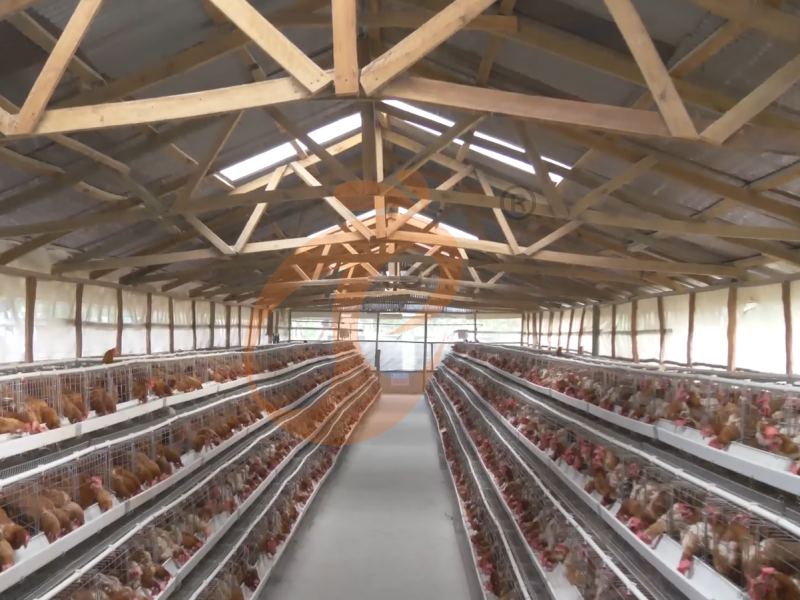
How to clean an A-type poultry cage system efficiently in Ethiopia is essential for layer farms.
Proper cleaning reduces disease risk and improves egg quality.
Local water scarcity and labor limitations challenge many poultry farms.
Mechanical tools and structured workflow save time significantly.
Choosing suitable detergents available in Ethiopia ensures sanitation.
Get professional poultry farm construction guidance, equipment selection solutions, and the latest price lists, whatsApp to +8618830120193, click to learn more:

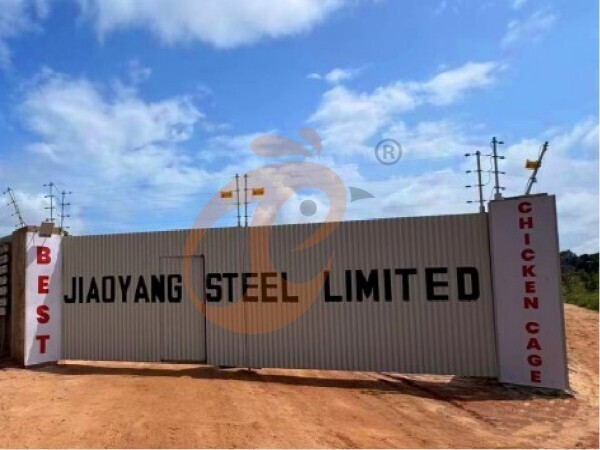
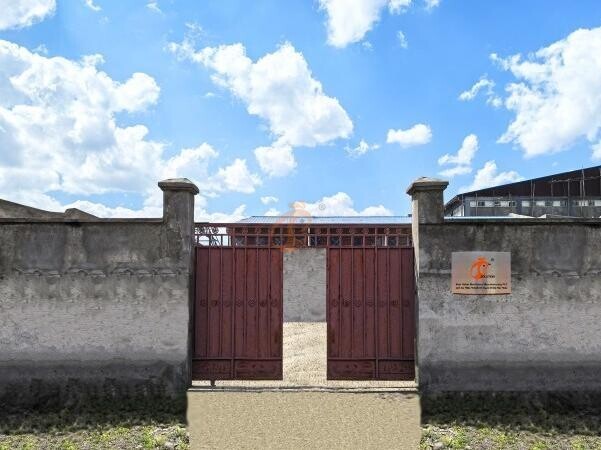
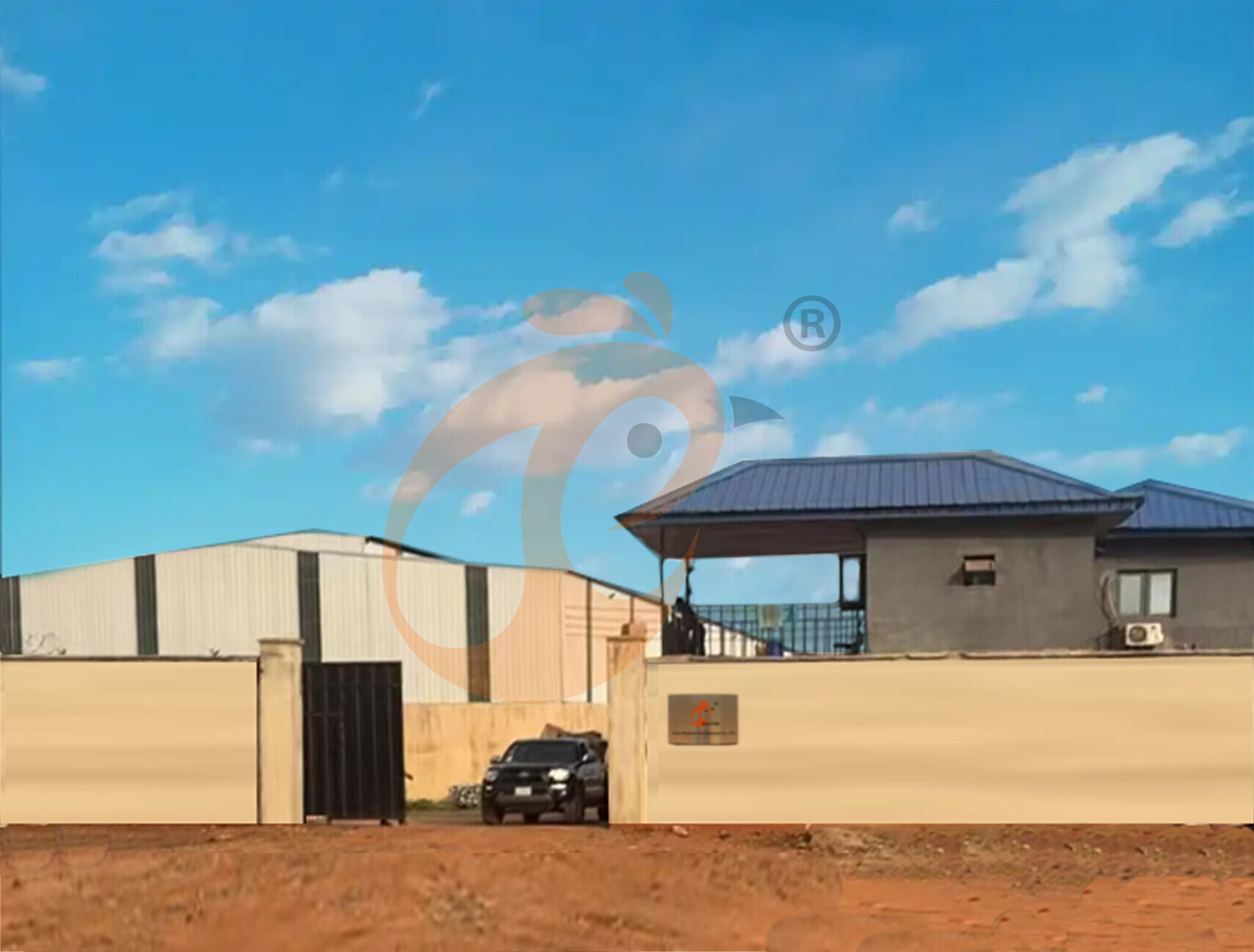
Ethiopia Branch Office And Factory Of Poultry Farm Equipment
Understand Local Challenges Before Cleaning
Before describing time-saving solutions, it's important to characterize the common constraints Ethiopian poultry farms face when cleaning A-type chicken cage systems.
Key Local Challenges
Limited access to reliable water supply (especially in peri-urban regions).
High cost of power and fuels, affecting pressure washers.
Labor shortages during peak seasons.
Inconsistent availability of commercial detergents.
High disease risk due to environmental dust and high humidity in rainy months.
The result
Many farms resort to inefficient manual cleaning, overuse of scarce water, and inconsistent sanitation.
Efficient cleaning techniques can solve these issues and improve layer productivity in Ethiopia.
Pre Cleaning Assessment And Workflow Planning
Before cleaning begins, assess the cage system, decide on task sequence, and allocate responsibilities.
Workflow planning prevents repeated passes over the same cage row.
Recommended Pre-Cleaning Checklist
Data is for reference only.Swipe horizontally to view full table.
Focused planning reduces wasted labor steps.
Using structured assessment significantly improves layer farm sanitation in Ethiopia.
Optimize Water Use With Pressure & Recycling Approaches
Water scarcity is a persistent issue in many Ethiopian poultry hubs.
Using water efficiently while maintaining biosecurity is essential.
Water Use Data For Common Cleaning Methods
Data is for reference only.Swipe horizontally to view full table.
High-pressure washing uses less water and removes organic loads faster.
Layer farm operators in Ethiopia benefit from integrating recycled water systems to reduce water cost.
Select Effective Local Cleaning Agents
In Ethiopia, not all commercial detergents are readily available, especially in rural regions.
Knowing the effective concentration and alternatives is crucial.
Cleaning Agents & Usage Parameters
Data is for reference only.Swipe horizontally to view full table.
Start with alkaline cleaners to remove fats, then disinfect with chlorine-based solutions.
Ethiopian layer farm operators often combine local soap with wood ash during peak dust periods.
Mechanical Tools Over Manual Scrubbing
Mechanical tools dramatically reduce labor time and physical strain, especially in larger A-type chicken cage systems typical of Ethiopian commercial layer farms.
Time Comparison For Cleaning 100 Cages
Data is for reference only.Swipe horizontally to view full table.
Mechanical approaches reduce overall cleaning time by up to 60 percent.
Layer farms in Addis Ababa and Debre Zeit benefit from this efficiency.
Structured Cleaning Sequence For A Type Cages
Cleaning A-type cages efficiently requires a defined sequence instead of random or reverse cleaning.
Standard Cleaning Protocol
Remove loose waste (scrape droppings trays).
Pre-wet all cage surfaces.
Apply alkaline detergent.
Scrub highest dirt load areas first.
Pressure rinse row by row.
Disinfect and air dry.
Adopt Drying & Inspection Practices That Maintain Flock Health
Ethiopia has a wide range of climatic conditions from dry seasons around Harar to humid seasons in Jimma and Arba Minch.
Post-cleaning drying is critical to avoid microbial regrowth.
Environmental Drying Parameters
Data is for reference only.Swipe horizontally to view full table.
Proper drying improves egg hygiene and layer health.
Ethiopian farms facing high humidity can install fans for faster drying.
Record Keeping & Continuous Improvement
Efficient cleaning isn’t a one-off task but a process.
Tracking cleaning times, water usage, disinfectant volumes, and flock health data gives insights into areas needing improvement.
Suggested Cleaning Log Template
Data is for reference only.Swipe horizontally to view full table.
Keeping records helps Ethiopian poultry farms improve cleaning schedules and reduce disease outbreaks.
Specific Ethiopian Case: Small Utilities & Water Reuse Solutions
Water scarcity in Somali and Afar regions requires practical solutions that balance cost and hygiene.
Water Recycling System Components
Data is for reference only.Swipe horizontally to view full table.
Total investment: ~17,000–25,000 Ethiopian Birr. European union standard reference only.
Recycling water reduces dependency on tanker water purchases in rural Ethiopia.
Workforce Training & Safety Considerations
Ethiopian poultry laborers often lack formal training on cage sanitation.
Training reduces injuries, improves quality, and accelerates cleaning times.
Safety Parameters For Chemical Use
Data is for reference only.Swipe horizontally to view full table.
Proper training ensures worker safety and consistent sanitation outcomes in Ethiopian poultry farms.
Seasonal Adjustments For Cleaning Schedules
Different Ethiopian seasons necessitate variable cleaning frequencies.
Recommended Cleaning Frequencies
Data is for reference only.Swipe horizontally to view full table.
Adjusting schedules reduces disease risks while optimizing labor.
Measuring Success: KPIs For Cleaning Efficiency
To ensure practical improvements, farms should measure key performance indicators (KPIs).
KPI Metrics
Data is for reference only.Swipe horizontally to view full table.
Tracking KPIs helps Ethiopian farms identify problem areas and improve overall hygiene.
Transitioning To Continuous Cleaning Models
Traditional weekly cleaning requires more effort.
Continuous cleaning spreads effort into daily quick passes.
Daily Vs Weekly Cleaning Workload
Data is for reference only.Swipe horizontally to view full table.
Hybrid models are practical for Ethiopian farms and maintain flock health efficiently.
Local Equipment Suppliers & Maintenance Tips
Many producers in Addis Ababa and Bishoftu stock cleaning tools suited for A-type chicken cages.
Common Tools & Parameters
Data is for reference only.Swipe horizontally to view full table.
Routine maintenance ensures equipment longevity and consistent cleaning outcomes.
FAQ
Q1: Is A-type chicken cage suitable for Ethiopian layer farms?
A1: Yes. A-type chicken cages are ideal in Ethiopia.
They maximize vertical space, improve egg hygiene, and reduce labor when cleaned efficiently.
Q2: How often should cages be disinfected in rainy seasons in Ethiopia?
A2: Every 5 days is recommended.
High humidity promotes bacteria, so frequent disinfection is necessary for flock health.
Q3: Can small farms in rural Ethiopia implement water recycling systems?
A3: Yes. Sediment traps, sand filters, and storage cisterns are affordable.
Recycled water reduces tanker dependency and saves Ethiopian Birr.
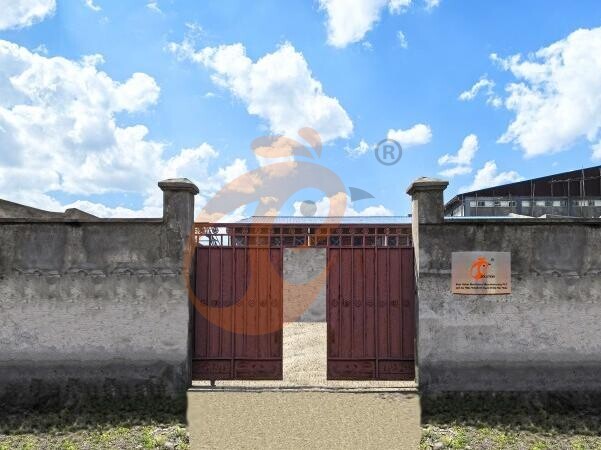
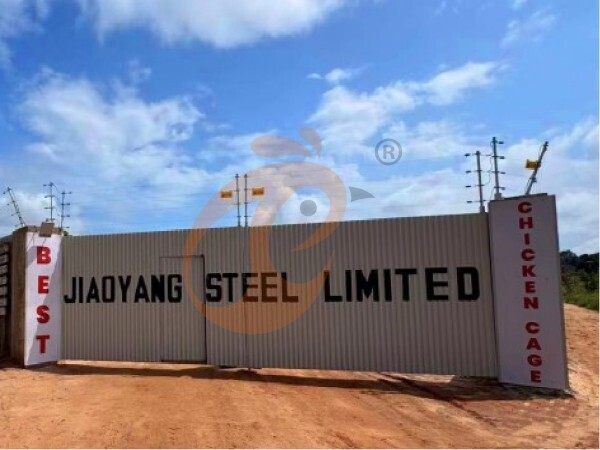
Ethiopia Best Hebei Machinery Manufacturing Plc - One Of Ethiopia Largest Chicken Cage Manufacturer
HB BEST provides global factory direct sales of poultry farm equipment.
They supply A-type chicken cage systems for commercial and small farms efficiently.
The company offers turn-key engineering solutions for poultry farm setup.
They ensure on-site technical support for cleaning and maintenance processes.
Their service covers equipment, consultation, and fast delivery within Ethiopia and abroad.
Contact Us To Received Your Customized Poultry Farm Plan
Headquarters And Branchs
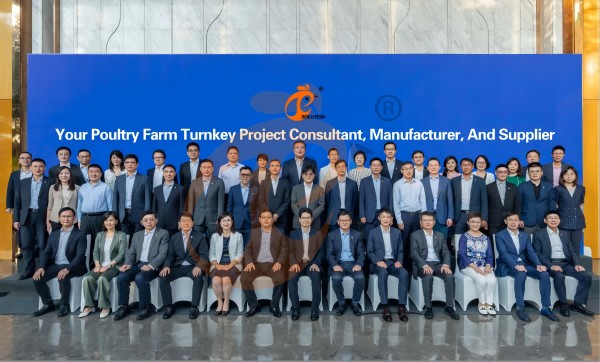
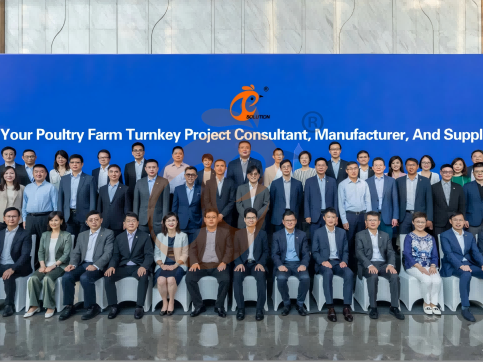
Hong Kong Headquarter Management Team
Hong Kong Headquarter Taiyu Industrial Group CO., LTD
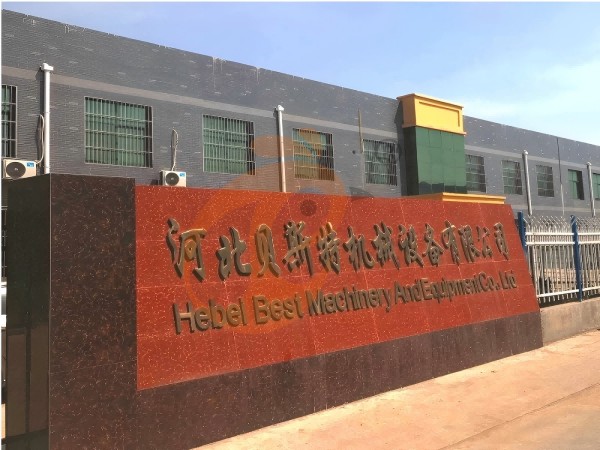
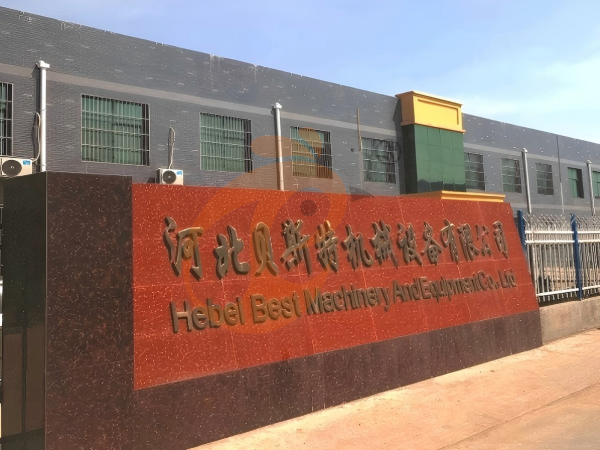
China Hebei Best Machinery And Equipment CO., LTD
Nigeria Vanke Machinery And Equipment CO., LTD
Tanzania Best Machinery And Equipment CO., LTD
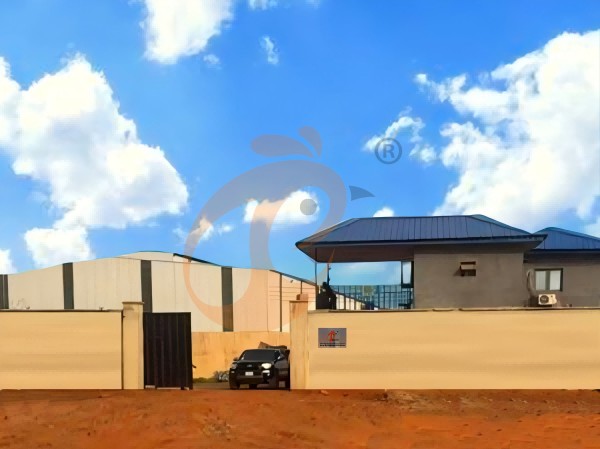
Ethiopia Best Hebei Machinery Manufacturing PLC
Reception /24 WhatsApp NO. : +8618830120193
FAQ
How To Implement Semi-Automatic Feeding In A-Type Chicken Cage Farm?
Scheduled feeding ensures even intake
Egg production rate: 90–96%
FCR: 1.9–2.2
Labor savings: 50–70%
How To Ensure Egg Uniformity In A-Type Layer Cage System?
Adequate nutrition and water
Egg weight: 60–65 g
Egg breakage rate <1%
Egg production rate: 90–96%
How To Reduce Mortality In A-Type Chicken Cage Layers?
Even ventilation
Regular manure removal
Mortality rate: 2–3%
Egg production rate: 90–96%
Message
Products recommended
 HK Headquarter Offers EU-standard Poultry Farm Solutions, Manufacture Poultry Farm Equipment1. Continuous communication with the EU and the US
2. China, Nigeria, Ethiopia, Tanzania branch companies and factories
3. The products’ quality is customized for local poultry farms
4. Poultry cage and poultry farm equipment stock for sale
5. 24 online reception Whatsapp NO. : +8618830120193,contact us to get full informationRead More China Branch Offer Poultry Farm Business Plan, Manufacture Poultry Farm Equipment1. Address: Flat/RM 2416, 24/F, Runxing Building, Youyi Nan Street, Shijiazhuang City, Hebei Province, China
2. Poultry cage and poultry farm equipment factory and stock for sale
3. Customized for local poultry farms
4. Quality and design are based on Euro
5. 24 online reception Whatsapp NO. : +8618830120193Read More Nigeria Branch Offer Poultry Farm Business Plan, Manufacture Poultry Farm Equipment1. Address: After Sinoma Office, 200 Meters Near Danco Filling Station, Lagos/Ibadan Expressway, Lagos State, Nigeria
2. Poultry cage and poultry farm equipment factory and stock for sale
3. Customized for Nigerian poultry farms
4. Quality and design are based on Euro
5. 24 online reception Whatsapp NO. : +8618830120193Read More Ethiopia Branch Offer Poultry Farm Business Plan, Manufacture Poultry Farm Equipment1. Address: Gelan Gura, Akaki-kaliti Sub City, Addis Ababa, Ethiopia
2. Poultry cage and poultry farm equipment stock for sale
3. Customized for Ethiopian poultry farms
4. Quality and design are based on Euro
5. 24 online reception Whatsapp NO. : +8618830120193, contact us to get price listRead More Tanzania Branch Offer Poultry Farm Business Plan, Manufacture Poultry Farm Equipment1. Address: No.8, Sova Road, Msufini, Mlandizi, Kibaha, Pwani, Tanzania
2. Poultry cage and poultry farm equipment factory and stock for sale
3. Customized for Tanzanian poultry farms
4. Quality and design are based on Euro
5. 24 online reception Whatsapp NO. : +8618830120193Read More Fully Automatic H Type Layer Chicken Cage1. 30,000-100,000+ layers/house chooses it, Poultry farmers can achieve an egg production rate of 96-98%
2. A significant improvement over the 85-90% typically seen in manual systems
3. A typical poultry farm can expect a 30-40% reduction in labor costs due to the automation
4. Each feeding line efficiently supplies feed to around 100,000 hens per 30 mins
5. Reception /WhatsApp NO. : +8618830120193Read More Fully Automatic A Type Layer Chicken Cage1. 10,000-50,000 layers/house chooses it
2. Cleaner egg collection reduces breakage by 0.5%
3. Improved hygiene helps reduce mortality rate to <3%
4. 1–2 technicians can handle 15,000–30,000 birds
5. Reception /WhatsApp NO. : +8618830120193Read More Semi Automatic H Type Layer Chicken Cage1. 1,00-20,000 layers/house chooses it
2. Nipple drinkers flow 30–60 ML / min
3. Hot-dip galvanized (typical coating ≥ 275 g/m²)
4. Reduce ammonia by ~ 35–40%
5. Reception /WhatsApp NO. : +8618830120193Read More Semi Automatic A Type Layer Chicken Cage1. 1,00-20,000 layers/house chooses it, no rust for 10 years, no deformation for 15 years
2. Chickens live comfortably, you can raise them with peace of mind
3. Save water, save money—efficiency you can measure
4. Improve environment quality, and increase egg production rate
5. Reception /WhatsApp NO. : +8618830120193Read More
By clicking 'Allow All', you agree to the storage of cookies on your device to enhance site navigation, analyze site usage and assist with our marketing efforts.