


Blog
Ethiopian poultry chicken cage systems are gaining recognition in international markets for quality.
Export price of chicken cage depends on local material costs, labor efficiency, and energy availability.
Transportation infrastructure challenges in Ethiopia affect delivery speed and cost efficiency.
Compliance with European union and international standards ensures access to premium markets.
Currency fluctuations and energy reliability influence the stability of export prices.
Strategic planning helps Ethiopian manufacturers maintain competitiveness abroad.
Training local workforce improves production efficiency and minimizes defects.
Get professional poultry farm construction guidance, equipment selection solutions, and the latest price lists, whatsApp to +8618830120193, click to learn more:

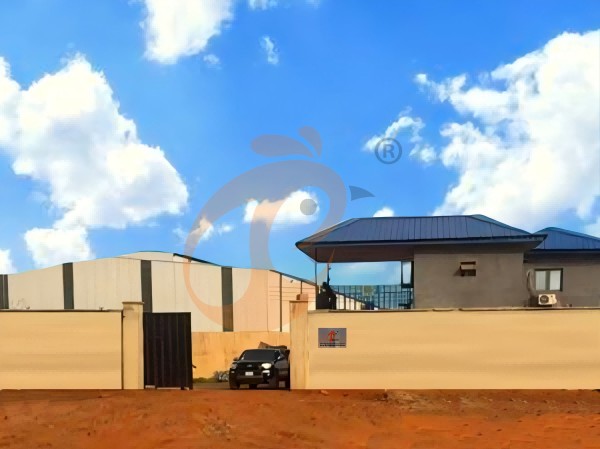
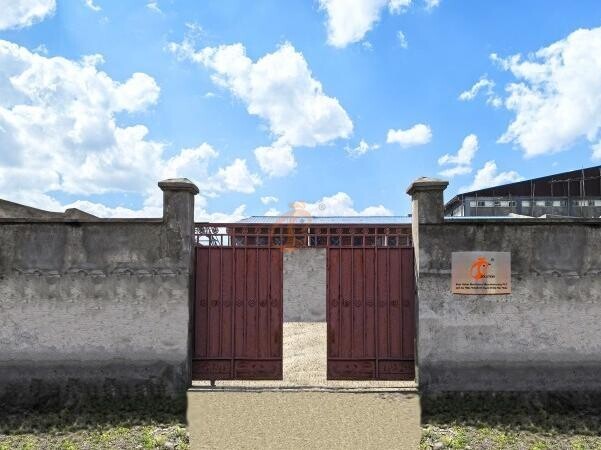
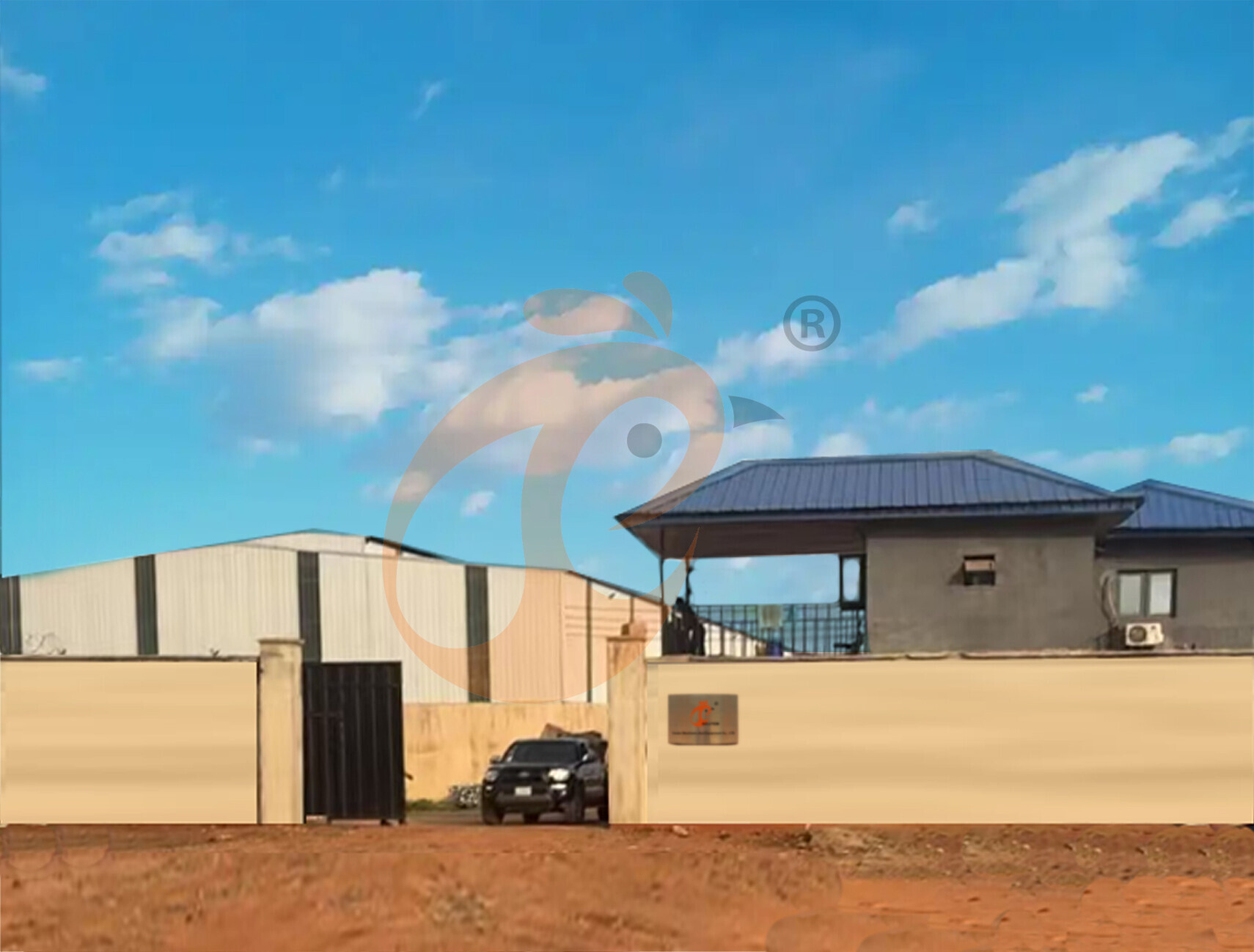
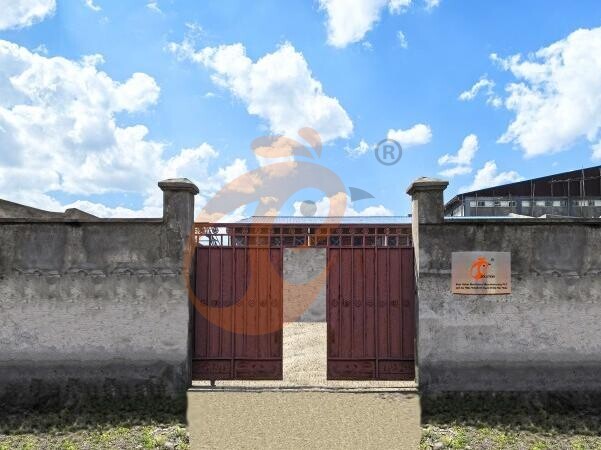
Ethiopia Branch Office And Factory Of Poultry Farm Equipment
Raw Material Costs And Local Sourcing
Data is for reference only. Swipe horizontally to view full table.
Ethiopian steel production has improved, but quality variations remain.
Using local mild steel reduces cost, while imported galvanized steel ensures durability for international clients.
Combining local and imported materials helps maintain competitive pricing without compromising quality.
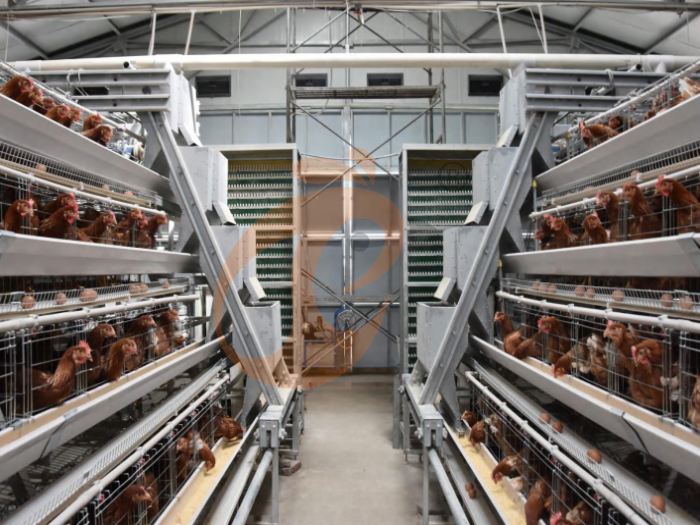
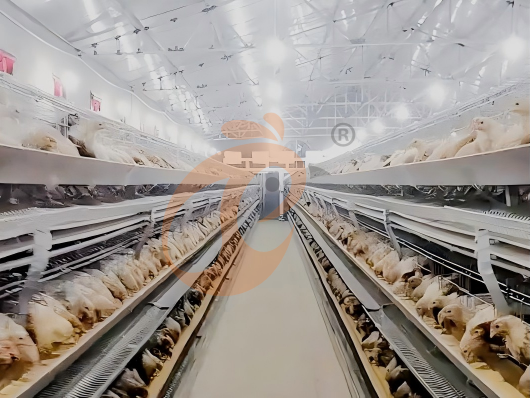
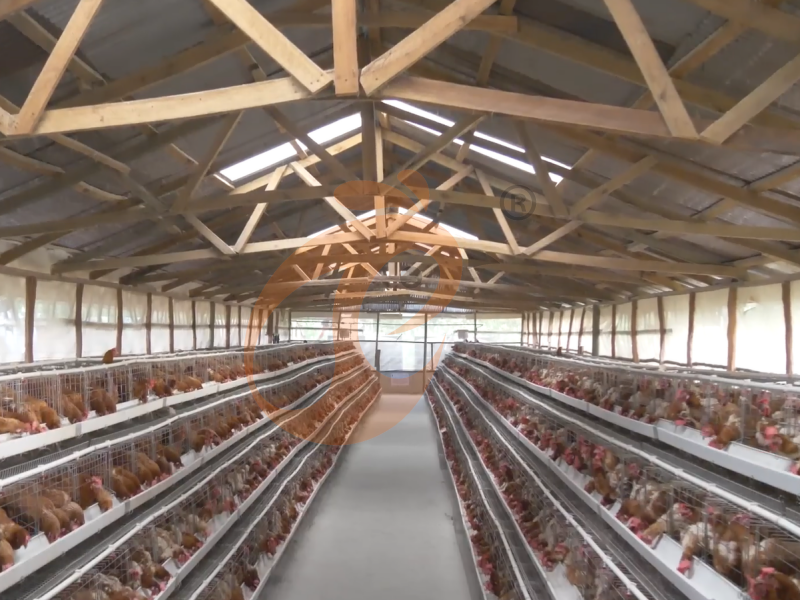
To address material inconsistencies, some Ethiopian manufacturers have adopted pre-fabricated A-type and H-frame cage structures.
This optimizes assembly and reduces waste.
This approach lowers total production cost while meeting export standards.
Labor Costs And Skills Availability
Data is for reference only. Swipe horizontally to view full table.
Low labor costs in Ethiopia are an advantage, but a shortage of trained personnel in precision cage assembly affects productivity.
By investing in vocational training programs, manufacturers can increase efficiency, reduce assembly defects, and meet international quality expectations.
Local experience shows that training cage assemblers on H-frame design improves assembly speed by 15–20%.
This reduces indirect labor costs.
These gains directly influence the final export price.
Transportation And Logistics Management
Data is for reference only. Swipe horizontally to view full table.
Ethiopia's landlocked geography increases reliance on Djibouti and Port Sudan.
High transport costs influence the export price of chicken cages.
Manufacturers have mitigated this by using modular cage designs that optimize container space and reduce shipment volume.
Exporting one container of A-type chicken cages via Djibouti reduces per-unit cost by approximately Ethiopian Birr 350 compared with less optimized shipments.
Consolidated logistics are critical for competitive international pricing.
Compliance With International Standards
Data is for reference only. Swipe horizontally to view full table.
Compliance costs are essential for accessing European and Middle Eastern markets.
Ethiopian manufacturers increasingly integrate compliance checks during production, reducing shipment rejections.
A local farm manufacturer using PVC-coated H-frame cages achieved CE marking and ISO 9001 certification.
This expanded export markets by 25% within one year.
Compliance investments translate directly into premium export pricing opportunities.
Currency Fluctuations And Export Financing
Data is for reference only. Swipe horizontally to view full table.
Ethiopian exporters face currency volatility risks.
Forward contracts and local export credit lines stabilize pricing, ensuring competitive international rates.
A manufacturer exporting A-type chicken cages secured a forward contract, avoiding Ethiopian Birr 550 loss per unit during Birr depreciation.This ensures stable revenue.
Energy Supply And Production Continuity
Data is for reference only. Swipe horizontally to view full table.
Electricity interruptions in Ethiopia affect continuous cage production.
Hybrid solar-diesel systems allow uninterrupted operation of welding machines and cage assembly lines.
This ensures delivery timelines for international orders are met.
Strategic Recommendations For Export Competitiveness
Data is for reference only. Swipe horizontally to view full table.
Combining strategies addresses Ethiopian-specific challenges.
This reduces export price volatility and enhances international competitiveness.
Ethiopian Market Opportunities And Export Growth Potential
Data is for reference only. Swipe horizontally to view full table.
Ethiopia's poultry sector presents significant growth opportunities for chicken cage exporters.
Rising domestic egg consumption and regional demand create strong market pull.
Local challenges such as intermittent electricity, limited skilled labor, and material sourcing can be mitigated through technology upgrades, workforce training, and renewable energy solutions.
Leveraging modular A-type and H-frame designs reduces production time and material wastage.
This improves profit margins for both domestic and export markets.
Strategic investment in hybrid energy systems ensures uninterrupted production.
This addresses a key local pain point and enables consistent fulfillment of international orders.
Frequently Asked Questions
Q1: Are Ethiopian chicken cages suitable for local farm conditions?
A1: Yes, the cages are designed for Ethiopia's climate and farm layouts.
Hybrid energy solutions and corrosion-resistant materials make them durable.
Q2: How can Ethiopian exporters reduce shipping costs?
A2: Consolidating shipments, modular A-type cage designs, and using Djibouti port reduce transport expenses effectively.
Q3: What measures ensure compliance with international markets?
A3: ISO 9001 certification, CE marking, and load testing integrated during production ensure Ethiopian cages meet European union and global standards.
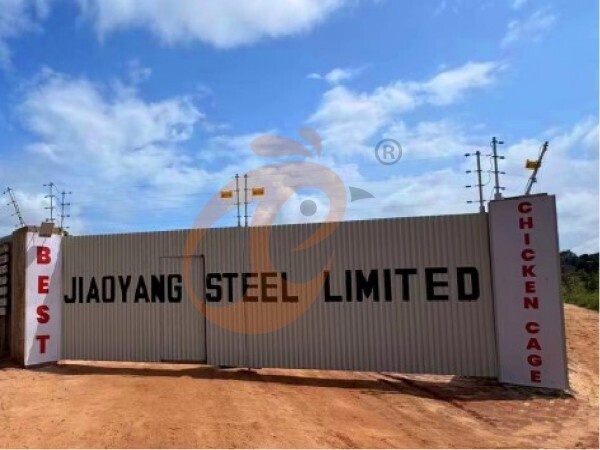
Ethiopia Best Hebei Machinery Manufacturing Plc - One Of Ethiopia Largest Chicken Cage Manufacturer
HB BEST provides global factory direct sales, reducing intermediaries and ensuring competitive pricing.
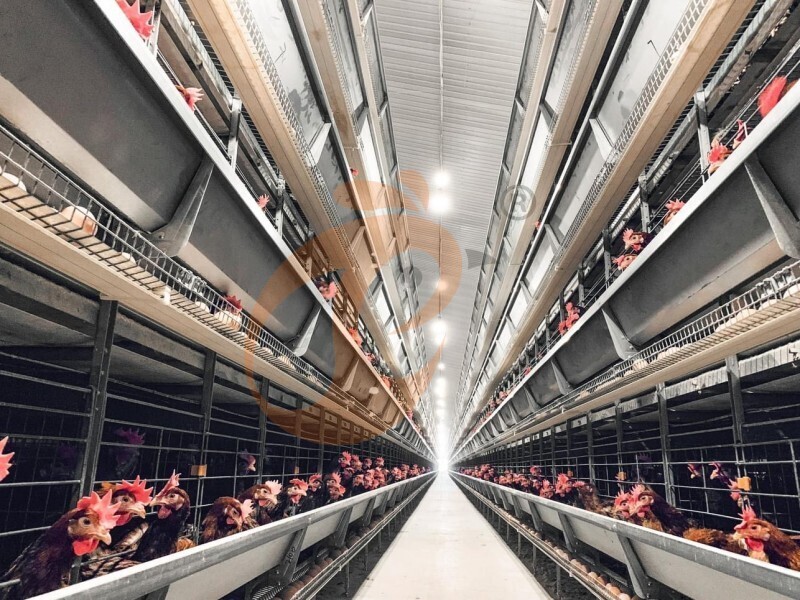
The company specializes in poultry farm equipment, including chicken cage systems for egg-laying operations.
Turn-key engineering projects include design, installation, training, and after-sales maintenance.
HB BEST ensures European union standard compliance and international quality benchmarks for all equipment.
Their technical team supports Ethiopian poultry farms with customized solutions and professional consultation.
Contact Us To Received Your Customized Poultry Farm Plan
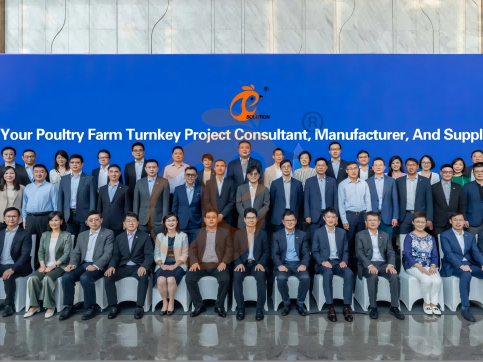
Headquarters And Branchs

Hong Kong Headquarter Management Team
Hong Kong Headquarter Taiyu Industrial Group CO., LTD
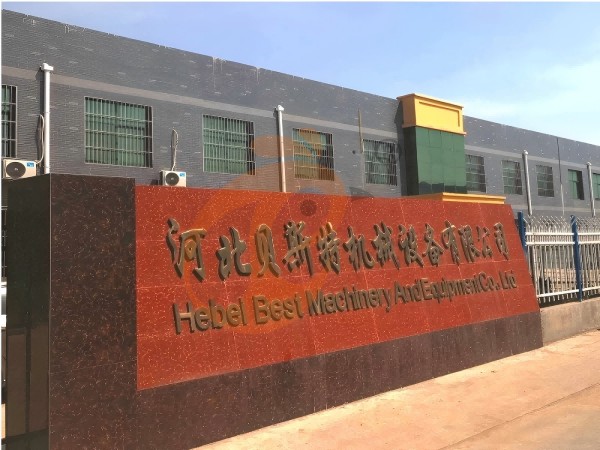
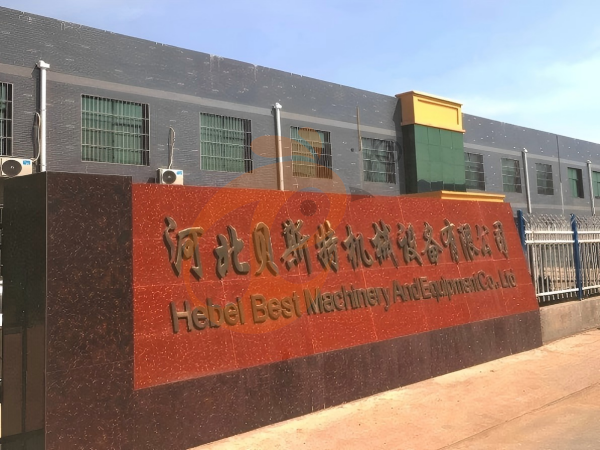
China Hebei Best Machinery And Equipment CO., LTD
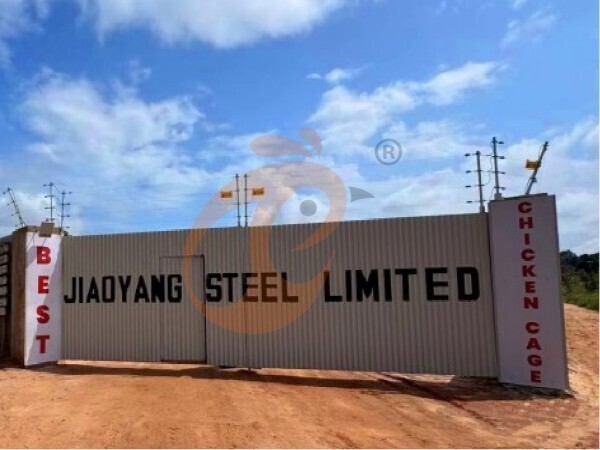
Nigeria Vanke Machinery And Equipment CO., LTD
Tanzania Best Machinery And Equipment CO., LTD
Ethiopia Best Hebei Machinery Manufacturing PLC
Reception /24 WhatsApp NO. : +8618830120193
FAQ
What Are The Top Professional Tips For Egg Collection Efficiency In Poultry Cage Farms?
Each belt can transport 4,000–6,000 eggs per hour, reducing manual handling.
Regularly clean conveyors; breakage rate can be maintained at 2–3%.
How To Reduce Labor Costs In Chicken Cage Farms With Automation?
Save ~70-90% labor per house while maintaining egg production at 90–98%.
Use monitoring systems to track flock health and production in real-time.
What Are The Ultimate Guidelines For Layer Cage Farm Hygiene And Biosecurity?
Regularly clean drinkers, egg belts, and cage surfaces.
Egg production: 90–98%, mortality: 2–3%.
Message
Products recommended
 HK Headquarter Offers EU-standard Poultry Farm Solutions, Manufacture Poultry Farm Equipment1. Continuous communication with the EU and the US
2. China, Nigeria, Ethiopia, Tanzania branch companies and factories
3. The products’ quality is customized for local poultry farms
4. Poultry cage and poultry farm equipment stock for sale
5. 24 online reception Whatsapp NO. : +8618830120193,contact us to get full informationRead More China Branch Offer Poultry Farm Business Plan, Manufacture Poultry Farm Equipment1. Address: Flat/RM 2416, 24/F, Runxing Building, Youyi Nan Street, Shijiazhuang City, Hebei Province, China
2. Poultry cage and poultry farm equipment factory and stock for sale
3. Customized for local poultry farms
4. Quality and design are based on Euro
5. 24 online reception Whatsapp NO. : +8618830120193Read More Nigeria Branch Offer Poultry Farm Business Plan, Manufacture Poultry Farm Equipment1. Address: After Sinoma Office, 200 Meters Near Danco Filling Station, Lagos/Ibadan Expressway, Lagos State, Nigeria
2. Poultry cage and poultry farm equipment factory and stock for sale
3. Customized for Nigerian poultry farms
4. Quality and design are based on Euro
5. 24 online reception Whatsapp NO. : +8618830120193Read More Ethiopia Branch Offer Poultry Farm Business Plan, Manufacture Poultry Farm Equipment1. Address: Gelan Gura, Akaki-kaliti Sub City, Addis Ababa, Ethiopia
2. Poultry cage and poultry farm equipment stock for sale
3. Customized for Ethiopian poultry farms
4. Quality and design are based on Euro
5. 24 online reception Whatsapp NO. : +8618830120193, contact us to get price listRead More Tanzania Branch Offer Poultry Farm Business Plan, Manufacture Poultry Farm Equipment1. Address: No.8, Sova Road, Msufini, Mlandizi, Kibaha, Pwani, Tanzania
2. Poultry cage and poultry farm equipment factory and stock for sale
3. Customized for Tanzanian poultry farms
4. Quality and design are based on Euro
5. 24 online reception Whatsapp NO. : +8618830120193Read More Fully Automatic H Type Layer Chicken Cage1. 30,000-100,000+ layers/house chooses it, Poultry farmers can achieve an egg production rate of 96-98%
2. A significant improvement over the 85-90% typically seen in manual systems
3. A typical poultry farm can expect a 30-40% reduction in labor costs due to the automation
4. Each feeding line efficiently supplies feed to around 100,000 hens per 30 mins
5. Reception /WhatsApp NO. : +8618830120193Read More Fully Automatic A Type Layer Chicken Cage1. 10,000-50,000 layers/house chooses it
2. Cleaner egg collection reduces breakage by 0.5%
3. Improved hygiene helps reduce mortality rate to <3%
4. 1–2 technicians can handle 15,000–30,000 birds
5. Reception /WhatsApp NO. : +8618830120193Read More Semi Automatic H Type Layer Chicken Cage1. 1,00-20,000 layers/house chooses it
2. Nipple drinkers flow 30–60 ML / min
3. Hot-dip galvanized (typical coating ≥ 275 g/m²)
4. Reduce ammonia by ~ 35–40%
5. Reception /WhatsApp NO. : +8618830120193Read More Semi Automatic A Type Layer Chicken Cage1. 1,00-20,000 layers/house chooses it, no rust for 10 years, no deformation for 15 years
2. Chickens live comfortably, you can raise them with peace of mind
3. Save water, save money—efficiency you can measure
4. Improve environment quality, and increase egg production rate
5. Reception /WhatsApp NO. : +8618830120193Read More
By clicking 'Allow All', you agree to the storage of cookies on your device to enhance site navigation, analyze site usage and assist with our marketing efforts.