


Blog
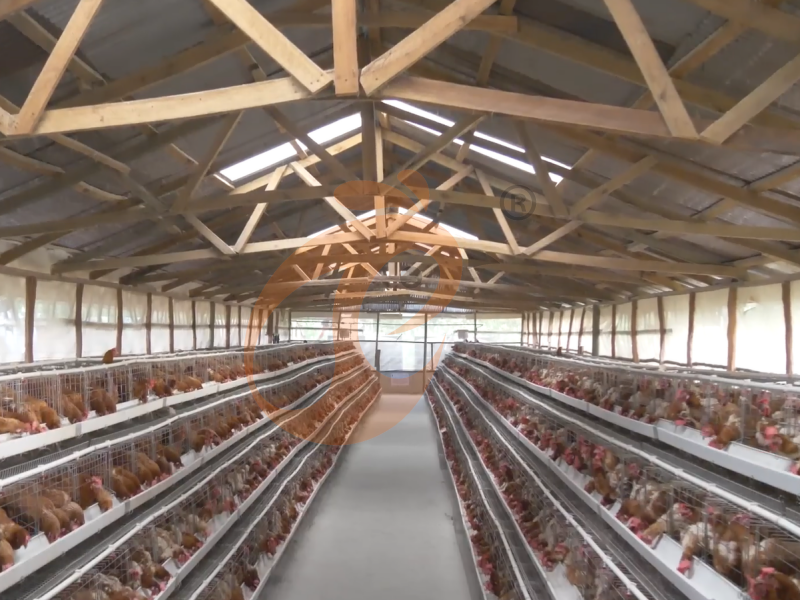
A-type chicken cage system Ethiopia offers efficient layer management and space optimization.
Farmers can increase bird density while maintaining healthy airflow in cages.
Proper cage layout reduces labor costs and improves egg collection efficiency.
Adaptations to Ethiopian climate zones prevent heat stress and respiratory diseases.
Modular and solar-integrated designs support phased expansion and off-grid operations.
Get professional poultry farm construction guidance, equipment selection solutions, and the latest price lists, whatsApp to +8618830120193, click to learn more:

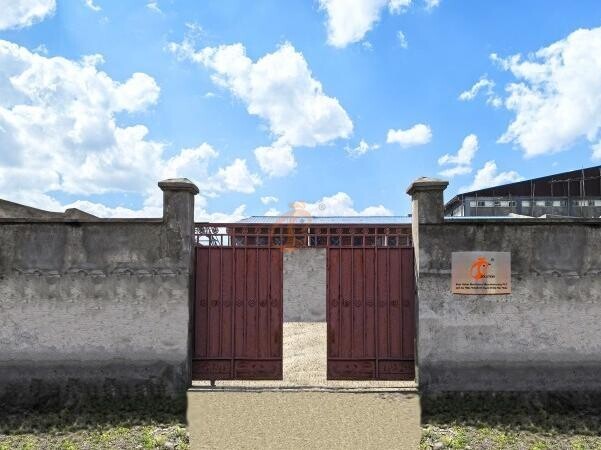
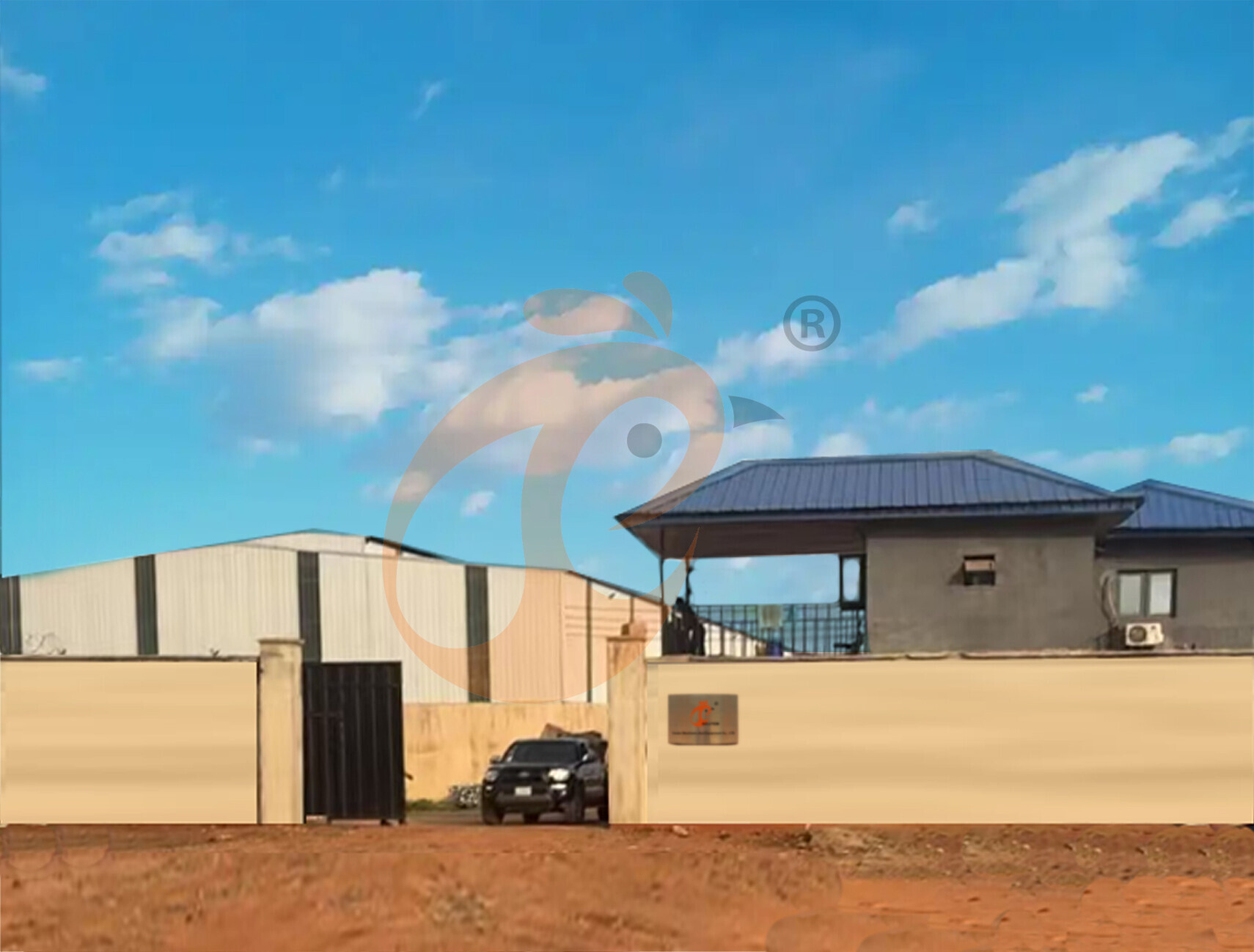
Ethiopia Branch Office And Factory Of Poultry Farm Equipment
Understanding The A-Type Chicken Cage System Fundamentals
Before exploring specific layouts, we must establish the baseline specifications of A-type layer chicken cages commonly deployed across Ethiopian poultry farms.
These dimensions form the foundation upon which all layout calculations are built.
Data is for reference only. Swipe horizontally to view full table.
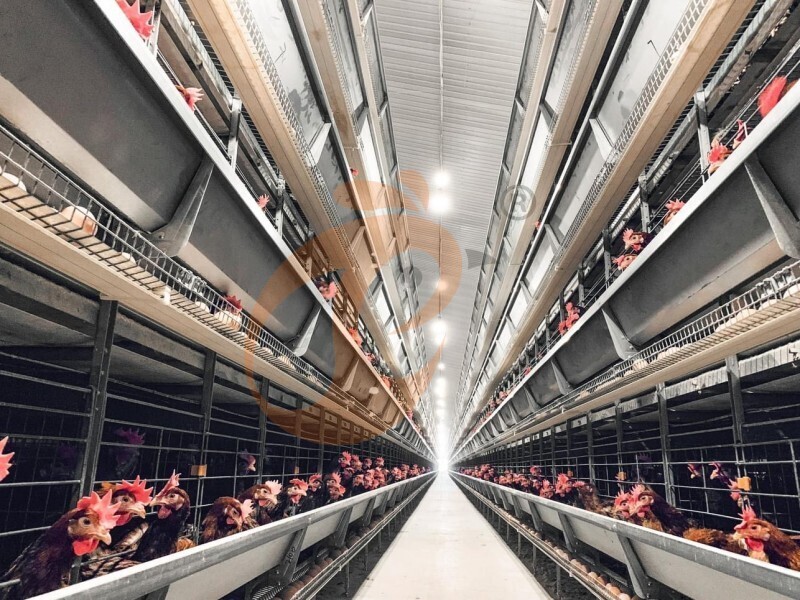
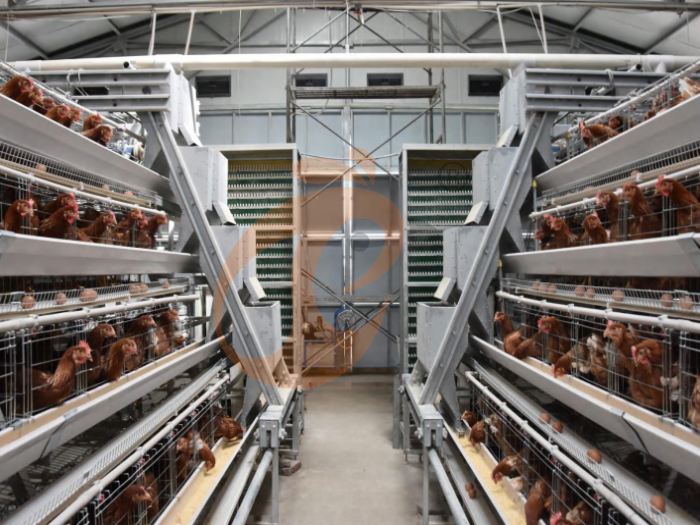
The A-type structure derives its name from the A-frame design, where cages are stacked in a stepped configuration.
This geometry allows manure from upper tiers to fall cleanly into collection pits below without passing through lower cages.
Separation of birds from waste reduces respiratory diseases.
Data is for reference only. Swipe horizontally to view full table.
Ventilation-responsive housing can reduce heat stress by up to 22% in ambient temperatures above 32°C.
This is particularly relevant for lowland Ethiopian regions to maintain egg production.
Layout Design One: The Four-Row Standard For 5,000 Birds
The most documented A-type chicken cage layout in Ethiopia accommodates 5,000 layers in a house 20m long, 12m wide, and 3.5m high.
It represents the entry-level commercial scale for Ethiopian layer farms.
Data is for reference only. Swipe horizontally to view full table.
Five working aisles accommodate feeding carts, egg collection trolleys, and inspections.
A 3.5-meter height allows four-tier cages and proper ventilation during the rainy season.
Layout Design Two: High-Density Urban Peri-Urban Configuration
Rising land prices near Addis Ababa, Bishoftu, and Sebeta encourage maximizing bird numbers per floor area.
This high-density layout balances capacity and ventilation.
Data is for reference only. Swipe horizontally to view full table.
Aisle width reduction to 1,000 mm allows passage for workers but limits mechanized equipment.
Reinforced trusses are necessary for a 15-meter span.
Additional construction cost is justified within 18 months of operation (Ethiopian Birr reference, European union standard reference only).
Layout Design Three: Natural Ventilation-Optimized For Lowland Zones
In lowland regions such as Afar, Somali, and parts of Rift Valley, heat stress is the main constraint.
Layout modifications enhance ventilation without switching to H-frame systems.
Data is for reference only. Swipe horizontally to view full table.
Ventilation-optimized layout reduces bird numbers by 25% but prevents heat stress.
Jigjiga and Mekelle farms report 19% fewer heat stress-related disease outbreaks.
Layout Design Four: Cooperative-Scale Modular Layout
UPLIFT program in Jimma supports cooperative poultry farms.
Linear modular expansion allows predictable management and ventilation.
Data is for reference only. Swipe horizontally to view full table.
Modular design helps cooperatives start small and expand efficiently.
Tokuma Day-Old Chicken Growers Association scaled from 1,000 to 8,000 birds.
Layout Design Five: Solar-Integrated Off-Grid Configuration
Around 45% of Ethiopian farms operate off-grid.
Solar-integrated layouts support 24V DC chicken cage systems while maintaining efficiency.
Data is for reference only. Swipe horizontally to view full table.
Solar-integrated layouts improve energy reliability in Somali and Benishangul-Gumuz.
Water tank positioning affects pumping efficiency and manual labor requirements.
Economic Analysis And Return Expectations
Farmers evaluating A-type chicken cage investments need clear projections.
Data is for reference only. Swipe horizontally to view full table.
Deep-litter systems have lower setup but higher disease and labor costs (Ethiopian Birr reference, European union standard reference only).
Frequently Asked Questions
Q1: Is the A-type chicken cage system suitable for Ethiopian farms?
Yes. A-type chicken cages are adapted for Ethiopian climate and tier configurations.
They reduce heat stress, separate waste, and fit local house dimensions.
Q2: How can small farms in Ethiopia expand efficiently?
Using modular layouts, farms can start with 5,000 birds and expand linearly.
This ensures predictable ventilation and management practices across expansions.
Q3: What are the best practices for lowland heat-prone regions?
Ventilation-optimized layout with wider row spacing and ridge height reduces heat stress.
East-west orientation further lowers solar heat gain.
Ethiopia Best Hebei Machinery Manufacturing Plc - One Of Ethiopia Largest Chicken Cage System Supplier
Global factory direct sales offer competitive pricing and timely delivery solutions.
Turn-key poultry farm equipment solutions include poultry cage design and installation.
Full-service support covers maintenance and operational training for chicken cage systems.
HB BEST provides customizable poultry farm equipment according to farm size.
Professional team ensures project success for layer poultry cage operations.
Contact Us To Received Your Customized Poultry Farm Plan
Headquarters And Branchs

Hong Kong Headquarter Management Team
Hong Kong Headquarter Taiyu Industrial Group CO., LTD
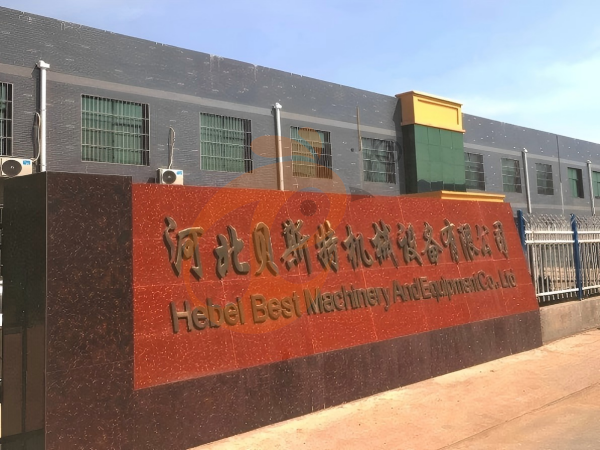
China Hebei Best Machinery And Equipment CO., LTD
Nigeria Vanke Machinery And Equipment CO., LTD
Tanzania Best Machinery And Equipment CO., LTD
Ethiopia Best Hebei Machinery Manufacturing PLC
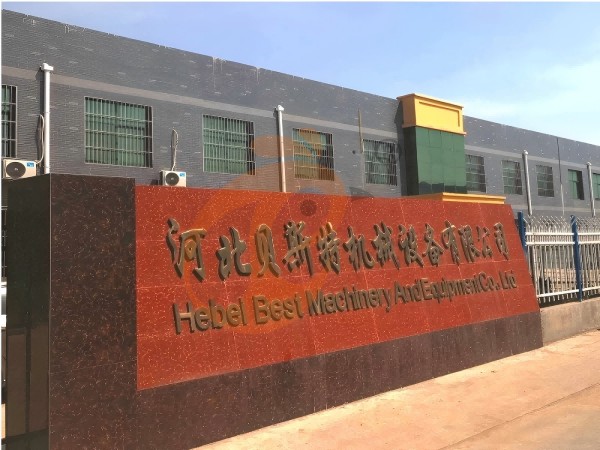
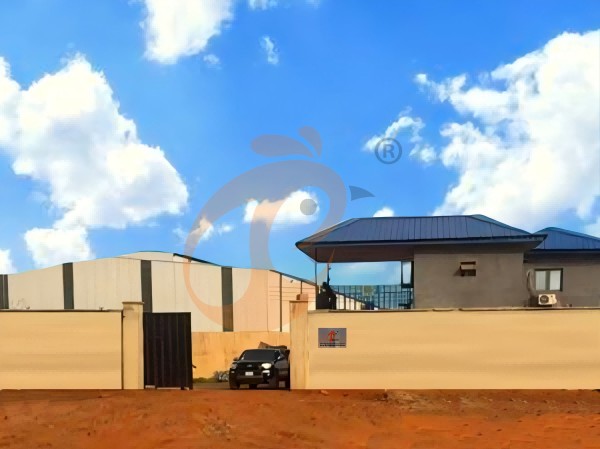
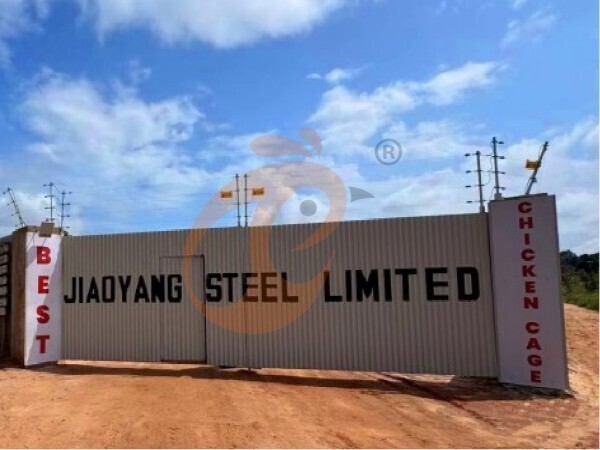
Reception /24 WhatsApp NO. : +8618830120193
FAQ
How To Implement Semi-Automatic Feeding In A-Type Chicken Cage Farm?
Scheduled feeding ensures even intake
Egg production rate: 90–96%
FCR: 1.9–2.2
Labor savings: 50–70%
How To Ensure Egg Uniformity In A-Type Layer Cage System?
Adequate nutrition and water
Egg weight: 60–65 g
Egg breakage rate <1%
Egg production rate: 90–96%
How To Reduce Mortality In A-Type Chicken Cage Layers?
Even ventilation
Regular manure removal
Mortality rate: 2–3%
Egg production rate: 90–96%
Message
Products recommended
 HK Headquarter Offers EU-standard Poultry Farm Solutions, Manufacture Poultry Farm Equipment1. Continuous communication with the EU and the US
2. China, Nigeria, Ethiopia, Tanzania branch companies and factories
3. The products’ quality is customized for local poultry farms
4. Poultry cage and poultry farm equipment stock for sale
5. 24 online reception Whatsapp NO. : +8618830120193,contact us to get full informationRead More China Branch Offer Poultry Farm Business Plan, Manufacture Poultry Farm Equipment1. Address: Flat/RM 2416, 24/F, Runxing Building, Youyi Nan Street, Shijiazhuang City, Hebei Province, China
2. Poultry cage and poultry farm equipment factory and stock for sale
3. Customized for local poultry farms
4. Quality and design are based on Euro
5. 24 online reception Whatsapp NO. : +8618830120193Read More Nigeria Branch Offer Poultry Farm Business Plan, Manufacture Poultry Farm Equipment1. Address: After Sinoma Office, 200 Meters Near Danco Filling Station, Lagos/Ibadan Expressway, Lagos State, Nigeria
2. Poultry cage and poultry farm equipment factory and stock for sale
3. Customized for Nigerian poultry farms
4. Quality and design are based on Euro
5. 24 online reception Whatsapp NO. : +8618830120193Read More Ethiopia Branch Offer Poultry Farm Business Plan, Manufacture Poultry Farm Equipment1. Address: Gelan Gura, Akaki-kaliti Sub City, Addis Ababa, Ethiopia
2. Poultry cage and poultry farm equipment stock for sale
3. Customized for Ethiopian poultry farms
4. Quality and design are based on Euro
5. 24 online reception Whatsapp NO. : +8618830120193, contact us to get price listRead More Tanzania Branch Offer Poultry Farm Business Plan, Manufacture Poultry Farm Equipment1. Address: No.8, Sova Road, Msufini, Mlandizi, Kibaha, Pwani, Tanzania
2. Poultry cage and poultry farm equipment factory and stock for sale
3. Customized for Tanzanian poultry farms
4. Quality and design are based on Euro
5. 24 online reception Whatsapp NO. : +8618830120193Read More Fully Automatic H Type Layer Chicken Cage1. 30,000-100,000+ layers/house chooses it, Poultry farmers can achieve an egg production rate of 96-98%
2. A significant improvement over the 85-90% typically seen in manual systems
3. A typical poultry farm can expect a 30-40% reduction in labor costs due to the automation
4. Each feeding line efficiently supplies feed to around 100,000 hens per 30 mins
5. Reception /WhatsApp NO. : +8618830120193Read More Fully Automatic A Type Layer Chicken Cage1. 10,000-50,000 layers/house chooses it
2. Cleaner egg collection reduces breakage by 0.5%
3. Improved hygiene helps reduce mortality rate to <3%
4. 1–2 technicians can handle 15,000–30,000 birds
5. Reception /WhatsApp NO. : +8618830120193Read More Semi Automatic H Type Layer Chicken Cage1. 1,00-20,000 layers/house chooses it
2. Nipple drinkers flow 30–60 ML / min
3. Hot-dip galvanized (typical coating ≥ 275 g/m²)
4. Reduce ammonia by ~ 35–40%
5. Reception /WhatsApp NO. : +8618830120193Read More Semi Automatic A Type Layer Chicken Cage1. 1,00-20,000 layers/house chooses it, no rust for 10 years, no deformation for 15 years
2. Chickens live comfortably, you can raise them with peace of mind
3. Save water, save money—efficiency you can measure
4. Improve environment quality, and increase egg production rate
5. Reception /WhatsApp NO. : +8618830120193Read More

By clicking 'Allow All', you agree to the storage of cookies on your device to enhance site navigation, analyze site usage and assist with our marketing efforts.