


Blog
Free range poultry production systems rely primarily on engineered free-range housing infrastructure, rotational grazing design, controlled ranging corridors, and integrated poultry housing layouts to reduce disease risk.
Disease prevention performance depends on spatial system design, stocking density calibration, environmental load control, and pathogen exposure interruption within the free range architecture.
Modern free-range poultry farms implement structured range zoning systems combined with modular housing units to stabilize flock health indicators under outdoor exposure conditions.
Disease control efficiency is achieved through system level design of poultry movement pathways, resting paddocks, and controlled environmental interfaces.
Explains six technical intervention domains centered on free-range system optimization with quantitative field based performance metrics.
Get professional poultry farm construction guidance, equipment selection solutions, and the latest price lists, whatsApp to +8618830120193, +2348111199996, or click to learn more.
Baseline Disease Occurrence In Free Range Poultry Systems
Understanding measurable disease incidence is necessary before designing intervention strategies.
The following dataset reflects observed annual incidence rates in unmanaged free-range flocks (per 1,000 birds/year).
These indicators demonstrate that disease pressure is strongly correlated with uncontrolled range exposure intensity and housing system fragmentation.
Free Range System Biosecurity Zoning Architecture
Free range poultry system performance depends on structured zoning between housing units, paddocks, and rotation fields.
Data is for reference only.Swipe horizontally to view full table.
Free range system design directly determines pathogen dilution rate and exposure frequency control.
Rotational Grazing Design For System Disease Suppression
Rotational grazing is a core structural element of free range system engineering that reduces pathogen accumulation in soil ecosystems.
Data is for reference only.Swipe horizontally to view full table.
Extended rotation cycles in free-range systems improve land microbial balance and reduce reinfection pressure in subsequent flock cycles.
Scientific Disease Transmission In Free Range Systems
Disease transmission in free range poultry systems is governed by spatial contact probability between birds, soil reservoirs, and wild vectors.
Avian influenza viral particles can remain viable in wet soil environments for 14–28 days under moderate temperature conditions.
Coccidial oocysts accumulate in high density grazing zones where repeated flock access occurs without rest cycles.
System-level disease risk increases when free range housing design lacks controlled corridor separation between clean and contaminated zones.
Transmission control is therefore fundamentally dependent on structural system engineering rather than isolated treatment measures.
Free Range Housing Environmental Load Control System
Environmental load inside free-range poultry systems is controlled through housing design parameters including ventilation geometry, litter management architecture, and airflow routing.
Data is for reference only.Swipe horizontally to view full table.
Free range housing performance is directly linked to environmental stability inside enclosed shelters used during night and feeding cycles.
Free Range Water And Feed Integration System
Water and feed delivery systems in free range poultry operations must be structurally integrated into housing design to prevent contamination from outdoor exposure.
Data is for reference only.Swipe horizontally to view full table.
System integration reduces external contamination entry points into the free range environment.
Free Range Vaccination Integration Within System Design
Vaccination efficiency in free-range poultry systems depends on timing integration with housing cycles and movement patterns.
Data is for reference only.Swipe horizontally to view full table.
Vaccination performance improves when aligned with structured free range housing transitions.
Free Range System Nutritional Support Integration
Nutritional supplementation is embedded into free range systems through centralized feed delivery and controlled intake distribution nodes.
Data is for reference only.Swipe horizontally to view full table.
System nutrition architecture supports immune resilience within free-range exposure conditions.
Free Range System Stress Control And Production Stability
Free-range poultry systems require environmental and spatial stress control through structured housing and outdoor access scheduling.
Data is for reference only.Swipe horizontally to view full table.
System level stress regulation directly improves productivity efficiency and disease resistance stability.
Monitoring Architecture For Free Range Poultry Systems
Free range system monitoring focuses on measurable behavioral and physiological thresholds across housing and range zones.
Daily feed intake deviation exceeding 12 percent from baseline.
Water consumption variation exceeding 15 percent.
Mortality increase above 0.8 percent per 24-hour period.
Fecal moisture content exceeding 75 percent water fraction.
Monitoring systems are embedded into housing infrastructure to enable early detection of system imbalance.
Integrated Free Range System Disease Prevention Architecture
Disease prevention in free-range poultry systems is achieved through layered structural integration across housing, range zones, and environmental control modules.
Data is for reference only.Swipe horizontally to view full table.
System Implementation Workflow
A standardized operational workflow ensures consistent application of free range system controls across production cycles.
Range rotation is maintained at 20–40 day cycles.
Water systems operate under continuous filtration loops.
Vaccination is synchronized with housing transition stages.
Feed delivery is centralized through protected distribution nodes.
System health indicators are recorded continuously.
Operational consistency produces cumulative stability in free-range production environments.
Frequently Asked Questions
Q1: How does free-range system design reduce disease risk in poultry production?
A1: Free range system design reduces disease risk by controlling spatial exposure, limiting uncontrolled contact between birds and contaminated soil zones.
Structured housing units combined with rotational paddocks reduce pathogen accumulation.
System engineering replaces random exposure with controlled environmental cycles.
Q2: What is the most critical structural component in free-range poultry systems?
A2: Rotational grazing paddock design is the most critical component because it directly controls soil pathogen load and reinfection cycles.
Without structured rotation, disease pressure accumulates rapidly in outdoor environments.
Housing and corridor design further stabilize exposure pathways.
Q3: Can free range poultry systems maintain stable productivity under high disease pressure?
A3: Stable productivity is achievable when housing systems integrate controlled environment modules, vaccination timing, and feed distribution architecture.
Disease pressure is reduced through system level design rather than reactive treatment alone.
Consistency in rotation and monitoring determines long-term performance stability.
Taiyu (HK) Group - One Of China Biggest Poultry System Manufacturer
Free range poultry system modular housing design for controlled outdoor production architecture integration.
Global factory direct supply enables standardized free range poultry system deployment across large scale farms.
Turn-key poultry system engineering covering housing construction, paddock layout, and environmental control integration.
Advanced poultry system manufacturing supporting biosecure free range production environments with automated feeding infrastructure.
Export grade free range poultry system solutions designed for industrial scale commercial farming operations.
Contact Us To Received Your Customized Poultry Farm Plan
Headquarters And Branchs
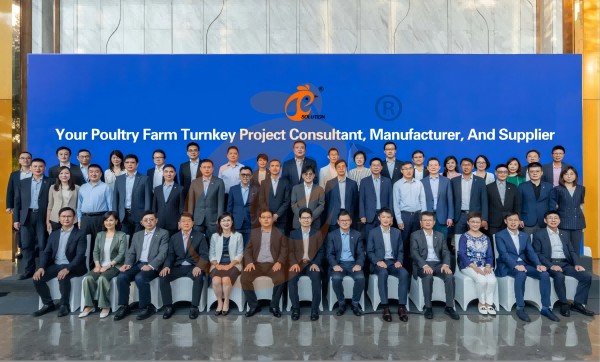
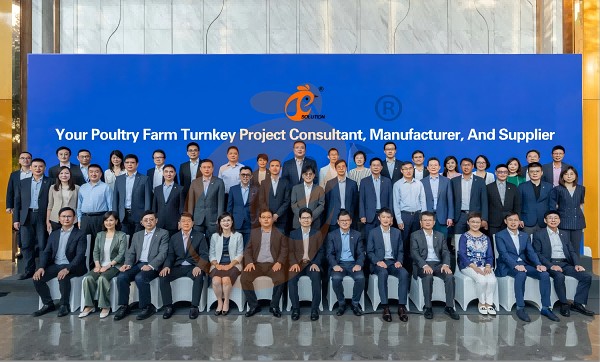
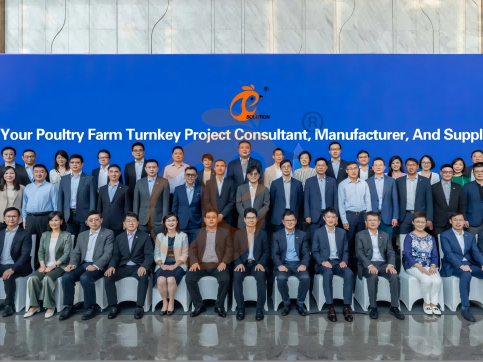
Hong Kong Headquarter Management Team
Hong Kong Headquarter Taiyu Industrial Group CO., LTD
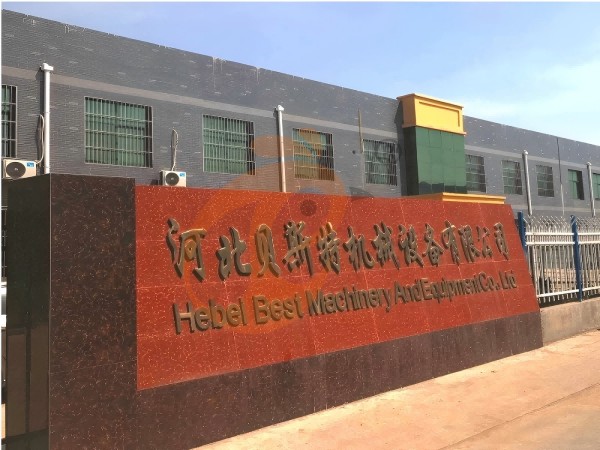
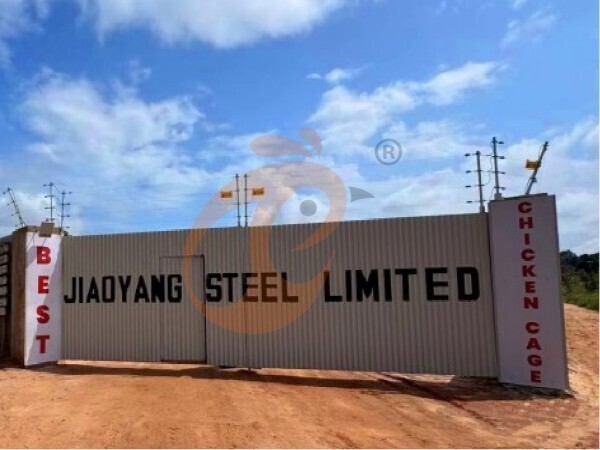
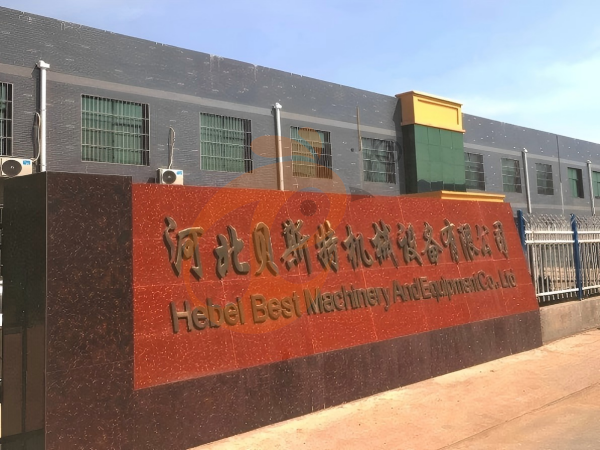
China Hebei Best Machinery And Equipment CO., LTD
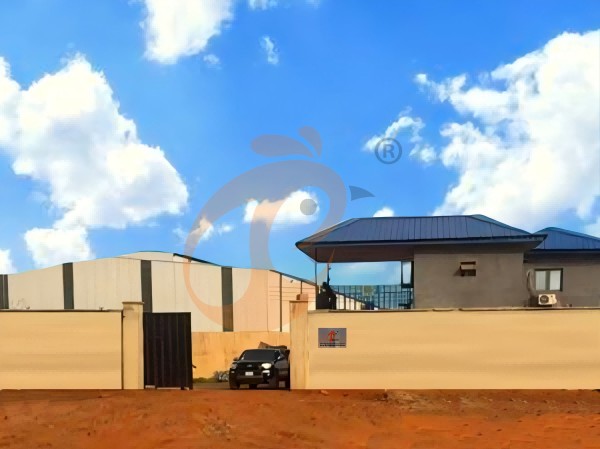
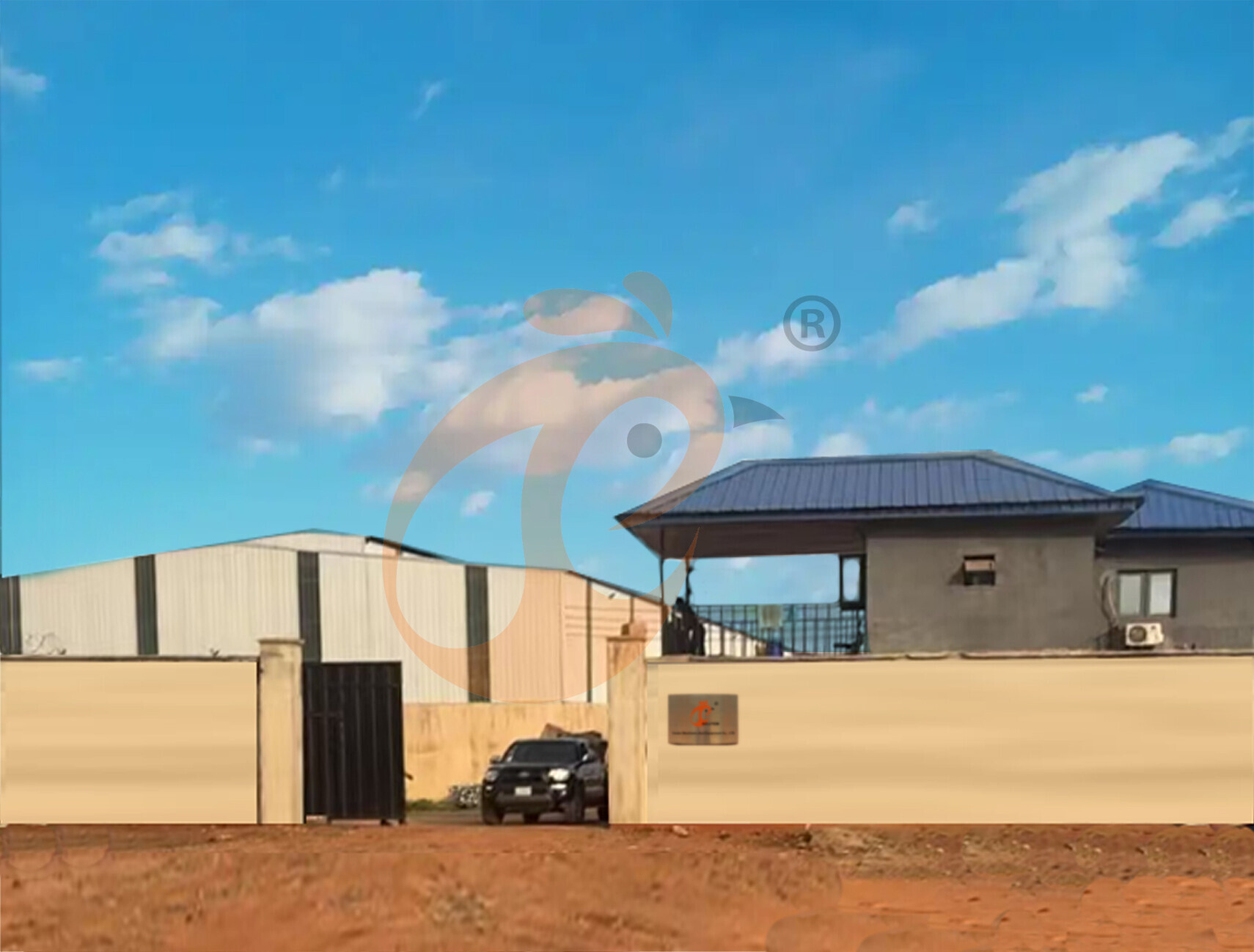
Nigeria Vanke Machinery And Equipment CO., LTD
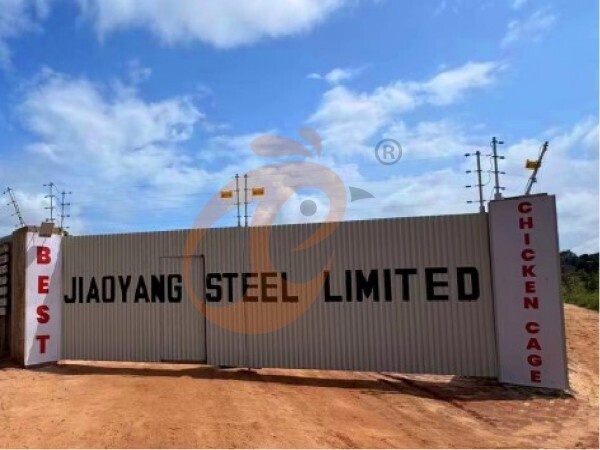
Tanzania Best Machinery And Equipment CO., LTD
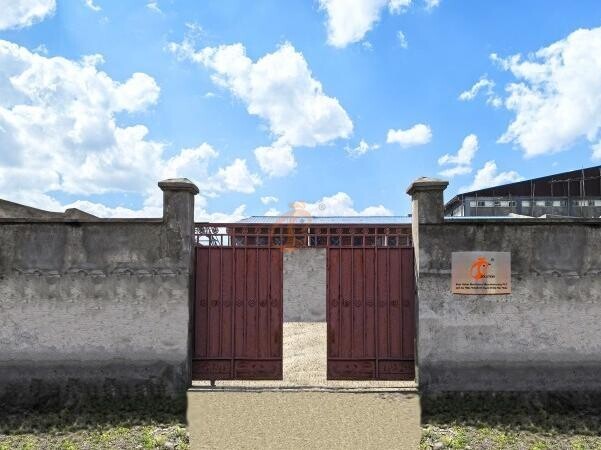
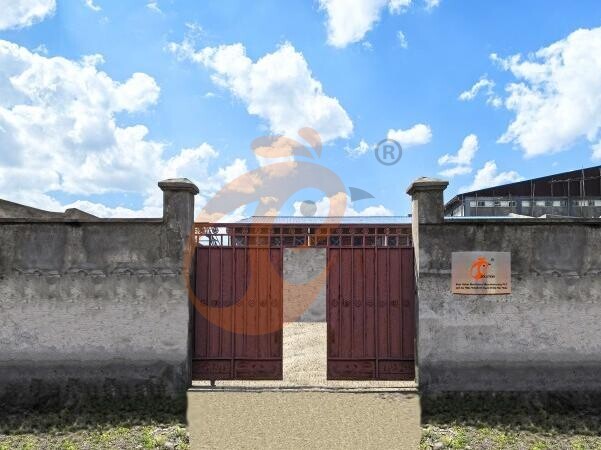
Ethiopia Best Hebei Machinery Manufacturing PLC
Reception /24 WhatsApp NO. : +8618830120193
FAQ
Which Environmental Factors Most Influence Performance In Free Range Poultry System For Poultry Chicken Farms?
Ground temperature fluctuates between 12–28°C affecting grazing activity intensity.
Wind speed tolerance is maintained at 1–3 m/s for outdoor comfort stability.
Why Does Free Range Poultry System Improve Meat Quality In Poultry Chicken Production?
Intramuscular fat content stabilizes at 2.5%–4.0% improving texture balance.
Protein digestibility improves to 88%–94% under natural feeding conditions.
How Is Land Utilization Managed In Free Range Poultry System For Poultry Chicken Farming?
Land recovery efficiency reaches 70%–85% vegetation regrowth per cycle.
Stocking rotation density is maintained at 6–9 birds per hectare for sustainability.
Message
Products recommended
 HK Headquarter Offers EU-standard Poultry Farm Solutions, Manufacture Poultry Farm Equipment1. Continuous communication with the EU and the US
2. China, Nigeria, Ethiopia, Tanzania branch companies and factories
3. The products’ quality is customized for local poultry farms
4. Poultry cage and poultry farm equipment stock for sale
5. 24 online reception Whatsapp NO. : +8618830120193,contact us to get full informationRead More China Branch Offer Poultry Farm Business Plan, Manufacture Poultry Farm Equipment1. Address: Flat/RM 2416, 24/F, Runxing Building, Youyi Nan Street, Shijiazhuang City, Hebei Province, China
2. Poultry cage and poultry farm equipment factory and stock for sale
3. Customized for local poultry farms
4. Quality and design are based on Euro
5. 24 online reception Whatsapp NO. : +8618830120193Read More Nigeria Branch Offer Poultry Farm Business Plan, Manufacture Poultry Farm Equipment1. Address: After Sinoma Office, 200 Meters Near Danco Filling Station, Lagos/Ibadan Expressway, Lagos State, Nigeria
2. Poultry cage and poultry farm equipment factory and stock for sale
3. Customized for Nigerian poultry farms
4. Quality and design are based on Euro
5. 24 online reception Whatsapp NO. : +8618830120193Read More Ethiopia Branch Offer Poultry Farm Business Plan, Manufacture Poultry Farm Equipment1. Address: Gelan Gura, Akaki-kaliti Sub City, Addis Ababa, Ethiopia
2. Poultry cage and poultry farm equipment stock for sale
3. Customized for Ethiopian poultry farms
4. Quality and design are based on Euro
5. 24 online reception Whatsapp NO. : +8618830120193, contact us to get price listRead More Tanzania Branch Offer Poultry Farm Business Plan, Manufacture Poultry Farm Equipment1. Address: No.8, Sova Road, Msufini, Mlandizi, Kibaha, Pwani, Tanzania
2. Poultry cage and poultry farm equipment factory and stock for sale
3. Customized for Tanzanian poultry farms
4. Quality and design are based on Euro
5. 24 online reception Whatsapp NO. : +8618830120193Read More Fully Automatic H Type Layer Chicken Cage1. 30,000-100,000+ layers/house chooses it, Poultry farmers can achieve an egg production rate of 96-98%
2. A significant improvement over the 85-90% typically seen in manual systems
3. A typical poultry farm can expect a 30-40% reduction in labor costs due to the automation
4. Each feeding line efficiently supplies feed to around 100,000 hens per 30 mins
5. Reception /WhatsApp NO. : +8618830120193Read More Fully Automatic A Type Layer Chicken Cage1. 10,000-50,000 layers/house chooses it
2. Cleaner egg collection reduces breakage by 0.5%
3. Improved hygiene helps reduce mortality rate to <3%
4. 1–2 technicians can handle 15,000–30,000 birds
5. Reception /WhatsApp NO. : +8618830120193Read More Semi Automatic H Type Layer Chicken Cage1. 1,00-20,000 layers/house chooses it
2. Nipple drinkers flow 30–60 ML / min
3. Hot-dip galvanized (typical coating ≥ 275 g/m²)
4. Reduce ammonia by ~ 35–40%
5. Reception /WhatsApp NO. : +8618830120193Read More Semi Automatic A Type Layer Chicken Cage1. 1,00-20,000 layers/house chooses it, no rust for 10 years, no deformation for 15 years
2. Chickens live comfortably, you can raise them with peace of mind
3. Save water, save money—efficiency you can measure
4. Improve environment quality, and increase egg production rate
5. Reception /WhatsApp NO. : +8618830120193Read More
By clicking 'Allow All', you agree to the storage of cookies on your device to enhance site navigation, analyze site usage and assist with our marketing efforts.