



Blog
Floor rearing systems poultry production rely on controlled ventilation design litter management pathogen suppression density regulation vaccination integration.
Environmental contamination sources include ammonia accumulation microbial proliferation water leakage dust aerosol circulation feed cross contamination.
Disease prevention engineering requires airflow optimization bedding control biosecurity barriers nutritional stabilization monitoring systems.
Operational efficiency depends on measurable environmental parameters and production consistency metrics.
System stability increases when pathogen load environmental stress and host susceptibility are simultaneously controlled
Get professional poultry farm construction guidance, equipment selection solutions, and the latest price lists, whatsApp to +8618830120193, +2348111199996, or click to learn more.
Baseline Disease Pressure Characteristics In Floor Systems
Disease risk is quantified through environmental indicators including microbial density gas concentration moisture equilibrium and stocking intensity.
Field surveillance in commercial poultry houses confirms strong linkage between litter contamination and pathogen recovery frequency.
Data is for reference only.Swipe horizontally to view full table.
Baseline exceedance across multiple parameters increases infection probability escalation under field conditions.
Litter Moisture And Microbial Load Control Method
Litter functions as primary microbial reservoir supporting bacterial survival protozoan sporulation and viral persistence under humid conditions.
Data is for reference only.Swipe horizontally to view full table.
Moisture reduction below twenty two percent reduces coccidia development activity significantly in controlled field trials.
Air Exchange And Ammonia Regulation System
Ventilation governs airborne pathogen dispersion thermal balance and ammonia accumulation within enclosed poultry housing structures.
Data is for reference only.Swipe horizontally to view full table.
Air exchange increase reduces airborne microbial concentration through dilution and directional exhaust mechanism.
Stocking Density Calibration And Contact Rate Reduction
Stocking density determines contact frequency feed competition stress hormone elevation and pathogen transmission velocity in floor systems.
Data is for reference only.Swipe horizontally to view full table.
Density escalation beyond thirty six kilograms per square meter leads to rapid deterioration in feed efficiency and survival performance.
Litter Drying Dynamics And Bedding Material Engineering
Bedding material determines absorption capacity moisture retention kinetics and ammonia volatilization rate in floor poultry environments.
Data is for reference only.Swipe horizontally to view full table.
Zeolite integration improves adsorption capacity and reduces ammonia volatilization rate in housing environment.
Pathogen Transmission Kinetics In Poultry Floor Systems
Disease propagation depends on contact rate infectious duration and population density under commercial poultry conditions.
High density systems increase contact frequency through feeder crowding and litter disturbance events.
Increasing density from moderate to high commercial levels elevates transmission intensity and outbreak speed.
This leads to faster disease spread when immunity protection is insufficient.
Nutritional Immuno Enhancement Programs
Micronutrient supplementation modifies immune response intensity gut microbiota stability and epithelial barrier resistance.
Data is for reference only.Swipe horizontally to view full table.
Organic acid supplementation produces consistent reduction in intestinal pathogen burden in field conditions.
Biosecurity Layering And Pathogen Entry Control
Biosecurity architecture functions through sequential barrier reduction of contamination probability across entry pathways.
Data is for reference only.Swipe horizontally to view full table.
Layer stacking reduces cumulative contamination probability significantly under full implementation.
Monitoring System And Early Detection Metrics
Continuous monitoring provides early deviation signals enabling intervention before outbreak amplification phase.
Data is for reference only.Swipe horizontally to view full table.
Deviation signals typically appear before clinical outbreak onset within short time window.
Integrated System Control Logic
Disease regulation operates through multivariable interaction between environmental load host immunity and transmission intensity.
Environmental load control includes ammonia maintained below 18 ppm and dust concentration controlled at 2.5 to 3.5 milligrams per cubic meter and microbial load kept below 8 × 10⁵ cfu per gram.
Transmission suppression control includes feed trough occupancy below 85 percent per cycle and water microbial contamination below 2.0 cfu per milliliter and air distribution deviation within 10 percent across zones.
Immune capacity support includes antibody response stability maintained above 88 percent baseline index and stress variation controlled within 15 percent daily range.
System equilibrium is achieved when environmental stress accumulation and transmission pressure remain synchronized with immune capacity preventing outbreak amplification conditions.
Farm Implementation Workflow
Operational discipline requires structured temporal execution of hygiene ventilation nutrition and monitoring processes.
Data is for reference only.Swipe horizontally to view full table.
Frequently Asked Questions
Q1: What is the optimal litter moisture level in floor rearing systems and why does it matter?
A1: Optimal litter moisture remains between 18 and 22 percent because higher moisture increases microbial survival and accelerates enteric pathogen development leading to reduced feed efficiency and higher infection pressure in poultry houses.
Q2: How does stocking density influence disease transmission in poultry floor systems?
A2: Stocking density above recommended commercial range increases bird contact frequency, stress level, and environmental contamination accumulation which directly raises disease transmission rate and reduces production performance consistency.
Q3: Why is ammonia concentration control critical for poultry respiratory health?
A3: Ammonia exposure above safe operational threshold damages respiratory tract lining reduces natural defense function and increases susceptibility to secondary bacterial infections leading to performance decline and higher mortality risk.
Taiyu (HK) Group - One Of China Largest Floor Rearing System Manufacturer
Floor rearing system precision engineered poultry housing equipment for commercial farms
Global factory direct supply poultry equipment with standardized production and strict quality control systems
Turn key poultry farming project design installation and full lifecycle technical support service
Advanced poultry cage and floor system integration with automated feeding ventilation manure handling solutions
International export capability covering large scale poultry production equipment delivery and engineering support services
Contact Us To Received Your Customized Poultry Farm Plan
Headquarters And Branchs

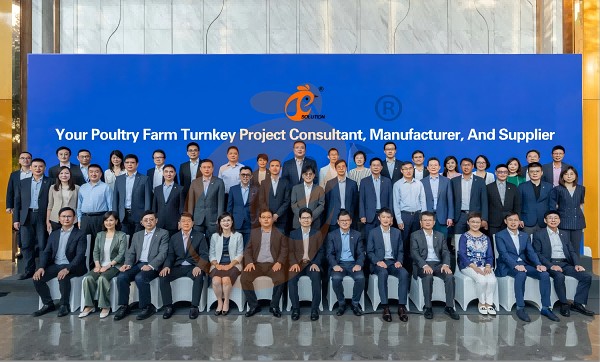
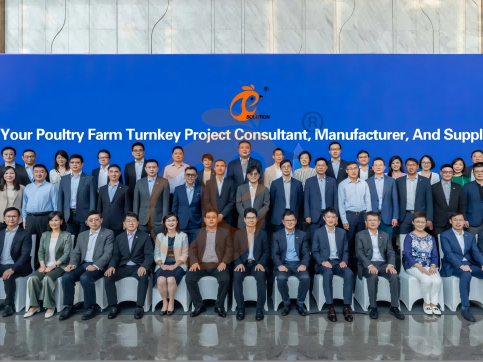
Hong Kong Headquarter Management Team
Hong Kong Headquarter Taiyu Industrial Group CO., LTD
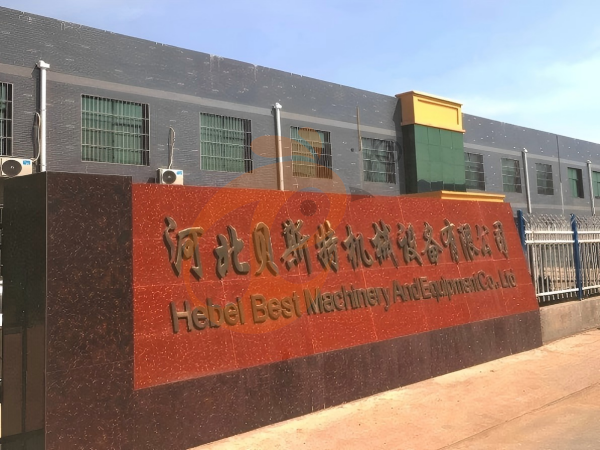
China Hebei Best Machinery And Equipment CO., LTD
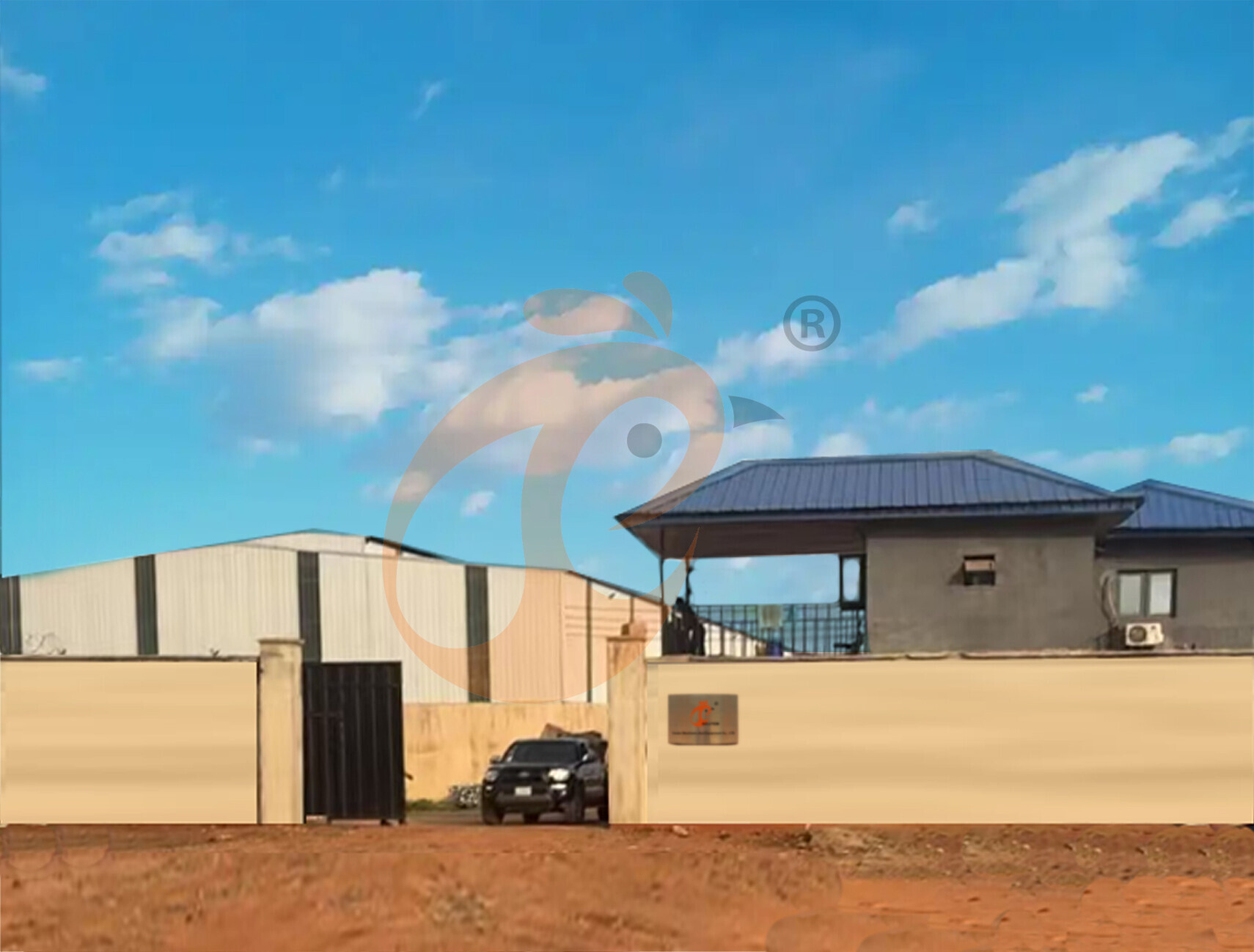
Nigeria Vanke Machinery And Equipment CO., LTD
Tanzania Best Machinery And Equipment CO., LTD
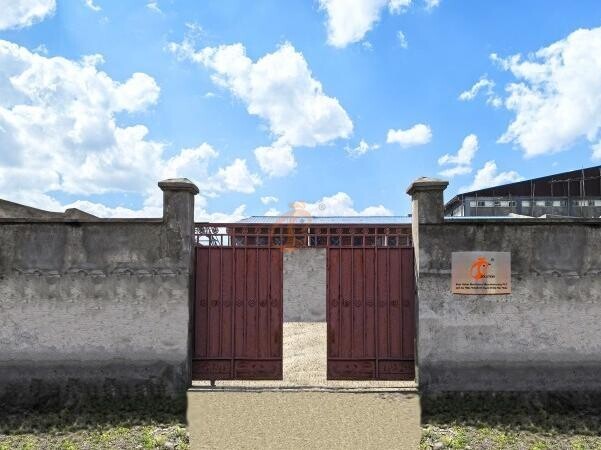
Ethiopia Best Hebei Machinery Manufacturing PLC
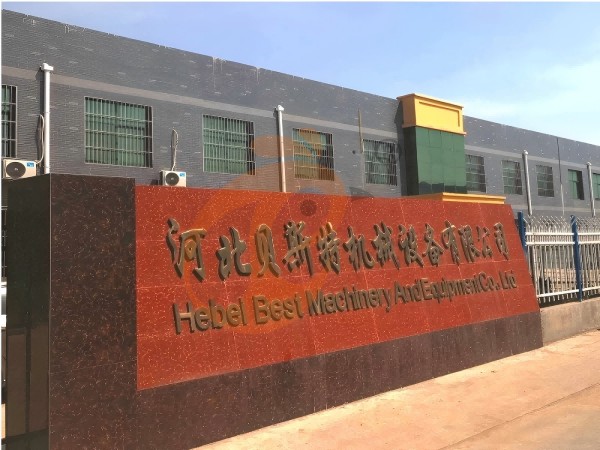
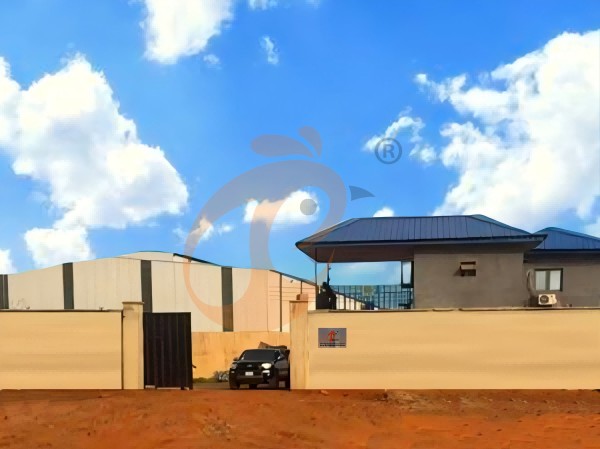
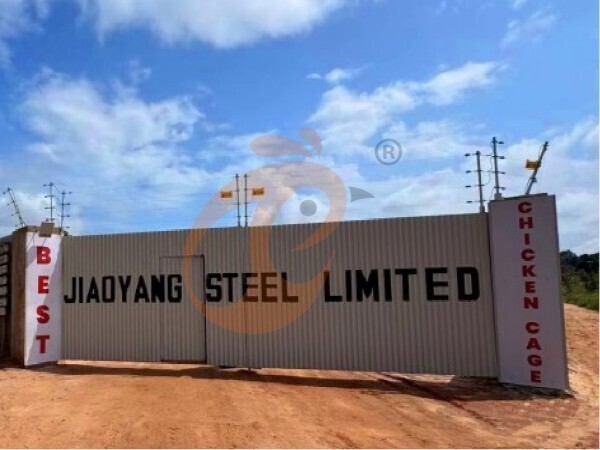
Reception /24 WhatsApp NO. : +8618830120193
FAQ
What Ventilation Requirements Are Needed In Floor Rearing Poultry System For Poultry Chicken Farms?
Tunnel airflow velocity ranges from 1.8–2.5 m/s for heat stress reduction.
Static pressure levels are controlled at 18–28 Pa for uniform air distribution.
What Litter Management Standards Are Used In Floor Rearing Poultry System For Poultry Chicken Production?
Moisture content is controlled below 25% to prevent ammonia buildup.
Replacement cycle occurs every 35–45 days depending on flock density.
What Feeding System Configuration Is Used In Floor Rearing Poultry System For Poultry Chicken Farms?
Feed distribution speed ranges from 12–18 meters per minute in automated lines.
Feed trough height is adjusted between 5–10 cm for chick accessibility.
Message
Products recommended
 HK Headquarter Offers EU-standard Poultry Farm Solutions, Manufacture Poultry Farm Equipment1. Continuous communication with the EU and the US
2. China, Nigeria, Ethiopia, Tanzania branch companies and factories
3. The products’ quality is customized for local poultry farms
4. Poultry cage and poultry farm equipment stock for sale
5. 24 online reception Whatsapp NO. : +8618830120193,contact us to get full informationRead More China Branch Offer Poultry Farm Business Plan, Manufacture Poultry Farm Equipment1. Address: Flat/RM 2416, 24/F, Runxing Building, Youyi Nan Street, Shijiazhuang City, Hebei Province, China
2. Poultry cage and poultry farm equipment factory and stock for sale
3. Customized for local poultry farms
4. Quality and design are based on Euro
5. 24 online reception Whatsapp NO. : +8618830120193Read More Nigeria Branch Offer Poultry Farm Business Plan, Manufacture Poultry Farm Equipment1. Address: After Sinoma Office, 200 Meters Near Danco Filling Station, Lagos/Ibadan Expressway, Lagos State, Nigeria
2. Poultry cage and poultry farm equipment factory and stock for sale
3. Customized for Nigerian poultry farms
4. Quality and design are based on Euro
5. 24 online reception Whatsapp NO. : +8618830120193Read More Ethiopia Branch Offer Poultry Farm Business Plan, Manufacture Poultry Farm Equipment1. Address: Gelan Gura, Akaki-kaliti Sub City, Addis Ababa, Ethiopia
2. Poultry cage and poultry farm equipment stock for sale
3. Customized for Ethiopian poultry farms
4. Quality and design are based on Euro
5. 24 online reception Whatsapp NO. : +8618830120193, contact us to get price listRead More Tanzania Branch Offer Poultry Farm Business Plan, Manufacture Poultry Farm Equipment1. Address: No.8, Sova Road, Msufini, Mlandizi, Kibaha, Pwani, Tanzania
2. Poultry cage and poultry farm equipment factory and stock for sale
3. Customized for Tanzanian poultry farms
4. Quality and design are based on Euro
5. 24 online reception Whatsapp NO. : +8618830120193Read More Fully Automatic H Type Layer Chicken Cage1. 30,000-100,000+ layers/house chooses it, Poultry farmers can achieve an egg production rate of 96-98%
2. A significant improvement over the 85-90% typically seen in manual systems
3. A typical poultry farm can expect a 30-40% reduction in labor costs due to the automation
4. Each feeding line efficiently supplies feed to around 100,000 hens per 30 mins
5. Reception /WhatsApp NO. : +8618830120193Read More Fully Automatic A Type Layer Chicken Cage1. 10,000-50,000 layers/house chooses it
2. Cleaner egg collection reduces breakage by 0.5%
3. Improved hygiene helps reduce mortality rate to <3%
4. 1–2 technicians can handle 15,000–30,000 birds
5. Reception /WhatsApp NO. : +8618830120193Read More Semi Automatic H Type Layer Chicken Cage1. 1,00-20,000 layers/house chooses it
2. Nipple drinkers flow 30–60 ML / min
3. Hot-dip galvanized (typical coating ≥ 275 g/m²)
4. Reduce ammonia by ~ 35–40%
5. Reception /WhatsApp NO. : +8618830120193Read More Semi Automatic A Type Layer Chicken Cage1. 1,00-20,000 layers/house chooses it, no rust for 10 years, no deformation for 15 years
2. Chickens live comfortably, you can raise them with peace of mind
3. Save water, save money—efficiency you can measure
4. Improve environment quality, and increase egg production rate
5. Reception /WhatsApp NO. : +8618830120193Read More
By clicking 'Allow All', you agree to the storage of cookies on your device to enhance site navigation, analyze site usage and assist with our marketing efforts.