






Blog
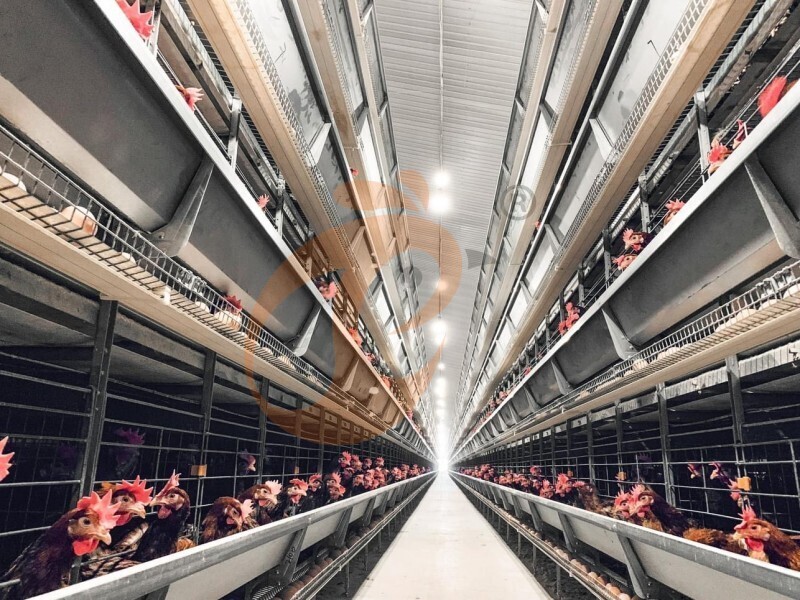
Layer chicken cage system technology influences egg quality, flock performance, production consistency, facility management efficiency, and long term operational stability across modern poultry farms.
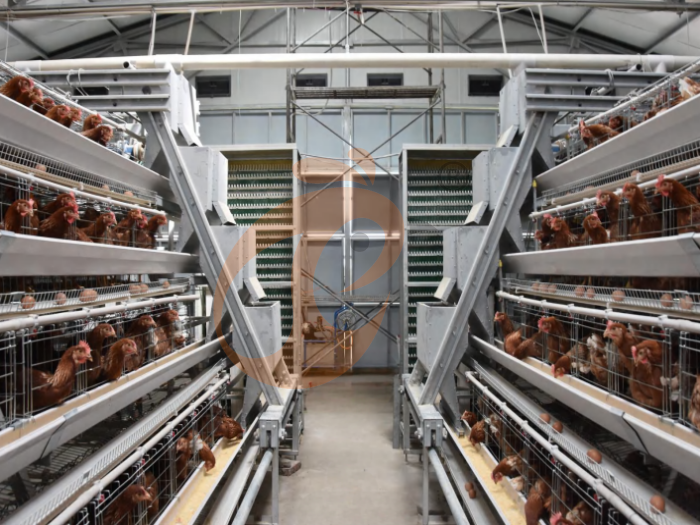
Automatic layer cage solutions support environmental control, feeding accuracy, water distribution, manure management, and egg collection processes throughout commercial operations.
Commercial egg production requires balanced nutrition programs, proper stocking density, disease prevention measures, and stable housing conditions for sustainable results.
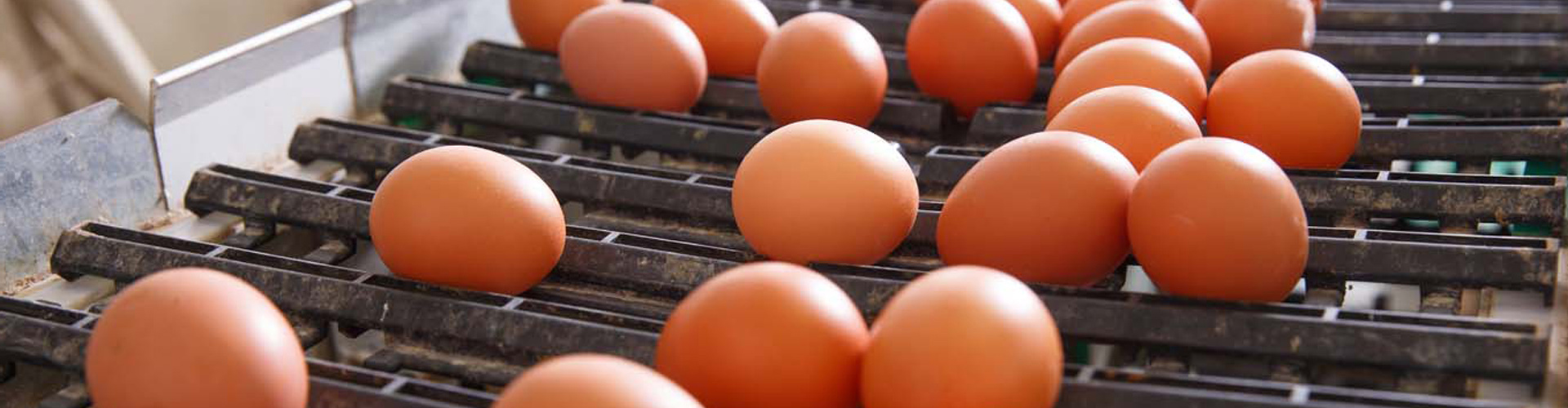
Eggshell strength, internal freshness, cleanliness standards, and handling procedures directly affect product value, transportation safety, and customer acceptance.
Scientific management practices combined with modern equipment help producers improve production efficiency, reduce losses, optimize labor utilization, and maintain reliable output quality.
Get professional poultry farm construction guidance, equipment selection solutions, and the latest price lists, whatsApp to +8618830120193, +2348111199996, or click to learn more.
Understand What Defines Egg Quality
Before improving egg quality, farmers must understand the characteristics valued by distributors, retailers, and consumers.
Egg quality includes both external and internal characteristics.
Data is for reference only.Swipe horizontally to view full table.
Strong shells, clean surfaces, and consistent egg size contribute to better market acceptance and lower transportation losses.
Select High-Quality Layer Chicken Cage Systems
The foundation of egg quality improvement begins with choosing suitable housing equipment.
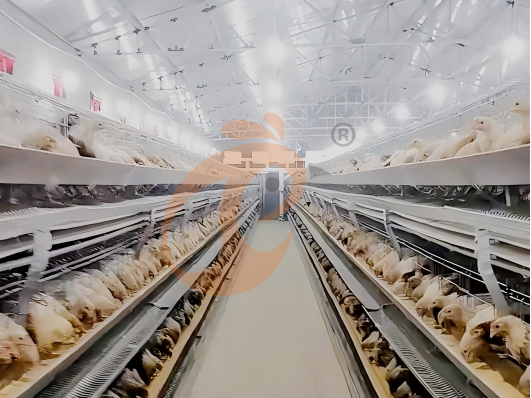
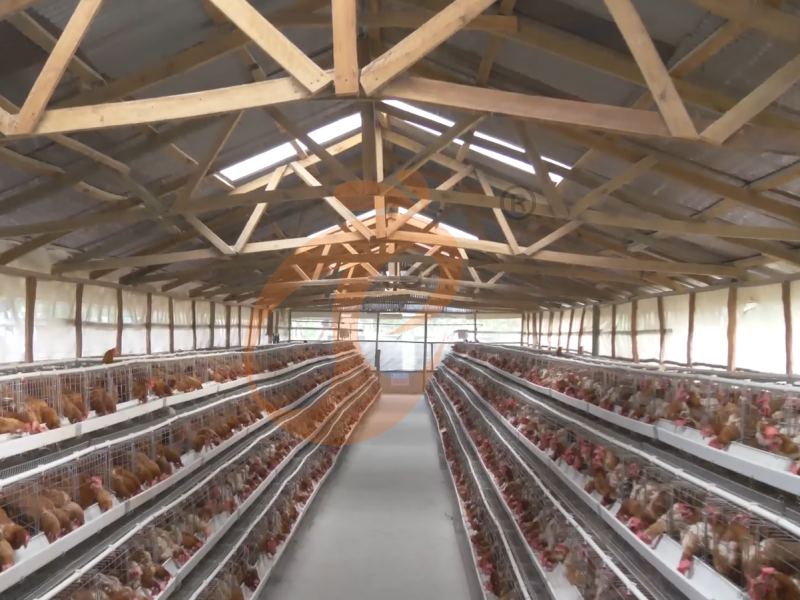
Modern layer chicken cage system designs provide controlled living conditions, efficient operation, and reliable production performance.
Benefits include:
- Improved ventilation distribution.
- Efficient manure removal.
- Uniform feeding access.
- Reduced egg damage.
- Better flock monitoring.
Data is for reference only.Swipe horizontally to view full table.
A properly designed system minimizes stress factors while supporting commercial egg production goals.
Science Corner: How Eggshells Are Formed
Understanding eggshell formation helps farmers identify the causes of shell defects and production losses.
The eggshell consists primarily of calcium carbonate.
After ovulation, shell deposition occurs inside the shell gland over several hours.
Factors affecting shell development include:
- Calcium availability.
- Vitamin d3 status.
- Water consumption.
- Environmental temperature.
- Bird age.
Data is for reference only.Swipe horizontally to view full table.
Knowledge of eggshell physiology allows producers to make informed nutritional and management decisions.
Maintain Proper Stocking Density
Overcrowding creates unnecessary competition and increases production stress.
When bird density exceeds recommended levels:
- Feed access decreases.
- Water access becomes uneven.
- Social pressure increases.
- Egg quality may decline.
Data is for reference only.Swipe horizontally to view full table.
Providing adequate living space helps maintain production stability and bird welfare.
Optimize Nutrition And Feeding Programs
Feed quality directly influences shell strength, egg weight, yolk development, and albumen quality.
A balanced feeding program should provide sufficient levels of:
- Protein.
- Energy.
- Calcium.
- Phosphorus.
- Essential amino acids.
- Trace minerals.
Automatic layer cage feeding systems help ensure uniform feed distribution throughout the flock.
Data is for reference only.Swipe horizontally to view full table.
Consistent feed formulation supports long term egg quality performance.
Control Environmental Conditions
Environmental management directly affects productivity and egg quality.
Temperature fluctuations, air quality challenges, and inadequate lighting programs can reduce performance.
Data is for reference only.Swipe horizontally to view full table.
Modern poultry facilities often integrate automated ventilation systems to stabilize housing conditions.
Science Corner: The Impact Of Heat Stress On Egg Quality
Heat stress remains one of the most significant challenges in poultry production.
When temperatures rise beyond recommended levels, birds consume less feed and absorb less calcium.
Physiological responses include:
- Increased respiration rate.
- Lower feed intake.
- Reduced shell deposition efficiency.
- Declining eggshell quality.
Proper ventilation design and airflow management help reduce production risks during hot seasons.
Improve Egg Collection And Handling
Many egg losses occur after laying rather than during production.
Automated collection systems reduce handling damage and improve product cleanliness.
Benefits include:
- Reduced shell cracks.
- Lower contamination rates.
- Improved labor efficiency.
- Consistent collection schedules.
Data is for reference only.Swipe horizontally to view full table.
Effective collection procedures help preserve product quality throughout the supply chain.
Implement Effective Health Management Programs
Healthy birds consistently produce better eggs.
Disease prevention programs should include:
- Vaccination schedules.
- Biosecurity procedures.
- Routine health inspections.
- Water sanitation measures.
- Veterinary supervision.
Clean housing systems help reduce pathogen exposure and support flock performance.
Ensure Continuous Access To Clean Water
Water remains the most important nutrient in poultry production.
Insufficient water availability can negatively affect feed intake, egg production, and shell quality.
Nipple drinking systems commonly installed in modern cage facilities provide a cleaner water source and improve management efficiency.
Routine monitoring of water quality parameters helps maintain flock health and production consistency.
Frequently Asked Questions
Q1: How much space should each layer hen receive in a cage system?
A1: Commercial operations commonly allocate 450–600 cm² per bird depending on breed characteristics, production stage, and management objectives.
Q2: Can automatic egg collection improve product quality?
A2: Yes.
Automatic collection systems reduce shell impact, handling damage, and contamination risk while improving collection consistency.
Q3: What calcium level supports strong eggshell formation?
A3: Most layer diets contain approximately 3.5–4.5% calcium, allowing hens to deposit about 2.0–2.3 g of calcium into each eggshell.
Taiyu (HK) Group - One Of China Largest Layer Chicken Cage System Manufacturer
- Layer chicken cage system solutions are widely applied in commercial poultry farms requiring controlled housing conditions, efficient flock management, and stable production performance.
- Global factory direct supply models support project implementation across multiple regions while maintaining consistent manufacturing specifications and equipment standards.
- Comprehensive poultry equipment portfolios include layer cages, broiler cages, feeding systems, drinking systems, manure removal systems, and environmental control equipment.
- Turn key engineering services cover planning, equipment integration, installation guidance, commissioning support, and operational training for commercial poultry facilities.
- Technical project execution emphasizes structural durability, production efficiency, maintenance accessibility, and long term operational reliability for different farm scales.
Contact Us To Received Your Customized Poultry Farm Plan
Headquarters And Branchs
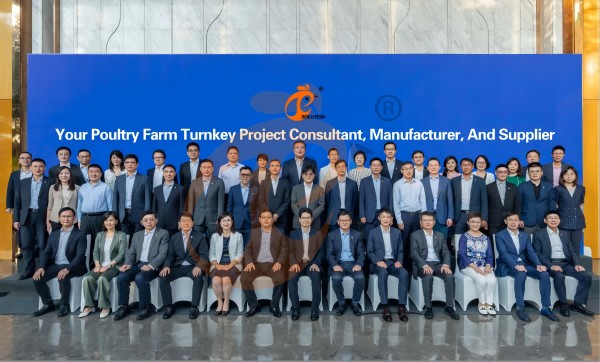
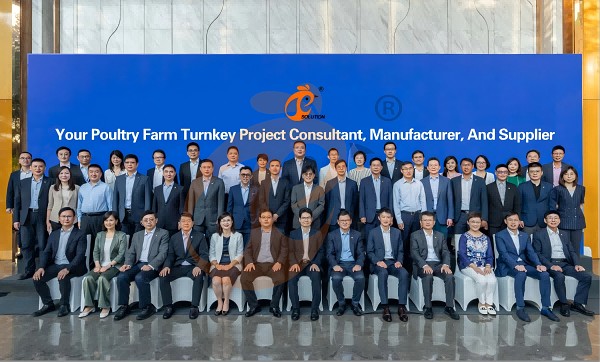
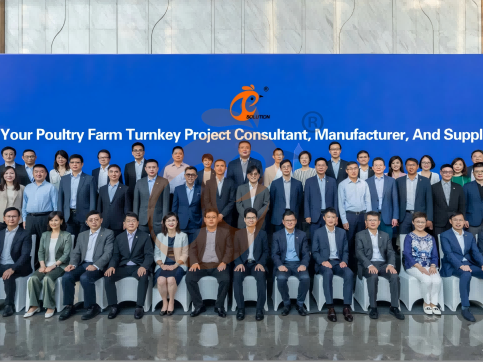
Hong Kong Headquarter Management Team
Hong Kong Headquarter Taiyu Industrial Group CO., LTD
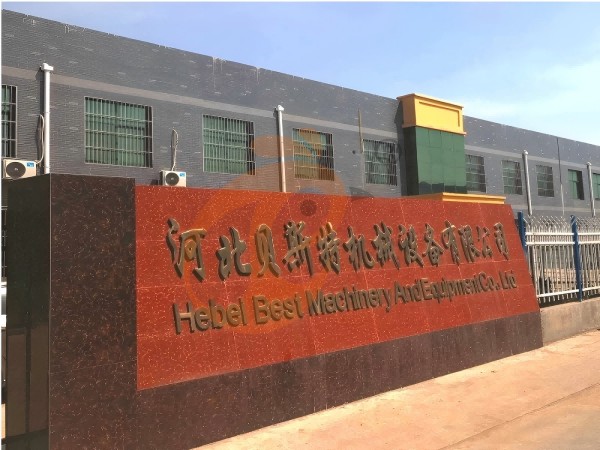
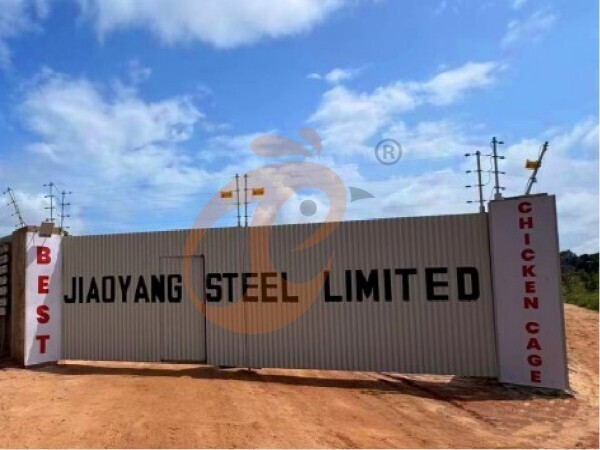
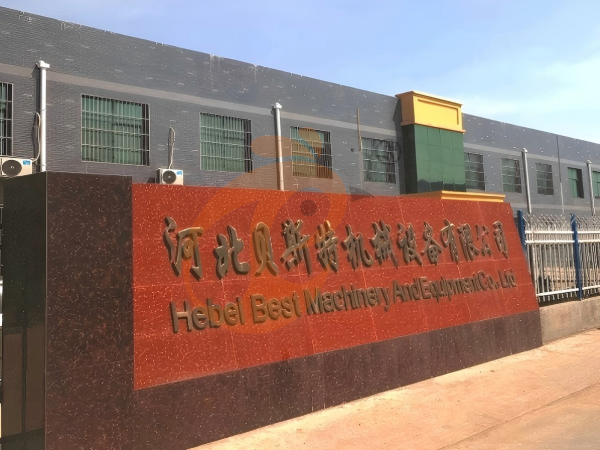
China Hebei Best Machinery And Equipment CO., LTD
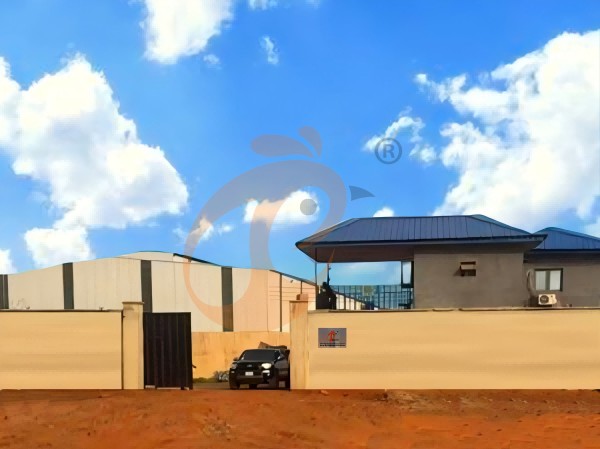
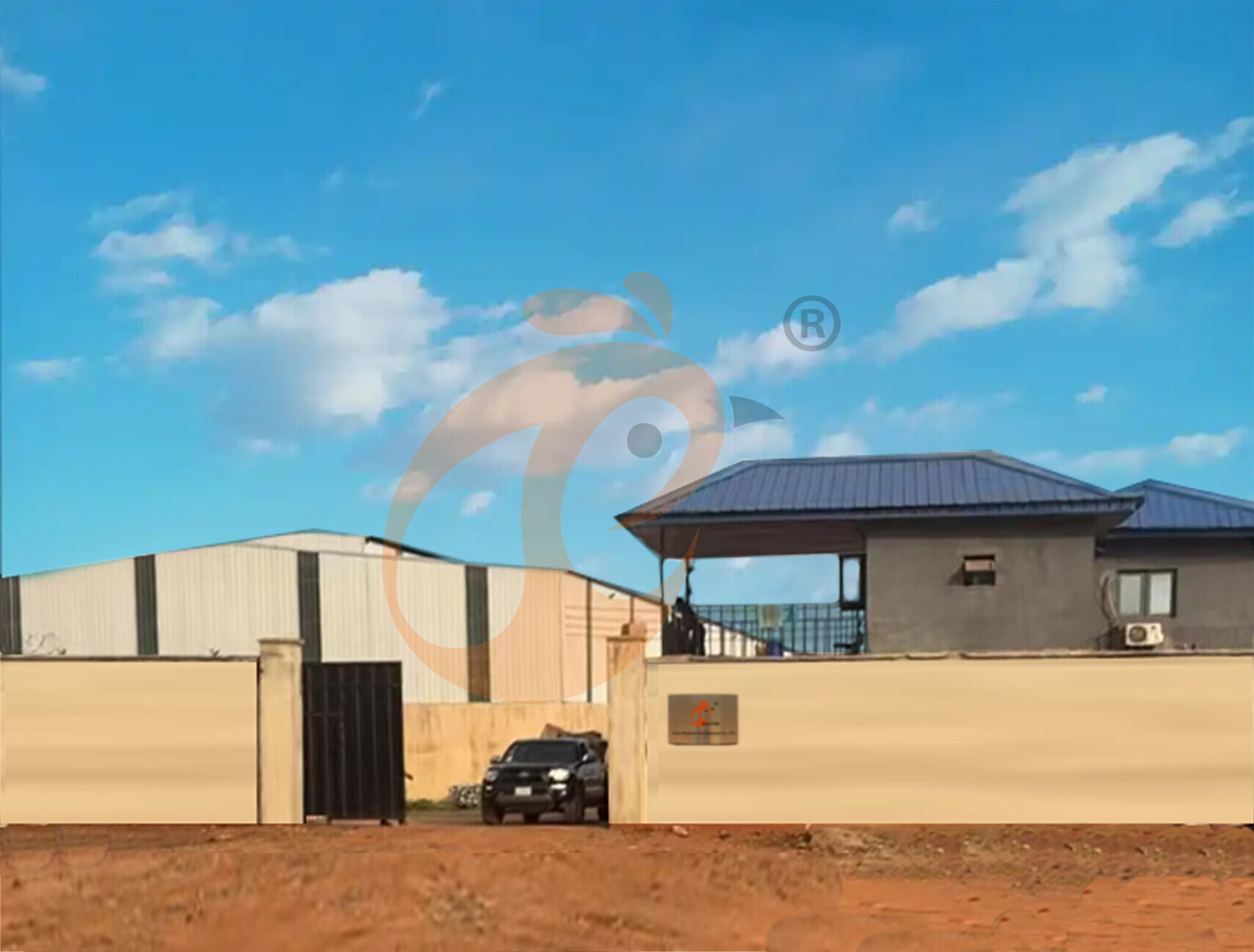
Nigeria Vanke Machinery And Equipment CO., LTD
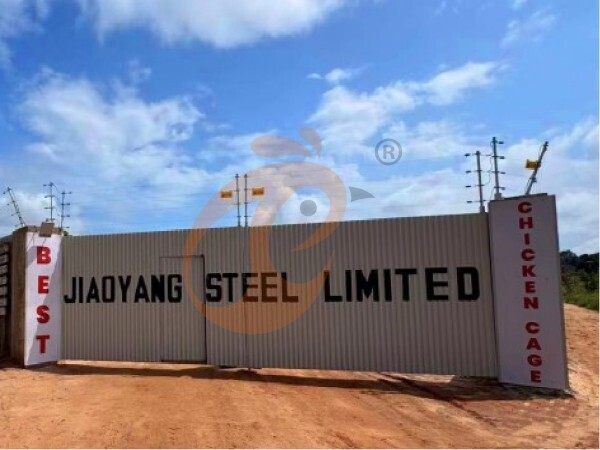
Tanzania Best Machinery And Equipment CO., LTD
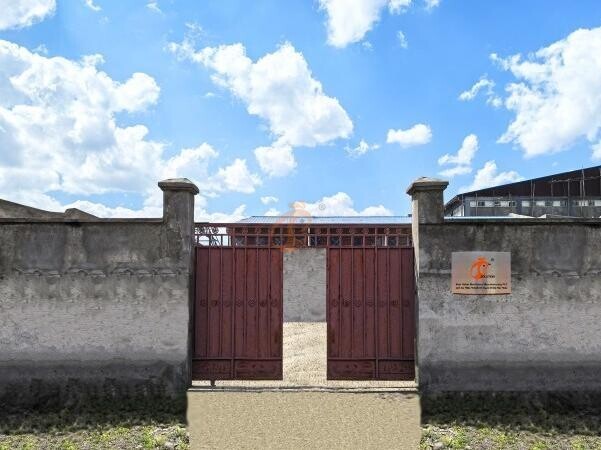
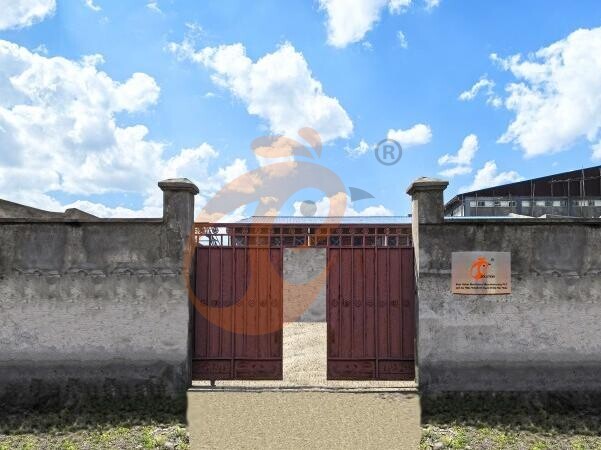
Ethiopia Best Hebei Machinery Manufacturing PLC
Reception /24 WhatsApp NO. : +8618830120193
FAQ
Message
Products recommended
 HK Headquarter Offers EU-standard Poultry Farm Solutions, Manufacture Poultry Farm Equipment1. Continuous communication with the EU and the US
2. China, Nigeria, Ethiopia, Tanzania branch companies and factories
3. The products’ quality is customized for local poultry farms
4. Poultry cage and poultry farm equipment stock for sale
5. 24 online reception Whatsapp NO. : +8618830120193,contact us to get full informationRead More China Branch Offer Poultry Farm Business Plan, Manufacture Poultry Farm Equipment1. Address: Flat/RM 2416, 24/F, Runxing Building, Youyi Nan Street, Shijiazhuang City, Hebei Province, China
2. Poultry cage and poultry farm equipment factory and stock for sale
3. Customized for local poultry farms
4. Quality and design are based on Euro
5. 24 online reception Whatsapp NO. : +8618830120193Read More Nigeria Branch Offer Poultry Farm Business Plan, Manufacture Poultry Farm Equipment1. Address: After Sinoma Office, 200 Meters Near Danco Filling Station, Lagos/Ibadan Expressway, Lagos State, Nigeria
2. Poultry cage and poultry farm equipment factory and stock for sale
3. Customized for Nigerian poultry farms
4. Quality and design are based on Euro
5. 24 online reception Whatsapp NO. : +8618830120193Read More Ethiopia Branch Offer Poultry Farm Business Plan, Manufacture Poultry Farm Equipment1. Address: Gelan Gura, Akaki-kaliti Sub City, Addis Ababa, Ethiopia
2. Poultry cage and poultry farm equipment stock for sale
3. Customized for Ethiopian poultry farms
4. Quality and design are based on Euro
5. 24 online reception Whatsapp NO. : +8618830120193, contact us to get price listRead More Tanzania Branch Offer Poultry Farm Business Plan, Manufacture Poultry Farm Equipment1. Address: No.8, Sova Road, Msufini, Mlandizi, Kibaha, Pwani, Tanzania
2. Poultry cage and poultry farm equipment factory and stock for sale
3. Customized for Tanzanian poultry farms
4. Quality and design are based on Euro
5. 24 online reception Whatsapp NO. : +8618830120193Read More Fully Automatic H Type Layer Chicken Cage1. 30,000-100,000+ layers/house chooses it, Poultry farmers can achieve an egg production rate of 96-98%
2. A significant improvement over the 85-90% typically seen in manual systems
3. A typical poultry farm can expect a 30-40% reduction in labor costs due to the automation
4. Each feeding line efficiently supplies feed to around 100,000 hens per 30 mins
5. Reception /WhatsApp NO. : +8618830120193Read More Fully Automatic A Type Layer Chicken Cage1. 10,000-50,000 layers/house chooses it
2. Cleaner egg collection reduces breakage by 0.5%
3. Improved hygiene helps reduce mortality rate to <3%
4. 1–2 technicians can handle 15,000–30,000 birds
5. Reception /WhatsApp NO. : +8618830120193Read More Semi Automatic H Type Layer Chicken Cage1. 1,00-20,000 layers/house chooses it
2. Nipple drinkers flow 30–60 ML / min
3. Hot-dip galvanized (typical coating ≥ 275 g/m²)
4. Reduce ammonia by ~ 35–40%
5. Reception /WhatsApp NO. : +8618830120193Read More Semi Automatic A Type Layer Chicken Cage1. 1,00-20,000 layers/house chooses it, no rust for 10 years, no deformation for 15 years
2. Chickens live comfortably, you can raise them with peace of mind
3. Save water, save money—efficiency you can measure
4. Improve environment quality, and increase egg production rate
5. Reception /WhatsApp NO. : +8618830120193Read More
By clicking 'Allow All', you agree to the storage of cookies on your device to enhance site navigation, analyze site usage and assist with our marketing efforts.