






Blog
Is deep litter poultry system profitable? 5 practical answers introduces poultry housing economics through production structure, cost behavior, and environmental control mechanisms
Deep litter poultry profitability evaluation appears across commercial farms, focusing feed conversion stability, housing density, and manure utilization cycles
Global poultry engineering research highlights deep litter poultry cost analysis as a hybrid system between intensive confinement and semi-natural rearing models
System discussion includes poultry deep litter system efficiency across growth stages, operational labor allocation, and long-term asset utilization patterns
Commercial feasibility depends on biological performance indicators, infrastructure planning, and revenue diversification across meat, egg, and byproduct streams
Get professional poultry farm construction guidance, equipment selection solutions, and the latest price lists, whatsApp to +8618830120193, +2348111199996, or click to learn more.
System Overview And Biological Mechanism
Deep litter poultry systems operate through layered organic bedding interacting with manure decomposition and microbial fermentation cycles
Data is for reference only.Swipe horizontally to view full table.
System equilibrium depends on bedding turnover rhythm and microbial oxygen exchange consistency
Infrastructure And Capital Deployment
Facility investment determines early financial exposure and operational scaling capacity
Data is for reference only.Swipe horizontally to view full table.
European union standard reference only
Capital allocation reflects structural dominance over biological input costs
Growth Dynamics And Feed Utilization
Bird development efficiency influences revenue cycle timing and feed conversion stability
Data is for reference only.Swipe horizontally to view full table.
Feed conversion patterns show biological efficiency compression during later growth phases
Labor Engineering And Workflow Distribution
Operational labor demand scales with flock density and sanitation rhythm complexity
Data is for reference only.Swipe horizontally to view full table.
Labor expansion reflects nonlinear sanitation demand and bedding aeration requirements
Environmental Stability Inside Housing
Environmental parameters inside the poultry house strongly affect disease resistance and productivity
Data is for reference only.Swipe horizontally to view full table.
Microbial escalation correlates strongly with ventilation restriction and bedding saturation levels
System Efficiency Benchmark Comparison
Housing models differ significantly in spatial allocation and operational lifespan characteristics
Data is for reference only.Swipe horizontally to view full table.
Deep litter configuration maintains balanced spatial efficiency and moderate energy demand
Revenue Architecture And Output Streams
Income generation depends on integrated meat, egg, and organic fertilizer channels
Data is for reference only.Swipe horizontally to view full table.
Byproduct monetization contributes measurable secondary cash flow stability
Profit Simulation And Financial Modeling
Economic output depends on feed efficiency, mortality control, and cycle turnover speed
deep litter poultry profitability model demonstrates stable margin formation under controlled stocking density and feed discipline
Data is for reference only.Swipe horizontally to view full table.
Feed optimization remains primary determinant of net margin stability
System Advantages And Operational Strengths
Deep litter systems reduce mechanical dependency and improve biological resilience through controlled microbial exposure
Integrated bedding decomposition produces thermal regulation and reduces external heating load requirements
Flexible scaling allows adaptation across small and mid-scale poultry enterprises
Organic manure output supports agricultural circular economy integration
Infrastructure simplicity reduces mechanical failure points across production cycles
Limitation Factors And Operational Risks
Ventilation imbalance increases ammonia accumulation and reduces respiratory efficiency
Bedding saturation accelerates microbial instability under humid climatic conditions
Feed price volatility directly impacts margin consistency across production cycles
Seasonal temperature variation influences litter decomposition speed and ammonia binding efficiency
Management discipline determines system stability more strongly than infrastructure design
Operational Microclimate Calibration And Stability Layer
Air exchange velocity maintained at 1.85 m/s, supporting uniform oxygen diffusion across deep litter bedding layers and improving respiratory stability in confined poultry housing systems
Carbon dioxide concentration stabilized near 1,420 ppm, reducing metabolic stress load and supporting consistent growth physiology during mid cycle development stages
Litter surface acidity regulated at ph 6.4, optimizing enzymatic decomposition efficiency while suppressing opportunistic pathogen persistence within organic substrate layers
Lighting intensity controlled at 28 lux, maintaining circadian rhythm synchronization without disrupting nocturnal rest behavior patterns in broiler populations
Microbial diversity index recorded at 3.8 shannon units, indicating balanced ecological activity that enhances organic waste degradation and nutrient cycling stability
Frequently Asked Questions
Q1: Why does deep litter system performance vary across farms?
A2: Performance variation depends on ventilation design, bedding composition, and stocking density control around 0.08 to 0.12 square meters per bird range
Q2: What influences profitability more than infrastructure cost?
A2: Feed conversion efficiency and mortality rate exert stronger financial impact compared with fixed housing investment structure
Q3: Can manure output significantly affect income structure?
A3: Organic fertilizer sales contribute supplementary revenue often reaching 600 to 900 usd per cycle depending on flock size
Taiyu (HK) Group - One Of China Biggest Poultry Equipment Manufacturer
Deep litter poultry housing systems applied in controlled environment broiler production projects with integrated feed and waste management design
Global factory direct supply chain supports standardized poultry equipment manufacturing for climate adaptive housing structures
Turn key engineering service covers farm design, installation, and operational commissioning for commercial poultry production units
Industrial automation integration includes feeding lines, ventilation modules, and litter management systems for scalable deployment
Export oriented manufacturing network supports standardized poultry production infrastructure delivery across multi regional agricultural projects
Contact Us To Received Your Customized Poultry Farm Plan
Headquarters And Branchs
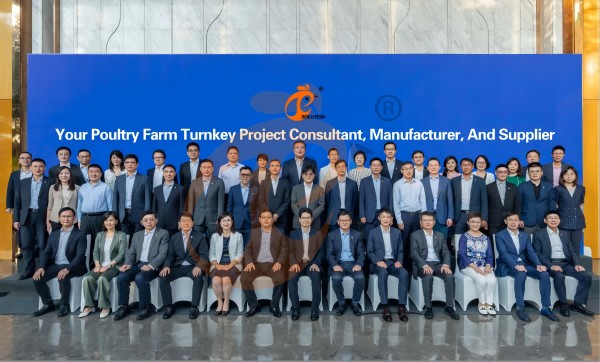
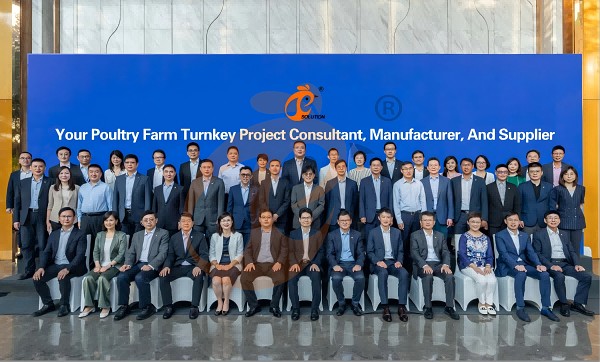
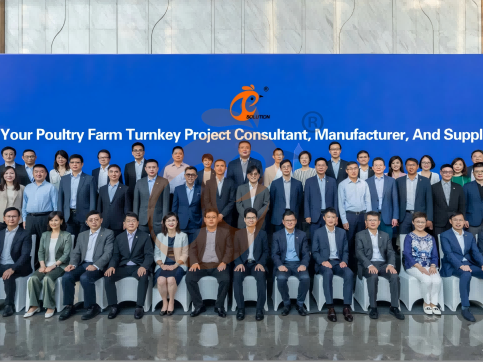
Hong Kong Headquarter Management Team
Hong Kong Headquarter Taiyu Industrial Group CO., LTD
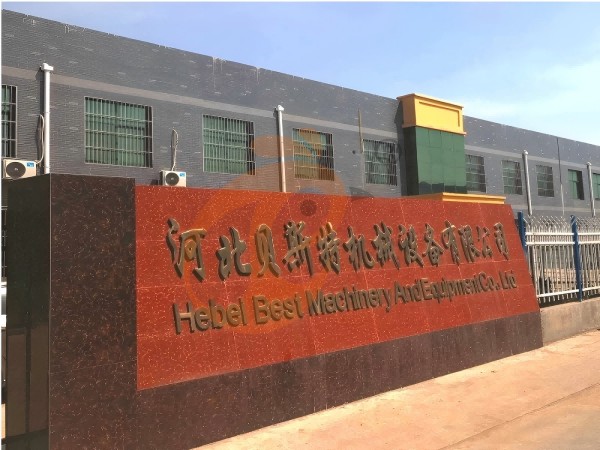
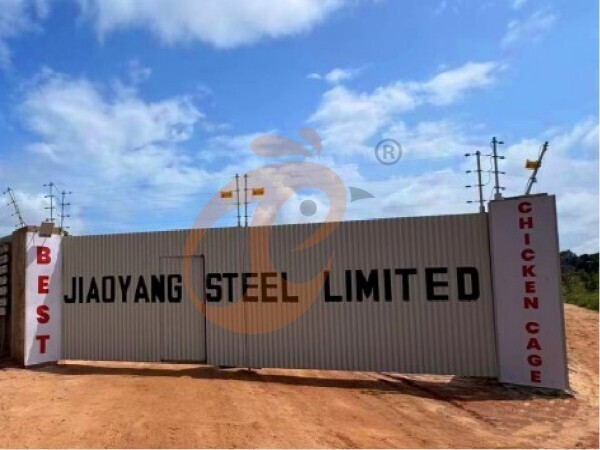
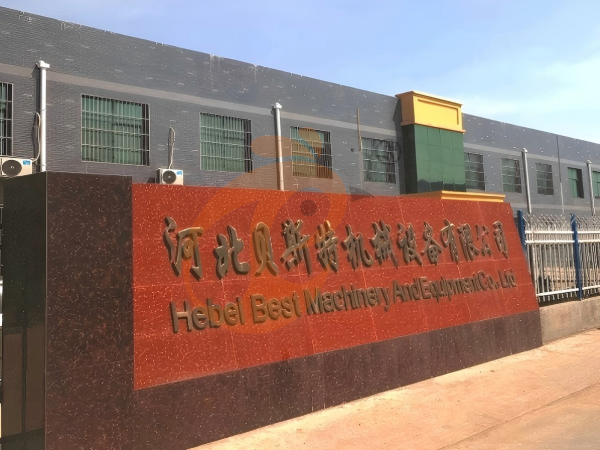
China Hebei Best Machinery And Equipment CO., LTD
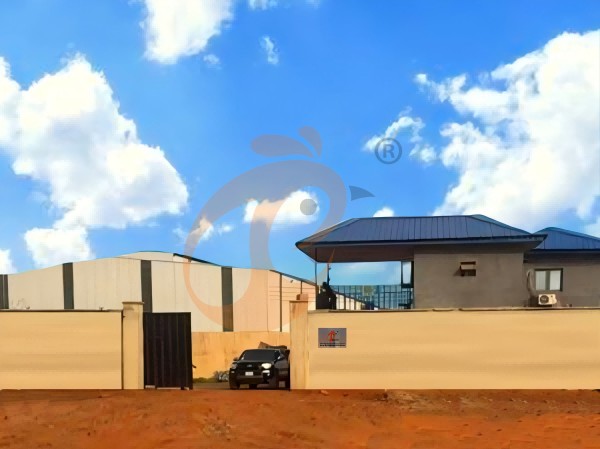
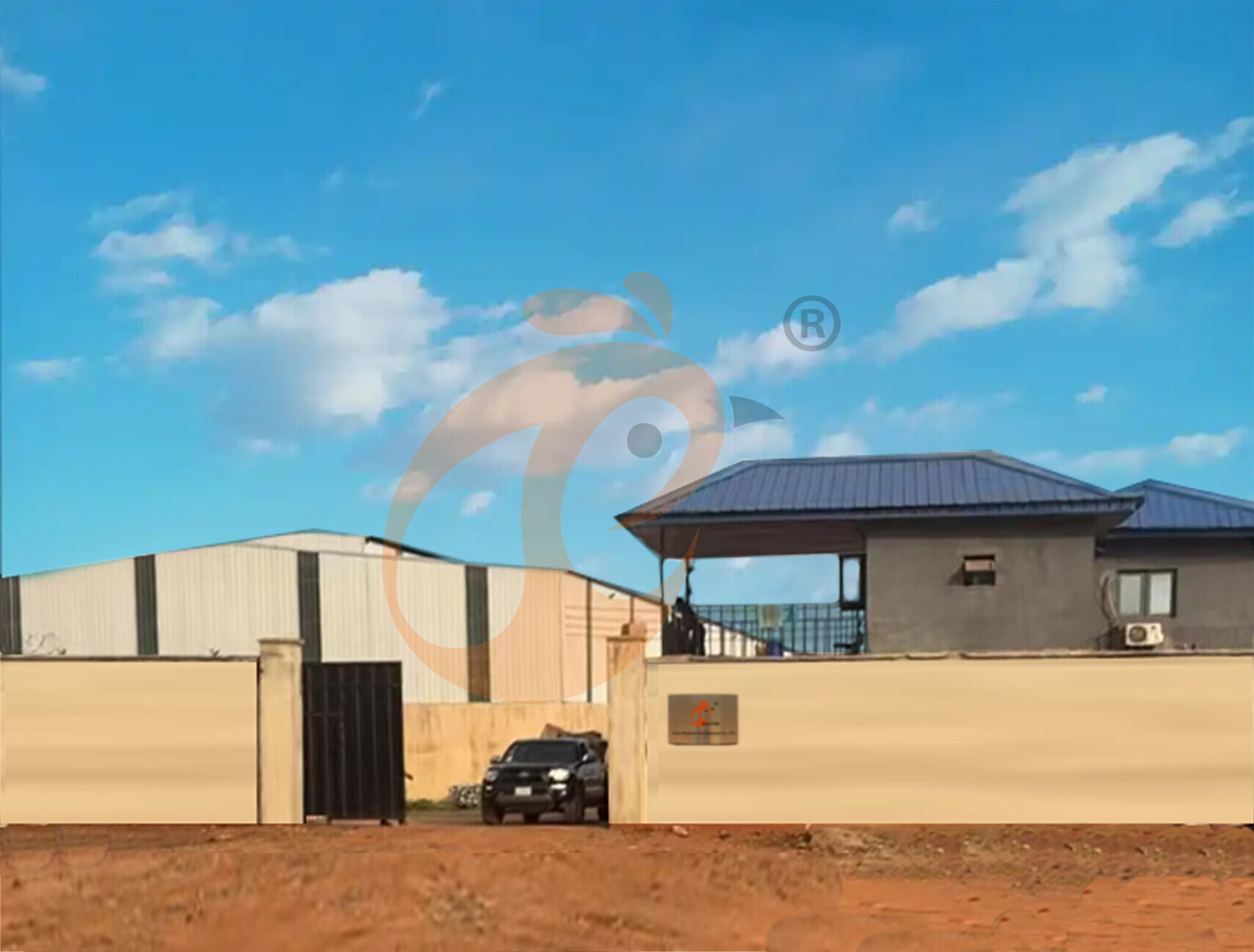
Nigeria Vanke Machinery And Equipment CO., LTD
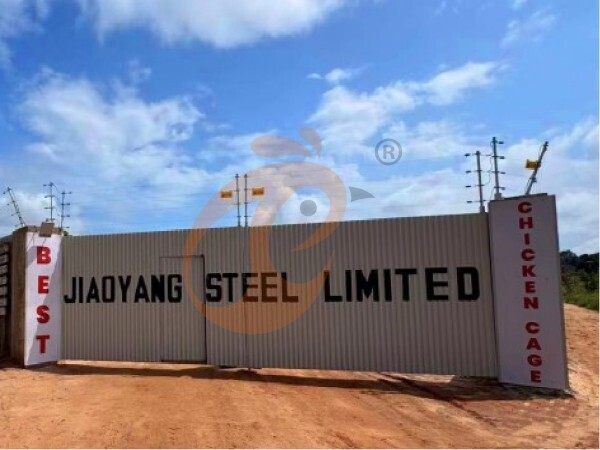
Tanzania Best Machinery And Equipment CO., LTD
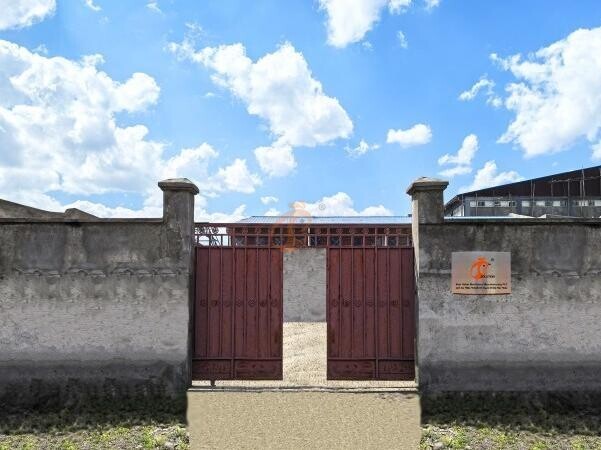
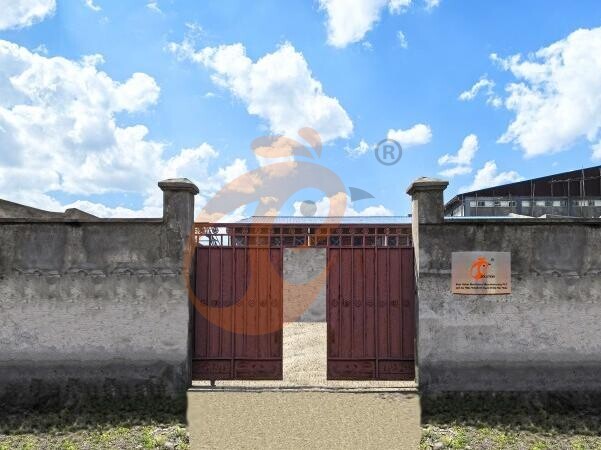
Ethiopia Best Hebei Machinery Manufacturing PLC
Reception /24 WhatsApp NO. : +8618830120193
FAQ
Message
Products recommended
 HK Headquarter Offers EU-standard Poultry Farm Solutions, Manufacture Poultry Farm Equipment1. Continuous communication with the EU and the US
2. China, Nigeria, Ethiopia, Tanzania branch companies and factories
3. The products’ quality is customized for local poultry farms
4. Poultry cage and poultry farm equipment stock for sale
5. 24 online reception Whatsapp NO. : +8618830120193,contact us to get full informationRead More China Branch Offer Poultry Farm Business Plan, Manufacture Poultry Farm Equipment1. Address: Flat/RM 2416, 24/F, Runxing Building, Youyi Nan Street, Shijiazhuang City, Hebei Province, China
2. Poultry cage and poultry farm equipment factory and stock for sale
3. Customized for local poultry farms
4. Quality and design are based on Euro
5. 24 online reception Whatsapp NO. : +8618830120193Read More Nigeria Branch Offer Poultry Farm Business Plan, Manufacture Poultry Farm Equipment1. Address: After Sinoma Office, 200 Meters Near Danco Filling Station, Lagos/Ibadan Expressway, Lagos State, Nigeria
2. Poultry cage and poultry farm equipment factory and stock for sale
3. Customized for Nigerian poultry farms
4. Quality and design are based on Euro
5. 24 online reception Whatsapp NO. : +8618830120193Read More Ethiopia Branch Offer Poultry Farm Business Plan, Manufacture Poultry Farm Equipment1. Address: Gelan Gura, Akaki-kaliti Sub City, Addis Ababa, Ethiopia
2. Poultry cage and poultry farm equipment stock for sale
3. Customized for Ethiopian poultry farms
4. Quality and design are based on Euro
5. 24 online reception Whatsapp NO. : +8618830120193, contact us to get price listRead More Tanzania Branch Offer Poultry Farm Business Plan, Manufacture Poultry Farm Equipment1. Address: No.8, Sova Road, Msufini, Mlandizi, Kibaha, Pwani, Tanzania
2. Poultry cage and poultry farm equipment factory and stock for sale
3. Customized for Tanzanian poultry farms
4. Quality and design are based on Euro
5. 24 online reception Whatsapp NO. : +8618830120193Read More Fully Automatic H Type Layer Chicken Cage1. 30,000-100,000+ layers/house chooses it, Poultry farmers can achieve an egg production rate of 96-98%
2. A significant improvement over the 85-90% typically seen in manual systems
3. A typical poultry farm can expect a 30-40% reduction in labor costs due to the automation
4. Each feeding line efficiently supplies feed to around 100,000 hens per 30 mins
5. Reception /WhatsApp NO. : +8618830120193Read More Fully Automatic A Type Layer Chicken Cage1. 10,000-50,000 layers/house chooses it
2. Cleaner egg collection reduces breakage by 0.5%
3. Improved hygiene helps reduce mortality rate to <3%
4. 1–2 technicians can handle 15,000–30,000 birds
5. Reception /WhatsApp NO. : +8618830120193Read More Semi Automatic H Type Layer Chicken Cage1. 1,00-20,000 layers/house chooses it
2. Nipple drinkers flow 30–60 ML / min
3. Hot-dip galvanized (typical coating ≥ 275 g/m²)
4. Reduce ammonia by ~ 35–40%
5. Reception /WhatsApp NO. : +8618830120193Read More Semi Automatic A Type Layer Chicken Cage1. 1,00-20,000 layers/house chooses it, no rust for 10 years, no deformation for 15 years
2. Chickens live comfortably, you can raise them with peace of mind
3. Save water, save money—efficiency you can measure
4. Improve environment quality, and increase egg production rate
5. Reception /WhatsApp NO. : +8618830120193Read More
By clicking 'Allow All', you agree to the storage of cookies on your device to enhance site navigation, analyze site usage and assist with our marketing efforts.