






Blog
Pralson feeders combine controlled feed delivery, durable mechanical design, and practical maintenance planning for commercial poultry operations.
Automatic poultry feeder selection influences equipment workload, cleaning frequency, operating stability, and long-term production costs.
A chicken feeding system becomes easier to manage when motor configuration, feeder alignment, inspection routines, and spare-parts planning work together.
Poultry feeding equipment also benefits from measurable calibration, organized records, and trained operators who recognize changes early.
- Seven practical strategies connect equipment selection with preventive maintenance, feed control, technical support, and scalable farm management for more predictable operating expenses across growing poultry houses with measurable service checkpoints globally.
Get professional poultry farm construction guidance, equipment selection solutions, and the latest price lists, whatsApp to +8618830120193, +2348111199996, or click to learn more.
Start With A Proper Feeder System Design
Maintenance cost is often determined before pralson feeders are installed.
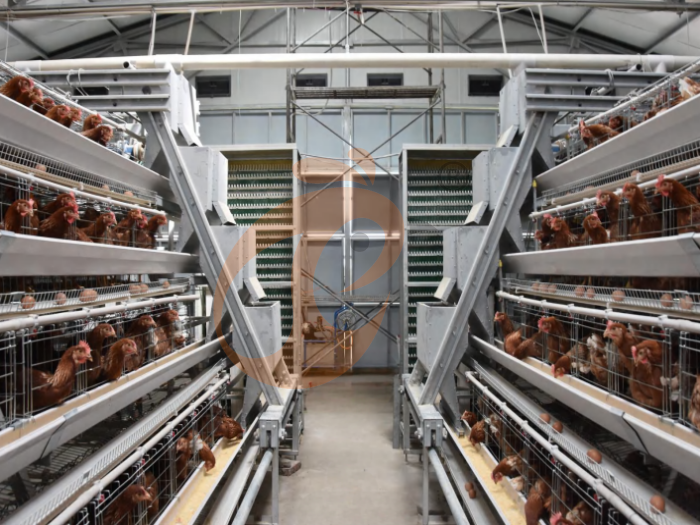
A properly designed automatic poultry feeder should match poultry house structure, flock requirements, feed characteristics, and operating schedules.
For example, a commercial feeding project may require 3–6 feeding lines depending on house dimensions and production density.
The objective is to prevent unnecessary mechanical stress while keeping feed distribution consistent.
During project planning, maintaining a 1.5–2.0 m service clearance around key equipment areas can also make inspection and component replacement easier.
A professional poultry equipment supplier can evaluate the complete chicken feeding system rather than simply supplying individual feeder components.
This approach helps farmers build pralson feeders into an installation that is easier to operate, inspect, and maintain throughout multiple production cycles.
Use Correct Equipment Specifications
Choosing components according to engineering requirements is one of the most direct ways to control maintenance expenses for pralson feeders.
An undersized drive system may operate under excessive load, while an incorrectly configured automatic poultry feeder line can create unnecessary mechanical resistance.
Data is for reference only.Swipe horizontally to view full table.
The published pralson feeder-system documentation lists 220/380 v three-phase motors in several power configurations and provides corresponding gearbox options.
Selecting the correct motor and transmission combination is therefore an important part of automatic poultry feeder maintenance planning.
A correctly matched system reduces unnecessary intervention because pralson feeders do not need to compensate for unsuitable mechanical configuration.
Keep Feed Conveying Components Clean
Feed residue is one of the common sources of unnecessary cleaning and inspection work around pralson feeders.
Dust and feed particles can accumulate around mechanical interfaces, especially when a chicken feeding system operates continuously in a poultry-house environment.
A useful maintenance procedure is to divide cleaning into three stages visual inspection, residue removal, and functional verification.
Each stage should be documented so operators can identify changes in equipment condition rather than relying only on visual memory.
Data is for reference only.Swipe horizontally to view full table.
These intervals should be adjusted according to farm conditions, feed formulation, dust concentration, and actual operating hours.
They are maintenance-planning references rather than universal manufacturer requirements for every automatic poultry feeder.
For commercial poultry equipment, the important principle is consistency.
A 10-minute inspection performed according to a fixed procedure can reveal problems before they develop into an unplanned Pralson feeders shutdown.
Inspect Wear Before It Becomes A Breakdown
A preventive inspection program changes maintenance from emergency repair into scheduled equipment management for pralson feeders.
Operators should pay particular attention to unusual vibration, changes in conveying sound, inconsistent feed movement, and visible deformation.
The inspection process can be divided into observe → measure → record → correct.
For example, if an operator notices abnormal vibration, measuring the affected component rather than immediately replacing it can help identify whether the problem originates from alignment, connection, or component wear.
Data is for reference only.Swipe horizontally to view full table.
Published pralson-related technical material provides examples of measurable inspection values such as 2.0 mm pan thickness and 5 kg loading checks.
Using measurable inspection criteria makes maintenance records more useful than descriptions such as “good condition” or “poor condition”.
For a poultry equipment supplier, this also creates a more professional after-sales process.
Farmers can report actual measurements, allowing technical staff to diagnose Pralson feeders conditions more efficiently.
Control Mechanical Alignment
Alignment has a direct influence on how efficiently mechanical power is transferred through a pralson feeders line.
A feeding system should be installed with consistent positioning so the auger, pipe, drive assembly, and feeding pans work as one system.
During installation, operators should check the feeder line progressively instead of waiting until the entire system is assembled.
A practical procedure is to inspect each 10 m section before connecting the next section.
Data is for reference only.Swipe horizontally to view full table.
These values illustrate how pralson feeders maintenance can be managed through measurable engineering criteria instead of subjective inspection language.
Technical configuration should always be checked against the actual equipment model and supplier documentation.
Correct alignment also helps reduce repeated adjustment work.
When the mechanical system is installed consistently, maintenance teams can identify abnormal changes more quickly because they already have a defined installation reference for the chicken feeding system.
Calibrate Feed Delivery Regularly
Feed calibration is another effective way to reduce unnecessary equipment intervention with pralson feeders.
If feed delivery is inconsistent, operators may repeatedly adjust the automatic poultry feeder, increasing labor requirements and making troubleshooting more difficult.
A calibration procedure should use actual feed measurements rather than visual judgment.
Different feed forms can behave differently inside the conveying system, so calibration should be performed with the feed formulation used by the farm.
Data is for reference only.Swipe horizontally to view full table.
These figures provide examples of measurable calibration data used in pralson feeder-related operating references.
Actual calibration should be performed according to the installed chicken feeding system, feed formulation, and equipment manufacturer's instructions.
A measured calibration process gives operators a baseline.
If a later inspection produces a significantly different result, maintenance personnel have objective information for troubleshooting rather than relying entirely on operator experience.
Train Operators To Record Technical Changes
Farm workers are usually the first people to notice changes in pralson feeders performance.
Training them to record measurable information can reduce the time required for maintenance diagnosis.
Instead of simply reporting "the feeder is noisy," an operator can record the operating condition, location, time, and measured value.
This transforms a general complaint into useful maintenance information for poultry equipment service teams.
Data is for reference only.Swipe horizontally to view full table.
The training objective is not to turn every worker into a technician.
Workers need to notice, report, and record relevant changes in the automatic poultry feeder.
This approach can be especially valuable for farms operating several poultry houses because maintenance records from different houses can be compared using the same inspection procedure.
Plan Spare Parts Before Production Starts
Emergency parts purchasing can increase downtime because maintenance teams may have to wait for delivery before restarting pralson feeders.
A planned spare-parts system allows commonly serviced components to be identified before production begins.
The inventory should be based on the actual feeder configuration rather than a generic parts list.
For example, a farm operating 8 feeder lines should calculate spare-part requirements according to installed drive units, pans, sensors, and transmission assemblies.
A practical inventory workflow is
Installed equipment → critical components → replacement frequency → stock quantity → reorder point
This system allows the poultry equipment operation to connect maintenance records with purchasing decisions.
Over time, actual replacement history can be used to adjust inventory levels for the chicken feeding system.
For equipment suppliers, providing clear component identification and parts support is also an important part of a complete pralson feeders solution.
Manage Motor Operation With Measurable Data
The drive motor is one of the most important components in an automatic poultry feeder system.
Motor selection should correspond to conveying distance, feed characteristics, system resistance, and operating requirements.
Operators should monitor electrical and mechanical operating conditions instead of replacing motors based only on age.
Changes in operating current, temperature, vibration, or conveying performance can provide useful maintenance information for Pralson feeders.
Data is for reference only.Swipe horizontally to view full table.
Published feeder-system materials list class f insulation and Ip55 protection for specified motor configurations, while the pralson documentation lists multiple motor power options and 220/380 v three-phase configurations.
Using the correct motor configuration can help the poultry equipment farm avoid unnecessary electrical and mechanical stress.
Final motor selection should always follow the actual Pralson feeders system design and manufacturer's technical specifications.
Reduce Feed Waste Through Accurate Feeder Adjustment
Maintenance cost is not limited to replacement parts.
Every unnecessary adjustment, cleaning operation, and feed spill adds labor to the production process around pralson feeders.
Correct feeder adjustment helps maintain consistent feed presentation and reduces material accumulating around feeding points.
Operators should make adjustments according to bird age, feed type, and actual feed consumption rather than applying one setting throughout the flock cycle.
A structured adjustment program may use four inspection points per feeding line to compare feed presentation from the beginning to the end of the line.
This provides a practical way to identify distribution differences before they become significant management problems in a chicken feeding system.
Data is for reference only.Swipe horizontally to view full table.
These measurable settings provide operators with a structured basis for adjustment instead of relying on subjective descriptions.
For commercial poultry equipment, better feed control can also reduce the amount of material that must be removed during routine cleaning.
This connects pralson feeders adjustment directly with maintenance workload.
Choose A Supplier That Supports Long-Term Maintenance
A poultry feeding system should be evaluated beyond the initial equipment price.
The supplier's ability to provide installation guidance, component identification, technical support, and replacement parts can influence the total maintenance workload for pralson feeders.
For an equipment project involving 120 m of feeding line, maintenance planning should be established before commissioning rather than after the first equipment problem occurs.
Data is for reference only.Swipe horizontally to view full table.
A professional poultry equipment manufacturer can therefore provide more than feeder hardware.
The complete package can include equipment configuration, installation assistance, technical documentation, spare-parts support, and maintenance guidance for automatic poultry feeder projects.
For farms purchasing pralson feeders in quantity, this service capability can make a measurable difference to long-term equipment management.
Build A Data-Based Maintenance Strategy
The most effective maintenance strategy is not simply "repair when something breaks".
A continuous cycle based on inspection, measurement, analysis, and scheduled intervention creates more predictable management for pralson feeders.
A farm can establish a simple management loop
Measure → record → compare → maintain → verify
For example, if the maintenance team records equipment conditions every 30 days, recurring changes can be identified before they develop into major operating interruptions.
The key is to combine reliable poultry equipment with disciplined management.
Pralson feeders can form part of an automated chicken feeding system designed around mechanical conveying, controlled feed distribution, and organized maintenance procedures.
Data is for reference only.Swipe horizontally to view full table.
The real value of professional poultry feeding equipment is therefore not only the feeder itself.
It is the combination of equipment engineering, measurable operating parameters, preventive maintenance, spare-parts planning, and technical support.
By applying these seven maintenance strategies, poultry producers can make maintenance more predictable, reduce unnecessary intervention, and create a more organized pralson feeders operation.
For farms looking to upgrade or expand poultry equipment, pralson feeders can be integrated into a complete feeding solution designed around specific house layout, flock scale, feed characteristics, and automation requirements.
Frequently Asked Questions
Q1: How can pralson feeders help control maintenance work?
A1: Pralson feeders can be managed through scheduled inspection, measurable calibration, component records, and preventive service procedures.
A 30-day maintenance record cycle can help identify recurring equipment changes before larger interventions become necessary.
Q2: What should be checked before replacing feeder components?
A2: Operators should first inspect alignment, connections, conveying behavior, electrical conditions, and visible component wear.
A documented measurement such as 18 n·m drive-shaft torque can provide more useful diagnostic information than replacing components based only on appearance.
Q3: How should a poultry farm plan feeder maintenance?
A3: A practical plan should combine equipment specifications, inspection schedules, operator training, spare-parts planning, and supplier technical support.
For pralson feeders, maintaining records across each installed line creates a traceable maintenance history for future equipment decisions.
Taiyu (HK) Group - One Of China Toppest Pralson Feeders Manufacturer
Pralson feeders are engineered as commercial poultry feeding equipment, with configurable drive systems supporting 0.50–1.50 hp motor selections for different conveying requirements.
Global factory-direct supply integrates poultry equipment manufacturing, component coordination, technical documentation, and production-oriented quality control for international projects.
Turn-key engineering covers project assessment, automatic poultry feeder configuration, installation guidance, commissioning procedures, and operator training from equipment supply through system handover.
Integrated project support connects chicken feeding system design with spare-parts planning, technical service, and customized production for farms, integrators, and poultry contractors.
Export-oriented project execution supports scalable poultry equipment packages for new houses, farm expansion, modernization programs, and multi-house feeding system installations.
Contact Us To Received Your Customized Poultry Farm Plan
Headquarters And Branchs
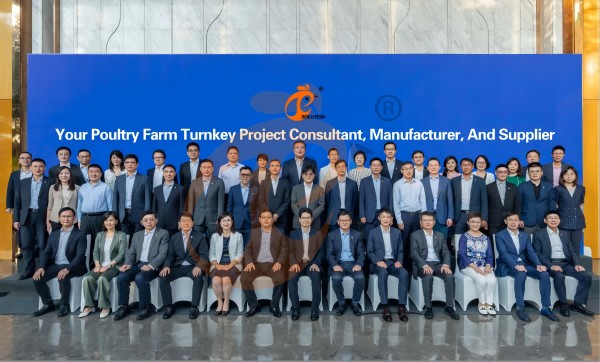
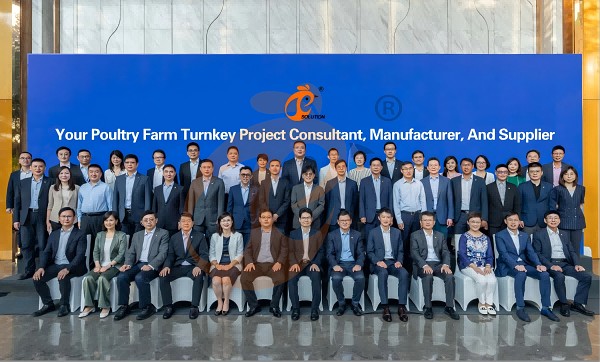
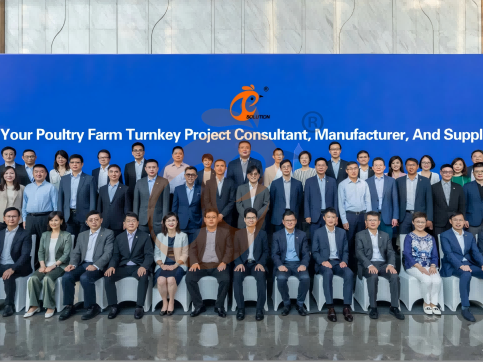
Hong Kong Headquarter Management Team
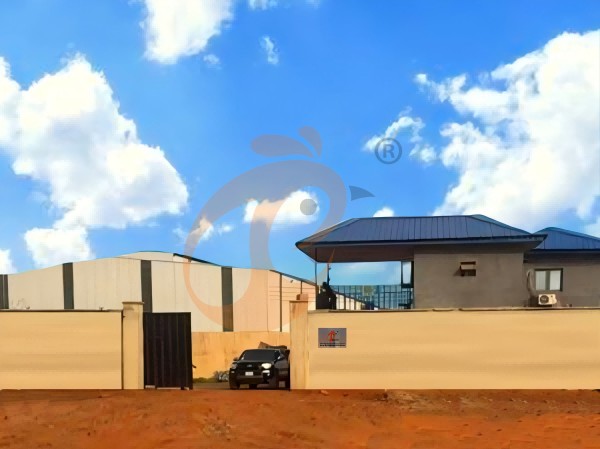
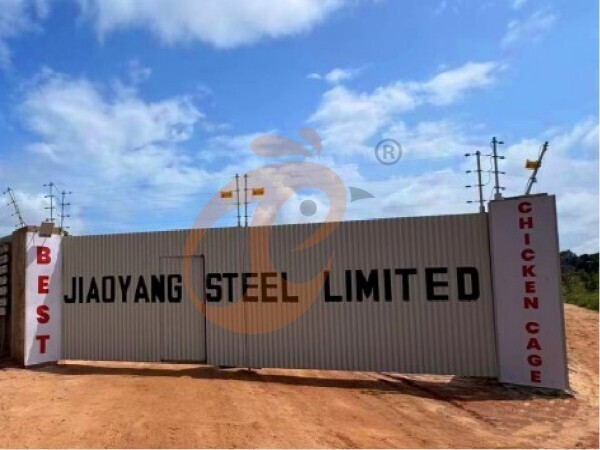
Hong Kong Headquarter Taiyu Industrial Group CO., LTD
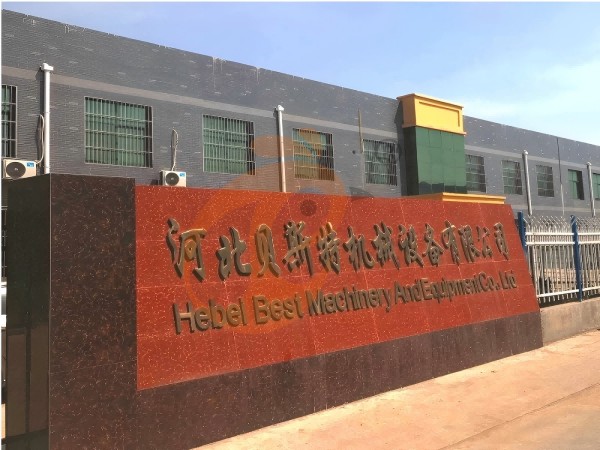
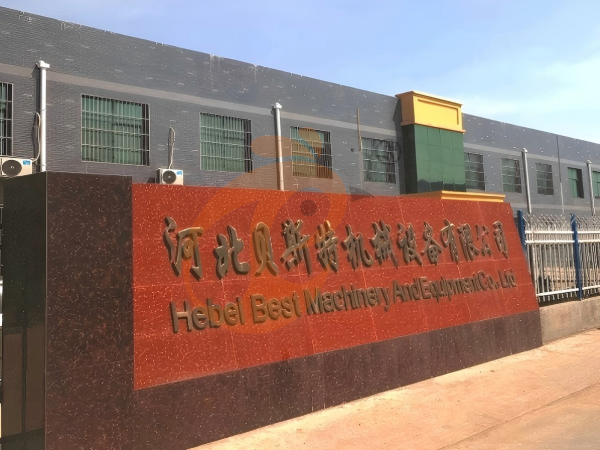
China Hebei Best Machinery And Equipment CO., LTD
Nigeria Vanke Machinery And Equipment CO., LTD
Tanzania Best Machinery And Equipment CO., LTD
Ethiopia Best Hebei Machinery Manufacturing PLC

Reception /24 WhatsApp NO. : +8618830120193
FAQ
What Performance Advantages Does Plasson Poultry Equipment Provide In Poultry Chicken Farming Efficiency?
Labor requirement decreases by 50%–65% through automated water delivery systems.
Disease transmission risk is reduced by 35%–55% due to closed drinking environment design.
What Are The Installation Standards For Plasson Poultry Equipment In Poultry Chicken Farms?
Pipeline slope is maintained at 0.3%–0.5% for effective drainage and hygiene control.
Spacing between drinkers is configured at 25–35 cm to ensure equal water access distribution.
What Maintenance Requirements Apply To Plasson Poultry Equipment In Poultry Chicken Production Systems?
Seal inspection intervals are set at 20–30 days to prevent leakage and pressure loss.
Cleaning solution concentration is maintained at 0.03%–0.06% for effective system sanitation.
- poultry equipment
- poultry farm
- feeding equipment
- poultry farm
- poultry farm construction
- poultry equipment manufacturer
- poultry equipment supplier
- poultry feeding equipment
- poultry feeding system
- poultry house
- automatic poultry feeder
- chicken feeding system
- automatic poultry feeder system
- Ethiopia
- Nigeria
Message
Products recommended
 HK Headquarter Offers EU-standard Poultry Farm Solutions, Manufacture Poultry Farm Equipment1. Continuous communication with the EU and the US
2. China, Nigeria, Ethiopia, Tanzania branch companies and factories
3. The products’ quality is customized for local poultry farms
4. Poultry cage and poultry farm equipment stock for sale
5. 24 online reception Whatsapp NO. : +8618830120193,contact us to get full informationRead More China Branch Offer Poultry Farm Business Plan, Manufacture Poultry Farm Equipment1. Address: Flat/RM 2416, 24/F, Runxing Building, Youyi Nan Street, Shijiazhuang City, Hebei Province, China
2. Poultry cage and poultry farm equipment factory and stock for sale
3. Customized for local poultry farms
4. Quality and design are based on Euro
5. 24 online reception Whatsapp NO. : +8618830120193Read More Nigeria Branch Offer Poultry Farm Business Plan, Manufacture Poultry Farm Equipment1. Address: After Sinoma Office, 200 Meters Near Danco Filling Station, Lagos/Ibadan Expressway, Lagos State, Nigeria
2. Poultry cage and poultry farm equipment factory and stock for sale
3. Customized for Nigerian poultry farms
4. Quality and design are based on Euro
5. 24 online reception Whatsapp NO. : +8618830120193Read More Ethiopia Branch Offer Poultry Farm Business Plan, Manufacture Poultry Farm Equipment1. Address: Gelan Gura, Akaki-kaliti Sub City, Addis Ababa, Ethiopia
2. Poultry cage and poultry farm equipment stock for sale
3. Customized for Ethiopian poultry farms
4. Quality and design are based on Euro
5. 24 online reception Whatsapp NO. : +8618830120193, contact us to get price listRead More Tanzania Branch Offer Poultry Farm Business Plan, Manufacture Poultry Farm Equipment1. Address: No.8, Sova Road, Msufini, Mlandizi, Kibaha, Pwani, Tanzania
2. Poultry cage and poultry farm equipment factory and stock for sale
3. Customized for Tanzanian poultry farms
4. Quality and design are based on Euro
5. 24 online reception Whatsapp NO. : +8618830120193Read More Fully Automatic H Type Layer Chicken Cage1. 30,000-100,000+ layers/house chooses it, Poultry farmers can achieve an egg production rate of 96-98%
2. A significant improvement over the 85-90% typically seen in manual systems
3. A typical poultry farm can expect a 30-40% reduction in labor costs due to the automation
4. Each feeding line efficiently supplies feed to around 100,000 hens per 30 mins
5. Reception /WhatsApp NO. : +8618830120193Read More Fully Automatic A Type Layer Chicken Cage1. 10,000-50,000 layers/house chooses it
2. Cleaner egg collection reduces breakage by 0.5%
3. Improved hygiene helps reduce mortality rate to <3%
4. 1–2 technicians can handle 15,000–30,000 birds
5. Reception /WhatsApp NO. : +8618830120193Read More Semi Automatic H Type Layer Chicken Cage1. 1,00-20,000 layers/house chooses it
2. Nipple drinkers flow 30–60 ML / min
3. Hot-dip galvanized (typical coating ≥ 275 g/m²)
4. Reduce ammonia by ~ 35–40%
5. Reception /WhatsApp NO. : +8618830120193Read More Semi Automatic A Type Layer Chicken Cage1. 1,00-20,000 layers/house chooses it, no rust for 10 years, no deformation for 15 years
2. Chickens live comfortably, you can raise them with peace of mind
3. Save water, save money—efficiency you can measure
4. Improve environment quality, and increase egg production rate
5. Reception /WhatsApp NO. : +8618830120193Read More
By clicking 'Allow All', you agree to the storage of cookies on your device to enhance site navigation, analyze site usage and assist with our marketing efforts.