






Blog
Poultry equipment integrates feeding, drinking, ventilation, automation, and maintenance strategies for efficient commercial farm operations with 24-hour control.
Automatic feeding systems improve feed distribution through controlled delivery, while poultry equipment engineering supports consistent operation across different house capacities.
Nipple drinking systems manage water delivery, and poultry equipment layouts help coordinate filtration, pressure regulation, flushing, and line positioning.
Poultry ventilation systems combine fans, cooling, sensors, and controls to manage airflow, humidity, temperature, energy use, and flock conditions.
Integrated poultry equipment connects production systems, reducing repetitive work and supporting turnkey farm planning, durable components, and long-term operating efficiency across commercial poultry production.
Get professional poultry farm construction guidance, equipment selection solutions, and the latest price lists, whatsApp to +8618830120193, +2348111199996, or click to learn more.
Operating Cost Map
Modern poultry production depends on accurate equipment selection, not simply equipment quantity.
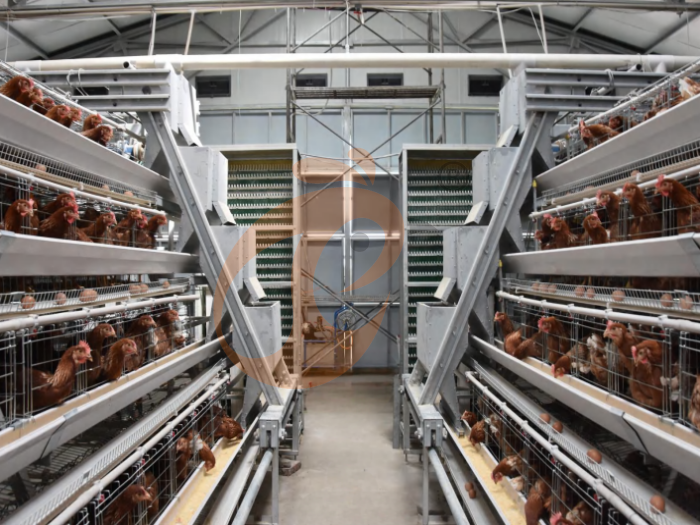
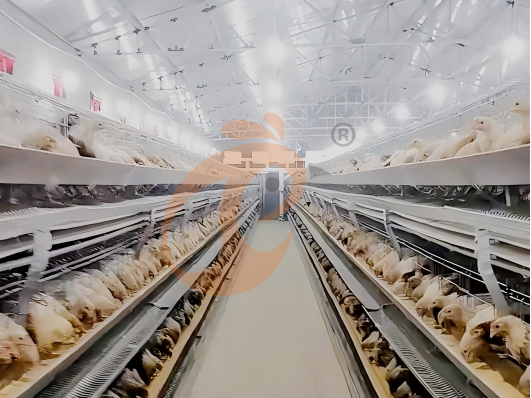
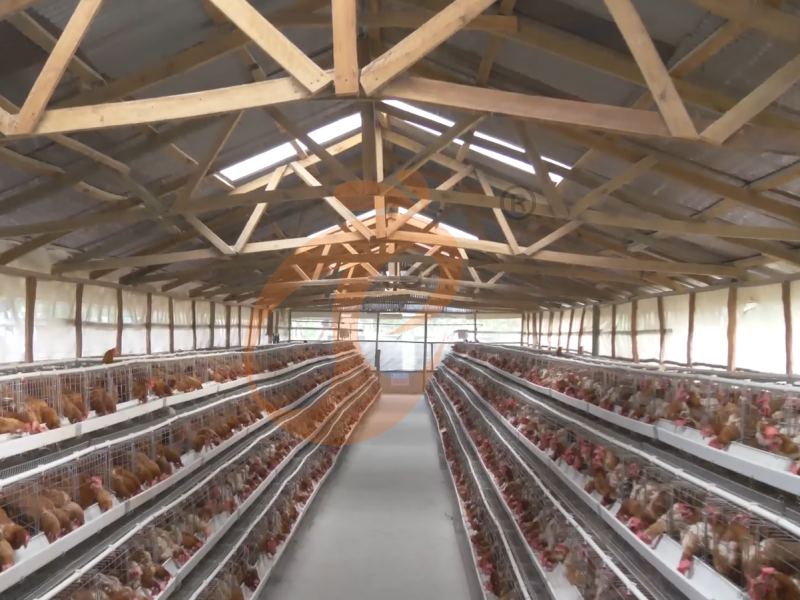
A properly engineered poultry equipment system can coordinate feeding, drinking, ventilation, manure handling, and environmental control across the entire poultry house.
For commercial farms, equipment efficiency should be evaluated against flock capacity, house dimensions, operating hours, and maintenance requirements.
Data is for reference only.Swipe horizontally to view full table.
Reduce Feed Waste With Automatic Feeding
Feed represents a major operating expense, so consistent distribution is essential.
Automatic poultry equipment can maintain a stable feed supply while reducing repeated manual feeding operations.
A properly adjusted poultry feeding system can transport feed from the hopper to each feeding point without requiring workers to distribute feed manually.
Engineering tip card
Feed hopper → auger → drive unit → feed line → feed pan
- Drive motor typically 0.55–1.5 kw
- Auger conveying capacity approximately 300–800 kg/h
- Feed line length commonly configured according to house dimensions
- Sensor control starts or stops feed delivery automatically
The system should be selected according to bird population and house layout rather than simply choosing the largest available feeding capacity.
Data is for reference only.Swipe horizontally to view full table.
Control Water Consumption With Nipple Drinkers
Water management affects both consumption and litter conditions.
A poultry equipment nipple drinking system delivers water directly to birds and can reduce unnecessary spillage when the line is installed at the correct height and operating pressure.
For reliable operation, the water system should include filtration, pressure regulation, and accessible flushing points.
A correctly configured poultry equipment drinking line can supply consistent drinking water while reducing routine manual inspection time.
System structure
Water tank
↓
Filter
↓
Pressure regulator
↓
Main water pipe
↓
Nipple line
↓
Birds
Recommended installation should account for bird age and drinking behavior, with line height adjusted as the flock develops.
Data is for reference only.Swipe horizontally to view full table.
Improve Ventilation Efficiency
Poultry equipment ventilation must be matched to poultry house volume and flock requirements.
Proper airflow helps manage heat, moisture, and air quality while preventing ventilation equipment from operating unnecessarily.
For tunnel-ventilated houses, fan arrangement, air inlet position, cooling equipment, and controller settings should be designed as one poultry equipment system.
Variable operating stages can also allow the farm to respond to changing environmental conditions.
Ventilation Engineering Checklist
House volume → required airflow → fan quantity → air inlet area → cooling capacity → controller settings
An engineering calculation should be completed before selecting fans.
For example, a house measuring 120 m × 15 m × 3 m has an internal volume of approximately 5,400 m³, which provides a starting point for airflow planning.
Data is for reference only.Swipe horizontally to view full table.
Reduce Labor Through Automation
Labor efficiency becomes increasingly important as poultry houses expand.
Automatic poultry equipment can convert repetitive manual operations into controlled mechanical processes.
Automatic feeding, drinking, manure removal, and egg collection can reduce routine handling requirements.
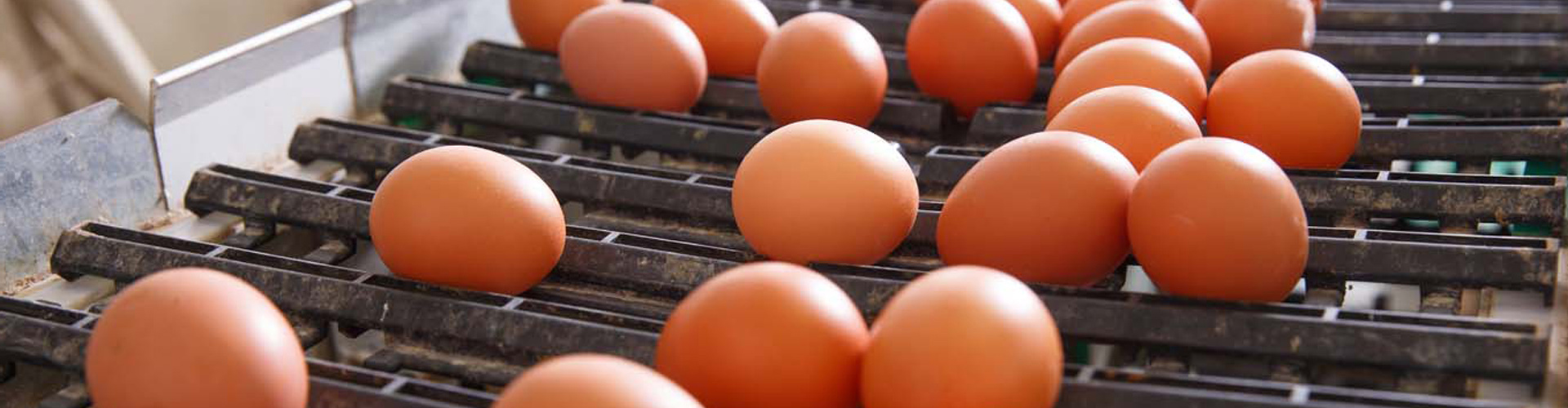
For example, an automatic egg collection conveyor can transport eggs from multiple production rows toward a centralized collection area.
Manure belts can remove accumulated manure according to a preset operating schedule.
Automation principle
Less manual handling → fewer repetitive operations → more centralized control
Data is for reference only.Swipe horizontally to view full table.
Reduce Maintenance Through Equipment Selection
Poultry equipment operates continuously in an environment containing dust, moisture, feed particles, and manure.
Component selection therefore directly affects service requirements.
For long-term operation, manufacturers should consider corrosion protection, component accessibility, motor protection, and spare-part compatibility.
Equipment that can be inspected and serviced without dismantling major assemblies can reduce maintenance downtime.
Maintenance selection card
Before purchasing, check
- Galvanized or corrosion-resistant components
- Accessible drive assemblies
- Replaceable wear components
- Standard electrical connections
- Motor protection
- Spare-part availability
For equipment installed in humid poultry houses, selecting suitable enclosure protection and corrosion-resistant materials can extend component service intervals.
Data is for reference only.Swipe horizontally to view full table.
Build An Integrated Poultry Equipment System
The largest efficiency gains often come from integrating poultry equipment rather than operating every machine independently.
Feeding, drinking, ventilation, cooling, lighting, manure removal, and environmental control should be designed around the same house configuration.
A centralized controller can connect multiple operating functions and provide scheduled or sensor-based control.
This creates a more systematic management process and reduces unnecessary manual adjustments.
Data is for reference only.Swipe horizontally to view full table.
Equipment Combination Recommendation
For a commercial poultry house, poultry equipment should be selected as a coordinated package rather than as unrelated products.
A practical configuration can combine automatic feeding, nipple drinking, tunnel ventilation, cooling, environmental control, manure handling, and lighting.
Recommended system
Feeding
Automatic feed hopper + auger + feed pans
Drinking
Water tank + filtration + pressure regulator + nipple line
Climate
Tunnel fans + air inlets + cooling pads + controller
Management
Lighting + alarm + environmental monitoring
Waste handling
Manure belts + drive system + scheduled control
This poultry equipment configuration allows the farm to create a continuous workflow from feed delivery to environmental management and waste removal.
Equipment Selection: Focus On Total Cost
The purchase price should not be the only factor when comparing poultry equipment.
Installation time, operating frequency, maintenance accessibility, replacement parts, and system compatibility all influence the actual cost of ownership.
For example, a feeding line operating 16 hours per day will place different demands on drive components than equipment used intermittently.
Equipment selection should therefore consider actual operating schedules rather than catalog specifications alone.
Buyer checklist
✓ House dimensions
✓ Bird capacity
✓ Production type
✓ Local climate
✓ Electrical supply
✓ Water quality
✓ Automation requirements
✓ Future expansion
Why Professional Poultry Equipment Design Matters
A poultry equipment supplier should do more than provide individual machines.
Professional system design should consider house dimensions, flock density, equipment positioning, electrical requirements, water supply, ventilation requirements, and maintenance access.
For a new project, engineering drawings and equipment layouts can help determine installation positions before construction begins.
For an existing farm, equipment upgrades can be planned around the current house structure to avoid unnecessary reconstruction.
Project data should include
House length • house width • roof height • bird capacity • climate conditions • power supply • water source
From Individual Machines To A Complete Solution
Choosing a complete poultry equipment package can simplify procurement and installation.
Instead of sourcing every component separately, farmers can coordinate major systems through one project design.
Our poultry equipment solutions
Data is for reference only.Swipe horizontally to view full table.
Get A Poultry Equipment Solution For Your Farm
The right poultry equipment should be selected according to the actual farm rather than based on a generic equipment list.
House size, flock capacity, climate, water conditions, electrical infrastructure, and production type all affect system design.
Our team can provide a complete poultry equipment solution covering feeding, drinking, ventilation, cooling, environmental control, manure removal, egg collection, and farm automation.
Start with your farm data
House size → bird capacity → production type → local climate → equipment configuration
Build smarter. automate more. operate efficiently.
Contact us for a poultry equipment proposal designed around your farm requirements.
Frequently Asked Questions
Q1: What poultry equipment helps reduce operating costs?
A1: Automatic feeding systems, nipple drinking systems, and poultry ventilation systems address major operating areas through controlled delivery and automated management.
For example, automated equipment can reduce repetitive labor while ventilation control can coordinate airflow according to house conditions.
Q2: How should poultry equipment be selected for a new farm?
A2: Poultry equipment should be selected from house dimensions, flock capacity, production type, climate, utilities, and required automation level.
A project layout should be completed before installation so equipment positions and service access can be coordinated.
Q3: Is integrated poultry equipment better for commercial projects?
A3: Integrated poultry equipment connects feeding, drinking, ventilation, cooling, monitoring, and waste handling into one engineering structure.
A centralized controller with multiple sensor inputs can coordinate operating functions and simplify daily management.
Taiyu (HK) Group - One Of China Toppest Poultry Equipment Manufacturer
Poultry equipment systems integrate automatic feeding, drinking, ventilation, and environmental control, with configurable capacities for commercial poultry houses.
Global factory-direct supply provides standardized components, project engineering, quality inspection, and international poultry equipment delivery from China.
Poultry equipment projects support turn-key engineering covering equipment selection, layout planning, installation guidance, commissioning, and technical documentation.
Commercial projects can integrate feeding lines, drinking systems, ventilation equipment, cooling systems, manure handling, and environmental controllers within one engineering package.
Factory production supports customized poultry equipment configurations according to house dimensions, flock capacity, utility conditions, climate requirements, and expansion plans.
Contact Us To Received Your Customized Poultry Farm Plan
Headquarters And Branchs

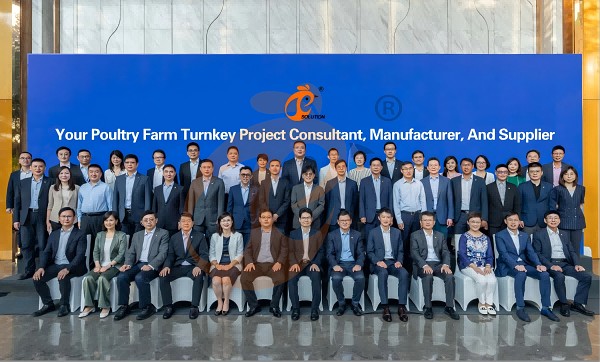
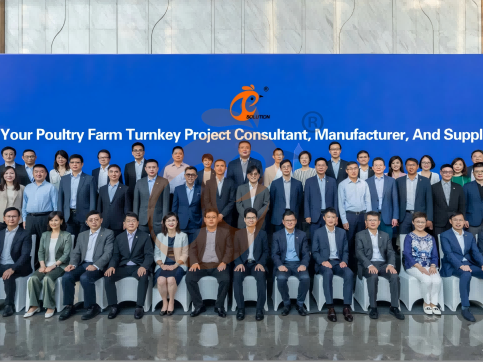
Hong Kong Headquarter Management Team
Hong Kong Headquarter Taiyu Industrial Group CO., LTD
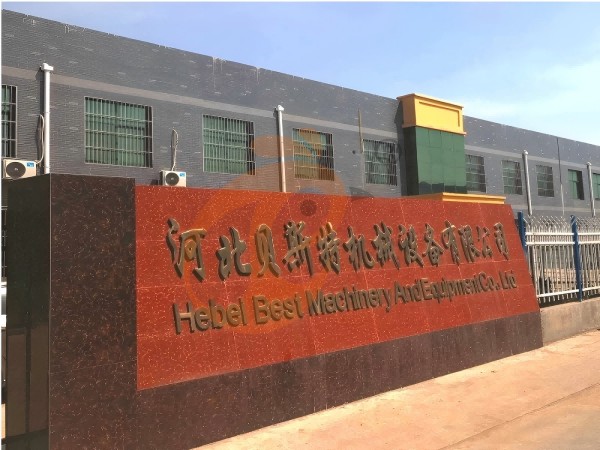
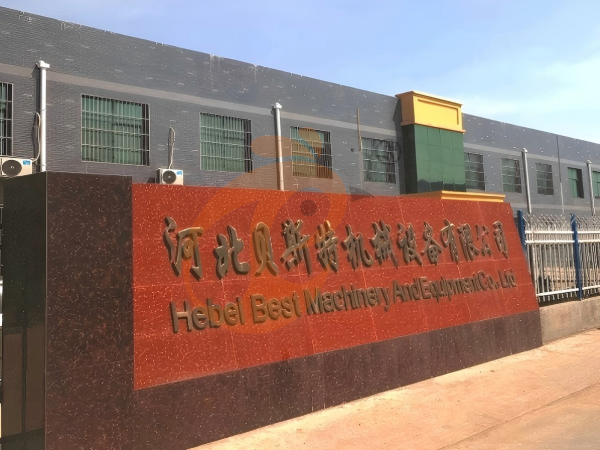
China Hebei Best Machinery And Equipment CO., LTD
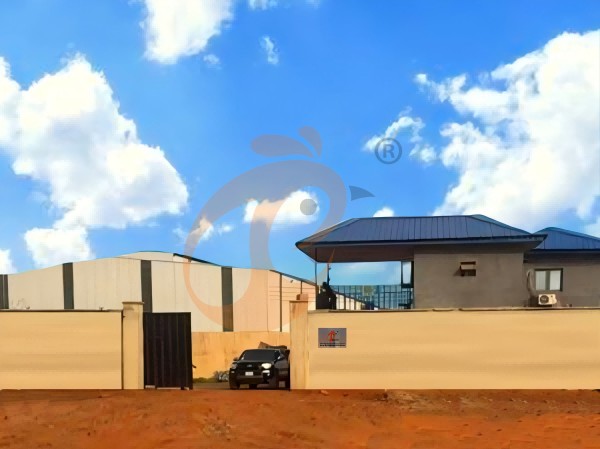
Nigeria Vanke Machinery And Equipment CO., LTD
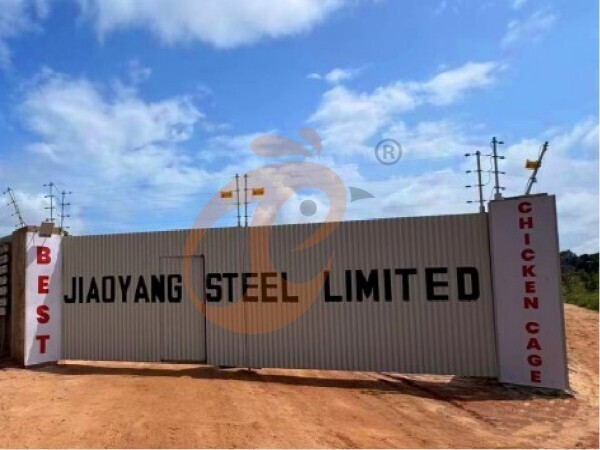
Tanzania Best Machinery And Equipment CO., LTD
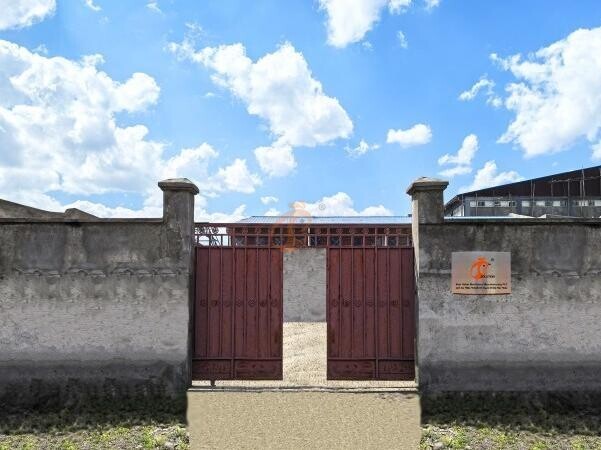
Ethiopia Best Hebei Machinery Manufacturing PLC
Reception /24 WhatsApp NO. : +8618830120193
FAQ
What Equipment Modules Are Included In Automatic Chicken Cage Poultry Equipment For Poultry Chicken Cage Systems?
Watering modules integrate pipelines rated for 16–20 mm diameter supporting stable distribution.
Manure belts utilize 1.0–1.2 mm thickness materials for continuous waste removal durability.
Which Structural Equipment Specifications Define Automatic Chicken Cage Poultry Equipment In Poultry Chicken Cage Systems?
Wire mesh spacing is maintained at 20–25 mm to support bird stability and waste separation.
Galvanization coating reaches 90–130 g/m² for corrosion resistance in high humidity environments.
What Drive System Equipment Parameters Are Used In Automatic Chicken Cage Poultry Equipment For Poultry Chicken Cage Farms?
Gear reducer ratio is configured between 1:20–1:40 for controlled mechanical output speed.
Transmission efficiency reaches 85%–92% minimizing energy loss during continuous operation.
Message
Products recommended
 HK Headquarter Offers EU-standard Poultry Farm Solutions, Manufacture Poultry Farm Equipment1. Continuous communication with the EU and the US
2. China, Nigeria, Ethiopia, Tanzania branch companies and factories
3. The products’ quality is customized for local poultry farms
4. Poultry cage and poultry farm equipment stock for sale
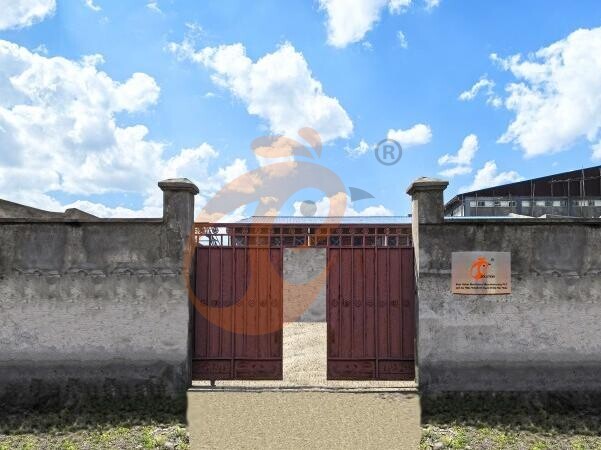
5. 24 online reception Whatsapp NO. : +8618830120193,contact us to get full informationRead More China Branch Offer Poultry Farm Business Plan, Manufacture Poultry Farm Equipment1. Address: Flat/RM 2416, 24/F, Runxing Building, Youyi Nan Street, Shijiazhuang City, Hebei Province, China
2. Poultry cage and poultry farm equipment factory and stock for sale
3. Customized for local poultry farms
4. Quality and design are based on Euro
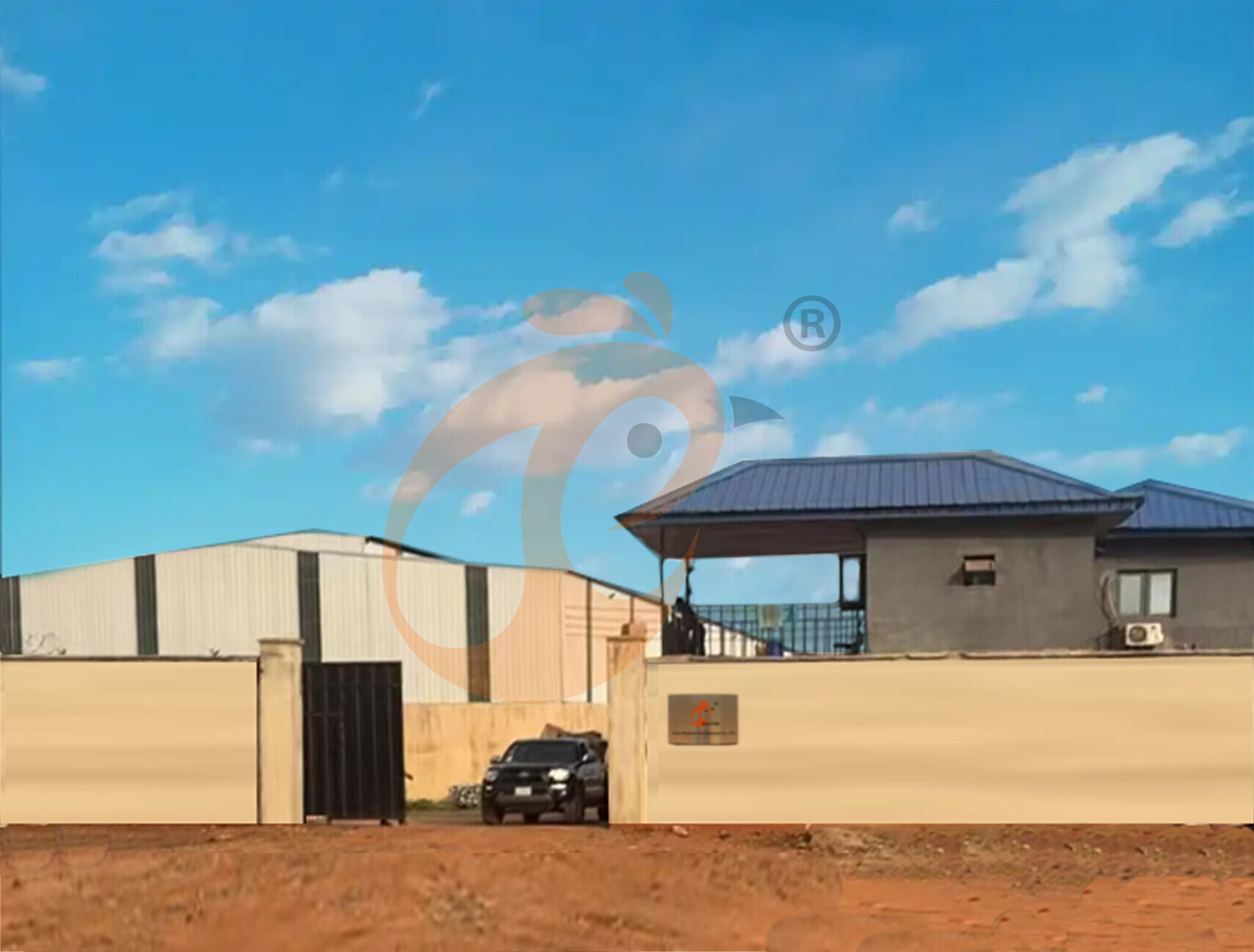
5. 24 online reception Whatsapp NO. : +8618830120193Read More Nigeria Branch Offer Poultry Farm Business Plan, Manufacture Poultry Farm Equipment1. Address: After Sinoma Office, 200 Meters Near Danco Filling Station, Lagos/Ibadan Expressway, Lagos State, Nigeria
2. Poultry cage and poultry farm equipment factory and stock for sale
3. Customized for Nigerian poultry farms
4. Quality and design are based on Euro
5. 24 online reception Whatsapp NO. : +8618830120193Read More Ethiopia Branch Offer Poultry Farm Business Plan, Manufacture Poultry Farm Equipment1. Address: Gelan Gura, Akaki-kaliti Sub City, Addis Ababa, Ethiopia
2. Poultry cage and poultry farm equipment stock for sale
3. Customized for Ethiopian poultry farms
4. Quality and design are based on Euro
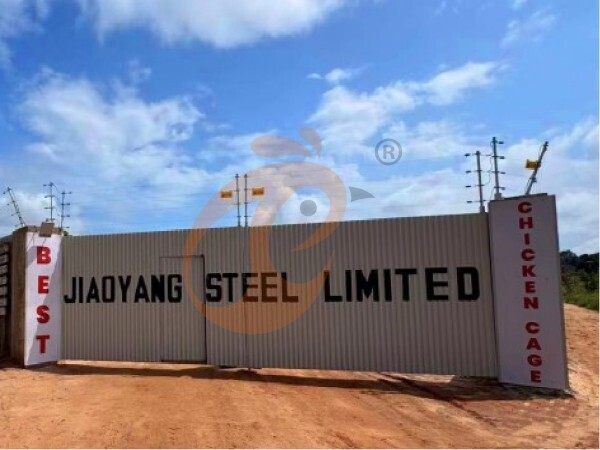
5. 24 online reception Whatsapp NO. : +8618830120193, contact us to get price listRead More Tanzania Branch Offer Poultry Farm Business Plan, Manufacture Poultry Farm Equipment1. Address: No.8, Sova Road, Msufini, Mlandizi, Kibaha, Pwani, Tanzania
2. Poultry cage and poultry farm equipment factory and stock for sale
3. Customized for Tanzanian poultry farms
4. Quality and design are based on Euro
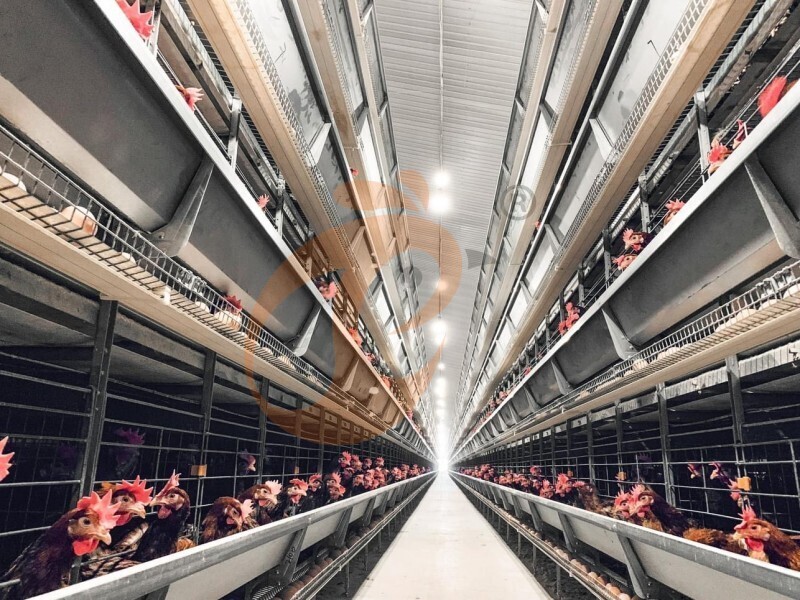
5. 24 online reception Whatsapp NO. : +8618830120193Read More Fully Automatic H Type Layer Chicken Cage1. 30,000-100,000+ layers/house chooses it, Poultry farmers can achieve an egg production rate of 96-98%
2. A significant improvement over the 85-90% typically seen in manual systems
3. A typical poultry farm can expect a 30-40% reduction in labor costs due to the automation
4. Each feeding line efficiently supplies feed to around 100,000 hens per 30 mins
5. Reception /WhatsApp NO. : +8618830120193Read More Fully Automatic A Type Layer Chicken Cage1. 10,000-50,000 layers/house chooses it
2. Cleaner egg collection reduces breakage by 0.5%
3. Improved hygiene helps reduce mortality rate to <3%
4. 1–2 technicians can handle 15,000–30,000 birds
5. Reception /WhatsApp NO. : +8618830120193Read More Semi Automatic H Type Layer Chicken Cage1. 1,00-20,000 layers/house chooses it
2. Nipple drinkers flow 30–60 ML / min
3. Hot-dip galvanized (typical coating ≥ 275 g/m²)
4. Reduce ammonia by ~ 35–40%
5. Reception /WhatsApp NO. : +8618830120193Read More Semi Automatic A Type Layer Chicken Cage1. 1,00-20,000 layers/house chooses it, no rust for 10 years, no deformation for 15 years
2. Chickens live comfortably, you can raise them with peace of mind
3. Save water, save money—efficiency you can measure
4. Improve environment quality, and increase egg production rate
5. Reception /WhatsApp NO. : +8618830120193Read More
By clicking 'Allow All', you agree to the storage of cookies on your device to enhance site navigation, analyze site usage and assist with our marketing efforts.