


Blog
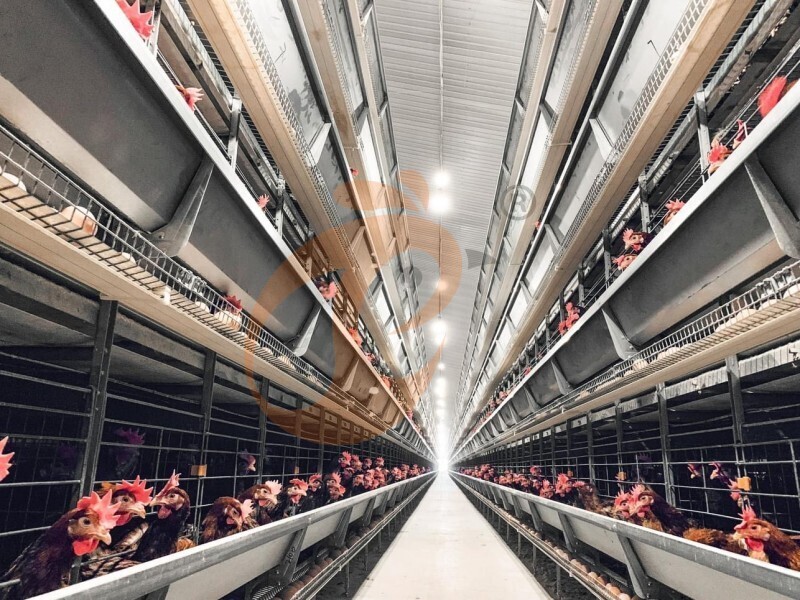
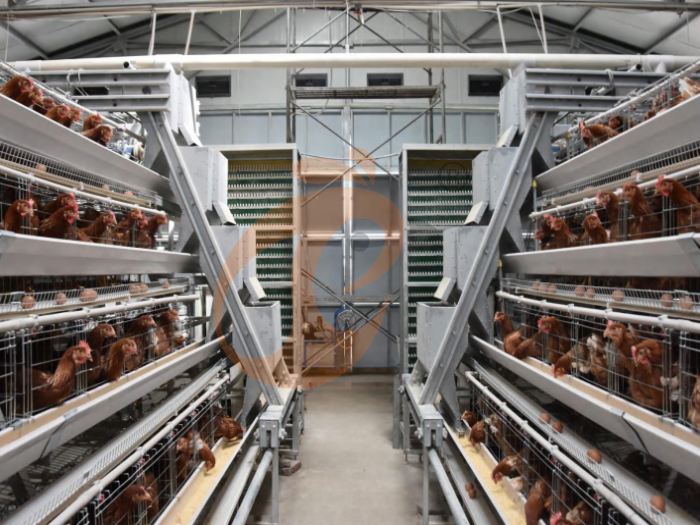
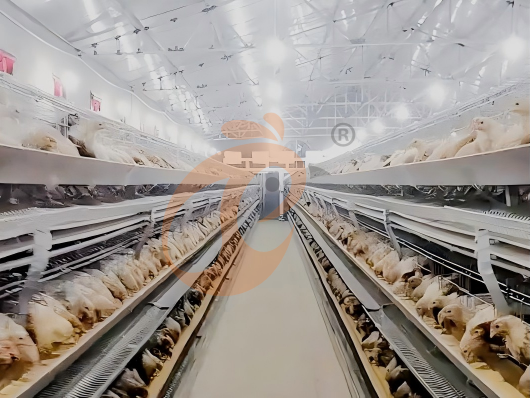
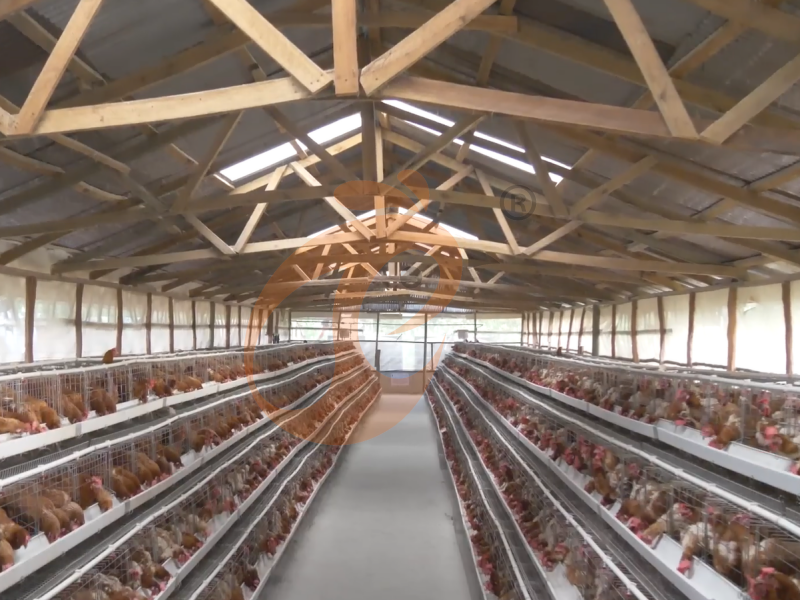
A type poultry cage system is widely used in Ethiopia for layer hen production, offering efficient egg collection and housing solutions.
Ensuring safe transport prevents damage and loss during delivery to farms in various Ethiopian regions.
Proper installation improves hen welfare, egg production, and operational efficiency.
Farmers must consider local road conditions, climate, and labor availability for smooth implementation.
Cost-effective strategies help Ethiopian poultry farmers optimize investment and productivity.
Get professional poultry farm construction guidance, equipment selection solutions, and the latest price lists, whatsApp to +8618830120193, click to learn more:

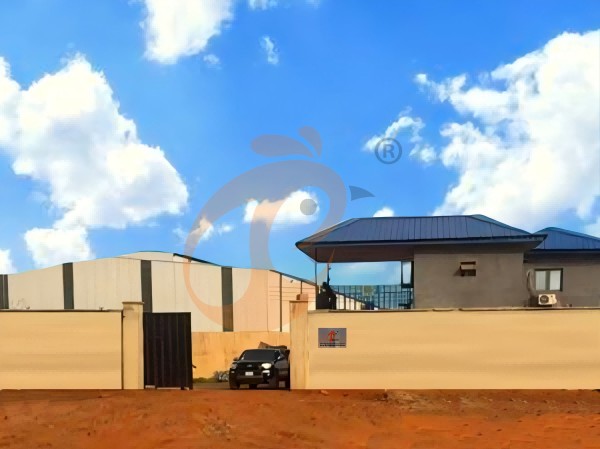
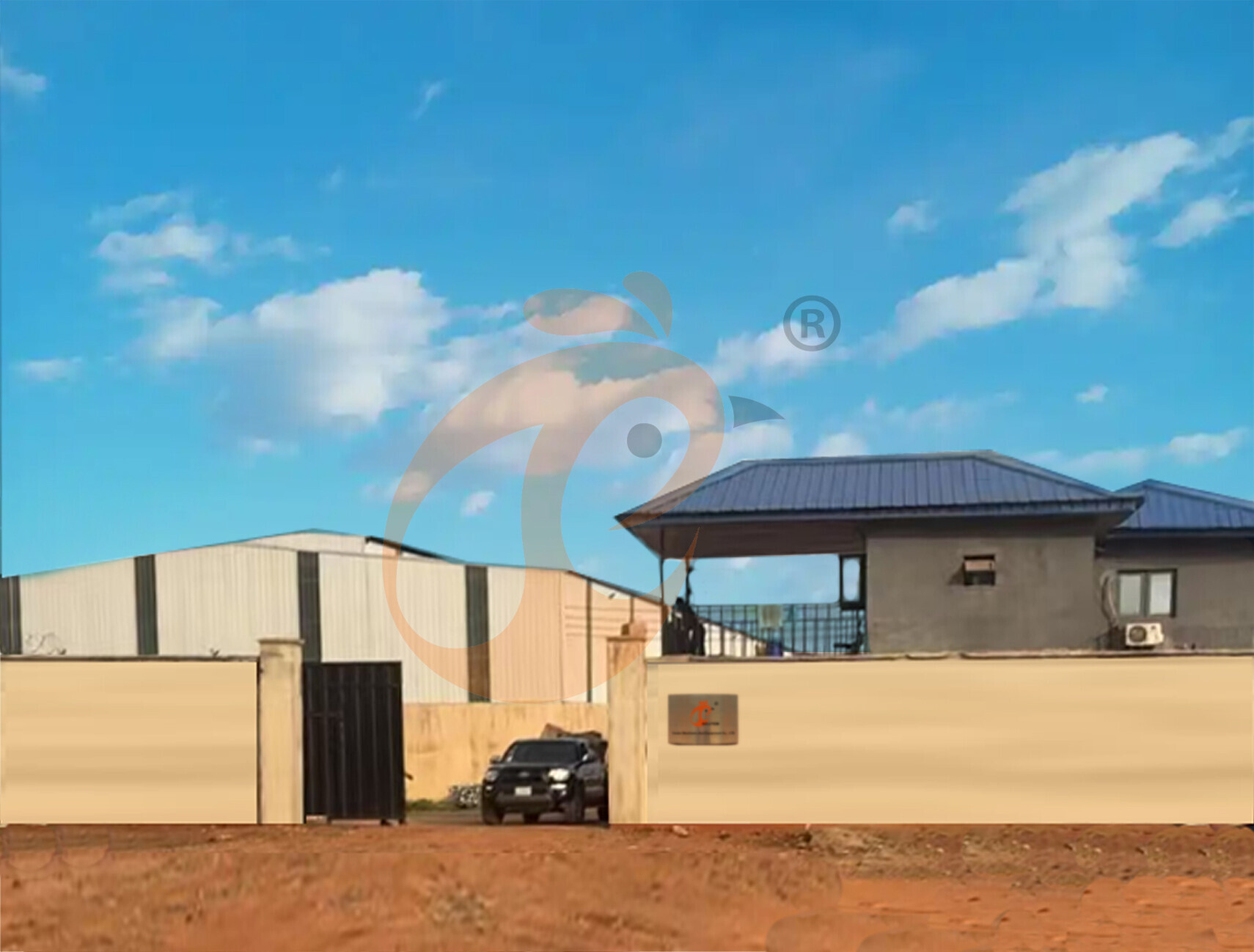
Ethiopia Branch Office And Factory Of Poultry Farm Equipment
Step 1: Pre-Transport Planning
Before transporting the A-type chicken cage system, it is crucial to assess the route, local climate, and available transport vehicles.
Ethiopia's topography, ranging from highlands to arid lowlands, affects the type of vehicle and loading method.
Evaluate road conditions from the supplier to the farm.
Identify loading points and unloading zones.
Ensure permits for heavy machinery or oversized loads in regions like Oromia or Amhara.
Verify local labor availability for handling cages.
Data is for reference only.Swipe horizontally to view full table.
Step 2: Site Preparation
Selecting and preparing the farm site is critical.
Many Ethiopian poultry farmers face challenges with dust, rainfall, and limited electricity for automated systems.
Level the ground to prevent cage instability.
Install proper drainage to handle rainy season runoff.
Ensure proximity to water sources for hens.
Provide access for forklifts or manual transport aids.
Data is for reference only.Swipe horizontally to view full table.
Step 3: Cage Disassembly And Packaging
Proper disassembly and packaging reduce damage during transport and simplify installation.
Remove feeders and drinkers from the cage.
Wrap metal components with protective material.
Label each module clearly for reassembly.
Stack cages carefully to prevent bending.
Data is for reference only.Swipe horizontally to view full table.
Step 4: Transport Execution
Transporting cages safely in Ethiopia requires consideration of local road conditions and seasonal weather.
Avoid rainy season in lowland areas like Gambela to reduce risk of trucks getting stuck.
Secure cages with ratchet straps to prevent shifting.
Use guide laborers for tight rural roads.
Monitor for overloading to comply with local traffic regulations.
Data is for reference only.Swipe horizontally to view full table.
Step 5: Installation Of Cage System
Upon arrival, installation must prioritize stability, animal welfare, and local conditions.
Assemble modules in sequence according to labels.
Ensure each tier is level to prevent egg roll issues.
Connect feeders and drinkers securely.
Install proper lighting to optimize egg production.
Data is for reference only.Swipe horizontally to view full table.
Step 6: Post-Installation Checks And Maintenance
Post-installation inspections ensure longevity and proper functioning.
Verify all bolts are tightened and modules are stable.
Check feeder and drinker functionality.
Inspect for sharp edges or protrusions.
Schedule routine cleaning and preventive maintenance.
Data is for reference only.Swipe horizontally to view full table.
Step 7: Adaptation To Ethiopian Conditions
Long-term success depends on adaptation to local environmental, economic, and social conditions.
Use solar-powered systems in remote areas with unreliable electricity.
Incorporate locally sourced materials for minor repairs to reduce cost.
Train local staff on cage management and biosecurity.
Monitor feed availability and storage to ensure year-round production.
Data is for reference only.Swipe horizontally to view full table.
Optimizing Productivity And Investment Returns
Maximizing the efficiency of your A-type chicken cage system directly impacts both egg production and return on investment.
Farmers in Ethiopia often face fluctuating feed costs and seasonal challenges. To address this:
Monitor Feed Conversion Ratio (FCR): Aim for 2.0–2.2 per hen to ensure optimal feed use and reduce wastage.
Implement Temperature Management: Maintain 20–25°C in highland farms and 25–28°C in lowland areas to prevent heat stress.
Regular Egg Quality Checks: Track shell strength and egg weight to maintain market standards.
Preventive Health Programs: Vaccinate against Newcastle and Marek's disease to minimize production losses.
By combining these strategies, farmers can enhance productivity, reduce operational costs, and ensure a consistent supply of quality eggs, making their investment in A-type chicken cages highly profitable and sustainable.
Ethiopia Best Hebei Machinery Manufacturing Plc - One Of Ethiopia Largest Poultry Cage Supplier
HB BEST provides global factory direct sales ensuring cost-effective poultry farm equipment solutions.
The company specializes in chicken cage systems for layer hens with proven durability and efficiency.
Turn-key engineering projects allow Ethiopian farmers to implement fully operational poultry farms easily.
On-site staff training ensures proper cage management and egg production optimization.
Local and remote technical support guarantees maintenance and operational stability for all poultry farms.
Frequently Asked Questions
Q: Is it difficult to transport and install A-type chicken cages in Ethiopia?
A: Not necessarily. With proper planning, dry-season transport, and basic site preparation, farmers can complete delivery and installation smoothly even in rural areas.
Q: How can Ethiopian farmers avoid damage during cage transport?
A: By using secure packaging, stable loading, and careful handling on rough roads, farmers can protect cage systems and reduce repair costs.
Q: How do farmers adapt A-type cage systems to Ethiopia's local conditions?
A: By using solar power, training local workers, and improving feed storage and biosecurity, farms can operate efficiently despite power and climate challenges.
Contact Us To Received Your Customized Poultry Farm Plan
Headquarters And Branchs
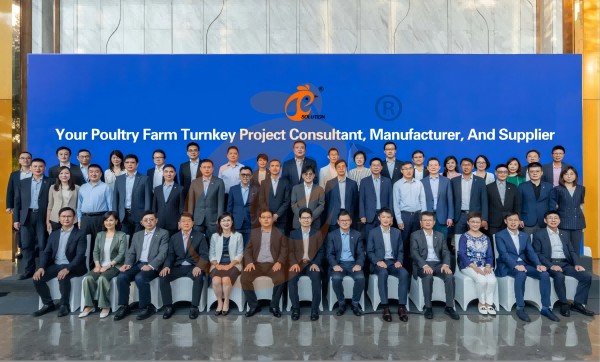
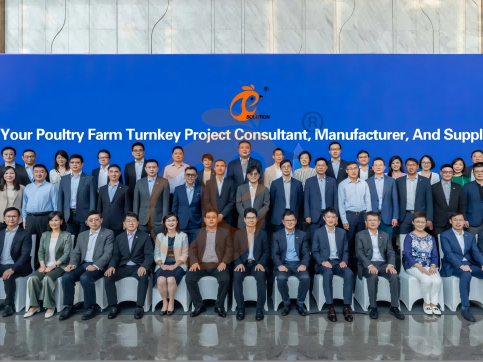
Hong Kong Headquarter Management Team
Hong Kong Headquarter Taiyu Industrial Group CO., LTD
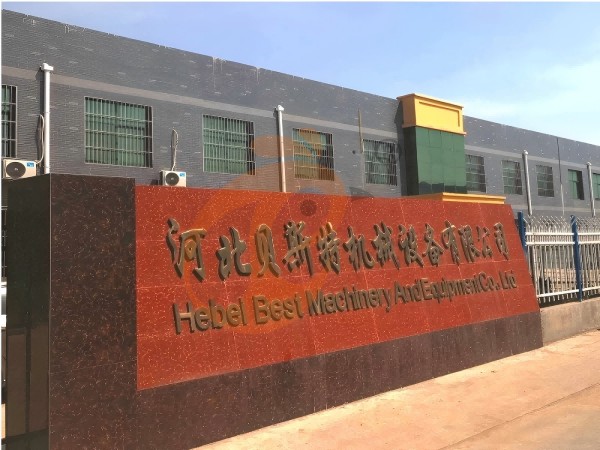
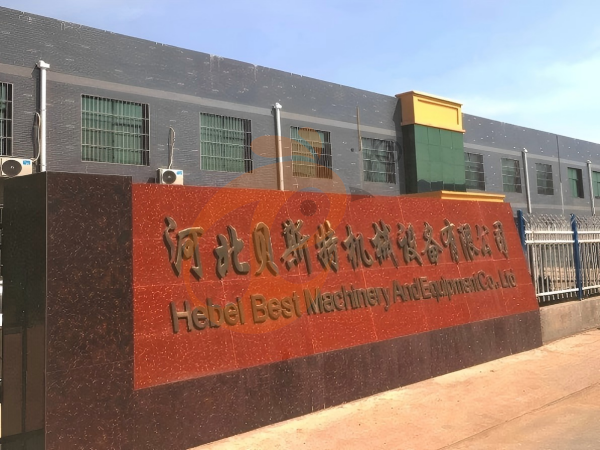
China Hebei Best Machinery And Equipment CO., LTD
Nigeria Vanke Machinery And Equipment CO., LTD
Tanzania Best Machinery And Equipment CO., LTD
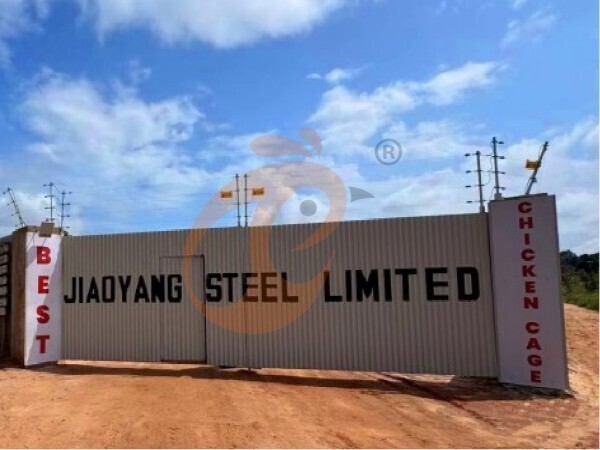
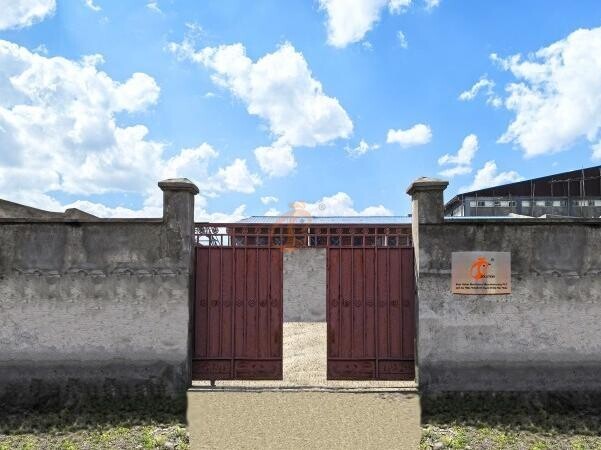
Ethiopia Best Hebei Machinery Manufacturing PLC
Reception /24 WhatsApp NO. : +8618830120193
FAQ
How To Implement Egg Collection System In A-Type Layer Cage Farm?
Single or double belt options
Daily egg yield: 900–960 eggs/1,000 birds
Egg breakage rate <1%
Labor savings: 50–70%
How To Maintain Optimal Humidity In A-Type Chicken Cage House?
Good ventilation reduces mold
Egg production rate: 90–96%
Mortality rate: 2–3%
FCR: 1.9–2.2
What Are The Advantages Of A-Type Chicken Cage For Stress Reduction?
Good air circulation
Reduces pecking and crowding stress
Mortality rate: 2–3%
Egg production rate: 90–96%
Message
Products recommended
 HK Headquarter Offers EU-standard Poultry Farm Solutions, Manufacture Poultry Farm Equipment1. Continuous communication with the EU and the US
2. China, Nigeria, Ethiopia, Tanzania branch companies and factories
3. The products’ quality is customized for local poultry farms
4. Poultry cage and poultry farm equipment stock for sale
5. 24 online reception Whatsapp NO. : +8618830120193,contact us to get full informationRead More China Branch Offer Poultry Farm Business Plan, Manufacture Poultry Farm Equipment1. Address: Flat/RM 2416, 24/F, Runxing Building, Youyi Nan Street, Shijiazhuang City, Hebei Province, China
2. Poultry cage and poultry farm equipment factory and stock for sale
3. Customized for local poultry farms
4. Quality and design are based on Euro
5. 24 online reception Whatsapp NO. : +8618830120193Read More Nigeria Branch Offer Poultry Farm Business Plan, Manufacture Poultry Farm Equipment1. Address: After Sinoma Office, 200 Meters Near Danco Filling Station, Lagos/Ibadan Expressway, Lagos State, Nigeria
2. Poultry cage and poultry farm equipment factory and stock for sale
3. Customized for Nigerian poultry farms
4. Quality and design are based on Euro
5. 24 online reception Whatsapp NO. : +8618830120193Read More Ethiopia Branch Offer Poultry Farm Business Plan, Manufacture Poultry Farm Equipment1. Address: Gelan Gura, Akaki-kaliti Sub City, Addis Ababa, Ethiopia
2. Poultry cage and poultry farm equipment stock for sale
3. Customized for Ethiopian poultry farms
4. Quality and design are based on Euro
5. 24 online reception Whatsapp NO. : +8618830120193, contact us to get price listRead More Tanzania Branch Offer Poultry Farm Business Plan, Manufacture Poultry Farm Equipment1. Address: No.8, Sova Road, Msufini, Mlandizi, Kibaha, Pwani, Tanzania
2. Poultry cage and poultry farm equipment factory and stock for sale
3. Customized for Tanzanian poultry farms
4. Quality and design are based on Euro
5. 24 online reception Whatsapp NO. : +8618830120193Read More Fully Automatic H Type Layer Chicken Cage1. 30,000-100,000+ layers/house chooses it, Poultry farmers can achieve an egg production rate of 96-98%
2. A significant improvement over the 85-90% typically seen in manual systems
3. A typical poultry farm can expect a 30-40% reduction in labor costs due to the automation
4. Each feeding line efficiently supplies feed to around 100,000 hens per 30 mins
5. Reception /WhatsApp NO. : +8618830120193Read More Fully Automatic A Type Layer Chicken Cage1. 10,000-50,000 layers/house chooses it
2. Cleaner egg collection reduces breakage by 0.5%
3. Improved hygiene helps reduce mortality rate to <3%
4. 1–2 technicians can handle 15,000–30,000 birds
5. Reception /WhatsApp NO. : +8618830120193Read More Semi Automatic H Type Layer Chicken Cage1. 1,00-20,000 layers/house chooses it
2. Nipple drinkers flow 30–60 ML / min
3. Hot-dip galvanized (typical coating ≥ 275 g/m²)
4. Reduce ammonia by ~ 35–40%
5. Reception /WhatsApp NO. : +8618830120193Read More Semi Automatic A Type Layer Chicken Cage1. 1,00-20,000 layers/house chooses it, no rust for 10 years, no deformation for 15 years
2. Chickens live comfortably, you can raise them with peace of mind
3. Save water, save money—efficiency you can measure
4. Improve environment quality, and increase egg production rate
5. Reception /WhatsApp NO. : +8618830120193Read More
By clicking 'Allow All', you agree to the storage of cookies on your device to enhance site navigation, analyze site usage and assist with our marketing efforts.