






Blog
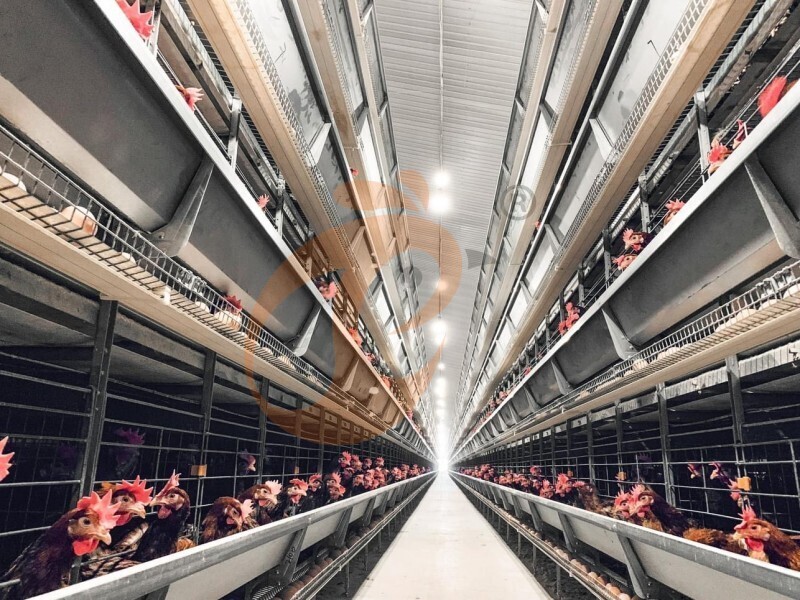
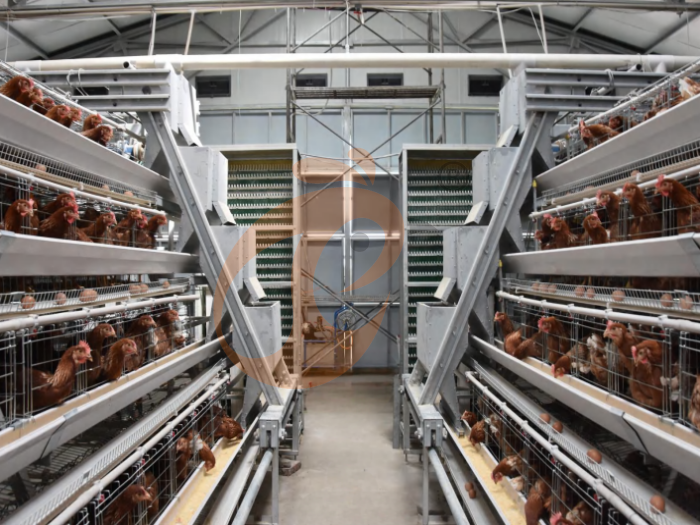
Poultry equipment systems determine housing efficiency, labor control, bird comfort, and production consistency across modern chicken farms.
Standard configurations offer proven layouts, coordinated components, predictable procurement schedules, and practical installation requirements.
Custom systems adapt feeding, drinking, ventilation, manure handling, and environmental controls around individual house dimensions and operating targets.
A 120-meter house with 16,000 birds can require different equipment coordination than a compact 80-meter house with 9,000 birds.
Comparing equipment capacity, house geometry, automation level, maintenance access, and expansion plans helps establish a technically suitable investment strategy.
Get professional poultry farm construction guidance, equipment selection solutions, and the latest price lists, whatsApp to +8618830120193, +2348111199996, or click to learn more.
Standard Poultry Equipment System Configuration
Standard poultry equipment systems use coordinated components designed around commonly adopted chicken house dimensions and production methods.
A typical package can integrate automatic feeding lines, nipple drinking systems, environmental ventilation, cooling equipment, heating units, lighting, and control cabinets.
For example, a feeding line may operate at 40–60 meters per line, while nipple spacing can be configured around 12–15 birds per nipple.
Standardized component selection can simplify procurement because motors, controllers, pipes, sensors, and spare parts follow established specifications.
Data is for reference only.Swipe horizontally to view full table.
Custom Poultry Equipment System Architecture
Custom poultry equipment systems begin with house dimensions, stocking density, climate conditions, building orientation, utility availability, and management objectives.
Engineering coordination can modify equipment quantity, line positioning, ventilation distribution, controller logic, and service access.
A 15-meter house width may require a different airflow arrangement from a 12-meter structure, while a 3.2-meter ceiling height affects equipment suspension planning.
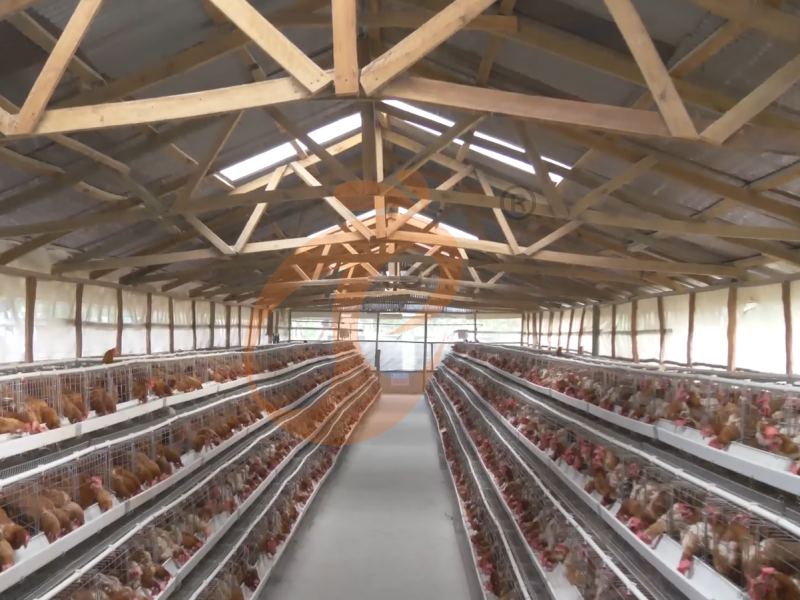
Custom engineering becomes particularly useful when existing buildings must be converted without removing structural elements.
Configuration Priorities
House geometry → Equipment layout → Utility capacity → Environmental control → Production workflow
This sequence reduces installation conflicts and connects equipment selection with actual farm conditions.
A custom poultry equipment system can also reserve additional electrical capacity of approximately 15–25% for planned equipment expansion.
Standard Vs Custom Cost Structure
Initial purchase price should not be evaluated separately from installation complexity, spare-part requirements, labor input, and future expansion.
Standard systems normally provide clearer package pricing because equipment quantities and component combinations are predetermined.
Custom systems can require engineering and fabrication adjustments, but customized positioning may reduce unnecessary equipment expenditure inside irregular buildings.
Data is for reference only.Swipe horizontally to view full table.
Drinking System Engineering
Water delivery directly affects flock management, so equipment selection should consider pressure stability, pipe routing, filtration, and drinking-point distribution.
Data is for reference only.Swipe horizontally to view full table.
Ventilation And Climate Control
Ventilation design should match house volume, bird population, fan placement, inlet position, and regional climate conditions.
Standard ventilation packages can provide repeatable fan arrangements, whereas custom systems can calculate airflow around building openings and internal obstructions.
A controller response cycle of approximately 5–10 seconds can coordinate sensor readings with ventilation stages.
Data is for reference only.Swipe horizontally to view full table.
Turn-Key Project Workflow
Site survey
House measurement
Equipment engineering
Production scheduling
Installation guidance
Commissioning
Operator training
Turn-key poultry equipment projects connect individual machines into one operational production system rather than treating each component as an isolated purchase.
For a 10-house project, centralized engineering can coordinate equipment specifications across all buildings while maintaining independent environmental controls.
Manure Handling And House Hygiene
Manure removal affects labor organization, cleaning frequency, floor conditions, and long-term equipment maintenance.
Data is for reference only.Swipe horizontally to view full table.
Automation And Electrical Integration
Automation converts separate equipment groups into a coordinated management platform.
Standard control systems provide established wiring configurations, while custom electrical integration can allocate outputs according to actual equipment quantity and future expansion.
A typical control cabinet may use 16–32 digital inputs for temperature, pressure, water, feed, alarm, and equipment status monitoring.
Data is for reference only.Swipe horizontally to view full table.
Project Decision Matrix
Data is for reference only.Swipe horizontally to view full table.
Frequently Asked Questions
Q1: Which system suits a conventional new chicken house?
A1: A standard poultry equipment system usually provides an efficient starting point when house dimensions and stocking plans follow established designs.
Q2: When should a farm select custom equipment?
A2: Custom equipment becomes more appropriate when house geometry, climate requirements, production density, or existing structures require engineered adaptation.
Q3: Can standard equipment support future expansion?
A3: Yes, provided electrical capacity, controller outputs, equipment spacing, and structural interfaces are planned before installation.
Taiyu (HK) Group - One Of China Largest Poultry Equipment Manufacturer
Poultry equipment systems integrate feeding, drinking, ventilation, cooling, heating, lighting, manure handling, and environmental control into coordinated chicken house infrastructure.
Global factory-direct supply supports equipment manufacturing, technical documentation, component coordination, inspection, packaging, and international project delivery.
Poultry equipment projects can combine individual systems according to flock capacity, house dimensions, climate requirements, and farm management procedures.
Turn-key engineering connects site assessment, equipment configuration, production coordination, installation guidance, commissioning, and operational training.
Project-based technical coordination provides equipment schedules, engineering interfaces, spare-part planning, and implementation documentation for commercial poultry facilities.
Contact Us To Received Your Customized Poultry Farm Plan
Headquarters And Branchs
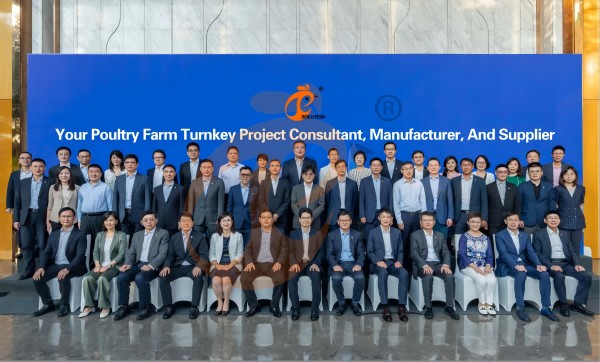
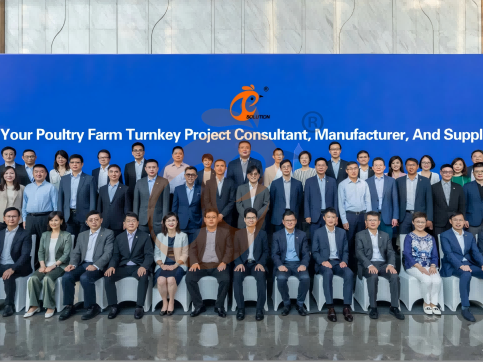
Hong Kong Headquarter Management Team
Hong Kong Headquarter Taiyu Industrial Group CO., LTD
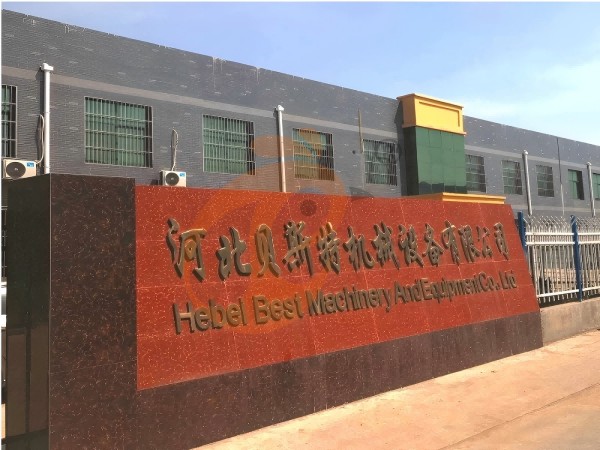
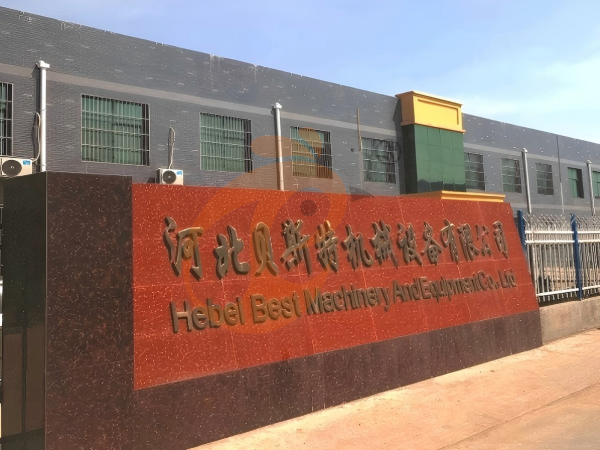
China Hebei Best Machinery And Equipment CO., LTD
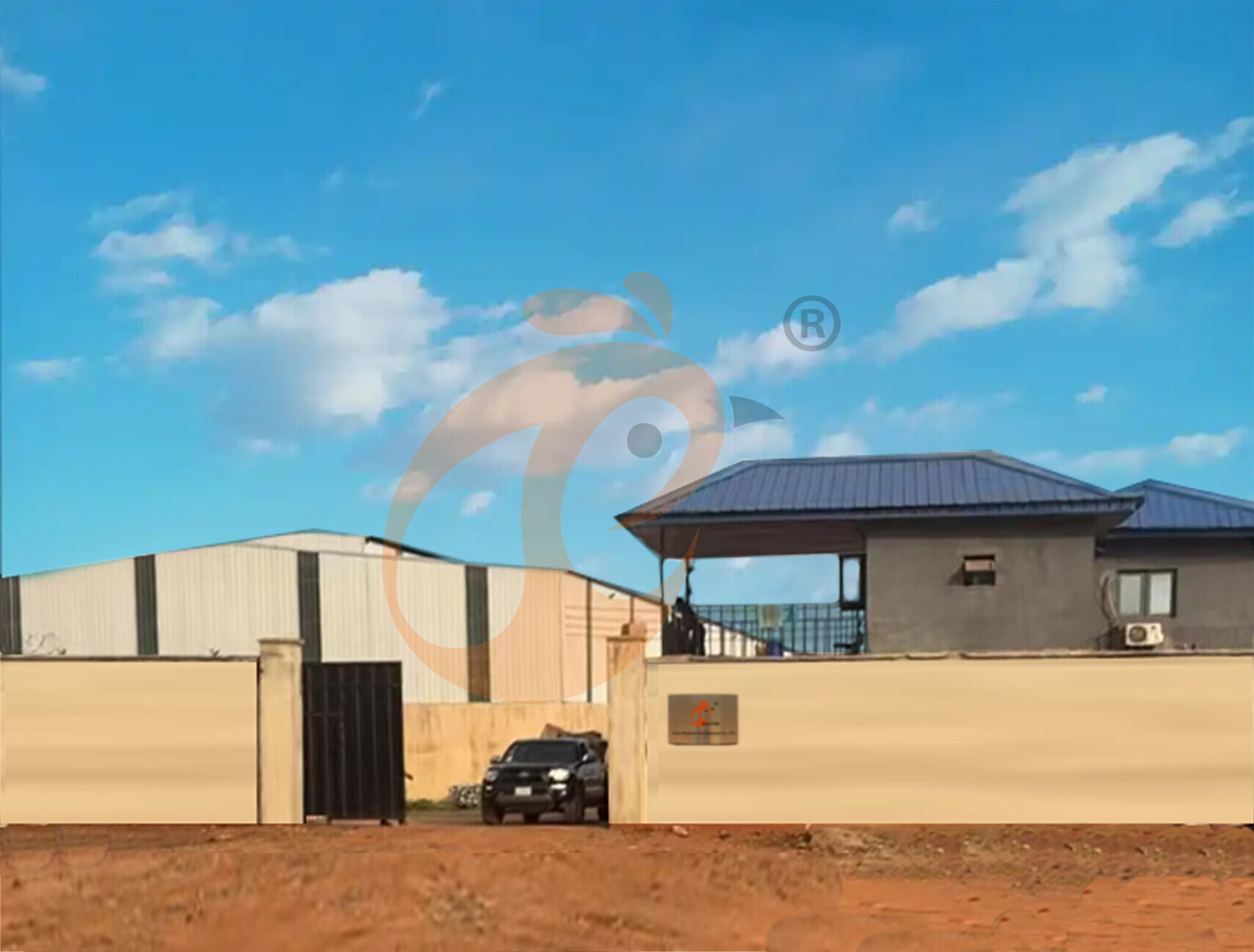
Nigeria Vanke Machinery And Equipment CO., LTD
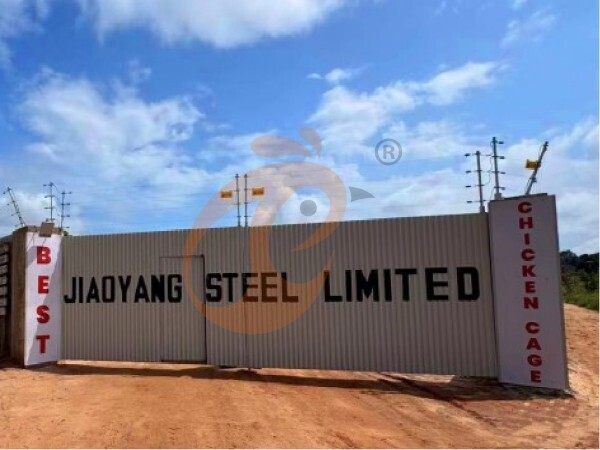
Tanzania Best Machinery And Equipment CO., LTD
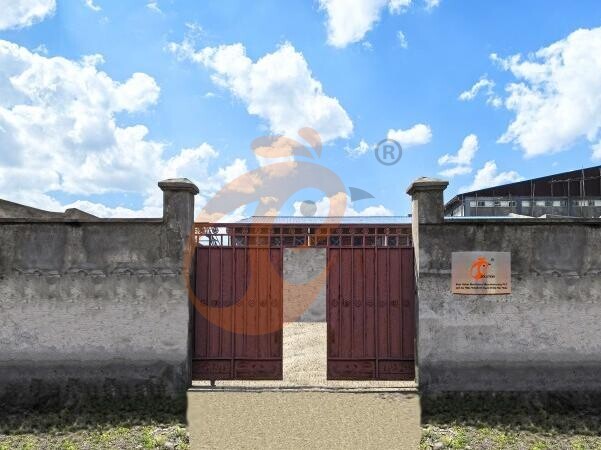
Ethiopia Best Hebei Machinery Manufacturing PLC
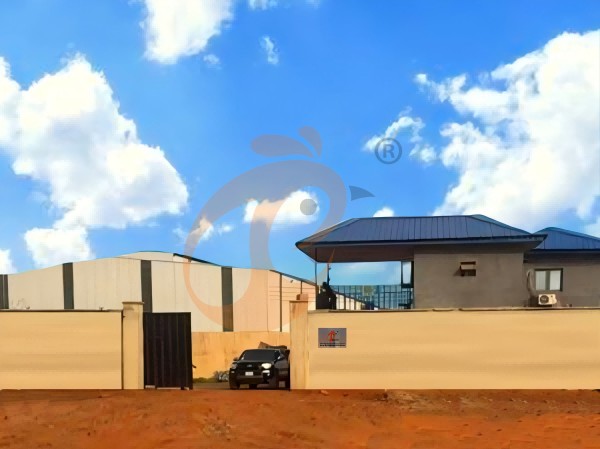
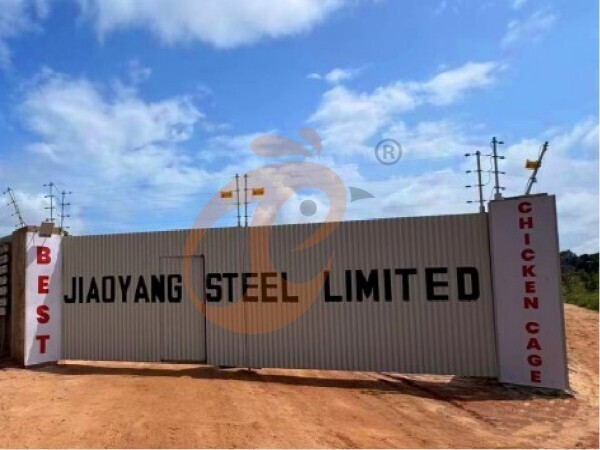
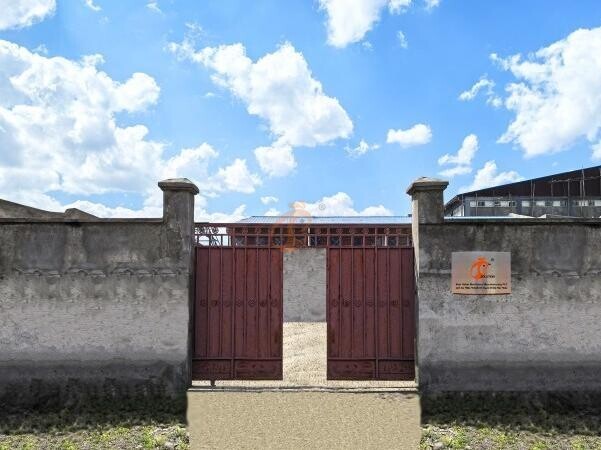
Reception /24 WhatsApp NO. : +8618830120193
FAQ
How Is Automation Applied In Complete Poultry Equipment?
Sensor monitoring networks collect environmental data every 5–20 seconds for continuous management accuracy.
Remote monitoring platforms support 24-hour equipment supervision improving operational reliability and response efficiency.
Which Environmental Control Functions Are Managed By Complete Poultry Equipment?
Temperature regulation equipment controls indoor conditions within 18–30°C for optimized poultry growth.
Humidity management systems stabilize relative humidity between 55%–70% reducing respiratory disease risks.
What Installation And Structural Standards Are Required For Complete Poultry Equipment In Poultry Chicken Farms?
Equipment support structures withstand 500–1200 kg load capacity ensuring long-term operational stability.
System installation precision is controlled within ±10 mm reducing mechanical deviation and operational wear.
Message
Products recommended
 HK Headquarter Offers EU-standard Poultry Farm Solutions, Manufacture Poultry Farm Equipment1. Continuous communication with the EU and the US
2. China, Nigeria, Ethiopia, Tanzania branch companies and factories
3. The products’ quality is customized for local poultry farms
4. Poultry cage and poultry farm equipment stock for sale
5. 24 online reception Whatsapp NO. : +8618830120193,contact us to get full informationRead More China Branch Offer Poultry Farm Business Plan, Manufacture Poultry Farm Equipment1. Address: Flat/RM 2416, 24/F, Runxing Building, Youyi Nan Street, Shijiazhuang City, Hebei Province, China
2. Poultry cage and poultry farm equipment factory and stock for sale
3. Customized for local poultry farms
4. Quality and design are based on Euro
5. 24 online reception Whatsapp NO. : +8618830120193Read More Nigeria Branch Offer Poultry Farm Business Plan, Manufacture Poultry Farm Equipment1. Address: After Sinoma Office, 200 Meters Near Danco Filling Station, Lagos/Ibadan Expressway, Lagos State, Nigeria
2. Poultry cage and poultry farm equipment factory and stock for sale
3. Customized for Nigerian poultry farms
4. Quality and design are based on Euro
5. 24 online reception Whatsapp NO. : +8618830120193Read More Ethiopia Branch Offer Poultry Farm Business Plan, Manufacture Poultry Farm Equipment1. Address: Gelan Gura, Akaki-kaliti Sub City, Addis Ababa, Ethiopia
2. Poultry cage and poultry farm equipment stock for sale
3. Customized for Ethiopian poultry farms
4. Quality and design are based on Euro
5. 24 online reception Whatsapp NO. : +8618830120193, contact us to get price listRead More Tanzania Branch Offer Poultry Farm Business Plan, Manufacture Poultry Farm Equipment1. Address: No.8, Sova Road, Msufini, Mlandizi, Kibaha, Pwani, Tanzania
2. Poultry cage and poultry farm equipment factory and stock for sale
3. Customized for Tanzanian poultry farms
4. Quality and design are based on Euro
5. 24 online reception Whatsapp NO. : +8618830120193Read More Fully Automatic H Type Layer Chicken Cage1. 30,000-100,000+ layers/house chooses it, Poultry farmers can achieve an egg production rate of 96-98%
2. A significant improvement over the 85-90% typically seen in manual systems
3. A typical poultry farm can expect a 30-40% reduction in labor costs due to the automation
4. Each feeding line efficiently supplies feed to around 100,000 hens per 30 mins
5. Reception /WhatsApp NO. : +8618830120193Read More Fully Automatic A Type Layer Chicken Cage1. 10,000-50,000 layers/house chooses it
2. Cleaner egg collection reduces breakage by 0.5%
3. Improved hygiene helps reduce mortality rate to <3%
4. 1–2 technicians can handle 15,000–30,000 birds
5. Reception /WhatsApp NO. : +8618830120193Read More Semi Automatic H Type Layer Chicken Cage1. 1,00-20,000 layers/house chooses it
2. Nipple drinkers flow 30–60 ML / min
3. Hot-dip galvanized (typical coating ≥ 275 g/m²)
4. Reduce ammonia by ~ 35–40%
5. Reception /WhatsApp NO. : +8618830120193Read More Semi Automatic A Type Layer Chicken Cage1. 1,00-20,000 layers/house chooses it, no rust for 10 years, no deformation for 15 years
2. Chickens live comfortably, you can raise them with peace of mind
3. Save water, save money—efficiency you can measure
4. Improve environment quality, and increase egg production rate
5. Reception /WhatsApp NO. : +8618830120193Read More
By clicking 'Allow All', you agree to the storage of cookies on your device to enhance site navigation, analyze site usage and assist with our marketing efforts.