






Blog
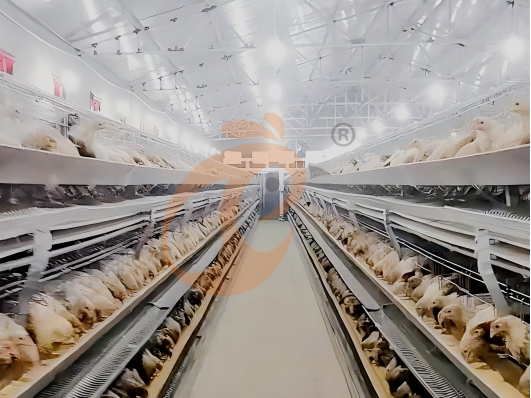
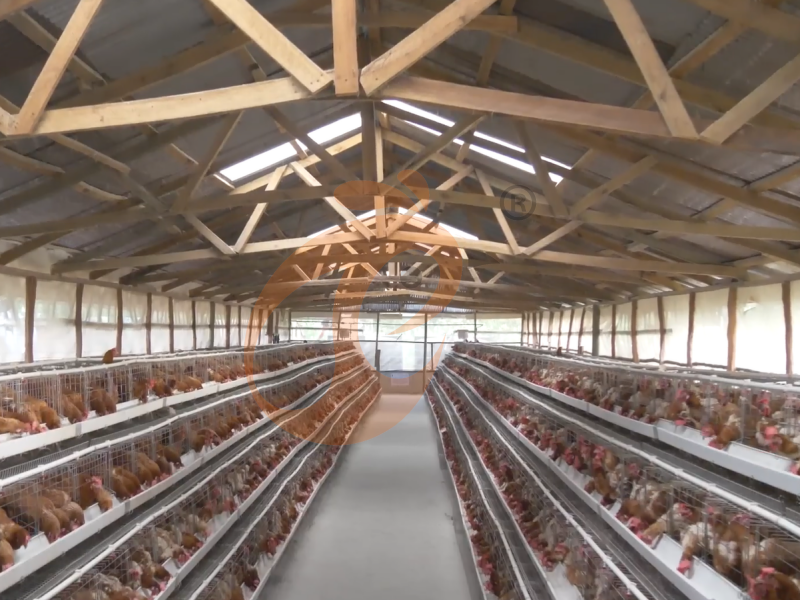
Advantage of battery cage systems are main 3 point
1. 90–96% laying rates peak production performance in commercial layer houses
2. One worker managing 10,000–50,000+ birds automatic feeding, drinking, egg collection, and manure removal replace manual labor
3. Feed conversion ratio of 1.9–2.2 less feed wasted per dozen eggs produced.
Engineered for global adaptability, our battery cage system delivers targeted performance advantages that solve the specific climate, labor, and operational challenges faced by poultry farmers in Africa, Southeast Asia, and Latin America.
Want to learn types chicken battery cage for your poultry farm?
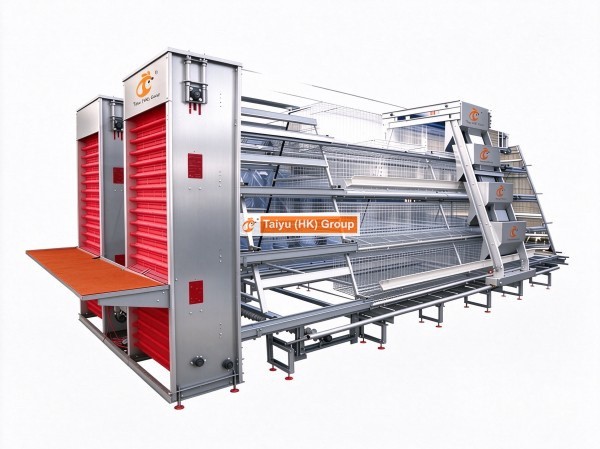
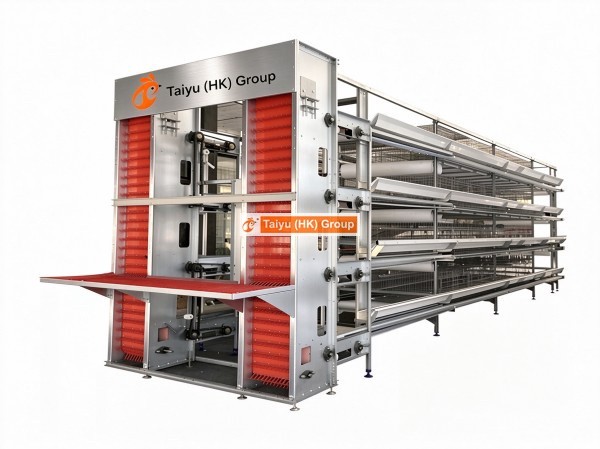
Different Advantages Of Battery Cage Systems In Three Major Markets
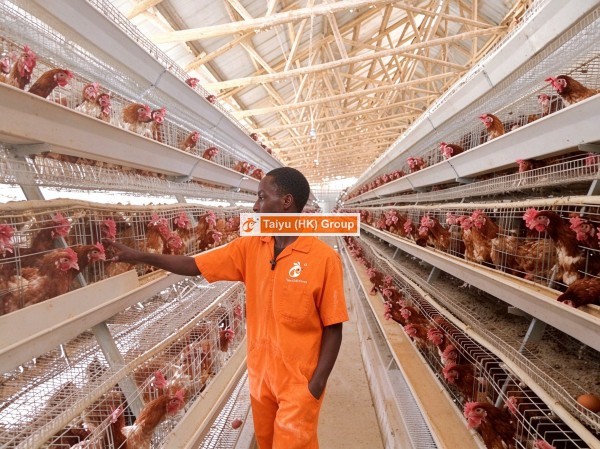
1. In Africa, the advantage of a battery cage system is return on investment a Ghana financial study recorded IRR 41% vs. 27% and 38% higher year-5 profit than deep litter.
2. In Southeast Asia, the advantage of a chicken cage system is land: multi-tier vertical stacking turns one building into several production levels, ideal where land is expensive.
3. In Latin America, the advantage of a poultry cage system is scalable standardization H-type tiers allow expansion toward 100,000+ birds with uniform, repeatable management.
Clients:
My farm is in Kenya. Will cages really make me more money than floor rearing?
Taiyu Group (HK):
In a Ghana study, cage farms earned 15–18% more revenue per year and stayed profitable even when feed prices rose 10% while floor farms went into loss.
Tell us your flock size and we will show you the numbers for your case.
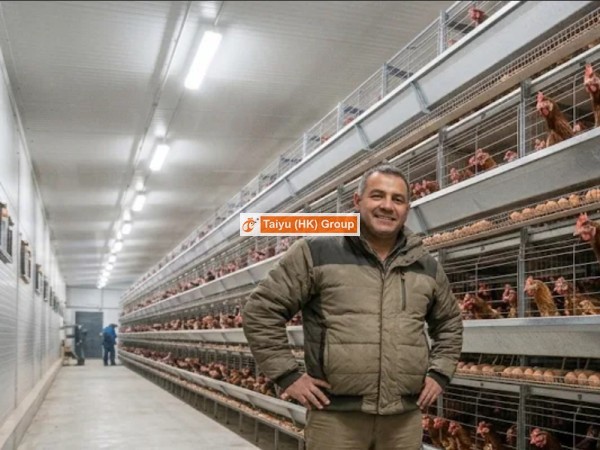
Learn More About Southeast Asia
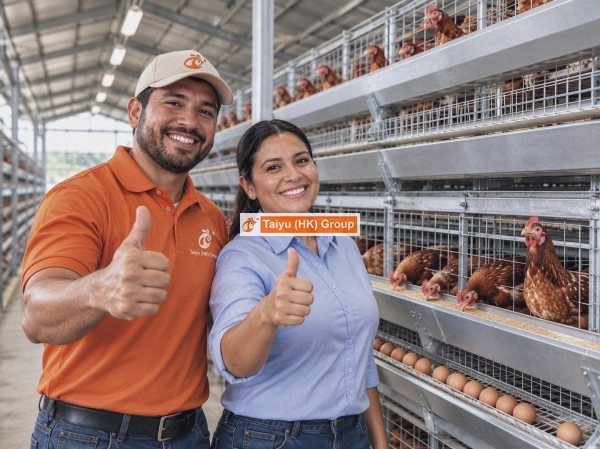
Learn More About Latin America
1. One Worker Per 30,000 Birds: The Labor Advantage
One worker can manage about 30,000 birds when automatic feeding, egg collection, and manure belts are installed.
Manual systems commonly require one worker for 2,000–4,000 birds, while automated cage systems can support 10,000–30,000 birds per operator, delivering labor savings of 50–70%.
A practical example is a 20,000-layer house equipped with chain feeding, nipple drinking, egg-collection belts, and manure belts.
Daily work focuses on monitoring bird condition, egg quality, feed levels, water lines, and equipment performance rather than repeated manual handling.
Client:
Labor is my biggest cost.
How many workers do I need for 20,000 layers?
Taiyu Group (HK):
With automatic feeding, egg collection and manure belts, 20,000 layers typically run with 1–2 operators.
That is a 50–70% labor saving compared with manual floor systems.
Data is based on more than 20 years of after-sales follow-up records collected by Taiyu Group (HK).
2. From 1,000 to 100,000+ Birds: The Advantage At Every Scale
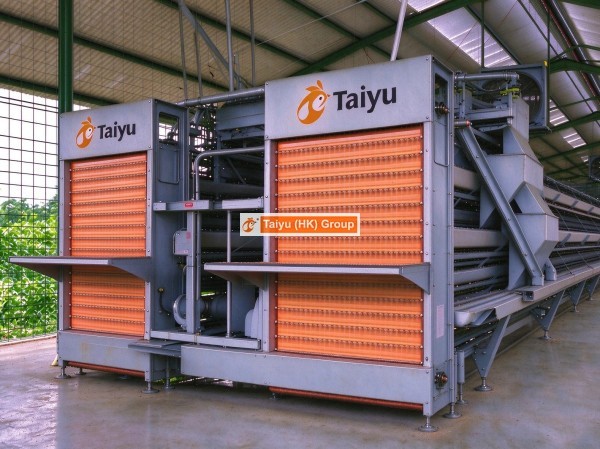
The advantage of battery cage equipment changes with flock size.
Smaller farms benefit from low-cost entry and simple management, while larger farms gain from automation, centralized collection, and vertical expansion.
Data is for reference only. Swipe horizontally to view full table.
Client:
I have 5,000 layers now and plan to reach 20,000. Should I buy big from the start?
Taiyu Group (HK):
Start with an A-type system sized for 5,000 and a house layout designed for a second row.
When you expand to 20,000, you add tiers and automation not a new building.
Data is based on more than 20 years of after-sales follow-up records collected by Taiyu Group (HK).
3. Fewer Dead Birds, Lower Drug Bills: The Hygiene Advantage
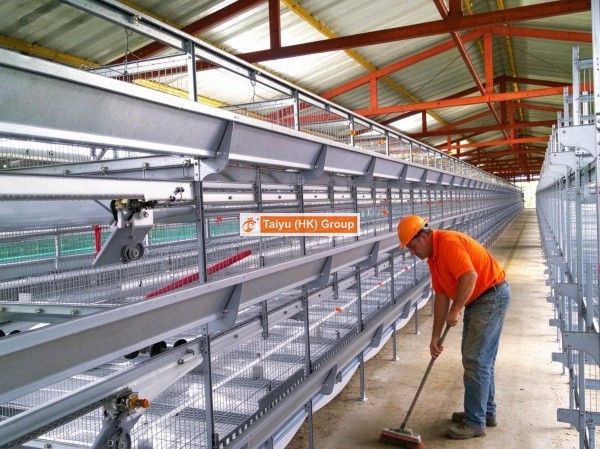
The advantage of battery cage hygiene comes from separating birds from droppings.
When manure is removed by belts or falls into a pit below the cages, birds have less direct contact with fecal material, reducing exposure to parasites and contact-transmitted disease cycles.
Coccidiosis risk declines because birds do not continuously walk through contaminated litter.
Worm burdens are reduced when fecal material is removed from the birds’ living area.
Cleaner cage floors reduce dirty eggs and limit microbial contamination during collection.
Lower mortality and fewer treatment interventions can reduce veterinary and drug expenditure.
Daily or frequent manure removal helps control ammonia and moisture inside the house.
A useful management benchmark is to keep litter-free walkways, maintain dry manure belts, and schedule removal before manure accumulates excessively.
In a cage house, a 24–72 hour manure-removal interval is commonly used, depending on climate, ventilation capacity, and belt design.
Client:
Every rainy season I lose birds to coccidiosis.
Can cages stop this?
Taiyu Group (HK):
Coccidiosis spreads through droppings on the floor.
In a cage system birds never touch their droppings the infection cycle is broken at the source.
4. 90–96% Laying Rate And Clean Eggs: The Production Advantage
The advantage of battery cage production is visible in both laying rate and egg cleanliness.
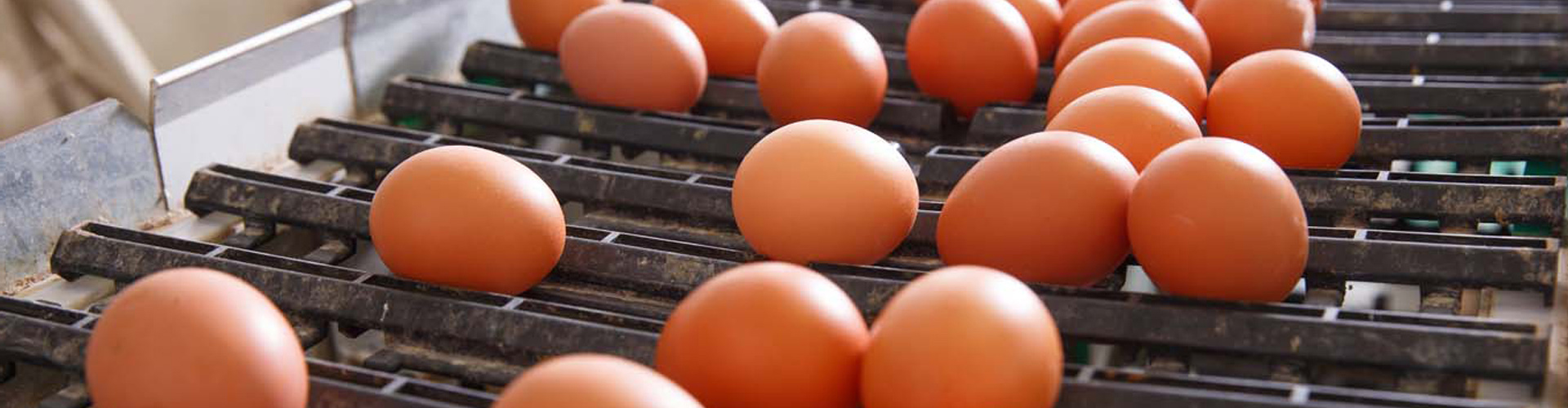
Sloped cage floors allow eggs to roll out of the cage shortly after laying, where collection belts transport them away from droppings, litter, and direct bird contact.
For a farm selling into retail or export-oriented markets, clean-shell eggs reduce washing, sorting, and rejection costs.
A 20,000-layer flock producing 18,400 eggs daily benefits directly when fewer eggs are stained, cracked, or contaminated before packing.
Client:
My buyers reject dirty eggs.
How do cages fix this?
Taiyu Group (HK):
In cages, eggs roll onto a belt within seconds they never touch litter or droppings.
Most farms see dirty-egg complaints drop close to zero in the first flock.
Data is based on more than 20 years of after-sales follow-up records collected by Taiyu Group (HK).
5. Less Feed Per Dozen Eggs: The Feed-Conversion Advantage
The advantage of battery cage feed efficiency comes from controlled troughs, reduced spillage, and lower unnecessary movement.
Fixed feed troughs make daily intake easier to measure, while restricted activity directs more dietary energy toward egg production rather than movement.
Feed commonly represents about 70% of layer-production cost.
Therefore, even a small improvement in conversion efficiency has a major effect reducing waste through trough design, accurate rationing, and stable environmental conditions protects margin when feed prices rise.
Client:
Feed is 70% of my cost.
How much can a cage system actually save?
Taiyu Group (HK):
Two savings less spillage from controlled troughs, and better conversion because birds move less fcr of 1.9–2.2 is a common benchmark in well-run cage houses.
6. Cage vs. Deep Litter: Which One Wins On Your Farm?
The core difference between cage and deep-litter systems is not only the purchase price.
Cage systems require more upfront investment but deliver advantages in space use, egg handling, manure removal, labor productivity, disease exposure, and long-term profit.
Data is for reference only. Swipe horizontally to view full table.
Deep litter remains suitable for certain broiler operations, small-scale projects, and farms where initial capital is extremely limited. However, for commercial egg production, the cage system’s higher initial cost is often recovered through lower labor demand, cleaner eggs, reduced disease pressure, and stronger long-term profitability.
The Ghana study found that the battery-cage system required GH₵1,717,085.40 in initial investment, 18.2% more than deep litter, yet produced 38% higher Year-5 net profit.
reference-global+1
Client:
Deep litter looks cheaper to start.
Why should I pay more for cages?
Taiyu Group (HK):
Floor rearing is cheaper on day one and more expensive by Year 5.
The same study showed cage farms ended 38% ahead in net profit.
You are not buying cages; you are buying lower cost per egg.
7. Rearing Systems And Housing Requirements
Layer producers should compare cage, floor, and free-range systems before selecting equipment.
Each model requires a different house design, labor plan, biosecurity routine, and capital budget.
Data is for reference only. Swipe horizontally to view full table.
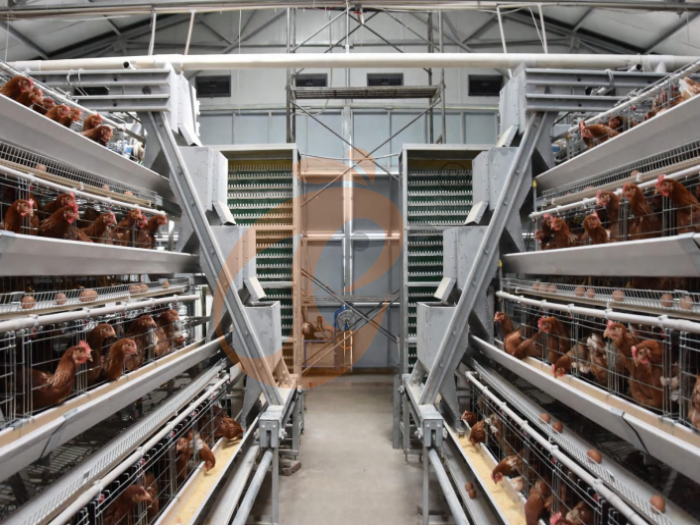
A cage house generally uses controlled ventilation, nipple drinking lines, mechanical feeding, and belt-based manure removal.
A floor-rearing house needs sufficient litter depth, regular litter management, and careful control of humidity and ammonia.
Free-range production requires secure fencing, predator protection, rotating outdoor areas, and more labor for flock supervision.
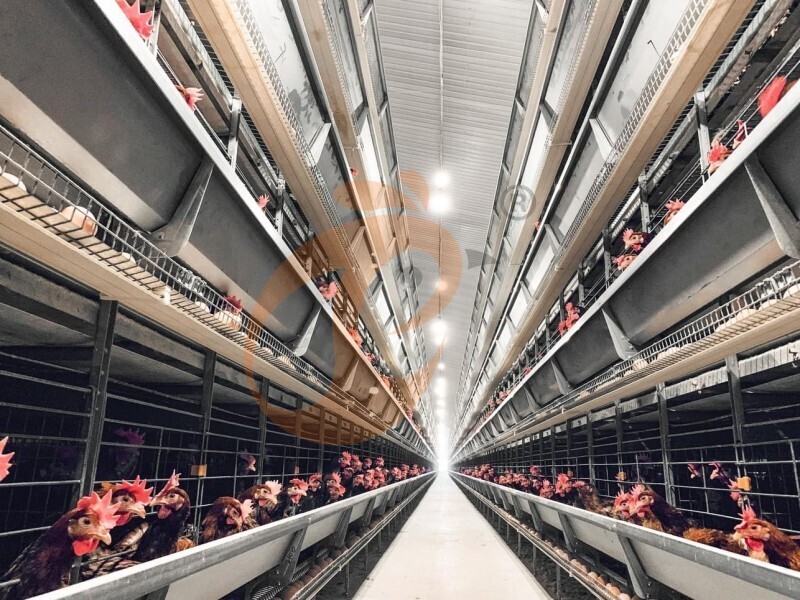
For a 20,000-layer cage project, a practical design may include two to four cage rows, 3–5 tiers per row, nipple drinkers, automatic chain or auger feeding, egg conveyors moving at 3–5 m/min, and manure belts designed for regular removal.
All currency figures in this article are European union standard reference only.
8. Taiyu (HK) Group - One Of China Toppest Battery Cage System Exporter
1. Global Service Network
Headquartered in Hong Kong, with branches and factories in China, Vietnam, Thailand, Nigeria, Kenya, Ethiopia, and Tanzania, providing more localized project and after-sales support.
2. International Quality Standards
Strict quality control and double inspections.
Certifications and export documents include CE, SGS, ISO 9001, CCVO, PVOC, SONCAP, COC, ECTN, FORM A/F/M, and more.
3. One-To-One Vip Service
Dedicated account managers provide customized farm designs, equipment configurations, and quotations for projects ranging from 500 to 100,000+ birds per house.
4. Lifetime After-Sales Service
Installation guidance, equipment commissioning, operator training, remote technical support, spare parts supply, and ongoing maintenance.
9. Contact Us To Received Your Customized Poultry Farm Plan
Headquarters And Branchs
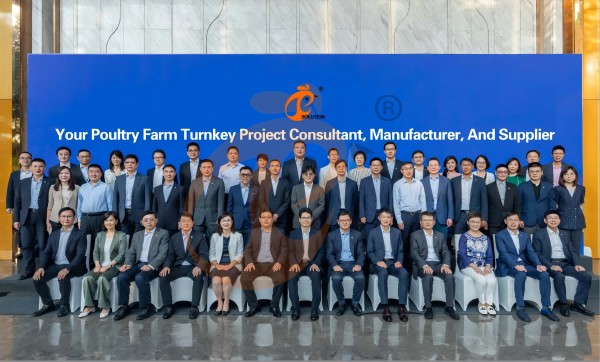
Hong Kong Headquarter Management Team
Hong Kong Headquarter Taiyu Industrial Group CO., LTD
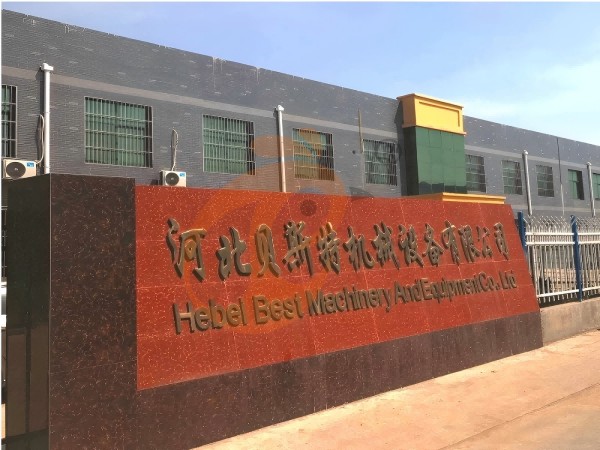
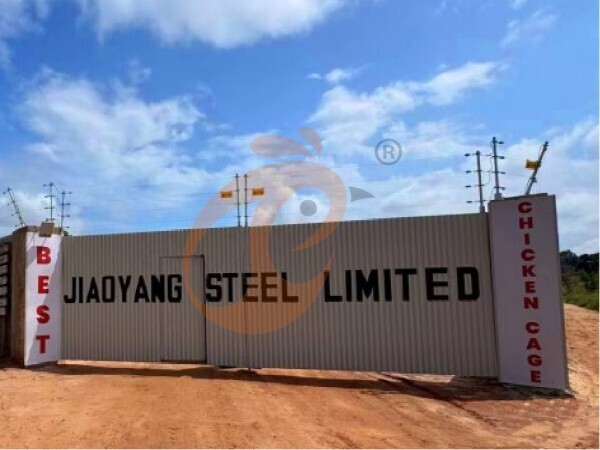
China Hebei Best Machinery And Equipment CO., LTD
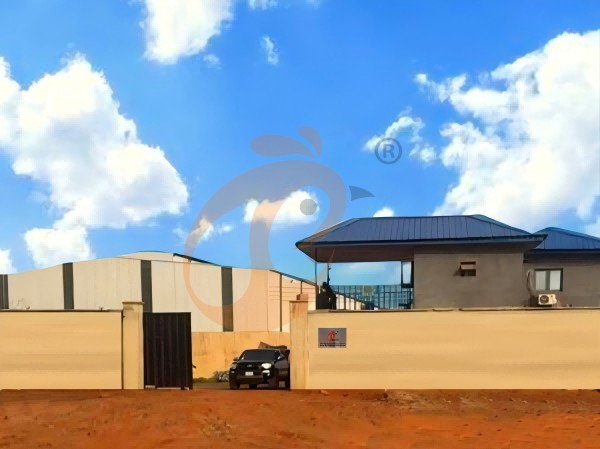
Nigeria Vanke Machinery And Equipment CO., LTD
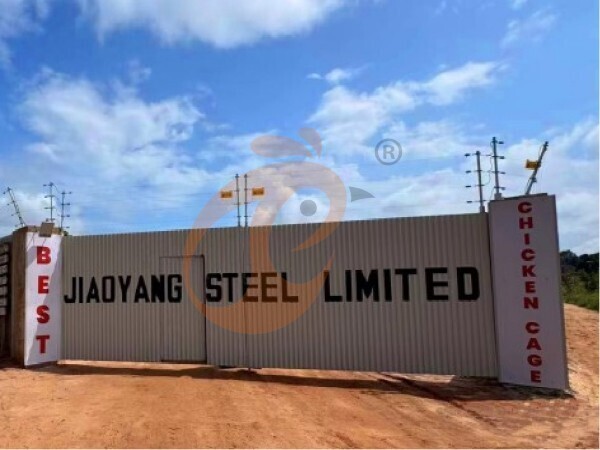
Tanzania Best Machinery And Equipment CO., LTD
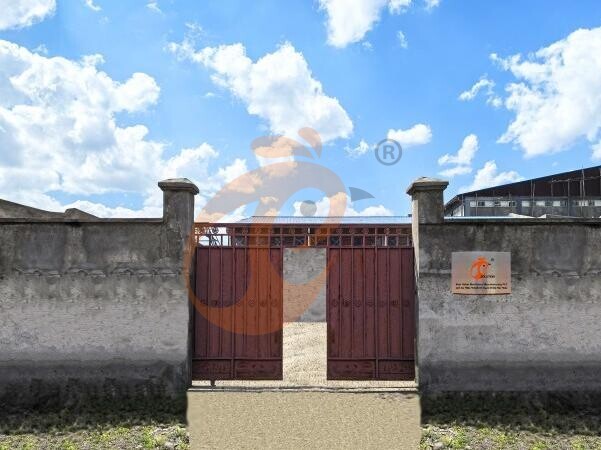
Ethiopia Best Hebei Machinery Manufacturing PLC
Reception /24 WhatsApp NO. : +8618830120193
FAQ
Message
Products recommended
 HK Headquarter Offers EU-standard Poultry Farm Solutions, Manufacture Poultry Farm Equipment1. Continuous communication with the EU and the US
2. China, Nigeria, Ethiopia, Tanzania branch companies and factories
3. The products’ quality is customized for local poultry farms
4. Poultry cage and poultry farm equipment stock for sale
5. 24 online reception Whatsapp NO. : +8618830120193,contact us to get full informationRead More China Branch Offer Poultry Farm Business Plan, Manufacture Poultry Farm Equipment1. Address: Flat/RM 2416, 24/F, Runxing Building, Youyi Nan Street, Shijiazhuang City, Hebei Province, China
2. Poultry cage and poultry farm equipment factory and stock for sale
3. Customized for local poultry farms
4. Quality and design are based on Euro
5. 24 online reception Whatsapp NO. : +8618830120193Read More Nigeria Branch Offer Poultry Farm Business Plan, Manufacture Poultry Farm Equipment1. Address: After Sinoma Office, 200 Meters Near Danco Filling Station, Lagos/Ibadan Expressway, Lagos State, Nigeria
2. Poultry cage and poultry farm equipment factory and stock for sale
3. Customized for Nigerian poultry farms
4. Quality and design are based on Euro
5. 24 online reception Whatsapp NO. : +8618830120193Read More Ethiopia Branch Offer Poultry Farm Business Plan, Manufacture Poultry Farm Equipment1. Address: Gelan Gura, Akaki-kaliti Sub City, Addis Ababa, Ethiopia
2. Poultry cage and poultry farm equipment stock for sale
3. Customized for Ethiopian poultry farms
4. Quality and design are based on Euro
5. 24 online reception Whatsapp NO. : +8618830120193, contact us to get price listRead More Tanzania Branch Offer Poultry Farm Business Plan, Manufacture Poultry Farm Equipment1. Address: No.8, Sova Road, Msufini, Mlandizi, Kibaha, Pwani, Tanzania
2. Poultry cage and poultry farm equipment factory and stock for sale
3. Customized for Tanzanian poultry farms
4. Quality and design are based on Euro
5. 24 online reception Whatsapp NO. : +8618830120193Read More Fully Automatic H Type Layer Chicken Cage1. 30,000-100,000+ layers/house chooses it, Poultry farmers can achieve an egg production rate of 96-98%
2. A significant improvement over the 85-90% typically seen in manual systems
3. A typical poultry farm can expect a 30-40% reduction in labor costs due to the automation
4. Each feeding line efficiently supplies feed to around 100,000 hens per 30 mins
5. Reception /WhatsApp NO. : +8618830120193Read More Fully Automatic A Type Layer Chicken Cage1. 10,000-50,000 layers/house chooses it
2. Cleaner egg collection reduces breakage by 0.5%
3. Improved hygiene helps reduce mortality rate to <3%
4. 1–2 technicians can handle 15,000–30,000 birds
5. Reception /WhatsApp NO. : +8618830120193Read More Semi Automatic H Type Layer Chicken Cage1. 1,00-20,000 layers/house chooses it
2. Nipple drinkers flow 30–60 ML / min
3. Hot-dip galvanized (typical coating ≥ 275 g/m²)
4. Reduce ammonia by ~ 35–40%
5. Reception /WhatsApp NO. : +8618830120193Read More Semi Automatic A Type Layer Chicken Cage1. 1,00-20,000 layers/house chooses it, no rust for 10 years, no deformation for 15 years
2. Chickens live comfortably, you can raise them with peace of mind
3. Save water, save money—efficiency you can measure
4. Improve environment quality, and increase egg production rate
5. Reception /WhatsApp NO. : +8618830120193Read More
By clicking 'Allow All', you agree to the storage of cookies on your device to enhance site navigation, analyze site usage and assist with our marketing efforts.