






Blog
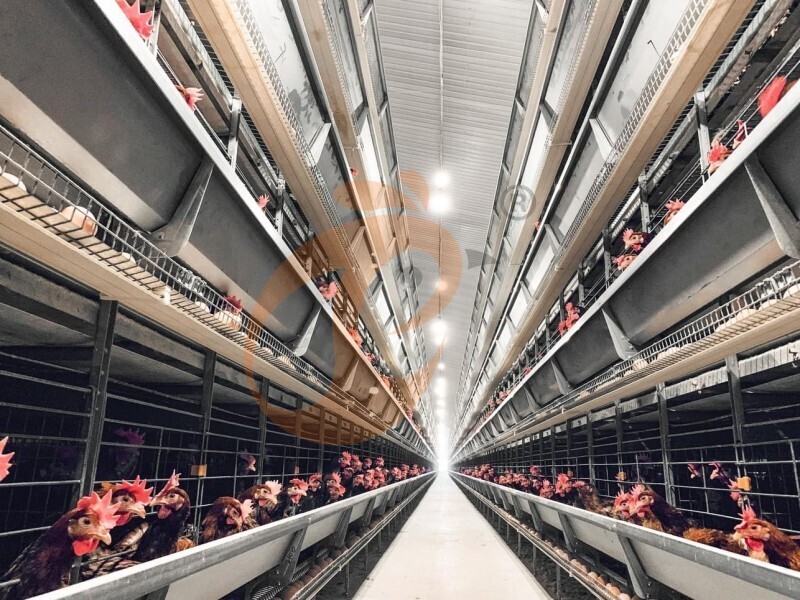
Free range layer farming equipment helps commercial producers balance capital investment, production efficiency, and animal welfare while planning profitable egg operations with reliable automated systems.
Compare five essential budget factors, including housing, feeding, drinking, egg collection, and maintenance, before selecting equipment for your planned flock capacity.
Automatic poultry feeding systems, nipple drinkers, and egg conveyors support efficient daily workflows while reducing repetitive manual handling.
Evaluate technical specifications, installation requirements, and operating expenses using measurable parameters, including a 2.5-year illustrative equipment payback period.
Discover integrated poultry equipment packages, practical engineering considerations, and investment calculations that support scalable free range egg production and informed purchasing decisions.
Get professional poultry farm construction guidance, equipment selection solutions, and the latest price lists, whatsApp to +8618830120193, +2348111199996, or click to learn more.
Understanding Free Range Layer Farming Costs
Free range layer farming equipment plays an important role in controlling capital expenditure (CAPEX) and operating expenditure (OPEX).
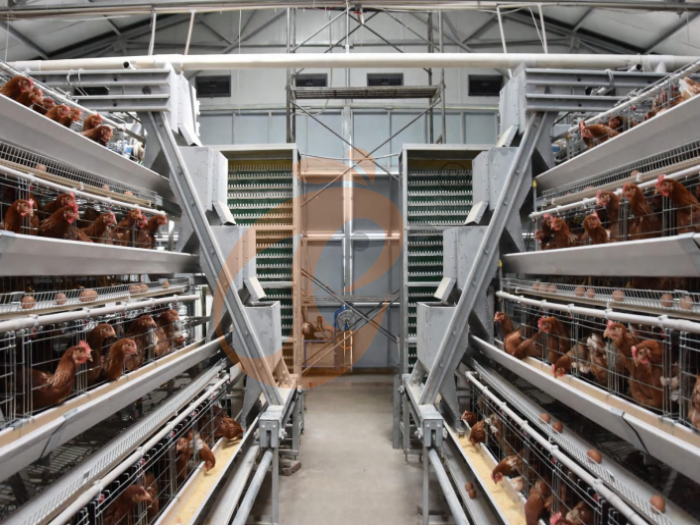
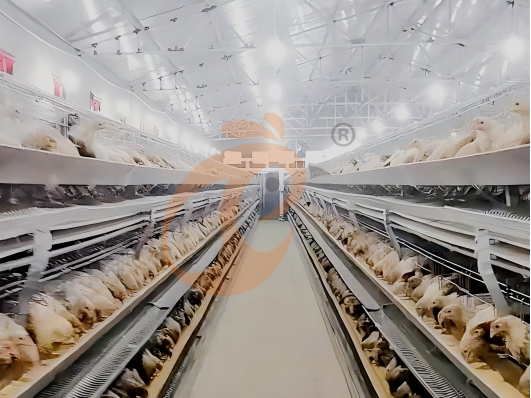
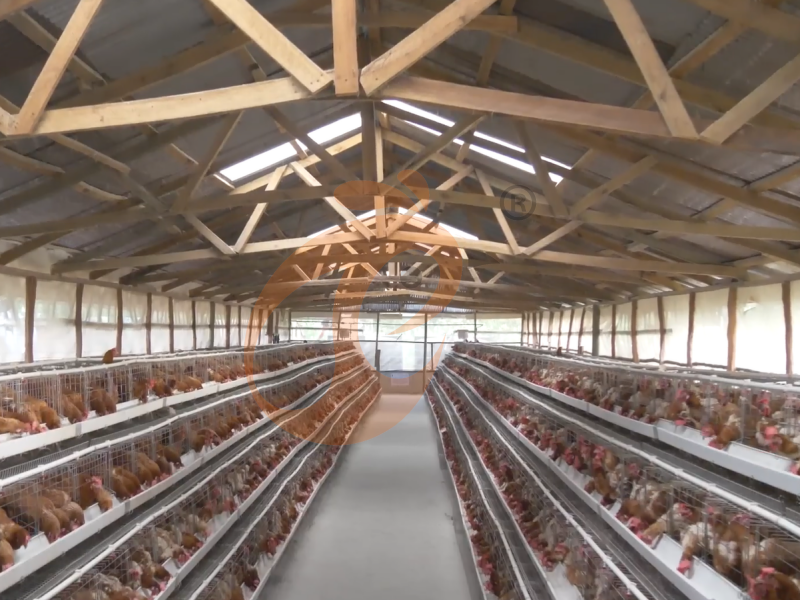
Housing, feeding, drinking, nesting, and egg collection systems should work together to support efficient commercial egg production.
For poultry equipment buyers, selecting compatible components can reduce installation complexity and improve maintenance accessibility.
A complete investment plan should distinguish initial purchasing costs from recurring expenses throughout the equipment lifecycle.
Land, Housing, And Infrastructure
Data is for reference only.Swipe horizontally to view full table.
The illustrative infrastructure budget totals $154,500, excluding land acquisition and other unlisted expenses.
European union standard reference only: applicable free-range requirements and local construction regulations must be checked before finalizing the poultry equipment layout.
Equipment marketing opportunity: Integrating ventilation, feeding, drinking, and egg collection equipment during construction can reduce retrofit work and improve service accessibility.
Engineering Essentials: Design Before Installation
Free range layer farming equipment requires coordinated structural, electrical, and mechanical planning.
Engineering Checklist
Structural coordination confirm equipment suspension points and load-bearing requirements before installation.
Electrical protection specify motor overload protection, grounding, and emergency isolation according to applicable electrical codes.
Water infrastructure include filtration, pressure regulation, and accessible flushing connections.
Range access position popholes to support bird movement and practical inspection routines.
Future expansion reserve space for additional feed silos, conveyors, and control cabinets.
For preliminary planning, a poultry house measuring 18 m × 96 m provides 1,728 m² of gross floor area.
A 2.4 m service corridor can improve access to selected equipment, subject to the final engineering layout.
Coordinated poultry house equipment design helps prevent incompatible installations and unnecessary construction modifications.
Feeding Equipment And Feed Management
Data is for reference only.Swipe horizontally to view full table.
Automatic poultry feeding systems help distribute feed efficiently and reduce repetitive manual work.
Actual conveying capacity depends on feed characteristics, pipe routing, motor specifications, and operating conditions.
When comparing poultry equipment suppliers, verify the rated throughput, component compatibility, warranty coverage, and replacement-part availability.
Commercial Advantage: A coordinated package of silos, augers, feed pans, and control components simplifies procurement and installation planning.
Drinking Equipment And Water Reliability
Data is for reference only.Swipe horizontally to view full table.
Automatic poultry drinking systems support reliable water distribution when correctly sized and maintained.
Actual nipple output and pressure requirements depend on valve design, installation height, water quality, and manufacturer specifications.
Equipment Selection Card
Automatic nipple line provide accessible drinking points throughout the poultry house.
Pressure regulators maintain operating conditions specified for selected valves.
Filtration assemblies help protect drinking components from suspended particles.
Water meters support consumption monitoring and abnormal-flow detection.
Flushing assemblies simplify scheduled cleaning and line maintenance.
A complete poultry equipment quotation should include regulators, filters, connectors, and installation accessories.
Nest Boxes And Egg Collection
Data is for reference only.Swipe horizontally to view full table.
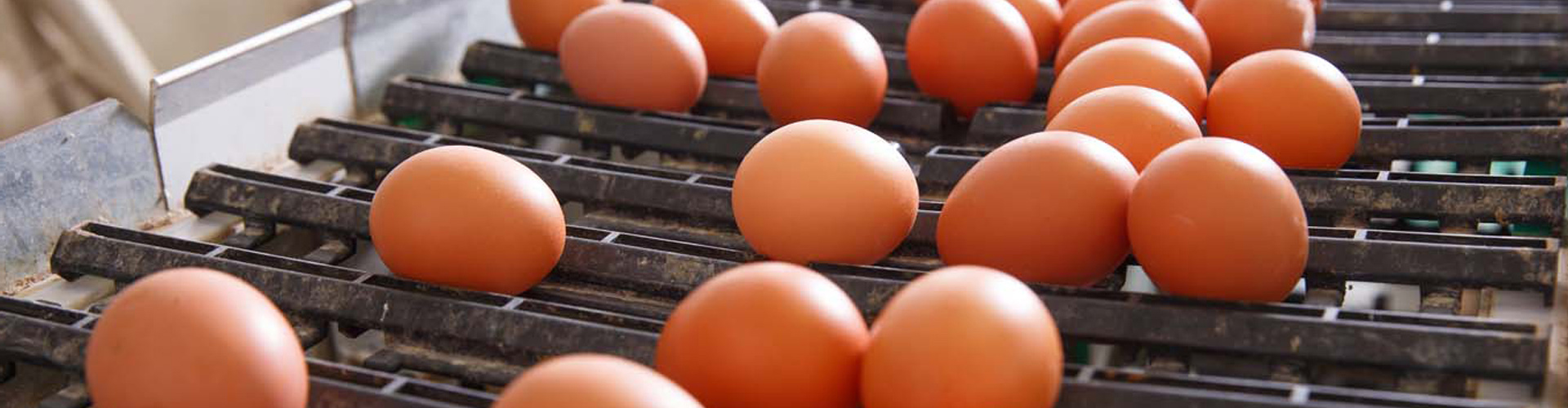
Automatic egg collection equipment helps reduce manual handling between nesting areas and the collection room.
Roll-away nest boxes move eggs away from birds after laying, while conveyor belts transport eggs toward centralized handling equipment.
Final specifications should match expected egg volume, conveyor geometry, collection schedules, and grading-line capacity.
Marketing opportunity combining nest boxes, egg belts, transfer conveyors, and grading equipment creates a coordinated egg handling system.
Production Workflow: From Feed Delivery To Egg Dispatch
Free range layer farming equipment should follow a logical production workflow from feed reception to finished egg distribution.
Stage One — Feed reception bulk feed enters storage silos and becomes available for controlled distribution.
↓
Stage Two — Feeding and drinking automatic poultry feeding systems and nipple drinking lines provide essential daily resources.
↓
Stage Three — Nesting properly designed nest boxes encourage hens to lay in designated locations.
↓
Stage Four — Egg transportation egg conveyors move production toward the collection room.
↓
Stage Five — Inspection and grading eggs undergo quality checks and classification according to applicable requirements.
↓
Stage Six — Packing and dispatch suitable eggs enter the designated packing, storage, and distribution process.
An integrated equipment layout reduces unnecessary transfer points and simplifies routine maintenance.
Clear installation interfaces and commissioning procedures help establish a reliable commercial poultry production system.
Labor, Biosecurity, And Maintenance
Data is for reference only.Swipe horizontally to view full table.
European union standard reference only.
The illustrative annual allowance excludes wages, feed, utilities, veterinary expenses, packaging, financing, and other operating costs.
Automatic poultry equipment can reduce repetitive manual tasks but does not eliminate the need for skilled workers or preventive maintenance.
Compare warranty coverage, service availability, replacement-part lead times, and recommended inspection intervals before purchasing equipment.
Maintenance Tip: Document inspections of drive assemblies, belt alignment, water leakage, electrical protection, and controller alarms.
Recommended Equipment Packages For Different Farm Scales
Data is for reference only.Swipe horizontally to view full table.
These poultry equipment packages illustrate possible configurations rather than fixed engineering specifications or quotations.
Final equipment quantities must reflect building dimensions, flock capacity, applicable regulations, and manufacturer ratings.
Starter projects can prioritize feeding, drinking, nesting, and essential environmental controls, while larger operations can evaluate centralized egg collection and monitoring.
Our poultry equipment solutions can be configured around existing infrastructure, production targets, and available capital.
Five Practical Ways To Control Investment Costs
Tip One — Compare complete quotations separate equipment, freight, installation, commissioning, and taxes before evaluating supplier offers.
Tip Two — Avoid unnecessary oversizing select equipment according to documented operating loads and realistic expansion plans.
Tip Three — Standardize components compatible motors, bearings, and control components can simplify spare-parts management.
Tip Four — Plan preventive maintenance schedule servicing to reduce avoidable production interruptions.
Tip Five — Measure actual performance track labor hours, saleable egg output, equipment downtime, and maintenance spending.
Request written specifications distinguishing nominal ratings from continuous operating capacities and verified performance measurements.
Investment Return: A Practical Calculation
Data is for reference only.Swipe horizontally to view full table.
European union standard reference only.
Financial figures are illustrative assumptions, not verified supplier quotations or guaranteed returns.
Annual net savings equal estimated savings minus additional annual operating expenses.
The example calculates net savings as $7,200 + $3,600 − $800 − $400 = $9,600.
Simple payback equals the initial investment divided by annual net savings, producing a 2.5-year illustrative period.
Actual poultry equipment returns depend on wage rates, production performance, installation quality, maintenance requirements, and equipment utilization.
A complete investment assessment should also consider financing, depreciation, taxes, and the time value of money.
Build A Profitable Free Range Layer Operation
Free range layer farming equipment should balance infrastructure investment, feeding, drinking, egg collection, and long-term operating efficiency.
Our poultry equipment range supports projects requiring automatic feeding, nipple drinking systems, nest boxes, egg conveyors, ventilation, and environmental monitoring.
Commercial producers benefit from coordinated equipment specifications that reflect flock capacity, building dimensions, labor requirements, and future expansion.
Request a customized poultry equipment quotation with your planned flock capacity, house dimensions, preferred automation level, and destination market.
A project-specific equipment list helps clarify technical requirements, installation scope, and investment priorities before purchasing.
Frequently Asked Questions
Q1: How much does free range layer farming equipment cost?
A1: Total costs depend on flock capacity, building requirements, automation level, and local construction rates.
For preliminary planning, compare complete equipment quotations and calculate installation costs separately from annual operating expenses.
Q2: Which poultry equipment should a new farm purchase first?
A2: Prioritize automatic feeding, reliable drinking lines, appropriate nest boxes, and essential ventilation equipment.
For example, a preliminary design might specify a 12-tonne feed silo, subject to actual consumption and delivery requirements.
Q3: How can automatic egg collection improve farm efficiency?
A3: Egg conveyors reduce repeated manual transportation and connect nesting areas with centralized collection equipment.
A system rated at 5,000 eggs/hour should be evaluated against peak output, downstream capacity, and actual operating conditions.
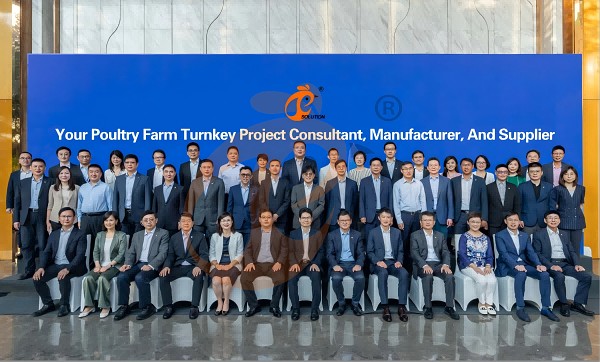
Taiyu (HK) Group - One Of China's Largest Poultry Equipment Manufacturer
Free range layer farming equipment integrates automatic feeding, nipple drinking, nesting, and egg collection systems, with configurations engineered for commercial flock capacities from 2,000 to 30,000 hens.
Global factory-direct supply provides coordinated poultry equipment packages, technical documentation, component specifications, and project-based quotation support.
Poultry equipment manufacturing covers feed silos, conveying systems, drinking lines, nest boxes, egg belts, and environmental control components.
Turn-key engineering services coordinate preliminary layout, equipment selection, installation planning, commissioning requirements, and technical handover.
Project-specific engineering supports equipment compatibility, phased expansion, maintenance planning, and commercial poultry production objectives.
Contact Us To Received Your Customized Poultry Farm Plan
Headquarters And Branchs

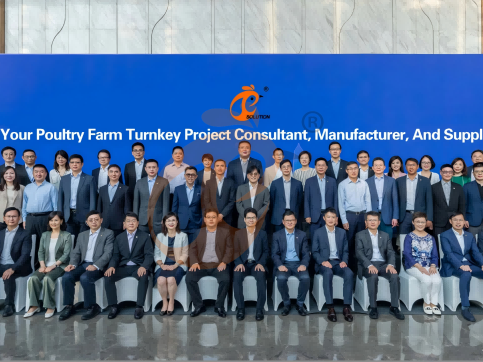
Hong Kong Headquarter Management Team
Hong Kong Headquarter Taiyu Industrial Group CO., LTD
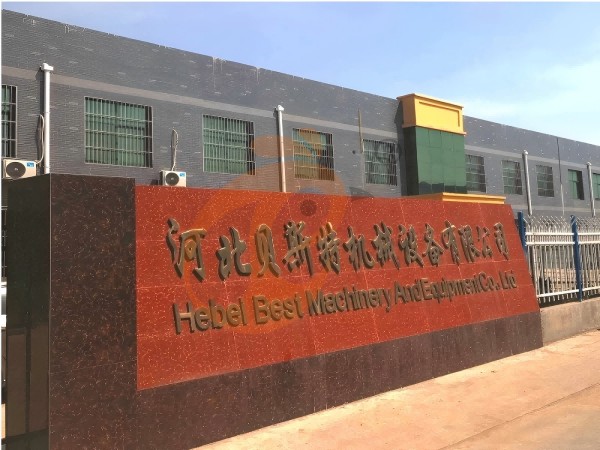
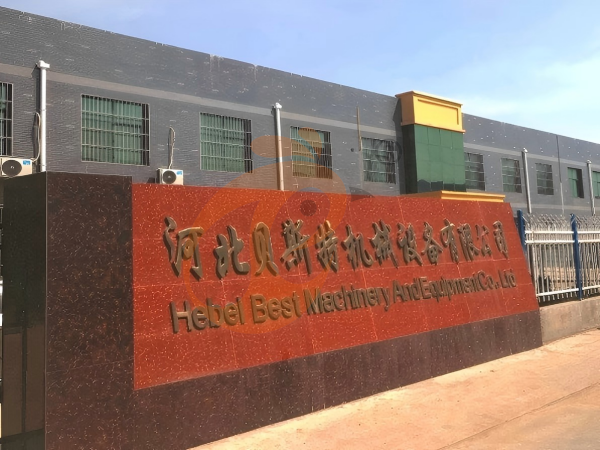
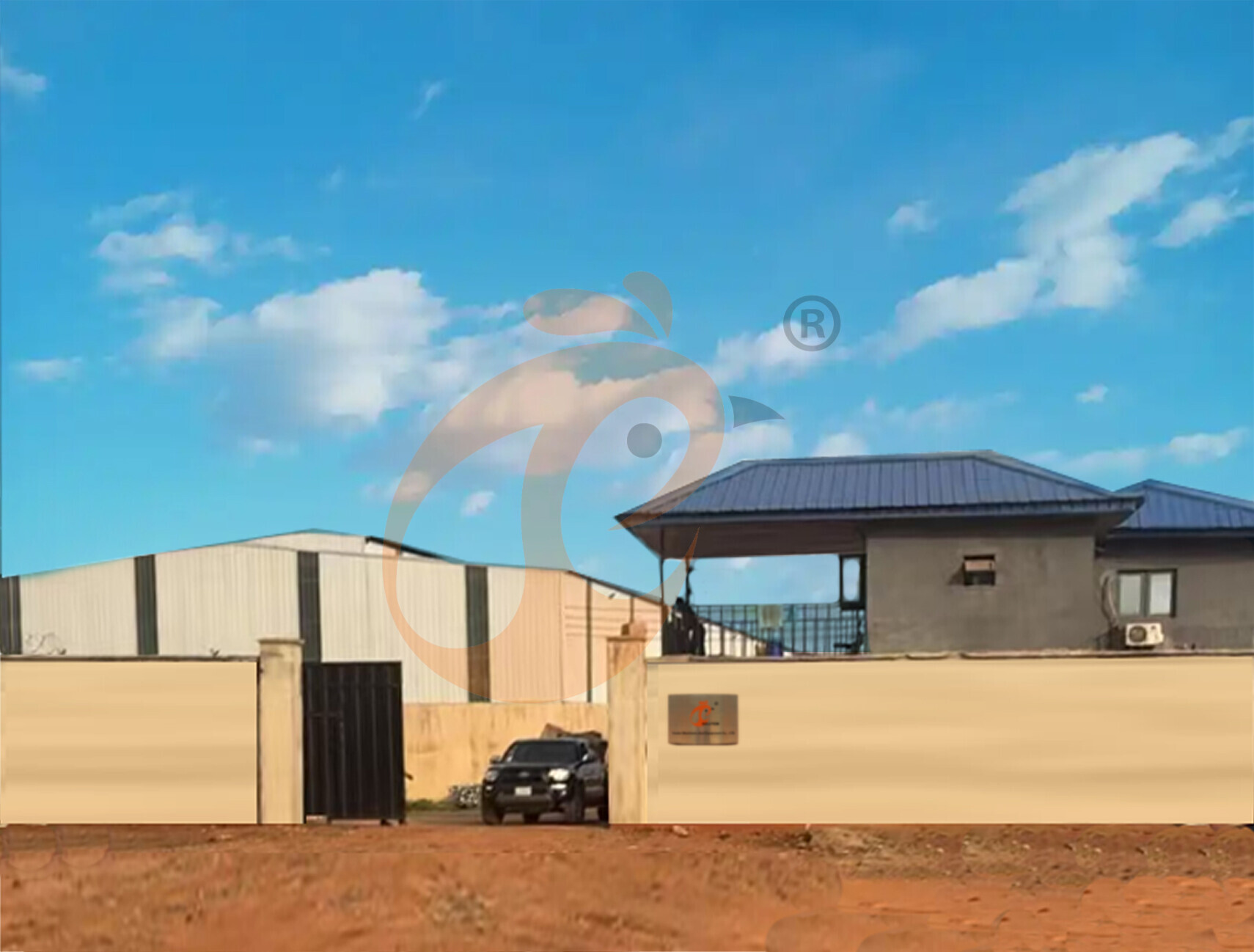
China Hebei Best Machinery And Equipment CO., LTD
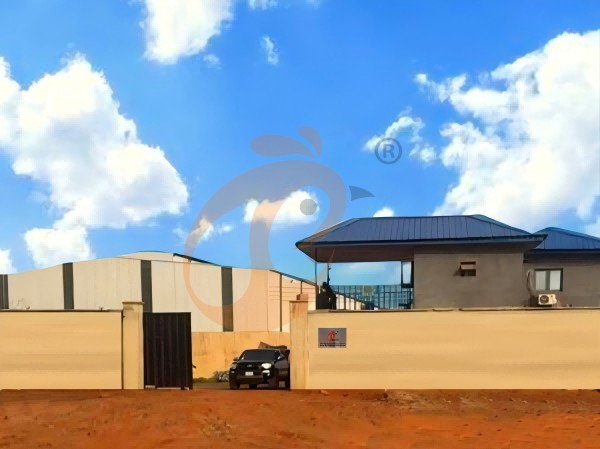
Nigeria Vanke Machinery And Equipment CO., LTD
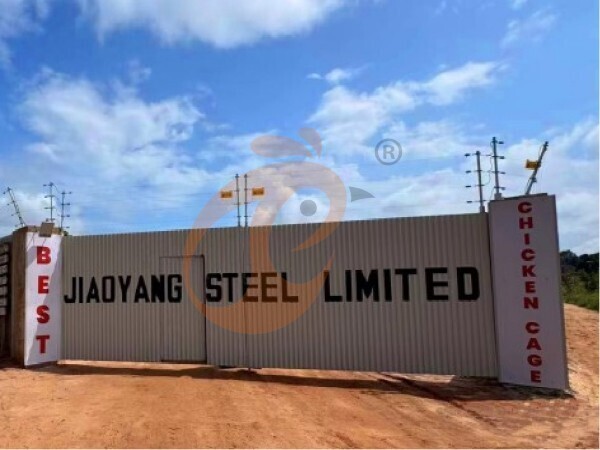
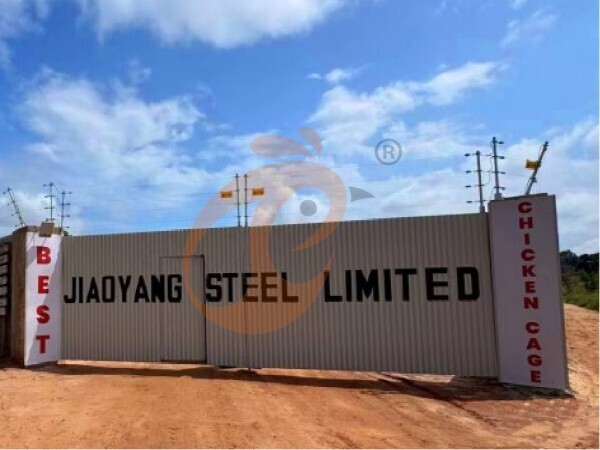
Tanzania Best Machinery And Equipment CO., LTD
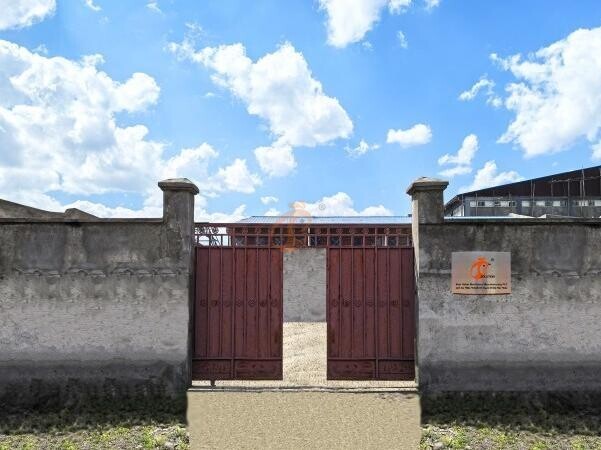
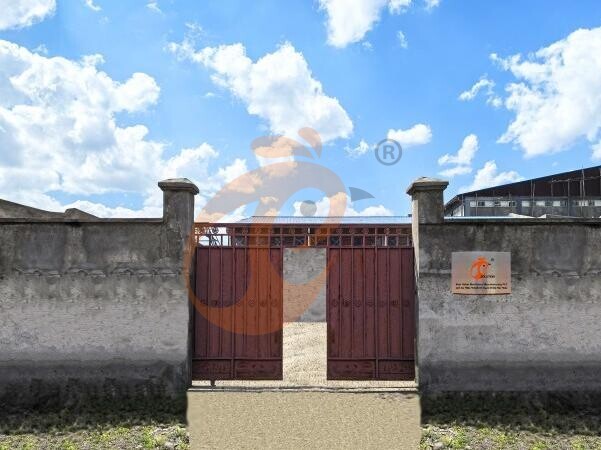
Ethiopia Best Hebei Machinery Manufacturing PLC
Reception /24 WhatsApp NO. : +8618830120193
FAQ
How Does Free Range System Affect Feed Consumption?
Energy expenditure increases daily intake variation by 15%–22% across seasons.
Feed conversion efficiency ranges from 1.9–2.3 depending on grazing intensity.
What Are The Housing Transition Management Standards In Free Range Poultry System?
Indoor-outdoor transition time is controlled within 10–15 minutes per flock movement cycle.
Lighting guidance systems operate at 5–8 lux to direct flock movement behavior.
What Are The Seasonal Adaptation Strategies In Free Range Poultry System?
Summer shade coverage is increased to 60%–80% of grazing area for heat stress reduction.
Rainfall drainage capacity handles 25–40 mm per hour precipitation levels for land usability.
- poultry equipment
- poultry farm
- feeding equipment
- poultry farm
- poultry farm construction
- poultry equipment manufacturer
- poultry equipment supplier
- automatic poultry equipment
- poultry equipment quotation
- poultry drinking system
- poultry feeding system
- automatic poultry drinking system
- automatic poultry feeding system
- layer farm
- poultry house
- layer farming equipment
- poultry house equipment
- poultry house construction
- poultry equipment suppliers
- Ethiopia
- Nigeria
Message
Products recommended
 HK Headquarter Offers EU-standard Poultry Farm Solutions, Manufacture Poultry Farm Equipment1. Continuous communication with the EU and the US
2. China, Nigeria, Ethiopia, Tanzania branch companies and factories
3. The products’ quality is customized for local poultry farms
4. Poultry cage and poultry farm equipment stock for sale
5. 24 online reception Whatsapp NO. : +8618830120193,contact us to get full informationRead More China Branch Offer Poultry Farm Business Plan, Manufacture Poultry Farm Equipment1. Address: Flat/RM 2416, 24/F, Runxing Building, Youyi Nan Street, Shijiazhuang City, Hebei Province, China
2. Poultry cage and poultry farm equipment factory and stock for sale
3. Customized for local poultry farms
4. Quality and design are based on Euro
5. 24 online reception Whatsapp NO. : +8618830120193Read More Nigeria Branch Offer Poultry Farm Business Plan, Manufacture Poultry Farm Equipment1. Address: After Sinoma Office, 200 Meters Near Danco Filling Station, Lagos/Ibadan Expressway, Lagos State, Nigeria
2. Poultry cage and poultry farm equipment factory and stock for sale
3. Customized for Nigerian poultry farms
4. Quality and design are based on Euro
5. 24 online reception Whatsapp NO. : +8618830120193Read More Ethiopia Branch Offer Poultry Farm Business Plan, Manufacture Poultry Farm Equipment1. Address: Gelan Gura, Akaki-kaliti Sub City, Addis Ababa, Ethiopia
2. Poultry cage and poultry farm equipment stock for sale
3. Customized for Ethiopian poultry farms
4. Quality and design are based on Euro
5. 24 online reception Whatsapp NO. : +8618830120193, contact us to get price listRead More Tanzania Branch Offer Poultry Farm Business Plan, Manufacture Poultry Farm Equipment1. Address: No.8, Sova Road, Msufini, Mlandizi, Kibaha, Pwani, Tanzania
2. Poultry cage and poultry farm equipment factory and stock for sale
3. Customized for Tanzanian poultry farms
4. Quality and design are based on Euro
5. 24 online reception Whatsapp NO. : +8618830120193Read More Fully Automatic H Type Layer Chicken Cage1. 30,000-100,000+ layers/house chooses it, Poultry farmers can achieve an egg production rate of 96-98%
2. A significant improvement over the 85-90% typically seen in manual systems
3. A typical poultry farm can expect a 30-40% reduction in labor costs due to the automation
4. Each feeding line efficiently supplies feed to around 100,000 hens per 30 mins
5. Reception /WhatsApp NO. : +8618830120193Read More Fully Automatic A Type Layer Chicken Cage1. 10,000-50,000 layers/house chooses it
2. Cleaner egg collection reduces breakage by 0.5%
3. Improved hygiene helps reduce mortality rate to <3%
4. 1–2 technicians can handle 15,000–30,000 birds
5. Reception /WhatsApp NO. : +8618830120193Read More Semi Automatic H Type Layer Chicken Cage1. 1,00-20,000 layers/house chooses it
2. Nipple drinkers flow 30–60 ML / min
3. Hot-dip galvanized (typical coating ≥ 275 g/m²)
4. Reduce ammonia by ~ 35–40%
5. Reception /WhatsApp NO. : +8618830120193Read More Semi Automatic A Type Layer Chicken Cage1. 1,00-20,000 layers/house chooses it, no rust for 10 years, no deformation for 15 years
2. Chickens live comfortably, you can raise them with peace of mind
3. Save water, save money—efficiency you can measure
4. Improve environment quality, and increase egg production rate
5. Reception /WhatsApp NO. : +8618830120193Read More
By clicking 'Allow All', you agree to the storage of cookies on your device to enhance site navigation, analyze site usage and assist with our marketing efforts.